
Understanding Event Streaming Production
Event streaming production is an advanced method of broadcasting live or pre-recorded events to a remote audience through digital platforms. It has become an integral part of contemporary event planning, offering real-time engagement and broad accessibility. Central to this process are various technological components that work together to deliver seamless live streams, including high-definition cameras, encoding devices, reliable internet connectivity, and sophisticated streaming software. These elements ensure that the visual and audio content are captured, processed, and transmitted efficiently to viewers regardless of their location.
The core of event streaming production involves multiple stages. It begins with meticulous planning to determine the type of event, target audience, and desired broadcast quality. During the execution phase, production teams coordinate camera operators, sound engineers, and technical staff to capture content from various angles and sources. This footage is then encoded and managed using streaming platforms capable of handling high-volume data transmission without latency.
In modern event planning, the role of event streaming extends beyond mere broadcasting. It provides opportunities for interactive engagement, such as live chat, Q&A sessions, and social media integration, which significantly enhance the attendee experience. Moreover, the ability to archive and analyze streamed content opens avenues for marketing, post-event review, and audience insights.
Understanding the intricacies of event streaming production is critical for organizers aiming to deliver professional-quality broadcasts. It involves not just equipment and technology but also strategic coordination among production teams, event planners, and clients to meet specific objectives. Tailoring the production workflow to suit event size, scope, and audience expectations ensures the delivery of engaging, high-impact live and virtual experiences.
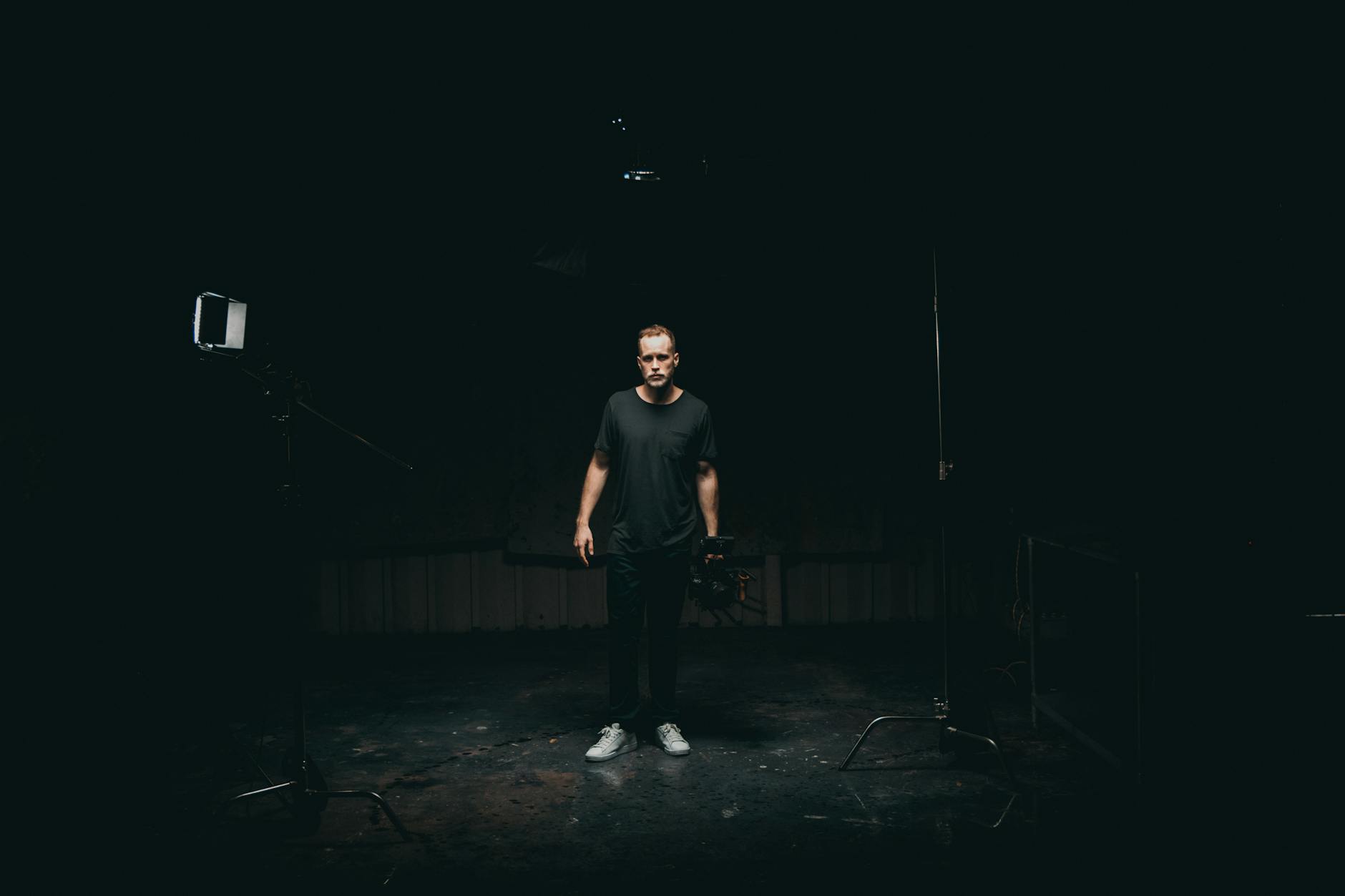
Key Technologies and Equipment for Event Streaming
Executing a high-quality event streaming production necessitates the integration of advanced technologies and specialized equipment. The foundation of a seamless broadcast starts with reliable hardware that can handle high data throughput while maintaining crisp video and clear audio quality.
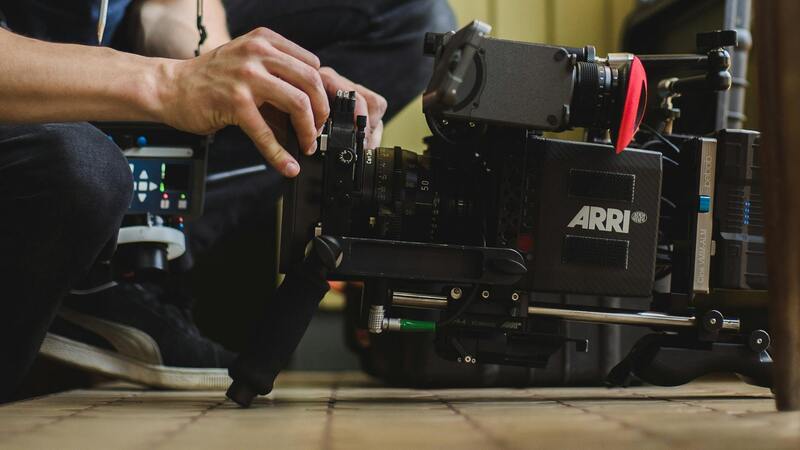
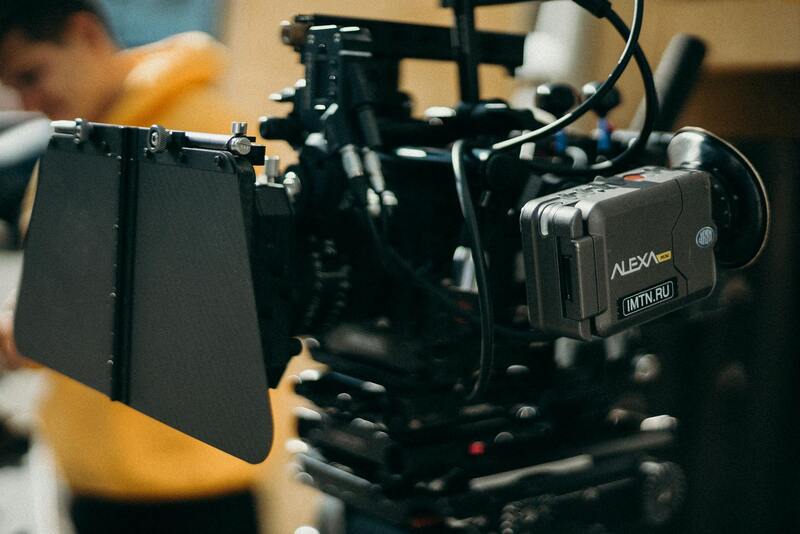
Central to this setup are professional cameras capable of capturing high-definition footage in various lighting conditions. These might include PTZ (pan-tilt-zoom) cameras for versatile angles or studio-grade cameras for static shots. Complementing the cameras are multi-channel audio mixers and microphones designed to ensure every word and sound is captured with precision, regardless of the event's size or setting.
To manage the streaming process effectively, live encoding equipment is indispensable. Hardware encoders convert raw footage into digital streams compatible with streaming platforms. They are designed to compress data efficiently, reduce latency, and maintain high visual quality during transmission. Modern encoders often come with multiple outputs, supporting adaptive bitrate streaming to accommodate viewers with varying internet speeds.
In addition to capturing and encoding equipment, robust networking hardware ensures stable connectivity. High-performance routers, switches, and dedicated internet lines are essential to sustain uninterrupted data flow. On-site network infrastructure should be capable of handling large volumes of data without packet loss or jitter, which could compromise the viewer's experience.
Another critical component is content delivery networks (CDNs) and streaming servers. These platforms distribute the live feed across multiple regions, minimizing latency and buffering. Advanced CDNs also provide analytics tools, helping producers monitor stream health and viewer engagement in real-time.
Furthermore, auxiliary equipment such as graphic overlays, teleprompters, and remote production tools can enhance the broadcast, allowing producers to add branding, real-time comments, or other visual elements that improve overall production quality.
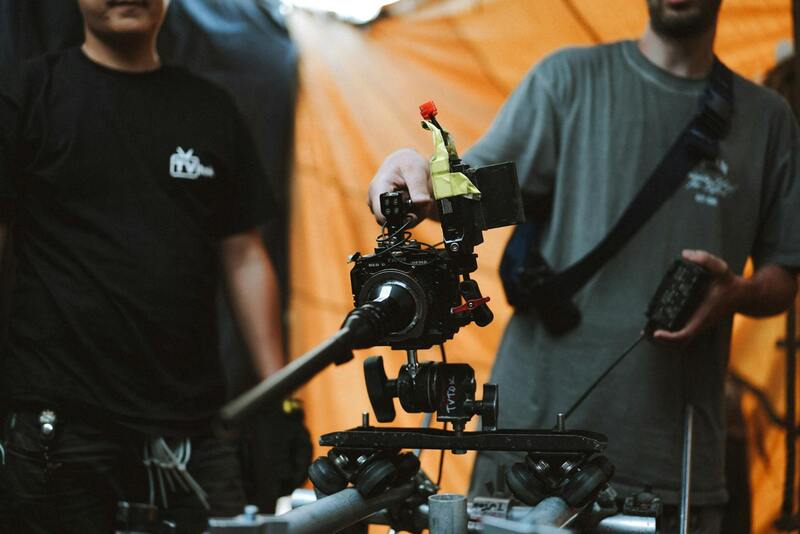
Adopting the latest innovation in event streaming equipment enhances not only the visual and audio fidelity but also the reliability and flexibility of the broadcast. For event organizers in Miami, investing in state-of-the-art hardware and infrastructure is crucial for delivering professional streams that meet audience expectations and elevate the event's profile.
Key Technologies and Equipment for Event Streaming
For successful event streaming production, deploying the right combination of technology and equipment is vital. High-definition cameras serve as the cornerstone, capturing the event with clarity and precision. These cameras range from professional-grade broadcast units to PTZ (pan-tilt-zoom) models that enable dynamic shots and remote operation, ensuring comprehensive coverage of the event space. Integration with multiple camera sources allows for varied perspectives and engaging visual storytelling.
Encoders are pivotal in converting raw video signals into digital data suitable for live streaming. Hardware encoders, often dedicated devices, deliver consistent performance with minimal latency. More flexible options include software encoders that run on robust computers, offering customization capabilities and integration with streaming platforms. An efficient encoder setup ensures broadcast quality remains high, especially when utilizing multi-bitrate streaming to adapt to different viewer bandwidths.
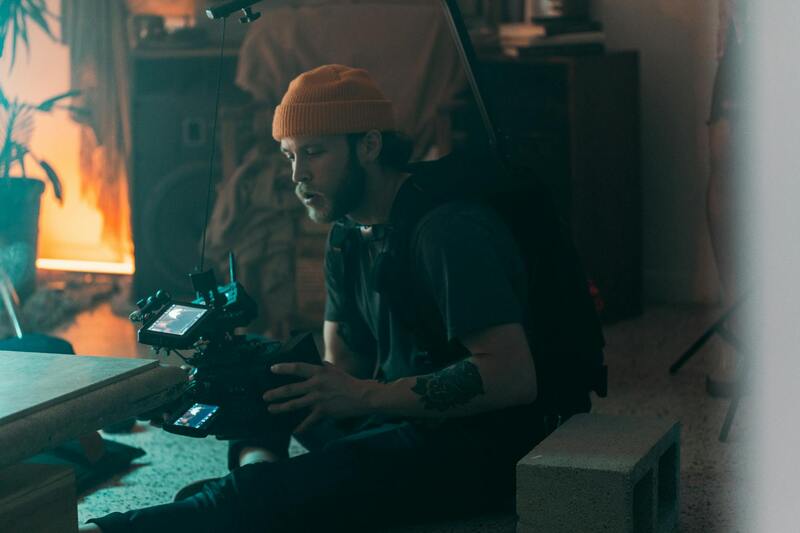
Streaming platforms and delivery networks are equally significant. Reliable streaming servers and content delivery networks (CDNs) distribute the live feed to audiences across different regions swiftly and smoothly. These platforms support scalability, allowing seamless expansion as audience sizes grow, without compromising the viewer experience. Integration with analytics tools provides real-time data on stream health, viewer engagement, and geographic distribution, enabling producers to make informed adjustments during the event.
Supplementary equipment such as graphic overlays, teleprompters, and multi-view monitors enhance the production quality. Graphic overlays introduce branding elements, real-time comments, or informational graphics, enriching the viewer's experience. Teleprompters assist presenters in maintaining eye contact and delivering content smoothly, especially during keynote speeches or panel discussions. Multi-view monitors enable directors and camera operators to switch between feeds with ease, maintaining a professional flow throughout the broadcast.
To ensure a seamless streaming event, audio equipment must not be overlooked. High-fidelity microphones, audio mixers, and digital sound processors capture and refine sound, ensuring speech clarity and immersive experience. Sound engineers often manage audio feeds separately from video to optimize overall quality, avoiding common issues like echo or background noise.
Planning and Coordination for Successful Streaming Events
Effective planning involves detailed coordination across all technical and logistical facets. Pre-event rehearsals with all equipment and personnel can identify potential issues, allowing timely adjustments. Developing a comprehensive production plan, including stage layouts, camera placements, and signal routing, ensures streamlined operations during the event.
Communication channels among technical teams, speakers, and event organizers are critical. Utilizing dedicated radio or intercom systems enables real-time coordination, troubleshooting, and rapid response to unexpected situations. Assigning specific roles—such as camera operators, sound engineers, and streaming technicians—clarifies responsibilities and promotes efficiency.
Contingency planning is also essential. Having backup equipment, such as spare cameras, encoders, and batteries, safeguards against technical failures. Establishing clear protocols for troubleshooting common issues minimizes disruptions and maintains broadcast continuity.
In addition, obtaining detailed event schedules and ensuring all equipment is synchronized facilitates smooth transitions during live segments. This meticulous approach reduces latency and keeps the broadcast aligned with the event agenda.
Challenges and Solutions in Event Streaming Production
- Bandwidth limitations: High-quality streaming demands significant internet bandwidth. Solution: Utilize dedicated internet lines and prioritize network traffic to prevent congestion. Additionally, employing adaptive bitrate streaming adjusts the video quality based on available bandwidth.
- Hardware failures: Equipment malfunctions can disrupt broadcast. Solution: Maintain a stock of backup hardware and perform regular maintenance checks prior to the event.
- Synchronization issues: Audio and video feeds must be synchronized for a cohesive viewing experience. Solution: Use timecode synchronization tools and perform test runs to align signals accurately.
- Latency and buffering: Delays can impair viewer engagement. Solution: Opt for low-latency streaming protocols and select CDN providers with optimized content delivery infrastructure.
- Environmental factors: External conditions such as lighting, acoustics, or power fluctuations can impact production. Solution: Implement controlled lighting setups, sound dampening measures, and uninterruptible power supplies (UPS) to secure continuous operation.
Legal and Compliance Considerations
Ensuring proper adherence to copyright laws and content licensing agreements is fundamental in event streaming production. Prior to broadcasting, one must verify that all audiovisual content, including music, videos, and imagery, has the necessary permissions for online dissemination. This process involves obtaining licenses from copyright holders or utilizing licensed content to avoid potential disputes.
Additionally, compliance with privacy regulations is crucial, especially when streaming interactive segments involving participant data or personal information. Clear consent protocols should be established, and audiences must be informed about data collection practices. Implementing secure data handling and storage solutions safeguards against breaches.
Another key aspect involves adhering to the technical standards mandated by broadcasting authorities or platform guidelines. These standards cover aspects such as video resolution, audio quality, and metadata tagging, which facilitate smooth distribution and accessibility.
Content moderation policies also play a vital role in managing live interactions, ensuring that broadcasted content remains appropriate and within mandated guidelines. Proper moderation minimizes risks associated with offensive or unauthorized material appearing during live streams.
Effective planning around these legal and compliance issues not only helps prevent disruptions but also builds trust with viewers by demonstrating professionalism and responsibility. Crafting a comprehensive compliance checklist tailored to each event's content and distribution platform is an essential step in the production process.
Legal and Compliance Considerations in Event Streaming Production
Executing a successful live stream involves adhering to several important legal and regulatory standards that govern content rights, data protection, and broadcast practices. Ensuring full compliance is essential for maintaining a professional reputation and delivering a seamless viewing experience without interruptions or legal complications.
Content Rights Management
Secure licenses for all third-party content used during your event, including music, videos, images, and proprietary materials. This process involves verifying rights ownership and obtaining appropriate permissions prior to the event. When licensed content is utilized, it is vital to include proper credits and follow the usage terms outlined by rights holders. This diligence not only helps avoid copyright disputes but also demonstrates respect for intellectual property.
Data Privacy and Audience Protection
During interactive components of live streams, such as Q&A sessions or participant polls, personal data may be collected. Establish clear protocols for obtaining explicit consent from participants regarding data collection and usage. Inform viewers about how their data will be stored, protected, and potentially shared, ensuring transparency and building trust. Additionally, compliant handling of data involves implementing secure storage solutions with encryption and access controls to prevent unauthorized breaches.
Broadcast Standards and Platform Guidelines
Adherence to technical standards mandated by broadcasting authorities or streaming platforms ensures high-quality delivery and broad accessibility. These standards typically specify requirements around video resolution, bit rates, color profiles, and audio clarity. Aligning with these standards minimizes buffering issues, losses in signal quality, and accessibility barriers for viewers with assistive technologies.
Content Moderation and Responsible Broadcasting
Maintaining a respectful and politically correct broadcast environment involves actively monitoring live interactions. Setting up moderation teams and employing automated filtering tools can prevent offensive or inappropriate content from airing. Clear moderation policies should be communicated to hosts and moderators ahead of the event, with procedures for addressing violations swiftly and effectively.
Implementing a Comprehensive Compliance Strategy
A systematic approach to legal and compliance issues includes creating a detailed checklist tailored to the specific event and distribution platform. This checklist should cover content rights, data privacy, platform policies, moderation protocols, and reporting requirements. Regular reviews and updates ensure that the event remains compliant with evolving regulations, reducing operational risks and safeguarding your organization's reputation.
Understanding Event Streaming Production
Event streaming production involves the strategic deployment of broadcast-quality video and audio content in real-time via digital platforms. This process requires meticulous planning, advanced equipment, and highly skilled personnel to ensure seamless delivery from the event venue to viewers across various locations. Effective event streaming production encompasses pre-event preparations, live broadcasting, and post-event analytics, all conducted within a framework that prioritizes signal integrity, viewer experience, and operational efficiency.
Core Components of Event Streaming Production
- Camera and Audio Equipment: High-definition cameras, professional-grade microphones, and audio mixers form the backbone of live production. Their quality directly impacts viewer engagement and content clarity.
- Encoding and Transmission Hardware: Hardware encoders convert raw footage into streaming-compatible formats, ensuring minimal latency and optimal bitrate management during broadcast.
- Streaming Platforms and Protocols: Selecting robust streaming protocols such as SRT (Secure Reliable Transport) or HLS (HTTP Live Streaming) ensures stable delivery across diverse network conditions. Platforms used must support device compatibility and scalability.
- Production Control Room (PCR): A dedicated space equipped with switchers, monitors, and communication tools allows live switching between camera feeds, overlays, and graphics, creating a professional and engaging broadcast.
Importance of Technical Standards and Quality Control
Adhering to established technical standards guarantees the consistency and quality of the streaming experience. Standards specify parameters like resolution, frame rate, compression types, and audio fidelity. Rigorous quality control measures—such as pre-event testing, real-time monitoring, and post-event evaluation—help identify and resolve issues swiftly, minimizing disruptions during live transmissions. This approach is critical for maintaining viewer trust and ensuring the event's success across various devices and network conditions.
Image Placeholder

Investing in reliable hardware and experienced technical staff is essential. Proper calibration of cameras, secure connections for data transmission, and redundant systems for backup can prevent technical failures that could compromise the event’s integrity. Operators trained in troubleshooting and live problem-solving are invaluable assets in maintaining smooth broadcasts, especially during complex live events such as conferences, concerts, or sports competitions.
Coordination and Real-Time Management
Successful event streaming production also hinges on meticulous coordination among team members, including directors, camera operators, audio engineers, technical directors, and moderators. Clear communication protocols and a well-structured production timeline help synchronize efforts. During the broadcast, real-time management involves adjusting camera angles, managing overlays, controlling audio levels, and addressing unforeseen technical issues swiftly to ensure a polished presentation. Employing live feedback tools and monitoring viewer responses can facilitate rapid adjustments and enhance overall broadcast quality.
Understanding Event Streaming Production
Event streaming production encompasses the comprehensive process of capturing, encoding, transmitting, and broadcasting live events over digital platforms. It involves a complex integration of audio-visual equipment, software solutions, and skilled personnel working seamlessly to deliver a high-quality viewing experience. At its core, this process requires meticulous planning, technical expertise, and real-time management to ensure viewers across different locations receive a synchronized, clear, and engaging broadcast. From large-scale conferences and music festivals to corporate product launches, event streaming enables organizations and event organizers to extend their reach beyond physical venue limitations, engaging audiences around the globe.
Components of Effective Event Streaming Production
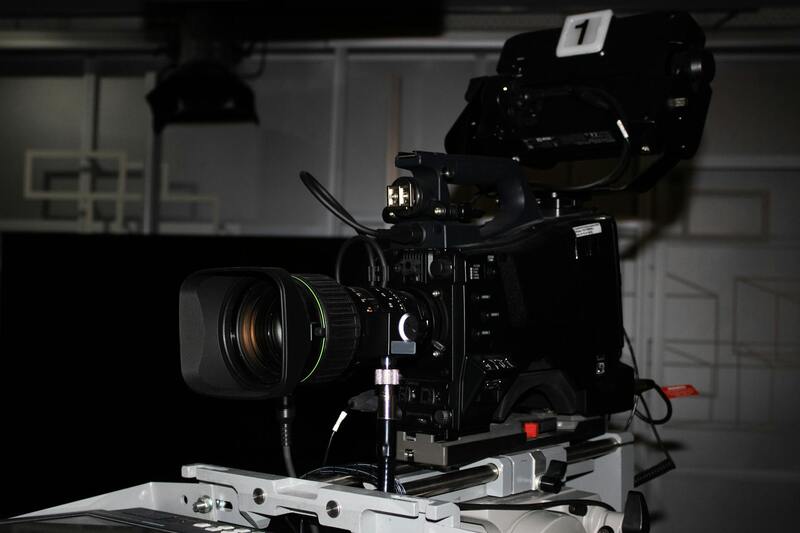
- Video Capture: Utilization of multiple high-definition cameras, drones, and specialized capture devices ensures comprehensive coverage from various angles, enhancing viewer engagement.
- Audio Management: Professional microphones, mixers, and audio processors provide clear sound, crucial for maintaining audience attention and conveying messages effectively.
- Encoding and Compression: Software and hardware encoders convert raw audio and video feeds into optimized digital streams, balancing quality and bandwidth efficiency.
- Transmission Infrastructure: Reliable internet connections, including fiber optic lines and backup systems, facilitate uninterrupted data flow, reducing latency and packet loss.
- Broadcast Platforms: Streaming through trusted platforms with scalable infrastructure ensures accessibility across devices, including desktops, smartphones, and smart TVs.
- Monitoring and Control: Operators continuously oversee the live feed, managing transitions, overlays, and technical adjustments in real time to maintain a polished presentation.
The Importance of Skilled Technical Personnel
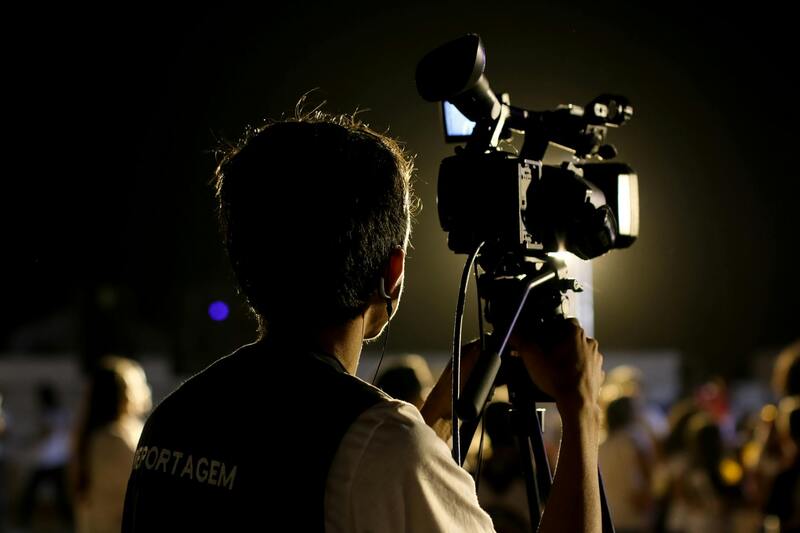
Successful event streaming production relies heavily on the expertise of experienced technicians. Camera operators, audio engineers, and technical directors coordinate during the event, ensuring seamless switching between feeds, managing audio levels, and troubleshooting issues promptly. Their role is essential for maintaining stream stability and quality, particularly during high-profile or complex live events where technical glitches can significantly impact the audience experience.
Strategies for Optimizing Event Streaming Production
- Pre-Event Rehearsals: Conduct thorough run-throughs to identify potential issues with camera angles, sound levels, and streaming equipment, ensuring all components function cohesively.
- Redundant Systems: Implement backup internet connections, power supplies, and hardware to prevent disruptions caused by technical failures.
- Real-Time Monitoring: Use monitoring tools to track stream quality, viewer engagement, and technical parameters, enabling immediate corrections when necessary.
- Clear Communication Protocols: Establish communication channels among team members to facilitate swift decision-making and problem resolution during the event.
- Post-Event Evaluation: Review performance metrics and gather feedback to improve future streaming operations, addressing any deficiencies encountered.
In sum, event streaming production is a sophisticated amalgamation of technology, expertise, and meticulous planning that empowers organizers to reach broader audiences with impactful live content. As the industry evolves, adopting official and robust production methodologies remains essential for delivering consistently high-quality broadcasts that resonate with viewers across various platforms and devices.
Legal and Compliance Considerations in Event Streaming Production
Ensuring that your event streaming production adheres to all relevant legal and regulatory requirements is crucial for a seamless and trouble-free broadcast. This encompasses a range of practices designed to protect content rights, maintain data privacy, and comply with broadcasting standards.
Securing appropriate permissions and licenses for any copyrighted material, including music, video clips, and proprietary content, is an essential initial step. Establishing clear rights with content creators and rights holders prevents potential disputes and legal complications down the line. Additionally, broadcasters must be aware of regional and international copyright laws that may impact how and where their content can be viewed.
Data protection and privacy are also key considerations. Handling viewer data responsibly by implementing secure systems and transparent privacy policies fosters trust and conforms to data protection standards such as GDPR or sector-specific regulations. This is particularly vital when integrating interactive features, collecting viewer information through registration, or utilizing third-party analytics tools.
Operational compliance involves adhering to broadcasting regulations set forth by relevant authorities, which include guidelines on content standards, ad placements, and signal distribution. Employing official streaming platforms and services reduces the risk of interference or unauthorized access, maintaining the integrity of your broadcast. Regular audits and compliance checks ensure ongoing adherence to these standards throughout the production process.
In the context of Miami's vibrant event scene, aligning with legal standards not only mitigates risks but also demonstrates professionalism, encouraging repeat viewership and partnerships. Proper documentation, permissions, and compliance measures form the backbone of a trustworthy and sustainable event streaming operation, enabling producers to focus on delivering engaging content without legal uncertainties.