
Understanding the Role of a Live Streaming Videographer
A live streaming videographer specializes in capturing and broadcasting live events to remote audiences through digital platforms. Their responsibilities extend beyond mere camera operation; they require a comprehensive understanding of audiovisual technology, event coordination, and real-time broadcasting techniques. These professionals play a crucial role in ensuring that live streams are seamless, engaging, and visually compelling, accommodating the specific needs of each event.
Core duties of a live streaming videographer include setting up and managing multiple video cameras, ensuring stable and high-quality video feeds, and monitoring live audio and video outputs for any issues during the broadcast. They are adept at operating various streaming hardware and software, such as encoders, switchers, and broadcasting platforms, to facilitate smooth transitions and overlays that enhance viewer experience.
In addition to technical prowess, a proficient videographer demonstrates excellent organizational skills and understands the dynamics of live event management. This includes coordinating with event planners, hosts, and technical teams to align filming strategies with program schedules. They are also responsible for troubleshooting unexpected technical difficulties swiftly to prevent disruptions.
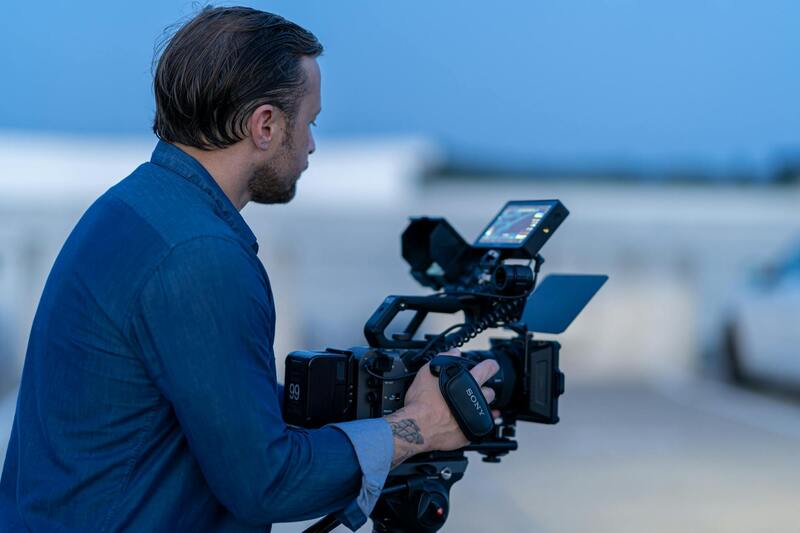
Skills vital for a live streaming videographer encompass camera operation, audio mixing, live editing, and an understanding of streaming protocols and digital platforms. Having a keen eye for visual composition and attention to detail ensures that captured footage is visually engaging. Additionally, knowledge of internet bandwidth management and backup systems is essential to maintain continuous broadcast quality.
Given the growing importance of digital presence, a live streaming videographer also understands techniques for engaging remote audiences, such as incorporating graphics, lower thirds, and interactive features into the stream. Their role is pivotal in transforming traditional event coverage into accessible, interactive virtual experiences, thereby expanding reach and audience engagement.
Overall, the professional scope of a live streaming videographer involves a blend of technical expertise, artistic sensibility, and logistical coordination, making them indispensable for successful digital event broadcasting in today’s interconnected environment.
Key Equipment and Technology for Live Streaming
Delivering seamless live streams relies heavily on deploying the appropriate technical tools and equipment. At the core of any professional setup are high-definition cameras capable of capturing clear, crisp footage essential for engaging broadcast quality. Multiple camera angles are often utilized to provide dynamic coverage, including wide shots, close-ups, and specialized perspectives tailored to the event’s nature.
Streamlined hardware components, such as video switchers, enable real-time switching between different camera feeds, allowing the videographer to craft a visually compelling narrative. Encoders—whether hardware or software—convert video signals into optimized digital formats suitable for transmission over the internet. Reliable streaming hardware ensures continuous data flow, minimizing latency and avoiding interruptions during live broadcasts.
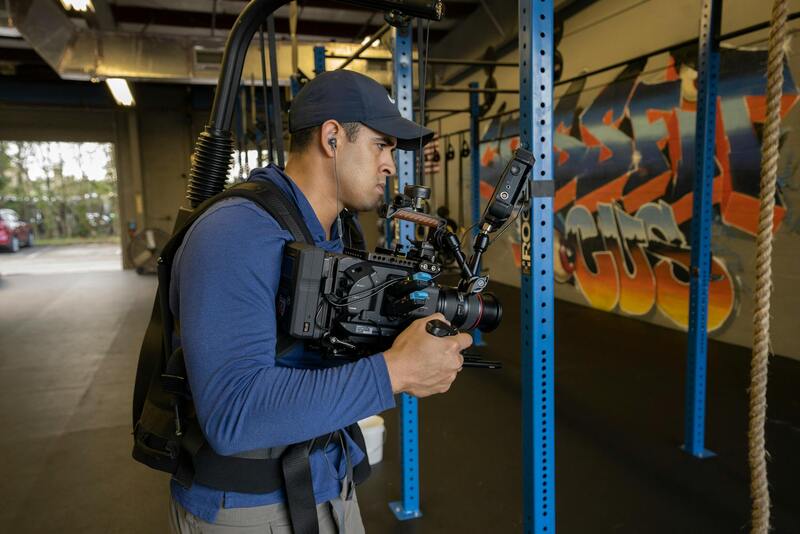
A critical part of live streaming setup is audio management. Using professional-grade microphones and mixers is essential to capture high-fidelity sound, ensuring that audio does not detract from the visual quality. Sound mixers help balance multiple audio sources, eliminate background noise, and deliver clear sound to remote viewers.
Software tools play an equally vital role in the process. Live streaming software—such as OBS Studio, vMix, or Wirecast—allows real-time editing, overlay addition, and integration of interactive elements like chat or graphics, enhancing viewer engagement. These platforms also facilitate streaming to multiple digital channels simultaneously, broadening the reach of the broadcast.
Additionally, effective internet connectivity forms the backbone of successful live streaming. High-bandwidth, wired internet connections provide the stability necessary for large-scale streams, reducing the risk of buffering. Backup systems—including secondary internet connections or portable hotspots—are often integrated into the setup to mitigate potential disruptions.
Choice of containers for streaming, such as cloud-based distribution services or dedicated streaming servers, depends on the event scale and audience size. These systems support the distribution of content to various platforms in real time, ensuring accessibility and synchronized playback across all viewing channels.
Finally, logistical accessories like tripods, stabilizers, and lighting equipment significantly enhance image quality and filming flexibility, especially during dynamic or outdoor events. All these technological components must be seamlessly integrated and calibrated to achieve a professional-grade live stream that effectively captures and broadcasts the event’s essence.
Technology Integration and Best Practices for Seamless Live Streaming
To ensure a professional and smooth live streaming experience, it is essential to meticulously integrate all technical components. A live streaming videographer meticulously calibrates the entire setup, including cameras, audio equipment, and streaming software, to optimize visual clarity and sound quality. Proper calibration minimizes latency, prevents signal interference, and guarantees synchronized audio-visual delivery for viewers. Furthermore, real-time monitoring of the stream is crucial. Experienced videographers actively oversee the broadcast, ready to make immediate adjustments if technical issues arise, such as audio discrepancies or visual glitches.
Synchronizing multiple camera angles enhances viewer engagement by providing dynamic perspectives. Multi-camera rigs linked through a video switcher or advanced streaming software allow for seamless transitions between shots, creating a more immersive experience. Lighting setup also plays a pivotal role; good lighting ensures clear, vibrant images and eliminates shadows and overexposure issues. For outdoor or mobile events, portable lighting rigs and reflectors help maintain consistent image quality despite changing environmental conditions.
Robust internet connectivity remains the foundation of successful live streaming. Wired Ethernet connections offer superior stability compared to wireless options, especially during high-definition broadcasts. To minimize disruptions caused by fluctuating network performance, many professionals implement backup solutions—such as secondary internet services or portable hotspots—ready to activate if primary connections fail. This redundancy helps maintain uninterrupted streams, which is vital for real-time coverage of significant events.
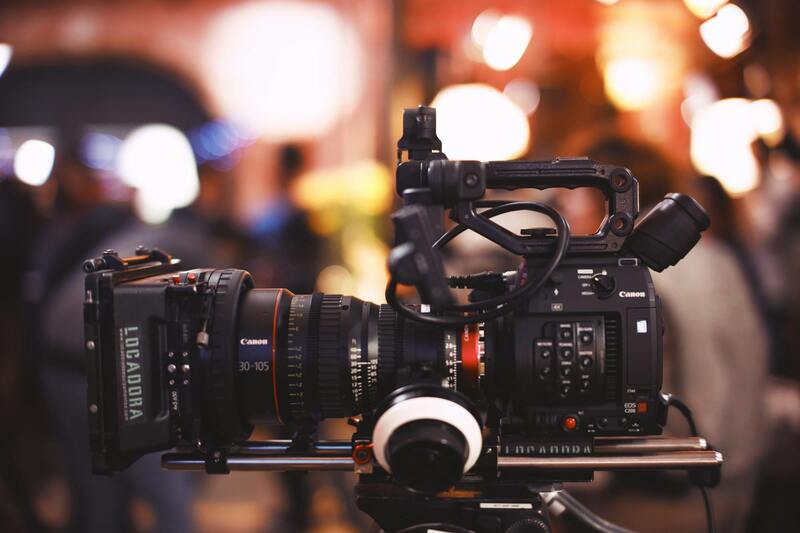
Choosing the right distribution method is equally important. Cloud-based streaming services or dedicated servers allow for flexible, high-capacity content delivery to multiple platforms simultaneously. These systems support multi-channel broadcasting, broadening the event’s reach. They also enable features such as video recording, replay, and viewer analytics, which are indispensable for post-event analysis and marketing efforts.
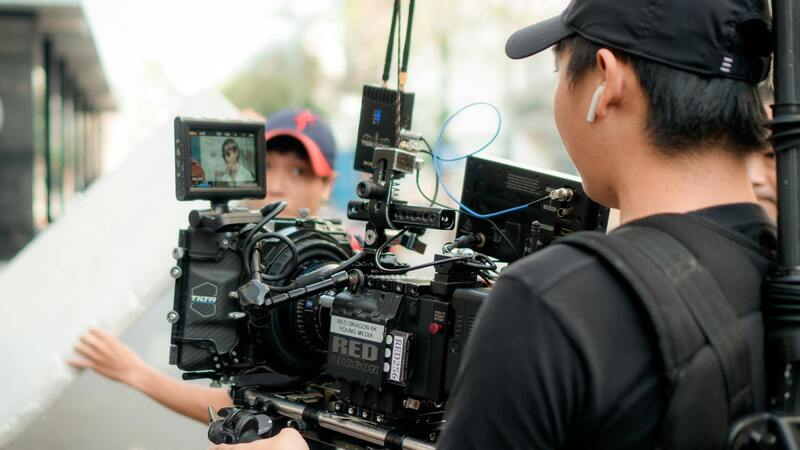
Accompanying these technological elements are logistical accessories: tripods and stabilizers ensure steady shots, while portable lighting makes outdoor filming feasible during various times of the day. When all components are carefully coordinated, they create a comprehensive system capable of capturing and broadcasting events at a broadcast quality standard.
Understanding the Role of a Live Streaming Videographer
A live streaming videographer plays a vital role in ensuring that an event is captured, produced, and broadcasted seamlessly in real-time. Their responsibilities extend beyond merely operating cameras; they are responsible for overseeing the entire production process, including setup, technical checks, and troubleshooting. Skilled videographers possess an acute understanding of both the creative and technical aspects of live broadcasting, enabling them to deliver high-quality content that aligns with the clients’ expectations.
They are adept at operating a variety of professional-grade video equipment, such as multiple cameras, switchers, and encoding hardware. Their ability to adapt to changing environments swiftly ensures continuous, smooth streams, even in complex or unpredictable settings. Additionally, a proficient live streaming videographer understands how to manage audio quality, lighting conditions, and camera angles to produce visually compelling broadcasts that keep viewers engaged.
In the context of Miami’s vibrant event scene, a live streaming videographer must also possess a keen awareness of local logistics, permits, and cultural nuances. This local expertise ensures that all production aspects integrate seamlessly with the event’s setting and audience expectations. Ultimately, their role is to act as the bridge between technical mastery and storytelling, transforming live moments into engaging digital experiences.
Key Equipment and Technology for Live Streaming
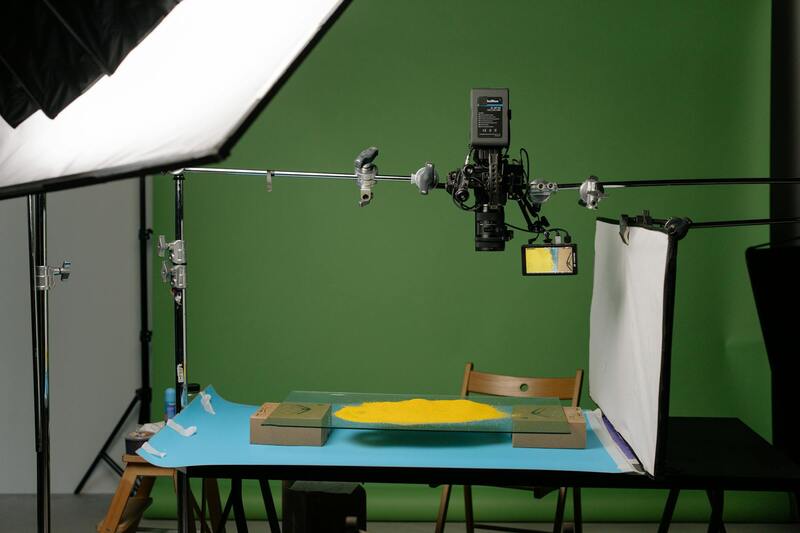
Successful live streaming relies heavily on high-caliber equipment and robust technology infrastructure. Core components include professional cameras capable of recording in high definition or 4K, coupled with stabilization tools like gimbals and tripods to ensure steady footage. High-quality audio gear—such as lavalier microphones, shotgun mics, and audio mixers—are essential for capturing clear sound, which significantly impacts viewer engagement.
The backbone of the technical setup involves streaming hardware—encoders that transmit video signals from the camera to various platforms simultaneously. These encoders need to support multiple input sources, offering flexibility during fast-paced event coverage. Redundancy systems, such as backup internet connections or mobile hotspots, safeguard against connectivity issues, maintaining uninterrupted broadcasts.
For outdoor or large-scale events, supplementary equipment like portable lighting, extendable cables, and power supplies ensures consistent video quality regardless of environmental factors. Many professionals also employ multi-camera switchers and real-time graphics generators to enhance the production, making the content more dynamic and visually appealing.
Types of Events Suitable for Live Streaming
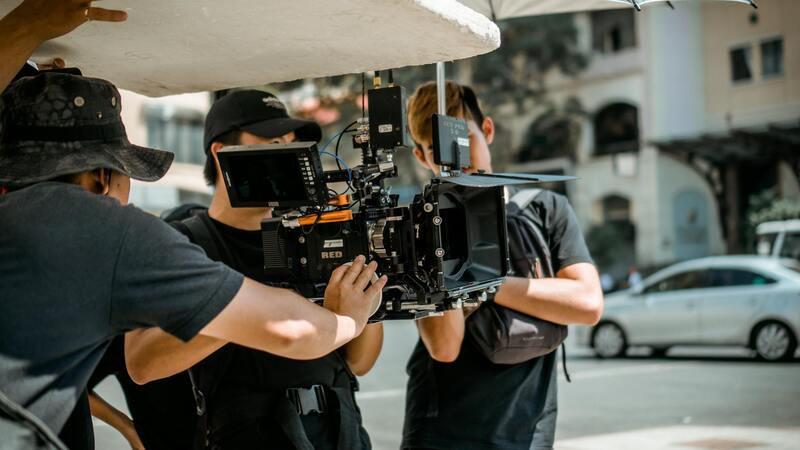
Numerous event categories benefit from professional live streaming services, expanding their reach well beyond physical attendance. Corporate conferences, product launches, and seminars often utilize live broadcasts to engage remote audiences in real time. Educational institutions hold webinars and virtual classes to facilitate widespread learning opportunities.
Community festivals, religious services, and charity events are additional examples where live streaming fosters inclusivity and broader participation. Sporting events, concerts, and entertainment shows leverage real-time broadcasting to maximize their audience size and engagement, often incorporating multi-camera setups for a cinematic experience.
Additionally, live streaming is essential for political rallies, press conferences, and special ceremonies where immediacy and authenticity matter. By offering multiple viewing options, such as social media platforms and dedicated streaming channels, organizers can amplify their message and ensure their event resonates with diverse viewers.
Understanding the Role of a Live Streaming Videographer
A live streaming videographer plays a pivotal role in transforming static events into dynamic, accessible experiences for remote audiences. Their core responsibilities extend beyond mere camera operation; they involve comprehensive planning, technical setup, and real-time content management. Skilled videographers assess the event’s scope, venue environment, and audience engagement goals to design a suitable production plan. They select the optimal camera configurations, audio setups, and broadcasting platforms, ensuring seamless transmission throughout the event.
Beyond technical execution, a live streaming videographer acts as the creative director behind the camera, capturing meaningful moments with an eye for composition, framing, and lighting. This attention to detail guarantees the video quality aligns with professional standards, which is crucial for maintaining credibility and audience engagement. They also coordinate with event organizers to synchronize content flow and incorporate elements like live graphics or on-screen branding, further elevating the production's professionalism.
In live streaming productions, real-time problem-solving is essential. Videographers monitor streams continuously, addressing issues such as audio disturbances, signal disruptions, or visual artifacts promptly. Their expertise allows for quick adjustments—switching between camera angles, adjusting focus, or managing live feeds—ensuring the broadcast remains smooth and uninterrupted.
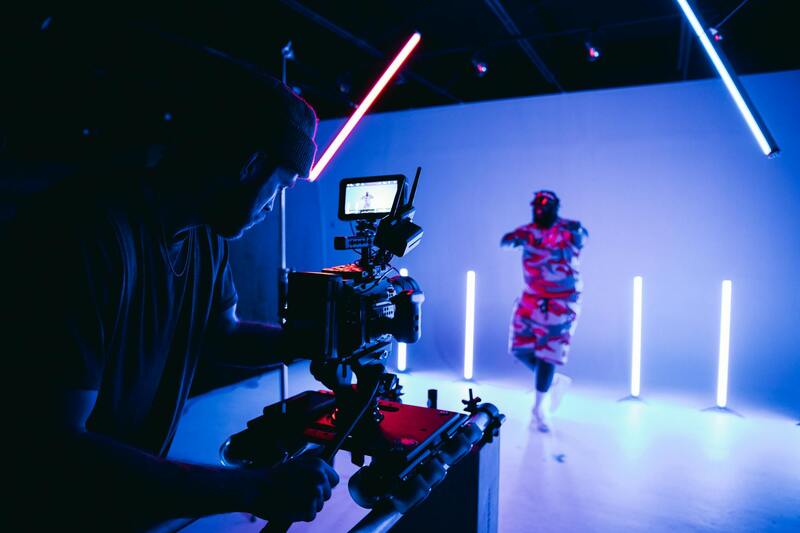
The importance of a knowledgeable videographer becomes even more apparent when handling large-scale or complex events. Their familiarity with various streaming platforms and equipment integration ensures reliable dissemination of content across multiple channels, such as social media, websites, or dedicated streaming services. As a result, the streamed event garners a broader reach, increased engagement, and maintains high production quality from start to finish.
Key Skills and Qualities of a Live Streaming Videographer
- Technical Proficiency: Mastery of camera operations, audio/video synchronization, and streaming software.
- Adaptability: Ability to troubleshoot on-the-fly and adapt to unpredictable conditions.
- Creative Vision: Keen eye for framing shots, selecting camera angles, and visual storytelling.
- Communication Skills: Effective coordination with event staff and clients to ensure alignment on broadcast objectives.
- Attention to Detail: Vigilance in monitoring feed quality, audio clarity, and sync issues during live transmission.
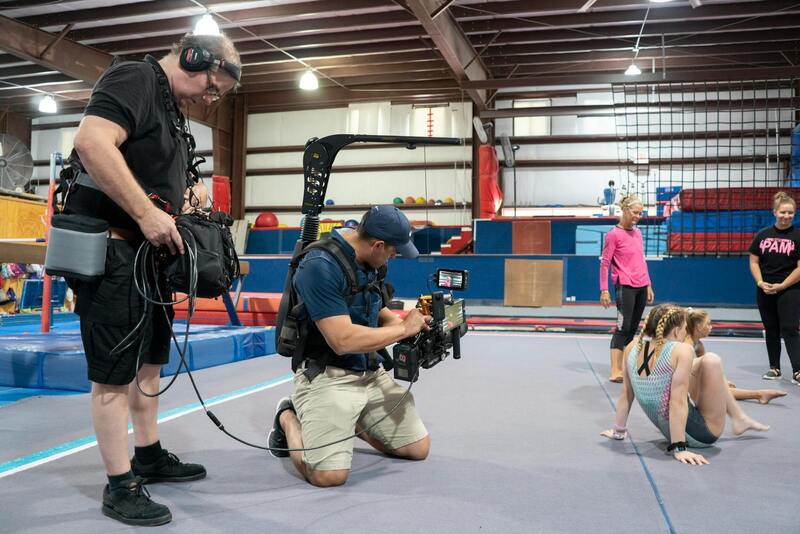
Choosing the right live streaming videographer involves evaluating these skills alongside their experience with similar events. Their capacity to operate under pressure and deliver consistent results defines the overall success of the broadcast, making their role indispensable for organizations seeking to maximize event impact in a digital age.
Ensuring Uninterrupted Broadcasts: The Significance of Reliable Internet and Backup Solutions
While selecting a skilled live streaming videographer is crucial, the importance of a stable internet connection cannot be overstated. In high-stakes live events where delays or disruptions can compromise the viewer experience, professionals prioritize securing high-bandwidth internet services that support seamless broadcast quality. Miami-based videographers often utilize dedicated fiber-optic lines or bonded internet solutions, which aggregate multiple connections to maintain reliable streaming even during network fluctuations.
Implementing multiple layers of backup is a standard practice to mitigate potential technical failures. This includes having redundant internet sources, such as 4G/5G mobile data connections, ready to take over instantly if primary feeds encounter issues. Equipment like failover switches automatically switch between primary and backup sources without interrupting the stream, ensuring a flawless broadcast. Additionally, deploying portable mobile hotspots and satellite internet options can serve as contingency measures in locations where wired connectivity is less dependable.
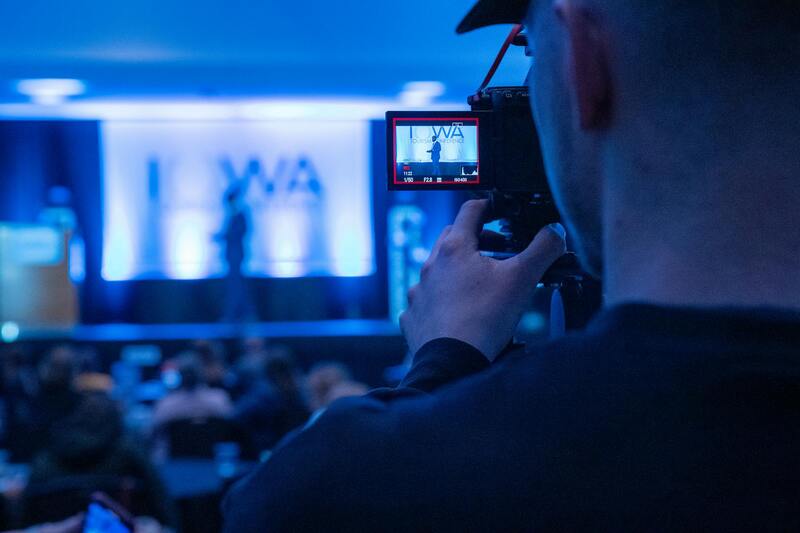
Optimizing Audio and Video Quality for a Professional Live Stream
High-quality content requires not only dependable internet but also top-tier audio and video equipment. Professional live streaming videographers in Miami often use multiple high-definition cameras capable of capturing crisp footage from various angles. These cameras are equipped with professional-grade lenses, stabilizers, and remote control capabilities, allowing for dynamic shots that enhance the storytelling aspect of the broadcast.
Audio clarity is equally vital. Skilled technicians typically employ multiple microphones, including lavalier, shotgun, and boundary microphones, placed strategically to capture clean sound from speakers and performers. This comprehensive setup reduces background noise and ensures clear dialogue, music, or sound effects are conveyed effectively to viewers.
Post-production tools further refine the stream, including color grading and audio leveling, to produce a polished final output. When selecting a live streaming videographer, understanding their approach to maintaining audio-video integrity during the live feed is essential for achieving professional standards.
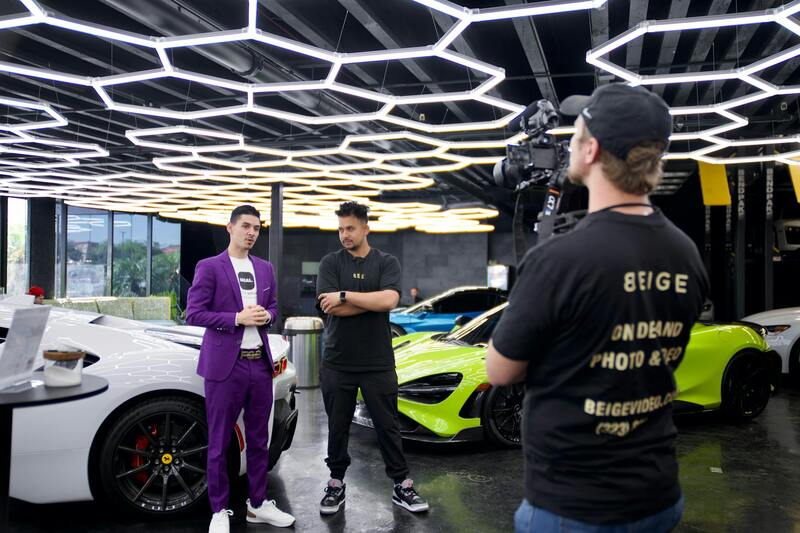
Stream Management and Monitoring During the Event
Real-time management is a hallmark of expert live streaming services. This involves continuous monitoring of the video feed, audio levels, and streaming platforms to promptly identify and rectify any issues. Live operators actively oversee the technical aspects, adjusting camera angles, switching between feeds, and managing overlays or graphics to enhance engagement.
Effective stream management also includes engaging with viewers through live chat moderation, integrating social media comments, and updating content as needed. Skilled videographers employ advanced streaming software with multi-channel control, enabling smooth transitions and timely updates without interrupting the broadcast flow.
Furthermore, detailed contingency plans are put in place. For example, if a camera feed fails, a backup camera can seamlessly take over, maintaining visual continuity. Such diligence ensures that the live stream remains professional, engaging, and error-free from beginning to end.
Understanding the Role of a Live Streaming Videographer
A live streaming videographer plays a vital role in capturing, managing, and broadcasting live events with professionalism and technical expertise. Their responsibilities extend beyond operating cameras; they serve as the backbone of the entire streaming process, ensuring every visual and audio element aligns seamlessly with the event's purpose. Skilled videographers possess a keen eye for framing, dynamic shot selection, and real-time scene adjustments to maintain viewer engagement throughout the broadcast.
Additionally, they are proficient in utilizing advanced streaming platforms and software, providing smooth transitions, overlays, and graphics to enhance the viewer experience. Their technical acumen allows them to troubleshoot connectivity issues proactively, ensuring a consistent, high-quality stream. A dedicated live streaming videographer collaborates closely with event organizers, performance artists, or corporate clients to understand specific objectives and tailor the streaming setup accordingly.
Maintaining audio-visual synchronization is a core aspect of their role, requiring careful management of multi-camera setups, audio feeds, and streaming encoding. They often oversee pre-event preparations, including test runs, to identify potential issues and optimize equipment placement. During the event, they monitor stream health, adjust camera angles, and respond swiftly to any technical disturbances to prevent disruptions that could detract from the viewer experience.
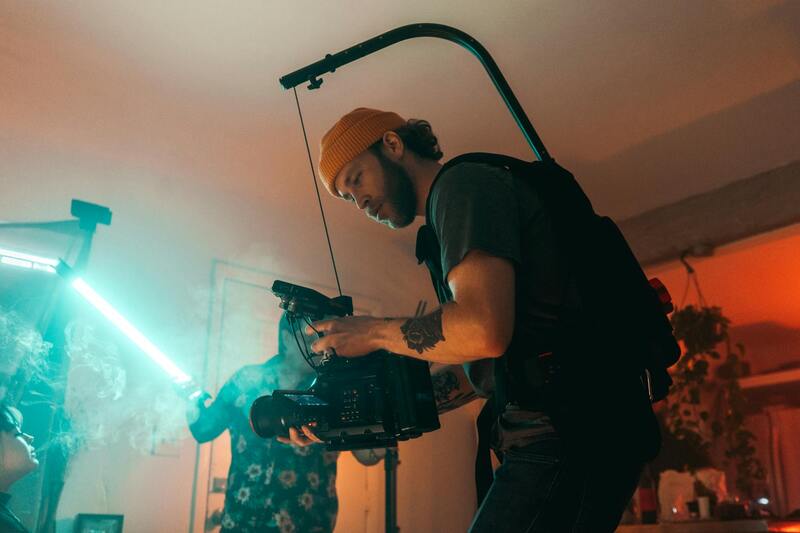
Essential Skills and Expertise
- Technical proficiency with professional cameras, audio equipment, and live streaming software
- Exceptional coordination and communication skills to work with diverse event teams
- Capability to adapt swiftly to dynamic event environments
- Understanding of streaming platform requirements and optimization techniques
- Problem-solving skills to troubleshoot live feed issues efficiently
By ensuring a seamless flow of broadcast content, a live streaming videographer directly influences the success and reach of event coverage, making their role indispensable in today's digital landscape.
Understanding the Role of a Live Streaming Videographer
A live streaming videographer is a professional responsible for capturing, managing, and broadcasting video content in real time during an event. Their expertise ensures that viewers, regardless of location, receive a high-quality, uninterrupted stream. This role requires a blend of technical skill, creative vision, and quick problem-solving ability. A live streaming videographer works behind the scenes, operating advanced camera systems, audio equipment, and streaming hardware/software, all while coordinating with event organizers and technical teams to deliver a seamless viewing experience.
They are tasked with the crucial job of maintaining the visual and audio fidelity of the broadcast. This involves selecting optimal camera angles, managing multi-camera setups, and adjusting settings on the fly to adapt to changing lighting or event dynamics. Equally important is monitoring the live feed to promptly address any issues that might arise, from connectivity disruptions to equipment malfunctions. Their role is vital in ensuring that the digital audience experiences the event as vividly as those physically present.
In addition to technical proficiency, a proficient live streaming videographer demonstrates adaptability, excellent communication skills, and a strong understanding of digital streaming platforms. Their ability to interpret the specific needs of each event—be it a corporate conference, live concert, or sports event—determines the overall success of the broadcast. Moreover, they often collaborate closely with event organizers, multimedia teams, and platform specialists to customize the streaming setup to meet the event’s unique requirements.
Key Equipment and Technology for Live Streaming
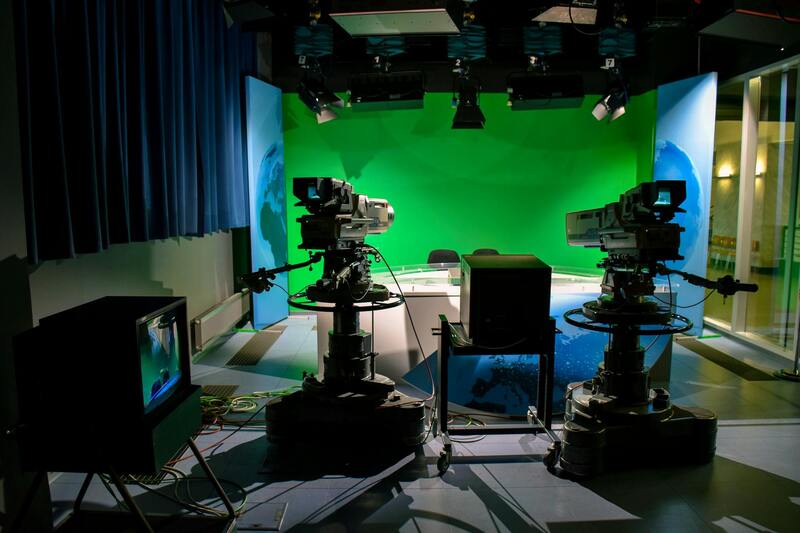
To execute high-quality live streams, professionals rely on an array of sophisticated tools:
- Professional Cameras: High-definition cameras with capabilities for low-light performance and remote operation are essential for capturing crisp visuals from multiple angles.
- Audio Equipment: Lavalier microphones, shotgun mics, and mixing consoles ensure clear and synchronized sound, which is critical for viewer engagement.
- Streaming Hardware & Software: Encoders, switchers, and dedicated streaming software facilitate smooth video transmission, allowing live switching between camera feeds and overlay graphics.
- Internet Connectivity: Stable, high-bandwidth internet service with backup options such as LTE or fiber-optic connections minimizes the risk of interruptions.
- Lighting Equipment: Proper lighting enhances image quality and visibility, especially in indoor or low-light settings.
All these components are integrated to create a cohesive setup tailored to the event’s scope and setting. Effective coordination among equipment, environment, and personnel ensures a professional broadcast that resonates with the intended audience.
Types of Events Suitable for Live Streaming
Live streaming videographers in Miami serve a wide range of event types where real-time broadcasting enhances engagement and outreach. Examples include:
- Corporate conferences, seminars, and product launches
- Music concerts, festivals, and live performances
- Sporting events and tournaments
- Religious services and community gatherings
- Educational webinars and workshops
- Political rallies and coverage of public events
These events benefit significantly from live streaming, not only by expanding audience reach but also by providing valuable content for post-event marketing and archival purposes. The choice of equipment, technical setup, and streaming platform depends heavily on the event size, location, and desired production quality.
How to Choose the Right Live Streaming Videographer in Miami
Selecting an experienced professional is essential for ensuring high-quality broadcast results. Consider the following criteria:
- Experience & Portfolio: Review their past projects to assess technical skills and versatility across different event types.
- Technical Capabilities: Ensure they possess state-of-the-art equipment and expertise in handling complex setups.
- Reputation & References: Seek feedback from previous clients to gauge reliability and professionalism.
- Understanding of Your Event Needs: A detailed consultation should reveal their ability to tailor solutions specific to your event requirements.
- Local Knowledge: A videographer familiar with Miami’s venues and connectivity options can better optimize the streaming setup.
Clear communication and transparency regarding pricing, scope, and technical support are vital in establishing a productive partnership. Engaging a local expert simplifies logistics, facilitates quick troubleshooting, and ensures compliance with venue-specific technical protocols.
Benefits of Hiring a Local Production Agency for Live Streaming
Partnering with a Miami-based production team offers several advantages:
- Proximity to Venue: Reduces logistical complexities, allowing for rapid setup and adjustments.
- Local Knowledge: Familiarity with local venues, permits, and technical infrastructure streamlines operations.
- Enhanced Support & Communication: On-the-ground presence facilitates real-time coordination and quick response to any unforeseen challenges.
- Cost Efficiency: Reduced travel and equipment logistics can lead to cost savings.
- Customized Service: Local agencies are better positioned to understand regional preferences and audience expectations, tailoring content accordingly.
Cost Considerations and Pricing Models
Pricing for live streaming services can vary depending on several factors, including the duration of the event, the complexity of the setup, and additional post-production needs. Common pricing models include:
- Hourly Rates: Suitable for smaller or shorter events, typically covering setup, the live broadcast, and teardown.
- Fixed Package Rates: Inclusive of pre-production, equipment, onsite crew, and streaming for a set duration or number of sessions.
- Customized Quotes: Tailored to specific project requirements, especially large-scale or multi-day events with complex setups.
Additional costs may include equipment rentals, travel expenses, bandwidth overage fees, and post-event editing or highlights creation. Clients should discuss these elements upfront to establish a clear budget and avoid surprises.
Preparing for a Live Streaming Event
Effective preparation is fundamental to a successful broadcast. Key steps include:
- Pre-Event Planning: Identify broadcast goals, determine camera and audio setup, and establish streaming platform preferences.
- Technical Rehearsals: Conduct test runs to verify equipment functionality, internet stability, and platform integration.
- Venue Coordination: Confirm power supplies, space for equipment, and access to necessary technical infrastructure.
- Content Planning: Coordinate with speakers, performers, or presenters for cues and visual requirements.
- Backup Strategies: Prepare contingency plans for connectivity issues or equipment failures, including backup internet connections and spare hardware.
During the event, real-time monitoring, prompt troubleshooting, and clear communication with on-site staff are crucial to maintaining broadcast quality. Post-event, sharing recorded content and analytics can help evaluate overall performance and inform future live streaming strategies.