
Understanding the Role of a Livestream Videographer
A livestream videographer plays a vital role in capturing and broadcasting live events, ensuring that audiences experience the event with high visual and audio clarity. In Miami’s vibrant event scene, their responsibilities extend beyond mere recording; they are responsible for delivering seamless, engaging live streams that resonate with viewers in real-time. This requires a combination of technical expertise, creative vision, and meticulous planning. A skilled livestream videographer must understand the specific requirements of diverse events, from corporate conferences and concerts to academic seminars and social gatherings.
Essential responsibilities include setting up and operating professional-grade cameras, managing live audio feeds, and coordinating with event organizers to ensure smooth coverage. They must be adept at handling complex streaming technology, troubleshooting potential issues swiftly, and maintaining a steady connection throughout the broadcast. Their role demands a keen eye for detail and an understanding of framing, lighting, and sound to produce visually compelling content that accurately represents the event.
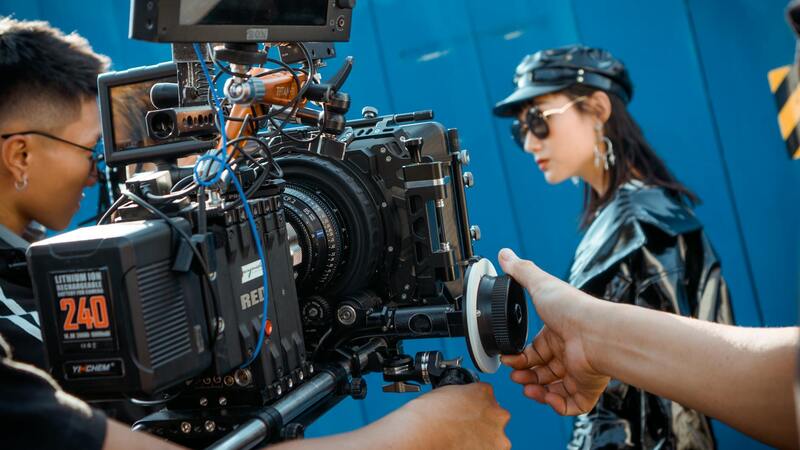
In Miami's dynamic cultural and business environment, a livestream videographer becomes an integral part of event planning, often working closely with producers, technical staff, and event coordinators. Their expertise ensures that every moment is captured with precision, allowing remote audiences to participate as if they were physically present. This role also involves understanding various platforms and streaming protocols to optimize reach and engagement, catering to diverse viewer needs and internet conditions.
Overall, the importance of a proficient livestream videographer in Miami cannot be overstated. They serve as the bridge between the event and its virtual viewers, making certain that the broadcast is not only technically sound but also engaging and visually appealing. This skillset is crucial in today's digital age, where live streaming has become a standard method for expanding the impact and accessibility of live events.
Key Equipment and Technology Used by Livestream Videographers
To achieve seamless and high-quality live streams, a professional livestream videographer relies on a combination of advanced equipment and cutting-edge technology. The selection of gear is tailored to fit the specific requirements of each event, whether it involves a corporate presentation, a live concert, or an outdoor festival. The core tools include professional-grade cameras, audio equipment, streaming hardware, and software solutions that facilitate real-time broadcasting.
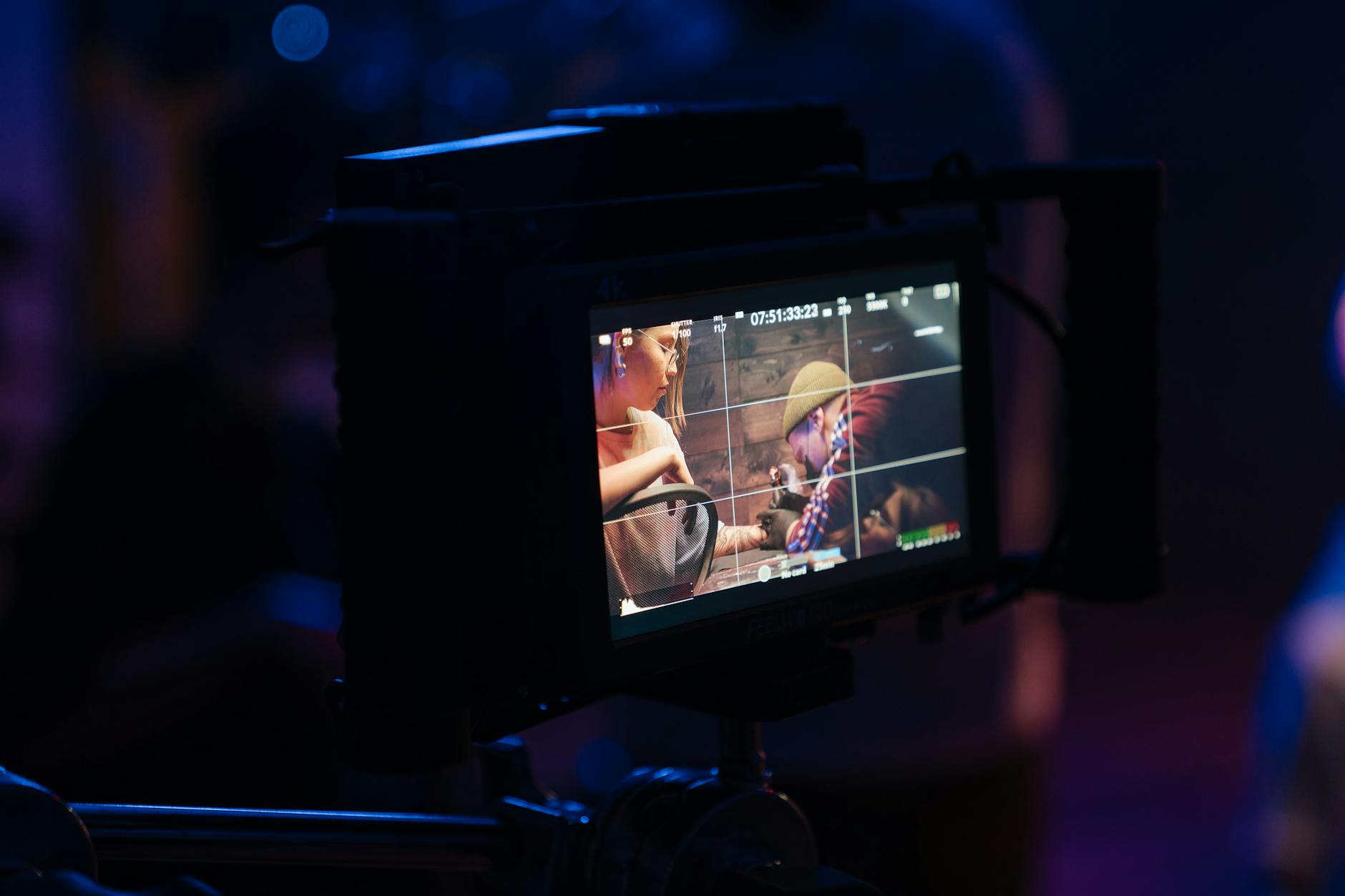
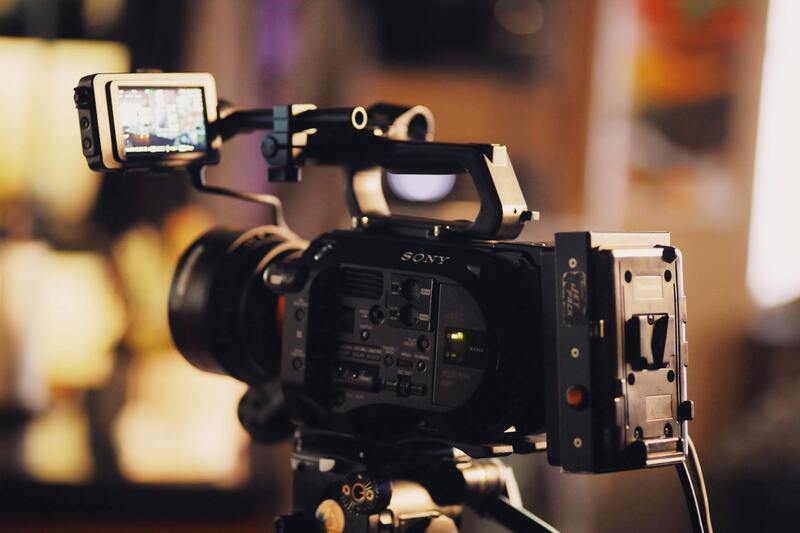
High-quality cameras are essential for capturing crisp visuals, with many videographers choosing 4K capable models that offer flexibility in post-processing and superior clarity. These cameras often have multiple inputs, enabling the operator to switch between different angles or scene shots smoothly. For audio, professional microphones—such as wireless lavalier mics and shotgun mics—ensure clear sound, which is crucial for engagement and comprehension. Audio interfaces and mixers allow for real-time adjustments to sound levels and quality, minimizing background noise and ensuring that speech and music are heard distinctly across all devices.
Key Technologies in Live Streaming
- Streaming Encoders: Hardware encoders encode live video feeds into formats suitable for streaming platforms. They guarantee low latency and stable delivery, even when bandwidth fluctuates.
- Reliable Internet Connectivity: A robust internet connection, ideally wired Ethernet, is vital for uninterrupted streaming. Backup options like cellular bonding or secondary internet lines provide redundancy in case of primary connection failure.
- Streaming Platforms Compatibility: Livestreamers utilize various platforms such as YouTube, Facebook Live, or specialized streaming services. Compatibility and the ability to integrate with multiple platforms simultaneously improve audience reach and engagement.
- Switchers and Multiviewers: Video switchers enable seamless transitions between camera angles, overlays, and pre-recorded content. Multiviewers provide real-time monitoring of all feeds, allowing the operator to maintain control and consistency throughout the broadcast.
- Lighting Equipment: Proper lighting enhances image clarity and mood. Professional videographers often use LED panels, softboxes, and ring lights to achieve optimal illumination, especially in low-light environments.
Software and Post-Production Tools
Though the live element demands real-time decision-making, software solutions like stream management platforms and synchronization tools streamline production workflows. After the live event, editing software can be used to produce highlight reels or full recordings, which are valuable for promotional purposes and post-event distribution.
Emerging Trends in Livestream Technology
As technology evolves, so do the capabilities of livestream setups. Innovations such as 360-degree cameras, virtual reality streaming, and AI-driven content enhancement are increasingly integrated into professional services. These tools enable more immersive and interactive experiences for viewers, expanding the potential reach and engagement levels for Miami-based events. Additionally, the integration of cloud-based streaming management systems allows for greater flexibility, remote operation, and scalability, accommodating larger audiences and more complex productions.
Key Equipment and Technology Used
The foundation of a successful livestream hinges on the quality of equipment and technology deployed. High-definition cameras are essential to capturing sharp, clear images that engage viewers. Professional-grade models with high frame rates and low-light performance ensure visuals remain crisp regardless of environmental conditions. Encoders play a crucial role in converting video signals into streams compatible with online platforms, with hardware encoders offering reliability and consistent quality, while software encoders provide flexibility and ease of use.
Microphones are equally vital, as clear audio enhances viewer experience and ensures message delivery. Lavalier, shotgun, and condenser microphones are common choices, selected based on the event's acoustics and movement. The use of multiple audio sources and mixers allows for balanced sound throughout the broadcast.
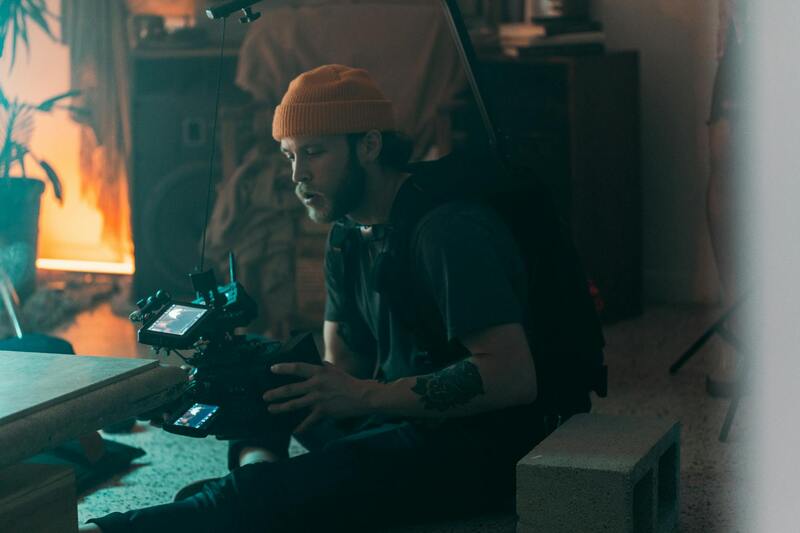
Streaming platforms and hosting services are also integral to the process. Compatibility with popular services such as YouTube Live, Facebook Live, or custom RTMP servers ensures seamless distribution. Content delivery networks (CDNs) facilitate the efficient broadcasting of live streams to large audiences, reducing latency and buffering issues. Additionally, robust internet connections with high upload speeds are mandatory to maintain stream stability, particularly for events with complex multi-camera setups or multiple streams.
From switching hardware to synchronization tools, having the right technological stack enables real-time management and high production values. Backup equipment, like secondary encoders and power supplies, further safeguards against disruptions, ensuring a reliable broadcast regardless of unforeseen technical issues.
Factors to Consider When Hiring a Livestream Videographer
- Experience with similar event types and scales
- Technical proficiency with current live streaming equipment and software
- Ability to coordinate with event organizers and production teams
- Understanding of audience engagement strategies
- Availability to oversee pre-production, execution, and post-event editing
Choosing a livestream videographer involves assessing their track record in delivering seamless, high-quality broadcasts. Their familiarity with the event's specific requirements, venue constraints, and targeted audience ensures the output meets expectations. Additionally, their capacity to adapt to live changes and troubleshoot issues quickly is critical for maintaining stream integrity.
Understanding the Role of a Livestream Videographer
A livestream videographer acts as the visual storyteller behind the camera during live events, transforming real-time moments into engaging broadcast content. Their responsibilities extend beyond mere camera operation to include an intricate understanding of broadcast technology, creative framing, and precise coordination with production teams. In essence, they are crucial in ensuring that every visual element of the live event aligns with the overall production goals, providing viewers with a seamless and immersive experience.
Proficiency in handling multiple camera feeds, switching between different angles, and integrating live graphics and overlays require a specialized skill set. This professional must also be adept at troubleshooting on the fly, managing unexpected technical issues that might compromise the broadcast. Their role involves meticulous planning prior to the event, such as setting up equipment, testing signal flows, and coordinating with sound technicians and event organizers to synchronize visual cues with live commentary or performances.
Core Competencies of a Livestream Videographer
- Technical Expertise: Ability to operate various cameras, switchers, encoders, and streaming platforms efficiently.
- Creative Vision: Skill in framing shots that convey the event's atmosphere, mood, and key moments.
- Real-Time Decision Making: Quick thinking to adapt camera angles, adjust focus, or troubleshoot feed issues during the live broadcast.
- Communication Skills: Clear coordination with event staff, presenters, and other production team members to ensure smooth transitions and timing.
- Attention to Detail: Vigilance in monitoring video quality, audio synchronization, and stream stability throughout the event.
The expertise of a livestream videographer influences not only the visual quality but also the professionalism perceived by the audience. Their ability to anticipate potential issues and react promptly safeguards the broadcast's overall integrity and viewer engagement.
The Impact of a Skilled Livestream Videographer on Live Event Success
A proficient livestream videographer ensures that every crucial moment is captured and broadcasted without interruption. Whether managing complex multi-camera setups for large conferences, providing dynamic coverage at concerts, or streaming intimate ceremonies, their precision elevates the event's digital footprint. A seamless live stream fosters trust and encourages viewer interaction, which significantly enhances the event's reach and reputation.
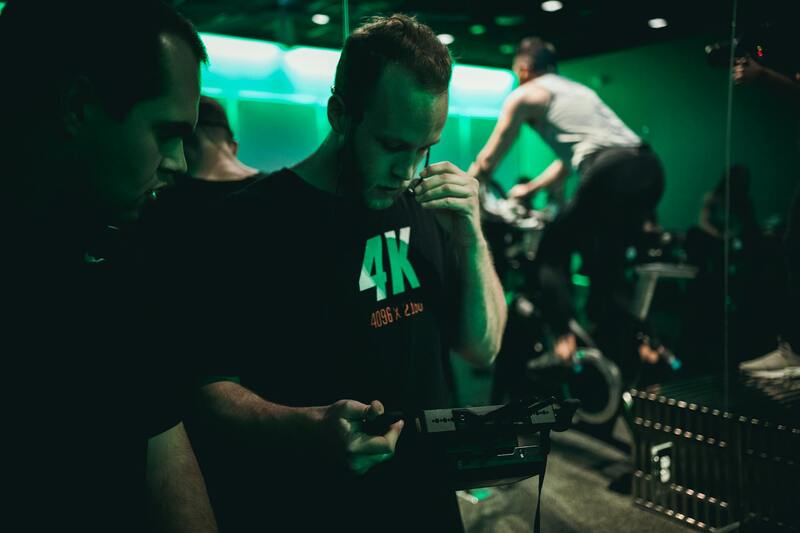
In addition to technical execution, their ability to work discreetly in fast-paced environments minimizes disruptions, allowing the event to proceed naturally while maintaining excellent broadcast quality. This professionalism makes the livestream videographer an invaluable asset for organizations seeking to extend the reach of their events beyond physical attendees, positioning them as integral to modern event planning and execution.
Understanding the Role of a Livestream Videographer
A professional livestream videographer plays a critical role in ensuring that live broadcasts are visually compelling, technically flawless, and engaging for viewers. They are responsible for capturing high-quality video footage, managing multiple camera angles, and utilizing advanced broadcasting techniques to deliver a seamless viewing experience. Their expertise encompasses both creative storytelling and technical proficiency, which together elevate the overall production value of any event.
During a live event, the livestream videographer must work dynamically within fast-paced environments, making real-time decisions to adapt camera angles, optimize lighting, and troubleshoot technical issues instantly. Their proficiency in operating professional-grade equipment ensures crisp visuals, smooth transitions, and synchronized audio streams—all vital components that contribute to viewer satisfaction and event credibility. Moreover, their understanding of broadcasting platforms and streaming protocols allows them to maximize audience reach across various devices and network conditions.
The importance of a skilled livestream videographer extends beyond mere camera operation. They coordinate closely with event organizers, technicians, and editors to develop a comprehensive production plan that aligns with the event’s objectives. This includes pre-event site assessments, camera placement strategies, and contingency plans for unforeseen technical hurdles. Such meticulous planning and execution guarantee that the live stream not only captures the essence of the event but also maintains consistent quality throughout its duration.
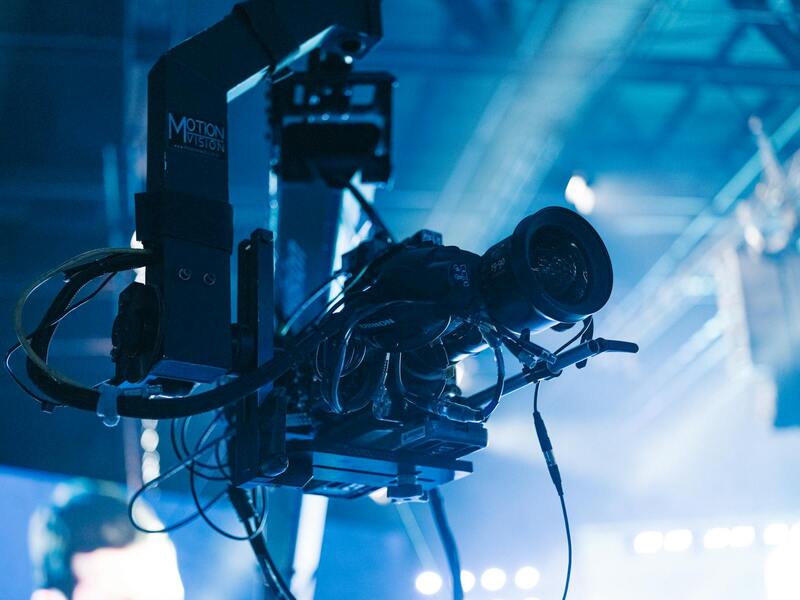
Ultimately, a proficient livestream videographer acts as the digital voice of an event, translating onsite action into compelling online content. Their contributions are instrumental in extending the event’s audience reach, increasing engagement, and fostering a professional image that resonates with viewers long after the live broadcast concludes.
Understanding the Role of a Livestream Videographer
A livestream videographer is a specialized professional responsible for capturing live video content with the intent of broadcasting it in real-time over the internet. Their role extends beyond mere recording; they serve as the technical director, camera operator, and sometimes even the live editor, ensuring that visual and audio elements are seamlessly integrated to produce a polished broadcast. This individual must have a comprehensive understanding of video production principles, streaming technology, and live event dynamics to deliver a professional-grade live stream.
The core responsibilities of a livestream videographer include setting up and managing professional broadcasting equipment, implementing camera angles that best capture the event's atmosphere, and verifying that all audio-visual components are synchronized. They work closely with event organizers to understand the event’s goals and target audience, adapting their approach to meet specific requirements. Their expertise ensures that the live stream remains stable and visually engaging, even amid unpredictable conditions such as unpredictable lighting, limited space for equipment, or interference in wireless signals.
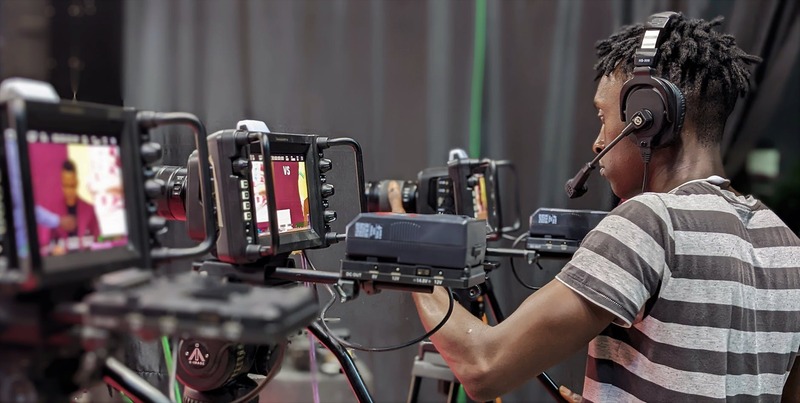
Additionally, a livestream videographer is responsible for troubleshooting technical issues that may arise unexpectedly, such as signal loss, equipment failures, or audio disruptions. Their quick decision-making and problem-solving skills are vital for maintaining broadcast continuity. On-site, they often coordinate with other technical staff, including sound engineers, network technicians, and editing teams, to ensure that the live stream meets quality standards and reaches the widest possible audience. Post-event, they may also assist with material archiving or clip extraction for promotional purposes, further extending the event’s impact.
Types of Live Streaming Services Offered
Live streaming services encompass a variety of formats tailored to different event types and audience needs. These include:
- Corporate Events: Internal meetings, product launches, and company town halls often require professional livestreams to reach remote employees, clients, or stakeholders.
- Concerts and Performances: From local gigs to large festivals, streaming musical and theatrical events allows artists and organizers to expand their reach beyond physical venues.
- Conferences and Panel Discussions: These events benefit from high-quality live streams to facilitate international participation and engagement.
- Religious Services and Ceremonies: Many houses of worship rely on livestreaming to connect congregants who cannot attend in person.
- Sports Events: Covering competitive games or community sporting activities requires specialized camera setups and real-time editing to engage viewers.
Some providers may also offer hybrid services that combine live broadcasting with on-demand content, allowing event organizers to repurpose footage for subsequent marketing or archival purposes. The choice of service often depends on the scale of the event, viewer interaction requirements, and budget constraints.
Key Equipment and Technology Used
To execute high-caliber live streaming, a livestream videographer utilizes a range of equipment designed for stability, clarity, and flexibility. These include:
- Professional Video Cameras: High-definition (HD or 4K) cameras with pan-tilt-zoom (PTZ) capabilities for dynamic shots.
- Audio Equipment: Directional microphones, wireless transmitters, and audio mixers to ensure clear sound capture.
- Streaming Hardware: Encoder devices that convert video signals into a streamable format, compatible with various platforms.
- Lighting Systems: Portable LED panels and fixtures to optimize visual quality, especially in challenging lighting conditions.
- Network Equipment: High-speed internet connections, routers, and signal boosters to establish a stable streaming pipeline.
- Support Accessories: Tripods, stabilizers, cables, and backup batteries for reliable operation throughout the event.
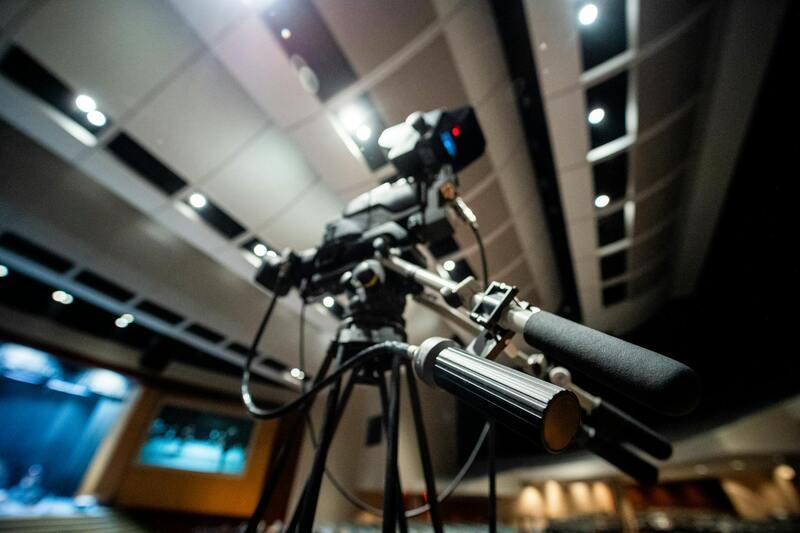
Integrating advanced technology such as multiple camera angles, real-time graphics, and live switching software further enhances the viewer experience. These tools allow experienced livestream videographers to produce engaging broadcasts that stand out in quality and professionalism, making efficient use of both hardware and software solutions optimized for live event production.
Understanding the Importance of Technical Setup and Backup Planning
Executing a successful livestream event hinges on meticulous technical preparation and robust contingency strategies. Livestream videographers must ensure their transmission infrastructure is resilient to prevent interruptions, which could otherwise compromise the viewer experience. This involves conducting comprehensive equipment checks, including testing video and audio feeds, network stability, and streaming hardware functionality well before the event's start time.
One of the most critical aspects of technical preparation involves the deployment of redundant systems. Backup internet connections, additional power sources, and spare equipment mitigate risks associated with hardware failures or network outages. Redundant internet, often via cellular hotspots or secondary broadband lines, ensures an alternative route for data transmission if the primary connection falters.
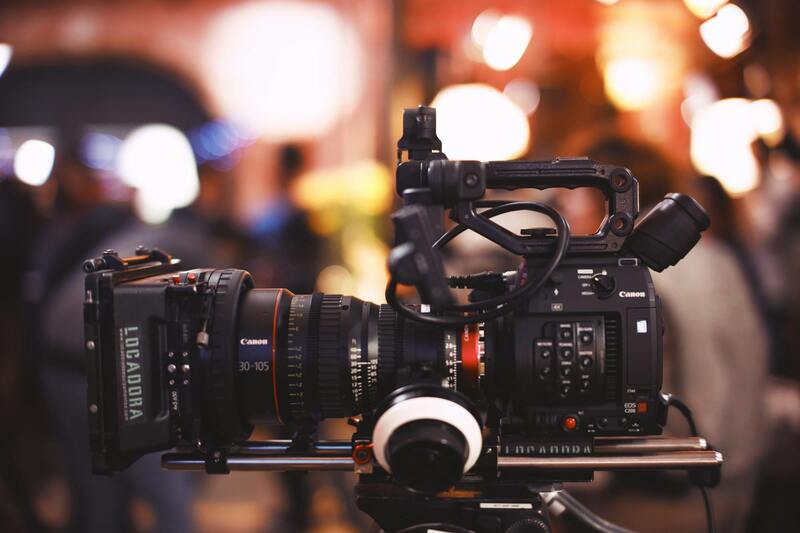
In addition to hardware redundancies, software solutions play a vital role in maintaining stream stability and quality. Live switching software allows for seamless transitions between multiple camera feeds, overlays, and graphics, enhancing broadcast professionalism. Employing real-time monitoring tools enables the livestream team to detect and resolve potential issues proactively, minimizing downtime and preserving the flow of the event.
Audio quality is equally crucial; thus, professional-grade microphones and real-time audio processing techniques are employed to deliver clear, intelligible sound. Equal importance is assigned to ambient noise suppression and synchronized audio-visual feeds, which significantly impact the overall broadcast quality.
Furthermore, comprehensive planning includes establishing a detailed communication protocol among team members. Clear lines of communication facilitate swift problem-solving if technical difficulties arise during the event. This coordinated approach ensures that troubleshooting is efficient, with minimal disruption to the stream.
Effective Coordination of Crew and Equipment Deployment
Successful live streaming involves precise coordination among camera operators, sound technicians, internet specialists, and on-site coordinators. Each role requires focus and clear communication, especially when managing multiple camera perspectives or adjusting to unforeseen changes in event dynamics.
For large-scale productions, staging the equipment and assigning roles in advance is essential. This includes positioning cameras for optimal coverage, testing audio and video feeds, and ensuring all required hardware is operational and accessible. During the event, constant communication between team members supports real-time troubleshooting and adjustments, keeping the livestream running smoothly.
Leveraging Advanced Technological Tools for Enhanced Production
Innovative technologies have transformed live event broadcasting, offering opportunities for greater creativity and engagement. Live switching software enables seamless transitions and dynamic graphics, while multi-camera setups provide various perspectives to cater to audience preferences.
Incorporating graphics, overlays, and real-time interaction features can elevate the broadcast's professionalism, making it more engaging and informative. These elements are especially valuable for corporate events, concerts, and religious services where visual impact and viewer engagement are paramount.
Another noteworthy advancement is the integration of remote production techniques, allowing for multiple contributors to participate via live feeds. This approach expands the creative possibilities while maintaining a centralized control environment, ensuring a cohesive and polished broadcast output.
Ensuring Ethical Use of Content and Respecting Copyright Laws
Maintaining integrity in live streaming involves a thorough understanding of content rights and the proper permissions required for broadcast. A reputable livestream videographer prioritizes the use of licensed music, video clips, and images, avoiding any unauthorized use that could lead to complications or disruptions. This diligence not only safeguards the professionalism of the production but also fosters trust with clients and audiences.
Incorporating branded or copyrighted content without proper authorization can compromise a livestream’s quality and reputation. Therefore, working with clients to establish clear guidelines regarding the inclusion of external media ensures that all elements utilized during the broadcast have the necessary approvals. This process includes verifying licensing agreements for copyrighted material and employing royalty-free or original content whenever possible.
Respecting Privacy and Consent
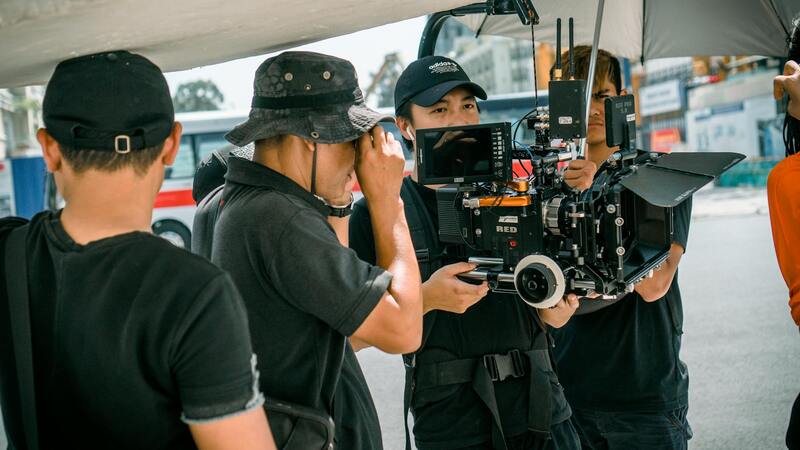
Live streaming often captures individuals and group activities in real time, making the respect for personal privacy paramount. A professional livestream videographer ensures that all participants are informed about the recording process and have given explicit consent for their images and voices to be broadcasted. This practice extends to moments involving minors or sensitive situations, where additional precautions and permissions are necessary.
Implementing clear signage and obtaining signed release forms from attendees helps mitigate privacy concerns and demonstrates respect for personal boundaries. During the event, monitoring the feed to exclude any unintended footage of private moments or unauthorized individuals further underscores a commitment to ethical standards.
Adhering to Contractual Agreements and Service Terms
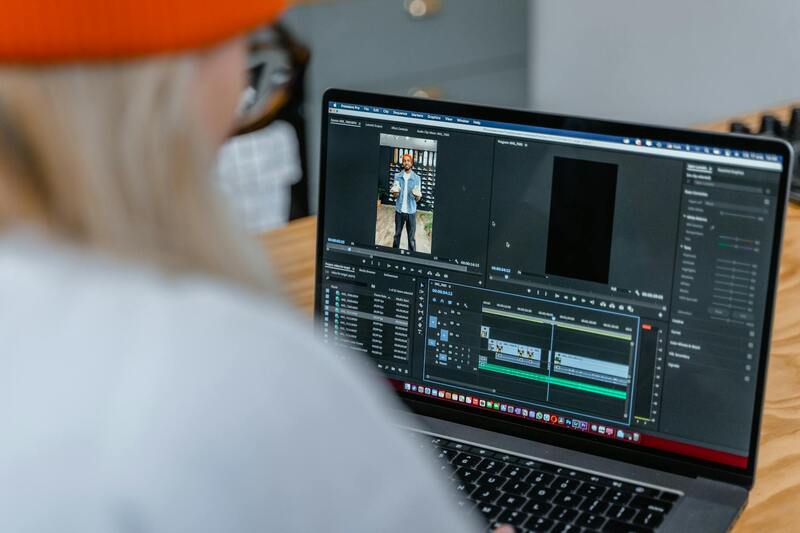
A professional livestream videographer undertakes detailed contractual arrangements with clients, clearly outlining the scope of services, deliverables, and expectations. These agreements specify the rights of all parties involved, including the extent of broadcast rights, the use of recorded footage, and post-event distribution. Establishing transparent terms prevents misunderstandings and safeguards the interests of both the service provider and the client.
Moreover, adhering to contractual commitments regarding timing, technical specifications, and confidentiality fosters a reliable and professional relationship. Consistent communication throughout the planning and execution phases ensures that all aspects of the livestream align with agreed-upon standards, resulting in a successful and ethically compliant broadcast.
Implementing Data Security and Content Management Protocols
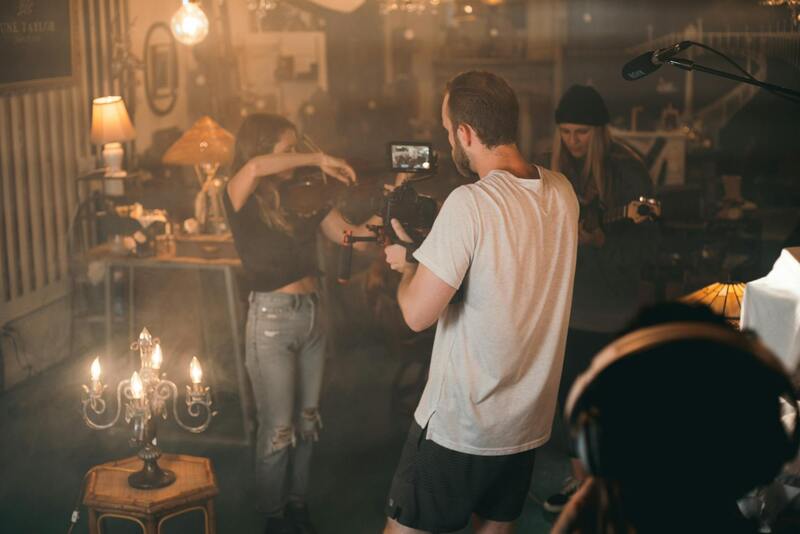
In the digital age, content security is crucial for a professional livestream operation. Livestream videographers employ secure data handling procedures, including encrypted transmissions and restricted access to recorded footage, to protect sensitive information and proprietary content. These practices prevent unauthorized sharing or distribution, maintaining the confidentiality of the broadcast content.
After the event, securely storing the recorded streams allows for controlled access and timely delivery to clients. A structured content management system also facilitates the organization of files, ensuring that all material complies with copyright laws and contractual agreements. Utilizing industry-standard security measures demonstrates a commitment to integrity and responsible content management.
In summary, adhering to ethical practices in livestreaming encompasses content rights management, privacy respect, contractual clarity, and robust data protection. These principles serve as the foundation for trustworthy and high-quality broadcasts, reinforcing a livestream videographer’s reputation as a responsible and professional service provider.