
Overview of Sports Video Streaming
Sports video streaming has revolutionized the way fans, broadcasters, and organizers experience live sporting events. It involves the real-time transmission of video content over the internet, allowing audiences to access games and competitions from virtually anywhere with a stable internet connection. This method of broadcasting is increasingly vital in today’s digital landscape, providing unprecedented reach and immediacy that traditional broadcast methods may not offer.
In the realm of live sports, high-quality streaming ensures that every pass, goal, and pivotal moment is captured and delivered with clarity and precision. This technology enables fans to engage with their favorite teams and athletes beyond the confines of stadiums or television screens, fostering a global community of viewers. For organizers and sports professionals, streaming also presents numerous opportunities for broader exposure, sponsorship activation, and viewer analytics, enabling a more targeted and interactive experience.
Employing professional sports video production services elevates the quality and reliability of live streams. Unlike amateur or DIY solutions, professional providers invest in top-tier equipment, skilled technicians, and comprehensive planning to ensure streams are seamless and visually compelling. This investment in quality reflects in crisp visuals, clear audio, and smooth transitions, all of which are crucial for maintaining viewer engagement and satisfaction.
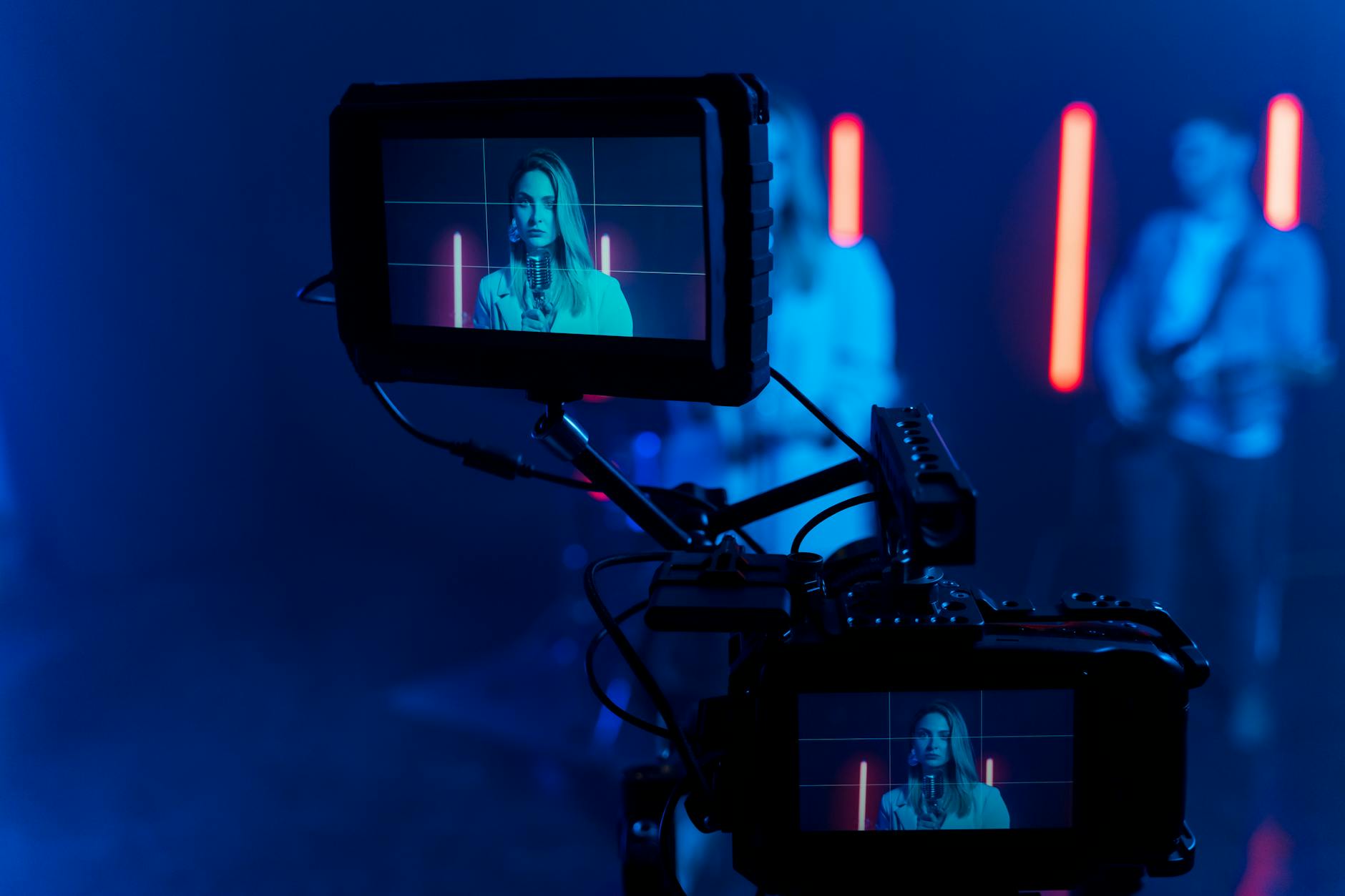
Overall, sports video streaming—when executed with professional standards—becomes a powerful tool for expanding reach, increasing fan interaction, and elevating the visibility of sporting events on a global stage. As the demand for live sports content continues to grow, investing in expert streaming solutions ensures that broadcasters and sports organizations stay ahead in this competitive landscape.
Key Equipment for Sports Video Production
Successful sports video streaming hinges on deploying the right array of professional hardware that ensures high-quality visuals and seamless delivery. Central to this are advanced cameras capable of capturing fast-paced motions with high resolution and frame rates, providing viewers with detailed and vibrant images of every move during the game. These cameras often feature high zoom capabilities, offering varied perspectives and close-up shots that enhance the viewing experience.
Complementing the cameras are sophisticated switching systems that allow technicians to dynamically select between different camera feeds, overlay graphics, and insert live commentary or other media elements. These switchers are essential for maintaining a polished broadcast and enabling real-time storytelling.
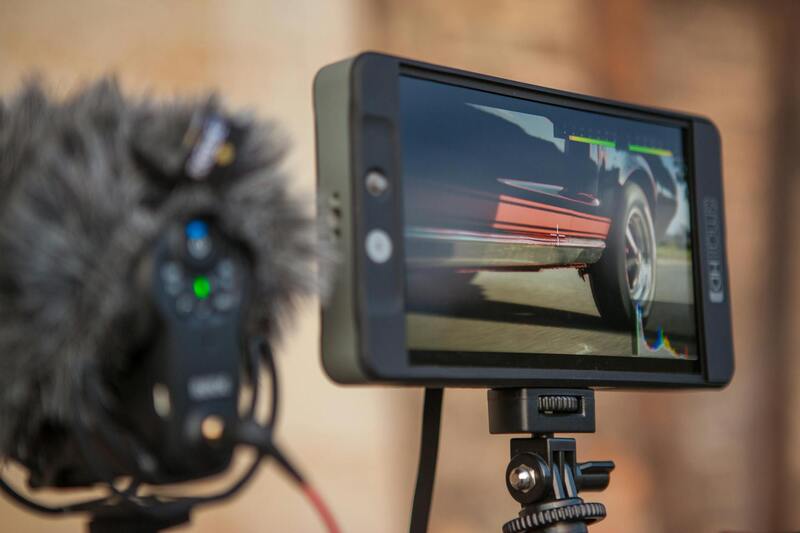
Audio quality is equally critical; professional-grade microphones and mixers are used to capture commentary, crowd noise, and ambient sounds, ensuring a balanced and immersive soundscape. Clear audio not only enhances the realism of the broadcast but also keeps viewers engaged through effective narration and sound cues.
Reliable streaming platforms or encoders are integrated into the setup to transform high-definition video and audio signals into internet-friendly formats. These encoders support multiple bitrate streams, adaptive streaming, and robust error correction protocols to minimize buffering and downtime.
Additional hardware includes monitors for instant previewing live feeds, teleprompters for hosts, and capture devices that facilitate multi-camera synchronization. A well-orchestrated hardware setup ensures content quality and reliability, paving the way for an engaging and professional broadcast.
Pre-Production Planning and Coordination
Thorough pre-production planning is crucial for aligning the technical and creative elements of the broadcast. This phase involves coordinating camera angles, lighting, audio setups, and graphics to prepare for the live event. Creating detailed shot lists, run sheets, and technical checklists helps streamline the production process and mitigate unforeseen issues on the day of the event.
Effective communication among production team members, including directors, camera operators, sound engineers, and technical directors, ensures everyone understands their roles and timing. Pre-event rehearsals with the entire team are invaluable for testing equipment, verifying camera angles, and practicing transitions or graphic insertions.
Detailed Equipment Checklists
- Camera configurations and positions
- Audio equipment setup
- Switching and streaming hardware readiness
- Graphics and overlay integration
- Backup systems and contingency plans
Implementing a comprehensive pre-production strategy minimizes technical hiccups and ensures a smooth viewing experience for audiences across devices.
Overview of Sports Video Streaming
Streaming sports events live has become a cornerstone of modern broadcasting, enabling audiences worldwide to enjoy real-time action on their preferred devices. The core of effective sports video streaming lies in delivering high-quality, seamless content that captures the excitement and intensity of live sports. It involves a complex integration of live camera feeds, real-time graphics, audio management, and robust streaming infrastructure to ensure viewers experience minimal latency and maximum clarity. The evolution of streaming technology has expanded access, allowing a broader and more diverse audience to engage with sports content, from major international tournaments to local league matches.

Choosing an appropriate streaming platform is crucial. Consider platforms that offer high bandwidth support, adaptive bitrate streaming, and scalable server infrastructure to accommodate fluctuating viewer numbers. Implementing a Content Delivery Network (CDN) enhances reliability and reduces latency by distributing the stream across geographically dispersed servers. Additionally, secure transmission protocols protect content integrity and viewer data, ensuring a smooth and trustworthy viewing experience. Continuous monitoring and analytics during the live event are essential to promptly address any technical issues and optimize stream quality based on real-time feedback.
Ensuring Reliable Content Delivery
- Utilize Content Delivery Networks (CDNs) for broader reach and reduced latency.
- Adopt adaptive bitrate streaming to cater to varied device capabilities and internet speeds.
- Implement redundant servers and backup systems for continuous broadcast continuity.
- Maintain high security standards to protect digital content and user data.
- Monitor stream health constantly with analytics tools to detect and resolve issues proactively.
Effective sports video streaming relies on balancing technical excellence with engaging presentation. Clear visuals, synchronized audio, and dynamic graphics draw viewers into the action, creating an immersive experience that rivals in-person attendance. As the demand for high-definition and 4K streaming grows, investing in the appropriate infrastructure and sophisticated delivery methods becomes even more vital in maintaining competitive edge and viewer satisfaction.

Switching, Graphics, and Enhancements
In the realm of stream sports video production, real-time switching and graphical overlays play pivotal roles in elevating the viewer experience. Professional video switchers enable seamless transitions between multiple camera feeds, providing dynamic angle changes that keep viewers engaged and immersed in the unfolding action. These switchers facilitate instant program transitions, picture-in-picture displays, and overlays, which are essential for highlighting key moments, player statistics, or game scores.
Effective use of graphics enhances storytelling and data delivery without disrupting the flow of the broadcast. Strategic placement of score bugs, timer graphics, team logos, and player stats helps viewers stay informed while maintaining visual appeal. Graphical templates can be customized to match the branding of the event or team, creating a cohesive and professional look throughout the stream.
High-quality real-time graphics are typically integrated through specialized software solutions that support live data feeds and animations. These tools enable the addition of animated scoreboards, social media feeds, and sponsor banners that update automatically, ensuring consistent and accurate information display. Additionally, overlay graphics can incorporate player highlights, instant replays, and tactical analysis, providing viewers with a richer, multi-dimensional viewing experience.
For smooth operation, it’s essential to have technicians well-versed in switching and graphical software, as well as robust hardware that can handle high-resolution outputs. Integrating multiple video sources, overlays, and effects requires a synchronized workflow to prevent lag or mismatched visuals. Proper calibration and preset configurations help streamline the transition between different graphic elements, maintaining a professional and polished broadcast.
Investing in advanced rendering engines and real-time graphics engines also allows for visually stunning effects that enhance storytelling. Weather overlays, slow-motion replays, and animated annotations contribute to a more immersive presentation. In high-stakes sports broadcasting, attention to detail in switching and graphics not only informs but also entertains and captivates audiences worldwide.
Moreover, ensuring compatibility with various streaming platforms is crucial. Broadcasts often need to adapt to different aspect ratios, resolutions, and bitrates depending on the platform—be it social media, dedicated sports streaming sites, or cable networks. Versatile switching and graphics solutions facilitate this adaptability, allowing producers to tailor each broadcast to meet platform-specific requirements seamlessly.
In conclusion, mastering real-time switching and graphic enhancements forms the backbone of a compelling sports stream. It provides clarity, context, and excitement, transforming a simple live feed into an engaging multimedia event that resonates with viewers and drives continued interest in the sporting venue.
Switching, Graphics, and Enhancements in Sports Video Production
Effective switching between camera angles and the strategic use of graphics are integral components of a professional sports video stream. High-quality video switchers enable seamless transitions from one camera feed to another, ensuring that viewers experience a fluid narrative that highlights key moments in the event. Modern switchers often support multiple input sources, including live cameras, pre-recorded footage, and graphical overlays, allowing producers to craft dynamic visual experiences in real-time.
Graphics overlays serve multiple functions, from displaying scorecards, player statistics, and team information to providing annotations and branding elements. These overlays are inserted with precision using graphics engines integrated into the broadcast workflow. They not only inform viewers but also enhance the visual appeal of the stream, making it more engaging and easier to follow complex plays or pivotal moments.
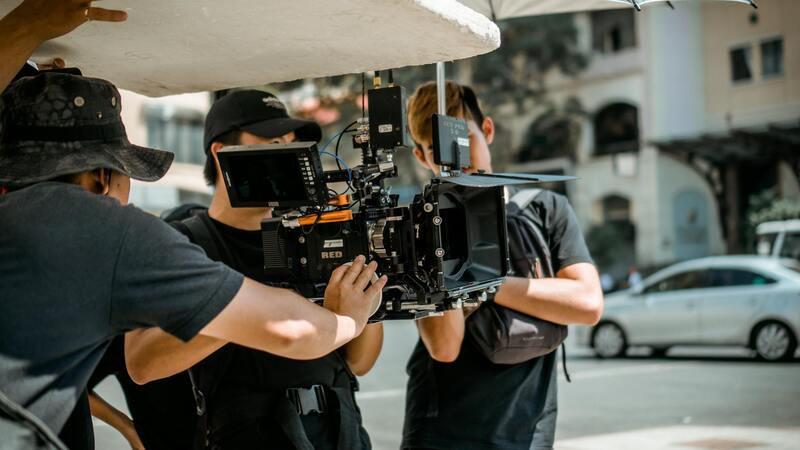
Replays are another critical enhancement, allowing broadcasters to revisit pivotal plays or moments of the game. High-speed replay systems integrated into the production pipeline enable quick retrieval and replay of footage, often with options for slow-motion or multiple angles. This enriches the viewing experience by providing deeper analysis and emphasizing key moments, thus keeping the audience engaged and informed.
Incorporating weather overlays, animated annotations, and real-time statistics requires sophisticated graphics rendering capabilities. These elements are synchronized with the live footage and feed into the overall narration, creating an immersive environment. The use of such enhancements also facilitates storytelling, helping to clarify game strategies or highlight individual performances more vividly.
Technological Advancements Supporting Enhancements
Modern broadcasting technology provides various tools to automate and streamline switching and graphics. Automated scene transitions, synchronized graphic insertions, and real-time data feeds enable smoother production workflows. These systems often support integration with external data sources, allowing for live updates of scores and statistics without manual input.
Furthermore, upcoming innovations such as augmented reality (AR) graphics and virtual set extensions are transforming how visual information is delivered. AR overlays can project virtual elements onto the live feed, creating an innovative and captivating visual experience that draws viewers into the action while offering additional context or information.
Professional Workflows and Best Practices
Implementing a well-structured production plan ensures that switching, graphics, and enhancements are executed consistently and efficiently. Routine calibration of equipment, comprehensive training for technical staff, and adherence to standardized procedures are crucial. In addition, preview monitors and multi-view interfaces allow producers to monitor all visual elements simultaneously and make real-time adjustments to optimize the delivery quality.
Quality control measures, including on-site testing and continuous monitoring during the broadcast, help to detect and resolve any visual or technical issues promptly. This approach minimizes disruptions and maintains broadcast integrity, ultimately providing viewers with a premium experience.
Switching, Graphics, and Enhancements in Sports Video Production
Effective switching, dynamic graphics, and real-time enhancements are fundamental to delivering a polished broadcast experience. Modern production environments leverage sophisticated tools that facilitate seamless scene transitions, synchronized graphic insertions, and live data integration. Automated switching systems allow operators to execute complex visual changes with precision, reducing the likelihood of delays or errors during high-pressure live events.
Graphical elements such as score bugs, player stats, and team information are vital for maintaining viewer engagement and providing comprehensive coverage. These graphics can be dynamically updated through integrations with external data sources, ensuring that viewers receive the latest information without manual input. This automation supports a continuous flow of real-time data, enhancing content clarity and viewer satisfaction.
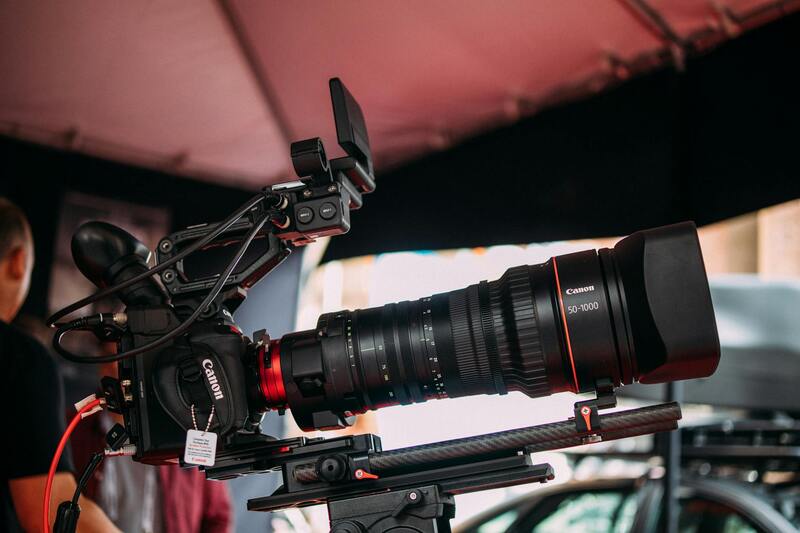
Augmented reality (AR) overlays represent an emerging frontier in sports video production. These virtual graphics can be projected directly onto the live feed, offering an immersive experience that visually integrates additional information—such as player distances, trajectories, or tactical insights—without cluttering the main action. Virtual set extensions also allow broadcasters to create versatile and visually interesting backgrounds, making the production more engaging and adaptable to various sports venues.
Workflow Best Practices for Visual Enhancement
- Implement standardized scene transition protocols to ensure smooth visual changes.
- Regularly calibrate multi-view monitors to maintain visual consistency among different feeds and graphics.
- Train technical staff on the latest software features for real-time data synchronization and AR integrations.
- Establish quality control procedures that include pre-show testing of all visual elements and continuous live monitoring to address any discrepancies immediately.
- Use preview monitors to review upcoming scenes and graphic overlays, enabling timely adjustments before on-air display.
Integrating Graphics with Live Data Feeds
Automated data feeds can be connected to graphics systems to provide real-time updates of scores, player statistics, and other key metrics. These connections are established through stable APIs, which transmit information directly into the broadcast environment, allowing graphics to update automatically without manual intervention. This integration supports dynamic storytelling and provides viewers with a richer, more informed viewing experience.

Streaming Delivery and Platform Optimization
Ensuring that streamed sports events reach audiences smoothly and efficiently requires meticulous attention to streaming delivery methods and platform selection. High-quality encoding is fundamental, translating raw video signals into formats optimized for various devices while maintaining clarity and minimal latency. Utilizing industry-standard codecs such as H.264 or HEVC improves compression efficiency, ensuring that high-resolution content streams without excessive bandwidth consumption.
Bandwidth considerations are critical; broadcasters must evaluate the expected viewer traffic and available network capacity. Adaptive bitrate streaming techniques dynamically adjust video quality based on viewers’ internet speeds, delivering uninterrupted viewing experiences even in fluctuating network conditions. This requires implementing streaming protocols like HLS (HTTP Live Streaming) or DASH (Dynamic Adaptive Streaming over HTTP), which facilitate scalable and adaptive delivery across multiple platforms.
Choosing the appropriate streaming platform is equally vital. Popular platforms such as dedicated CDN services, proprietary streaming servers, or cloud-based solutions provide different advantages, including reliability, global reach, and integration capabilities. Vendors with robust infrastructure ensure minimal buffering, quick start times, and consistent quality, even during highly viewed broadcasts.
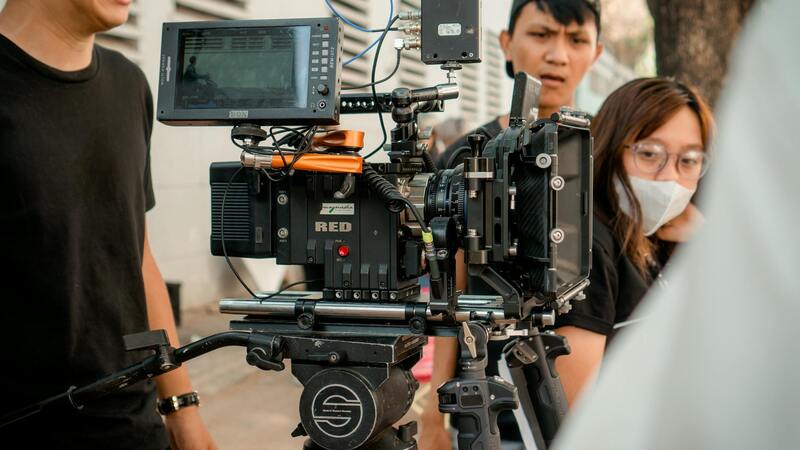
To maximize viewer engagement, broadcasters often employ multi-platform streaming, simultaneously broadcasting to social media channels, dedicated apps, and web portals. This multi-channel approach broadens reach and allows viewers to access content on their preferred devices. Additionally, implementing analytics tools helps monitor performance, viewer engagement, and stream stability, providing data to fine-tune streaming strategies continually.
Technical infrastructure must support redundancy and failover mechanisms. Backup streams and fail-safe configurations prevent interruptions during unforeseen issues, maintaining continual access to live sports coverage. Properly configuring encoders, maintaining network health, and conducting pre-broadcast tests are essential practices to uphold stream quality and reliability.
Advanced Techniques in Stream Sports Video Production for Enhanced Viewer Experience
Achieving a high-quality stream sports video production requires meticulous attention to technical details and strategic implementation of advanced techniques. These practices not only improve visual and audio fidelity but also ensure a smooth, engaging experience for viewers across multiple devices and platforms. Persistent innovation in streaming methods continues to elevate the standards of live sports broadcasting, making up-to-the-minute content more accessible and immersive than ever before.
Utilizing Multi-Angle Camera Systems and Dynamic Switching
One of the hallmarks of professional sports streaming is employing multi-angle camera setups. This approach allows broadcasters to capture various perspectives simultaneously, including wide shots, close-ups, and specialized angles such as replay cams or on-field cameras. Dynamic switching between these sources during live coverage requires real-time switching systems, which provide seamless transitions and enhance storytelling quality. Skilled operators use a combination of hardware switchers and software-based solutions to handle multiple feeds efficiently.

Incorporating Real-Time Replays and Slow Motion
Replays and slow-motion highlights are vital for showcasing pivotal moments, player performances, and game-changing plays. Integrating high-frame-rate cameras and mastering real-time replay technology ensures these moments are captured with clarity and precision. Automated replay systems can streamline this process, allowing production teams to focus on directing and content delivery. These tools also facilitate instant analysis, making broadcasts more engaging and informative for viewers.
Implementing Advanced Graphics and On-Screen Data
Graphics like score overlays, player stats, and live annotations add professionalism and clarity to sports broadcasts. Modern graphics engines support real-time data integration, providing dynamic content updates aligned with game progress. Augmented reality (AR) elements can further elevate viewer engagement by rendering virtual objects into the live feed, such as 3D models or interactive stats, creating an immersive viewing experience.
Audio Fidelity and Spatial Sound Techniques
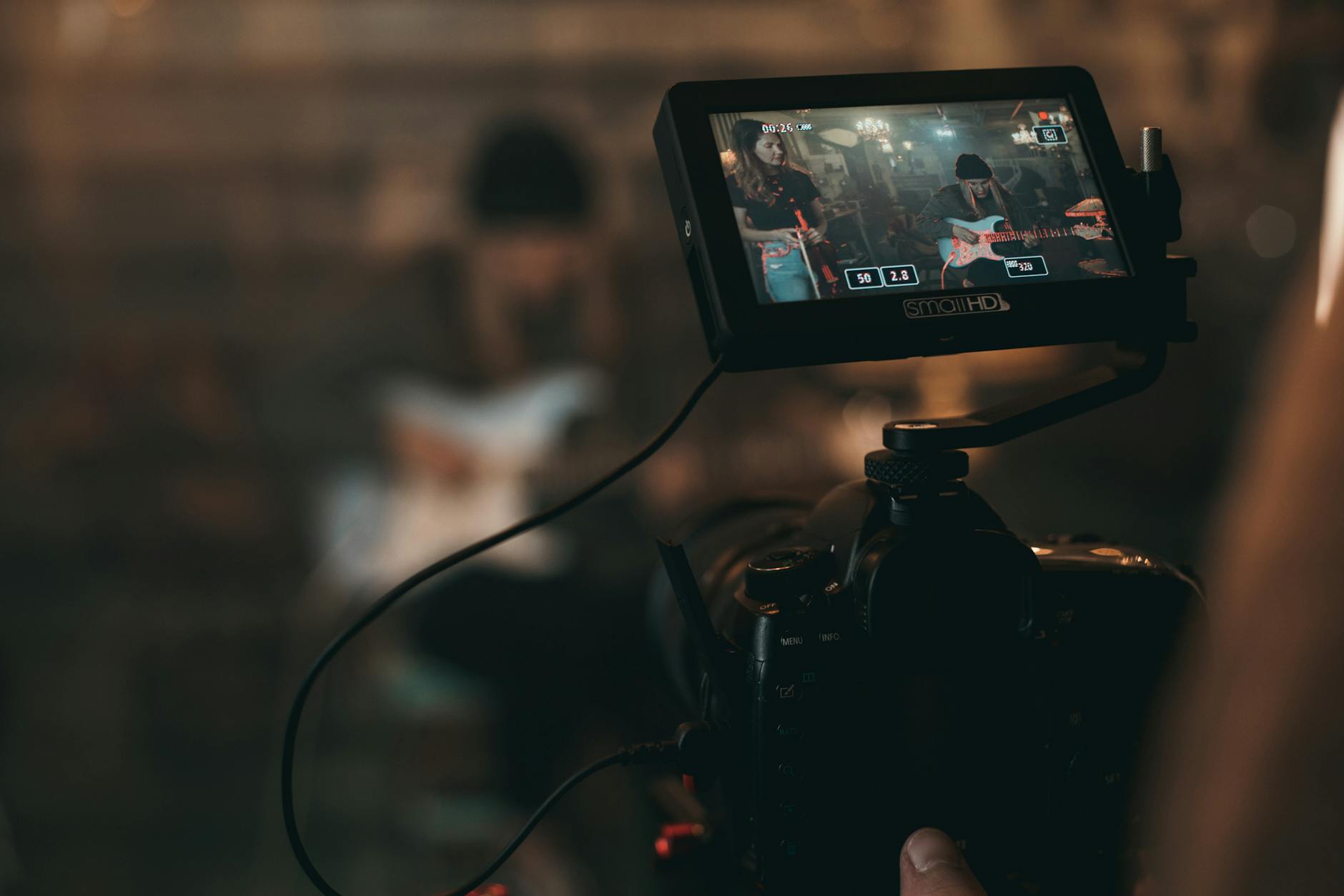
Premium audio quality is just as crucial as visual clarity. Employing multiple microphones—including directional and ambient microphones—captures the nuanced sounds of the environment, crowd reactions, and commentary. Spatial audio techniques, such as binaural recording and surround sound processing, create a more lifelike audio landscape, heightening the sense of presence for remote viewers. Proper audio mixing ensures that commentary, crowd noise, and in-game sounds are balanced, clear, and contribute to the overall immersion.
Stream Optimization and Adaptive Bitrate Delivery
To optimize the streaming experience for diverse audiences, adaptive bitrate streaming technologies dynamically adjust video quality based on the viewer's network conditions. This prevents buffering issues and maintains a consistent, high-quality output. Employing Content Delivery Networks (CDNs) with edge servers minimizes latency and ensures rapid content delivery across geographic locations. Implementing robust error detection and correction protocols further enhances stream stability during high-traffic events.
Quality Control and Pre-Broadcast Testing
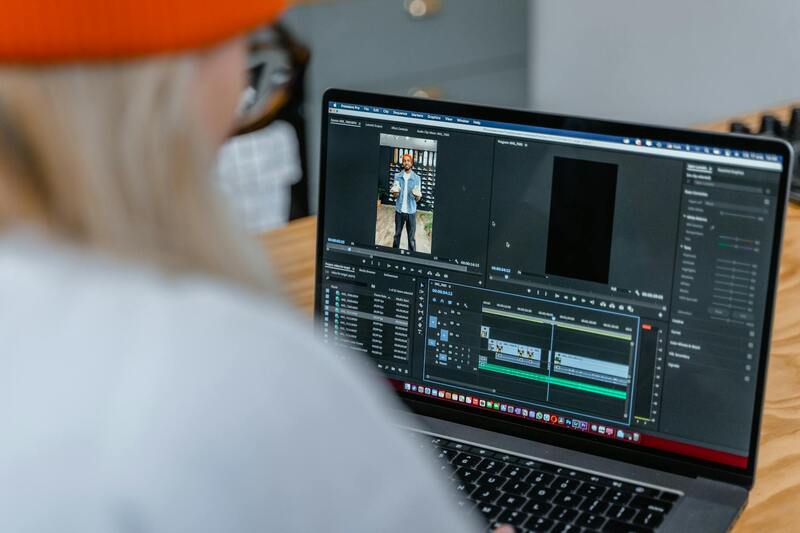
Pre-broadcast testing is vital for identifying potential issues before going live. This includes validating camera feeds, audio levels, network stability, and streaming codecs. Automated quality control systems continuously monitor stream parameters, alerting operators of anomalies such as dropped frames, audio delays, or buffering spikes. Rigorous rehearsals and dry runs enable the production crew to refine their workflows, ensuring that the final broadcast adheres to the highest standards of quality and consistency.
Security Measures and Content Management
Effective security protocols safeguard live streams from unauthorized access and piracy. Authentication mechanisms, encrypted streams, and secure streaming servers protect content integrity. Additionally, integrated digital rights management (DRM) systems facilitate rights enforcement and prevent unauthorized redistribution. Content management systems oversee the organization, scheduling, and delivery of on-demand highlights, keeping the audience engaged beyond the live event.