
Overview of Live Stream Webcasting Services
Live stream webcasting services have revolutionized the way organizations broadcast events, allowing real-time transmission of video content over the internet to a global audience. These services are designed to capture live event footage, encode it seamlessly, and distribute it across various online platforms, providing viewers with a dynamic and interactive experience. In the context of Miami, a city renowned for its vibrant culture, business activity, and entertainment industry, professional webcasting has become an essential tool for reaching broader audiences, engaging stakeholders, and enhancing event visibility.
At its core, live streaming involves the use of sophisticated technology that encodes live footage into digital signals and streams it directly to viewers’ devices such as computers, tablets, and smartphones. Unlike traditional broadcast methods, webcasting offers unparalleled accessibility, allowing audiences to participate from anywhere in the world instantly. This capability is particularly advantageous for corporate conferences, concerts, awards ceremonies, and religious events hosted in Miami, where audience members may be unable to attend in person.
The importance of webcasting services extends beyond simple content delivery. They enable organizations to measure viewer engagement through analytics, customize the viewing experience with interactive features, and archive broadcasts for future reference. As such, choosing a reliable provider with a comprehensive understanding of live streaming technology ensures that events are broadcast seamlessly, maintain high quality, and meet the specific needs of Miami-based clients.
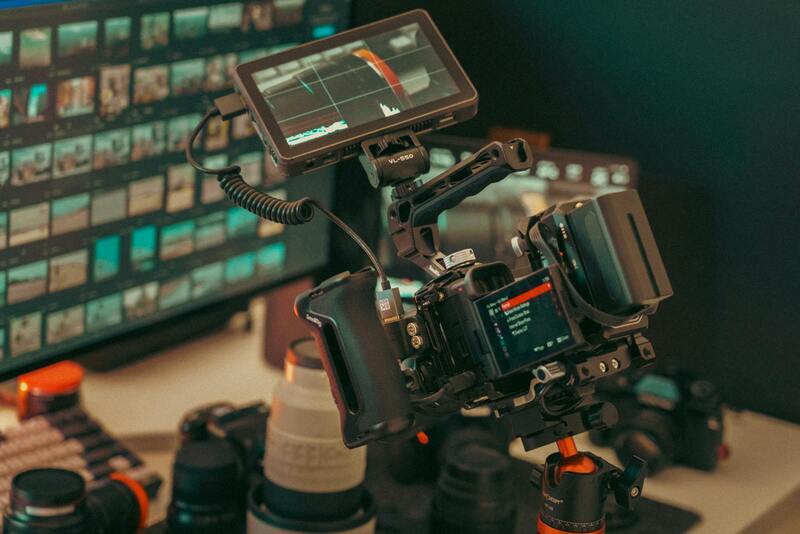
In a competitive market, the ability to effectively reach and engage local and global audiences underscores the growing role of live streaming as a vital component of modern event planning and communication strategies in Miami. This technology ensures organizations can deliver their message powerfully and without delay, opening new avenues for interaction and brand promotion.
Key Features of Professional Webcasting Solutions
Premier live stream webcasting services in Miami distinguish themselves through a suite of advanced features designed to ensure flawless event delivery. Central to these capabilities is high-definition video quality, which guarantees crisp and clear visuals for every viewer, regardless of their device or internet speed. The use of adaptive bitrate streaming technology adjusts video quality dynamically, optimizing the viewing experience even in fluctuating network conditions.
Reliability is another critical aspect, achieved through robust streaming platforms that utilize redundant servers and Content Delivery Networks (CDNs). This infrastructure minimizes buffering, prevents outages, and ensures continuous playback during live events. Additionally, professional webcasting solutions incorporate multi-platform compatibility, allowing simultaneous streaming to various devices such as desktops, tablets, and smartphones, broadening audience reach.
Integrated production support further elevates the quality of live streams. This includes multi-camera setups, professional audio mixing, and live graphics or overlays that enhance visual engagement. These enhancements are orchestrated by experienced production teams, ensuring seamless switching, synchronized audio, and visually appealing content that maintains viewers' interest throughout the event.
Interactivity and analytics are additional features often embedded within comprehensive webcasting services. Real-time viewer engagement tools such as live chat, polls, and Q&A sessions help foster interaction and create a more immersive experience. Concurrently, analytics provide detailed insights into viewer behavior, geographic distribution, and engagement levels, enabling organizers to assess the success of their broadcasts and tailor future content accordingly.
Security measures are integral, especially for confidential or proprietary events. Secure streaming protocols, encrypted data transmission, and access controls ensure that content remains protected against unauthorized viewing or piracy. These layered security options are vital for corporate gatherings, product launches, or sensitive meetings broadcasted across Miami and beyond.
Importance of Customization and Scalability
Professional solutions also offer customization options to align the webcast with the event’s branding and messaging. From personalized graphics to branded overlays, these details reinforce brand identity and enhance professionalism. Scalability is equally vital, allowing for the expansion of streaming capacity as event size increases or additional features are integrated. This flexibility ensures that services adapt to the evolving needs of clients hosting everything from small seminars to large-scale conferences.
Advanced Content Delivery and Platform Compatibility
To ensure seamless live streaming experiences, selecting webcasting services that utilize robust Content Delivery Networks (CDNs) is crucial. CDNs distribute live streams across multiple servers situated globally, minimizing latency and buffering issues regardless of where viewers are located. This infrastructure guarantees that high-quality video content reaches audiences in Miami and internationally without interruption. Compatibility across various devices and operating systems further extends accessibility; viewers should be able to access live streams effortlessly via desktops, smartphones, tablets, and smart TVs. An optimized webcasting platform offers responsive design, ensuring that the viewing experience remains consistent regardless of screen size or device type, which is vital for capturing diverse audiences.
Interactivity and Engagement Features
Professional live stream webcasting services equipped with advanced interactivity tools significantly boost viewer engagement during broadcasts. Features such as real-time chat modules enable audiences to communicate directly with presenters, fostering a sense of community and immediate feedback. Polls and Q&A sessions allow organizers to gather instant insights and clarify audience queries, enhancing the overall event experience. These features not only make live virtual events more dynamic but also provide valuable data on viewer preferences and interaction patterns. Ensuring these tools are seamlessly integrated into the streaming platform results in higher retention rates and increased participation, which is especially beneficial for corporate seminars, product launches, and educational webinars conducted in Miami.

Performance Analytics and Reporting
Professional webcasting solutions offer detailed analytics dashboards that track various metrics in real time, such as viewer count, geographic distribution, viewing duration, and engagement levels. These insights are instrumental in evaluating the success of each event and understanding audience behavior. Post-event reports can highlight peak viewing times, most engaging content segments, and demographic information. This data empowers organizers and marketers in Miami to refine future content strategies, optimize scheduling, and enhance overall webcast quality. Accurate analytics also support targeted advertising efforts and content personalization, making live streaming a powerful tool for brand positioning and audience growth.
Technological Requirements for Effective Webcasting
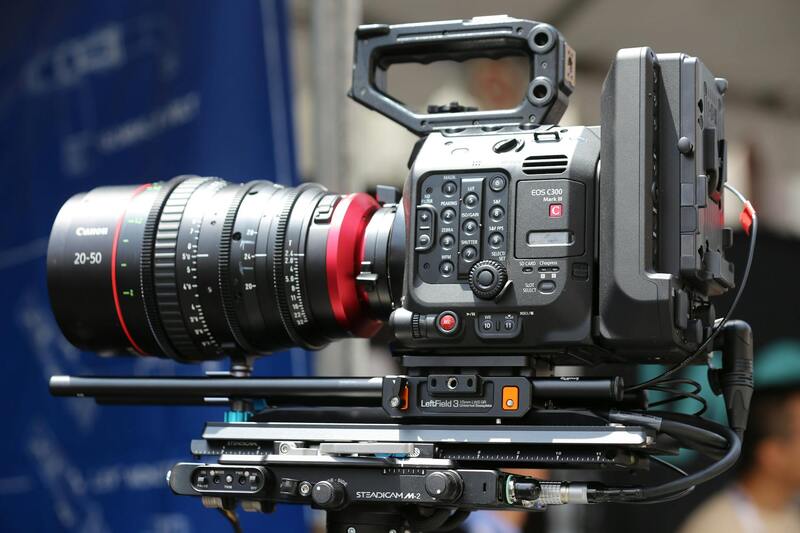
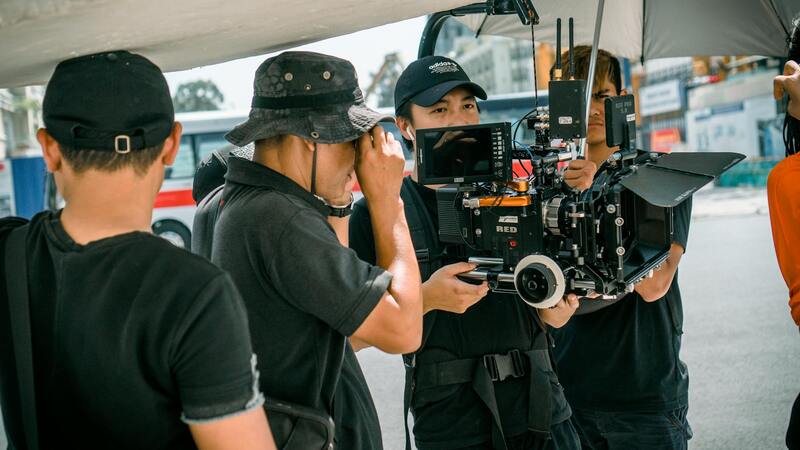
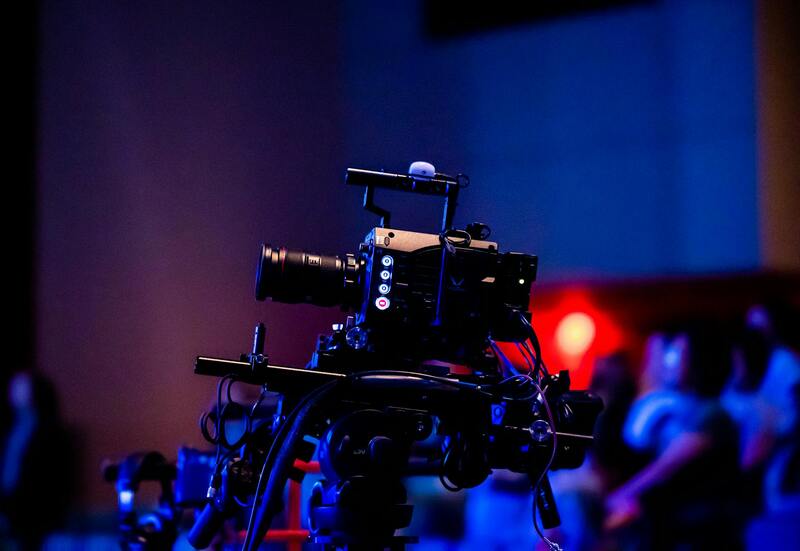
Executing a successful live stream webcasting session hinges on deploying the right technological infrastructure. High-quality video and audio capture are foundational, necessitating professional-grade cameras and microphones capable of delivering crisp visuals and clear sound. These tools should be compatible with high-definition streaming protocols to ensure viewers experience minimal lag and buffering, regardless of their device or connection speed.
Reliable internet connectivity is paramount, with dedicated bandwidths typically required to handle large viewer loads without interruption. LAN connections are preferred over wireless ones for their stability, especially during critical segments of an event. Backup internet options should also be considered to mitigate potential outages.
Compression codecs such as H.264 or H.265 are employed to optimize video quality while minimizing bandwidth consumption. The streaming platform chosen should support these codecs and offer adaptive bitrate streaming, which adjusts video quality based on viewer bandwidth for a seamless experience.
A robust encoder—hardware or software—is central to transmitting high-quality streams. Hardware encoders provide consistent performance and are suitable for large-scale events, while software encoders offer flexibility and cost-effectiveness for smaller productions.
Additional technological considerations involve the use of content delivery networks (CDNs) to distribute the stream efficiently across geographically diverse audiences. CDNs reduce latency and buffer times, thus enhancing viewer experience.
Surrounding these core elements are auxiliary tools such as switchers, streaming management software, and real-time monitoring systems that allow technical teams in Miami to oversee broadcast quality, troubleshoot issues proactively, and adjust settings during the live event.
Ultimately, aligning these technological components with the specific requirements of the event—whether a corporate launch, webinar, or educational seminar—ensures a fluid, engaging, and professional webcast that resonates with viewers.
Technological Requirements for Effective Webcasting
Delivering a professional and seamless live stream requires a thorough understanding of the essential technological infrastructure. High-quality equipment plays a pivotal role, including professional-grade cameras capable of capturing crisp video footage under varying lighting conditions. These cameras often integrate with multiple input options, allowing for diverse shot compositions that enhance viewer engagement. Simultaneously, audio quality must be prioritized, utilizing directional microphones or wireless audio systems to ensure crystal-clear sound that complements the visual content.
Reliable internet connectivity forms the backbone of any successful live broadcast. Business-grade broadband with sufficient upload speeds minimizes latency and buffering, ensuring an uninterrupted streaming experience. Redundant internet connections—such as primary fiber connections complemented by LTE backup—are highly recommended to manage potential disruptions during critical moments.
To effectively transmit the captured content, a professional encoder—either hardware or software—is essential. Hardware encoders are robust and capable of handling live streams for large audiences, providing consistent output without taxing local systems. Conversely, software encoders offer flexibility and are suitable for smaller or more agile productions, enabling quick adjustments and integrations with various streaming platforms.
Beyond core hardware, auxiliary tools support the broadcast quality and management. Streaming management software allows real-time monitoring of stream health, viewer engagement metrics, and bandwidth utilization. Switching equipment ensures smooth transitions between different video sources, such as slides, multiple cameras, or video clips, maintaining a dynamic and professional presentation throughout the event.
- Content Delivery Networks (CDNs): Distribute streams efficiently to a geographically dispersed audience, reducing lag and buffering.
- Real-time Monitoring Systems: Provide immediate feedback on stream stability, enabling quick troubleshooting.
- Technical Expertise: Skilled operators ensure that the equipment functions correctly and adapt in real time to any unforeseen issues.
Achieving high production value in live webcasting hinges on meticulous planning and execution of these technological elements, tailored to suit the event's specific demands—whether it's a corporate conference, virtual seminar, or large-scale public event. Proper integration of equipment, connectivity, and expertise guarantees a smooth, engaging experience for viewers, regardless of their location.
Overview of Live Stream Webcasting Services
Live stream webcasting services have become an essential component of modern event management, especially for organizations seeking to reach wider audiences with high-quality, real-time content delivery. These services leverage advanced broadcasting technology to enable seamless streaming of events ranging from corporate meetings and product launches to concerts and community gatherings. The primary goal is to deliver engaging, interruption-free streams that replicate the experience of attending in person, regardless of viewers’ geographical locations. In Miami, the demand for professional webcasting solutions continues to grow as organizations recognize the value of live video for branding, engagement, and outreach. Expertise in content transmission, encoding, and network management ensures that live streams maintain clarity, stability, and high resolution, making them an indispensable tool for effective event communication.
Key Features of Professional Webcasting Solutions
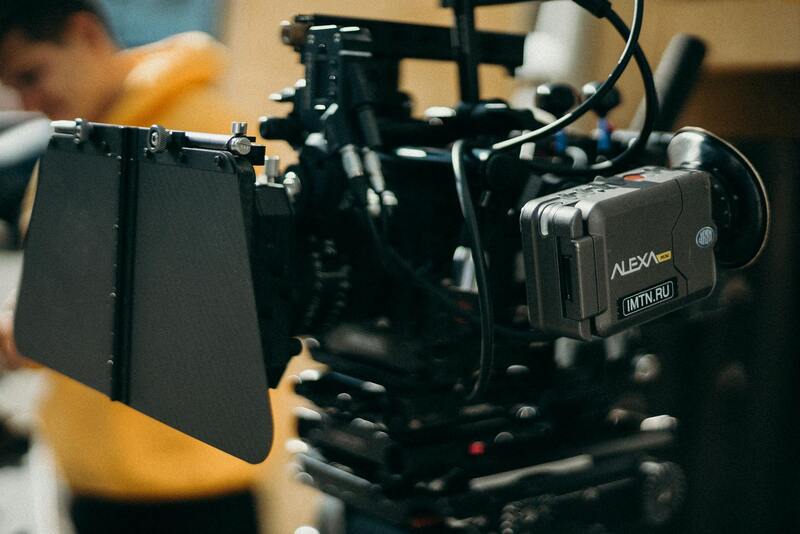
- High-Quality Video and Audio: Utilization of professional cameras, microphones, and encoding hardware to ensure crisp visuals and clear sound, enhancing viewer experience.
- Multiple Streaming Platforms: Ability to broadcast simultaneously across platforms like YouTube, Facebook, and proprietary channels for maximum reach.
- Encoders and Switching Equipment: Use of hardware and software encoders, along with seamless switching between sources such as slides, videos, and multiple camera angles, providing a dynamic presentation.
- Real-Time Monitoring: Continuous oversight of stream health, viewer engagement, and bandwidth consumption, allowing immediate troubleshooting and adjustments.
- Interactive Features: Integration of live chat, polls, and Q&A functions to foster audience interaction and participation during the event.
- Security and Access Control: Implementation of encryption, password protection, and geo-restrictions to safeguard content and control viewer access.
Benefits of Live Streaming for Miami-Based Events
Hosting events via professional live stream webcasting offers numerous advantages tailored to Miami's vibrant and diverse community. Firstly, it broadens the event’s reach, allowing participants who cannot attend physically to engage with the content in real time. This inclusivity expands networking opportunities and enhances the overall visibility of brands and causes. Furthermore, live streaming provides valuable on-demand content post-event, which can be leveraged for marketing, training, and archival purposes. It also increases event flexibility; organizers can adapt swiftly to changing circumstances by broadcasting hybrid formats that combine live in-person attendance with virtual participation. For Miami-based companies and organizations, professionally streamed events foster brand positioning as innovative and accessible, ultimately strengthening relationships with clients, partners, and community stakeholders.
Choosing the Right Webcasting Service Provider in Miami
Selecting an appropriate provider for live stream webcasting services requires evaluating a range of factors to ensure the most effective partnership. First, consider the provider’s experience with events similar in scope and scale to your project. Check their portfolio for technical proficiency, quality standards, and client testimonials. It’s vital to confirm that the provider employs state-of-the-art equipment, including high-definition cameras, professional audio gear, and reliable encoders, to guarantee optimal streaming quality. Additionally, assess their technical support capabilities, such as on-site crew presence, emergency troubleshooting, and post-broadcast analytics. Compatibility with your event needs—such as hybrid integration, multilingual options, or interactive features—is also crucial. Ultimately, choosing a provider with a proven track record in Miami ensures tailored solutions, reliable delivery, and a seamless experience for both organizers and viewers.
Technological Requirements for Effective Webcasting
Efficient live webcasting depends heavily on robust technological infrastructure. Key components include:
- Reliable Internet Connectivity: High-bandwidth, low-latency internet connections are essential to prevent buffering, lag, and disruptions.
- Quality Hardware: Professional-grade cameras, microphones, and encoding devices form the foundation of a high-quality stream. Multiple input sources enable varied content presentation.
- Content Management Software: Facilitates real-time control over stream sources, overlays, and transitions, ensuring a professional broadcast appearance.
- Content Delivery Networks (CDNs): Distribute the stream efficiently across multiple regions, minimizing latency and buffering issues for viewers across Miami and beyond.
- Monitoring Systems: Software tools that track stream health, viewer metrics, and technical issues, allowing teams to respond swiftly to any problems.
- Technical Support and Expertise: Skilled personnel onsite and remotely manage the equipment and troubleshoot unforeseen issues promptly, maintaining broadcast continuity.
Each of these elements plays a crucial role in achieving a smooth, engaging webcast that meets professional standards and delights viewers. Proper planning and integration of these technological requirements enable broadcasters to deliver compelling content, regardless of event size or complexity.
Technological Requirements for Effective Webcasting
Implementing a successful live streaming event hinges on a robust technological framework designed to deliver high-quality content without interruption. This infrastructure ensures seamless transmission, clear audio, and sharp visuals that engage viewers and uphold the professionalism of the event. Essential components of this setup include:
Reliable Internet Connectivity
The backbone of any live webcast is dependable internet service. High-bandwidth, low-latency connections are crucial to handling significant data loads and preventing interruptions such as buffering or lag. Redundant internet sources may be employed to provide failover options, ensuring continuous streaming even if primary connections encounter issues. In Miami, where network conditions can vary, partnering with internet providers that offer dedicated circuits or fiber-optic services guarantees the necessary speed and stability.
Quality Hardware
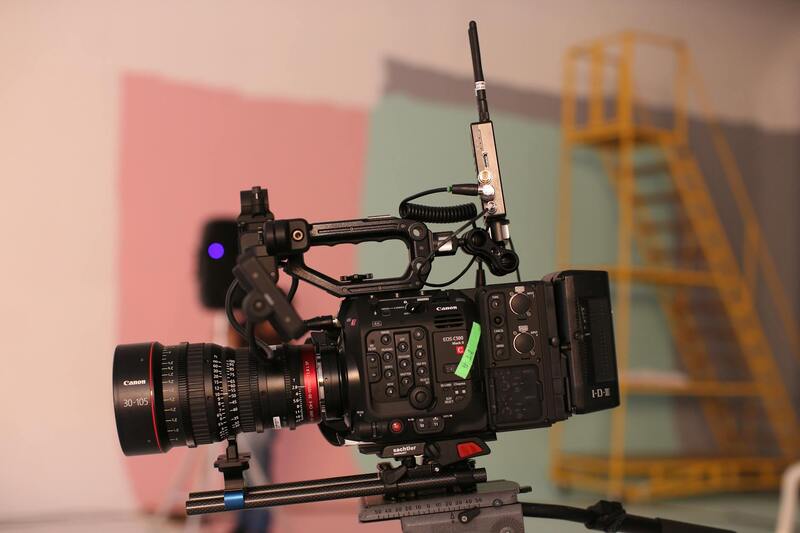
Professional-grade cameras capable of capturing high-definition footage are fundamental. Multiple input sources, including remote cameras, mobile devices, and computer screens, enable flexibility and diversity in content presentation. Complementing the video equipment, high-fidelity microphones and audio mixers ensure that sound quality matches the visual excellence, preventing viewers from experiencing audio disturbances that diminish engagement.
Content Management Software
Advanced software platforms are used to control the live feed, manage overlays, transitions, and incorporate graphics dynamically. These tools allow producers to switch between different camera angles, insert sponsor or informational overlays, and maintain a polished, broadcast-like appearance. Real-time editing capabilities help adapt to live scenarios, enhancing the viewer experience significantly.
Content Delivery Networks (CDNs)
Distributing content via CDNs ensures that live streams reach viewers across Miami and globally with minimal latency. These networks are strategically located servers that cache and deliver streams efficiently, reducing buffering times and improving overall streaming performance. Optimizing CDN configurations is particularly vital during high-traffic events, where multiple viewers expect uninterrupted access.
Monitoring Systems
Real-time monitoring tools provide vital insights into stream health, viewer engagement, and technical issues. These systems alert technical teams to problems such as bandwidth drops, audio or video glitches, and viewer capacity concerns. Prompt responses facilitated by monitoring prevent lengthy disruptions, maintaining the event’s professionalism and viewer satisfaction.
Technical Support and Expertise
Skilled technicians play a critical role in managing all technical elements of live webcasting. They oversee equipment setup, troubleshoot unforeseen problems, and coordinate with content producers to maintain broadcast quality. Having support staff onsite and remote ensures quick resolution of issues, vital during complex or large-scale events.
Integrating these technological components with meticulous planning results in a webcast that not only meets industry standards but also provides an engaging experience for viewers. Investments in quality hardware, reliable connectivity, and expert support are essential for Miami's diverse event landscape, from corporate conferences to entertainment festivals.
Advanced Techniques for Reliable Live Stream Webcasting in Miami
Implementing robust security measures is essential to safeguard live webcasting content and ensure exclusive access to authorized viewers. Utilizing encrypted streams, secure login protocols, and digital rights management (DRM) technologies helps prevent unauthorized viewing and content piracy. Additionally, integrating firewalls and intrusion detection systems adds an extra layer of protection against cyber threats, maintaining the integrity of the broadcast.
Employing adaptive bitrate streaming technology is crucial for optimal viewing experiences across diverse connection speeds and devices. This method dynamically adjusts video quality based on real-time bandwidth availability, minimizing buffering and ensuring uninterrupted delivery. Coupled with multiple CDN (Content Delivery Network) configurations, adaptive streaming guarantees that viewers, whether accessing from Miami or globally, receive high-quality streams with minimal latency.
Strategies for Enhancing Webcast Engagement and Interactivity
Interactive features are transforming the live streaming landscape, making remote events more engaging and participatory. Incorporating live chat, real-time polls, Q&A sessions, and social media integration fosters active viewer participation. These tools facilitate immediate feedback, boost viewer retention, and create a sense of community around the event.
Another innovative approach involves the use of multiple camera feeds and synchronized multimedia content to create a dynamic viewing experience. Professional operators can switch camera angles, overlay graphics, and insert live commentary, replicating the vibrancy of in-person events. This multisensory environment substantially elevates viewer engagement levels.
Importance of Training and Technical Staffing
Ensuring the success of a webcasting event relies heavily on the expertise of technical staff. Proper training in streaming technology, troubleshooting common issues, and managing live interactions is critical. Skilled personnel can swiftly respond to challenges such as connectivity disruptions, audio/video glitches, or equipment failures, minimizing downtime.
Ongoing staff development combined with thorough pre-event rehearsals enables smoother execution during the actual broadcast. Miami production companies often employ dedicated webcasting technicians, producers, and multimedia specialists, whose combined efforts make certain that each live event maintains a professional standard.
Post-Event Analytics and Audience Insights
Gathering detailed analytics post-broadcast provides valuable insights into viewer behaviors, engagement metrics, and technical performance. Data such as viewer retention rates, geographic distribution, device types, and interaction levels help event organizers evaluate success and identify improvement areas.
These insights assist in tailoring future webcasting strategies, optimizing content delivery, and enhancing audience appeal. Software platforms often include dashboards that consolidate real-time and retrospective data, aiding decision-making and ROI assessment.
Emerging Technologies Shaping Future Webcasting
Emerging innovations like 4K ultra HD streaming are setting new standards for visual quality, offering viewers crystal-clear images that enhance immersion. Additionally, artificial intelligence (AI) is being integrated to facilitate automatic camera control, real-time translation, and content moderation, streamlining operations and elevating viewer experiences.
Augmented reality (AR) and virtual reality (VR) are also making inroads into webcasting, providing interactive, immersive environments that revolutionize remote participation. These technological advances are anticipated to redefine the scope and quality of live streaming services in Miami and beyond, opening new avenues for engagement and content delivery.