
Understanding the Role of a Live Stream Videographer
A live stream videographer plays a pivotal role in ensuring that live events are captured and broadcasted seamlessly to a remote audience. Their primary responsibility involves operating sophisticated video equipment to transmit high-quality footage in real-time, facilitating an engaging viewing experience for viewers who are unable to attend physically. This role requires a blend of technical expertise, creative vision, and meticulous planning to deliver broadcasts that meet client expectations and event requirements.
During an event, the live stream videographer is tasked with multiple responsibilities, including setting up cameras, managing live switching between multiple video feeds, and troubleshooting technical issues as they arise. They must work closely with event organizers, speakers, and production teams to understand the event flow, important moments to capture, and any special visual elements that need to be highlighted. The ability to adapt quickly to changing scenarios and deliver smooth, professional broadcasts is essential for this role.
Beyond the technical operations, a skilled live stream videographer also ensures that all broadcast components—audio, lighting, and video quality—are optimized for clarity and visual appeal. They are often involved in pre-event preparations, including site surveys, equipment testing, and establishing reliable internet connections for uninterrupted streaming. Their expertise ensures that every detail aligns cohesively, delivering a polished final product that enhances the event’s reach and impact.
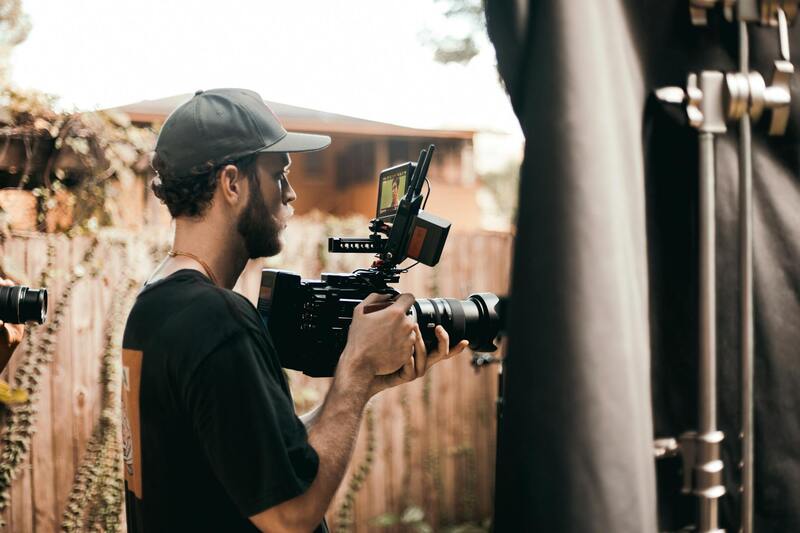
In essence, the live stream videographer acts as both a technician and a storyteller—meticulously capturing key moments, ensuring technical excellence, and enabling audiences to experience the event as if they were present in person. Their role is indispensable in today’s digital landscape, where live broadcasting has become a fundamental element of event planning and content sharing. Whether for corporate conferences, concerts, sports events, or community gatherings, a competent live stream videographer guarantees that the event’s essence is preserved and relayed with precision and professionalism.
Key Equipment and Technology Used in Live Streaming
Successfully executing a live stream videography project hinges on utilizing the right equipment and technology. A professional setup typically includes high-definition cameras capable of capturing detailed visuals from multiple angles, ensuring dynamic and engaging broadcasts. These cameras are often connected via HDMI or SDI cables to switchers or streaming hardware, allowing seamless transitions between different shots, close-ups, or wide views, which enhances the viewer experience.
Audio quality is equally vital. Directional microphones, wireless lapel mics, or shotgun microphones are used to capture clear sound from speakers or performers, free of background noise. Coupled with audio mixers, these ensure the sound remains balanced, synchronized, and intelligible throughout the broadcast.
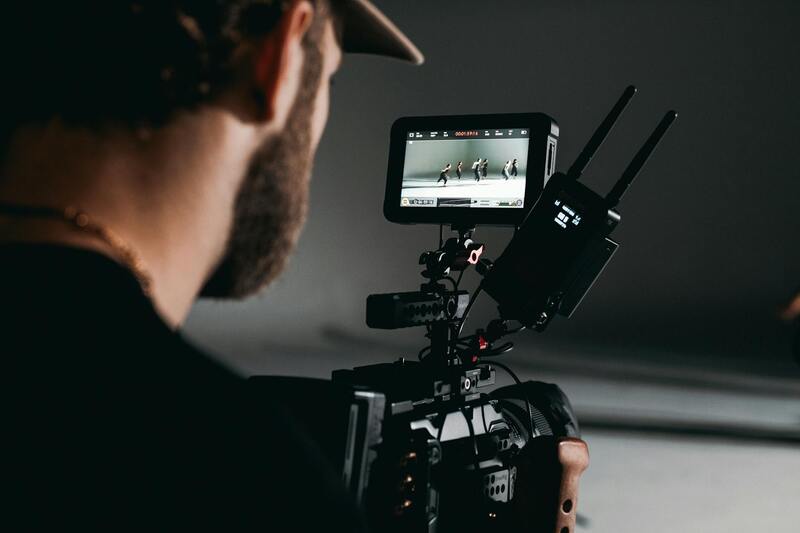
Stream encoding devices or software are employed to convert the video footage into a digital format suitable for online broadcasting. Hardware encoders, such as premium streaming appliances, or software solutions like OBS Studio or Wirecast, are configured to deliver stable streams with minimal latency. Reliable internet connectivity, often supported by dedicated wired connections or bonded cellular solutions, ensures uninterrupted broadcasts even in challenging network environments.
Additional technological tools include video switchers, graphics generators for overlays, and monitoring screens to allow real-time quality checks. Using such advanced equipment optimizes the final output, ensuring clarity, stability, and a professional visual presentation that aligns with the event's objectives.
Choosing a Professional Live Stream Videographer in Miami
Selecting a qualified live stream videographer involves assessing their technical proficiency, experience, and local familiarity. Look for professionals who possess a comprehensive understanding of live broadcasting workflows, from pre-event site surveys and equipment setup to real-time management during the event. Their portfolio should showcase a variety of events, demonstrating versatility and technical excellence across different scenarios.
Local expertise is beneficial, as it simplifies logistics and allows the videographer to anticipate challenges specific to Miami’s environment, such as venue acoustics and internet infrastructure. Confirm that they use current, industry-standard equipment and have contingency plans in case of technical issues. Reviews and testimonials from previous clients can offer insight into their reliability, punctuality, and ability to handle unforeseen circumstances efficiently.
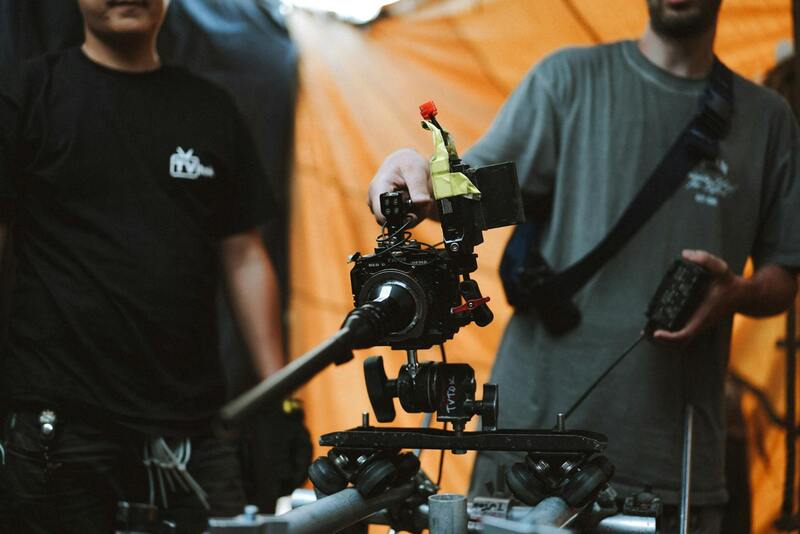
Engaging with a dedicated professional ensures collaboration on event specifics, such as camera angles, branding overlays, and visual effects. Transparency regarding their workflow and clear communication about costs and deliverables are also indicators of a trustworthy service provider.
Planning and Coordination for Live Streaming Events
Meticulous planning forms the backbone of a successful live stream. It begins with detailed coordination among event organizers, technical crews, and the videographer. Pre-event consultations should cover logistical details, venue layouts, power access, internet bandwidth, and specific content requirements. Establishing a comprehensive timeline helps allocate sufficient time for equipment setup, testing, and redundancy checks.
On the day of the event, a designated point of contact is essential to facilitate smooth communication. This person oversees timing, scene changes, and any last-minute adjustments. The videographer often works closely with on-site technical teams to synchronize camera feeds, ensure proper audio levels, and manage transitions, all while monitoring streaming stability.
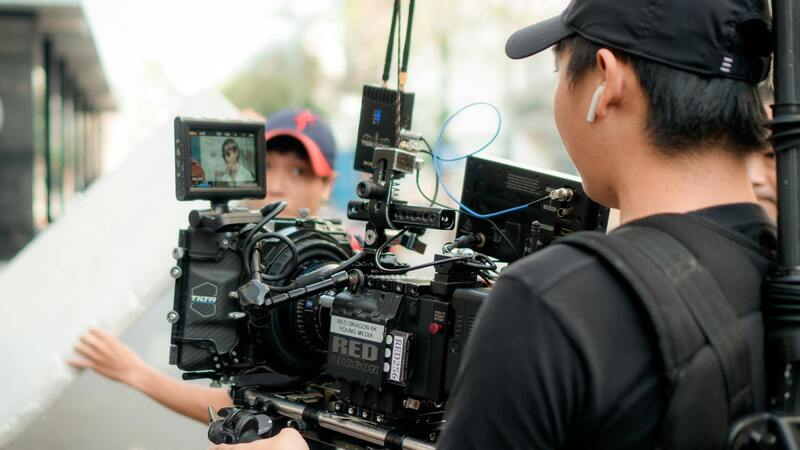
Furthermore, rehearsals, when possible, help identify potential issues and fine-tune the technical setup. Preparedness for potential disruptions—such as internet outages or equipment malfunctions—includes having backup devices, alternative internet sources, and a clear contingency plan to ensure uninterrupted broadcast continuity.
Best Practices for Live Streaming Quality and Reliability
Maintaining high-quality streams requires rigorous adherence to technical standards and best practices. Prior to the event, conduct comprehensive equipment tests, including bandwidth assessments and signal strength evaluations. It’s vital to use a dedicated internet connection, preferably wired, to minimize latency and packet loss. Wireless backups, such as cellular bonding or portable hotspot devices, provide added security in case of primary connection failure.
During the live broadcast, continuous monitoring of audio and video feeds allows immediate response to any issues. A dual-monitor setup enables operators to see both the live stream and the streaming software interface simultaneously, facilitating quick troubleshooting. Properly calibrated cameras, consistent lighting, and balanced audio levels contribute significantly to the visual and acoustic quality of the broadcast.
Post-event, reviewing stream data and spectator feedback helps identify areas for improvement. Analyzing latency, buffering incidents, and technical logs provides insights that refine future live streaming strategies, elevating overall performance and viewer engagement.
Essential Equipment and Technology Components for Live Streaming
High-quality live streaming relies heavily on the selection and proper setup of specialized equipment and technology. The core elements include professional cameras, encoders, stabilizers, audio capture devices, and a reliable internet connection. Each of these components plays a vital role in delivering a seamless broadcast that meets viewers’ expectations.
Cameras: The choice of camera significantly impacts the visual clarity and production value of the stream. Professional-grade cameras with high-resolution sensors (such as 4K or HD capabilities) and adjustable settings ensure sharp, vibrant visuals. Camcorders and studio cameras equipped with interchangeable lenses can adapt to various shooting environments, from intimate interviews to large-scale events.
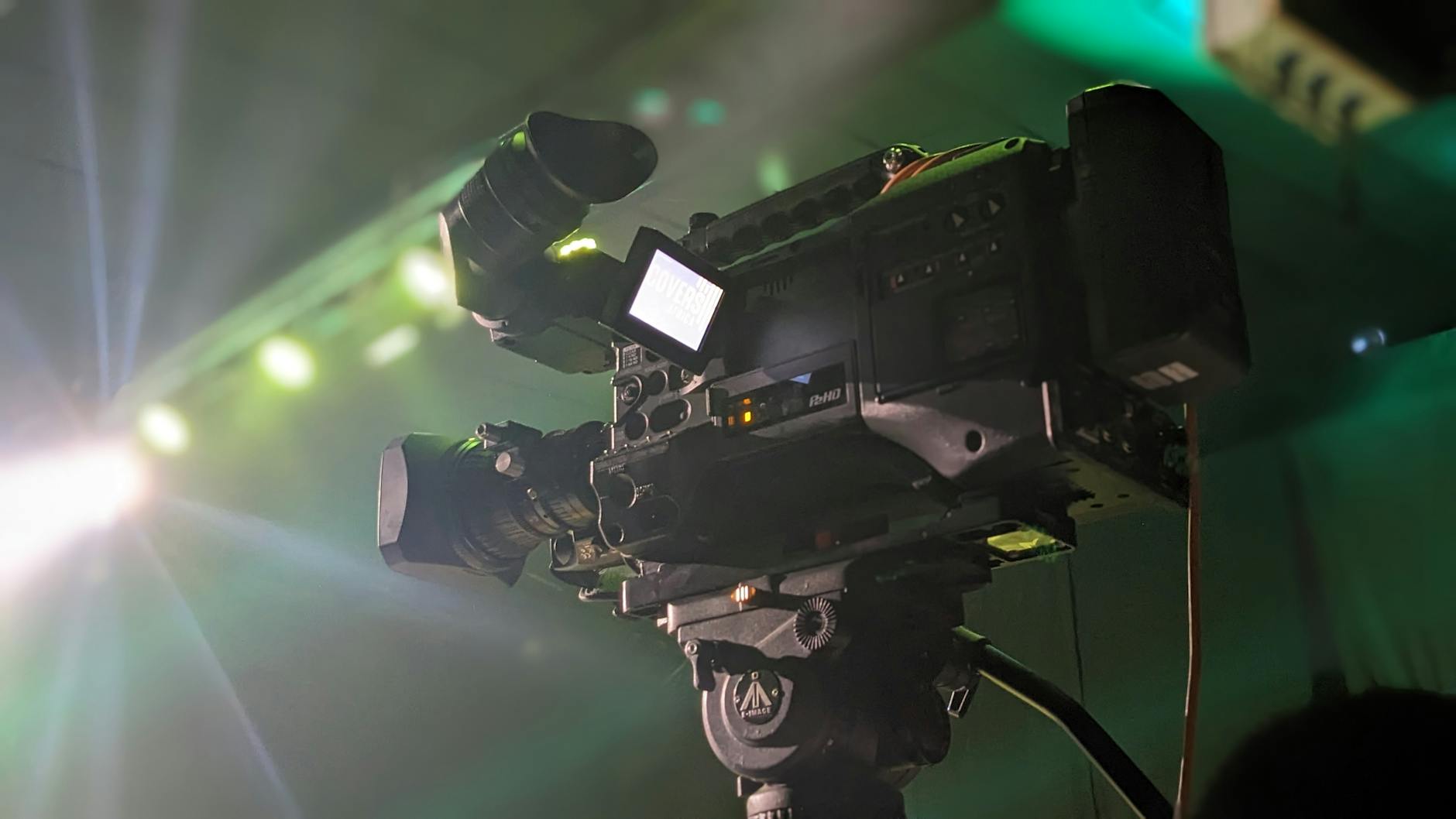
Encoders: Encoders convert raw video signals into digital streams compatible with streaming platforms. Hardware encoders offer stability and consistent quality, while software encoders provide flexibility and easier updates. Selecting an encoder with sufficient processing power and multiple output options ensures the broadcast remains smooth, even under high data loads.
Audio Devices: Clear sound is essential. Lavalier microphones, shotgun microphones, and audio mixers help capture and control audio quality. Balanced audio levels prevent distortion, and the use of wireless microphones can facilitate mobility for event hosts or speakers.
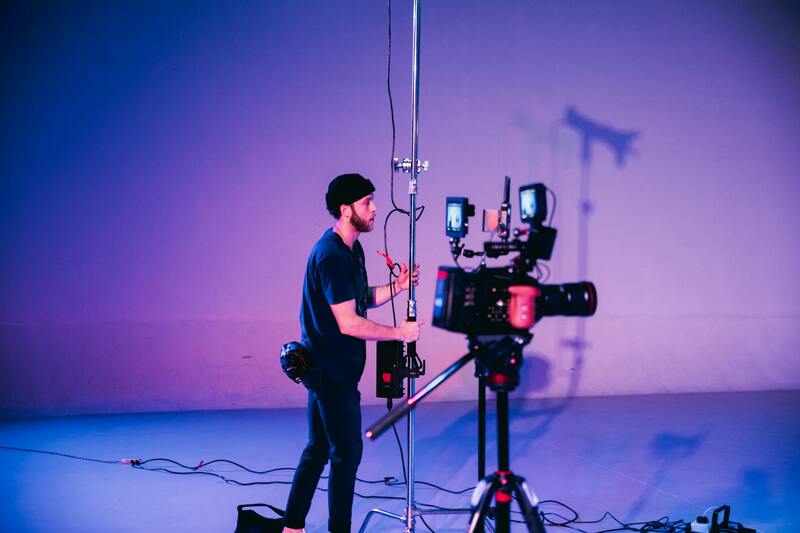
Internet Connectivity: An optimal internet setup involves a wired Ethernet connection for primary streaming. Backup options include cellular bonding devices or portable hotspots to maintain the stream during potential outages. Bandwidth should be ample—typically at least 10 Mbps upload speed for HD streams—and regularly tested prior to the event.
Supporting Equipment: Tripods, stabilizers, and lighting gear contribute to the overall production quality. Properly calibrated lighting ensures clear visuals, while stabilization tools prevent shaky footage, especially when filming in motion.
Advanced Tools Enhancing Live Streaming Performance
- Video Switchers: Facilitate multiple camera feeds, enabling dynamic transitions and a professional multi-angle broadcast.
- Streaming Software: Platforms like OBS Studio, vMix, or Wirecast offer real-time editing, overlays, and stream management features.
- Monitoring Systems: Dual-monitor setups and real-time analytics help operators oversee the broadcast quality and respond swiftly to technical issues.
Investing in quality equipment and staying updated with evolving streaming technologies ensures that live events are captured professionally, with minimal disruptions, and delivered seamlessly to online viewers. Collaboration with experienced videographers familiar with the latest tools guarantees an elevated streaming experience that aligns with the event’s scale and significance.
Understanding the Role of a Live Stream Videographer
A live stream videographer plays a critical role in translating an event’s real-time proceedings into a high-quality, engaging digital experience. Their responsibilities extend beyond simply capturing video footage; they are expected to operate sophisticated equipment, execute precise camera angles, manage live switching between multiple cameras, and ensure seamless audio-visual integration. The professional’s expertise ensures that each frame is correctly framed, lit, and composed to reflect the event's atmosphere and significance.
In addition to technical proficiency, a live stream videographer must possess a keen understanding of streaming technology and network stability. They work proactively to troubleshoot potential issues, such as connectivity disruptions or equipment malfunction, and adapt in real-time to unexpected changes during the event. This requires a blend of technical skills, quick problem-solving abilities, and an artistic eye for visual storytelling. Skilled videographers are also adept at coordinating with event organizers, venue staff, and other vendors to guarantee smooth operations from setup to conclusion.
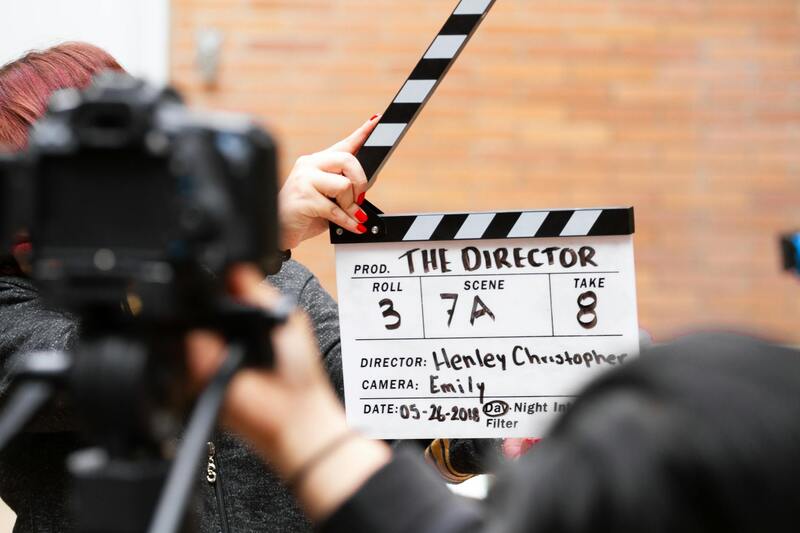
Their work often involves multitasking, balancing multiple camera feeds, adjusting lighting, and managing audio levels simultaneously. Their goal is to deliver a broadcast that looks polished, maintains viewer engagement, and accurately portrays the event's key moments. Especially for corporate meetings, product launches, weddings, or large conferences, the presence of an experienced videographer guarantees a professional broadcast that leaves a lasting impression and reaches a broader audience beyond the physical venue.
Technical Skills and Continuous Education
Given the rapid evolution of streaming technology, a professional live stream videographer invests in ongoing education and skills enhancement. They stay updated on the latest camera innovations, software developments, and streaming protocols to offer clients cutting-edge solutions. Whether it's integrating drone footage, 4K resolution streams, or augmented reality overlays, an expert videographer adapts to the technological landscape to provide a comprehensive service. Their familiarity with various platforms and content delivery methods ensures reliable and customizable streaming experiences tailored to each event's unique needs.
Collaboration and Client Communication
Successful live streaming also depends on clear communication and meticulous planning. The videographer collaborates with clients beforehand to understand event objectives, key moments, and preferred camera angles. They often conduct technical rehearsals to test equipment, review internet stability, and synchronize with other production team members. During the event, the videographer remains attentive to details and maintains ongoing communication with directors or event coordinators, facilitating smooth transitions and high-quality output.
Ensuring Seamless Connectivity and Optimal Streaming Conditions
One of the most critical aspects of successful live streaming is the stability and quality of the internet connection. A professional live stream videographer in Miami meticulously assesses the venue’s connectivity infrastructure prior to the event. They often recommend dedicated internet lines with high upload speeds—preferably fiber optic—to minimize disruptions. Redundant internet setups, such as backup cellular connections, are frequently employed to ensure uninterrupted broadcast even if primary networks experience instability.
Adequate bandwidth management is essential; the videographer calibrates settings to optimize stream quality without overwhelming the available bandwidth. This balance prevents buffering issues, pixelation, or lag that can compromise the viewer experience. Technical tests conducted days before the event help identify potential hurdles, enabling adjustments to equipment, encoding settings, or network configurations for a flawless stream.
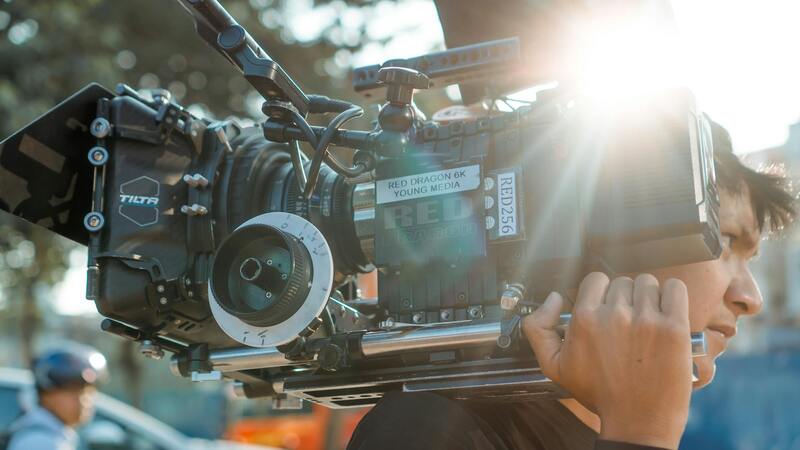
Integration of Camera Angles and Visual Elements for Dynamic Live Content
A skilled live stream videographer in Miami employs multiple camera angles and sophisticated visuals to create an engaging broadcast. Utilizing advanced switching equipment and intuitive control interfaces, they seamlessly alternate between wide shots, close-ups, and specialized camera views to highlight key moments. Incorporation of visual elements such as overlays, lower thirds, and real-time graphics enhances viewer engagement and provides informational context.
Moreover, the use of remote cameras or robotic pan-tilt-zoom (PTZ) units can extend coverage to difficult-to-reach areas, ensuring comprehensive event documentation. High-definition cameras capable of capturing crisp images in varying lighting conditions are selected based on the environment, whether it's a dim corporate conference or a vibrant concert.
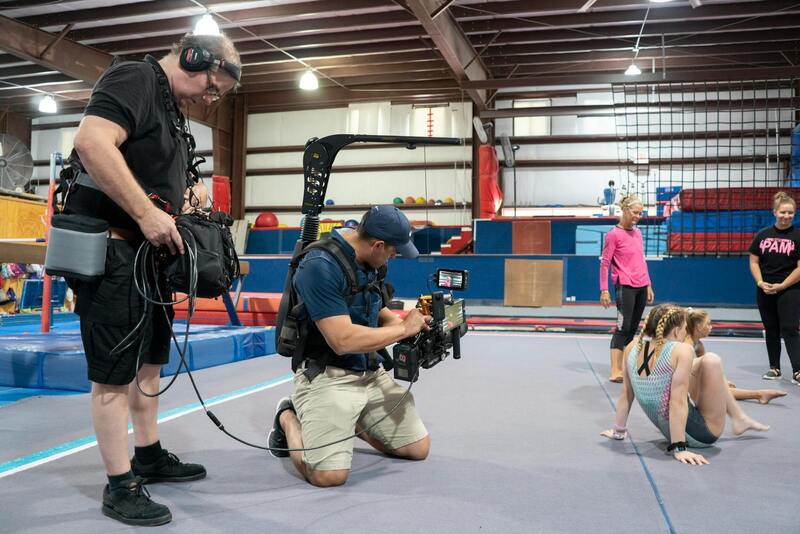
The videographer’s proficiency in camera operation and visual storytelling ensures the audience experiences the event as if they were present onsite. They pay close attention to framing, lighting, and focus—adjusting settings in real-time—to produce broadcast-quality footage that aligns with the event’s theme and atmosphere.
Optimizing Audio Quality and Synchronization
Superior audio quality is equally important as visual clarity in live streaming. A professional videographer collaborates with AV teams or event organizers to set up high-quality microphones, ensuring crisp capture of spoken content, music, or ambient sounds. Wireless lapel microphones, boom mics, and direct feed audio connections are integrated strategically to minimize interference and background noise.
Synchronization between audio and video feeds is meticulously managed, often with the aid of audio mixers and digital synchronization tools. This coordination guarantees lip-sync accuracy and prevents disjointed viewing experiences. During the event, the videographer continuously monitors audio levels and makes real-time adjustments to avoid distortion or dropouts.
Effective audio management enhances viewer comprehension and emotional engagement, especially during key moments such as speeches, interviews, or musical performances. Proper calibration and real-time monitoring staying vigilant to sound issues are part of the professional’s commitment to quality.
Implementing Live Stream Quality Control Measures
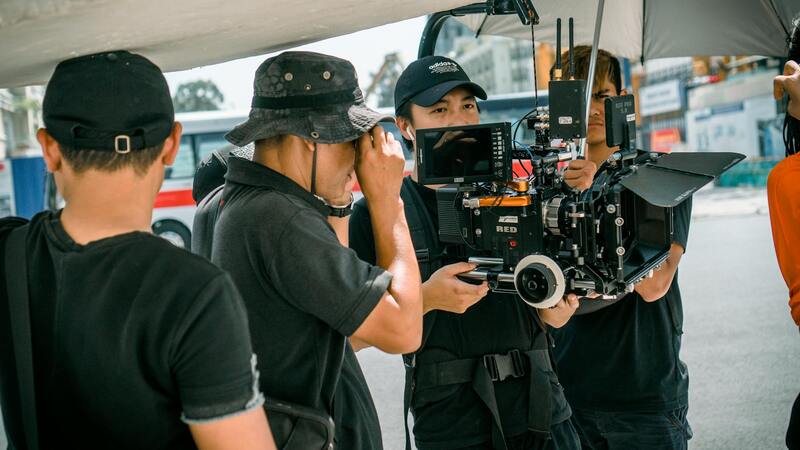
Throughout the broadcast, continuous quality control is vital to maintain an optimal viewing experience. A dedicated technician or live stream videographer monitors the stream's parameters, including resolution stability, bit rate, and latency, to detect and resolve issues swiftly. They employ specialized software dashboards that track stream health in real-time, enabling rapid response to any anomalies.
Adjustments such as lowering resolution or bitrate may be implemented dynamically if bandwidth constraints emerge, ensuring the stream continues to run smoothly. Additionally, post-event analysis and reporting help evaluate performance factors and inform future improvements.
Equipment redundancy, such as backup encoders, servers, and storage devices, further safeguards against technical failures. This proactive approach guarantees that even in unpredictable circumstances, the event remains accessible to online viewers without noticeable interruptions.
Fostering a culture of meticulous oversight and rapid troubleshooting underpins the professional standard of live streaming services in Miami, reinforcing trust with clients and audiences alike.
Post-Event Services and Video Recording
Following a live streaming event, the role of a professional videographer extends beyond the broadcast itself. Capturing high-quality recordings of the event is essential for marketing, archival purposes, or client review. Live stream videographers use multiple camera angles and high-definition recording devices to ensure the event is documented comprehensively. These recordings can be edited for post-event promotion, creating highlight reels, or producing on-demand content to reach broader audiences after the live broadcast concludes.
Moreover, the footage captured during live streaming provides invaluable material for future event planning and evaluation. Detailed recordings enable clients to assess the quality of the visual and audio aspects, identify any technical shortcomings, and plan targeted improvements for upcoming events. Many professional videographers also offer editing services, which include color correction, sound enhancement, and the integration of graphics or overlays, transforming raw footage into polished videos suitable for various platforms.
For clients seeking comprehensive event documentation, integrated recording and editing packages are available, providing a seamless transition from live broadcast to polished video content. This service ensures that every moment, whether for promotional purposes, archiving, or internal review, is preserved at optimal quality. The strategic use of multiple recorders and redundant storage solutions guarantees data integrity and prevents loss due to technical failures during the event.
It is also prudent for live stream videographers to deliver the recorded footage in various formats optimized for different distribution channels, such as social media, websites, or internal presentations. This flexibility enhances content accessibility and ensures maximum reach and engagement for the client’s event. Overall, post-event services significantly extend the value of live streaming, turning real-time broadcasts into lasting digital assets that support marketing, documentation, and future event planning efforts.
Understanding the Role of a Live Stream Videographer
A live stream videographer is a specialized professional responsible for capturing, transmitting, and sometimes editing video content in real-time during live events. Their expertise encompasses not only technical proficiency in camera operation and broadcast equipment but also a comprehensive understanding of event dynamics, audience engagement, and the optimal use of technology to deliver seamless live experiences. In an era where digital presence directly influences event success, the role of a live stream videographer extends beyond simple recording; they are integral to ensuring the event’s message reaches a broader audience through high-quality, reliable video transmission.
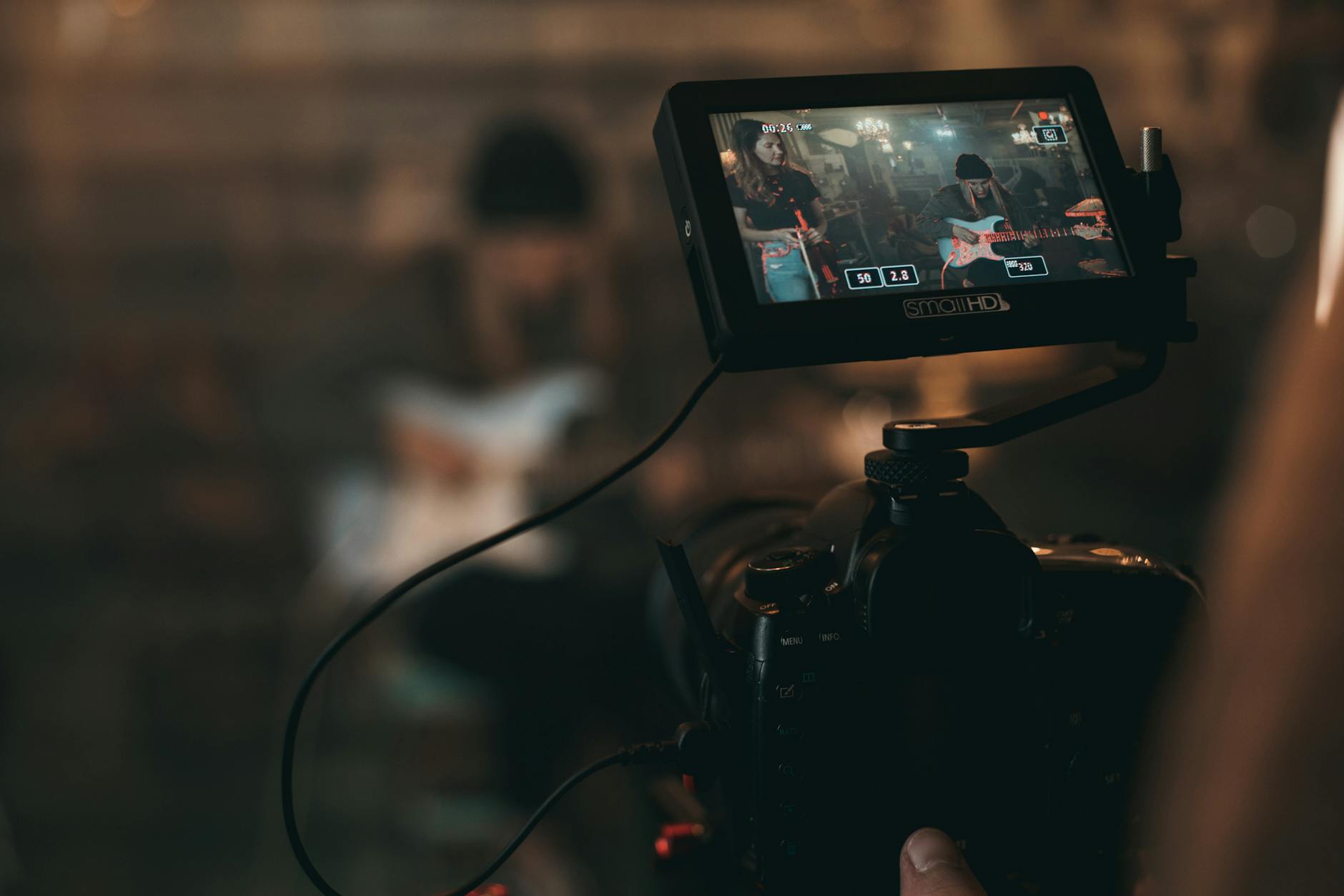
Effective live stream videographers must adeptly manage a multitude of responsibilities, including setting up camera systems, managing live audio feeds, monitoring streaming quality, troubleshooting technical issues in real-time, and coordinating with event organizers. Their goal is to produce a professional, distraction-free broadcast that captures the essence of the event while ensuring viewers, whether onsite or remote, have an engaging experience. This requires meticulous pre-event planning, familiarity with the targeted streaming platform's technical requirements, and an ability to adapt quickly to evolving circumstances during the event.
Core Skills and Responsibilities
- Expertise in camera operation and framing to capture important moments effectively.
- Proficiency with streaming hardware such as encoders, switchers, and high-speed internet solutions.
- Ability to integrate multiple camera feeds, overlays, graphics, and audio sources for polished broadcasts.
- Real-time troubleshooting skills to quickly resolve connectivity or equipment failures.
- Coordination with event staff and other technical personnel to synchronize broadcast efforts.
- Post-event video management, including delivery and editing services as needed.
Choosing the appropriate videographer involves assessing their technical expertise, experience with similar event types, and understanding their capacity to deliver a consistent, high-quality streaming experience that aligns with your specific event goals. When professionals are engaged with a clear understanding of the event scope, they can craft tailored solutions that maximize impact and viewer engagement.
Technical Acumen and Adaptability
An effective live stream videographer must stay updated with the latest streaming innovations and be capable of integrating new technology into their workflow. This ensures compatibility with emerging platforms and audiovisual standards, providing clients with a future-proof solution for live event broadcasting. Their ability to adapt swiftly to technical challenges—such as internet disruptions or hardware malfunctions—can significantly influence the overall success of the live stream, making their role pivotal in delivering a reliable broadcast regardless of external factors.
Post-Event Video Management and Content Repurposing
Following a live streaming event, the role of the videographer extends beyond the broadcast itself. Professional live stream videographers often provide comprehensive post-event services that include editing, archiving, and distribution of the recorded footage. This process ensures that the content generated during the live stream can be repurposed for various marketing, promotional, or archival purposes.
One key service is the editing of raw footage to create highlight reels or condensed versions suitable for social media, website features, or internal review. These edited versions can emphasize key moments, speaker highlights, or audience reactions, thereby extending the lifespan and reach of the event content.
Archiving the complete recording also allows clients to access the footage at any time for future use. This is particularly valuable for institutions, corporate clients, or event organizers who want a reliable record of their event for documentation or legal purposes.
In addition to editing and archiving, some live stream videographers offer distribution services. This includes uploading the content to various platforms such as YouTube, Vimeo, or private hosting solutions that enable on-demand viewing or sharing with specific audiences. These services facilitate broader dissemination and engagement beyond the live broadcast, maximizing ROI and audience outreach.
Moreover, many professionals provide consultation on content strategy to help clients optimize their footage for different channels. This might include advice on framing, titling, or adding branded graphics to ensure consistent messaging across platforms.
Engaging a live stream videographer who offers a comprehensive suite of post-event services guarantees a seamless experience from broadcast to final content delivery, empowering clients to leverage their live streaming investments effectively.