
Overview of Live Streaming Services for Events
Live streaming services for events have transformed the way organizers connect with their audiences by providing real-time video broadcasting over the internet. These services utilize advanced digital platforms to transmit live footage efficiently, ensuring viewers can experience an event from anywhere in the world as if they were physically present. The significance of these services continues to grow, especially within dynamic event industries such as corporate conferences, music festivals, sports competitions, and community gatherings.
Employing professional live streaming solutions offers several benefits. First, it broadens event reach by removing geographic barriers, allowing organizers to engage global audiences. Second, it creates opportunities for increased event visibility and brand exposure, which is crucial in competitive markets. Additionally, streamed events generate valuable digital content that can be repurposed for marketing and promotional efforts long after the event concludes.
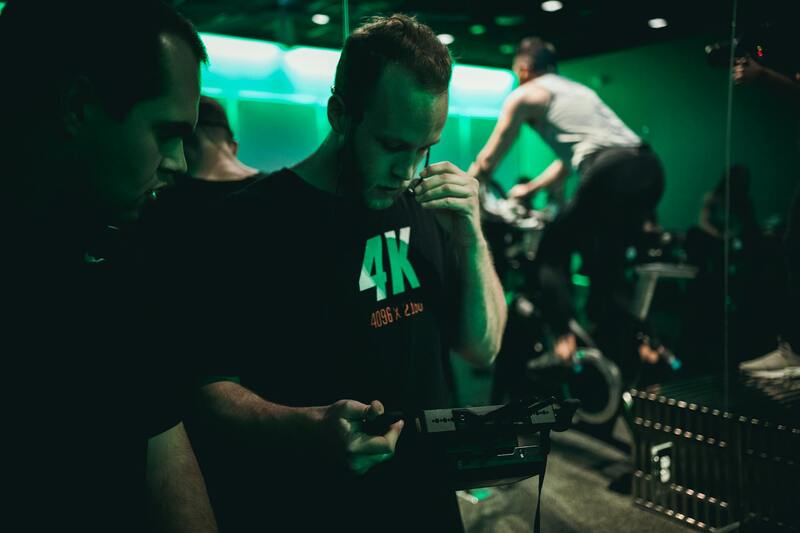
Best practices involve utilizing specialized platforms that prioritize high-definition quality, stable transmission, and interactive features such as live chat and Q&A sessions. These services are typically supported by robust technical infrastructure, including dedicated servers, broadcasting hardware, and skilled technical personnel, to ensure a seamless viewing experience. As the demand for live event coverage increases, the industry continues to innovate, integrating new technologies like 4K streaming and cloud-based solutions for scalability and flexibility.
In summary, live streaming services for events are essential tools in today’s digital landscape, bridging the gap between physical and virtual audiences. They empower organizers to extend their reach, enhance audience engagement, and maximize the overall impact of their events through coordinated, high-quality broadcast solutions tailored to their specific needs.
Technical Requirements for Live Streaming
Effective live streaming of events hinges on several critical technical components that ensure smooth, high-quality broadcast experiences. To deliver professional-grade streams, organizers must consider the compatibility and capacity of their equipment and infrastructure.
- High-Quality Capture Devices: Utilizing professional cameras capable of HD and 4K resolutions captures clear and vibrant visuals, essential for audience engagement. These devices often include multiple cameras for dynamic shot selection and seamless transitions.
- Stable Internet Connectivity: A robust internet connection with high upload bandwidth is fundamental. For large-scale events, dedicated fiber-optic connections are preferred to prevent disruptions and to support high data rates required for HD or 4K streaming.
- Encoding Hardware and Software: Hardware encoders or reliable software solutions convert raw video signals into streams compatible with streaming platforms. Features like adaptive bitrate streaming ensure viewers receive the best quality based on their connection speed.
- Audio Equipment: Clear audio is as vital as video quality. Professional microphones, mixers, and audio interfaces capture and process sound, reducing background noise and maintaining consistency.
- Streaming Platform Integration: Compatibility with streaming services or custom platforms allows for real-time broadcasting, viewer interaction, and analytics tracking.
- Backup Systems: Redundant equipment and internet backup solutions safeguard against technical failures, ensuring continuity during live events.

Advantages of Using Local Miami-Based Streaming Services
Partnering with Miami-based live streaming providers offers distinct advantages that elevate event quality and logistical efficiency. Local providers possess an in-depth understanding of regional technical infrastructure, permitting access to high-speed internet and broadcasting facilities that might be limited elsewhere.
- Rapid Deployment and On-Site Support: Being geographically close allows for swift setup and responsive technical assistance during live events. This proximity helps quickly address unforeseen issues, minimizing downtime.
- Customized Service Offerings: Local providers can tailor solutions to cater specifically to Miami’s event environments, whether outdoor venues, conference halls, or unique settings.
- Cost-Effectiveness: Reduced travel and logistics expenses translate into more competitive pricing without compromising quality.
- Community Engagement and Reliability: Working with local specialists fosters stronger relationships and trust, ensuring consistent, reliable service for recurring or large-scale events.
- Knowledge of Regulatory and Venue Specifics: Familiarity with local venues, permits, and regulations streamlines the planning process and ensures compliance.

Overview of Live Streaming Services for Events
Live streaming services for events are essential tools that allow organizers to broadcast their events in real-time to audiences both onsite and remote. Utilizing professional streaming solutions ensures high-quality video delivery, seamless audio, and the ability to incorporate various multimedia elements. These services are designed to accommodate diverse event types, ranging from corporate conferences and seminars to music festivals and public ceremonies. The core benefit of adopting a dedicated live streaming provider is maintaining event engagement, expanding reach, and providing a professional viewing experience regardless of the audience's location.
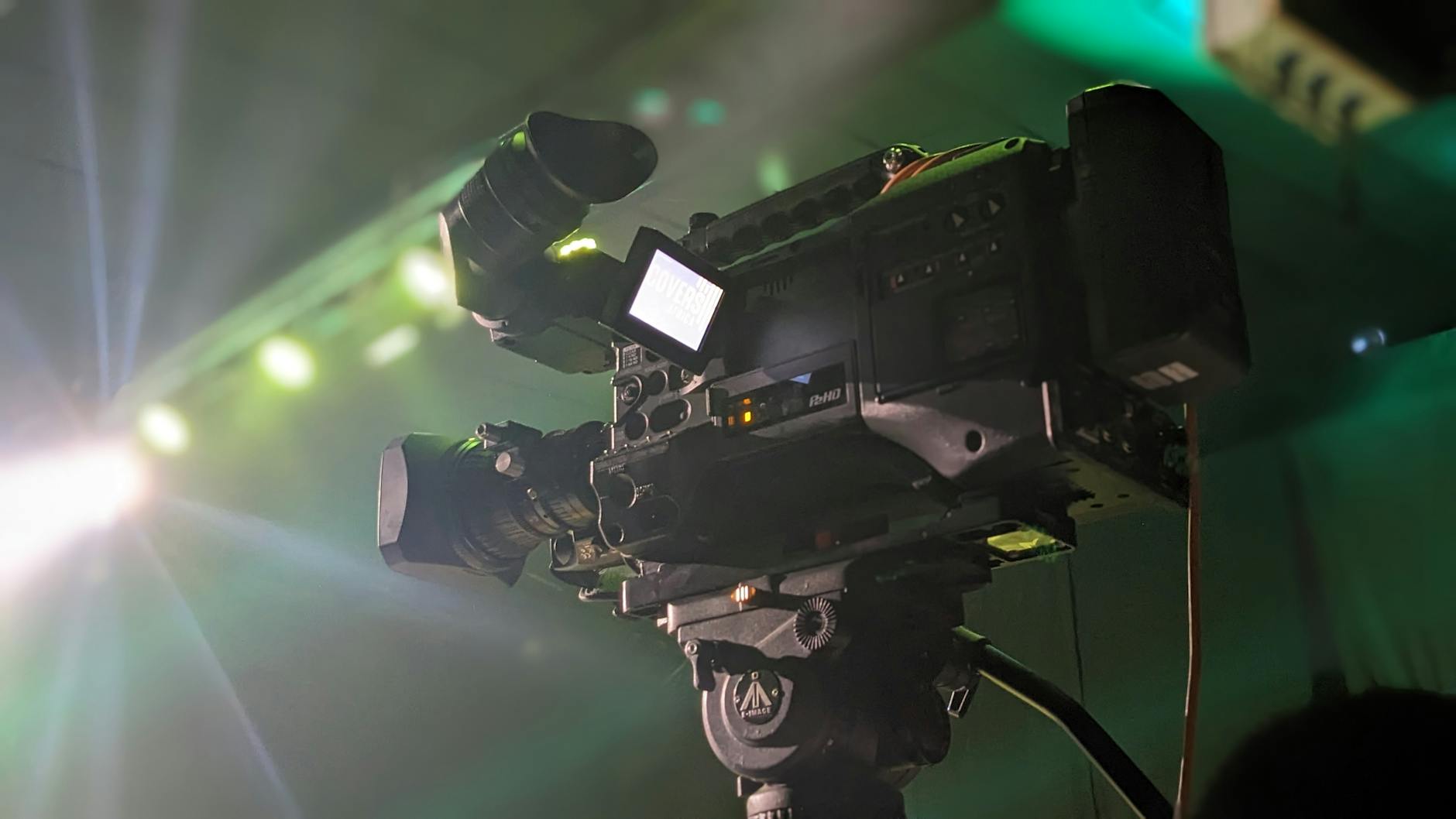
Professional live streaming involves several critical components, including high-definition cameras, encoders, an efficient internet connection, and a robust platform to host the broadcast. The integration of reliable technology guarantees minimal latency, stable connectivity, and high-resolution output, factors vital for a successful event broadcast. Live streaming providers often offer additional services such as multi-camera switching, graphic overlays, real-time chat, and recording for post-event use. These comprehensive solutions enable brands and event organizers to reach larger audiences while delivering an engaging and polished presentation.
Types of Events Suited for Live Streaming
Various event formats benefit significantly from live streaming, allowing organizers to maximize their exposure and interaction. Typical events include:
- Corporate conferences and workshops aiming to connect with remote attendees
- Graduation ceremonies and award shows that want broad visibility
- Music festivals and live concerts that attract an extensive online audience
- Fundraising galas and charity events seeking increased donations and participation
- Religious gatherings and community celebrations aiming for inclusive participation
- Product launches or trade shows to generate buzz in real-time
By broadcasting these events online, organizers can enhance accessibility, engage a wider demographic, and create memorable virtual experiences that complement physical attendance.
Advantages of Using Local Miami-Based Streaming Services
Opting for a Miami-based live streaming service offers distinctive benefits tailored to regional needs. These providers are equipped with extensive local infrastructure, ensuring optimal internet routes, access to high-capacity bandwidth, and proximity to event venues. The following advantages highlight why collaborating with local specialists can elevate event production:
- Rapid Deployment and On-Site Support: Local teams can setup broadcasting equipment swiftly and respond promptly to any technical issues, minimizing disruptions during the event.
- Customized Solutions: Miami-based providers possess detailed knowledge of local venues, permitting customization tailored to outdoor or indoor environments, sound system integration, and venue-specific challenges.
- Cost-Effectiveness: Reduced transportation and logistical costs contribute to more competitive service pricing without sacrificing quality.
- Community Engagement and Trust: Established local relationships foster reliability and personalized support, essential for recurring events or complex productions.
- Regulatory Compliance and Venue Familiarity: Insight into local permits, venue regulations, and safety guidelines ensures smooth operation and adherence to regional standards.
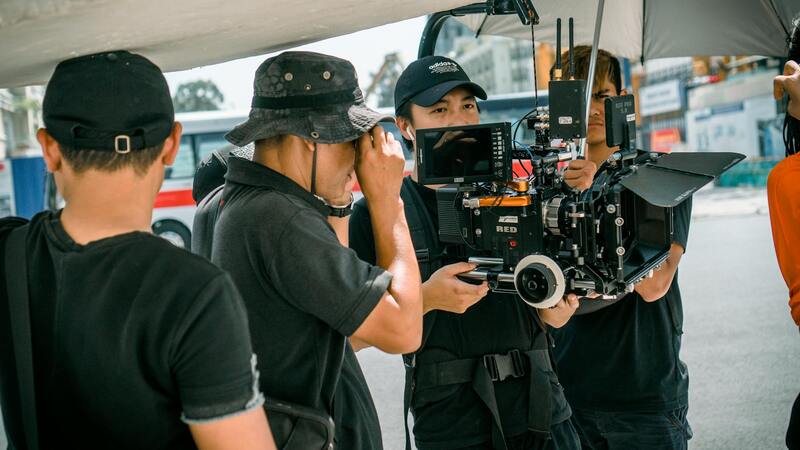
This regional advantage streamlines the planning process, reduces logistical hurdles, and maximizes the overall quality of the live stream.
Technical Requirements for Live Streaming
Implementing a successful live streaming event demands a robust technical foundation that guarantees uninterrupted delivery and high-quality viewing experiences. Reliable high-speed internet connectivity is the cornerstone, typically requiring multiple dedicated bandwidth lines to handle large data loads without buffering or lag. These internet sources should be synchronized to prevent latency issues, which can distort the live feed or cause synchronization problems between video and audio streams.
Encoding hardware is equally critical, translating raw video signals into digital formats suitable for streaming. Professionals often employ high-performance encoders, either hardware-based or software solutions, that support various resolutions, bitrates, and adaptive streaming protocols. These encoders must be configured meticulously to balance quality and bandwidth consumption.
A comprehensive technical support team is vital for real-time troubleshooting, setup, and maintenance throughout the event. This team should include network specialists, audiovisual technicians, and experienced operators familiar with the specific requirements of large-scale live streams. Pre-event testing and rehearsals are indispensable to identify potential issues before the event day, ensuring that all equipment functions harmoniously.
In addition to these core components, backup systems—such as secondary internet connections, redundant power supplies, and spare encoding hardware—are essential for mitigating unforeseen disruptions. Properly integrated, these elements create a secure and resilient infrastructure capable of sustaining high-quality live streams for diverse event types.

Key Infrastructure Components for Seamless Live Streaming
- High-Speed Internet Connectivity: Fiber-optic connections, multiple internet sources for redundancy.
- Video Encoding Hardware or Software: Supports multi-stream formats and adaptive bitrate streaming.
- Content Delivery Network (CDN): Distributes live content globally with minimal latency.
- Audio-Visual Equipment: High-definition cameras, microphones, and switching consoles for professional production quality.
- Technical Support Team: On-site and remote experts to monitor and troubleshoot throughout the event.
- Backup Systems: Redundant internet, power supplies, and hardware to prevent interruptions.
Preparing for Optimal Streaming Quality
- Conduct comprehensive site assessments to determine optimal setup points.
- Perform multiple test runs to calibrate equipment and test internet stability.
- Coordinate with venue staff regarding access, power sources, and logistical needs.
- Configure encoding settings based on specific event requirements and expected audience size.
- Establish clear communication channels among production team members for real-time coordination.
Technical Requirements for Live Streaming
Implementing a reliable live streaming setup demands meticulous planning and adherence to essential technical specifications. A stable, high-speed internet connection is imperative to maintain uninterrupted data flow from the event venue to the online audience. Fiber-optic internet sources are preferred due to their high bandwidth and low latency, enabling smooth streaming even during peak traffic hours. In situations where internet stability is a concern, utilizing multiple internet sources with automatic failover capabilities ensures continuous broadcasting without delays.
Complementing network infrastructure, advanced video encoding hardware or software is crucial for delivering high-quality streams. These tools should support multi-format streaming and adaptive bitrate technology, which dynamically adjusts video quality based on viewers’ bandwidth, reducing buffering and enhancing the viewing experience. Content Delivery Networks (CDNs) play a vital role in distributing the live feed globally, minimizing latency and buffering by using a network of servers strategically positioned worldwide.
Critical audiovisual equipment, such as high-definition cameras, professional-grade microphones, and video switchers, contribute directly to the production quality. High-resolution imagery combined with superior audio clarity ensures an immersive experience for remote viewers. A dedicated technical support team, operating both on-site and remotely, provides vital oversight during live events—monitoring streams, troubleshooting issues promptly, and making real-time adjustments as necessary.

Preparing for optimal streaming performance involves comprehensive site assessments to identify the most suitable locations for equipment installation, optimal lighting, and internet access points. Conducting multiple test runs enables the production team to calibrate cameras, sound equipment, and encoding settings under conditions mimicking the actual event, ensuring everything functions smoothly on the day. Coordination with venue staff regarding access to power sources, internet ports, and logistical requirements is also fundamental. Setting clear communication lines among production team members facilitates quick responses to any emerging technical issues, ensuring the broadcast remains uninterrupted.

Types of Live Streaming Services for Events
Dedicated Professional Streaming Platforms
For high-profile events, using dedicated professional streaming platforms ensures a seamless and reliable broadcast. These services often include comprehensive solutions such as multi-camera feeds, real-time graphics, in-event social media integration, and audience interaction tools. They typically operate on robust infrastructure designed to handle large viewer volumes without latency issues, providing a consistent high-quality experience for viewers regardless of their location.

Managed Streaming Service Providers
Managed providers handle the entire live streaming process, from content setup to distribution, alleviating the technical burden on event organizers. These providers employ a team of experts who manage encoding, bandwidth optimization, and CDN integration to ensure the broadcast remains uninterrupted. This option is especially advantageous for events with complex production requirements or those seeking a hands-off approach.
Custom-Built Live Streaming Solutions
Custom solutions are tailored to meet specific event needs, allowing flexibility in features, branding, and interactivity. Such services are often employed for unique or large-scale events, such as multi-venue festivals or international seminars. They incorporate advanced security protocols to protect content and provide scalable infrastructure to accommodate varying viewer counts.
Hybrid Streaming Approaches
A combination of traditional broadcasting methods and online streaming maximizes reach while ensuring content quality. This approach is suitable for events that also require traditional TV broadcasting, enabling simultaneous live streams across multiple platforms and formats, thus broadening audience engagement.
Overview of Live Streaming Services for Events
Live streaming services for events offer a dynamic platform through which organizers can broadcast their gatherings to a global audience in real-time. These services utilize cutting-edge technology and professional infrastructure to deliver high-quality video and audio that engage viewers regardless of their location. The selection of a suitable live streaming platform is critical for ensuring a seamless viewing experience, especially for events with large or diverse audiences. By leveraging reliable streaming protocols and content delivery networks (CDNs), these services minimize interruptions and provide smooth playback, which is essential for maintaining audience engagement and event credibility.
Options range from commercially available platforms to custom-tailored solutions designed to meet specific event requirements. The right service aligns with the event’s scope, technical demands, and intended reach, ensuring that the broadcast is not only accessible but also visually compelling and secure. Moreover, the integration of interactive features such as chat, Q&A, and audience polls enhances attendee participation and creates a more engaging virtual environment. When deploying live streaming for events, meticulous planning and coordination with experienced providers are crucial to optimize technical performance and audience satisfaction.
Types of Events Suited for Live Streaming
Many event organizers in Miami are adopting live streaming to expand their outreach and improve attendee experience across various event categories. Corporate conferences, product launches, and seminars benefit from live broadcasts that allow remote participants to join in real-time while preserving the professionalism and clarity of in-person events. Similarly, concerts, music festivals, and cultural celebrations utilize live streaming to showcase performances to wider audiences, boosting exposure and ticket sales.
Educational institutions leverage live streaming for webinars, workshops, and graduation ceremonies, fostering inclusive participation from students and faculty. Even community events and charity programs gain momentum through digital broadcasts, attracting volunteers and donors who might otherwise be unable to attend physically. Incorporating live streaming into event planning ensures a broader reach, increased engagement, and more versatile content dissemination across multiple platforms.
Benefits across Event Types include:
- Extended audience reach beyond geographical limitations.
- Enhanced engagement through real-time interaction features.
- Cost efficiency by reducing the need for physical venues or travel.
- Content repurposing post-event for marketing and promotional activities.
- Immediate feedback and data collection to inform future event strategies.
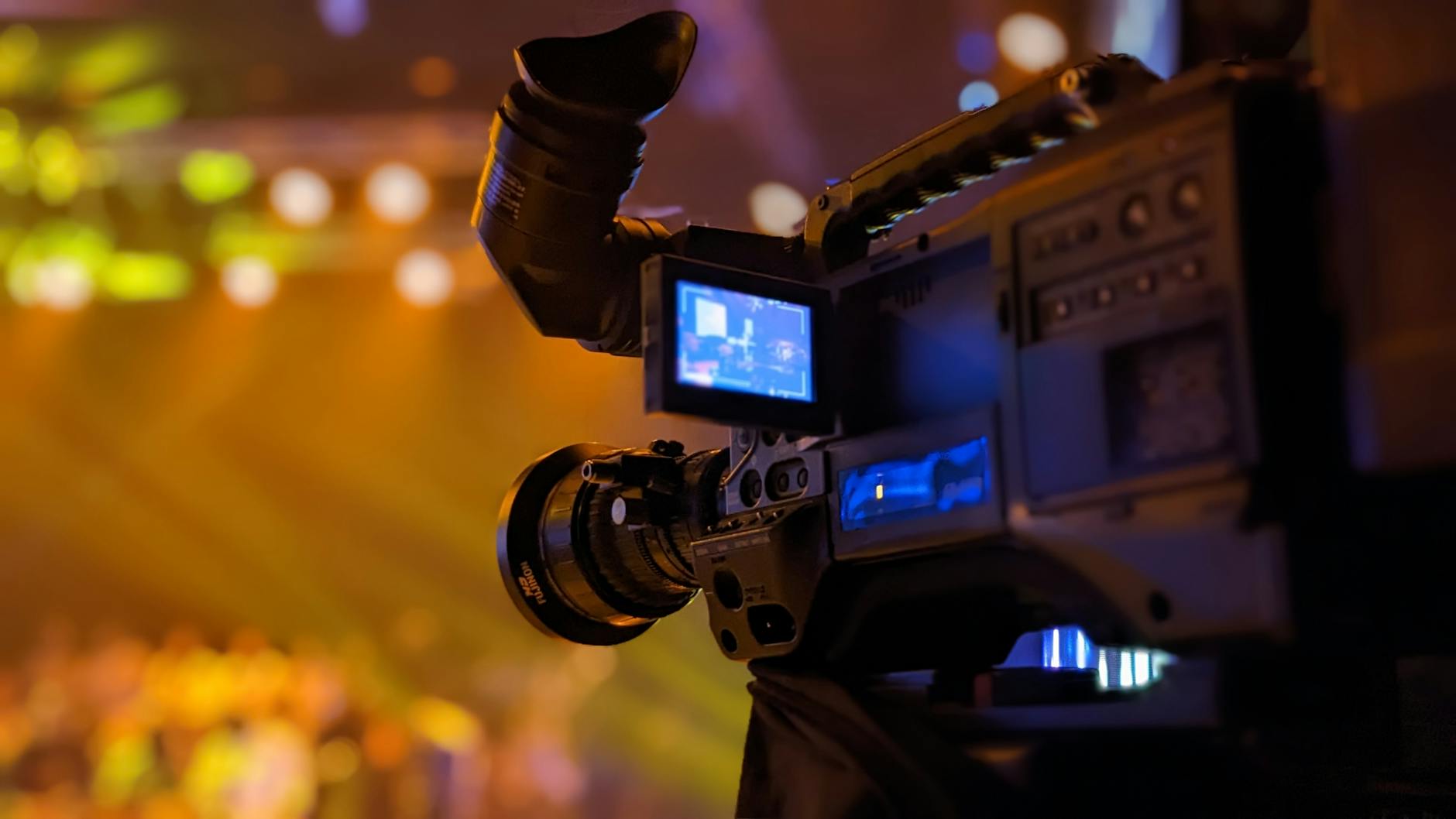
Key Features of Professional Live Streaming Platforms
Choosing a professional live streaming platform involves understanding their core features that ensure quality and reliability. These features include robust encoding capabilities that convert high-quality video inputs into streams compatible with various devices and bandwidth conditions. Advanced content delivery networks (CDNs) distribute the stream efficiently, minimizing latency and buffering issues. Additionally, secure streaming options protect the content from unauthorized access, which is vital for confidential corporate events or ticketed performances.
Customization options allow customization of branding elements, such as logos, overlays, and transition effects, creating a cohesive visual presentation that aligns with the event’s identity. Interactive tools, like live chat, engagement polls, and audience Q&A, facilitate real-time communication. Multi-platform support enables streaming across websites, social media channels, and dedicated event apps, ensuring maximum exposure. Analytics and reporting features provide detailed insights into viewer demographics, engagement levels, and viewing hours, guiding future event planning.
Additional features to look for include:
- Multiple camera feeds and switching capabilities for dynamic production.
- Simultaneous streaming to multiple destinations.
- Latency management to synchronize live interactions.
- Adaptive bitrate streaming tailored to viewer internet speeds.
- Dedicated technical support during the event.

Technical Requirements for Live Streaming
Executing a successful live stream begins with understanding the technical prerequisites. A reliable high-speed internet connection with sufficient upload bandwidth is essential; typically, a minimum of 10 Mbps is recommended for HD quality broadcasts, though higher speeds are preferable for larger audiences or 4K streaming. The event setup should include professional-grade cameras, microphones, and encoders capable of capturing and transmitting high-resolution audio and video signals.
The encoding process converts raw footage into a digital stream suitable for online transmission. Hardware or software encoders are utilized based on event complexity and budget. A dedicated streaming server or cloud-based platform handles content delivery, ensuring consistency and scalability. Local testing before the event is vital to identify potential issues related to hardware performance, network stability, and content quality.
Additional considerations involve backup systems to prevent data loss, power supply stability, and appropriate cybersecurity measures. Properlighting, a well-placed camera setup, and sound checks are equally important to achieve optimal broadcast quality. Knowledgeable technicians or live streaming service providers can streamline these technical elements, allowing event organizers to focus on content and audience interaction.
Final Considerations and Best Practices for Live Streaming Events
As the landscape of live streaming for events continues to evolve, organizers and broadcasters must remain vigilant about adopting best practices that ensure a smooth and engaging experience for viewers. Selecting a reputable live streaming service tailored to the specific needs of the event, whether it’s a corporate conference, music concert, or community gathering, lays the foundation for success.
Ensuring high-quality content delivery requires attention to detail in planning, technical setup, and execution. This includes performing thorough pre-event testing, having dedicated technical support on hand during the broadcast, and maintaining open communication channels with the streaming provider. Engaging viewers through interactive features such as live chat, polls, and Q&A sessions can enhance participation and satisfaction, promoting a memorable experience that extends beyond the physical event space.

Moreover, data analysis after the event plays a crucial role in understanding viewer behavior, measuring engagement levels, and identifying areas for improvement. Integrating analytics tools with the streaming platform allows organizers to gather insights such as viewer count, geographic distribution, peak viewing times, and popular content segments. This information informs future streaming strategies and helps tailor content to audience preferences.
Maintaining a focus on security is essential; utilizing secure content delivery networks (CDNs) and encrypted streams protects against unauthorized access and piracy, safeguarding the integrity of the event. Technical support from local experts in Miami ensures rapid response to any unforeseen issues, minimizes downtime, and preserves broadcast quality. By adhering to these best practices, event organizers can enhance their reputation, expand their reach, and create a lasting impression on their audiences.
Utilizing Feedback to Optimize Future Streams
Gathering feedback through post-event surveys or direct viewer interactions is instrumental in refining live streaming efforts. Understanding what worked well and pinpointing aspects that need improvement facilitates continuous growth. This iterative process leads to the development of more dynamic content, smoother broadcast experiences, and higher audience retention for future events.
Investing in professional-grade equipment and skilled technical personnel is a vital aspect of delivering high-quality broadcasts. High-definition cameras, crystal-clear audio systems, resilient encoders, and stable internet connections contribute significantly to the overall production value. Local Miami-based live streaming providers often bring added benefits such as familiarity with regional venues, permits, and logistics, ensuring a seamless connection between technical execution and event objectives.
In summary, the success of live streaming events hinges upon meticulous planning, robust technical execution, audience engagement, and continuous improvement derived from analysis and feedback. By leveraging established best practices and local expertise, organizations can effectively expand their event reach, boost engagement, and create memorable digital experiences for audiences around the world.