
Overview of Live Event Broadcast Companies
Live event broadcast companies serve a vital role in the entertainment and communication industries by capturing and transmitting real-time footage of live events to audiences across various platforms. Their expertise ensures that viewers, whether attending in person or watching remotely, experience a seamless and high-quality broadcast. This capability has become increasingly crucial as organizations and organizations seek to reach larger audiences without geographical limitations. The companies specializing in live event broadcasting integrate advanced technology, meticulous planning, and skilled personnel to deliver reliable coverage that meets the specific needs of each event.
Within the vibrant Miami event industry, live event broadcast companies are integral to enhancing event visibility and engagement. Miami's diverse event landscape, which includes music festivals, corporate conferences, sports events, and cultural festivals, depends heavily on such providers to broadcast moments to a global audience. These companies not only facilitate the delivery of content but also elevate the perceived professionalism and prestige of events through high-quality visuals and sound.
The importance of live event broadcast companies extends beyond merely transmitting footage. They ensure that every detail is captured with precision, from dynamic camera work to clear audio. Their presence allows event organizers to focus on delivering exceptional experiences, knowing that the broadcast will effectively showcase their offerings to a broader audience. As technology continues to evolve, these companies are also pivotal in leveraging new tools to enhance audience interaction, such as live social media integration and multi-camera streaming.
Technical Equipment and Infrastructure
Effective live event broadcasting hinges on the deployment of advanced technical equipment and a robust infrastructure. High-definition cameras are essential for capturing every nuance of the event, whether it involves fast-paced sports action or nuanced keynote speeches. These cameras often include robotic and PTZ (pan-tilt-zoom) models, which provide flexible angles and dynamic shots, significantly enhancing the viewer experience.
Audio quality is equally critical. Professional-grade microphones, audio mixers, and soundboards ensure crystal clear sound output that matches the visuals’ high fidelity. Wireless microphone systems facilitate mobility on-site, allowing hosts, performers, and speakers to move freely without sacrificing audio clarity.
To support seamless streaming, broadcast companies utilize powerful encoders that convert live footage into streaming-compatible formats. Multiple servers and content delivery networks (CDNs) are employed to distribute the stream efficiently across different platforms and regions, minimizing latency and buffering issues.

Supporting Infrastructure
The infrastructure encompasses reliable internet connectivity, often through dedicated fiber optic lines or bonded cellular networks, to sustain continuous high-bandwidth data transfer. Backup systems, including secondary internet connections and power sources, are integral to prevent interruptions during critical moments.
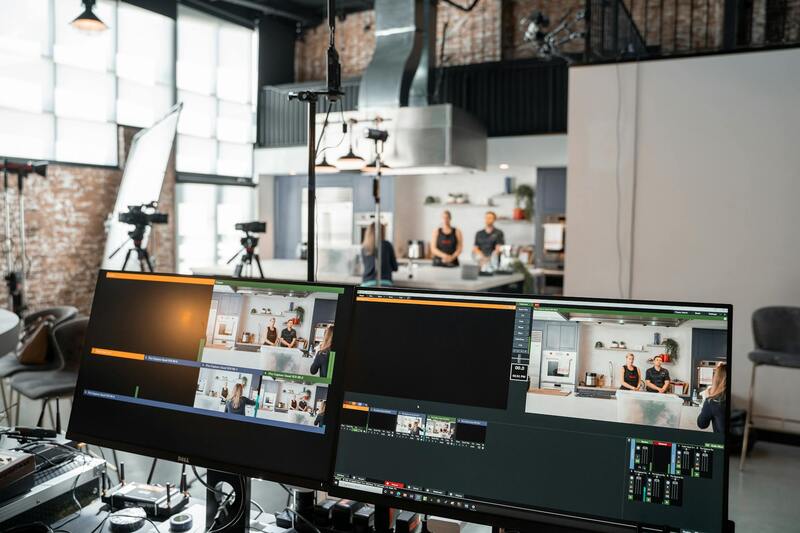
On-site control rooms equipped with multiple monitors and synchronization tools enable real-time editing and troubleshooting. These control centers coordinate camera feeds, audio, graphics, and streaming parameters, maintaining optimal broadcast quality throughout the event.
Planning and Preparation Processes
Success in live broadcasting is rooted in meticulous planning. Prior to the event, detailed logistical arrangements are made, including equipment setup, camera positioning, and crew assignments. Technical rehearsals are conducted to test all elements, from audio levels to internet stability, ensuring readiness for live execution.
Collaborative coordination with event organizers facilitates understanding of key moments, special segments, or branding needs. This preparation allows the broadcast team to tailor production elements for maximum impact and alignment with event objectives.
Innovation and Technology Adoption
Leading live event broadcast companies in Miami continuously adopt innovative technologies to enhance quality and engagement. Virtual reality (VR) and augmented reality (AR) integrations add immersive elements, making viewers feel as though they are physically present. Multi-angle multi-camera setups offer viewers diverse perspectives, capturing the event's essence more vividly.
Furthermore, advanced analytics tools provide real-time audience data, allowing broadcasters to adjust content delivery dynamically. Live social media integration enables immediate audience interaction, extending reach beyond traditional broadcast platforms and fostering active participation.
Overview of Live Event Broadcast Companies
Live event broadcast companies are specialized service providers equipped with advanced technology and experienced personnel dedicated to delivering high-quality streaming experiences for diverse events. These companies serve a broad spectrum of functions, including sports tournaments, corporate conferences, music festivals, political rallies, and cultural events. Their core objective is to ensure that the energy, intensity, and nuances of a live occasion are captured and transmitted seamlessly to audiences, regardless of geographical boundaries.
At the heart of these companies is a sophisticated infrastructure comprising state-of-the-art cameras, high-speed internet connectivity, robust servers, and cutting-edge software platforms. Integrating these elements requires expert coordination to maintain reliability and broadcast quality under varying conditions. Whether managing a small-scale event or a large-scale international broadcast, these companies adapt their solutions to deliver clarity, stability, and immersive viewing experiences.
Core Competencies of Leading Broadcast Providers
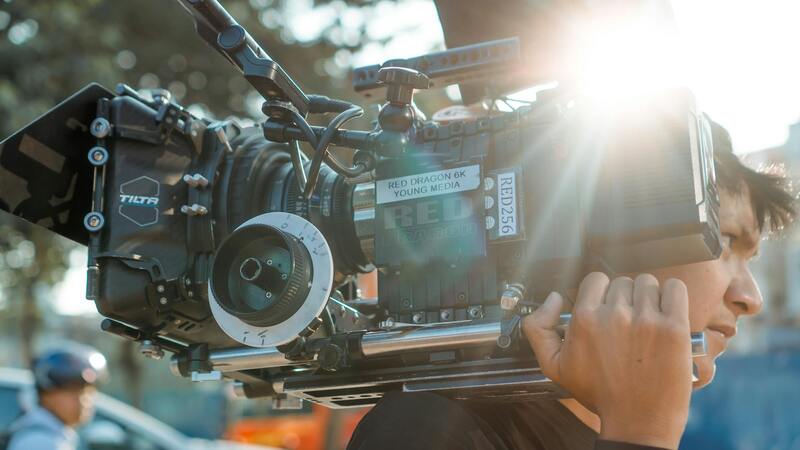
- Technical Expertise: Skilled operators managing cameras, audio, lighting, and broadcast hardware to ensure consistent quality.
- Strategic Planning: Comprehensive pre-event planning including logistics, camera positioning, and contingency measures.
- Real-Time Production Management: Continuous monitoring and adjustment during the live event to address any technical issues immediately.
- Content Distribution: Efficient streaming across multiple platforms such as social media, dedicated websites, and third-party services to maximize reach.
- Audience Engagement: Incorporating interactive elements like live chats, social media integration, and viewer polls to enhance viewer participation.
Impact of Innovation and Technology in Live Streaming
Technological advancements are transforming how live events are broadcasted. High-resolution 4K and now 8K streams provide viewers with stunning visual detail, while cloud-based solutions facilitate scalable and flexible production workflows. Virtual and augmented reality integrations are increasingly used to create immersive viewing experiences that make remote audiences feel as though they are physically part of the event.
Multi-camera setups enable multiple viewpoints, capturing the event’s energy from various angles and offering viewers a richer experience. Additionally, AI-powered analytics monitor audience engagement and behavior, allowing producers to modify content delivery dynamically, boosting overall viewer retention and satisfaction.
Monitoring and Infrastructure for Seamless Streaming
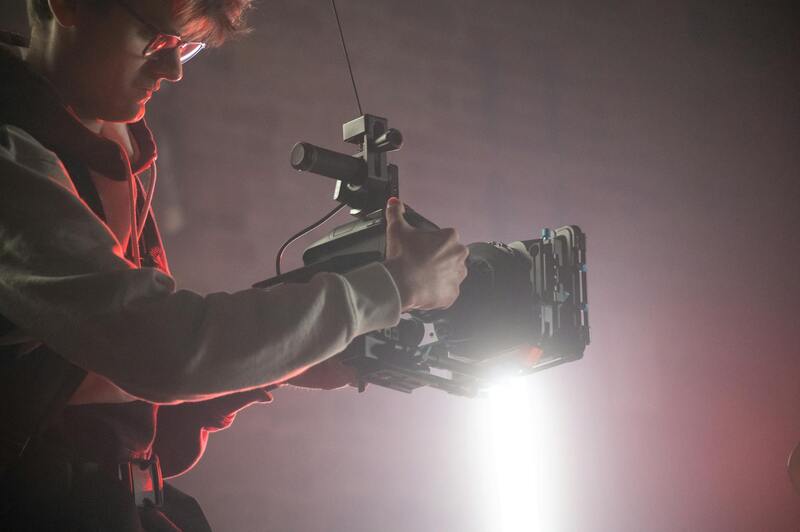
Critical to the success of any live broadcast is a resilient technical infrastructure that ensures stability and minimal downtime. This infrastructure includes high-quality cameras capable of handling diverse lighting conditions, hardware encoders for converting video signals into streaming formats, and reliable internet connections with backup systems such as redundant fiber lines and satellite links. Content delivery networks (CDNs) are employed to distribute streams effectively across various regions, reducing latency and buffering issues.
Redundancy measures among hardware and internet sources are vital in preventing interruptions. Skilled rapid-response teams are on-site to troubleshoot issues instantaneously, maintaining a smooth broadcast regardless of potential technical snares. This robust setup allows broadcasters to deliver continuous, high-fidelity streams to global audiences, enhancing brand reputation and viewer loyalty.
Overview of Live Event Broadcast Companies
Live event broadcast companies play a pivotal role in translating physical gatherings into captivating digital experiences. They specialize in capturing, producing, and distributing high-quality video and audio content in real-time, ensuring that remote viewers receive an immersive experience that closely resembles being at the event. These companies typically possess extensive expertise in handling diverse event types—from corporate conferences and concerts to sports tournaments and trade shows—thus enabling them to adapt their services to meet specific audience engagement goals.
Operating in a dynamic environment, these organizations leverage cutting-edge technology and skilled teams to streamline every stage of the live broadcast process. Their operations include pre-event planning, equipment setup, live streaming, multi-platform distribution, and post-event analytics. A reliable live event broadcast company ensures seamless execution, maintaining high standards for audiovisual quality, synchronization, and minimal latency, regardless of event scale or complexity.
Key Services Offered by Live Event Broadcast Providers
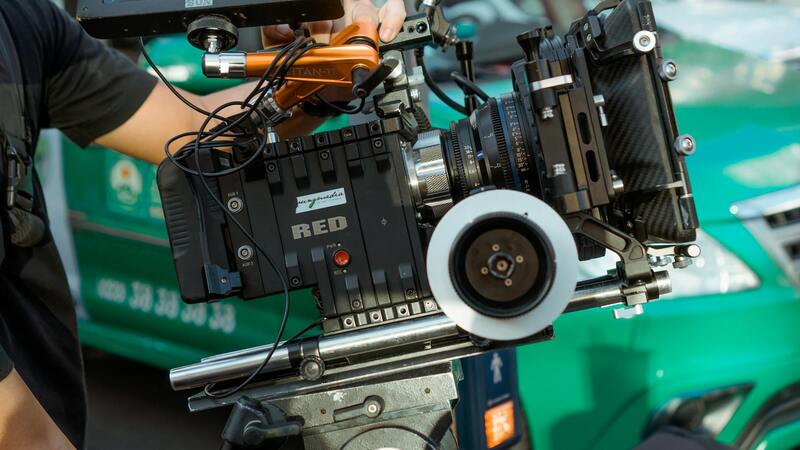
- Event Documentation and Streaming: Capturing every moment of the event with professional camera setups and streaming it instantaneously across multiple digital platforms.
- Multi-camera Production: Utilizing multiple camera angles to add depth and dynamism to the broadcast, providing viewers with comprehensive visual coverage.
- Audio Management: Ensuring clear, balanced sound through sophisticated audio capture equipment and mixing systems, critical for engaging remote audiences.
- Real-Time Graphics and Effects: Incorporating overlays, lower thirds, and live statistics to enhance viewer engagement and understanding.
- Audience Interaction and Engagement: Deploying live polls, Q&A sessions, and social media integration to foster active participation from remote viewers.
- Platform Compatibility and Distribution: Delivering content across websites, social media platforms, streaming services, and internal networks, maximizing reach and accessibility.
Technical Equipment and Infrastructure
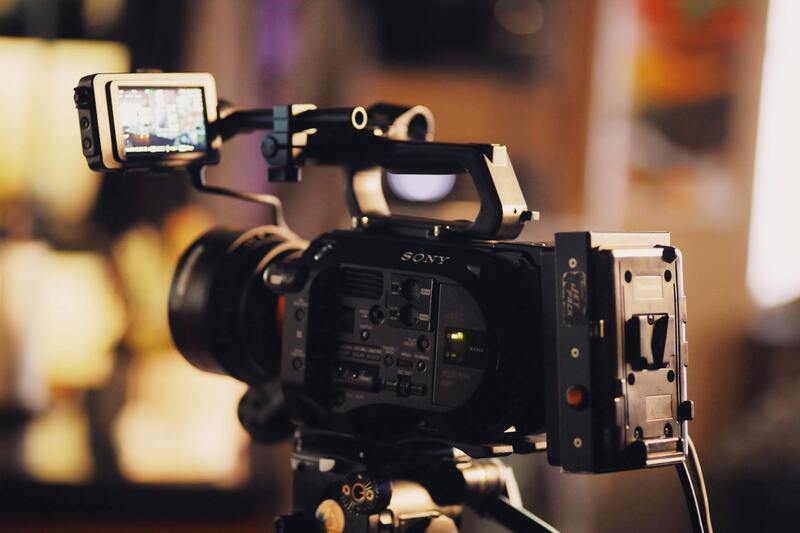
High-caliber technical setup is vital for live event broadcasting, demanding a mix of sophisticated hardware and robust infrastructure. The core components include professional-grade cameras capable of adapting to various lighting environments, hardware encoders for real-time video processing, and high-speed internet connections complemented by redundant systems such as backup fiber lines and satellite links. These elements work together to establish a stable streaming environment that minimizes interruptions and quality degradation.
Content delivery networks (CDNs) are employed to optimize streaming efficiency, reducing latency and buffering across diverse geographical locations. To mitigate potential technical failures, redundancy measures are integrated into the system—multiple internet sources, backup power supplies, and on-site technical support teams are crucial for maintaining continuity amid unforeseen challenges.
Planning and Preparation Processes
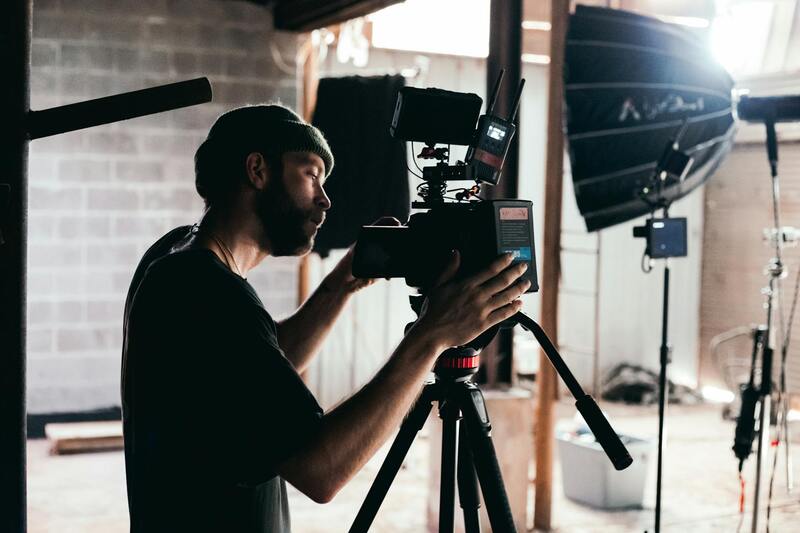
Effective planning is fundamental to a successful live broadcast. This involves detailed coordination with event organizers, understanding the event layout, and assessing the venue’s technical capabilities. Key pre-event activities include site surveys, bandwidth testing, and equipment logistics management. Establishing a comprehensive production schedule helps synchronize technical teams, talent, and hosts, ensuring everyone is aligned on their roles during the live event.
Additionally, technical rehearsals are conducted to troubleshoot potential issues and fine-tune the setup. These rehearsals include run-throughs of camera shots, audio checks, internet stability tests, and synchronization of graphics and overlays. Anticipating potential challenges and establishing contingency plans—such as backup internet connections or alternative camera angles—are essential for flawless execution.
Innovation and Technology Adoption
Staying ahead in the live broadcast industry requires continuous adoption of innovative technologies. From integrating artificial intelligence for audience analytics to utilizing virtual and augmented reality overlays, broadcast companies are investing in solutions that elevate the viewing experience. Improving efficiency through automation, such as robotic camera systems and AI-driven editing, allows for more dynamic content delivery while optimizing resource utilization.
Emerging trends include the deployment of 5G networks to facilitate high-speed, low-latency streaming, especially in complex or remote venues. Virtual production techniques and advanced remote-controlled camera systems also expand creative possibilities, enabling producers to deliver engaging, multi-dimensional content for diverse audiences.
Technical Equipment and Infrastructure
Having access to cutting-edge technical equipment and a robust infrastructure is fundamental for delivering seamless live broadcasts. Professionals in this field utilize high-definition cameras, wireless transmission systems, and advanced audio setups to ensure crystal-clear visuals and sound quality. These components are supported by reliable servers and cloud storage options that facilitate real-time data handling and archiving.
To achieve live streaming with minimal latency, broadcast companies often employ specialized encoding hardware and dedicated internet connections that prioritize bandwidth and stability. Multiple redundant internet links, including fiber optic connections and LTE/5G backups, are strategically implemented to eliminate disruptions caused by connectivity issues. Additionally, advanced switchers and mixer systems coordinate and manage multiple camera feeds, graphics, and audio signals, providing smooth transitions and professional production values.
Furthermore, many companies incorporate virtual platforms and digital overlays that enhance visual engagement without overwhelming the live feed. These may include real-time statistics, interactive polls, or branded graphics that seamlessly integrate into the broadcast. All these elements require careful integration and calibration, which expert technicians handle through comprehensive testing and ongoing maintenance.
Planning and Preparation Processes
Successful live event broadcasting hinges on meticulous planning and preparation, which span several stages leading up to the event. Initially, production teams work closely with clients to understand their objectives, audience expectations, and key messaging. This involves developing detailed production timelines, including setup, rehearsals, and contingency plans for potential technical challenges.
Pre-event coordination encompasses site visits and technical surveys to customize the setup according to venue specifications. Equipment logistics are scrutinized to ensure the availability and functional status of all gear, from cameras and microphones to lighting and internet connectivity. During this phase, detailed shot lists, camera angles, and choreography for talent and hosts are devised to create a dynamic and engaging broadcast flow.
Rehearsals are a critical aspect of preparation, allowing technical teams and presenters to synchronize their efforts. Multiple dry runs enable the identification and resolution of issues related to camera angles, audio delays, or graphic overlays. These rehearsals also serve to test internet stability and signal quality, ensuring that all staff are familiar with the technical workflows. Establishing and communicating contingency plans, including backup power supplies and alternative streaming routes, is vital to address unexpected disruptions.
Technical Equipment and Infrastructure
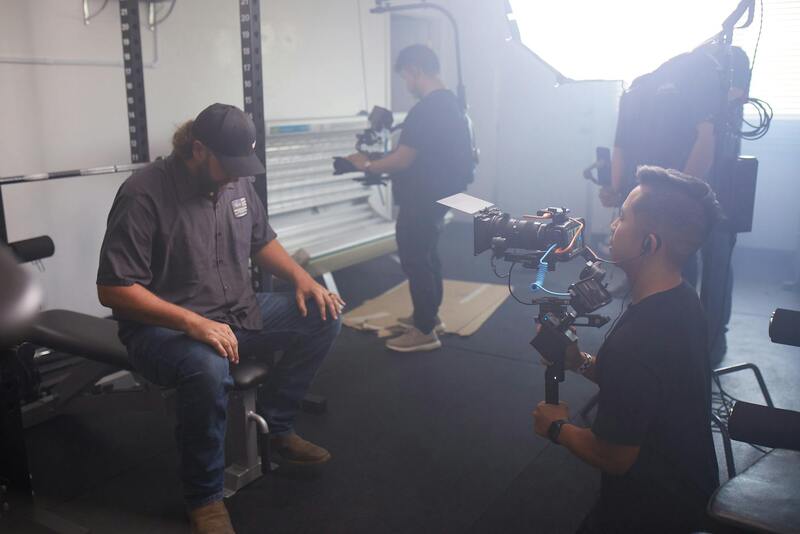
At the heart of effective live event broadcasting lies the deployment of state-of-the-art technical equipment and a robust infrastructure. These elements are critical in delivering high-quality visuals, clear audio, and seamless streaming experiences to audiences across multiple platforms. Professional live event broadcast companies utilize a combination of high-definition cameras, professional switchers, and real-time encoding hardware to capture and transmit live footage with precision. The selection of equipment varies based on the event's scale, venue specifics, and desired broadcast quality.
Complementing the camera systems, advanced audio technology—such as directional microphones, wireless systems, and mixing consoles—ensures capturing pristine sound. Proper sound management is vital for audience engagement and for accurately conveying the event’s atmosphere. Additionally, lighting setups are meticulously designed to enhance video quality, highlight key moments, and adapt to venue conditions.
The backbone of a reliable live broadcast is a high-performance internet connection. Broadcast companies implement dedicated fiber optic lines, multiple redundancies, and load balancing to prevent interruptions and buffering. Network stability is essential, especially for events involving large audiences or multiple camera feeds. Equally important are the servers and content delivery networks (CDNs) that facilitate uninterrupted streaming and quick content delivery worldwide.
In addition, professional broadcast companies leverage specialized hardware such as multi-view monitors, graphic inserters, and real-time replay systems to enhance the production value and viewer engagement. These tools allow for dynamic switching between camera angles, graphic overlays, and live replays, creating a polished and immersive viewing experience.
Maintaining and regularly updating this infrastructure ensures that broadcast companies stay ahead of technological advancements. Training personnel on the latest hardware and software tools is equally essential, enabling quick troubleshooting and consistent performance during live events.
Planning and Preparation Processes
Achieving a flawless live broadcast involves extensive planning and meticulous preparation. From the initial client consultation to the final transmission, every stage is designed to mitigate risks and optimize the viewer experience. The process begins with understanding the client’s goals, target audience, and key messaging, guiding the development of a comprehensive production blueprint.
Pre-event planning includes detailed site visits where technical surveys assess venue layouts, power sources, and internet capabilities. These assessments inform decisions about equipment placement, camera positioning, and lighting arrangements. Developing detailed shot lists, cue sheets, and camera choreography ensures that all visual elements are coordinated seamlessly during the event.
Rehearsals are vital, as they simulate the actual broadcast environment. Multiple dry runs enable the production team and talent to familiarize themselves with the setup, identify potential issues, and refine timing and transitions. Technical rehearsals focus on audio/video synchronization, graphic overlays, and signal routing. These rehearsals are also opportunities to test backup systems, redundant internet links, and contingency plans.
Clear communication channels are established among all team members, including camera operators, directors, sound engineers, and technical support staff. Establishing a hierarchy for decision-making and problem resolution ensures rapid responses to unforeseen issues. Effective coordination during the event guarantees that the broadcast remains consistent and professional, regardless of on-site challenges.
Pre-event planning extends beyond technical aspects. It involves coordinating with event organizers, talent, and other stakeholders to align schedules and expectations. Clear documentation of responsibilities and detailed timelines ensures that every component of the broadcast is executed smoothly and promptly.
Innovation and Technology Adoption
Leading live event broadcast companies continuously integrate innovative technologies to enhance production quality and audience engagement. From 4K ultra-high-definition streaming to virtual and augmented reality overlays, these advancements expand creative possibilities and audience interaction. Virtual sets and green screen technology enable the creation of immersive environments, allowing broadcasters to transport viewers to different locations or imaginative worlds without the need for physical sets.
In recent years, the adoption of cloud-based workflows has revolutionized live production. Cloud platforms facilitate remote editing, distributed team collaboration, and real-time data sharing. This flexibility reduces on-site hardware dependencies and accelerates post-event workflows, ensuring quick turnarounds and rapid dissemination of content.
Additionally, live polling, multi-platform streaming, and social media integration elevate audience participation, making broadcasts more interactive. Automated camera systems and AI-driven analytics assist in real-time shot selection, crowd analysis, and content optimization based on viewer engagement metrics.
Emerging innovations such as 8K resolution and holographic projection, while still in nascent stages, demonstrate the ongoing commitment of industry professionals to push the boundaries of live event broadcasting. These advanced technologies aim to deliver increasingly immersive and memorable viewer experiences, positioning broadcast companies at the forefront of the industry’s evolution.
Overview of Live Event Broadcast Companies
Live event broadcast companies specialize in delivering high-quality streaming and transmission of events to audiences around the world. These firms leverage a combination of cutting-edge technology, experienced personnel, and strategic planning to ensure seamless delivery of live content across multiple platforms. Their expertise spans a wide range of events including concerts, sports competitions, corporate conferences, festivals, and theatrical productions. The reputation of a live event broadcast company hinges on their ability to handle complex logistics, coordinate with various stakeholders, and adapt swiftly to unforeseen challenges.
A typical live event broadcast company employs a dedicated team of technicians, producers, and technical directors who work collaboratively to ensure every aspect of the broadcast aligns with the client?s objectives. They manage everything from pre-event planning, equipment setup, and signal acquisition to transmission and post-event analysis. This comprehensive management guarantees that viewers experience a consistent, high-quality stream without technical interruptions or quality degradation. Many of these companies also have experience handling multi-camera setups, coordinating live commentary, and integrating synchronized graphics and video inserts for a polished final product.
With the proliferation of digital platforms and increased audience expectations, live event broadcast companies have expanded their service offerings to include multi-platform streaming, viewer engagement features, and real-time analytics. Their goal remains to maximize audience reach and engagement while maintaining production integrity and technical excellence. Selecting the right partner in Miami requires understanding the company?s background, technological capabilities, and portfolio of previous projects to ensure their expertise aligns with the specific demands of your event.
Key Services Offered by Live Event Broadcast Providers
- Multi-camera production and directing
- Live streaming to various platforms and devices
- Remote production capabilities
- On-site technical support and equipment setup
- Graphics insertion and video overlays
- Audio management and sound engineering
- Real-time encoding and signal transmission
- Post-event content editing and distribution
- User engagement integration, including chats and polls
Technical Equipment and Infrastructure
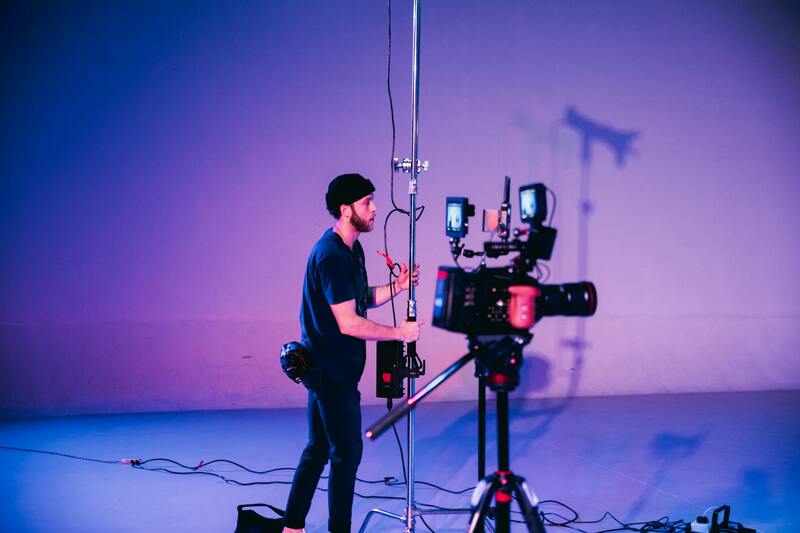
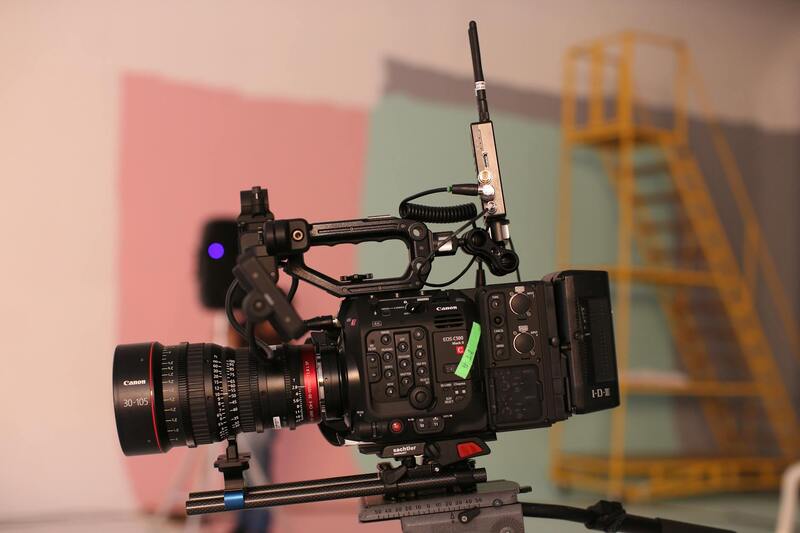
Robust technical infrastructure is foundational to successful live event broadcasting. Companies invest in state-of-the-art cameras, switchers, and switching matrices that facilitate dynamic shot selection and seamless transitions. Signal acquisition often involves satellite links, fiber optic cables, or wireless transmission methods to ensure reliable content delivery. High-resolution video cameras, including 4K and even 8K capable devices, are employed to produce crisp visuals that meet modern viewer expectations.
In addition, audio systems are carefully integrated to capture and transmit sound accurately, whether through stage microphones, wireless systems, or ambient microphones. Reliable encoding hardware is used to convert live video and audio into streams compatible with various internet platforms. Backup power supplies, redundant signal paths, and fail-safe protocols are standard to counter potential technical issues. Virtual and augmented reality systems are also incorporated increasingly, enabling immersive overlays and interactive elements that heighten viewer engagement.

Planning and Preparation Processes
Effective live event broadcasting begins with meticulous planning. This includes detailed scheduling, technical rehearsals, and coordination meetings with all involved parties. Pre-production entails mapping out camera positions, graphical overlays, and audio configurations to match the event’s objectives. Clear communication channels are established to troubleshoot potential issues proactively.
Logistics planning involves securing permits, arranging transportation for equipment, and setting up designated areas for technical staff. Rehearsals are conducted to test all systems under conditions similar to the actual event, allowing technicians to identify and resolve potential problems. This phase also involves testing internet bandwidth and verifying signal paths to ensure stable transmission.
During the event, real-time monitoring is crucial. Technical teams oversee signal quality, coordinate scene changes, and manage live overlays. Flexibility and rapid problem-solving are vital, especially when unexpected disruptions occur. Post-event, the focus shifts to content review, performance analysis, and delivering recorded footage for on-demand viewing or promotional use.
Innovation and Technology Adoption
The landscape of live event broadcasting is continually evolving with innovative technologies that improve quality and audience engagement. Companies are adopting 4K and 8K resolution workflows, providing viewers with ultra-high-definition visuals that capture every detail. Virtual sets, green screen technology, and augmented reality overlays enable broadcasters to create immersive environments that transport audiences virtually.
Cloud-based solutions are transforming the way live streams are managed, allowing remote editing, distributed team collaboration, and rapid content delivery post-event. Interactive features like live polls, social media feeds, and multi-platform streaming empower viewers to participate actively, increasing overall engagement.
Emerging technologies such as holographic projection and mixed reality are pushing the boundaries of live visualization. These tools enable broadcasters to present content in strikingly innovative ways, making events more memorable and visually compelling. As new hardware and software solutions become more accessible, live event broadcast companies are positioned to incorporate these advancements, setting new standards for quality and creativity in the industry.
Sources of Revenue and Business Models in Live Event Broadcasting
Live event broadcast companies employ a variety of revenue streams to sustain their operations and ensure quality service delivery. Their business models are often multifaceted, combining direct client contracts, content licensing agreements, and sometimes strategic partnerships with media outlets. Understanding these revenue sources helps clarify the financial landscape of the industry.
Contract-Based Services
The core revenue for live event broadcast companies typically originates from contracted services for specific events. Clients such as corporations, sports organizations, entertainment venues, and cultural institutions hire these providers for comprehensive live transmission. These contracts usually specify the scope, duration, and technological requirements, reflecting the complexity and customization involved in each project.
Retainer and Subscription Models
Some providers operate on retainer or subscription-based plans, particularly when serving recurring clients such as media companies or large corporations with ongoing content needs. This model offers stability for the broadcast company while providing clients with prioritized access to broadcasting resources, technical support, and regular content delivery capabilities.
Licensing and Content Monetization
In addition to live coverage, companies generate revenue by selling recorded footage, highlights, or edited content to broadcasters, news outlets, or digital platforms. Licensing agreements enable these companies to capitalize on the broadcasted content beyond the live event, often through digital rights sales or syndication deals.
Value-Added Services and Custom Solutions
Offering specialized services such as multi-camera production, augmented reality overlays, or interactive viewer features enables companies to command premium pricing. Custom solutions tailored to meet the unique branding or engagement goals of clients often result in higher revenue margins, especially when integrating advanced technologies.
Advertising and Sponsorship Opportunities
Live broadcasts frequently incorporate on-screen advertising, branded segments, or sponsorship acknowledgment, creating additional revenue streams. Companies leverage these opportunities to maximize return on investment for clients and to supplement income from core broadcasting services.
Investments and Strategic Partnerships
Many live event broadcast companies seek strategic partnerships with technology providers, media outlets, and distribution channels. These alliances expand their reach and capabilities, opening new revenue avenues through shared content dissemination or co-branded event coverage.
Ultimately, the financial sustainability of live event broadcast companies relies on a diversified approach that balances contractual work, content monetization, and innovative service offerings. As technological advancements continue to evolve, these companies are well-positioned to expand their revenue models by adopting new digital and interactive formats that meet the dynamic demands of modern audiences.