Understanding Livestreaming Production
Livestreaming production encompasses the comprehensive process of planning, executing, and managing live video broadcasts over the internet. It integrates a variety of technical and creative elements to deliver real-time content to viewers across diverse platforms. In Miami, a dynamic hub for business, entertainment, and cultural events, effective livestreaming production enhances visibility, engagement, and communication. It allows organizations, artists, and event organizers to reach broad audiences without geographical constraints, providing an immediate and interactive viewing experience. The significance of professional livestreaming lies not only in its ability to increase reach but also in its capacity to uphold brand integrity, foster audience participation, and deliver high-quality content that aligns with specific event or corporate objectives.
Moreover, the evolution of digital technology has elevated the standards for live broadcasts, demanding technical precision and seamless coordination. Whether it’s a corporate webinar, a music concert, a sports event, or an outdoor festival, the ability to produce a smooth, visually compelling livestream can greatly influence public perception and audience retention. In Miami, where innovation and creativity flourish, robust livestreaming production services empower local businesses and creators to elevate their brand presence and maximize their event impact in a highly competitive environment.
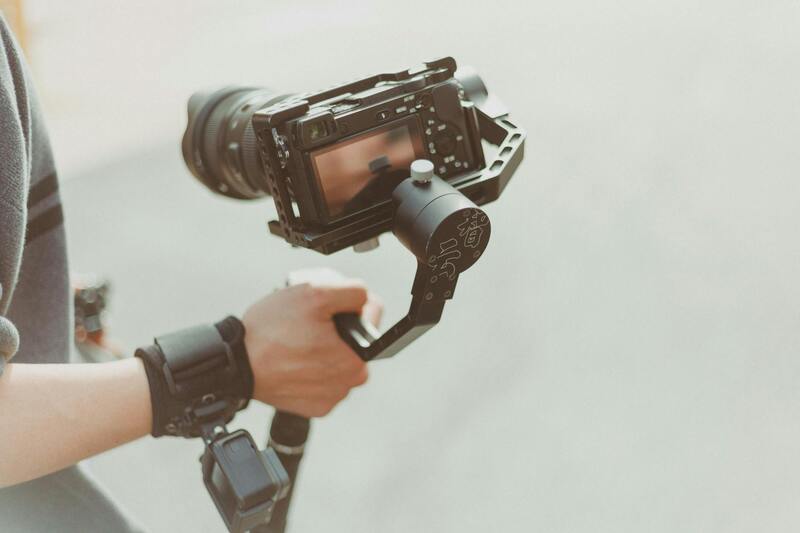
Understanding the core principles and components of livestreaming production creates a foundation for executing successful broadcasts. This includes the strategic coordination of technical resources, creative elements, and logistical considerations, all aimed at delivering an immersive viewer experience. From initial concept development through live operation and post-event analysis, every stage requires meticulous planning and professional expertise to ensure seamless execution. In a market like Miami, where audiences expect top-tier production quality, partnering with skilled professionals can greatly enhance the overall outcome and listener engagement.
Key Components of Livestreaming Setup
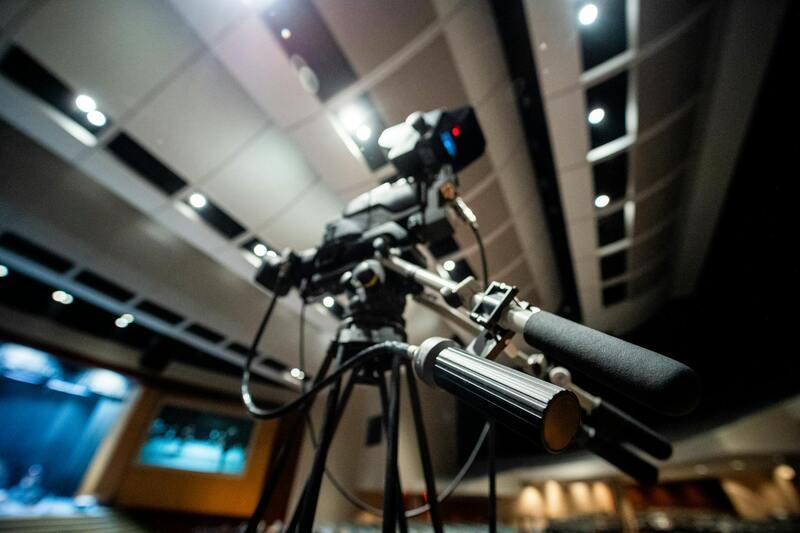
Executing a successful livestream hinges on a well-equipped setup that ensures optimal video and audio quality, minimizing technical disruptions. A typical professional livestreaming production in Miami involves a combination of advanced hardware and reliable software platforms. These core components are meticulously coordinated to enhance viewer engagement and uphold broadcast standards.
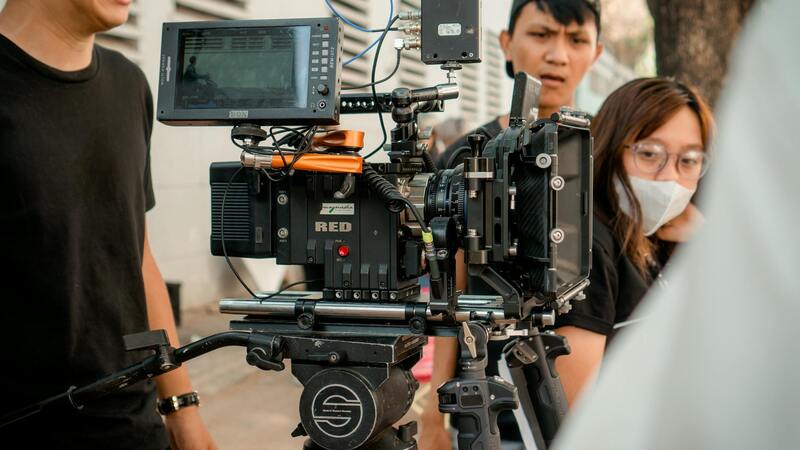
- Cameras: High-definition cameras capable of capturing sharp, clear images are fundamental. Multiple camera angles allow dynamic shots, providing viewers with a more immersive experience. Pan-tilt-zoom (PTZ) cameras or professional-grade lenses are common choices.
- Encoders: Hardware or software encoders convert video signals into digital data suitable for streaming. Solid encoding ensures minimal latency and consistent playback quality.
- Microphones: Clear audio is vital for maintaining audience engagement. Directional microphones, wireless lavaliers, or shotgun microphones are often used based on event requirements.
- Streaming Platforms: Selection of a robust platform capable of handling high traffic volumes, offering features like multi-camera switching, live graphics, and chat integration. Reliable platforms in Miami often include cloud-based solutions that facilitate scalability and security.
- Switchers and Mixers: Video switchers enable seamless transitions between camera feeds, while audio mixers balance sound levels, ensuring a professional broadcast appearance.
- Lighting Equipment: Proper lighting setup enhances visual quality, especially for indoor events. Advanced LED panels and diffusers help create an even, visually appealing scene.
In addition to hardware, dedicated use of high-speed internet connections, backup power supplies, and appropriate cables contribute significantly to uninterrupted live production. The integration of these components requires detailed planning and technical expertise, particularly in complex environments like outdoor festivals or multi-location events in Miami.
Understanding Livestreaming Production
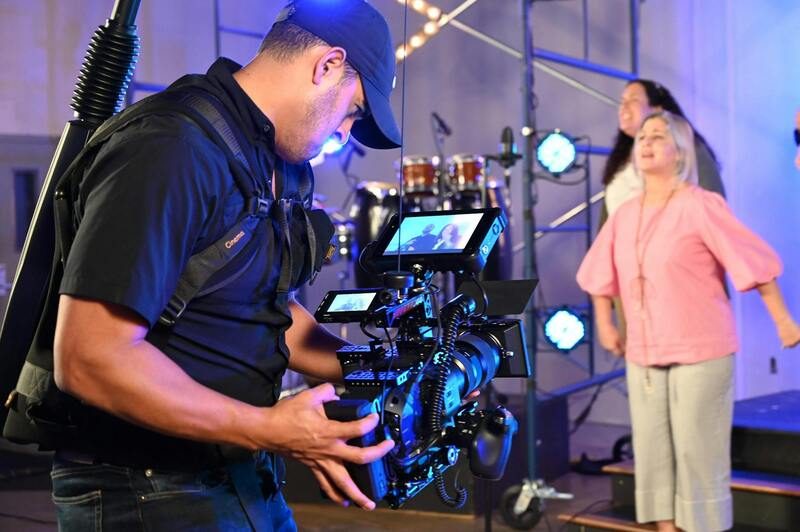
Effective livestreaming production hinges on meticulous planning, precise execution, and seamless integration of various technical elements. In Miami’s dynamic event scene, professionals employ a combination of high-end equipment and advanced workflows to ensure that every broadcast meets the highest standards. Central to this is the coordination of hardware components like cameras, microphones, and lighting, alongside sophisticated software solutions that facilitate real-time streaming. The careful selection of components, tailored to the unique demands of each event, underpins the capacity to deliver smooth, engaging live content to audiences worldwide.
Technical Infrastructure for High-Quality Livestreams
The cornerstone of professional livestreaming begins with reliable, high-performance equipment paired with stable internet connectivity. Cameras used in professional setups range from 4K-capable broadcast-grade models to high-end DSLRs, ensuring crisp visuals that communicate clarity and professionalism. These are often complemented by high-fidelity microphones—such as shotgun, lavalier, and directional types—that provide clear audio, crucial for audience engagement and comprehension. Lighting setups leverage LED panels and diffusers to enhance visual appeal, reduce shadows, and create an inviting atmosphere, especially during indoor or low-light scenarios.
Beyond hardware, the backbone of a successful livestream involves robust software tools capable of managing multiple video feeds and multi-camera switching. Hardware or software encoders convert raw signals into high-quality digital streams compatible with chosen platforms. This conversion process is vital for minimizing delay and ensuring high playback quality. Video switchers and audio mixers are also crucial; they facilitate smooth transitions, audio balance, and overall control during the live broadcast, making sure the seamless flow maintains viewer interest and engagement.
Operational Environment and Redundancy
Operational stability depends heavily on redundant systems—such as backup internet connections, uninterruptible power supplies, and failover servers—especially in Miami’s busy event landscape. These redundancies enable live productions to adapt swiftly to unexpected technical issues, minimizing downtime. Proper cabling, configuration, and calibration of all components are equally important, requiring skilled technicians who understand the intricacies of high-stakes live streaming environments. Indoor venues benefit from controlled lighting and acoustics, while outdoor events demand weather-resistant gear and mobile setups capable of adapting to changing conditions.
Digital Integration for Enhanced Viewer Experience
Integration of advanced streaming technologies—such as real-time graphics overlays, multi-channel switching, and live chat features—adds a layer of professionalism and interactivity to broadcasts. These tools allow producers to inject branding, sponsor messages, or audience engagement elements within the live feed. The choice of platform technology in Miami must support these features, ensuring scalability, security, and minimal latency. Cloud-based solutions are increasingly favored for their flexibility and ability to handle fluctuating viewer loads, especially during viral broadcasts or large-scale events.
Production Techniques and Best Practices
Efficient livestreaming production hinges on meticulous execution of multiple technical and artistic elements. High-quality camera positioning ensures that the audience receives a compelling perspective, whether capturing sweeping wide shots of an event or intimate close-ups that evoke emotional engagement. Strategic placement and movement of cameras contribute to a dynamic viewing experience, emphasizing key moments and maintaining viewer interest throughout the broadcast.
Lighting plays a crucial role in visual clarity and atmosphere. Proper illumination not only highlights subjects effectively but also reduces shadows and eliminates unwanted glare. Techniques such as three-point lighting are often employed to create depth and balance. For outdoor events, weather considerations necessitate weather-resistant lighting equipment, along with techniques for compensating natural light variations, such as using reflectors or additional fill lights.
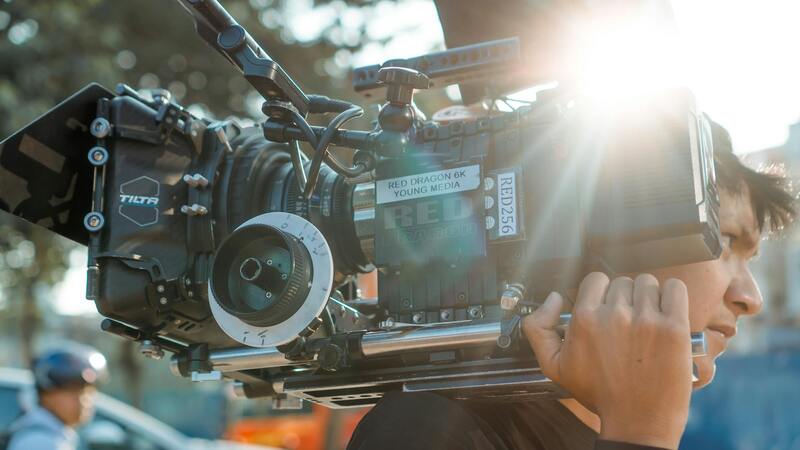
Audio quality directly impacts viewer engagement, making clear sound a priority. Employing studio-grade microphones, sound mixers, and windshields for outdoor recordings ensures clarity and reduces background noise. Proper microphone placement captures authentic sound from the event, while audio processing tools help eliminate echoes or distortions. Consistency in audio levels prevents listener fatigue and maintains a polished broadcast overall.
Incorporating visual effects enhances storytelling and branding. Lower third graphics, animated overlays, and real-time score updates add professionalism and engagement value. These visual elements should be seamlessly integrated into the live feed, avoiding distraction while highlighting critical information. Advanced production software enables producers to switch between different camera angles, add overlays, and introduce pre-recorded clips in real-time, creating a captivating and immersive experience for viewers.
Best practices also extend to managing live interactions. Moderating chat features, displaying comments at appropriate moments, and engaging with audiences in real-time fosters community and encourages ongoing viewership. The seamless integration of these interactive elements requires skilled operators familiar with both the technological platform and the event’s branding goals.
Ultimately, the success of a livestream hinges on expert coordination of these techniques, ensuring that each element—from visuals to sound—works harmoniously to deliver a high-caliber broadcast. This holistic approach supports the creation of compelling content that resonates with audiences and elevates the event's visibility.
Understanding Livestreaming Production
Effective livestreaming production involves a comprehensive approach that combines technical expertise, strategic planning, and creative execution. From the initial conceptualization to the final broadcast, each stage demands precision and adaptability to ensure seamless delivery and high viewer engagement. A well-executed livestream not only conveys the event’s core message but also builds brand credibility and fosters community interaction.
Key Components of Livestreaming Setup
A proficient livestreaming setup integrates several critical elements that operate harmoniously to produce a professional-quality broadcast. Essential hardware includes high-definition cameras, professional-grade audio equipment, and reliable streaming servers. These components must be carefully selected based on the event scale, environment, and desired output quality.
Lighting plays an equally vital role, illuminating subjects to ensure clear visuals while minimizing shadows and glare. Coupled with backdrops or virtual sets, lighting enhances visual appeal and maintains audience focus. For audio, directional microphones and audio mixers provide clarity, allowing producers to control sound levels across multiple sources effectively.
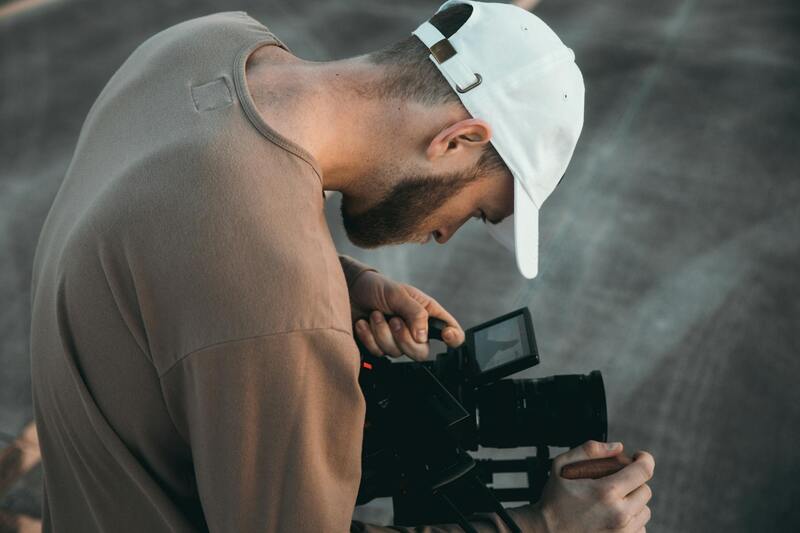
Pre-Production Planning and Coordination
Successful livestreams are underpinned by meticulous pre-production planning. This process involves detailed scheduling, script development, and resource allocation. Coordination among team members is crucial to align on roles, camera angles, and visual cues, ensuring smooth transitions during the live event.
Content preparation includes creating all graphical elements, overlays, and lower thirds that will enhance storytelling and reinforce branding. Additionally, technical rehearsals allow the production team to identify potential issues and fine-tune equipment settings, minimizing disruptions during the actual broadcast.
Production Techniques and Best Practices
Executing high-quality livestreams requires mastery of various production techniques. Multi-camera setups enable dynamic shots and provide viewers with varied perspectives, maintaining engagement and visual interest. Switching seamlessly between cameras with live operators creates a professional and polished appearance.
Incorporating real-time graphics, animated overlays, and on-screen comments can significantly boost viewer interaction and brand exposure. Properly managing these elements ensures they support the content without causing distraction. Additionally, employing professional encoding software guarantees stable streaming quality, even during high-traffic events.
During live production, audio balance and synchronization are paramount. Employing sound mixing techniques and real-time adjustments prevent audio drift, echo, or distortion. Furthermore, monitoring the stream continuously allows operators to promptly address any technical issues, minimizing viewer impact.
Visual Enhancements and Audience Engagement
Visual enhancements such as animated transitions and branded overlays contribute to a cohesive look. These can be pre-designed or customized for specific segments, keeping the broadcast visually appealing. Engagement tools include live polls, comment moderation, and real-time shoutouts, which promote interaction and foster a community atmosphere.
Managing these interactive features requires knowledgeable operators who understand both the technological platform and the event branding strategy. Effective moderation ensures that the viewer experience remains positive, respectful, and engaging throughout the broadcast.
Tech-Savvy Live Interaction Management
Handling live interactions involves more than just moderation. Proactive engagement, timely displaying of comments, and integration of viewer input into the event narrative create a memorable experience. Skilled producers anticipate potential disruptions and have contingency plans in place, including backup equipment and alternative streaming routes, guaranteeing smooth operation in various scenarios.
Visual Example
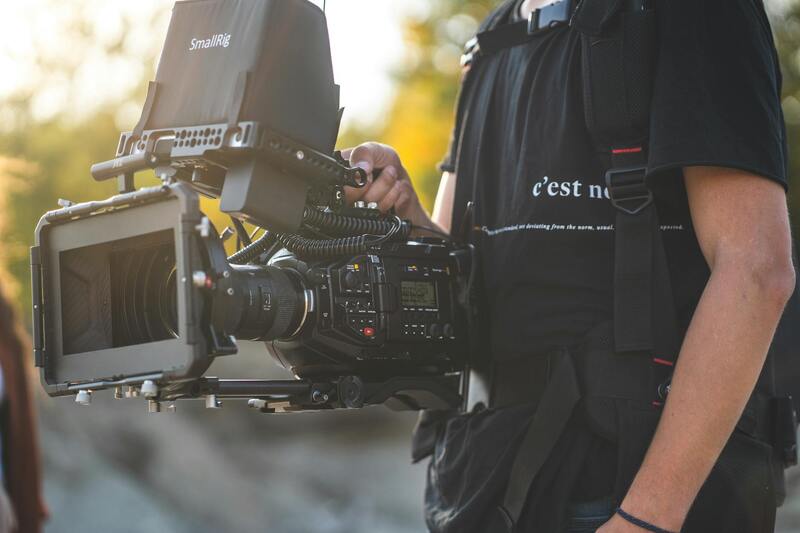
Advanced Production Techniques for Professional Livestreams
Implementing advanced production techniques ensures a polished and engaging livestream that captures viewers' attention and maintains high-quality standards. These techniques encompass a range of strategies, from multi-camera setups to dynamic graphics, that elevate the overall viewer experience.
One vital aspect is the seamless integration of multi-camera footage. Using multiple camera angles allows producers to switch perspectives fluidly, creating a dynamic visual narrative that mimics traditional broadcasting. This approach not only enhances the aesthetic appeal but also keeps viewers engaged by providing diverse viewpoints.
Overlay graphics, including lower thirds, logos, and real-time data, add a layer of professionalism. These visual elements should be consistently styled and synchronized with the event's branding to reinforce brand identity. Utilizing dedicated graphic software and having operators manage overlays in real-time can significantly improve visual continuity.
Chroma keying or green screen technology opens up creative possibilities for virtual backgrounds, immersive environments, or detailed storytelling elements. This method requires high-quality lighting and color calibration but results in visually impressive productions that captivate audiences.
Audio engineering remains a core component of high-quality livestreams. Employing professional microphones, sound mixers, and real-time audio processing ensures clarity, balanced levels, and the elimination of unwanted noise or echoes. Skilled audio technicians are crucial for monitoring sound throughout the broadcast, making instant adjustments as needed.
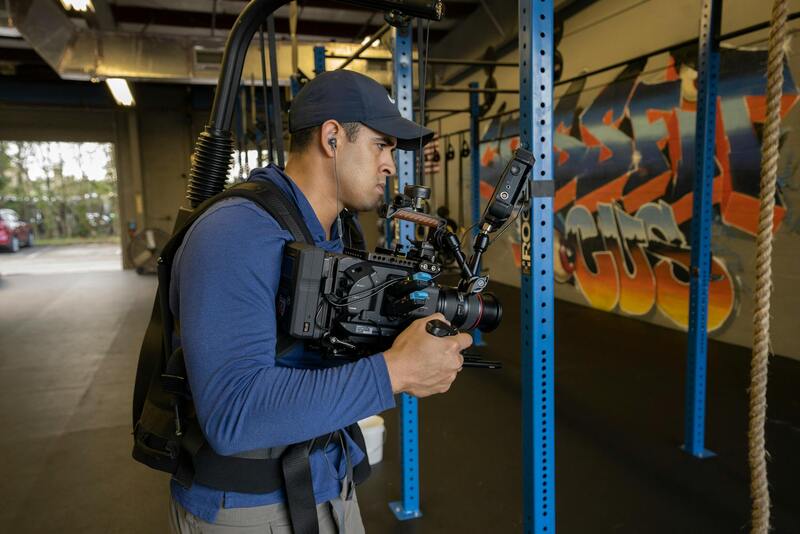
Transition effects, such as dissolves, wipes, and animated scene changes, contribute to a smooth viewing experience. These effects should be used judiciously to avoid distraction but strategically to emphasize key moments or segment transitions.
Incorporating real-time analytics and audience feedback tools can provide immediate insights, allowing producers to adapt the content dynamically. Monitoring viewer engagement metrics and adjusting the stream content accordingly improves overall viewer satisfaction.
Moreover, employing real-time editing and switching software facilitates professional-grade broadcasts, enabling seamless scene changes, titling, and integration of multimedia elements. These tools empower production teams to craft a compelling narrative that resonates with viewers, keeping the broadcast lively and interactive.
By mastering these production techniques, a livestream can transcend basic content delivery, becoming an immersive, visually appealing event that echoes the quality of traditional broadcasts. Precision in these areas demands not only the right equipment but also a team with technical expertise, ensuring every aspect of the production aligns with the event's goals.
Understanding Livestreaming Production
Livestreaming production involves the comprehensive process of planning, executing, and delivering live digital content to audiences through internet platforms. It requires meticulous coordination of technical and creative elements to ensure that the broadcast meets professional standards and audience expectations. At its core, livestreaming production integrates various hardware and software components, a skilled technical team, and strategic planning to produce a seamless and engaging viewing experience.
Essential Components of a Livestreaming Production System
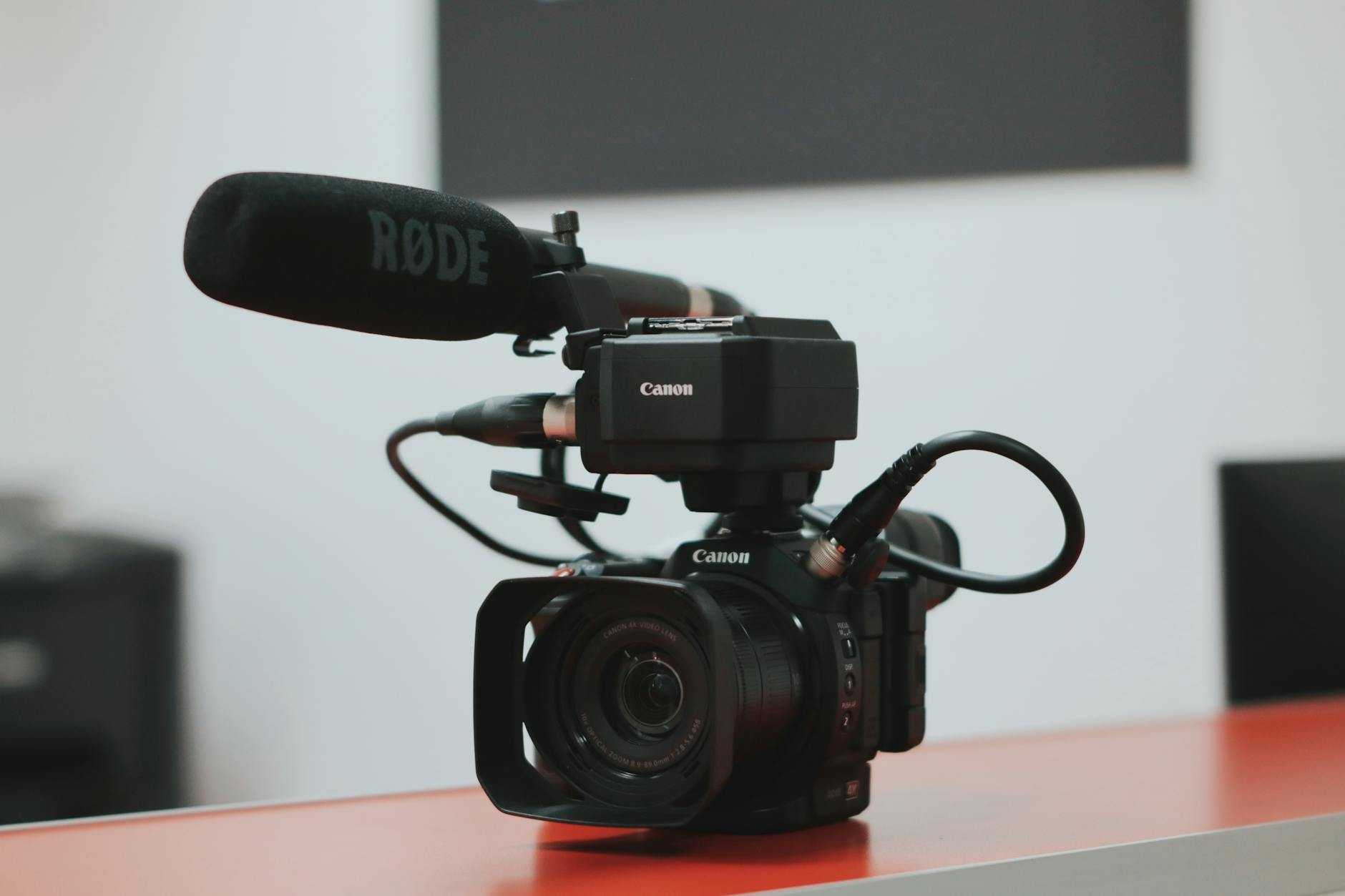
- Video Capture Devices: High-definition cameras, webcams, and mobile devices that capture live footage with clarity.
- Audio Equipment: Professional microphones, audio mixers, and sound processing units that deliver clear sound quality.
- Streaming Hardware and Software: Encoders, switchers, and broadcasting platforms that facilitate real-time data transmission.
- Stable Internet Connection: High-bandwidth networks capable of supporting uninterrupted live streaming.
- Lighting Systems: Proper lighting setups ensure the visuals are vibrant and professional-looking.
- Graphics and Overlays: Visual elements such as logos, lower thirds, and animated transitions that enhance visual appeal and branding.
Strategic Planning Before Going Live
Effective livestreaming hinges on comprehensive pre-production planning. This includes defining the content schedule, coordinating with hosts or speakers, and preparing all visual and audio assets. Technical rehearsals are critical to identify and resolve potential issues, ensuring sync between audio, video, and graphical elements. Establishing a clear communication protocol among the production team enhances coordination and responsiveness during the live event. Additionally, creating contingency plans for common technical problems minimizes potential disruptions and downtime.
Complex Technical Ecosystem
Successful livestreams depend on a robust integration of hardware, software, and network infrastructure. Professional-grade encoders convert raw video into streams compatible with chosen platforms, while switchers facilitate seamless scene transitions and multimedia integration. Quality control mechanisms, including monitoring tools and real-time diagnostics, enable the technical team to detect and address issues promptly. Maintaining a redundant setup for critical components, such as backup internet links and auxiliary hardware, further ensures a smooth broadcast experience.
Integrating Audience Interaction and Engagement
Enhanced audience engagement is achieved through features like live chat, polls, Q&A sessions, and social media integration, which can be incorporated into the livestream interface. These interactive tools foster viewer participation, making the content more dynamic and personalized. Real-time analytics provide insights into viewer behavior, allowing producers to adapt content flow or introduce additional interactive elements. Skilled production teams continuously monitor engagement metrics to optimize the streaming experience and encourage viewer retention.
Advanced Streaming Technologies and Methods
Utilizing the latest streaming platforms and technologies ensures optimal delivery quality and audience reach. Adaptive bitrate streaming dynamically adjusts video quality based on viewer bandwidth, reducing buffering and lag. Multi-platform streaming allows simultaneous broadcasting across various social media channels, maximizing exposure. Cloud-based streaming solutions offer scalability, flexibility, and cost-efficiency, particularly for larger or remote events. Using Content Delivery Networks (CDNs) ensures high-quality streams worldwide by minimizing latency and buffering issues.
Choosing a Livestreaming Production Partner in Miami
Partnering with a reliable livestreaming production entity in Miami is crucial for achieving a seamless broadcast that meets your objectives. When selecting the right team, consider their familiarity with the local venues, technical expertise, and capacity to manage complex productions. A proficient Miami-based producer possesses detailed knowledge of the area's logistical nuances and can coordinate effectively with venue staff, vendors, and talent, ensuring a smooth operation from setup to execution.
Evaluating Technical Capabilities
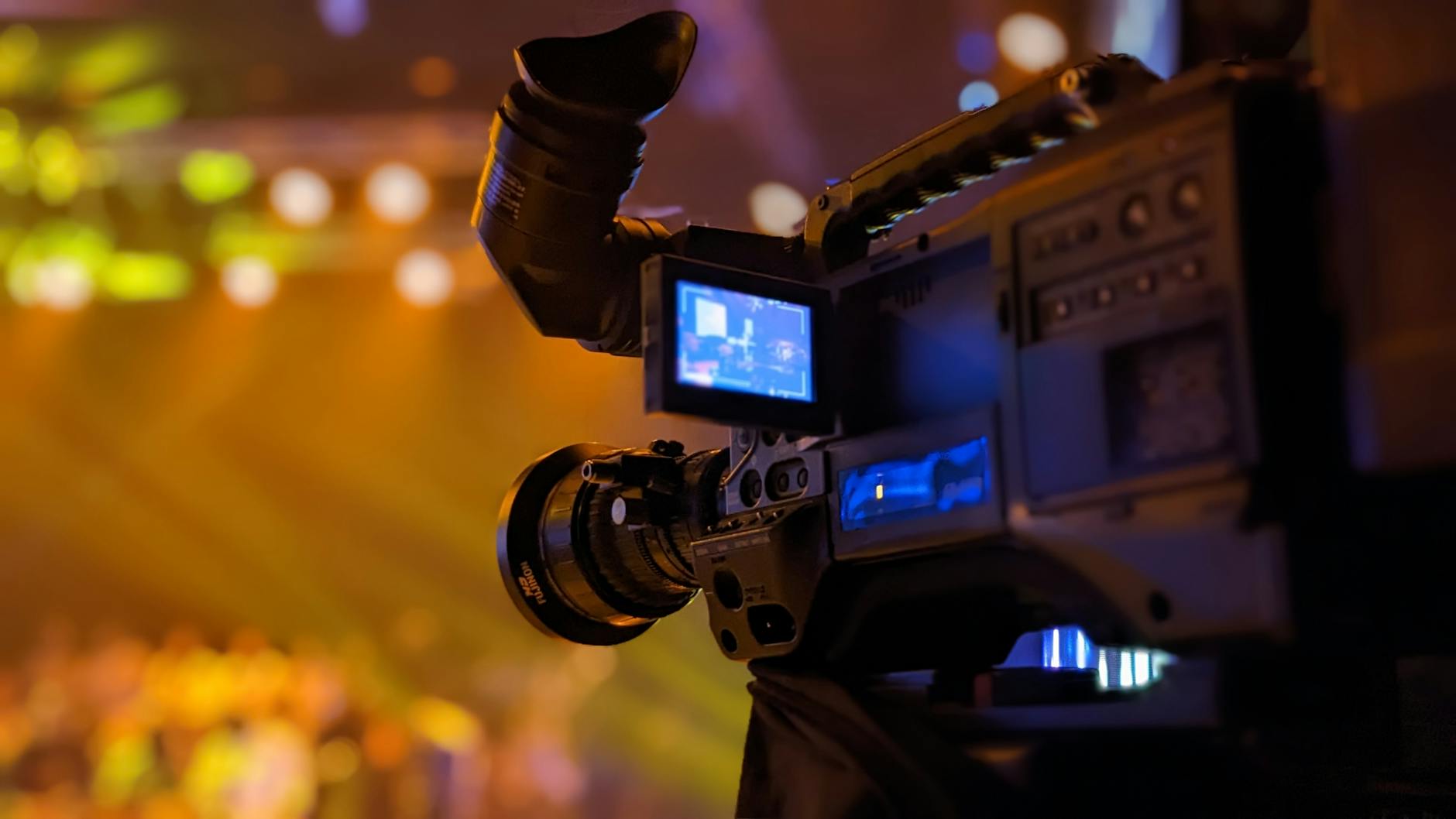
- Equipment Modernity and Reliability: An ideal partner invests in high-grade cameras, switchers, audio hardware, and streaming encoders. Their equipment should support the desired broadcast quality, whether HD, 4K, or beyond.
- Experience with Diverse Venues and Event Types: Different events demand specific setups; familiarity with Miami’s unique venues and event formats ensures smooth execution without unforeseen technical issues.
- Redundancy and Backup Systems: Reliable partners have secondary internet links, backup power supplies, and auxiliary hardware to prevent disruptions during the live session.
Reviewing Portfolio and Client Testimonials
Assess previous projects to gauge consistency, creativity, and technical proficiency. Client feedback and testimonials often reveal the team’s ability to manage pressure, adapt to unforeseen circumstances, and deliver high-quality results. Request case studies that highlight challenges faced and solutions implemented, especially for similar types of events or venue sizes in Miami.
Service Offerings and Customization
Ensure the agency provides comprehensive solutions, including pre-production planning, multi-camera setups, audience interaction features, and post-production services. Customizable packages allow tailoring the production to match your brand identity and event goals, facilitating an engaging viewer experience.
Cost and Contractual Details
Understanding the pricing structure and contractual obligations is vital. Transparent pricing models, detailed deliverable lists, and clear terms for revisions and additional services help avoid surprises. Opt for providers who offer scalable options aligned with your budget and specific needs.
Legal and Compliance Considerations
While selecting a production partner, ensure they comply with relevant regulations concerning content rights, licensing, and platform-specific policies. Properly managing permissions and rights guarantees smooth distribution and avoids potential content infringement issues.
Local Support and Communication
Having a dedicated local support team in Miami facilitates real-time communication and quick troubleshooting. Effective collaboration and clear channels for updates and feedback significantly enhance the overall production process.