
Overview of Live Stream Event Services
Live stream event services have become an essential component of modern event planning, especially in a vibrant and dynamic city like Miami. These services enable organizations, corporations, and entertainment entities to broadcast their events in real-time to a global audience. Whether it's a corporate conference, a product launch, a music festival, or a sporting event, live streaming extends the reach and enhances the engagement level of any occasion.
In Miami, a city renowned for its lively events scene and innovative approach to entertainment, harnessing professional live stream event services ensures a seamless, high-quality broadcast. These services employ advanced broadcasting technologies, professional-grade equipment, and expert personnel to guarantee that every detail of the event is captured and transmitted with clarity and reliability.
The importance of live stream services in the current digital landscape cannot be overstated. They offer an unprecedented opportunity for brands and event organizers to connect with audiences that are geographically dispersed yet eager to participate virtually. This connectivity not only increases event visibility but also provides valuable data insights and increased interaction opportunities through integrated chat, polls, and social media integration.
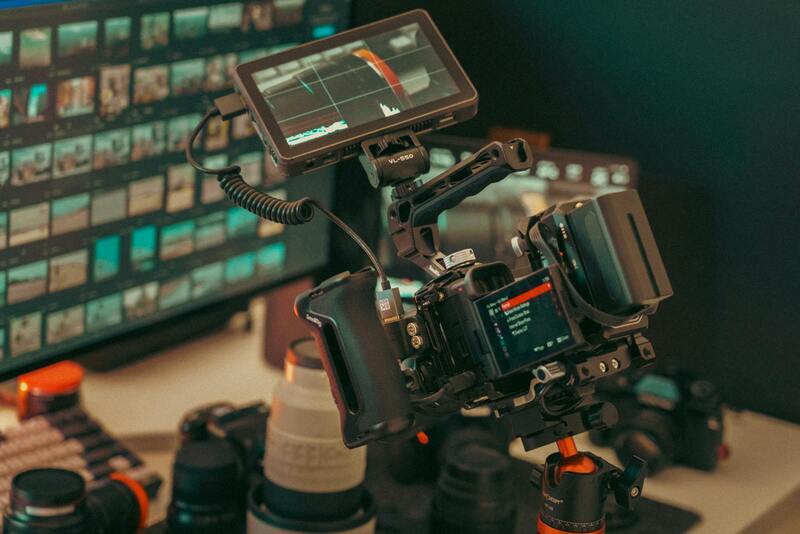
As Miami continues to serve as a hub for international business, entertainment, and cultural exchanges, the demand for professional live stream event services will only grow. Employing seasoned live streaming professionals ensures that the event will run smoothly, with minimal technical disruptions, and align perfectly with the brand's image and objectives. The ability to deliver high-definition video, synchronized audio, and a stable internet connection are foundational to a successful live stream.
In essence, live stream event services are transformative for event organizers seeking to maximize their impact and create memorable experiences. They bridge the physical and digital worlds, allowing Miami's diverse community to participate, share, and celebrate milestones regardless of location.
Types of Live Streaming Platforms and Technologies
Choosing the right platform and technology for a live stream event is critical to ensuring a seamless and engaging experience for viewers. The landscape encompasses a variety of options, each suited to different event styles, audience sizes, and technical requirements. Understanding the distinctions between these platforms and the hardware and software involved helps organizers make informed decisions that align with their goals.

Streaming Platforms
- YouTube Live: Widely accessible with extensive reach, ideal for public events aiming for broad visibility. It offers built-in analytics and allows monetization through ads.
- Facebook Live: Perfect for social media integration, enabling real-time interactions with followers and leveraging targeted promotion.
- Vimeo Livestream: Geared towards professional broadcasters, providing advanced security features, high-definition streaming, and customizable player options.
- Enterprise Platforms (LinkedIn Live, IBM Cloud Video): Suitable for corporate events, with robust security, analytics, and branding tools.
Hardware Components
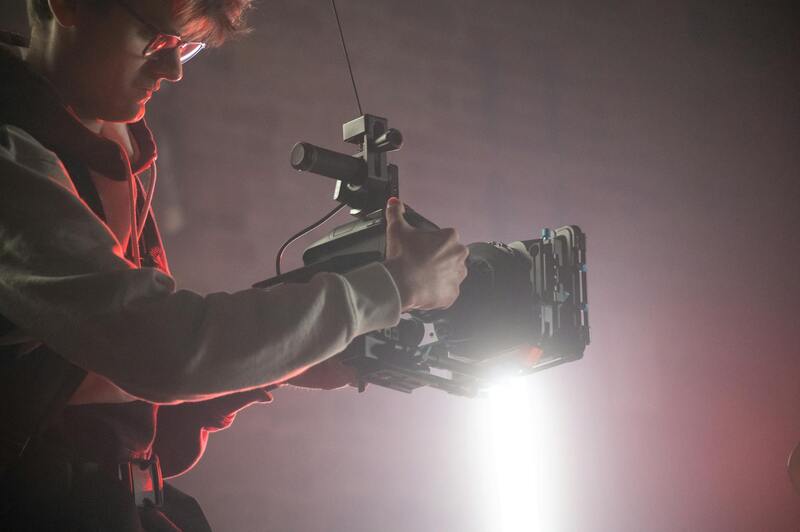
- Cameras: From basic webcams to sophisticated multi-camera setups, camera quality impacts the clarity and visual appeal of the stream.
- Encoders: Devices or software that convert video signals for transmission. Hardware encoders are favored for their reliability, while software encoders are flexible and cost-effective.
- Audio Equipment: External microphones and audio mixers enhance sound quality, an essential aspect of professional live streams.
- Capture Cards: Facilitate high-quality input from cameras to computers or streaming devices.
Network Infrastructure
- A stable, high-bandwidth internet connection, ideally wired, is vital to prevent buffering and interruptions.
- Redundancy measures, such as backup internet lines or mobile hotspots, ensure continuous streaming even when primary connections fail.
Software Solutions
- Comprehensive streaming software like OBS Studio, vMix, or Wirecast provides advanced control over broadcast quality, scene switching, and on-screen graphics.
- Integration with content management and analytics platforms enhances viewer engagement and data collection.
Implementing a mix of the appropriate hardware, software, and platform choices tailored to the event’s scope ensures a professional, reliable live stream. This combination is fundamental for engaging audiences effectively and delivering a high-impact virtual event experience.
Types of Live Streaming Platforms and Technologies
Choosing the right live streaming platform is critical to delivering a seamless virtual event experience. Modern live stream event services leverage various technologies designed to optimize performance, enhance viewer engagement, and provide secure content delivery. Understanding these platforms and the underlying technologies allows event organizers to make informed decisions that match their specific needs.
Popular Live Streaming Platforms
Several platforms dominate the industry, each offering unique features tailored to different event sizes and audience interactions. These include:
- Custom-Built Streaming Solutions: These involve dedicated servers and infrastructure, often managed by production specialists, for large-scale events requiring high reliability and extensive customization.
- Content Delivery Networks (CDNs): Services like Akamai or Cloudflare ensure fast content distribution worldwide by caching streams at edge locations, reducing latency and avoiding buffering.
- Platform-Specific Streaming Services: Popular choices such as YouTube Live, Facebook Live, and LinkedIn Live provide extensive reach and built-in audience engagement tools, suitable for diverse event types.
Streaming Protocols and Delivery Technologies
Efficient transmission of live streams depends on modern protocols that minimize latency and maximize quality. The key protocols include:
- HLS (HTTP Live Streaming): Developed by Apple, HLS divides the stream into small segments, allowing adaptive bitrate streaming. It is widely supported across devices and platforms.
- DASH (Dynamic Adaptive Streaming over HTTP): An international standard offering similar benefits to HLS, supporting multiple codecs and adaptive quality adjustments.
- RTMP (Real-Time Messaging Protocol): Historically dominant, RTMP facilitates low-latency streaming from encoders to servers. While less common for end-user delivery, it remains important for live feeds.
Encoding Technologies
Encoding converts video input into data suitable for transmission over the internet. The choice between hardware and software encoders depends on the event's demands:
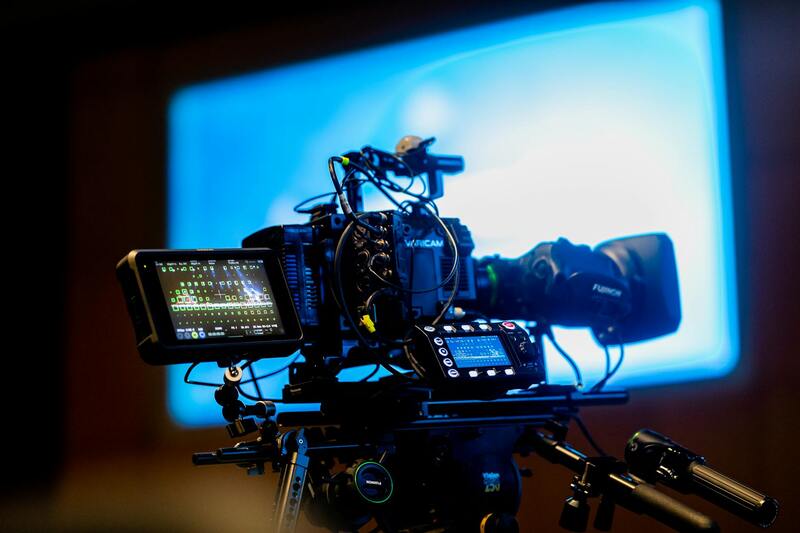
- Hardware Encoders: Devices like Teradek or Blackmagic Design offer high reliability and are preferred for high-profile events. They reduce latency and provide consistent quality, crucial for professional broadcasts.
- Software Encoders: Applications like OBS Studio or vMix are versatile and easier to update. They are fully customizable and fit a range of event sizes, from small seminars to large concerts.
Integrative Technologies for Enhanced Engagement
Enhancing live streams with features like real-time chat, polling, and interactive graphics often involves integration with content management systems and analytics platforms. These integrations foster audience participation, increase engagement, and provide valuable insights into viewer behavior, shaping future events for greater success.
Advanced Live Streaming Technologies for Professional Broadcasts
Implementing cutting-edge live stream event services requires a comprehensive understanding of advanced technologies that ensure seamless delivery and optimal viewer experience. Leveraging multi-bitrate streaming protocols such as HLS and DASH provides adaptive quality adjustments that cater to diverse device capabilities and network conditions, reducing buffering and improving stability across platforms. These protocols utilize segments of video data encoded at different qualities, allowing the streaming client to select the most appropriate stream dynamically.
RTMP remains a vital component in professional streaming workflows, especially during the initial stages where real-time data transmission from encoders to streaming servers is critical. While traditional for live feeds, RTMP's low-latency advantages continue to support high-quality content delivery, particularly when integrated with modern streaming paradigms. Encoders, whether hardware or software-based, are tailored to meet the specific needs of an event, balancing factors such as latency, reliability, and scalability.
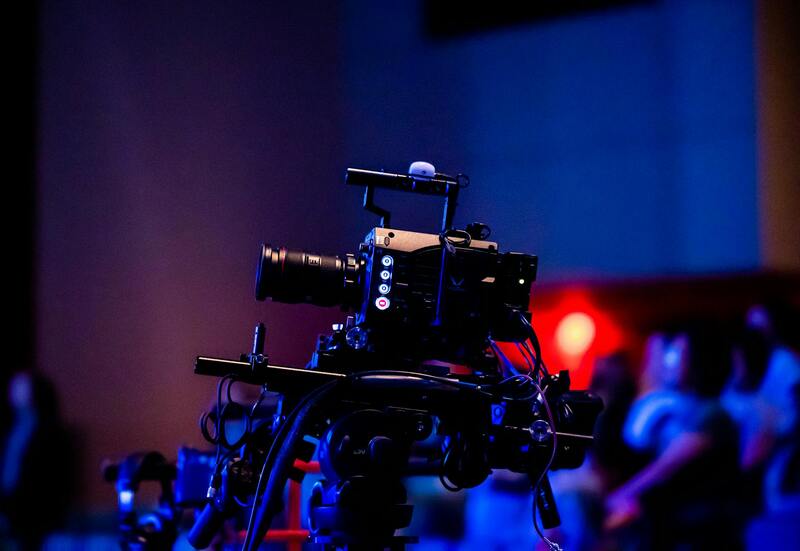
To elevate live stream quality, content providers incorporate advanced features like integrated real-time analytics, interactive overlays, and audience engagement tools. These enhancements are often embedded through sophisticated content management systems or custom APIs, enabling seamless viewer interactions through live chat, polls, or social media integration. Incorporating such dynamic elements boosts audience retention and creates a more immersive viewing experience.
High bandwidth and reliable network infrastructure underpin these innovative technological implementations. Additionally, employing geographic load balancing and content delivery networks (CDNs) ensures that viewers from all regions experience consistent quality, minimizing latency and buffering issues. For professional broadcasters, investing in the right combination of encoding hardware, streaming protocols, and delivery infrastructure is essential to meet the demanding expectations of an engaged online audience.
Optimizing Engagement Through Technology Integration
Advanced interactive features, such as synchronized chat functions, live viewer statistics, and on-screen graphics, foster immediate audience participation. These elements are often synchronized with the stream via sophisticated software, allowing broadcasters to adapt content in real time based on viewer responses. Furthermore, analytics platforms integrated into the streaming ecosystem provide valuable insights into viewer demographics, engagement levels, and content preferences, guiding future content strategy.
Developing a robust live stream event setup involves meticulous planning and testing of these technological integrations well before the event date. This proactive approach reduces potential technical hiccups and guarantees a polished delivery that aligns with the event's goals.
Innovative Solutions for Seamless Professional Broadcasts
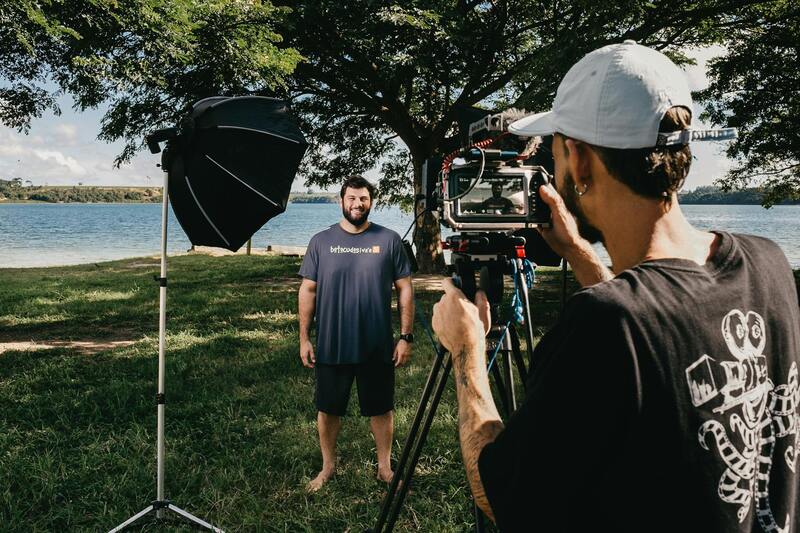
From multi-camera setups with synchronized feeds to multi-platform streaming, the hardware and software tools available today ensure high-quality vision delivery that resonates with professional standards. Using switchers, encoders, and overlay generators, production teams can craft a visually compelling and technically sound live broadcast that engages viewers from start to finish.
Planning and Coordination for a Live Stream Event
Successful live streaming hinges on meticulous planning and synchronization of several technical and logistical components. When preparing for a live stream, broadcasters must develop a comprehensive production timeline that includes equipment setup, content rehearsals, and contingency plans for potential technical issues. This timeline ensures that every element runs seamlessly on the day of the event, minimizing disruptions and maintaining a professional appearance. Coordination among the production team, hosts, and technical staff is crucial. Clear communication channels must be established well in advance to facilitate real-time troubleshooting and immediate responses to unforeseen circumstances. Designating roles within the team—such as camera operators, technical directors, and sound engineers—allows for efficient task execution and swift problem resolution. From a technical perspective, thorough testing of all equipment—cameras, microphones, encoders, and streaming hardware—is essential. This pre-event rehearsal mimics actual streaming conditions, helping identify potential issues and ensuring synchronization across different platforms and devices. It’s also advisable to conduct a test broadcast, which provides invaluable insights into stream latency, video and audio quality, and overall viewer experience. A critical facet of live stream planning involves content scheduling and audience engagement strategies. Having a detailed script or rundown ensures that the event stays within its allotted timeframe and that key messages are conveyed effectively. Simultaneously, integrating interactive elements such as live polls, Q&A sessions, and on-screen graphics can significantly boost audience participation. Furthermore, understanding the technical specifications of the streaming platforms being used helps optimize content delivery. Factors such as bitrate, resolution, and bandwidth requirements must be aligned with the capabilities of the production setup. Implementing adaptive bitrate streaming ensures the best possible quality for viewers across different internet speeds, preventing buffering issues. Pre-event communication with the audience is equally crucial. Announcing event details, providing links or access codes, and encouraging viewers to tune in helps maximize live viewership. Utilizing social media, email campaigns, and website announcements creates anticipation and sustains audience interest. Lastly, post-event analysis is an integral part of the coordination process. Reviewing analytics data—such as viewer count, watch time, and engagement metrics—offers actionable insights for future streams. Gathering feedback through surveys or direct comments can also help refine production techniques and content delivery for subsequent events. Overall, comprehensive planning and flawless coordination lay the foundation for a professional and engaging live streaming experience. Attention to detail, thorough testing, and strategic audience engagement all contribute to a memorable event that meets and exceeds expectations, fostering trust and increasing the likelihood of repeat viewership.
Integrated Services and Customization Options
When selecting a live stream event service, it is essential to consider the breadth of integrated solutions and customization opportunities offered by providers. Customized live streaming experiences often include advanced features such as multi-camera setups, which allow for dynamic switching between different angles and perspectives, creating a more engaging viewer experience. High-definition graphics, including on-screen titles, lower thirds, and branding overlays, can enhance the professionalism of the broadcast, making it appear polished and tailored to the event’s branding guidelines.
Furthermore, comprehensive service providers facilitate multi-platform distribution, ensuring that live content reaches audiences across various digital channels such as social media platforms, dedicated websites, and streaming portals. This multi-platform approach increases visibility and allows for targeted audience engagement at different touchpoints. Some providers also incorporate interactive features like live polls, Q&A modules, and chat overlays, which foster real-time interaction and community building during the event.

To ensure the highest quality broadcast, service providers often include technical configurations such as adaptive bitrate streaming, automated switching between video qualities based on viewer internet speed, and seamless integration with existing production infrastructure. These options not only optimize content delivery but also reduce latency and buffering issues, providing viewers with a consistently smooth experience regardless of their device or connection quality.
Advanced analytics and post-event reporting
beyond real-time viewership metrics, top-tier live stream services can offer detailed analytics post-event, providing insights into viewer behavior, engagement timelines, and platform-specific performance. Such data is crucial for refining future streaming strategies and improving content delivery.
Best Practices for Promoting and Engaging Audiences
Effective promotion of a live stream event is driven by strategic dissemination across multiple channels. Utilizing email campaigns, social media promotion, and dedicated landing pages ensures maximum event visibility. Creating teaser content, countdowns, and behind-the-scenes previews encourages anticipation and drives viewers to tune in at the scheduled time.
Active audience engagement during the live event can be fostered through real-time interactions such as live chat, polls, and Q&A sessions. These features make viewers feel involved and increase the likelihood of sustained attention. Additionally, post-event follow-up through thank-you messages, on-demand replays, and survey forms gathers valuable feedback and maintains engagement for future events.
Legal and Technical Considerations
Implementing a professional live streaming setup involves careful attention to copyright compliance, digital rights management, and adherence to content licensing agreements. Ensuring that all media used—such as music, videos, and images—is appropriately licensed is fundamental to a seamless, trouble-free broadcast.
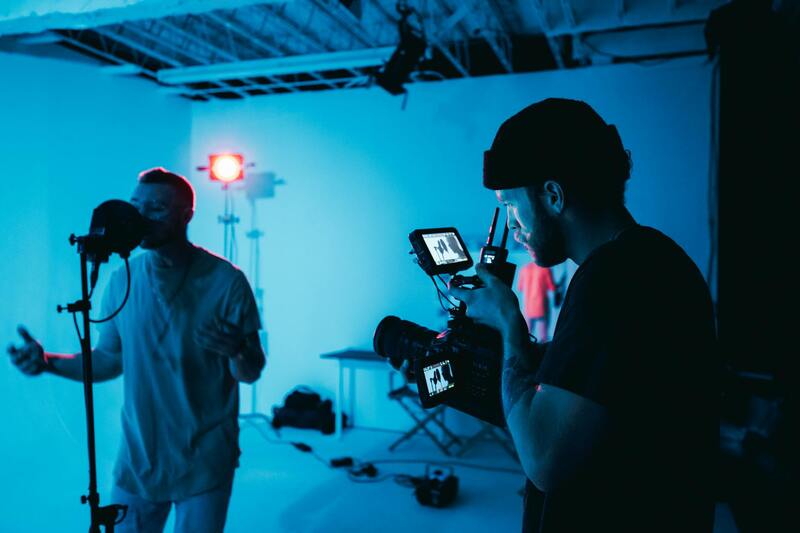
Technical preparations must include comprehensive testing of equipment, internet connectivity, and streaming platform configurations prior to the event. Backup plans, such as secondary internet connections and redundant hardware, are critical to mitigate potential disruptions. Maintaining clear communication with all stakeholders—including hosts, technical staff, and platform representatives—helps coordinate the smooth execution of the live event.
Legal and Technical Considerations
Executing a successful live stream event requires meticulous attention to technical execution and content management. Awareness and proper handling of content rights, licensing, and digital rights management are vital components to ensure a seamless broadcast. All media assets incorporated into the stream—such as background music, video clips, images, and branded content—must be verified for proper licensing to prevent any disruptions or copyright infringements that could compromise the event.
Technical preparedness is equally critical. Prior to the event, comprehensive testing of all equipment, including cameras, microphones, encoders, and streaming hardware, must be conducted to identify potential issues. Internet connectivity plays a pivotal role; a stable, high-bandwidth connection helps prevent buffering and lag, which can diminish viewer experience. To mitigate the risk of connectivity loss, leveraging backup internet sources or redundant hardware setups is advisable. These redundancies provide a safety net, allowing the event to proceed smoothly even if primary systems encounter problems.
Part of the technical planning involves configuring streaming platform settings, ensuring the chosen platform supports the required video quality, latency parameters, and interaction features. Proper setup also includes configuring delay buffers to prevent stream interruptions due to latency issues. All involved personnel—event hosts, technical staff, and platform moderators—must be aligned in communication protocols and troubleshooting procedures. Conducting rehearsals with a dedicated technical team helps identify potential bottlenecks or hardware failures, enabling swift resolution during the live event.
Having a clearly defined contingency plan is essential. This plan should detail scenarios such as power outages, internet disconnections, hardware failures, or streaming platform issues. Rapid response strategies, including switching to backup streams or alternative internet connections, safeguard the event’s continuity. Furthermore, establishing close communication channels with all stakeholders—such as platform support teams, technicians, and event coordinators—ensures coordinated responses to unforeseen difficulties, maintaining stream stability and viewer engagement.
Monitoring and Post-Stream Analysis
During the broadcast, real-time monitoring of stream health metrics allows technical teams to identify issues proactively. Indicators such as viewer count fluctuations, buffering incidents, and audio/video synchronization problems need immediate attention. Employing analytics tools provides insights into audience engagement and technical performance, informing future improvements.
After the event, a thorough review of technical logs and viewer feedback helps evaluate the overall success and identify areas for enhancement. Collecting data on stream quality, viewer participation, and engagement rates offers valuable lessons for planning subsequent live streams, ensuring continual refinement of technical strategies and content delivery.
Legal and Technical Considerations for Live Stream Event Services
Successfully executing a live stream event in Miami involves navigating a range of technical and legal considerations that ensure the broadcast runs smoothly and complies with necessary regulations. While leveraging off-the-shelf solutions can be convenient, a tailored approach that accounts for legal best practices and technical requirements is crucial for delivering professional-quality content and safeguarding your brand’s integrity.
Understanding Content Licensing and Rights Management
One of the foundational aspects of a live stream event involves ensuring all content used is appropriately licensed. This encompasses both visual and auditory elements, such as music, video clips, photographs, or proprietary branding materials. Acquiring the correct rights or permissions prevents potential disputes or interruptions during a broadcast, especially if copyrighted material is involved. It’s also vital to verify whether intellectual property rights extend to the particular region, especially when streaming across multiple jurisdictions.
Proper licensing not only protects the event from legal complications but also demonstrates professionalism and respect for creators’ rights, which can enhance the brand’s reputation among viewers and partners alike.
Compliance with Local Regulations and Broadcast Standards
Local regulations in Miami and broader Florida can influence how you structure your event. This includes adherence to safety protocols, data privacy laws, and broadcasting standards relevant to the geographical region. For example, compliance with the Federal Communications Commission (FCC) guidelines ensures that the broadcast does not interfere with other communications and meets technical standards.
Engaging with a local Miami-based production team familiar with state and municipal regulations can streamline this process. They can assist with necessary permits, coordinate inspections, and handle any compliance documentation required for the live stream, thus reducing potential disruptions or delays.
Technical Infrastructure and Connectivity Requirements
Beyond content and legal considerations, ensuring robust technical infrastructure is essential. A stable internet connection forms the backbone of any live streaming setup. High-speed, dedicated broadband with sufficient upload bandwidth minimizes buffering and latency issues during the broadcast. Redundant internet connections or failover systems provide backup options in case of primary connection failure, maintaining broadcast continuity.
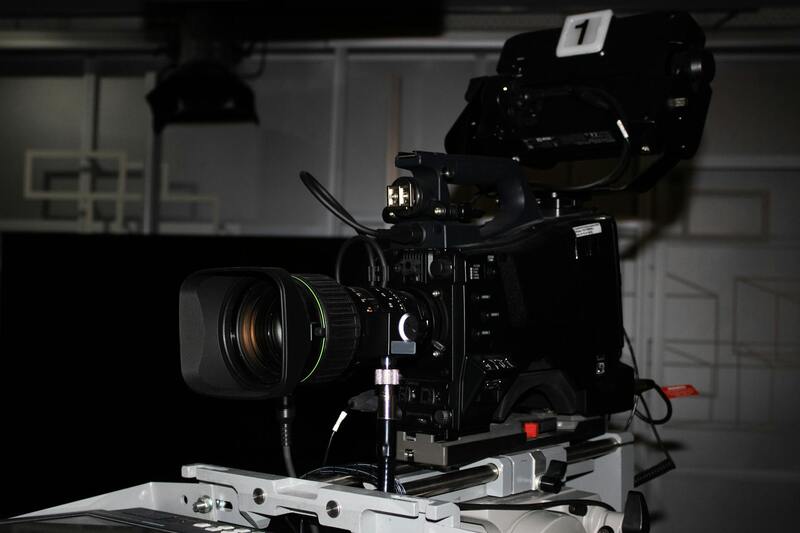
Hardware setup, including professional cameras, audio equipment, and streaming encoders, must be thoroughly tested and calibrated. Using high-quality equipment and skilled technicians reduces the risk of technical failures that could compromise viewer experience.
Data Security and Privacy Concerns
Managing audience data responsibly is increasingly important. Implementing secure streaming protocols, such as encryption and secure servers, safeguards against unauthorized access and data breaches. When capturing viewer information—such as registrations or interactive participation—it’s vital to adhere to privacy standards and transparency policies. Clearly communicating data handling practices assures your audience and reinforces trust.
Ensuring Accessibility and Technical Support
Providing accessible content for diverse audiences, including those with disabilities, enhances reach and inclusivity. Features such as closed captioning, sign language interpretation, or screen reader compatibility should be considered as part of a comprehensive technical plan.
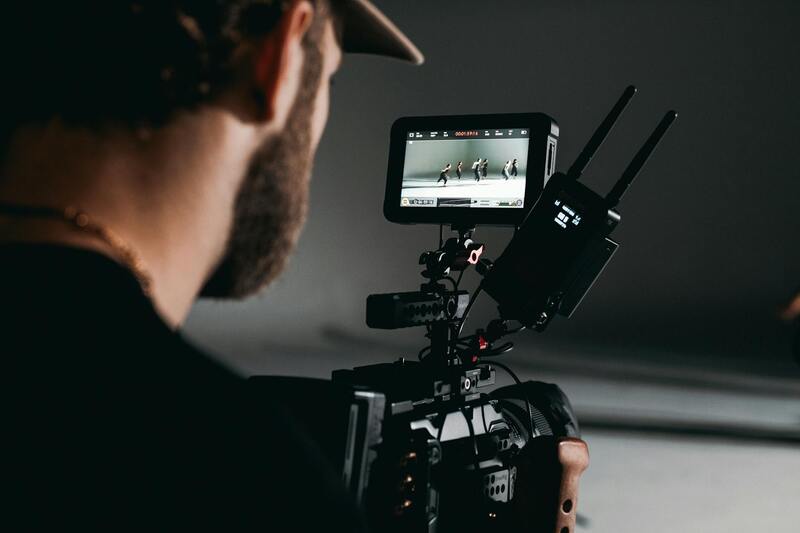
Additionally, deploying dedicated technical support during the live event ensures prompt resolution of any issues. A team of experienced professionals monitors the stream, manages technical equipment, and responds quickly to any unexpected challenges, preserving the event’s flow and quality.
Final Considerations for Compliance and Excellence
By carefully addressing licensing, regional regulations, connectivity, security, and accessibility, organizations can mitigate risks and deliver high-caliber live streaming experiences. Partnering with local Miami production experts offers the advantage of regional expertise, current knowledge of applicable regulations, and tailored technical solutions—contributing significantly to the success and professionalism of every live stream event.