
Understanding Event Live Streaming Services
Event live streaming services have revolutionized the way organizations, companies, and individuals broadcast their events to a global audience. These services encompass a range of advanced technologies and platforms designed to transmit live video content over the internet efficiently and reliably. They enable real-time broadcasting, allowing viewers from different locations to participate as if they are physically present at the event venue.
Key functionalities of professional live streaming services include high-definition video transmission, multiple camera setups, synchronized audio, real-time broadcasting overlays, and interactive features such as chat or Q&A sessions. These capabilities ensure that the broadcast maintains a professional quality, enhancing viewer engagement and experience. Additionally, live streaming services often come equipped with reliable content delivery networks (CDNs) that help distribute the stream seamlessly across various devices and internet connections, minimizing buffering and lag.
The primary benefits of leveraging live streaming services for different types of events are extensive. They include expanded reach beyond physical limitations, increased audience engagement through interactive content, real-time feedback, and the ability to archive events for future viewing. Whether it's a corporate webinar, a product launch, a concert, a religious service, or a conference, professional live streaming solutions provide a consistent, high-quality viewing experience that can boost visibility and audience interaction.
Types of Events Suitable for Live Streaming
- Corporate meetings and webinars
- Conferences and seminars
- Concerts and entertainment shows
- Religious services and spiritual gatherings
- Product launches and promotional events
- Educational workshops and training sessions
- Sports events and competitions
Key Features of Professional Live Streaming Solutions
Choosing a comprehensive live streaming service involves understanding its core features, which include:
- Multiple camera inputs for varied angles
- High-definition video quality (up to 4K)
- Stream encryption and secure delivery
- Flexible embedding options for websites and social media platforms
- Real-time analytics to track viewer engagement
- Reliable content delivery with minimal latency
- Technical support and event management expertise
Choosing the Right Live Streaming Service Provider
Selection involves assessing the provider’s experience, technical capacity, customization options, and customer support. An experienced provider will offer tailored solutions that match the specific needs of your event, ensuring a seamless broadcast. Additionally, verifying their reputation through client testimonials and case studies can help gauge their reliability and professionalism.
Technical Requirements for Successful Live Streaming
Properly executing a high-quality live streaming event requires attention to several technical aspects that ensure smooth delivery and viewer satisfaction. An integral component is robust internet connectivity, which must support high data transfer rates to prevent buffering or interruptions. For larger events, dedicated bandwidth or redundant internet connections are advisable to maintain uninterrupted service.
Equipment setup is another critical factor. This includes professional cameras capable of capturing multiple angles, high-quality microphones for clear audio, and encoder hardware or software that compresses and transmits the video feed efficiently. Combining multiple camera feeds into a cohesive stream allows for dynamic viewing experiences, similar to traditional broadcast productions.
Streaming platforms or servers are the backbone of live events. Choosing a service with scalable infrastructure ensures capacity aligns with audience size. It’s equally important to verify that the platform supports flexible embedding options, social media integration, and adaptive streaming technology, which adjusts video quality automatically based on viewer bandwidth.
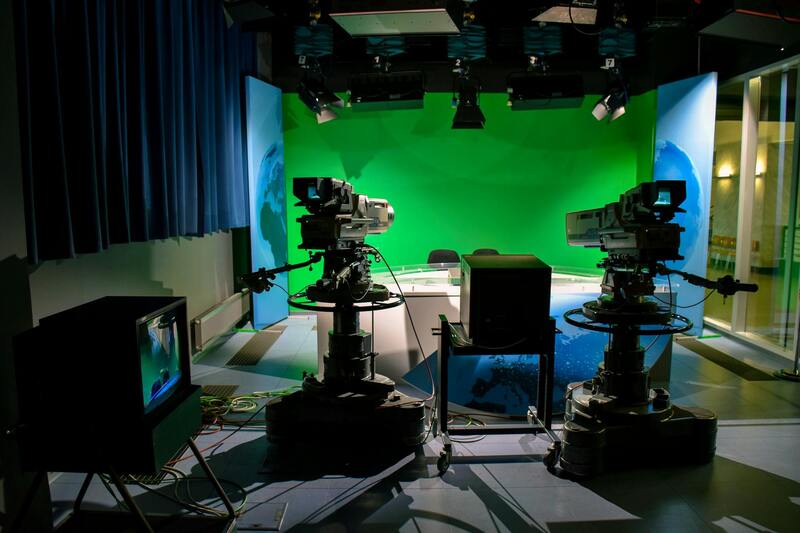
Additionally, implementing content delivery networks (CDNs) enhances global accessibility by distributing the stream across multiple servers geographically, reducing lag and ensuring consistent quality regardless of viewer location. Prior testing of all equipment and internet connections before the event is essential to troubleshoot potential issues and uphold a frictionless broadcast.
Security measures such as stream encryption and access controls protect the content from unauthorized viewing, especially important for private or branded events. Incorporating real-time analytics provides insights into viewer engagement, enabling organizers to make on-the-fly adjustments and gather metrics for future planning.
Understanding Event Live Streaming Services
Event live streaming services provide a comprehensive solution for broadcasting live events to a broad online audience, ensuring real-time engagement and enhanced visibility. These services encompass a range of technical elements, including high-definition video capture, reliable internet connectivity, encoding hardware or software, and content delivery networks (CDNs) that distribute the broadcast globally. By utilizing professional-grade equipment, organizers can deliver smooth, high-quality streams that accurately represent their events, from conferences and corporate meetings to concerts and sports competitions.
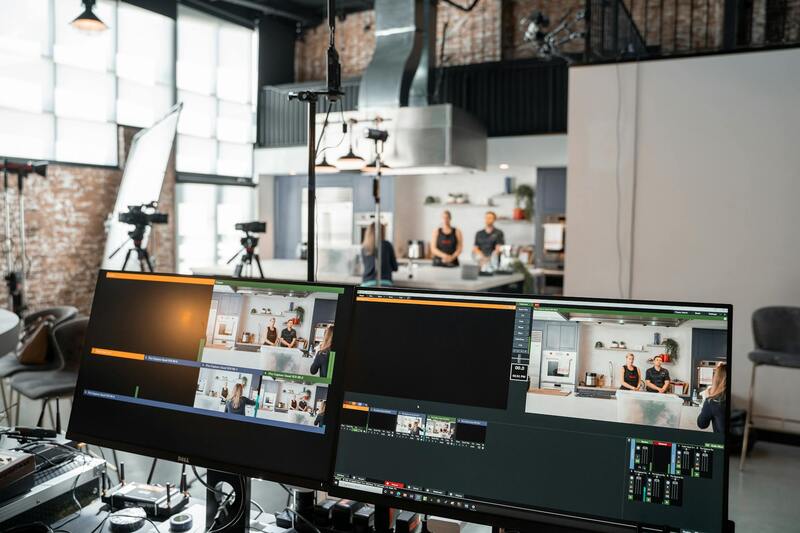
Choosing an appropriate platform involves assessing the infrastructure to handle varying audience sizes efficiently. Scalability ensures the service can adapt to sudden spikes in viewer count without compromising stream quality. Features like adaptive bitrate streaming automatically adjust video quality based on each viewer's internet bandwidth, providing a seamless experience regardless of location or device. Moreover, streaming services should support integrations with social media channels, enabling broader sharing and interaction during live broadcasts. Security protocols such as stream encryption and access controls are also vital for safeguarding sensitive content, especially for private or branded events. Technical preparedness, including pre-event testing of equipment and internet stability, plays a crucial role in avoiding disruptions. Overall, the infrastructure and support offered by the service significantly influence the success of a live event, making it essential to select a provider that aligns with technical demands and audience expectations.
Types of Events Suitable for Live Streaming
Virtually any event that benefits from wide outreach, real-time interaction, or remote observation can be effectively broadcast using event live streaming services. Corporate conferences, product launches, and seminars are prime candidates, providing expansive reach and audience engagement beyond physical location constraints. Entertainment events such as music concerts, festivals, and theater performances also leverage live streaming to connect with larger audiences that might not be able to attend in person. Sporting events, including matches and tournaments, utilize high-bandwidth streaming to deliver live action with minimal latency, enhancing the viewer experience.
Educational institutions increasingly adopt live streaming for lectures, workshops, and graduation ceremonies to involve remote participants and alumni. Religious gatherings, community celebrations, and charity events benefit from virtual attendance options, expanding their community impact. Additionally, private corporate events, such as board meetings or investor presentations, utilize secure streaming channels for confidential dissemination to authorized viewers. With the continuous evolution of streaming technology, even smaller or niche events can reach targeted audiences efficiently, offering versatile solutions suited to various goals and scales.
Understanding Event Live Streaming Services
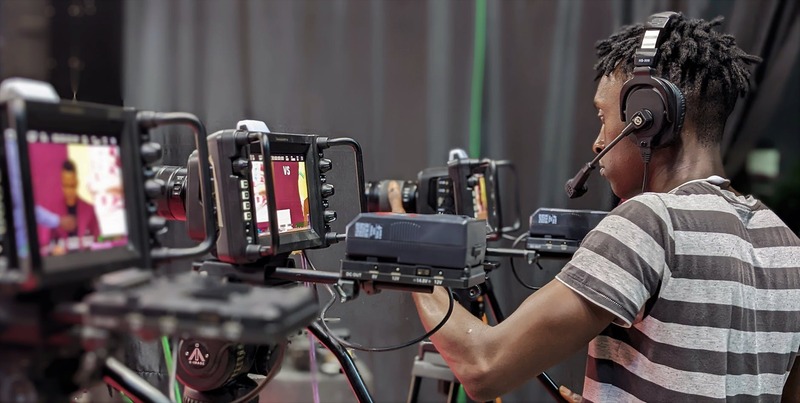
Event live streaming services involve the utilization of advanced broadcasting technologies to transmit live footage of events over the internet to remote viewers. These services are critical in extending the reach of any event beyond physical boundaries, allowing participants who cannot be present in person to engage in real time. They include comprehensive solutions that handle various aspects such as camera setup, audio management, encoding, streaming platform integration, and audience interaction tools. Professional live streaming providers typically employ multiple high-definition cameras, professional audio equipment, and reliable internet connections to ensure seamless transmission. Additionally, these services often incorporate features like multi-platform streaming, real-time chat, and interactive polls to enhance viewer engagement. Leveraging the expertise of experienced technicians and production teams guarantees that live broadcasts are of high quality, with minimal latency and interruption, thereby providing a smooth, immersive experience for the audience. As businesses, organizations, and event organizers increasingly recognize the importance of virtual accessibility, professional event live streaming services have become indispensable for effectively reaching diverse and widespread audiences, maximising engagement and impact.

Core Components of Professional Live Streaming Solutions
- High-Quality Video Cameras: Multiple cameras provide versatile angles and comprehensive coverage of the event, ensuring dynamic and engaging visuals.
- Audio Equipment: Clear sound capture through professional microphones and audio mixers is essential for delivering an immersive experience.
- Encoding and Streaming Hardware: Robust encoding devices convert video feeds into digital streams optimized for various platforms and devices.
- Reliable Internet Connectivity: High-bandwidth internet ensures uninterrupted streams, reducing latency and buffering issues.
- Platform Integration: Compatibility with streaming platforms such as YouTube Live, Facebook Live, or custom portals extends reach and facilitates audience interaction.
- Monitoring and Support: Continuous oversight during broadcasts helps promptly address technical issues, maintaining broadcast quality.
In addition to hardware, a professional live streaming service often includes professional editing, graphics, and overlay integration to improve the presentation quality. For events with large audiences or critical timings, redundant streaming paths and backup systems are also deployed to guarantee reliability. The combination of these elements ensures that the live event is broadcast seamlessly, providing a consistent, high-quality viewing experience regardless of viewer location or device.
Technical Requirements for Successful Live Streaming
Executing a high-quality live streaming event relies heavily on meticulous technical preparation and resource management. Ensuring all necessary components function harmoniously is vital to deliver a seamless broadcasting experience that engages viewers and maintains professionalism. One fundamental aspect is internet connectivity. Live streams demand consistent high-bandwidth internet connections with low latency. To minimize disruptions, event organizers should consider dual internet lines, such as fiber optic and LTE backup connections, to switch seamlessly in case of primary network failure.

Audio-video synchronization is another critical element. This involves using professional mixing consoles, high-quality microphones, and calibrated cameras to ensure sound and visuals are perfectly aligned. Any discrepancy can distract viewers and diminish the event’s perceived professionalism. Additionally, employing reliable encoding hardware that supports multiple streaming protocols helps optimize video quality across various devices and platforms.
Equipment calibration and testing are essential stages before the event. Conducting dry runs allows technicians to troubleshoot potential issues, confirm signal integrity, and verify connectivity. For complex productions, deploying multiple cameras, switchers, and graphics overlays necessitates careful planning and experienced operators to manage transitions efficiently during live broadcasts.
Efficient stream management also involves implementing robust streaming platforms capable of handling peak concurrent viewers without degradation in quality. These platforms should support adaptive bitrate streaming, allowing the stream to adjust dynamically based on viewer bandwidth, thus reducing buffering and providing a consistent viewing experience. It's equally important to have dedicated technical staff available throughout the event to monitor stream health, troubleshoot in real time, and communicate with viewers if needed.
Additional Technical Considerations
- Video Resolution and Frame Rate: Choosing appropriate settings ensures clarity without exceeding bandwidth capacities. Typically, 1080p at 30fps is optimal for most events, while 4K streaming may be suitable for high-profile occasions.
- Graphics and Overlays: Incorporating dynamic overlays, lower thirds, and branding elements enhances visual engagement and professional appearance. These should be integrated smoothly to avoid latency issues.
- Monitoring Tools: Using dedicated monitoring software allows real-time tracking of stream performance metrics such as latency, bitrate, and packet loss. Immediate alerts enable quick responses to potential problems.
By attending to these technical requirements, event organizers can mitigate common streaming challenges and deliver broadcasts that meet professional standards. Proper planning, quality equipment, and expert oversight contribute significantly to capturing the event’s essence while providing viewers with a compelling, uninterrupted experience.
Understanding Event Live Streaming Services
Event live streaming services provide a comprehensive platform for broadcasting live events over the internet to a broad audience. These services encompass everything from encoding and transmission to viewer engagement tools and content delivery networks (CDNs). Utilizing professional live streaming providers involves high-quality video capture, robust encoding hardware, and reliable CDN integration to ensure seamless delivery. They also offer features such as multi-camera support, real-time chat, live captions, and audience analytics, all tailored to maximize engagement and reach. For event organizers aiming to extend their reach beyond physical boundaries, partnering with experienced service providers ensures a consistent and high-caliber viewing experience, reflecting the event’s professionalism and significance.
Types of Events Suitable for Live Streaming
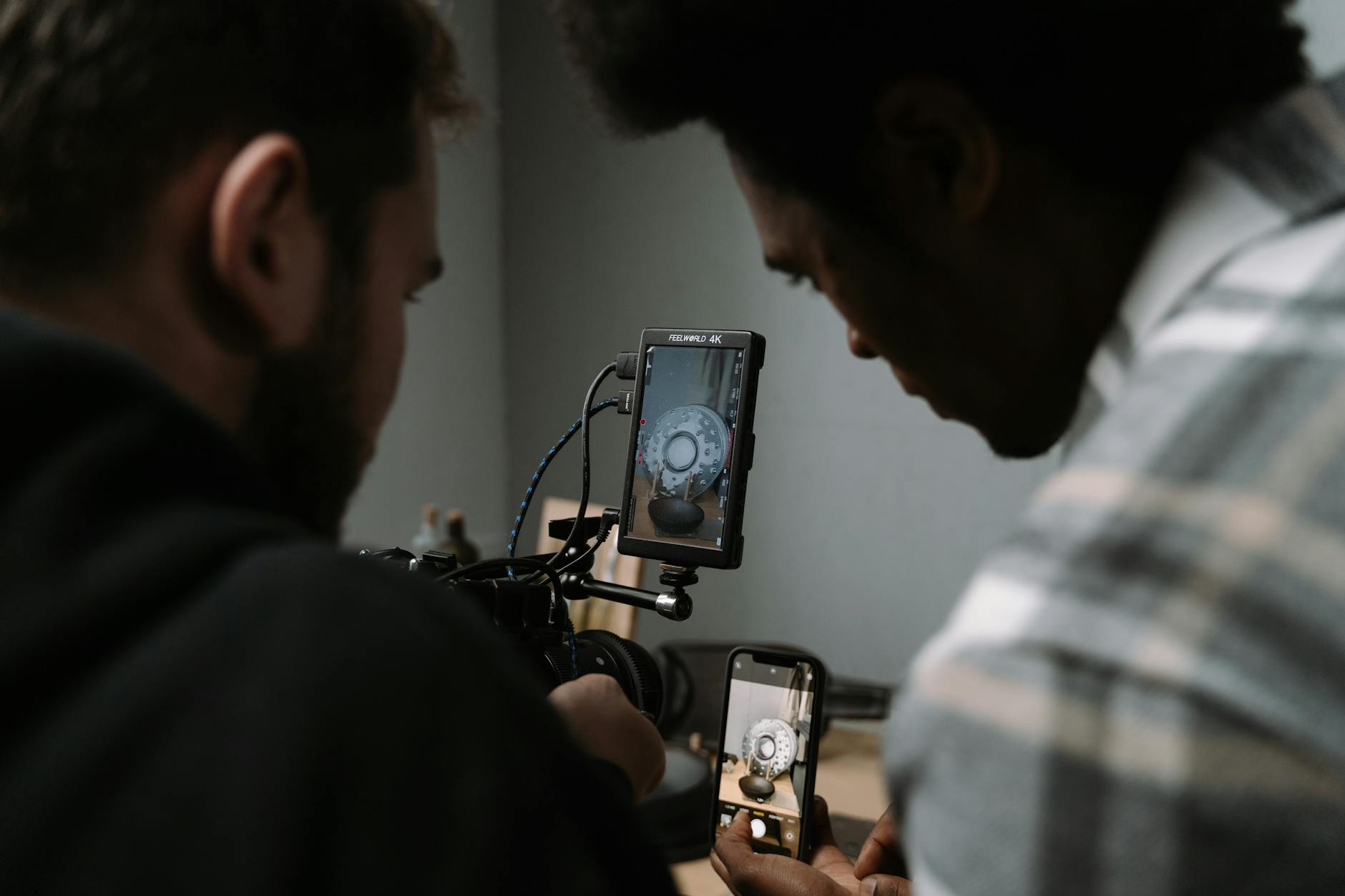
Various event types benefit significantly from professional live streaming solutions. Corporate conferences, product launches, and seminars leverage live streams to expand their audience, facilitate remote participation, and generate real-time feedback. Entertainment events such as concerts, festivals, and award shows also utilize professional streaming to deliver immersive experiences with high visual and audio fidelity. Educational institutions and training sessions broadcast workshops or lectures to ensure wider accessibility and record-keeping for future reference. Additionally, religious gatherings and community events find live streaming invaluable in fostering inclusivity and engagement with congregants or members unable to attend physically. The key is to match production quality to the event's scale and intended audience, ensuring every broadcast maintains clarity and professionalism.

Key Features of Professional Live Streaming Solutions
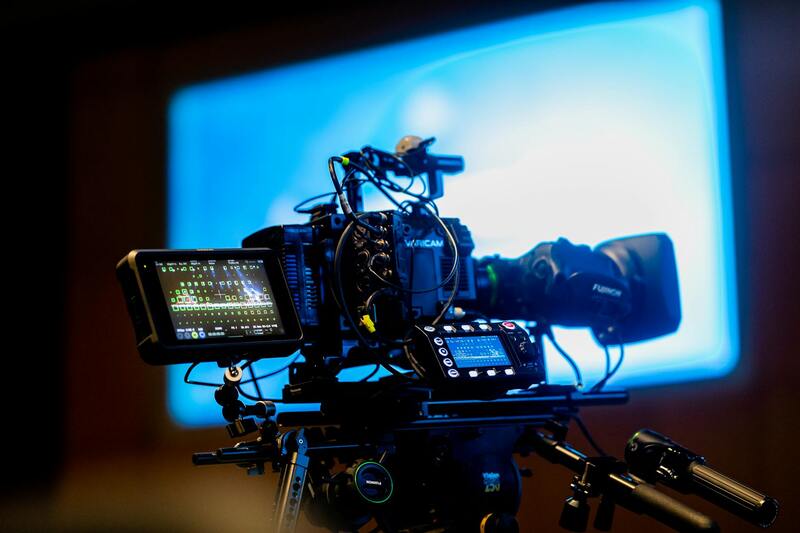
When selecting professional live streaming services, understanding core features that ensure a successful broadcast is essential. Adaptive bitrate streaming dynamically adjusts video quality based on viewers' internet speeds, preventing buffering and lag. Multi-platform compatibility guarantees that content can be delivered across various devices, such as smartphones, tablets, and desktop computers. High-resolution output options, including 1080p and 4K, provide crisp visual quality indispensable for high-profile events. Additionally, integrated graphics and overlays add branding and informational elements seamlessly. Real-time analytics tools allow organizers to monitor viewer engagement, stream health, and technical performance, facilitating immediate adjustments if necessary. Robust security measures protect the stream against unauthorized access or interruptions. Customer support from experienced technical teams ensures quick troubleshooting, minimizing disruptions during the event.
Choosing the Right Live Streaming Service Provider
Selecting an appropriate live streaming service involves evaluating several critical aspects. First, assess the provider’s technical expertise and experience in handling events similar to yours. A track record of reliable, high-quality streams during live events indicates their capability to manage complex setups. Next, consider the scalability of their infrastructure—can they support your expected viewership numbers without compromising quality? Compatibility with multiple streaming platforms and devices is also vital to reach diverse audiences. Cost structures should be transparent, covering equipment, bandwidth, and additional technical support. Finally, evaluate customer service responsiveness and post-event analytics reporting, which aid in refining future broadcasts. Opting for a local Miami-based provider offers advantages such as quicker on-site support, familiarity with local venues, and the ability to tailor solutions to regional market requirements.

Technical Requirements for Successful Live Streaming
Ensuring a seamless live streaming experience demands comprehensive technical preparations tailored to the specific needs of each event. A fundamental component is a high-bandwidth internet connection with robust upload speeds, capable of handling the video feed in real-time without buffering or lagging. In Miami, where venue connectivity can vary, working with local providers to establish dedicated internet lines or backup connections is advisable to mitigate potential disruptions.
In addition to internet stability, selecting appropriate streaming platforms that align with the event’s scale and audience engagement goals is crucial. Platforms should support adaptive bitrate streaming to accommodate viewers with different internet speeds, ensuring a consistent viewing experience across devices. Multi-camera setups, professional-grade streaming equipment, and reliable encoders are essential for capturing high-quality video feeds that meet viewing expectations.

Properly configured audio systems that deliver clear sound are equally important, as poor audio quality can detract significantly from the viewer experience. Lavalier microphones, sound mixers, and noise-canceling headphones help achieve crisp audio and reduce feedback or background noise.
Venue-specific considerations include optimal camera placement to capture key moments, adequate lighting setups to enhance video clarity, and ensuring power sources and backup generators are available to prevent interruptions. In Miami venues, coordinating with event managers and technical crews familiar with local infrastructure simplifies the seamless integration of these technical elements.
Pre-event testing is indispensable. Conducting comprehensive dry runs allows technical teams to verify internet stability, audio-visual synchronization, and platform compatibility. This proactive approach minimizes potential issues during the live broadcast and ensures all equipment functions as intended.
Understanding Event Live Streaming Services
Event live streaming services provide a comprehensive solution for broadcasting live events across digital platforms, enabling audiences to experience moments in real time regardless of their physical location. These services integrate high-quality video and audio capture, robust encoding, and reliable transmission methods to ensure a seamless viewing experience. Professional providers utilize advanced technology, including multi-camera setups, encoders, and CDN distribution, to deliver crisp, interruption-free broadcasts that meet the expectations of both organizers and viewers.
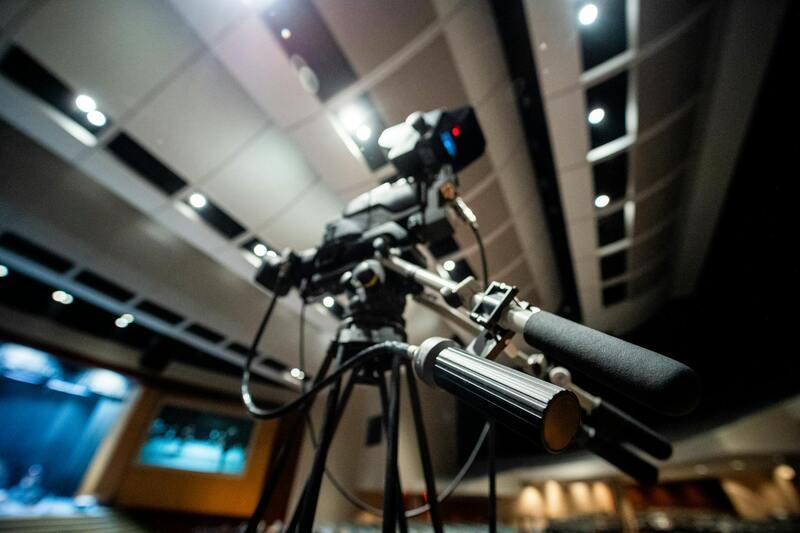
When selecting an event live streaming service, it's critical to evaluate the application's technical infrastructure, including latency management, scalability, and security measures. A professional service team offers end-to-end support—covering pre-event planning, setup, live broadcasting, and post-event analytics. These services often support multiple streaming platforms simultaneously, such as Facebook Live, YouTube, and custom web portals, providing organizers with maximum reach and engagement opportunities.
Types of Events Suitable for Live Streaming
Many different event categories benefit from live streaming, including corporate conferences, concerts, sports tournaments, workshops, trade shows, and religious gatherings. These events typically involve large audiences seeking real-time updates, exclusive content, or behind-the-scenes access. Virtual events and hybrid formats—combining in-person and online participation—are increasingly prevalent, offering flexibility and extended engagement for diverse attendee demographics.
Unique considerations for each event type include:
- Corporate Conferences: Require high-quality audiovisual equipment with multiple camera angles for panel discussions and keynote speeches.
- Concerts and Performances: Utilize specialized audio gear and lighting setups to capture the ambiance and energy of live performances.
- Sports Events: Demand ultra-reliable streaming with multi-angle coverage and high bandwidth to support large concurrent viewers.
- Workshops and Training: Benefit from interactive elements such as Q&A sessions and live polling integrated into the broadcast.
Key Features of Professional Live Streaming Solutions
Effective live streaming solutions are distinguished by features such as adaptive bitrate streaming, multi-platform support, real-time analytics, and integrated chat functionality. These elements ensure a consistent viewer experience across devices and facilitate audience engagement. Additionally, professional providers implement redundant infrastructure—backup internet connections, power supplies, and failover systems—to prevent broadcast interruptions.
Professional Equipment and Software
- High-definition cameras and switchers for dynamic visuals
- Advanced audio mixers and microphones for clear sound capture
- Reliable encoders configured for low latency transmission
- Secure content delivery networks (CDNs)
Choosing the Right Live Streaming Service Provider
When selecting a provider, assessing their technical expertise, industry experience, and client testimonials is crucial. A proficient provider offers customized solutions tailored to the event’s unique requirements, whether it’s a large-scale public gathering or a targeted corporate event. Transparent pricing, clear project timelines, and dedicated customer support further influence the overall success of the live stream.
Key Considerations for Selection
- Technical proficiency with relevant equipment and platforms
- Flexibility in handling different event formats
- Ability to scale services based on audience size
- Effective communication and project management

Benefits of Hiring a Local Miami Production Agency
Partnering with a Miami-based production agency offers distinct advantages, including familiarity with local venues, vendors, and infrastructure, which streamlines planning and execution. Local agencies have established relationships with venue technical teams and access to regional equipment providers, speeding up setup times and reducing logistical complexities. Moreover, they understand Miami’s vibrant event culture and can adapt strategies accordingly, ensuring your broadcast aligns with audience expectations and regional trends.
Localized Expertise
- Knowledge of venue-specific technical considerations
- Access to regional equipment rental options
- Understanding of local audience engagement preferences
- Ability to coordinate with onsite staff efficiently
Cost Factors and Budgeting for Live Streaming Events
Factors influencing the overall cost include event duration, streaming quality requirements, platform choice, number of cameras, and added features such as real-time graphics or interactive chat modules. Equipment rentals, technical staffing, post-production editing, and contingency planning contribute to budgeting considerations. Investing in quality ensures a professional broadcast that enhances brand image and audience satisfaction.
Budget Planning Tips
- Prioritize essential technical elements aligned with your event goals.
- Factor in potential additional costs for technical support and contingency measures.
- Compare multiple service providers based on scope and pricing.
- Allocate for post-event analytics to assess reach and engagement.
Technical Requirements for Successful Live Streaming
To achieve a high-quality live event broadcast, meticulous technical planning is essential. Key requirements include robust internet connectivity with sufficient upload bandwidth, professional-grade streaming equipment, and backup systems to mitigate unforeseen disruptions. Proper venue setup encompasses optimal camera placement for comprehensive coverage, effective lighting to enhance video quality, and sound systems that deliver clear audio without feedback or noise interference.
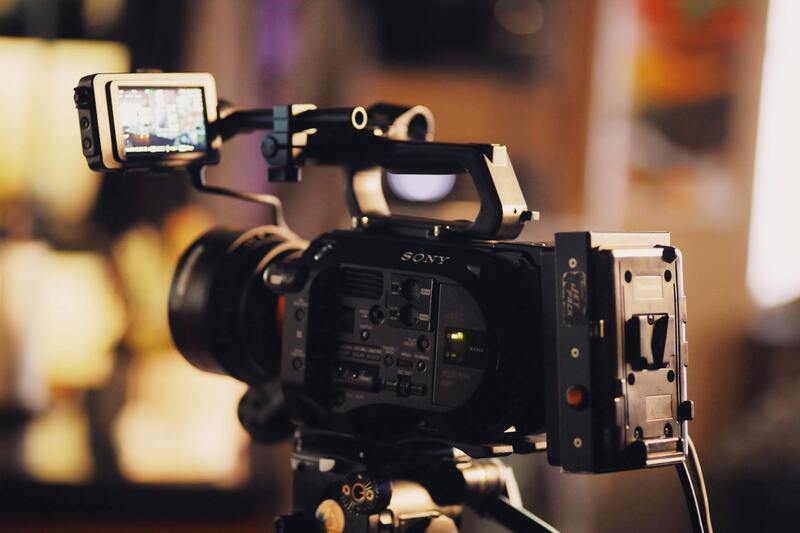
Pre-event testing cannot be overstated. Conduct thorough dry runs to verify internet stability, audio-visual synchronization, and platform compatibility. These preparations allow technical teams to troubleshoot issues proactively, minimizing risks and ensuring a smooth broadcast that meets professional standards. Incorporating backup power supplies and redundant internet connections further safeguards against interruptions, maintaining broadcast continuity throughout the event.