
Understanding Live Video Production
Live video production is an intricate process that transforms a planned event into a real-time visual experience. It involves a combination of meticulous planning, advanced technical equipment, and seamless execution to deliver high-quality live broadcasts across various platforms. In Miami, where events range from corporate conferences to cultural festivals, the demand for professional live video production services continues to grow, underscoring its vital role in engaging audiences and expanding reach.
At its core, live video production encompasses several essential components. The initial phase involves comprehensive pre-event planning, where the objectives, target audience, and desired outcomes are clearly defined. This stage includes scouting the venue, establishing the production timeline, and determining the specific broadcast format. Proper planning ensures synchronization among all team members and minimizes unforeseen challenges during the event.
Equipment selection and setup are equally critical. Modern live production relies on high-definition cameras, professional audio systems, switching consoles, and reliable streaming solutions. The integration of these elements enables producers to capture multiple angles, manage different audio feeds, and create engaging visual transitions in real-time. The execution phase is where all elements come together, requiring technical expertise to monitor, troubleshoot, and adapt swiftly as the event unfolds.
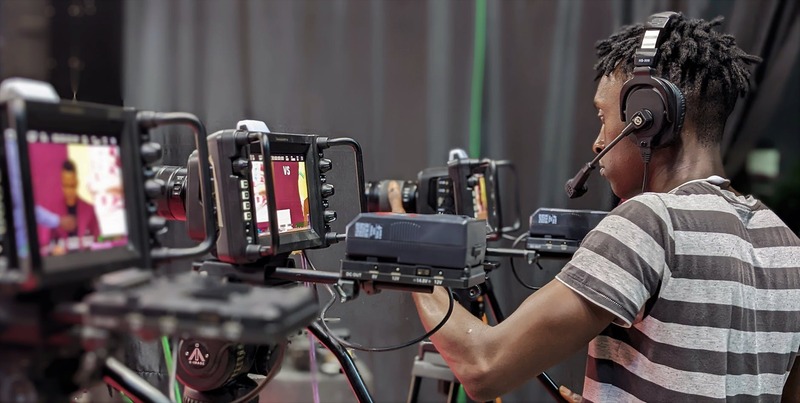
In addition to technical prowess, a successful live video production demands effective coordination among the crew members, including camera operators, director, sound technicians, and streaming specialists. Their collaboration ensures that the broadcast runs smoothly, maintains high visual and audio quality, and responds appropriately to live scenarios. Whether broadcasting a corporate seminar or a music festival in Miami, the importance of a well-executed live production cannot be overstated, as it directly influences audience engagement and event success.
Technical Equipment and Setup
Implementing high-quality live video production hinges on the deployment of sophisticated technical equipment tailored to meet the specific demands of each event. The core components include high-definition camera systems capable of capturing crisp visuals from multiple angles, allowing for dynamic framing and comprehensive coverage. These cameras often employ SDI or HDMI outputs, ensuring seamless integration with switching consoles and streaming hardware. Complementing the video feed, professional audio systems are critical to produce clear, balanced sound that enhances viewer engagement without distortion or background noise.
Switching consoles serve as the central hub for managing multiple video sources, enabling directors to execute smooth transitions, visual effects, and picture-in-picture overlays in real-time. These systems range from compact, portable units to large-scale setups equipped with multi-layer switching capabilities, depending on the event size. In addition, broadcast robotics and remote camera systems can extend the production footprint, especially when capturing hard-to-reach areas or adding dynamic perspectives.
For live streaming, reliable encoding hardware is essential to compress video streams effectively while maintaining minimal latency. Many productions utilize dedicated hardware encoders or advanced software solutions integrated into streaming platforms. This equipment ensures that the live broadcast is stable, with minimal buffering or interruptions, across various operating systems and internet infrastructures.
Supporting all these core devices are extensive cabling infrastructures, power supply redundancies, and signal management tools. Proper setup involves meticulous cable routing, testing, and calibration to prevent interference and signal loss. Technical personnel must also configure multicast or unicast streaming protocols, optimizing bandwidth usage based on the expected viewer count and internet connectivity of the venue.
Technical Equipment and Setup
Executing a successful live video production hinges critically on the deployment of top-tier technical equipment, which must be tailored to the specific needs of each event. Essential components include professional-grade cameras, audio capture devices, switchers, and streaming hardware. High-definition cameras with various lenses allow for diverse shot compositions, ensuring a dynamic visual experience that engages viewers. Simultaneously, high-fidelity microphones and audio mixers are employed to capture and regulate sound quality, eliminating extraneous noise and balancing audio levels for clarity.
Most live productions utilize multi-channel video switchers that enable real-time editing, picture-in-picture effects, and transitions, providing a polished broadcast appearance. These switchers are capable of handling multiple video feeds from different cameras, facilitating smooth switching and layering of visual content.
For capturing and transmitting live streams, encoders are indispensable. Hardware encoders are preferred for their reliability and minimal latency, seamlessly converting raw video data into compressed streams compatible with various streaming platforms. Software-based encoders may be used in more flexible settings but often require robust processing power and network stability.
Furthermore, comprehensive cabling infrastructure ensures stable signal flow between cameras, audio equipment, and streaming devices. Proper cable management is critical to prevent signal interference and physical damage, particularly in high-traffic event environments. Backup power supplies—such as uninterruptible power supplies (UPS)—are also integral to maintaining uninterrupted broadcast continuity in case of outages.
Supporting equipment includes monitor displays for real-time feeds, intercom systems for team communication, and signal distribution amps to extend coverage across large venues. Technical teams meticulously set up and calibrate all gear, conducting pre-event tests to confirm operational integrity and resolve issues proactively.
Ensuring Streaming Integrity with Reliable Connectivity and Data Security
Maintaining a high-quality live video stream extends beyond equipment and production personnel; it hinges critically on the stability and security of the data transmission pathways employed during the broadcast. Utilizing dedicated, high-bandwidth internet connections minimizes the risk of interruptions, latency issues, or quality degradation. These connections often involve fiber optic lines or leased line services designed for enterprise-level throughput, ensuring that streams are delivered smoothly and without interruption.
Moreover, the integration of advanced network infrastructure, such as load balancers and routing protocols, helps manage data flow efficiently, reducing latency and preventing overloads. Network redundancy is equally vital; employing multiple internet service providers (ISPs) with automatic failover capabilities guarantees continuous streaming even if one connection experiences issues. This setup minimizes the risk of dropped feeds and maintains a seamless viewer experience.

Security measures are paramount for protecting the stream and associated data. Implementing robust encryption protocols, such as Secure Real-Time Transport Protocol (SRTP) and Transport Layer Security (TLS), safeguards the data against unauthorized access or interception during transmission. Firewalls and intrusion detection systems (IDS) are employed to monitor network activity and prevent malicious intrusions that could disrupt the broadcast or compromise sensitive information.
In terms of operational security, secure login credentials and dedicated network segments for live video production systems further isolate live feeds from potential cyber threats. Routine security audits and updates ensure that the entire infrastructure remains resilient against emerging vulnerabilities. These practices protect both the live content and the integrity of the production environment, reinforcing trust with clients and audiences alike.
Additionally, employing advanced content delivery networks (CDNs) optimizes the distribution of live videos, especially when reaching global audiences. CDNs reduce latency by caching streams at multiple edge locations worldwide, providing faster access and reducing the risk of buffering or lag. This technology ensures that viewers, regardless of geographical location, experience a consistent, high-quality transmission.
Overall, the combination of high-performance network infrastructure, rigorous security protocols, and content distribution strategies forms a comprehensive approach to delivering reliable, secure, and professional live video streams. These measures support the seamless broadcasting of live events while protecting the integrity of the data and preserving the viewer's experience at every stage of the production process.
Technical Equipment and Setup
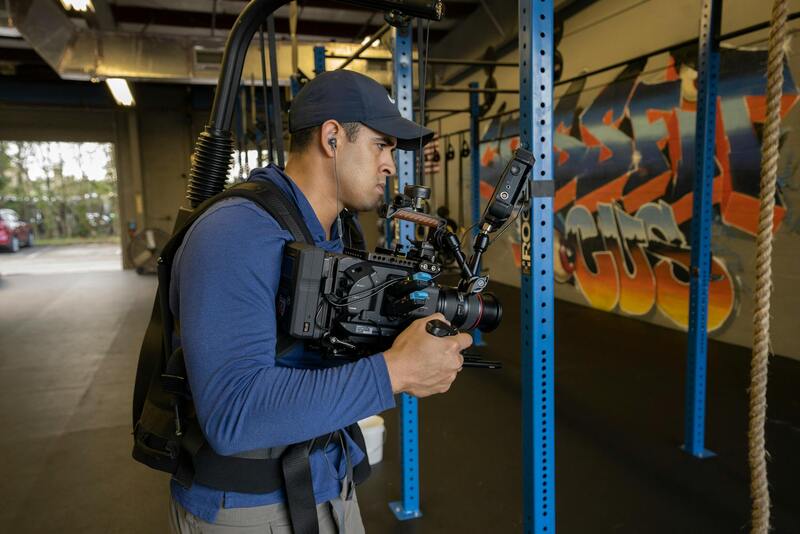
Executing a professional live video production requires a comprehensive understanding of the essential technical equipment and setup procedures. High-quality cameras form the backbone of any successful broadcast, with choices ranging from broadcast-grade PTZ (pan-tilt-zoom) cameras to handheld and robotic units, depending on the scope of the event. These cameras need to be configured for optimal lighting, focus, and framing to capture each moment with clarity and precision.
Supplementing the cameras are audio systems that must deliver clear, balanced sound to ensure the audience experiences the event as if they were physically present. This includes professional microphones, audio mixers, and wireless systems that facilitate mobility while maintaining audio integrity. Proper sound engineering plays a crucial role in preventing issues such as feedback, distortion, or background noise.
Switching and Streaming Hardware
At the heart of live video production are video switchers capable of seamless transitions, picture-in-picture effects, and overlays. These devices enable live switching between multiple camera feeds, ensuring a cohesive broadcast. Coupled with high-capacity encoders, the switchers transmit the live feed to streaming platforms or broadcast channels with minimal latency.
Encoder hardware must support various streaming protocols, enabling adaptions to different internet speeds and ensuring smooth delivery of the live stream. Modern encoders often incorporate multi-bitrate streaming capabilities, allowing viewers to access optimized streams for their device and network conditions.
Network Infrastructure for Reliable Broadcasts
Robust network infrastructure is essential to prevent interruptions during live broadcasts. This involves dedicated bandwidth, redundant internet connections, and advanced network traffic management to avoid congestion. Network security measures, such as firewalls and encrypted data transmission, safeguard the live feed from interference or unauthorized access.

Content Delivery and Distribution
Content delivery networks (CDNs) are employed to optimize the distribution of live streams across the globe. CDNs cache content at multiple geographically dispersed locations, reducing latency and buffering issues. This infrastructure ensures that viewers in different regions experience consistent high-quality streams, which is crucial for international events or large-scale broadcasts.
Implementing adaptive bitrate streaming helps cater to diverse internet speeds, automatically adjusting the quality of the video feed based on real-time network conditions. This combined approach ensures that the stream remains uninterrupted, maintaining professionalism and viewer satisfaction.
Technical Equipment and Setup
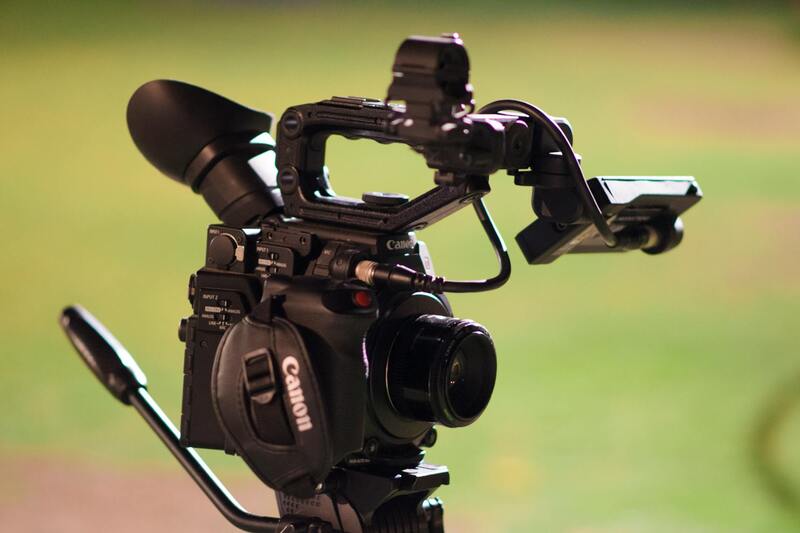
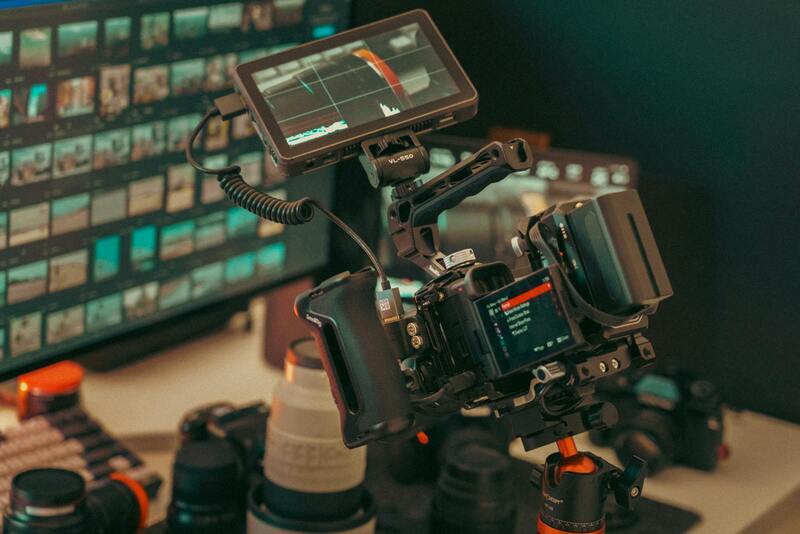
Implementing the right technical equipment is fundamental to achieving seamless live video production. The core components typically include high-definition cameras, professional audio systems, reliable streaming encoders, and a robust switcher or mixer to manage multiple video feeds. Selecting cameras with high resolution and excellent low-light performance ensures clarity and visual quality, which are critical for engaging broadcasts.
Audio quality often surpasses visual clarity in importance, as poor sound can diminish viewer engagement regardless of video quality. Professional microphones, audio mixers, and sound processing units help capture clear audio, eliminate background noise, and synchronize sound with video feeds.
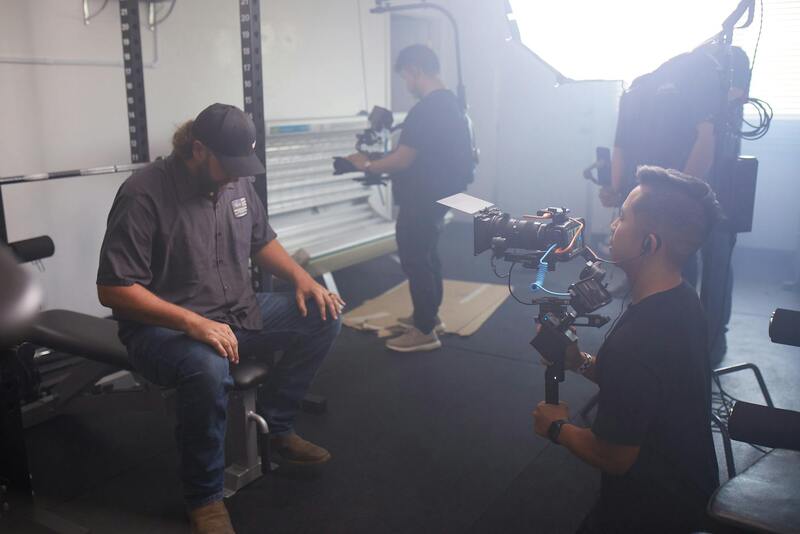
Encoders play a pivotal role in converting high-quality video signals into streams suitable for online broadcasting. Modern encoders support multi-bitrate streaming, allowing adaptive delivery that adjusts to individual viewer internet speeds. This flexibility enhances the viewer experience by minimizing buffering and ensuring consistent quality.
Switchers and production control rooms facilitate real-time management of multiple camera angles, graphics, overlays, and transitions. A well-organized production setup, whether on-site or remote, streamlines the entire process and reduces the risk of technical issues during the live event.
In addition to the primary equipment, auxiliary components such as backup power supplies, redundant internet connections, and real-time monitoring systems are crucial safeguards. These backups protect against potential disruptions, ensuring the live stream remains uninterrupted even in the event of technical failures.
Ensuring Network Stability and Security
A stable network infrastructure is vital for successful live streaming. Dedicated bandwidth provisions dedicated streams free from external traffic that could cause lag or disconnections. Multiple internet pathways, such as primary and backup connections, offer redundancy, minimizing downtime.
Security measures like encrypted data transmission and firewalls help safeguard the live feed from interference and unauthorized access. Implementing these security practices not only maintains the integrity of the broadcast but also builds trust with clients and viewers.
Content Delivery and Distribution Strategies
Effective distribution relies on advanced content delivery networks (CDNs) that facilitate global reach. CDNs route streams through multiple servers positioned around the world, reducing latency and buffering for viewers regardless of their location.
Adaptive bitrate streaming is integrated into distribution strategies, dynamically adjusting video quality based on each viewer’s internet conditions. This sophisticated approach ensures a smooth viewing experience, crucial for attracting and retaining audiences during high-profile or large-scale events.
Ensuring the Integrity of Live Video Production
Legitimate live video production relies on proven, effective methods that uphold the quality, security, and reliability of broadcasts. Content creators and event organizers must prioritize the integrity of their live streams by adhering to established practices that cater to professional standards. This includes utilizing certified equipment, following rigorous protocols for signal transmission, and ensuring all components are compliant with technical standards for broadcasting. Such diligence not only enhances the viewer experience but also maintains the trust and reputation of the producing entity.

Fundamental to legitimate live video production is investing in high-grade equipment, including top-tier cameras, reliable audio systems, and resilient networking infrastructure. These components must be regularly tested and maintained to prevent interruptions. Encryption protocols are often employed during data transmission to protect the broadcast from interference or unauthorized access, ensuring a seamless and secure viewing experience for audiences worldwide.
Adhering to a clear workflow is essential, starting from content planning and script development to technical rehearsals that anticipate potential issues. Such structured preparation minimizes technical failures during live events, guaranteeing a smooth execution. Employing dedicated hardware encoding devices or software encoders that meet industry standards further solidifies the legitimacy and quality of the broadcast.
Leveraging Professional Streaming Platforms and Protocols
Reliable live video production depends on utilizing verified streaming platforms and transmission protocols that meet professional benchmarks. These platforms are equipped with robust content delivery mechanisms, ensuring high availability and consistent performance. Transmission protocols such as RTMP (Real-Time Messaging Protocol) and SRT (Secure Reliable Transport) are frequently employed because they facilitate low-latency, secure streams suitable for high-end live events.
Implementing adaptive streaming technologies adjusts the video quality dynamically based on viewer bandwidth, guaranteeing minimal buffering and optimal clarity across all devices. Distributing streams via global Content Delivery Networks (CDNs) enhances reach and reduces lag, delivering a high-quality experience regardless of geographical location. Continuous monitoring and real-time diagnostics also play a critical role, assisting operators in swiftly addressing any issues that may compromise the broadcast's legitimacy.
Employing Off-Site and Redundant Systems
To uphold the standards of live video production, legitimate operations incorporate off-site backups and redundant systems. These setups include secondary signal sources and multiple internet connections to mitigate the impact of unforeseen failures. For instance, a secondary encoder or backup power supply deepens the reliability of the broadcast, ensuring uninterrupted service during primary system failures.
Dedicated communication channels and real-time control rooms allow operators to manage the broadcast efficiently, responding promptly to technical anomalies. This strategic approach fortifies live productions against disruptions, emphasizing the importance of legitimate, well-structured procedures for delivering dependable content.
Ensuring Secure and Professional Live Video Stream Delivery
Delivering live video content effectively requires adherence to proven methods that guarantee both quality and consistency. Utilizing high-grade streaming protocols such as RTMP (Real-Time Messaging Protocol) and SRT (Secure Reliable Transport) is essential for ensuring low latency and secure transmission of high-definition streams. These protocols enable seamless delivery even under varying network conditions, maintaining the integrity of the broadcast from start to finish.
Furthermore, adaptive streaming technologies are instrumental in optimizing viewer experience. By dynamically adjusting the video quality based on each viewer's available bandwidth, these systems prevent buffering and promote smooth playback across diverse devices, from smartphones to large-screen displays. This approach enhances engagement and ensures that the audience receives a high-quality viewing experience regardless of their location or network speed.
To expand reach and reduce latency, distributing streams via global Content Delivery Networks (CDNs) is a consensus strategy among professional live video producers. CDNs replicate the content across multiple geographically dispersed servers, delivering data from the closest node to viewers. This technique diminishes delay, stabilizes stream quality, and guarantees consistent performance across multiple regions.

Active monitoring during live broadcasts is critical for quick problem detection and response. Implementing real-time diagnostics and analytics allows operators to identify potential issues such as signal degradation or network interruptions promptly. Continuous oversight helps maintain broadcast quality and minimizes disruptions, ensuring the event proceeds smoothly.
Employing redundant systems is also a cornerstone of professional live video delivery. Backup encoders, secondary internet connections, and off-site storage serve as safety nets that safeguard against unforeseen failures. These measures ensure the broadcast remains operational even if primary systems encounter problems, thereby preserving the viewer’s trust and viewing experience.
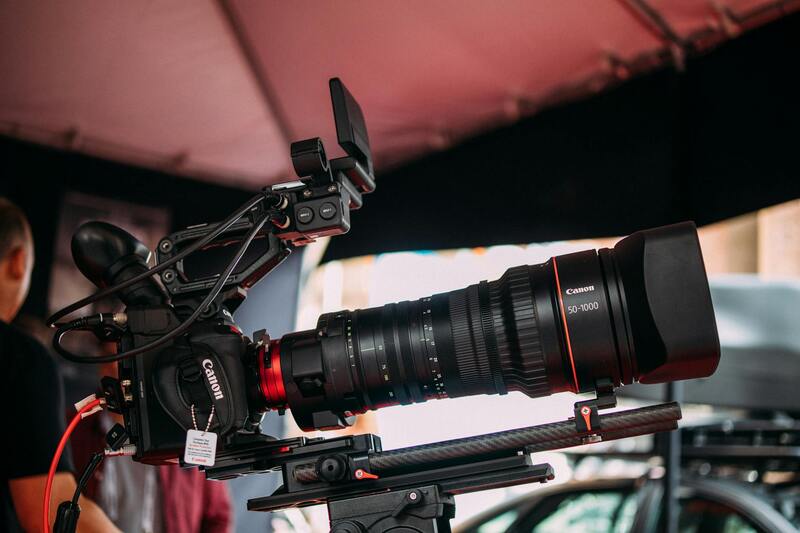
Clear communication channels and dedicated control rooms empower technical teams to manage live broadcasts efficiently. Real-time coordination and rapid troubleshooting are facilitated through specialized communication lines, enabling swift responses to technical anomalies. Such structured operational frameworks reinforce the professionalism and dependability of live video production endeavors.