
Overview of Event Livestreaming Services
Event livestreaming services have become an essential component of modern event management, providing real-time broadcasting capabilities that reach audiences beyond physical venue constraints. These services enable event organizers to expand their reach, increase audience engagement, and deliver high-quality content seamlessly through various digital platforms. In Miami, a vibrant hub for corporate events, entertainment, and cultural gatherings, the demand for professional livestreaming solutions is steadily increasing. As the city continues to grow as a center for diverse events, the importance of reliable and high-definition livestreaming becomes more apparent.
Livestreaming technology involves capturing live footage using professional-grade cameras, encoding the video signal, and transmitting it over the internet to viewers across different devices. This real-time broadcasting ensures that remote audiences experience the event synchronously, preserving the immediacy and excitement of the live experience. Moreover, it offers opportunities for interactive engagement through integrated chat functions, social media sharing, and on-demand viewing options after the event concludes.
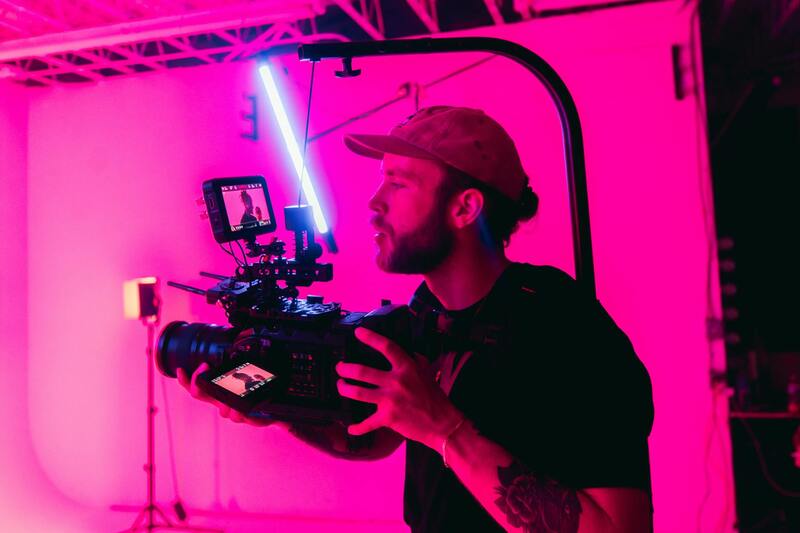
As businesses, organizers, and content creators continue to recognize the value of live digital experiences, the integration of livestreaming services into event planning has become a strategic priority. These services are essential for conferences, concerts, festivals, corporate launches, and community events that seek wider exposure and enhanced viewer interaction. Utilizing expert-level equipment and technical expertise ensures that every broadcast maintains clarity, stability, and professional presentation standards, ultimately contributing to the event's success and reach.
The growth of livestreaming in Miami reflects broader trends towards digital transformation in event management. With the city’s strategic location and diverse demographic, professional livestreaming solutions facilitate effective communication, marketing, and engagement—making them an indispensable tool for any event organizer aiming to maximize impact.
Types of Livestreaming Platforms and Technologies
To ensure a successful event broadcast, selecting the appropriate platforms and technological tools is crucial. Streamlining the right combination of hardware, software, and platform solutions allows event organizers in Miami to produce high-quality live streams that captivate audiences and maintain professional standards. Key considerations include the scale of the event, desired audience engagement, and technical requirements.
Hardware Components for Livestreaming
- Video Capture Devices: High-definition cameras, encoders, and streaming hardware that capture live footage with clarity and stability.
- Audio Equipment: Lavalier microphones, mixers, and audio interfaces that ensure clear sound quality, essential for professional broadcasts.
- Network Infrastructure: Robust internet connections with sufficient bandwidth to handle high data transfer rates, minimizing lag and buffering during live streams.
Software Solutions and Platforms
- Streaming Software: Applications like OBS Studio, Wirecast, or vMix facilitate multi-camera switching, overlays, and real-time production control.
- Platform Options: Social media integrations (Facebook Live, YouTube Live), dedicated streaming services (Vimeo, Livestream), or custom RTMP servers offer flexibility based on event needs.
- Content Management Systems: Tools that allow scheduling, transcoding, and analytics to optimize reach and engagement.
Technological Innovations
Emerging technologies such as 4K streaming, virtual and augmented reality integrations, and multi-camera broadcasting enhance viewer experience. These advancements enable Miami event organizers to deliver immersive and interactive live streams that stand out in a competitive digital landscape.
Technical Considerations for Successful Livestreams
Achieving a seamless and engaging live broadcast in Miami requires meticulous attention to technical details, ensuring that every aspect—from visual quality to audio clarity—is optimized for the viewer experience. The foundation of a professional livestream begins with high-quality hardware components and a stable network infrastructure, both of which are vital in delivering an uninterrupted viewing experience.
High-Quality Video Capture Devices
To produce crisp, clear visuals, event organizers should employ high-definition cameras capable of capturing detailed footage across various lighting conditions. These cameras often connect with video encoders that compress the signal without compromising quality, facilitating smooth transmission over the internet. Choosing the right hardware involves balancing resolution, frame rate, and low-light performance to suit the specific needs of the event.
Advanced Audio Equipment
Clear audio is just as crucial as visuals. Professional-grade microphones, such as lavaliers or shotgun mics, capture sound accurately from speakers and performers. Combining these with audio mixers and interfaces ensures balanced sound levels, reducing background noise and echo. High-quality audio enhances viewer engagement by making the content more immersive and easier to follow.
Reliable Network Infrastructure
Minimizing latency and buffering requires robust, high-bandwidth internet connections. Multiple internet sources or dedicated fiber optic lines can provide redundancy, ensuring continuous stream delivery even if one connection encounters issues. Network configurations should prioritize bandwidth for live data transmission, with Quality of Service (QoS) settings optimizing data flow to prevent packet loss or delays.
Software Solutions and Platform Integration
Complementing hardware, specialized streaming software manages live feeds, overlays, transitions, and real-time production elements. Applications such as OBS Studio or vMix allow operators to switch between multiple camera angles, add graphics, and incorporate pre-recorded content seamlessly. These tools provide flexibility and control necessary for professional broadcast standards.
Platform choice plays a pivotal role in extending the reach of a livestream. Leveraging social media integrations like YouTube Live or Facebook Live enables broad audience access, while dedicated streaming services such as Vimeo or Livestream offer advanced features like analytics, viewer engagement tools, and customizable branding options. Combining software control with platform flexibility ensures that events are both visually compelling and accessible.
Innovative Technologies Enhancing Viewer Experience
Emerging technologies are transforming live events into immersive experiences. Features such as 4K streaming provide ultra-high-definition images, making viewers feel like they are part of the action. Virtual and augmented reality integrations enable interactive elements, offering viewers options to explore different perspectives or access supplementary content in real-time. Multi-camera broadcasting captures various angles simultaneously, increasing engagement and providing a dynamic viewing experience.
The adoption of these advancements requires compatible high-end equipment and expert operation. Miami-based event organizers increasingly incorporate these innovations to stand out in a competitive digital environment, attracting larger audiences and delivering more engaging content.
Implementing a Comprehensive Technical Plan
Before the event, a detailed technical plan lays out all hardware, software, and network setup requirements, ensuring compatibility and readiness. Testing the entire system thoroughly during rehearsals allows for troubleshooting and adjustments. During the live broadcast, a dedicated technical team monitors the stream, manages transitions, and responds swiftly to any issues, maintaining a high-quality presentation throughout the event.
Post-event analytics provide insights into viewer engagement, technical performance, and audience demographics. These data points inform future livestreaming strategies, helping organizers refine their processes and technology choices for subsequent events.
Types of Livestreaming Platforms and Technologies
Choosing the right platform and technology is essential for delivering a seamless and engaging online event. Different livestreaming platforms cater to various needs, ranging from small-scale corporate seminars to large-scale concerts and festivals. These platforms utilize distinct technologies to optimize video delivery, viewer interaction, and overall experience.
Some of the most common types of platforms include:
- Dedicated Streaming Platforms: Services specifically designed for live broadcasting, such as Vimeo Livestream, YouTube Live, or Facebook Live, which provide reliable infrastructure and features tailored for professional streaming. They often include options for HD quality, chat integration, and viewer analytics.
- Web-based Streaming Services: These are cloud-based solutions that facilitate easy setup and minimal technical requirements, suited for smaller events or organizations without extensive technical resources. They support multiple streaming protocols and devices, ensuring broad accessibility.
- Multi-Camera Streaming Technologies: Advanced production setups involve multiple high-definition cameras synchronized to deliver different angles, adding a cinematic quality to the broadcast. This requires compatible hardware and software for switching between feeds seamlessly during the event.
- Virtual and Augmented Reality Integrations: Emerging technologies that create immersive experiences by overlaying digital content onto live streams or allowing viewers to explore the environment virtually. These require specialized equipment and expert operation to deploy successfully.
In Miami’s vibrant event environment, integrating the latest streaming technologies ensures a competitive edge. High-bandwidth internet, reliable hardware, and scalable cloud solutions all contribute to a professional quality livestream capable of reaching large audiences efficiently.
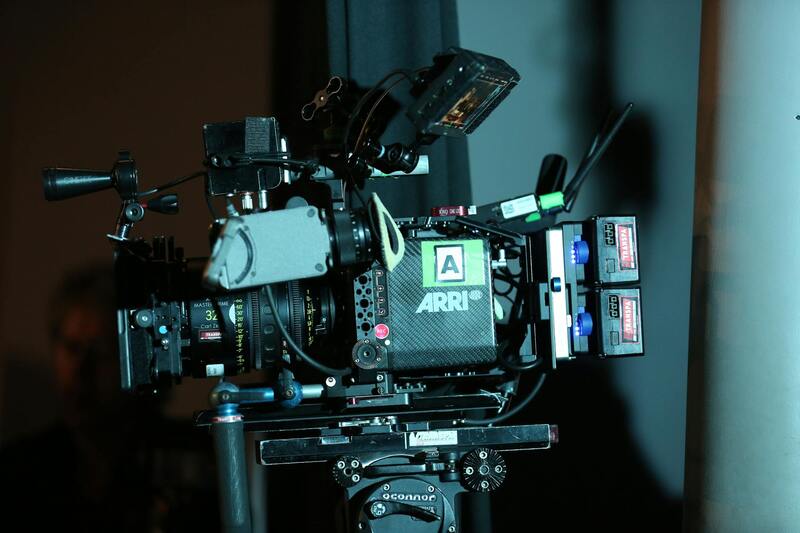
Key Features to Consider When Choosing Livestreaming Services
To deliver an engaging and trouble-free livestream experience, it is crucial to evaluate specific features offered by service providers:
- Video Quality and Resolution: Ensure the provider supports high-definition streams, ideally 4K, to deliver crisp visuals that replicate in-person experiences.
- Broadcast Customization: Look for services that allow branding overlays, interactive chat, real-time analytics, and audience engagement tools to enhance viewer participation.
- Reliability and Scalability: The platform must handle spikes in viewers without buffering or downtime, particularly for popular events with large online audiences.
- Technical Support and Monitoring: Availability of dedicated technical support during the event minimizes disruptions. Continuous monitoring helps address issues promptly to maintain stream quality.
- Compatibility and Accessibility: The service should support multiple devices and browsers, including mobile phones, tablets, and desktops, to maximize reach and accessibility.
- Security Measures: Protecting the broadcast from unauthorized access or disruption is essential. Look for providers that employ encryption and secure streaming protocols.
- Integration Capabilities: Seamless integration with existing production equipment, social media platforms, and analytics tools simplifies workflow and data collection.
By prioritizing these features, Miami event organizers can ensure their livestreams are professional, engaging, and capable of attracting diverse audiences. Matching platform capabilities with event requirements enables an experience that resonates with viewers and meets organizational objectives.
Advanced Techniques for Enhancing Live Streaming Quality
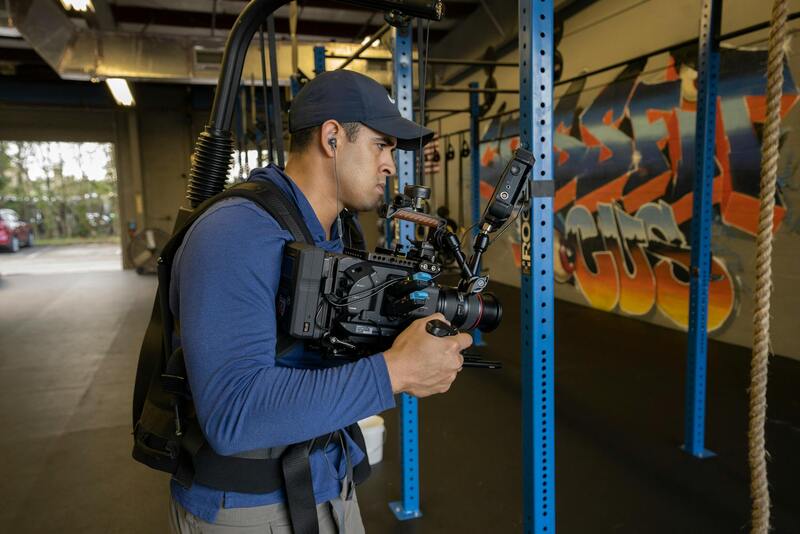
Achieving superior livestream quality requires the implementation of cutting-edge techniques and the utilization of professional-grade equipment to ensure a seamless viewing experience. High-definition output, typically 4K resolution, is fundamental to replicating the vibrancy and detail of in-person events, especially for large-scale conferences, concerts, or corporate gatherings. To support this, streaming infrastructure must incorporate robust encoding hardware capable of handling high bitrate transmission without sacrificing stability.
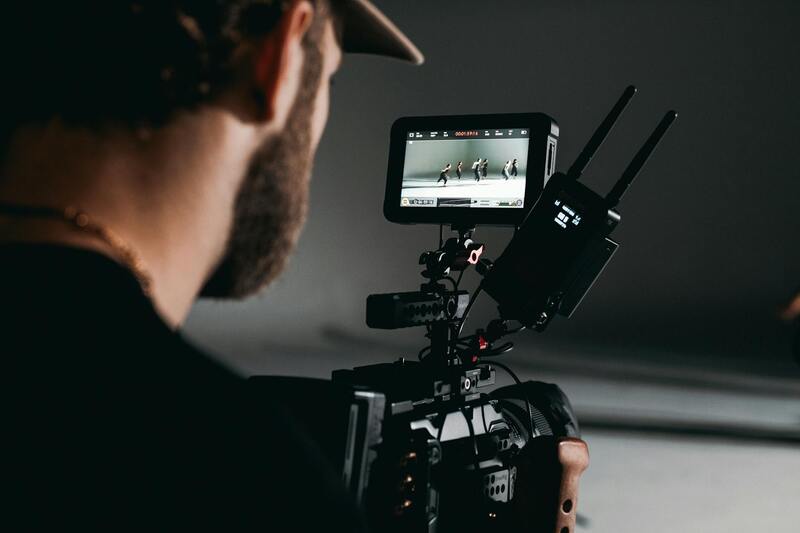
Operators should employ multi-camera setups that allow dynamic angles, providing viewers with an immersive experience that captures every critical moment. Switchers and real-time graphics overlays further enhance production value, making broadcasts more engaging and visually appealing. It is equally important to optimize encoding settings, including bitrate and compression formats, to balance video quality with streaming stability, especially on networks with varying bandwidth conditions.
Network Optimization and Redundancy Measures
Hosting a professional livestream involves meticulous network planning. Dedicated internet connections with ample upload speeds ensure stable data flow, while multiple bandwidth sources act as fail-safes that can automatically switch if primary connections encounter issues. This redundancy minimizes latency and prevents interruptions during crucial segments of an event.
Audio Quality and Synchronization
Clear audio complements high visual standards. Employing professional microphones, audio mixers, and sound engineers guarantees that speech and music are captured with clarity and fidelity. Synchronizing audio with video streams in real time is crucial for maintaining viewer engagement. Advanced audio processing techniques, such as noise reduction and echo cancellation, ensure pristine sound delivery regardless of environmental variables.
Interactive Elements and Engagement Tools
Incorporating live chat, audience polls, and Q&A sessions into the stream enhances interactivity and fosters greater involvement. Overlays featuring event branding, sponsors, and real-time updates serve to personalize and professionalize the broadcast, creating a cohesive and memorable experience for viewers. These features should be seamlessly integrated into the streaming platform, allowing smooth operation without disrupting the flow of the event.
Monitoring and Post-Stream Analytics
Continuous monitoring of the live stream helps detect and resolve issues promptly, maintaining consistent quality throughout the broadcast. After the event, comprehensive analytics provide insights into viewer engagement, geographic distribution, and technical performance. These metrics inform future streaming strategies, helping to refine delivery methods and improve overall quality for upcoming events.
Integrating Livestreaming with Event Production
Effective integration of livestreaming within the broader scope of event production requires meticulous planning and execution. Advanced synchronization between video feeds, audio streams, and interactive elements ensures a seamless viewing experience that captivates remote audiences. This process involves utilizing professional-grade encoding hardware and software that facilitate real-time data transmission, minimizing delays and buffering issues. Properly coordinating camera angles, switching, and graphic overlays enhances the visual appeal and maintains viewer engagement throughout the broadcast.
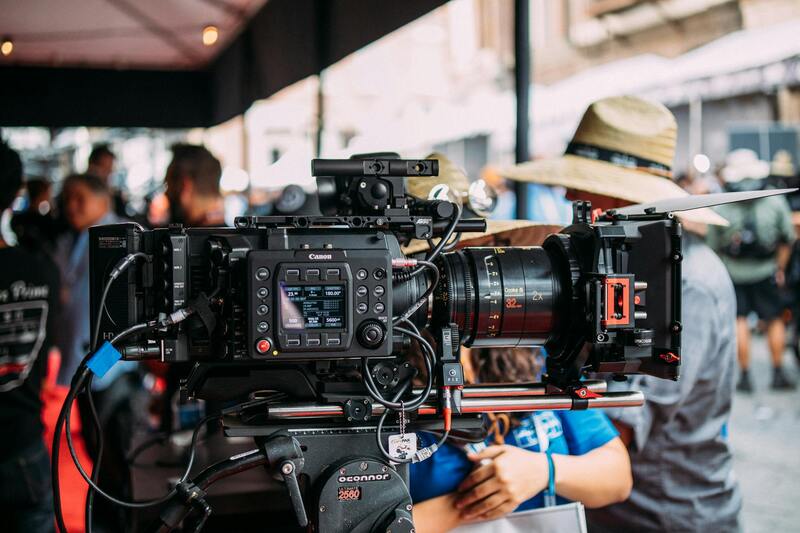
Audio-visual integration plays a vital role in delivering a cohesive event experience. Microphones positioned strategically capture speakers and crowd sounds with clarity, while audio mixing consoles balance multiple sources to produce a polished sound output. These audio feeds are synchronized with visual streams through reliable networking protocols, such as RTMP or SRT, to prevent discrepancies that might distract viewers. Advanced video switchers and graphics engines enable seamless transitions, overlays, and branding elements, elevating the production value and delivering a polished broadcast.
Operational coordination during live streaming also involves comprehensive testing prior to the event. Conducting dry runs ensures that all equipment functions correctly, network connections are stable, and staff members are familiar with their roles. During the live event, continuous technical monitoring allows immediate response to any issues that may arise, such as latency spikes or signal disruptions, preserving broadcast integrity.
Stream Management and Audience Engagement
Successful livestreaming integrates audience engagement tools directly into the broadcast platform. Live chat modules encourage real-time interaction, providing viewers the opportunity to ask questions or share feedback. Incorporating polls and Q&A sessions enhances participation and creates a dynamic environment that keeps remote attendees invested. Overlay graphics displaying event branding, sponsor logos, and timestamps further professionalize the stream, reinforcing the event’s identity and purpose.
Beyond the broadcast infrastructure, effective stream management involves real-time analytics monitoring. Tracking metrics such as viewer count, geographic location, and engagement levels offers insights into audience preferences and reception. Post-event analytics evaluate technical performance and user interaction, guiding improvements for future streams. Employing a comprehensive, data-driven approach ensures continuous enhancement of the streaming quality and audience experience.
Enhancing Accessibility and Reach
Modern livestreaming solutions also prioritize accessibility, making content available across various devices and platforms. Adaptive streaming technologies ensure that viewers on smartphones, tablets, and desktops receive optimized video quality suited to their bandwidth capacities. Subtitles and closed captioning provide accessibility for all audiences, broadening the reach and inclusivity of the event. Additionally, multi-platform distribution allows streaming to multiple social media channels simultaneously, extending visibility and engagement across diverse audience segments.
Conclusion
Integrating livestreaming seamlessly into event production fundamentally elevates the attendee experience while maximizing outreach. Investing in professional-grade equipment, thorough planning, and interactive features transforms a standard event into an engaging and accessible digital experience. The combination of reliable technology, strategic content delivery, and audience interaction fosters memorable and impactful event broadcasts that resonate with viewers long after the live session concludes.
Best Practices for Ensuring Quality and Reliability in Official Livestreaming
Maintaining high standards for livestream quality and ensuring reliable delivery are critical components of professional event streaming. These practices not only enhance viewer satisfaction but also uphold the event's reputation, especially when leveraging reputable livestreaming services in Miami.
Utilizing High-Quality Equipment and Infrastructure
The foundation of a seamless livestream lies in the use of robust, professional-grade equipment. This includes high-definition cameras, multi-channel audio recording devices, and encoders capable of transmitting multiple resolutions based on viewer bandwidth capacities. Reliable internet connections, preferably wired Ethernet, minimize disruptions caused by connectivity issues. Redundant streaming setups, such as backup encoders and internet fail-safes, provide additional layers of assurance in case of technical failures.
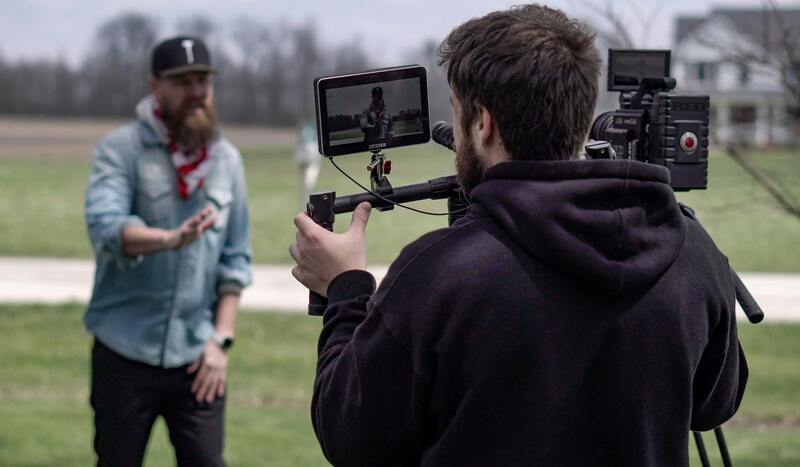
Implementing a dedicated bandwidth strategy ensures that the streaming process is unaffected by network congestion or fluctuations. Prior to the event, conducting comprehensive testing sessions simulates live conditions and identifies potential issues, allowing for preemptive solutions. Employing scalable streaming platforms that can handle audience growth during the event is essential to prevent buffering or lag, which diminishes viewer engagement.
Advanced Streaming Technologies and Protocols
Adopting current streaming protocols such as RTMP (Real-Time Messaging Protocol) or SRT (Secure Reliable Transport) enhances data transmission integrity and reduces latency. Adaptive bitrate streaming dynamically adjusts video quality based on viewers’ internet speeds, providing a consistent experience across different devices and network conditions. For large-scale events, utilizing content delivery networks (CDNs) disperses the streaming load geographically, ensuring smooth delivery even during high traffic volumes.
Monitoring and Real-Time Troubleshooting
Continuous monitoring during the live event allows technicians to detect and resolve issues promptly. Metrics such as latency, packet loss, and buffering frequency are tracked in real-time, enabling immediate intervention. This proactive approach minimizes viewer frustration and ensures the broadcast remains uninterrupted. Post-event analytics further inform future improvements by highlighting technical strengths and areas needing enhancement.
Secure and Compliant Streaming Practices
Ensuring data security and compliance with privacy standards is paramount when streaming public or private events. Employing encrypted streaming channels protects content from unauthorized access. Access controls and secure authentication methods restrict viewing to authorized audiences, safeguarding intellectual property and sensitive information.
Professional Human Support and On-Site Presence
Engaging experienced technical support teams on-site ensures real-time management of the live stream. These professionals troubleshoot challenges promptly, adjust configurations as needed, and coordinate with event producers to align the streaming quality with overall event goals. This hands-on approach is especially vital for complex events or those hosted at unique Miami venues where unforeseen technical challenges may arise.
Choosing a Reliable and Secure Livestreaming Method in Miami
When selecting a method for event livestreaming, it is essential to prioritize approaches that ensure consistency, security, and high-quality delivery. Professional-grade solutions leverage advanced infrastructure, including dedicated content delivery networks (CDNs) that are tailored to handle large-scale streaming demands. These CDNs distribute the streaming load across multiple geographically dispersed servers, making certain that viewers in Miami and beyond experience minimal latency, buffering issues, or interruptions even during peak viewing times.
Implementing robust security measures is equally vital. This entails using encrypted streaming protocols that safeguard content from unauthorized access or interception. Moreover, access control mechanisms such as secure tokens, login authentication, and geo-restrictions help in managing who can view the event, protecting sensitive or exclusive content. These practices are crucial for maintaining the integrity of private events, corporate meetings, or exclusive broadcasts and safeguard the rights of content owners.
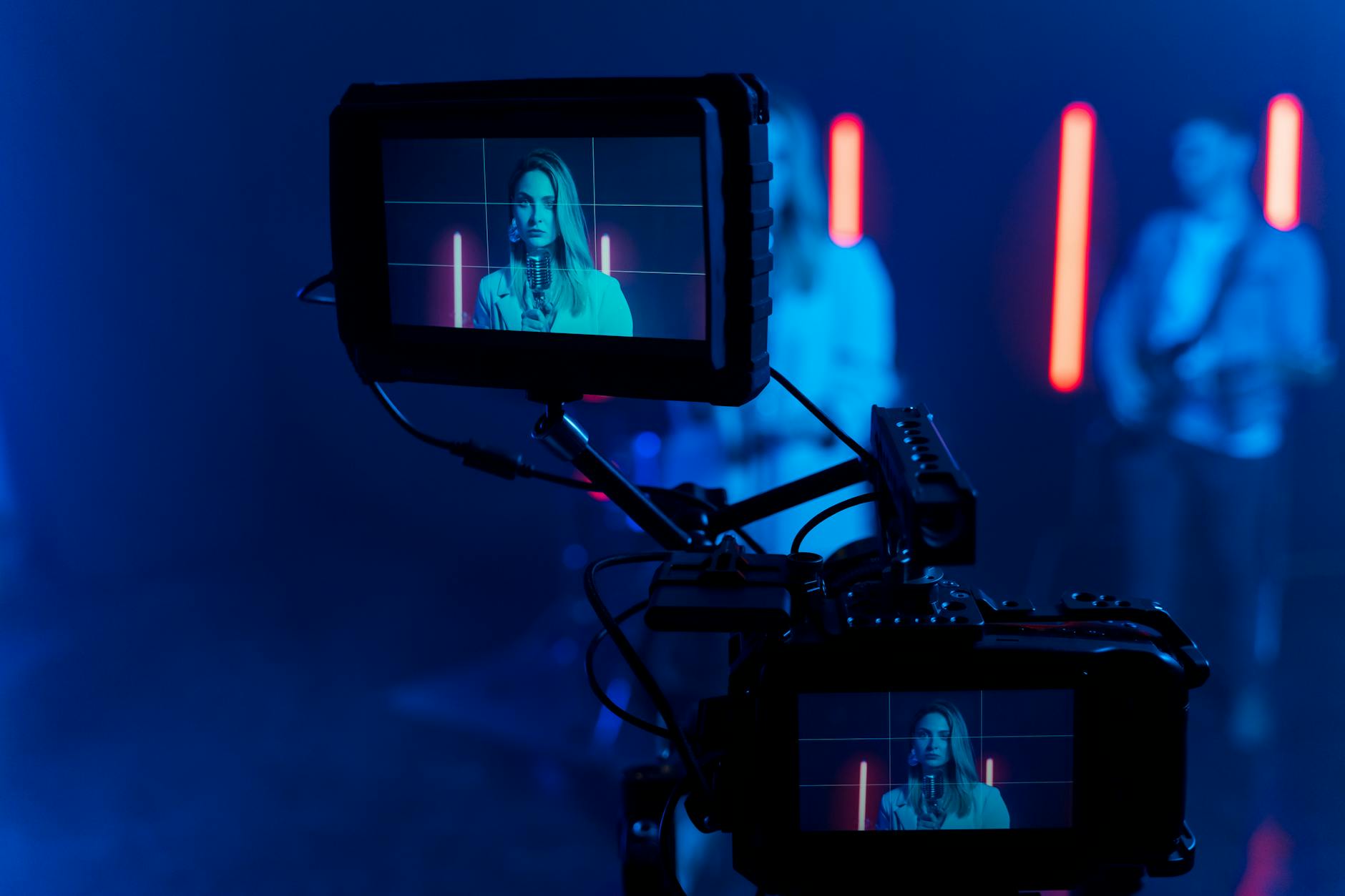
Utilizing professional platform providers often includes a combination of hardware and software components designed for seamless and secure streaming. These solutions support adaptive bitrate streaming, which adjusts the video quality based on individual viewer bandwidth, maintaining a smooth experience across various devices and connection speeds. Additionally, cloud-based management tools provide real-time analytics, allowing event organizers to monitor stream health continuously and make quick adjustments if necessary, which is critical in avoiding disruptions.
Hands-On Support and Technical Expertise
Engaging with a local provider grants the advantage of on-site technical expertise capable of managing the entire streaming setup in real time. These professionals oversee every aspect of the broadcast—from camera feeds, audio quality, encoding, to the final distribution—ensuring alignment with event objectives. Their presence on location allows immediate troubleshooting and smooth integration with the event’s technical infrastructure, reducing risks of failure during critical moments.
Furthermore, local providers are attuned to Miami's unique venue requirements, such as challenging acoustics, connectivity issues, and logistical considerations, enabling tailored solutions that optimize both production quality and viewer experience.
Implementation of Multi-Platform Streaming
Most reputable streaming methods involve multi-platform broadcasting capabilities, allowing content to be simultaneously transmitted across different outlets like social media, dedicated streaming sites, and private portals. This multi-channel distribution expands reach and accessibility, allowing audiences to choose their preferred viewing medium without compromising quality. Utilizing established broadcast protocols such as HLS (HTTP Live Streaming) or DASH (Dynamic Adaptive Streaming over HTTP) ensures compatibility across devices and operating systems, broadening audience engagement.
Post-Event Data and Analytics
Finally, comprehensive post-event analysis provided by official streaming services offers valuable insights. Metrics such as viewer engagement, dropout rates, geographic distribution, and peak viewership times inform future planning. These analytics help identify technical bottlenecks, optimize content delivery strategies, and enhance overall event quality over time. A data-driven approach ensures continuous improvement in how livestreamed events are produced and consumed in Miami.