Understanding Live Event Video Coverage
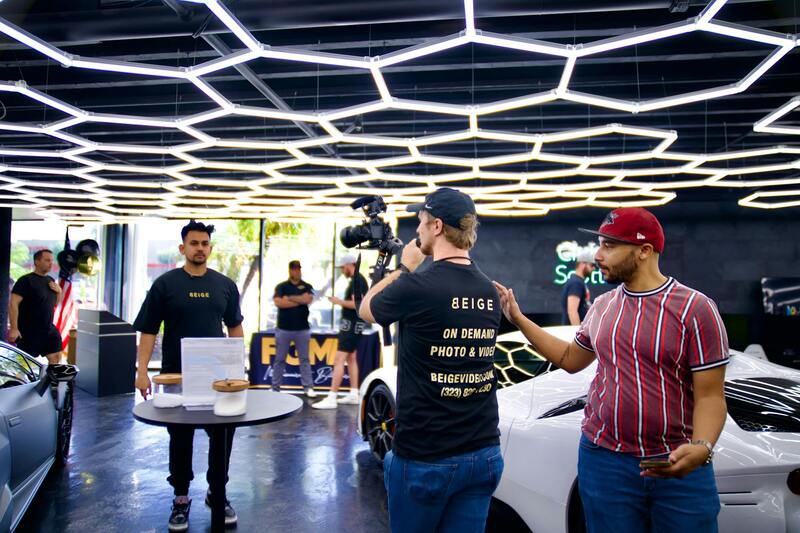
Live event video coverage constitutes the real-time broadcasting of events, capturing the live experience and transmitting it to audiences through various digital platforms. For events in Miami—ranging from concerts and sporting events to corporate functions and cultural festivals—the significance of professional live coverage cannot be overstated. It serves as a vital tool for engaging remote audiences, expanding the event’s reach, and creating a lasting digital record that can be utilized for promotional or archival purposes.
Effective live event video coverage involves meticulous planning, high-quality equipment, and seamless execution. It allows event organizers to connect with viewers across different locations, providing them with an immersive experience that mirrors being physically present. Additionally, live coverage aids in brand enhancement, audience engagement, and generating additional revenue through live streaming subscriptions or pay-per-view options.
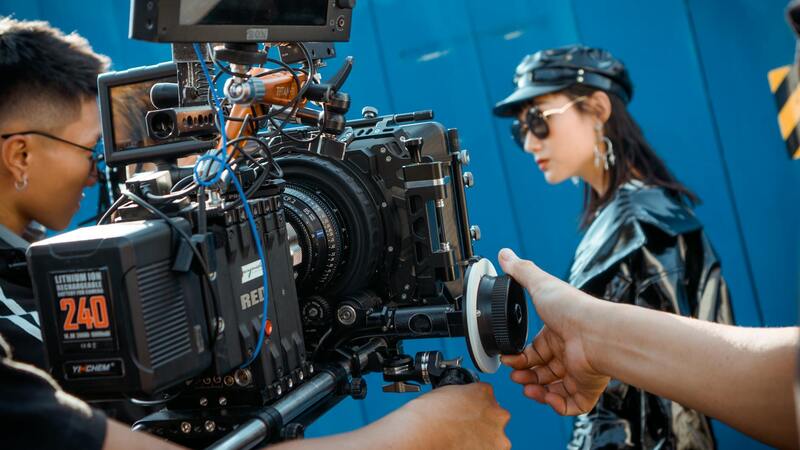
In Miami, a thriving hub of culture, entertainment, and business, live event video coverage has become an essential element of event management. Whether broadcasting a music festival on South Beach, a corporate conference downtown, or a sporting event at Hard Rock Stadium, high-quality live streaming ensures that the reach extends beyond physical attendees, fostering a wider community engagement.
The primary objectives of live event video coverage include ensuring high production quality, maintaining reliable transmission, and delivering content that resonates with viewers. Its benefits are numerous, such as increased visibility, real-time interaction with audiences through chat and social media integration, and the creation of digital assets for future marketing efforts.
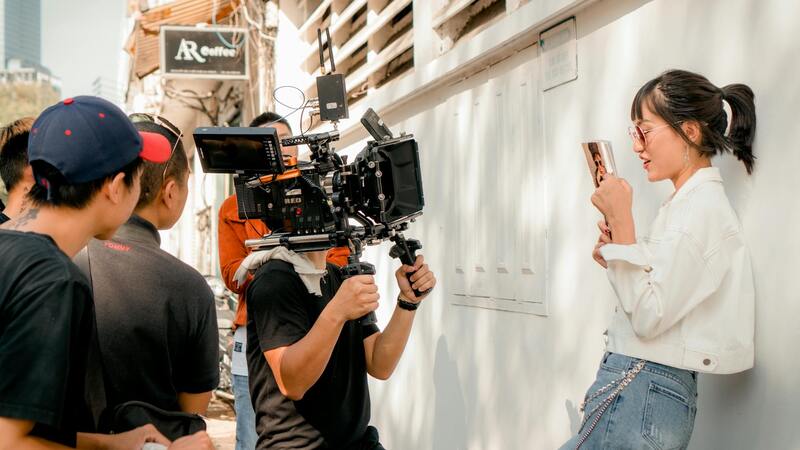
To accomplish these goals, organizers must recognize the importance of strategic planning and the deployment of industry-standard technology. By doing so, they create a compelling, engaging experience for viewers, ensuring that every important moment is captured with clarity and professionalism. This comprehensive approach to live event video coverage helps Miami’s event organizers maximize their event's impact, broaden their audience base, and enhance their overall reputation in the competitive landscape of event production.
Equipment and Technology Used in Live Event Video Coverage
Delivering flawless live event video coverage relies heavily on state-of-the-art equipment and sophisticated technology. The selection of gear and tools is a critical aspect of ensuring high-quality streams that captivate audiences and accurately reflect the event's atmosphere and significance.
High-Definition Cameras and Imaging Devices
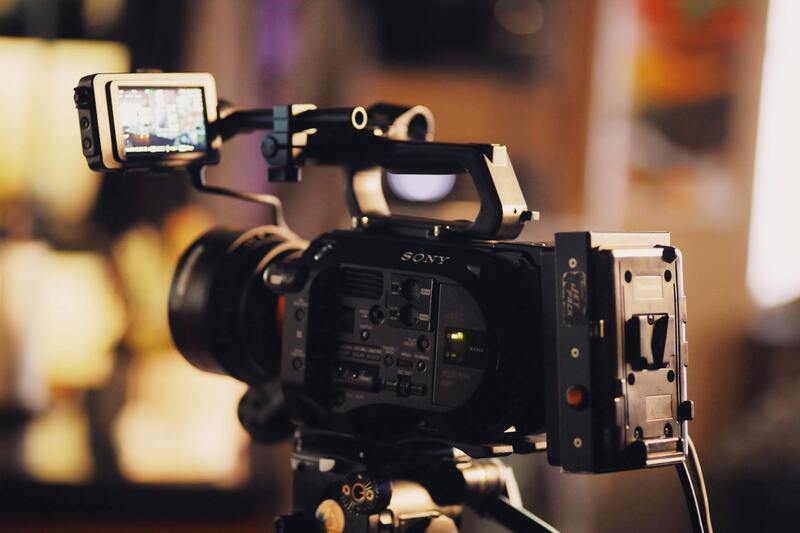
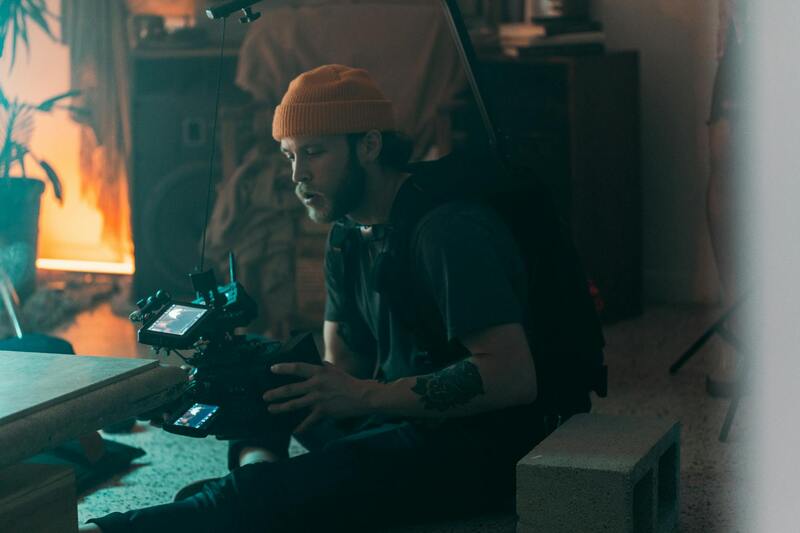
Modern live coverage demands the use of high-definition (HD) or 4K cameras to capture sharp, vibrant visuals. Professional-grade cameras offer features such as optical zoom, wide dynamic range, and excellent low-light performance—crucial for capturing candid moments, detailed presenter shots, and scenic backgrounds. Multiple camera angles are often employed to add depth and variety, requiring a combination of stationary and mobile cameras, including robotic or remote-controlled units.
Video Switchers and Production Consoles
Switchers allow live producers to seamlessly alternate between camera feeds, add graphics, and overlay information in real-time. These devices are essential for maintaining a dynamic and engaging broadcast experience, enabling quick transitions or effects that enhance viewer immersion without sacrificing continuity.
Audio Equipment and Mixing Consoles
Sound quality is equally important; professional audio mixers, wireless microphones, and ambient microphones are employed to capture crisp, clear sound. Proper audio ensures that viewers can hear presentations, performances, or commentary without distraction, reinforcing the professionalism of the broadcast.
Streaming Hardware and Connectivity Solutions
- High-capacity encoders convert raw video signals into formats suitable for live streaming, ensuring stability and minimal latency.
- Reliable internet connections, often backed with multiple bandwidth channels and cellular backup systems, safeguard against transmission disruptions.
- Hardware encoders integrated with SDI or HDMI feeds facilitate smooth, high-quality streams directly to streaming platforms or content delivery networks (CDNs).
Supplementary Technologies
- Wireless transmission systems and transmitters offer mobility and flexibility during live events, especially in expansive outdoor or multi-stage environments.
- On-site monitors and confidence screens assist production teams in maintaining quality control and coordination.
- Streaming software solutions integrated with hardware enable multi-camera switching, graphics insertion, and real-time editing, all essential for professional-grade production.
Technological Considerations for Optimal Coverage
Choosing the right equipment involves assessing venue characteristics, expected audience size, and specific event requirements. For offshore or outdoor events, weather-resistant gear is critical, while indoor venues may necessitate more advanced stabilization equipment to handle challenging lighting or space constraints. Additionally, integrating remote production capabilities allows for off-site editing and monitoring, further enhancing flexibility and control.
Investing in top-tier equipment and reliable technology workflows guarantees that live event video coverage in Miami is engaging, professional, and technically impeccable. This foundation facilitates a seamless experience for viewers, whether they are attending in person or watching remotely, ultimately elevating the event's profile and extending its reach well beyond physical boundaries.
Execution of Live Event Video Coverage
Implementing a comprehensive live event video coverage requires meticulous coordination and technical proficiency. Once pre-production planning is complete, the focus shifts to executing the coverage in real time, which involves multiple critical elements operating seamlessly. This includes managing live camera feeds, ensuring audio clarity, switching between multiple camera angles, inserting graphics or overlays when necessary, and ensuring smooth transitions. The production team must monitor all technical aspects continuously to detect and resolve issues promptly, maintaining the broadcast's professionalism and visual appeal.
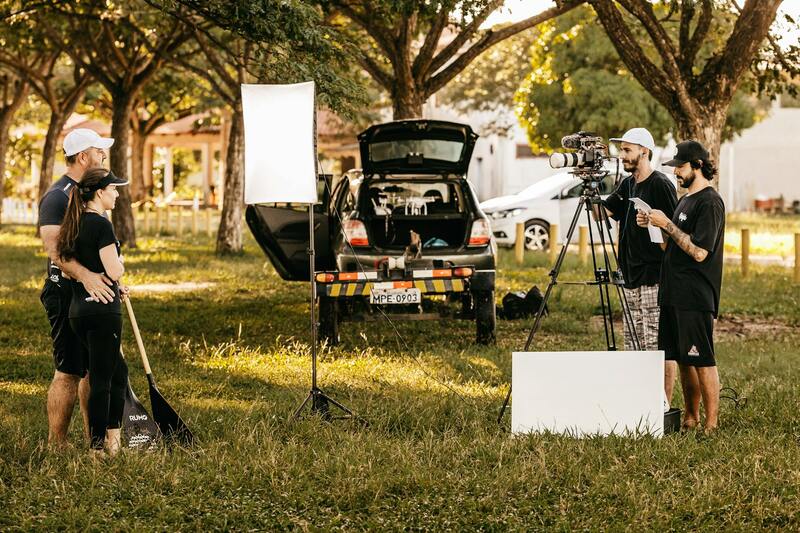
Technical execution hinges on a well-orchestrated setup of multiple components. These typically encompass advanced broadcast cameras capable of high-definition output, professional audio mixers to balance sound quality, and reliable video switchers that allow for real-time transitions between sources. The integration of live graphics and titles is frequently managed through specialized software that enhances viewer engagement and provides additional informational context. For remote coordination, dedicated communication channels among production staff enable swift decision-making and responsiveness.
Continuous Monitoring and Quality Control
Throughout the live event, dedicated operators monitor the video and audio feeds to maintain the desired visual quality. This involves checking focus, framing, sound levels, and synchronization. Audio levels should be calibrated to prevent distortion or inaudibility, while video feeds are scrutinized for stability, exposure, and color accuracy. Employing confidence monitors allows crew members to oversee different camera angles simultaneously, ensuring consistency across the broadcast. If any technical glitches arise, swift troubleshooting and adjustments are imperative to avoid broadcast interruptions.
Handling Unexpected Challenges
- Weather Conditions: Outdoor events demand weather-resistant equipment and contingency plans for weather fluctuations such as rain or wind, which can impair camera stability or audio clarity.
- Connectivity Issues: Robust internet connections, often supported by multiple backup systems, are essential to prevent stream disruptions. These may include wired Ethernet connections alongside wireless transmitters.
- Equipment Failures: Redundancy is key; maintaining backup cameras, audio sources, and switchers ensures continuous coverage if primary hardware fails.
Transitioning to Post-Production and Distribution
Although live coverage prioritizes real-time broadcasting, post-event post-production plays a vital role in enhancing content for future use. This process involves editing captured footage to create highlight reels, re-edited versions, or promotional clips. The compiled footage might then be distributed across various platforms, including social media, television, or dedicated streaming services.
Effective distribution strategies can extend the reach of your event well beyond the live audience. This includes optimizing video formats for different devices, implementing closed captioning for accessibility, and employing targeted marketing techniques to attract broader viewership. Furthermore, generating on-demand content from the live footage provides ongoing engagement and valuable content archives for promotional use.
Ensuring Content Security and Compliance
- Copyrights and Permissions: Verifying all content rights prior to broadcast safeguards against potential issues.
- Watermarking and Digital Rights Management: Protecting video assets through secure encryption and watermarks prevents unauthorized redistribution.
- Compliance with Regulations: Adhering to local broadcasting standards and technical guidelines is essential for seamless distribution across different platforms and regions.
Execution of Live Event Video Coverage
On-site execution is the backbone of a successful live event video coverage, requiring meticulous coordination among various technical teams. Professional camera operators are responsible for capturing the event from multiple angles to ensure dynamic and comprehensive coverage. High-definition broadcast cameras are often mounted on tripods, cranes, or robotic mounts to achieve optimal framing and stability. Dynamic camera movement, such as pan, tilt, and zoom, enhances visual engagement and provides viewers with a more immersive experience. Additionally, drone footage may be employed when permitted, providing aerial perspectives that add a dramatic touch to the coverage.
Switching between cameras is a critical function, facilitated by a live video switcher or production mixer. Skilled technical directors orchestrate this process, selecting feeds that best align with the event’s flow. Precise timing and seamless transitions between video sources create a smooth viewing experience, preventing viewer distraction or confusion. During this stage, real-time graphics and overlays, such as lower thirds, event branding, and scoreboards, are integrated. These elements not only inform viewers but also reinforce brand identity, adding a layer of professionalism to the broadcast.
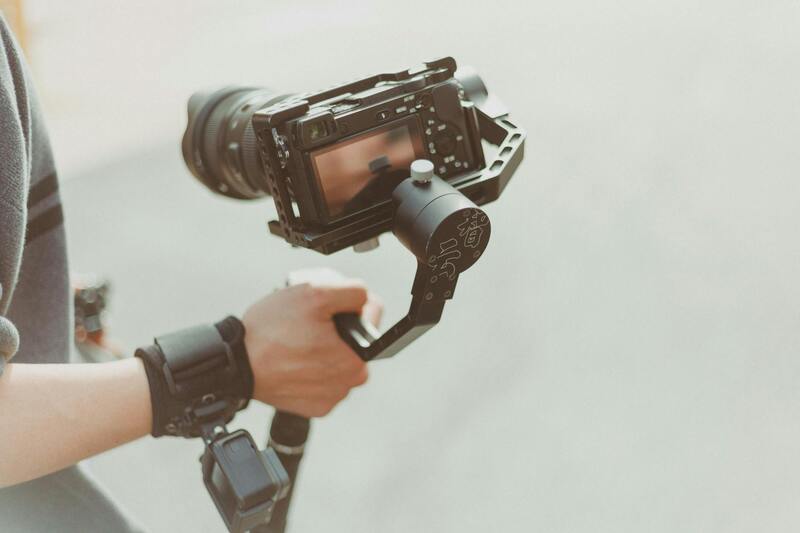
An essential component of live coverage is audio management. Skilled audio engineers handle multiple microphones, mixers, and soundboards to capture audio from speakers, performers, and audience reactions. Clear and balanced audio is vital for maintaining viewer engagement and ensuring the authenticity of the event. Wireless microphone systems are commonly employed to allow freedom of movement for speakers and performers while capturing pristine sound quality.
Furthermore, reliable live streaming infrastructure is critical for real-time distribution. High-bandwidth internet connections, often via dedicated fiber links or cellular bonding devices, facilitate uninterrupted streaming. Redundancy protocols are put in place to prevent disruptions — for example, utilizing backup internet sources or secondary encoders. This ensures the event remains accessible across multiple viewing platforms, including social media channels, dedicated streaming platforms, and even traditional broadcast outlets. Content delivery networks (CDNs) help optimize stream stability and reach, mitigating issues related to network congestion or regional disparities.
On-site technical teams also monitor all equipment and workflows constantly to address any issues immediately. This proactive approach reduces the risk of technical failures that could compromise the broadcast quality. Staff with expertise in live production are crucial for troubleshooting, ensuring that the entire process runs smoothly from setup through the final seconds of the event.
Execution of Live Event Video Coverage
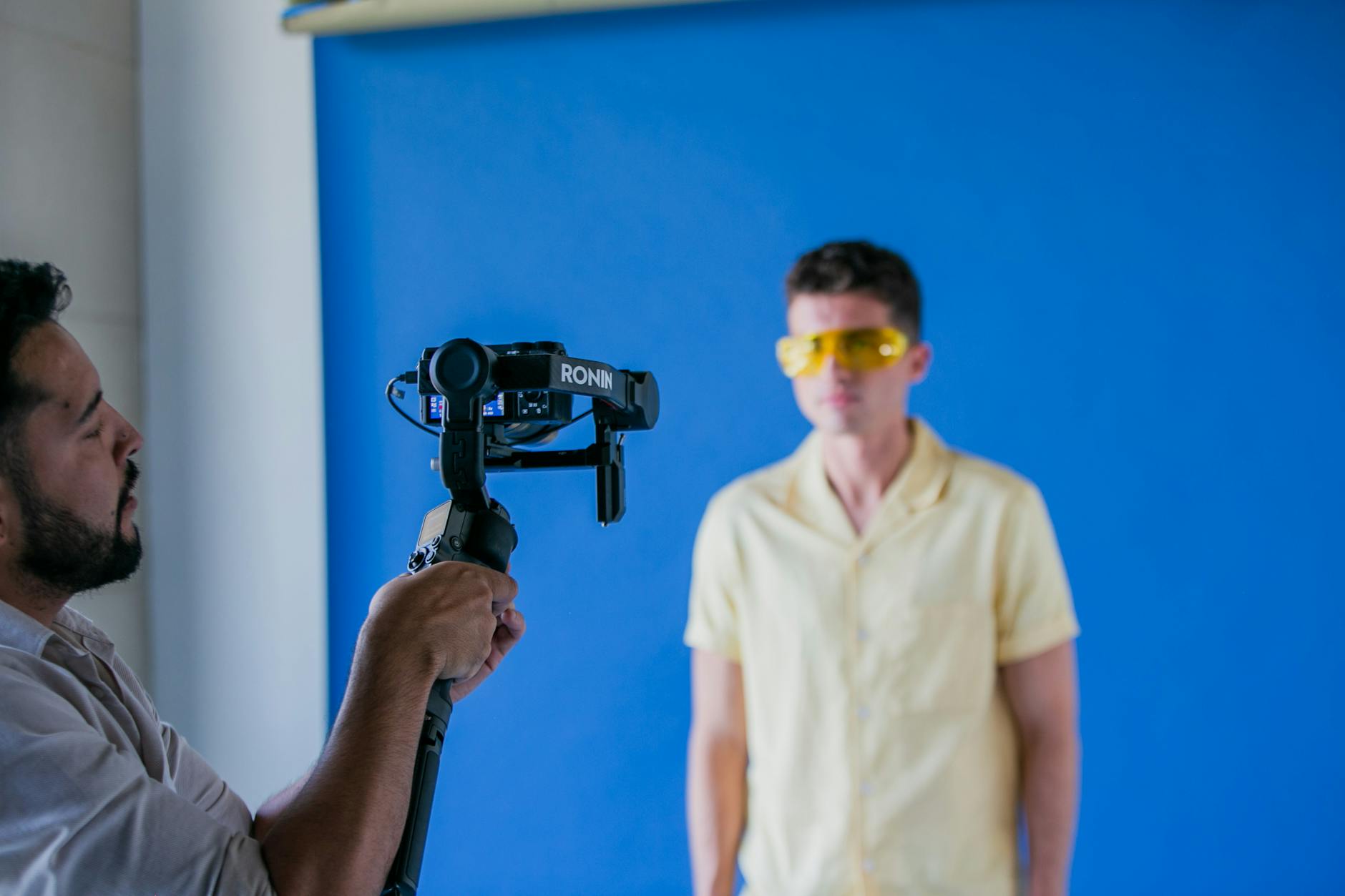
Implementing effective live event video coverage demands meticulous coordination of multiple technical elements to ensure seamless broadcasting. Central to this process is the integration of advanced camera systems capable of capturing the event from various angles, providing dynamic perspectives that enhance viewer engagement. Professional-grade HD or 4K cameras are often utilized, paired with stable rigs and remote-controlled pan-tilt-zoom (PTZ) systems that offer both flexibility and precision in capturing key moments.
Simultaneously, high-fidelity audio capture is vital. Sound quality directly influences audience perception, making it essential to employ multiple microphones—such as shotgun, lapel, and ambient microphones—strategically positioned to pick up clarity and ambient sounds. Mixing consoles integrated into the production workflow enable real-time audio adjustments, balancing various sources to create an immersive audio experience.
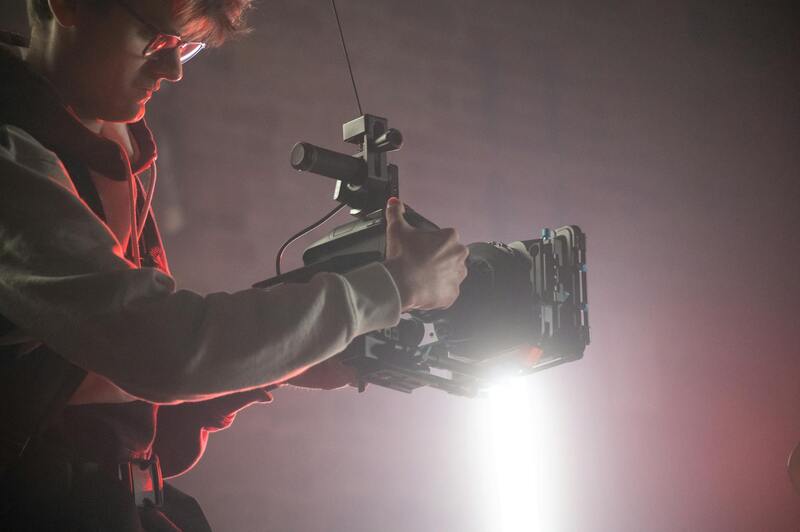
Switching between camera feeds is managed by a skilled director using live switching systems that enable smooth transitions, zoom-ins, and special effects. These operations are synchronized with graphics overlays, lower thirds, and real-time score updates or event-related information to keep the broadcast engaging and informative.
The backbone of any live coverage is a robust streaming setup. Today, most productions rely on dedicated fiber optic connections or bonded cellular networks offered by cellular bonding devices, which aggregate multiple internet sources to guarantee continuous streaming even in challenging network conditions. Redundancy protocols involve deploying backup encoders and internet sources, allowing the broadcast to remain stable in case of primary system failures.
Content delivery relies heavily on CDNs (Content Delivery Networks), which distribute the stream across multiple servers geographically dispersed to reduce latency and prevent buffering issues. This infrastructure ensures that viewers, regardless of their location, receive high-quality video feeds with minimal interruption.
Staffing on-site technical experts is fundamental. These professionals continuously monitor equipment status and troubleshoot issues in real time. They oversee the entire production flow—from camera operation and audio management to stream encoding and distribution—making quick adjustments to maintain broadcast quality. Their proactive approach minimizes downtime and technical anomalies, maintaining a professional appearance throughout the event.
In addition to technical execution, integrating analytics tools during the live broadcast provides valuable data on viewer engagement, stream health, and platform performance. This real-time feedback helps producers adapt on the fly, enhancing viewer satisfaction and ensuring the event’s objectives are met effectively.
Overall, proficient execution of live event video coverage hinges on combining cutting-edge technology with experienced personnel, ensuring that every aspect—from audio fidelity to stream stability—is optimized for maximum impact. This comprehensive approach guarantees a professional broadcast that captures the essence of the event, reaches the widest possible audience, and leaves a lasting impression on viewers.
Understanding Live Event Video Coverage
Live event video coverage is an essential component for conveying the energy, atmosphere, and key moments of an event to remote audiences. Its primary objective is to deliver a seamless, high-quality broadcast that captures the nuances of the live experience while engaging viewers in real-time. This process involves a complex interplay of planning, technology, and execution, all aimed at producing a professional production that enhances the event's visibility and impact.
Effective live coverage begins with clearly defined goals and a thorough understanding of the event’s scope. Whether broadcasting a corporate conference, festival, or sports tournament, it’s crucial to tailor streaming solutions, camera placements, and audio configurations to suit the specific context. High-definition video, synchronized with crisp audio, ensures viewers feel immersed in the event, regardless of their physical location. Moreover, strategic camera work—ranging from wide shots capturing the entire scene to close-ups highlighting performers or speakers—creates a dynamic viewing experience that sustains audience interest.
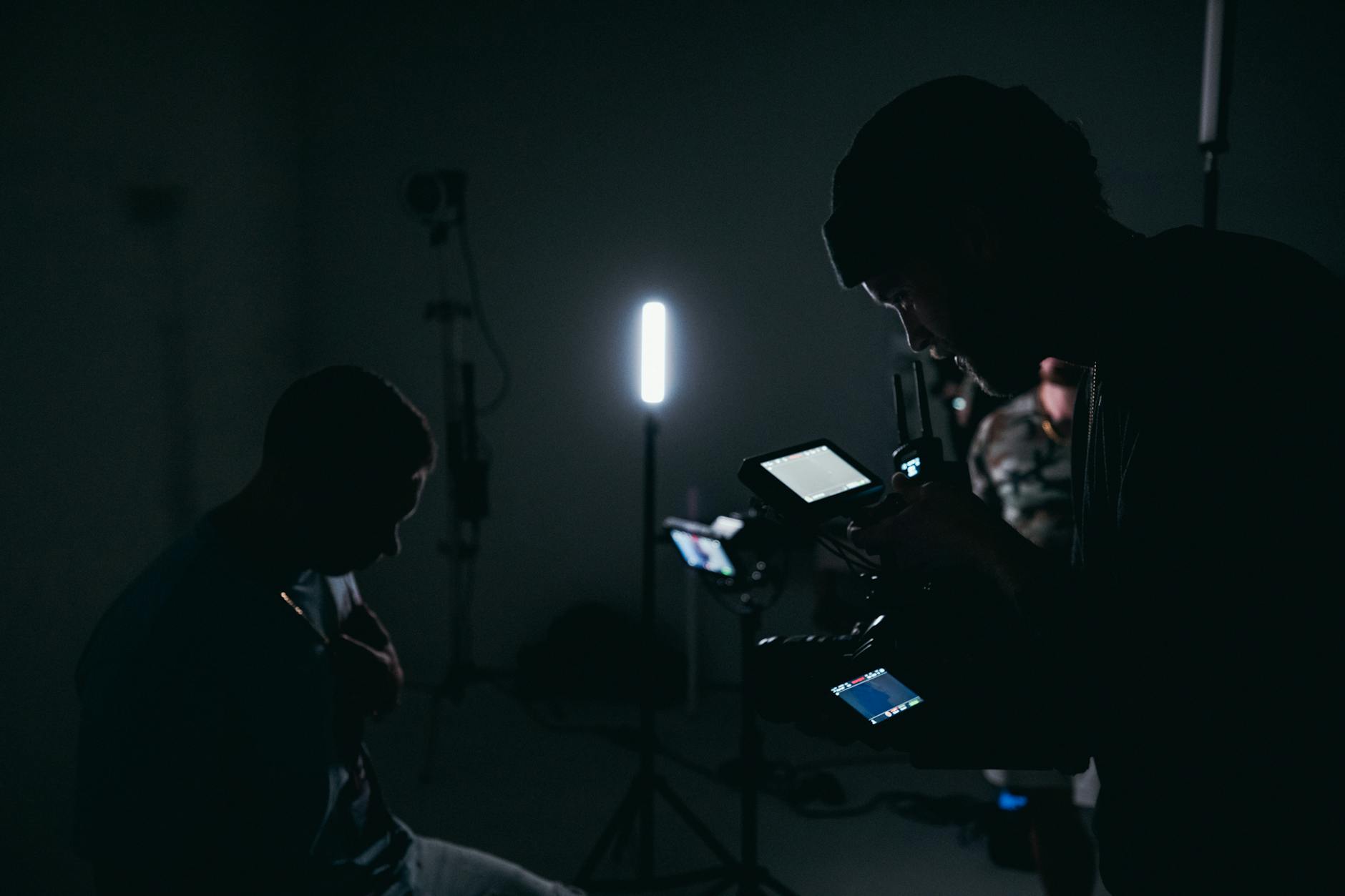
International and local live streams rely heavily on robust infrastructure, including backbone servers, secure internet connections, and carefully calibrated broadcasting hardware. These elements work in sync to produce a clean, stable feed that minimizes latency and buffering. Additionally, multi-platform streaming capabilities enable the content to reach various digital venues—social media, dedicated streaming channels, or proprietary websites—maximizing audience reach and engagement.
Planning and Pre-Production for Live Coverage
Successful live event video coverage is predicated on meticulous planning during the pre-production phase. This involves detailed coordination with event organizers to understand the schedule, key moments, and audience expectations. A comprehensive shot list and camera plan are developed to ensure coverage captures all significant aspects of the event. Pre-visualization includes site surveys to determine the best camera angles, lighting considerations, and power requirements, which collectively enhance broadcast quality.
Technical rehearsals are critical to identify potential issues and refine camera movements, audio levels, and streaming setups. These rehearsals create a clear blueprint for the live production team, ensuring everyone understands their roles and responsibilities. Additionally, establishing reliable communication channels among crew members facilitates real-time coordination, quick decision-making, and troubleshooting during the event.
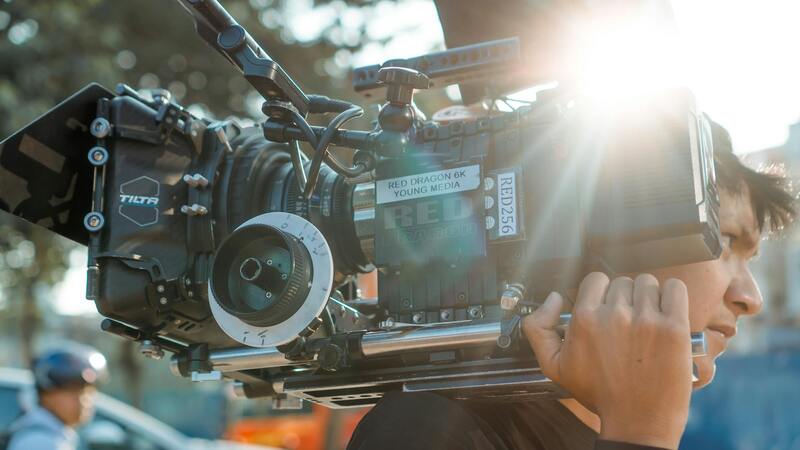
Equipment and Technology Used in Live Event Coverage
The backbone of high-quality live streaming is state-of-the-art equipment and technology. Key components include professional-grade cameras capable of high-definition and 4K broadcast quality, mounted on adjustable stabilizers or tripods for smooth motion shots. Audio is captured through wireless microphones, boom mics, and mixing consoles, ensuring clarity and balanced sound.
Video switchers or production mixers facilitate real-time scene changes, transitions, and overlays, enhancing visual storytelling. Streaming encoders convert raw video and audio signals into streams compatible with various platforms, leveraging advanced compression algorithms to optimize bandwidth utilization without sacrificing quality. Content Delivery Networks (CDNs) play a crucial role by distributing the stream across multiple servers worldwide, reducing latency and avoiding buffering issues for viewers regardless of their geographical location.
Simultaneously, on-site monitoring tools track stream health, viewer engagement, and transmission parameters, allowing for immediate adjustments if technical discrepancies arise. From portable mobile units to fixed broadcast stations, technology flexibility ensures the coverage adapts seamlessly to diverse venue environments and event scales.
Execution of Live Event Video Coverage
During the event, real-time coordination is vital to maintain broadcast integrity. Camera operators, guided by the shot list and director’s commands, work to capture the most compelling visuals. The director, often situated in a control room, directs camera feeds, manages transitions, and coordinates with audio engineers to ensure audio-visual synchronization. Critical to this process is rapid problem-solving—whether troubleshooting a camera feed, adjusting audio levels, or addressing connectivity issues—to prevent disruptions.
Backend technical teams continuously monitor the stream’s integrity, proactively intervening to resolve conflicts or glitches. Strict adherence to the pre-established plan, combined with adaptive decision-making, maximizes broadcast quality. Additionally, integrating graphics, real-time captions, and viewer interaction features enriches the live experience and fosters audience engagement. After the event wraps up, immediate post-production tasks involve archiving footage, analyzing stream data, and preparing for subsequent distribution channels.
Choosing a Miami Production Agency for Live Coverage
Securing the right coverage for your event requires meticulous selection of a professional Miami-based production agency specializing in live event video coverage. An experienced agency demonstrates a comprehensive understanding of both technical demands and creative elements essential for high-quality live broadcasts. When evaluating potential partners, consider their familiarity with diverse event types, from corporate conferences to outdoor festivals, ensuring they possess the versatility to adapt to unique logistical challenges.
It's crucial to assess their technological capabilities, including the availability of advanced broadcasting equipment, streaming infrastructure, and contingency planning strategies. A top-tier agency invests in cutting-edge gear such as multiple camera systems, high-performance encoding hardware, and robust connectivity options—whether fiber-optic lines, satellite links, or wireless solutions—tailored to the venue and event scale.
Client reviews and portfolio showcases offer insights into their track record, highlighting successful live streams and client satisfaction. A history of well-executed events reflects reliability, technical proficiency, and seamless coordination. Additionally, transparency regarding their workflow, team composition, and crisis management protocols underscores their professionalism and preparedness for unexpected issues.
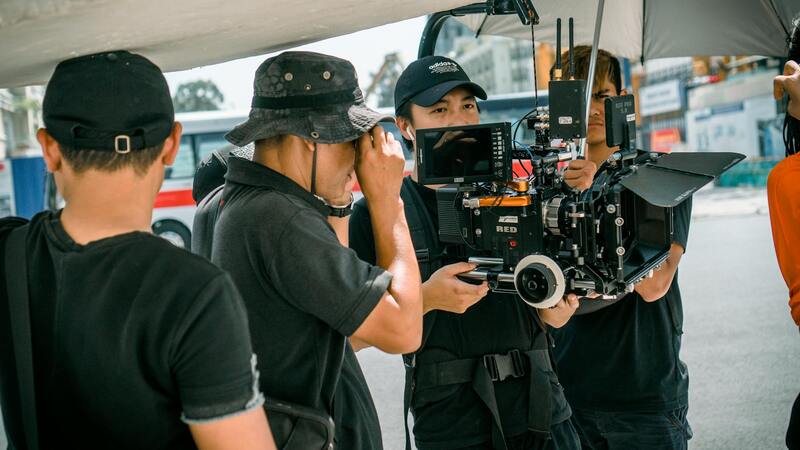
Effective communication is essential when selecting a partner. An agency that provides clear, comprehensive proposals outlining workflows, timelines, and technological specifications helps build confidence and aligns expectations. Involving them in early planning stages facilitates customized solutions that meet your event's specific needs, whether requiring multiple camera angles, interactive elements, or multilingual coverage.
Factors to Consider When Selecting a Miami Production Partner
- Technical Expertise: Expertise in current broadcasting standards and innovative streaming solutions.
- Equipment Quality: Access to high-definition cameras, professional audio setups, and reliable transmission systems.
- Experience in Event Types: Proven success across various event formats and scales.
- Client Testimonials: Positive feedback reflecting professionalism, timeliness, and quality.
- Adaptability and Support: Availability of on-site technical support and contingency planning.
By meticulously evaluating these criteria, organizers can identify a local Miami production agency capable of delivering superior live event video coverage, ensuring that the broadcast not only captures the event’s essence but also engages audiences effectively across multiple platforms.
Ensuring Quality and Compliance in Live Event Video Coverage
Delivering professional live event video coverage involves strict adherence to high technical standards and official broadcasting practices. This ensures that the live stream not only maintains a high visual and audio quality but also aligns with industry protocols for reliability and audience engagement. Reputable production teams utilize well-established methods to guarantee seamless transmission, including redundancy systems, backup encoding, and multiple signal pathways.
Standardized workflows include meticulous pre-event testing of equipment, real-time monitoring, and post-event analysis to identify and rectify any issues that arose during the broadcast. These practices maintain the integrity of the coverage, allowing audiences to enjoy a smooth viewing experience irrespective of connectivity challenges or technical glitches.
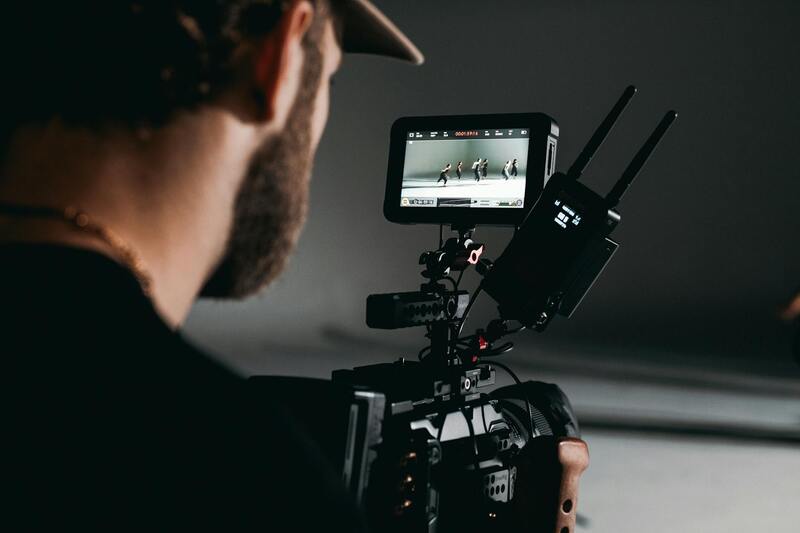
When executing live video coverage, teams follow official signal management techniques such as direct feeds from event cameras to specialized broadcast hardware. This direct feed minimizes latency and maximizes picture clarity. Over-the-air (OTA) and IP-based streaming solutions are employed based on the event scale, location, and target audience. These methods are widely recognized and accepted within the professional broadcasting community.
Secure transmission channels, encrypted streams, and adherence to scheduled transmission times are critical components of successful live coverage. Ensuring all technical staff are trained in current communication protocols and standards further reinforces the reliability of the broadcast. For large or high-profile events, licensing and copyright considerations are also factored into the planning to avoid disruptions or legal complications.
Maintaining Audience Engagement Through Official Platforms
Effective use of official distribution channels enhances audience reach and engagement. This involves deploying streaming on reputable platforms that support live broadcasting standards, such as dedicated event websites, official social media pages, or curated OTT services. Utilizing these channels ensures a broader, more controlled exposure to viewers while maintaining content integrity. These platforms also provide valuable analytics, allowing organizers to gauge audience interactions and optimize future productions.
Furthermore, integrating additional features such as real-time chats, interactive Q&As, and multi-angle viewing options encourages active engagement. Moderating these interactions responsibly and ensuring they conform to platform guidelines contribute to a professional presentation. Additionally, providing recorded versions post-event consolidates viewer satisfaction and extends the lifespan of the event content.
Legal and Ethical Considerations in Live Event Coverage
Upholding most engagement strategies involves strict compliance with content management policies and ethical broadcasting standards. This includes obtaining necessary permissions for the use of copyrighted materials, respecting performers' rights, and ensuring all content complies with regulatory frameworks. Certified content delivery networks (CDNs) and authorized streaming services are used to distribute the live coverage, thus securing the broadcast against unauthorized access or distribution.
Implementing watermarking and digital rights management (DRM) technologies provides an additional layer of security, helping to protect the broadcast from piracy. Transparency with stakeholders about coverage methods, data handling, and viewer interaction protocols fosters trust and ensures that the live event coverage is both reputable and sustainable across diverse platforms.