
Understanding Live Event Broadcasting for Corporate Events
Broadcasting corporate events live has become a cornerstone of modern business communication. It enables organizations to extend their reach beyond physical venues, connecting with audiences in real time regardless of geographic barriers. The live broadcast of conferences, seminars, product launches, and annual meetings ensures that all stakeholders—whether employees, clients, or partners—can participate without logistical constraints.
Implementing a professional live streaming strategy significantly elevates audience engagement. Attendees can actively participate through live Q&As, polls, and interactive features, fostering a sense of community and immediacy. Additionally, live broadcasting enhances accessibility for remote participants, offering instant access to event content without delays or compromises in quality. This broad accessibility not only boosts the event's impact but also provides valuable content that can be repurposed for future marketing and training initiatives.

To ensure seamless live transmissions, organizations must employ established methods that prioritize professionalism, clarity, and technical reliability. This includes detailed planning, choosing the right technology, and ensuring technical support is readily available. With the right approach, live event broadcasting transforms traditional corporate gatherings into accessible, engaging, and impactful experiences, ultimately supporting organizational goals and brand positioning in a competitive landscape.
Legal, Privacy, and Content Considerations
When broadcasting corporate events live, it is essential to adhere to established methods that uphold standards of professionalism and protect all involved parties. This involves implementing comprehensive content management protocols to ensure that material shared during the broadcast aligns with corporate policies and regulatory requirements. Organizations should develop clear guidelines regarding the types of content that can be broadcast, including sensitive information, proprietary data, and brand messaging.
Furthermore, securing appropriate permissions before the event begins is a crucial step. This includes obtaining consent from speakers, attendees, and other participants whose likenesses, voices, or proprietary content will appear in the live stream. Recording and sharing consent forms in advance helps prevent potential disputes and ensures transparency. It’s advisable to draft specific agreements that outline how recorded footage, chat interactions, and participant data will be handled, stored, and possibly repurposed post-event.
Each organization should also establish a clear content oversight process. This involves designating a team responsible for real-time monitoring of the broadcast to address any unexpected issues, such as inappropriate comments or technical glitches. Employing moderation tools and having a designated technician on standby further enhances the control over the live feed. Ensuring compliance with data privacy standards and safeguarding confidential information underscore the importance of a well-structured approach to live streaming content.
Utilizing official streaming licenses and adhering to copyright laws is another key aspect. This means verifying that all content—be it music, images, or video clips—used during the broadcast has the appropriate rights cleared. Incorporating legal checks into the pre-production phase minimizes the risk of copyright infringements and potential legal repercussions. Also, establishing clear policies regarding screen sharing, external content insertion, and third-party presentation materials helps maintain consistency and legal compliance throughout the live event.
By following these established methods, organizations can ensure that their live broadcasting efforts are conducted smoothly, professionally, and responsibly, fostering trust and credibility amongst stakeholders while maximizing the impact of their corporate communications.
Legal, Privacy, and Content Considerations
When broadcasting corporate events live, it is crucial to follow established procedures that ensure content security and compliance with relevant standards. Utilizing authorized streaming platforms and verified content delivery networks helps maintain high-quality streams while preventing unauthorized access or disruptions. Employing official licenses for all media assets used in the broadcast guarantees that the content has been properly obtained or licensed, safeguarding the organization against potential disputes.
In practice, this involves thoroughly vetting any third-party media, including music tracks, images, and video clips, to confirm they are cleared for public broadcast. It is also essential to implement strict access controls to restrict live feeds to authorized personnel only. This can be achieved through secure credentials and multi-factor authentication, providing an additional layer of protection against unauthorized interceptions or leaks.

Furthermore, organizations should establish comprehensive privacy policies that define how participant data is collected, processed, and stored during the live event. Transparent communication about these policies ensures that attendees and stakeholders are informed about the handling of their information, fostering trust and confidence.
Another critical aspect is managing audience interaction responsibly. While live chats and Q&A sessions enhance engagement, moderation protocols should be in place to prevent inappropriate comments and protect sensitive information. Assigning dedicated moderators and employing advanced moderation tools help manage real-time interactions effectively, ensuring a respectful and secure viewing experience.
Adherence to data protection standards, like encrypting the live stream and securing storage of recorded content, supports organizational integrity and confidentiality. These measures not only bolster security but also demonstrate a commitment to responsible content management. Consistently applying legal and privacy best practices throughout every phase of the broadcast ultimately contributes to a professional, controlled, and trustworthy presentation of the corporate event.
Ensuring Reliable Internet and Technical Support
Reliable internet connectivity is fundamental to delivering a seamless live broadcast of corporate events. Any interruption or lag can disrupt the flow of the event, diminish audience engagement, and compromise the professional image of the organization. To achieve optimal performance, organizations must invest in high-bandwidth, dedicated internet connections that can handle multiple data streams simultaneously. Employing redundant internet pathways, such as secondary connections from different providers, create a failsafe mechanism that ensures the broadcast continues smoothly even if the primary connection encounters an outage.
In addition to robust internet infrastructure, dedicated technical support staff should be on hand during the live event. These professionals troubleshoot issues in real-time, manage broadcasting hardware, and coordinate signaling between different production components. They ensure that audio-visual feeds are synchronized, broadcasting equipment functions correctly, and any technical glitches are promptly addressed, minimizing disruptions. Pre-event testing of all technical systems, including internet stability, hardware performance, and signal routing, is essential to identify potential issues before the live broadcast begins.

Furthermore, organizations should coordinate with internet service providers to confirm bandwidth capabilities and latency levels. Latency, or delay, can significantly impact real-time interactions and the overall viewing experience. Quality of Service (QoS) configurations can prioritize live broadcast traffic over other network activities, reducing lag. Having an adept technical team available to monitor these parameters throughout the event and make necessary adjustments is crucial for maintaining stream stability.
Utilizing advanced broadcasting hardware, such as encoders, switchers, and backup power supplies, enhances the reliability of the transmission. Encoders convert high-quality video signals into streams suitable for online delivery, while switchers facilitate multiple camera angles or sources, allowing a dynamic viewing experience. Backup power sources, including uninterruptible power supplies (UPS), guarantee continuous operations in case of power fluctuations or outages, preventing unexpected broadcast interruptions.
Ultimately, successful live corporate event broadcasting depends on meticulous planning, high-quality equipment, and proactive technical management. Organizations should partner with experienced production teams familiar with best practices, ensuring their live streams are resilient, professional, and engaging for all participants and remote viewers alike.
Ensuring Reliable Internet and Technical Support
Achieving a seamless live broadcast of corporate events hinges significantly on stable internet connectivity and robust technical support. The importance of a dedicated high-speed internet connection cannot be overstated; it ensures that the live stream remains uninterrupted and maintains high quality throughout the event. When planning to broadcast corporate events live, organizations should consider dedicated fiber-optic internet lines that offer symmetrical upload and download speeds, minimizing latency and buffering issues.
In addition to internet infrastructure, the deployment of a comprehensive technical support team is vital. This team monitors the live feed continuously, promptly addressing any issues such as signal degradation, equipment malfunctions, or connectivity disruptions. The support team should be well-versed in troubleshooting streaming hardware, managing audio-visual synchronization, and implementing real-time adjustments to optimize stream quality.

Backup measures play a crucial role in resilient broadcasting. Redundant internet connections, such as secondary LTE or 5G networks, can serve as failovers if primary connections experience issues. Likewise, backup hardware components, including spare encoders and power supplies, help sustain the broadcast in case of equipment failure, ensuring no loss of transmission and a smooth viewing experience for remote audiences.
Achieving optimal streaming performance also requires careful network configuration. Implementing Quality of Service (QoS) settings allows prioritization of live broadcast traffic over other network usage, reducing latency and packet loss. Coordinating with internet service providers to understand bandwidth profiles and ensure adequate capacity during peak times is another strategic step. Regular pre-event tests and dry runs help identify potential issues, allowing teams to fine-tune system configurations well before the actual broadcast.
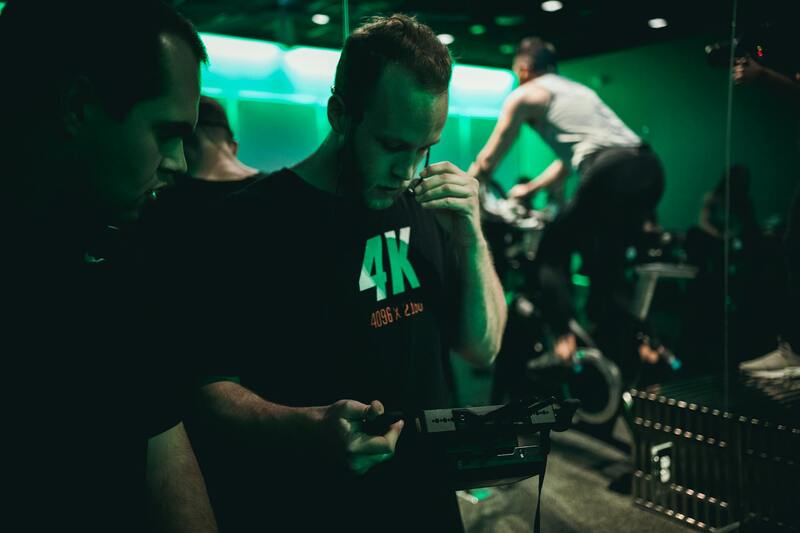
In sum, the reliability of a live corporate event broadcast depends heavily on both internet infrastructure and proactive technical planning. Collaborating with experienced technical teams who are familiar with enterprise streaming solutions ensures that the event proceeds without technical hindrances, maintains high quality standards, and meets the expectations of both live and remote viewers.
Advanced Techniques for Broadcast Corporate Events Live
Achieving a seamless live broadcast of corporate events necessitates a strategic approach to sourcing the right methods and procedures. Content delivery via secure, high-capacity networks remains essential to prevent interruptions and ensure high-definition streams that engage remote audiences with clarity and professionalism. Employing multi-layered content management systems and utilizing dedicated multicast protocols can optimize the distribution process, reducing latency and buffering times. These methods help maintain a consistent viewing experience across various devices and network conditions, boosting viewer satisfaction and reinforcing the event's credibility.

In addition to network infrastructure, rigorous adherence to procedural best practices forms the backbone of legitimate broadcasting strategies. It involves detailed pre-event planning, including content rehearsals and troubleshooting sessions to identify potential vulnerabilities. Proper management of content rights and permissions ensures compliance with intellectual property standards, minimizing risks associated with unauthorized usage. This proactive approach guarantees that the stream remains clear of legal issues and maintains the brand’s integrity.
Furthermore, leveraging encryption and privacy tools during live transmissions safeguards sensitive corporate information. Techniques such as end-to-end encryption and secure servers prevent unauthorized access or interception, especially when sharing confidential insights or proprietary data during broadcasts. These measures reassure stakeholders and audiences of the event’s integrity while demonstrating a commitment to professional broadcasting standards.
Utilizing Official Streaming Platforms and Network Architectures
Choosing reputable streaming platforms—whether proprietary enterprise solutions or established online services—forms a critical component of legitimate broadcast practices. These platforms typically provide robust hosting environments, built-in security, and scalability options that can accommodate large audiences without compromising quality. Compatibility testing ensures smooth integration with existing infrastructure, reducing the likelihood of technical glitches during live transmission.
Effective network architecture also involves implementing Content Delivery Networks (CDNs) that distribute the stream across multiple server nodes worldwide. This decentralization decreases latency and enhances stream reliability by balancing the load, especially during peak viewer times. Proper configuration of firewalls and bandwidth allocation further optimizes performance, safeguarding the stream against potential disruptions from external factors.
Embedding Analytics and Feedback Loops
Post-broadcast analytics provide valuable insights into viewer engagement, stream quality, and technical performance. Metrics such as buffer rates, viewer demographics, and engagement levels help refine future broadcast strategies. Real-time feedback mechanisms enable technical teams to address issues promptly, further enhancing the quality and reliability of subsequent transmissions.
Implementing official and proven methods for live corporate event streaming not only upholds the event's professional stature but also maximizes widespread reach and audience engagement. These practices demonstrate a lasting commitment to quality, security, and compliance, essential for sustaining a brand’s reputation in the digital age.
Ensuring Reliable Internet and Technical Support for Broadcast Corporate Events
One of the most critical components of a successful live broadcast is maintaining a stable and high-quality internet connection. Reliable connectivity ensures that the event streams seamlessly without interruptions, buffering, or quality degradation, which can detract from the professional image of a corporate presentation. To achieve this, it is essential to utilize dedicated, high-bandwidth internet lines with symmetrical upload and download speeds that are capable of handling the size of the broadcast and the expected viewer load.
Furthermore, employing multiple internet connections through bonded or aggregated links provides redundancy. This approach allows the broadcast to switch seamlessly between connections if one experiences a disruption, thereby reducing the risk of a complete transmission failure. Network redundancy also helps manage unexpected spikes in bandwidth demand that often occur during peak viewing times, ensuring a consistently smooth streaming experience.
Technical support plays a vital role in identifying and resolving issues proactively. Prior to the event, comprehensive testing of all technical components—including network health, streaming equipment, and backup systems—is conducted to ensure compatibility and optimal performance. During the broadcast, dedicated technical teams monitor the stream in real time, ready to troubleshoot any issues such as latency problems, audio or video glitches, or stream stability concerns. This constant oversight helps maintain broadcast integrity and viewer satisfaction.

In addition to internet stability, the deployment of professional-grade hardware such as encoders, switchers, and backup power supplies guarantees that the live broadcast maintains a high standard of quality. Redundant hardware setups further minimize the risk of technical failures, allowing seamless failover in case of malfunction. These measures collectively build a resilient environment that supports consistent, high-quality transmission essential for large-scale corporate events.
Besides having top-tier equipment, maintaining a detailed technical plan that includes troubleshooting protocols and emergency procedures is indispensable. When technical glitches happen—despite thorough preparations—immediate response is critical. Well-trained technicians should be equipped with tools to quickly diagnose and resolve issues, whether they relate to network, hardware, or software components. This swift action minimizes down-time and keeps the event on schedule, preserving professionalism and stakeholder confidence.
Legal, Privacy, and Content Considerations
Successfully broadcasting corporate events live requires careful navigation of legal and privacy considerations to ensure that all content shared during the event complies with applicable regulations and standards. This involves securing the necessary permissions and consents for any third-party content, including images, videos, music, or proprietary material incorporated into the broadcast. Companies must verify that all visual and auditory elements are appropriately licensed or originate from authorized sources, thereby avoiding potential copyright infringements.
Implementing robust privacy policies is equally vital. Prior to streaming, companies should inform all participants and stakeholders about the nature of the live broadcast, including how the recordings will be used, stored, and shared. Consent forms or disclaimers should be presented to attendees and speakers, especially when their images or personal information are involved, to ensure transparency and agreement.
During the planning phase, a comprehensive review of content is advisable to identify any sensitive information that should be excluded or handled with additional security measures. This includes strategic discussions on what proprietary data or confidential insights may be shared publicly and what should remain internal.

To mitigate risks related to content dissemination, companies often employ the following measures:
- Pre-approved Content Review: all materials intended for broadcast are vetted beforehand for compliance and appropriateness.
- Secure Data Management: implement encryption and secure storage practices for recorded streams and related data.
- Access Controls: restrict live feed access to authorized personnel only, utilizing secure login credentials and permissions.
- Monitoring and Moderation: assign dedicated team members to monitor the live stream, ready to address any content issues or unauthorized disclosures in real time.
In case of unexpected issues such as unintended disclosures or technical content interruptions, having an emergency response plan is crucial. This plan should clearly identify steps to promptly address and rectify any breaches or mistakes, including immediate content withdrawal or stream interruption if necessary.
Finally, a thorough review of all legal and privacy aspects post-broadcast ensures compliance and provides insights for improved management of future live events. Regular audits and feedback collection from stakeholders contribute to refining content protocols and safeguarding corporate interests during live streaming.