
Understanding Live Event Streaming Services
Live event streaming services have revolutionized the way events are presented, accessed, and experienced in recent years. These platforms enable the real-time transmission of live video content over the internet, allowing audiences to participate from anywhere in the world without geographic limitations. By leveraging sophisticated broadcasting technology and expansive content delivery networks, live streaming has become an essential component for a variety of events, including conferences, concerts, sports tournaments, webinars, and corporate presentations.
Core functionalities of these services include high-definition video transmission, low latency broadcasting, interactive features such as live chat and polling, and reliable streaming infrastructure to handle large audiences. The benefits extend beyond broad reach; they also include increased engagement, cost savings compared to traditional staging, and the ability to access content on multiple devices such as smartphones, tablets, and desktop computers. For event organizers, adopting a live event streaming service facilitates global outreach, enhances audience participation, and provides valuable metrics for measuring engagement and reach.
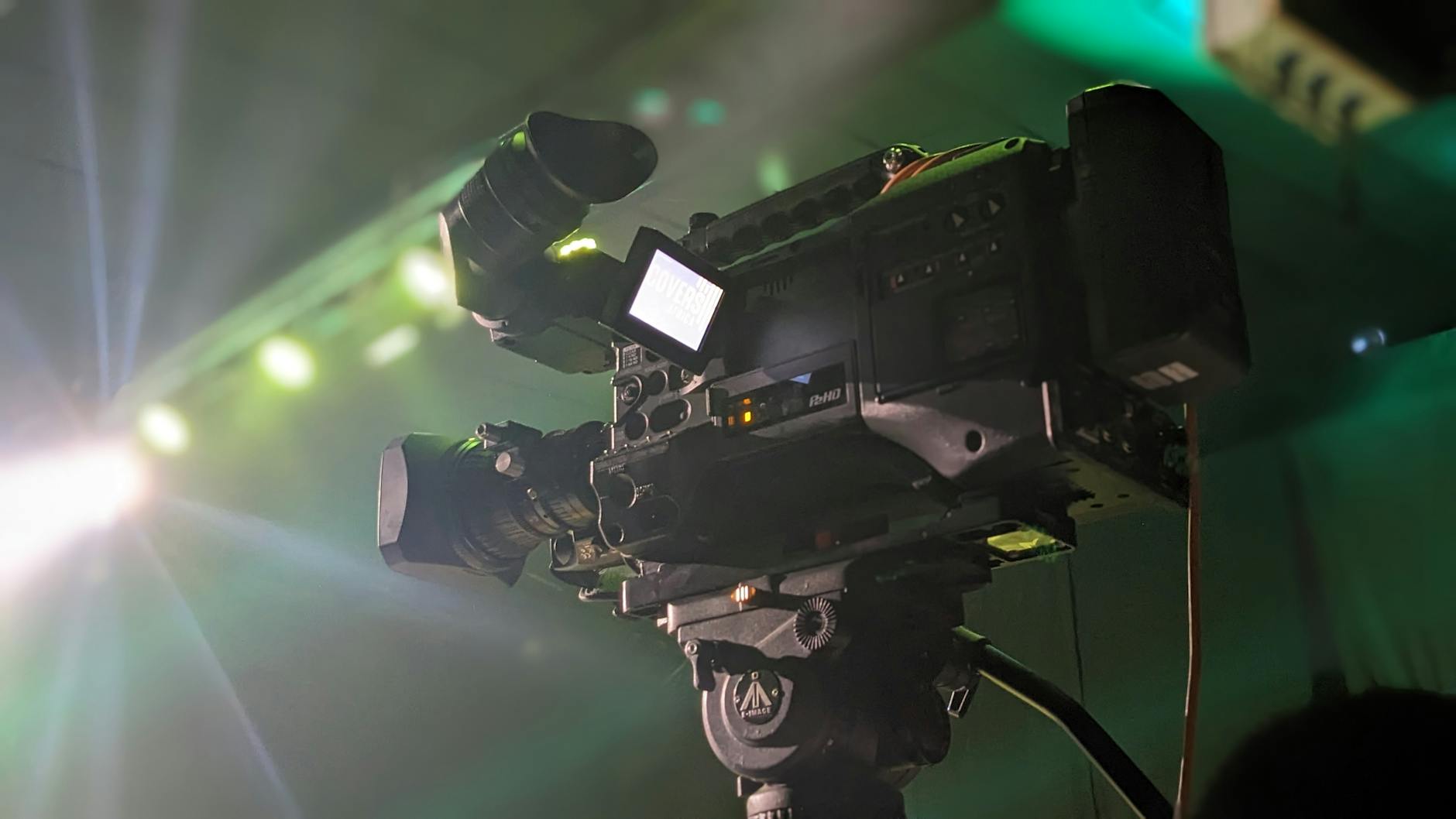
For viewers, a robust live streaming service offers real-time access to important or entertainment-driven events, often with options for multi-camera views, interactive features, and on-demand replays. This immediacy and accessibility make live streaming an indispensable tool in the digital age, helping organizers bridge the gap between physical presence and virtual participation. As technology advances, the capabilities and benefits of live streaming continue to expand, providing greater flexibility, interactivity, and personalization in how audiences engage with live content.
Key Features of Effective Streaming Platforms
- High-definition Video Quality: Ensures clear visuals that enhance viewer engagement and professionalism.
- Low Latency Broadcast: Minimizes delay, making live interactions and real-time discussions possible.
- Scalability: Capable of supporting small to massive audiences without compromising quality.
- Multi-device Compatibility: Optimized for viewing on smartphones, tablets, desktops, and smart TVs.
- Interactive Tools: Live chat, Q&A segments, polls, and social media integration for audience engagement.
- Reliable Streaming Infrastructure: Use of CDN (Content Delivery Network) ensures consistent streaming performance across geographic locations.
- Security Measures: Encryption, access controls, and digital rights management to protect content integrity and privacy.
Choosing the Right Streaming Technology
Selecting an appropriate streaming technology depends on several key factors, including the nature of the event, expected audience size, technological infrastructure, and specific organizational goals. Common options include:
- Web-based Streaming Platforms: These platforms operate via browsers, offering ease of access without requiring downloads or installations.
- Dedicated Hardware Encoders: Devices that convert live video signals into streams compatible with online distribution, suitable for complex event setups.
- Cloud-based Streaming Services: Solutions that provide scalable, on-demand encoding and distribution, ideal for dynamic event sizes.
Factors such as latency, customization capabilities, integration with existing event management tools, and cost are vital considerations when choosing the optimal streaming technology for your event.

Understanding Live Event Streaming Services
Live event streaming services have become essential tools for organizations aiming to connect with audiences in real time, regardless of geographical boundaries. These services utilize sophisticated technological infrastructures to deliver seamless, high-quality broadcasts that preserve the authenticity of in-person experiences while expanding outreach. The core components of effective live event streaming include robust content delivery networks (CDNs), scalable encoding solutions, and adaptive streaming protocols that adjust for varying internet speeds and device capabilities.

Modern live streaming platforms support features such as multi-platform compatibility—allowing viewers to access content from desktops, smartphones, tablets, and smart TVs—interacting through live chat, polls, and social media sharing to foster audience engagement. Ensuring the security of content through encryption, access controls, and digital rights management (DRM) is also a critical aspect, protecting intellectual property and maintaining viewer trust.
When selecting a live event streaming service, it is crucial to evaluate the technological methods employed. These include web-based streaming, which simplifies access via browsers without the need for additional software; dedicated hardware encoders, which are suitable for complex setups requiring precise control over video quality; and cloud-based services, offering flexible, scalable solutions capable of handling fluctuating audience sizes efficiently.
Innovative Tools Enhancing Live Streaming Effectiveness
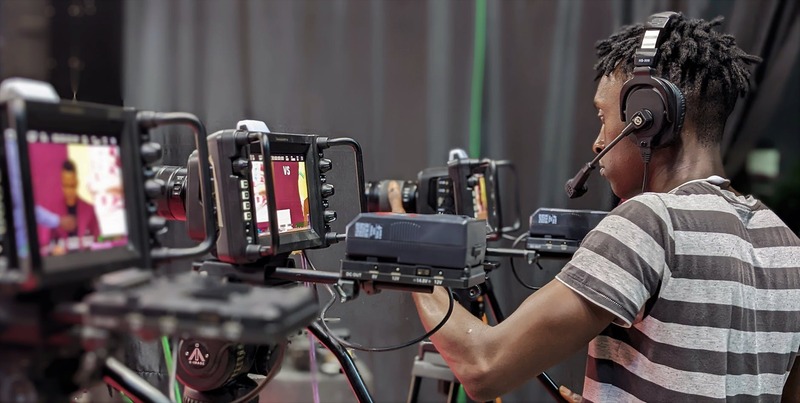
Effective streaming platforms are distinguished by several critical features. High-resolution video quality and low latency ensure that viewers receive crisp, near real-time content, preserving the immediacy of live events. Scalability allows hosts to accommodate a growing audience without compromising performance, while audience engagement tools such as live chat, interactive polls, or integrated social media feeds deepen viewer participation. Compatibility across multiple devices ensures that viewers can enjoy a consistent experience regardless of their chosen platform.
Factors to Consider When Selecting Streaming Technology
- Event Scale and Audience Expectations: Larger events necessitate more robust infrastructure with scalable encoding and distribution options.
- Data Usage and Bandwidth: Adaptive streaming protocols help optimize bandwidth, providing high-quality views without excessive data consumption.
- Customization and Control: Platforms that offer branding options, tailored interfaces, and integration with existing event management tools facilitate cohesive viewer experiences.
- Cost and Implementation Timeline: Budget constraints and preparation schedules influence the choice between dedicated hardware and cloud-based services.
Integrating Live Streaming into Event Production
Successfully incorporating live streaming into an event involves meticulous planning of technical workflows. This includes pre-event testing of streaming equipment, establishing reliable internet connectivity, and coordinating with production teams to synchronize camera feeds, audio sources, and graphical overlays. Using multiple cameras and professional audio equipment enhances the viewing experience and replicates the immersive feel of on-site attendance.
Advantages for Miami-based Events and Organizations
For businesses, cultural institutions, or educational establishments in Miami, live streaming offers expanded outreach, increased attendance, and new revenue streams. It enables local events to reach wider audiences nationally and internationally, boosting visibility and engagement. Additionally, real-time analytics provided by streaming platforms help organizers gauge viewer participation and tailor future events accordingly.
Addressing Challenges and Implementing Solutions
Common challenges in live streaming include technical difficulties, latency issues, and security concerns. To mitigate these, organizations should perform rigorous testing, use reliable CDN providers, and incorporate advanced cybersecurity measures. Employing backup internet connections and redundant streaming setups ensures continuity in case of technical failures, safeguarding the event’s success.
Best Practices for Delivering a Flawless Live Stream
- Advance Testing: Conduct comprehensive pre-event checks to verify equipment functionality and internet stability.
- Clear Communication: Coordinate with all stakeholders, including presenters and technical staff, for smooth operations.
- Quality Control: Monitor stream quality continuously and be prepared to make real-time adjustments.
- Audience Engagement: Leverage interactive tools to maintain viewer interest and participation throughout the event.
- Post-Event Analysis: Review analytics to assess performance metrics and identify areas for improvement.
Emerging Trends in Live Event Streaming
Future developments may include the integration of augmented reality (AR) and virtual reality (VR) for more immersive experiences, the use of artificial intelligence (AI) to enhance content customization and moderation, and greater adoption of 5G technology to enable ultra-low latency streams. As these advancements evolve, live streaming will become even more accessible, engaging, and integral to event strategies in Miami and beyond.
Understanding Live Event Streaming Services
Live event streaming services have become indispensable tools for organizations and event organizers aiming to reach broader audiences in real-time. These services enable the broadcasting of events such as conferences, concerts, sports competitions, corporate meetings, and community gatherings over the internet. Selecting an appropriate live streaming platform involves understanding the range of available features, technical capabilities, and support infrastructure to ensure a seamless viewing experience for audiences worldwide.
The core function of a live event streaming service is to encode high-quality video and audio signals, transmit these signals efficiently over networks, and distribute them to viewers across multiple devices. This process requires sophisticated technology that can handle various bandwidth capacities, adapt to different network conditions, and deliver consistent stream quality. Proper use of content delivery networks (CDNs) is vital, as they facilitate the distribution of streams across geographic locations while minimizing latency and buffering issues.
Organizations utilizing live streaming platforms benefit from features such as multi-platform compatibility, real-time analytics, interactive engagement tools, and multi-camera support. These features facilitate not only the broadcast but also the interaction between hosts and live audiences, enriching the overall experience. Understanding the fundamentals of live event streaming services enables event organizers to choose solutions that match the event's scope, scale, and desired audience engagement level.
Key Features of Effective Streaming Platforms
When evaluating live event streaming services, certain features are essential to ensure quality, security, and user engagement:
- High-Quality Video and Audio Delivery: Support for HD and 4K streams guarantees clear visuals and crisp sound, crucial for engaging viewers and ensuring professionalism.
- Low Latency Transmission: Stream delay time needs to be minimized, particularly for live interactions such as Q&A sessions, auctions, or sports commentary.
- Scalability: The platform must accommodate varying audience sizes, from small meetings to large-scale global events, without compromising stream quality.
- Customizable Player Interfaces: Embeddable and branded media players enhance event presentation and integrate seamlessly with organizational websites or apps.
- Robust Security Measures: Features like encryption, secure access controls, and IP restrictions protect content and prevent unauthorized viewing.
- Analytics and Audience Insights: Detailed real-time analytics help organizers track viewer engagement, peak viewing times, and technical performance metrics for future improvements.
- Interactivity Tools: Chat functions, polls, and social media integration foster engagement and encourage active participation from viewers.
To maximize the benefits of live streaming, choosing a platform equipped with these features ensures a professional presentation, smooth operation, and active audience participation. Additionally, compatibility with various devices—smartphones, tablets, desktops, and smart TVs—baves the way for wider access, making event content available to diverse audiences regardless of their preferred viewing medium.
Understanding Live Event Streaming Services
Live event streaming services have revolutionized the way organizations, event producers, and content creators reach their audiences. By broadcasting live content over the internet, these platforms enable real-time interaction, expand reach beyond physical boundaries, and deliver engaging, dynamic experiences. Selecting an appropriate live streaming service involves understanding the key technical and operational components that ensure a seamless presentation for viewers.
At the core, a comprehensive live streaming service must deliver high-quality video and audio transmission, optimized for various devices and network conditions. It should support adaptive bitrate streaming, which dynamically adjusts streaming quality based on viewers’ internet speed, minimizing buffering and ensuring smooth playback. Additionally, the service should provide reliable content delivery networks (CDNs), which distribute the stream across multiple servers worldwide, reducing latency and preventing disruptions during high-traffic periods.
Scalability is another critical aspect, allowing events to cater to audiences ranging from small groups to massive crowds globally. A robust platform can handle large concurrent viewers without degrading the stream's performance. Alongside this, customizable media players embedded on organizational websites or social media platforms enhance branding consistency and provide viewer-friendly controls, such as full-screen options, subtitles, and interactive features.
Security measures are vital to protect your content and control access — features like end-to-end encryption, secure token authentication, and geo-restriction help safeguard your streams from unauthorized viewing. Moreover, integrated analytics tools provide detailed insights into viewer behavior, engagement levels, and technical performance, enabling organizers to make data-driven adjustments in real-time.
Interactivity tools, including live chat, polling, and social media integration, foster active viewer participation, encouraging a sense of community and engagement throughout the event. These features not only enhance the audience experience but also generate valuable feedback for organizers.

Understanding Live Event Streaming Services
Live event streaming services have become indispensable tools for organizations seeking to expand their outreach beyond traditional boundaries. By delivering content in real-time over the internet, these services facilitate the seamless transmission of conferences, concerts, sports events, and community gatherings directly to viewers across the globe. The core advantage of these platforms lies in their ability to offer high-quality, synchronized broadcasting that maintains professional standards, ensuring the audience experiences minimal latency and superior audiovisual clarity. When selecting a live streaming provider, it’s crucial to evaluate the platform’s infrastructure, including its server capacity, bandwidth management, and redundancy protocols, to guarantee a stable and uninterrupted viewing experience. Compatibility with various content management systems and social media platforms also enhances integration, allowing organizations to leverage existing digital assets effectively and extend their reach. As the digital landscape continues to evolve, live event streaming services are increasingly incorporating advanced features, such as multi-camera support, real-time graphics overlays, and immersive 360-degree streaming, to provide an engaging and dynamic viewing experience for audiences. These services not only serve as channels for broadcasting but also as comprehensive solutions that encompass content production, distribution, and audience interaction, making them vital components of modern event strategy.
For organizations in Miami, choosing a reliable live event streaming service like MiamiProductionExperts.com can connect local events with a broader community, enabling real-time engagement and expanding visibility. These platforms empower local businesses, nonprofits, educational institutions, and entertainment venues to showcase their events efficiently while maintaining control over content quality and security. Additionally, with the increasing demand for remote participation, live streaming services are facilitating hybrid events that combine in-person and virtual attendance, creating flexible formats that cater to varied audience preferences. Effective solutions include scalable cloud-based infrastructures, multi-platform streaming capabilities, and customizable viewer interfaces, all designed to meet specific organizational needs. As content consumption continues to diversify, having an adaptable and technologically advanced streaming service ensures that your event remains relevant, accessible, and engaging for all participants.
Understanding Live Event Streaming Services
Live event streaming services have revolutionized the way organizations, venues, and content creators broadcast their events. These platforms enable real-time transmission of audiovisual content over the internet, reaching audiences across geographic boundaries simultaneously. Unlike traditional methods that rely solely on physical attendance or pre-recorded videos, live streaming offers immediacy and interactivity, making it suitable for a wide array of applications including corporate conferences, music festivals, sports events, and community gatherings.
High-quality live streaming services function through a combination of hardware and software solutions. Content is captured via professional cameras and encoded using advanced hardware encoders to ensure optimal visual and audio clarity. Once encoded, the signal is transmitted over a robust internet connection to a streaming server, which then distributes it to viewers through various digital channels and platforms. This process necessitates reliable infrastructure, whether on-premise or cloud-based, capable of handling fluctuating viewer numbers and data bandwidth requirements.
For organizations operating in Miami or elsewhere, partnering with a dedicated live event streaming service like MiamiProductionExperts.com ensures access to comprehensive solutions designed for local and global reach. Their services typically include content production, multi-platform distribution, viewer engagement tools, and detailed analytics—all tailored to your specific event needs. Such platforms also emphasize security protocols to protect content from unauthorized access, safeguarding intellectual property and proprietary visuals.
Key Features of Effective Streaming Platforms
- High-Resolution Video: Support for 4K and HD quality to provide viewers with crisp visuals.
- Multi-Platform Compatibility: Ability to stream across various devices including desktops, smartphones, and smart TVs.
- Adaptive Bitrate Streaming: Dynamic adjustment of quality based on viewer internet speeds for uninterrupted viewing experiences.
- Interactivity Features: Live chat, polls, and Q&A functionalities to enhance audience engagement during the broadcast.
- Reliable Content Delivery Networks (CDNs): Ensuring swift distribution with minimal buffering or delays.
- Security Measures: Encryption, access controls, and watermarking to prevent piracy and unauthorized sharing.
Choosing the Right Streaming Technology
Selecting the optimal technology for live event streaming depends on specific event requirements and audience expectations. Cloud-based streaming solutions offer scalability and flexibility, ideal for events with fluctuating viewer counts. Hardware encoders and dedicated streaming servers are preferable for large-scale events that demand high stability and superior quality. Additionally, the choice of streaming protocols, such as RTMP or HLS, impacts latency and compatibility, dictating how swiftly content reaches viewers.
Effective integration often involves a combination of these technologies, ensuring smooth transition from content acquisition to viewer engagement. Implementing multi-camera setups, professional audio systems, and real-time monitoring tools can significantly improve broadcast quality. Moreover, leveraging cloud services for content distribution allows event organizers to scale resources as needed while maintaining performance standards.
Integrating Live Streaming into Event Production
The integration process begins with thorough planning of the event’s technical requirements, including camera placement, audio capture, and internet infrastructure. This synchronization ensures the live feed is both visually appealing and technically reliable. Employing a dedicated production team or partnering with experienced providers streamlines this process, managing tasks like multi-camera switching, graphics overlay, and live editing to enhance presentation quality.
Furthermore, seamless integration involves coordinating between the on-site production team and the streaming platform to synchronize content flow. Consideration should be given to backup solutions such as secondary internet connections and redundant hardware to prevent disruptions. Engaging a comprehensive service provider can simplify this complexity, providing end-to-end support from content creation to distribution and audience interaction.
Managed correctly, this integration facilitates a cohesive experience that resonates with viewers, whether they are attending physically or remotely. Enhanced features like synchronized chat, real-time statistics, and personalized viewing options elevate engagement levels. By aligning technical workflows with event objectives, organizers can ensure that live streaming adds strategic value, expanding reach while maintaining a high standard of broadcast quality.
Understanding Live Event Streaming Services
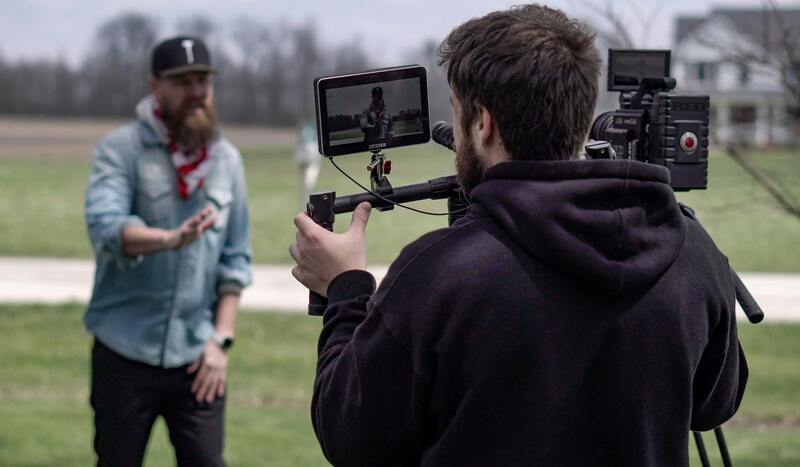
Live event streaming services have revolutionized how organizations, venues, and content creators deliver real-time content to audiences worldwide. These services encompass a range of technologies and platforms designed to capture, encode, transmit, and present live video and audio to viewers through web browsers, apps, or dedicated devices. The core objective is to provide a seamless, high-quality viewing experience that feels natural and engaging, akin to attending the event in person. Reliable live streaming involves meticulous planning, robust infrastructure, and adherence to best practices that ensure minimal latency, high-definition visuals, and stable connection — critical factors that influence audience satisfaction and engagement.
Range of Service Offerings
- Enterprise Streaming Platforms: Designed for large-scale events, these platforms support thousands of concurrent viewers with customizable branding, interactive features, and integration with other digital tools.
- Event-Specific Solutions: Tailored for conferences, concerts, sports, and church services, these services focus on ease of use, mobility, and high production quality.
- On-Demand and Replay Options: Complement live streams with the ability to access recordings, promoting extended engagement and content monetization.
- Audience Interaction Tools: Live chat, polls, Q&A, and real-time analytics foster viewer involvement and provide organizers with valuable insights.
Technological Foundations
At the heart of effective live streaming services are robust encoding hardware and algorithms, reliable internet connectivity, and scalable content delivery networks (CDNs). The encoding process converts raw footage into compressed formats suitable for transmission across the internet. CDNs distribute the content geographically closer to viewers, reducing latency and buffering issues. Integration with social media platforms and content management systems further amplifies reach and manageability. High-definition streaming demands a balance between quality and bandwidth consumption, often achieved through adaptive bitrate streaming, which dynamically adjusts the video quality based on viewer connection speeds.
Security and Compliance
To maintain content integrity and protect sensitive event data, live streaming services incorporate security measures such as encryption, digital rights management (DRM), and access controls. These protocols prevent unauthorized viewing and ensure compliance with broadcasting standards. For live events that involve ticketed or subscription-based access, secure login mechanisms and watermarking are essential tools for safeguarding content integrity and revenue streams.

Understanding Live Event Streaming Services
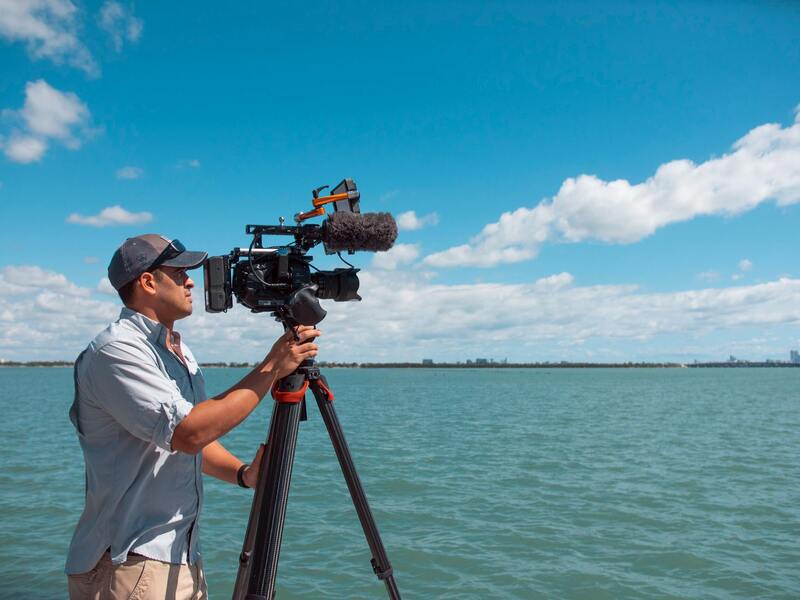
Live event streaming services have revolutionized how organizations broadcast their events to audiences across the globe. These platforms facilitate real-time video delivery, enabling viewers to participate in conferences, concerts, sports, and corporate events without geographical constraints. High-quality streaming hinges on the ability to seamlessly transmit content over the internet while maintaining optimal viewer engagement and security standards. For Miami-based organizations, selecting a reliable live streaming service ensures that local and international audiences experience events with clarity and stability. Such services typically encompass content encoding, distribution via global delivery networks, and viewer access management, making the entire process efficient and scalable.
Key Features of Effective Streaming Platforms
Top-tier live streaming platforms offer a suite of features designed to optimize viewer experience and streamline event management:
- Adaptive Bitrate Streaming: Ensures smooth playback by adjusting quality based on the viewer’s internet connection.
- Multi-Platform Compatibility: Supports delivery across desktops, tablets, smartphones, and smart TVs.
- Interactive Tools: Live chat, polls, and Q&A modules foster audience engagement.
- Security Protocols: Encryption, digital rights management (DRM), and secure login options protect content.
- Analytics and Reporting: Provides detailed insights into viewer behavior, geographic distribution, and stream performance.

Choosing the Right Streaming Technology
Selecting appropriate streaming technology depends on event scale, content type, and audience expectations. For high-profile events in Miami, technology options like RTMP for reliable live encoding, HLS for mobile compatibility, and DASH for multi-device delivery are preferred. Furthermore, integration with CDNs ensures minimal latency and buffering, crucial for maintaining viewer interest during large gatherings. When evaluating technology options, consider scalability to accommodate peak viewership, customization capabilities to match branding needs, and support for high-resolution content such as 4K. Additionally, the ability to implement secure streaming protocols protects content and maintains brand integrity.

Integrating Live Streaming into Event Production
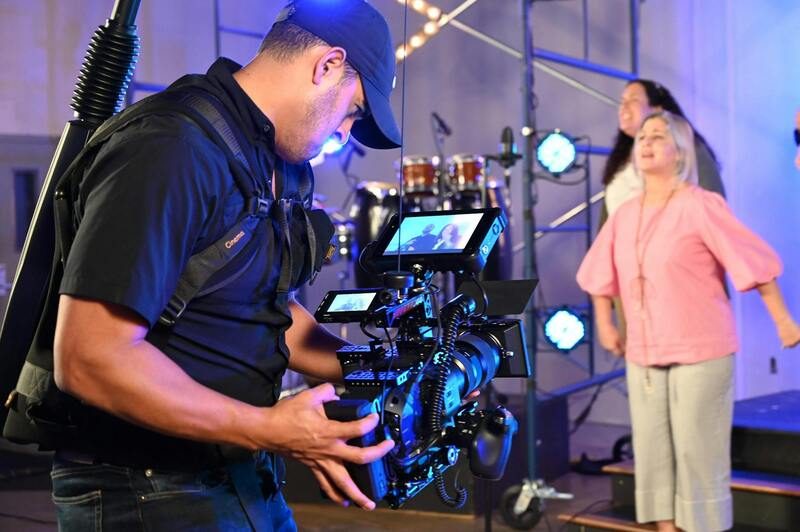
Effective integration of live streaming into event production requires meticulous planning and technical setup. This process involves deploying high-quality cameras, professional audio equipment, and encoders capable of capturing and compressing content in real time. Venue infrastructure must support stable internet connections and power supply to prevent disruptions. Event organizers should also coordinate with streaming providers to ensure synchronization between the live feed and presentation elements, such as slides or multimedia. Additionally, pre-event rehearsals help identify potential technical issues, allowing for adjustments that ensure a smooth broadcast. Integration also extends to content management—organizers utilize platforms that facilitate multi-camera switching, overlays, and real-time graphics, elevating the overall production quality.

Benefits for Miami-based Events and Organizations
For Miami’s vibrant event scene, leveraging professional live event streaming services amplifies reach and engagement. Local organizations can expand attendance beyond physical constraints, allowing international audiences to participate virtually. This increased accessibility often results in higher brand exposure, sponsorship opportunities, and revenue from virtual ticket sales or subscriptions. Additionally, live streaming provides valuable analytics that help organizers tailor content for future events. The collaborative potential with social media platforms increases visibility and audience interaction, further enhancing the event’s profile. Moreover, Miami-based organizations benefit from scalable solutions capable of handling large crowds or simultaneous streams, ensuring that even high-demand events maintain high quality and viewer satisfaction.
Challenges and Solutions in Live Streaming
While live streaming offers numerous advantages, it also presents technical challenges that require diligent solutions. Common hurdles include bandwidth limitations, latency, content security risks, and equipment reliability. To overcome these issues, employing load-balanced encoders and robust CDNs can mitigate bandwidth and latency problems. Implementing end-to-end encryption and secure access controls safeguard content during transmission. Regular equipment maintenance and rehearsals ensure reliability, minimizing disruptions during the live broadcast. Furthermore, establishing contingency plans for unforeseen issues, such as backup internet connections and redundant hardware, enhances resilience. Staff training on platform operation and troubleshooting is crucial to swiftly address on-site technical glitches, maintaining a seamless viewer experience.

Best Practices for Successful Live Event Streaming
Delivering a polished live event stream involves adherence to several proven best practices. Pre-event preparation should include comprehensive testing of all equipment, internet connections, and streaming configurations. Clear communication channels among production team members ensure swift response to emerging issues. Content quality must be the top priority; this involves using professional-grade cameras, lighting, and audio equipment. Stream moderators should actively monitor the broadcast, managing viewer interactions and technical issues in real time. For audience retention, providing multiple camera angles, engaging overlays, and synchronized multimedia enhances the viewing experience. Post-event, analyzing engagement metrics and viewer feedback guides future improvements. Consistency, technical competence, and attention to detail are key components of a successful live streaming strategy that elevates event professionalism and viewer satisfaction.