
Overview of Livestream Services in Miami
Livestreaming has transformed the way events are shared and experienced in Miami, a city renowned for its vibrant culture, bustling entertainment scene, and dynamic corporate environment. This technology allows organizers to broadcast events in real-time, reaching audiences beyond physical boundaries and expanding engagement across diverse demographics. For businesses, live streaming offers an opportunity to showcase products, conduct virtual conferences, or host promotional events with a professional polish that aligns with high-quality standards.
Miami's demand for professional livestreaming solutions continues to grow, driven by the increasing necessity for remote access to events, especially given the rapid digital transformation across industries. Whether it’s a music concert, a major corporate presentation, a charity fundraiser, or a city council meeting, live streaming provides a platform that combines immediacy with wider accessibility. The local market's evolution highlights a shift towards professional implementations that ensure seamless, crystal-clear broadcasting experiences for viewers regardless of their location.
Hosting a successful live stream in Miami involves engaging viewers with high-definition visuals, clear audio, and minimal latency. This level of quality requires specialized equipment and expertise to manage multiple technical aspects simultaneously, including video production, audio engineering, and reliable internet connectivity. By integrating these elements, event organizers can elevate their engagement metrics, foster greater participation, and build lasting connections with their audiences.
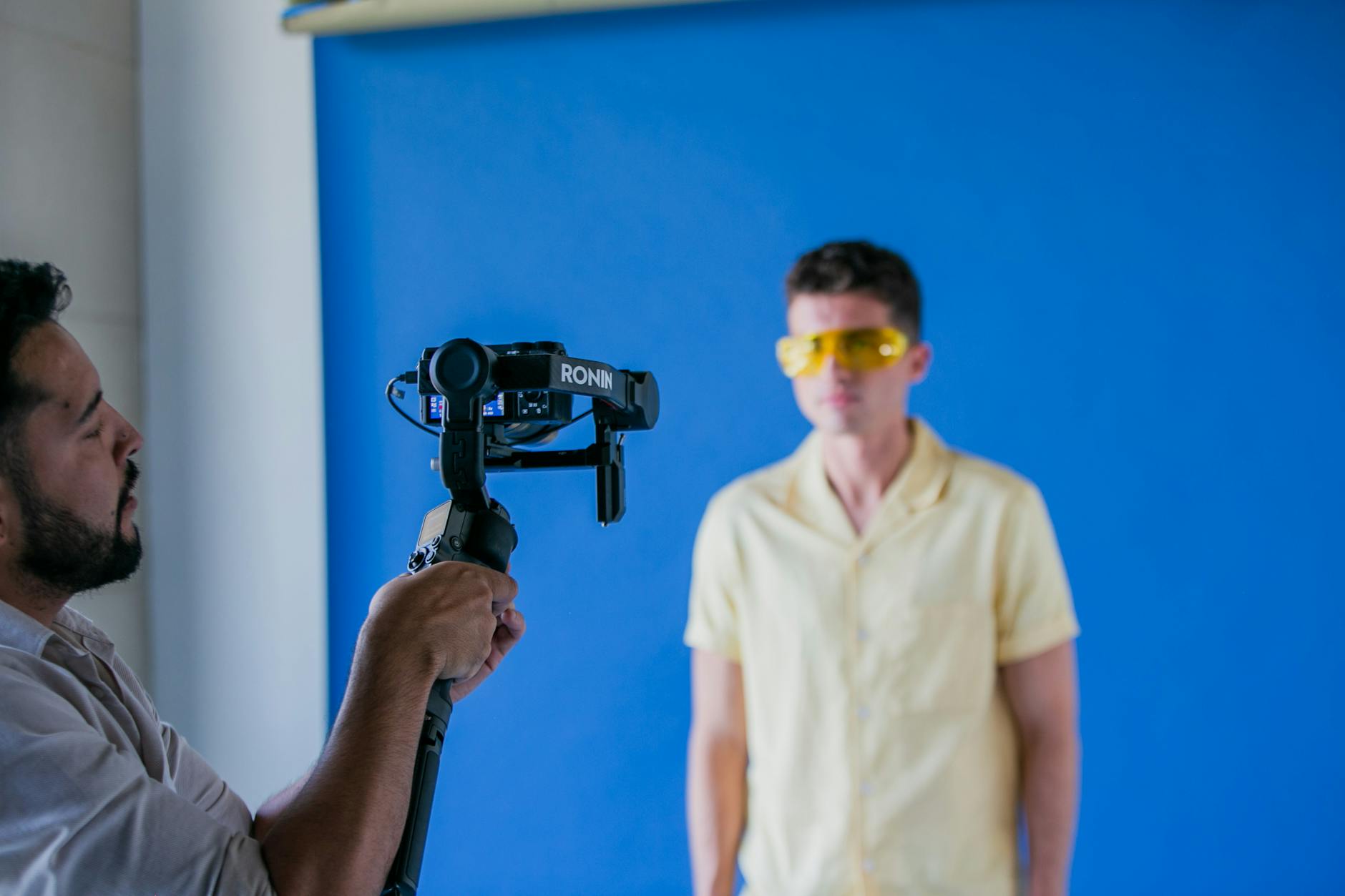
The city’s diverse venues—from waterfront conference centers to outdoor festivals—demand versatile streaming solutions tailored to specific event needs. As Miami continues to grow as a hub for international events, conventions, and entertainment, the importance of employing experienced live streaming providers becomes even more apparent. They bring the technical know-how required to handle complex production setups, troubleshoot potential issues in real-time, and deliver a broadcast that meets the high expectations of audiences.
Actors in this industry emphasize the significance of integrating the latest technology such as 4K cameras, multi-camera switching, professional lighting, and specialized streaming hardware to produce visually compelling content. Additionally, scalable solutions are crucial for accommodating both small private gatherings and large-scale events with hundreds or thousands of viewers. This capacity for customization ensures every livestream aligns perfectly with the event’s scope, audience size, and overall objectives.
In summary, Miami's thriving event scene and digital landscape have cemented the necessity for robust, professional livestream services. With a dedicated focus on quality, reliability, and audience engagement, local providers deliver the tools needed for memorable, impactful streaming experiences that capture the city's vibrant spirit and energy.
Types of Livestream Events in Miami
Miami’s dynamic event landscape spans various sectors, each leveraging livestreaming to extend reach, enhance engagement, and capture the city's vibrant culture. From intimate corporate gatherings to large-scale entertainment festivals, different types of events benefit uniquely from high-quality streaming solutions.
Concerts and Music Festivals
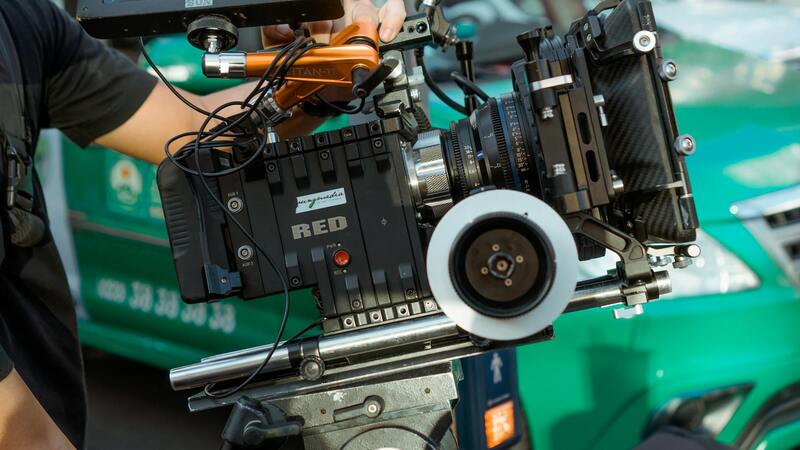
Music events in Miami, renowned for their energetic atmosphere, often utilize livestreams to broaden their audience beyond physical attendees. High-definition video capture combined with multi-camera setups allows viewers worldwide to experience the performers' energy and ambiance as if they are part of the crowd. This approach not only promotes the event but also provides monetization opportunities through pay-per-view or subscription models.
Corporate Events and Conferences
From business seminars to product launches, corporate events increasingly rely on livestreaming to engage remote participants effectively. Professional production ensures seamless transmissions that reinforce brand image and facilitate real-time interaction through Q&A sessions, polls, and live chat. These broadcasts serve as valuable tools for brand visibility and stakeholder engagement, especially in a business hub like Miami.
Public Festivals and Parades
Miami’s numerous festivals, from art shows to cultural celebrations, are enhanced by live streaming, allowing global audiences to experience local traditions and community spirit. Event organizers often incorporate multiple feeds including drone footage, street-level cameras, and interviews, creating dynamic content that captures the essence of Miami’s diverse cultural offerings.
Sports Competitions
Whether it’s local amateur tournaments or professional-level competitions, livestreaming enables sports fans to follow their favorite teams and athletes from afar. Standard setups include multiple camera angles, instant replays, and commentary services, ensuring an immersive viewing experience. As sports audiences grow increasingly digital, reliable streaming is vital for expanding fan engagement and opening new revenue streams.
Private Events and Social Gatherings
Miami also sees an uptick in livestreaming personal milestones such as weddings, celebrations, and charity events. These intimate occasions benefit from high-quality production to preserve memories while allowing distant friends and family to participate virtually. Customizable streaming solutions accommodate various event sizes, ensuring everyone can join in the moment regardless of location.
Educational and Community Events
In the context of Miami’s educational institutions and community organizations, livestreaming serves as an accessible platform for lectures, workshops, and town halls. Reliable streaming ensures information dissemination remains uninterrupted, fostering community involvement and knowledge sharing across diverse demographics.
Ultimately, the versatility of livestream solutions in Miami aligns with the city’s multifaceted event scene. Whether catering to entertainment, corporate, cultural, or community needs, professional livestream services adapt seamlessly to deliver engaging, high-quality broadcasts that resonate with local and global audiences alike.
Key Technologies and Equipment for Live Streaming
Effective live streaming in Miami relies heavily on the integration of cutting-edge hardware and sophisticated software solutions. To ensure a seamless broadcast experience, event organizers and production agencies must invest in reliable high-definition cameras, professional audio equipment, and robust streaming encoders. These components work together to deliver crisp visuals and clear sound, even in dynamic or challenging environments common to Miami's diverse venues.
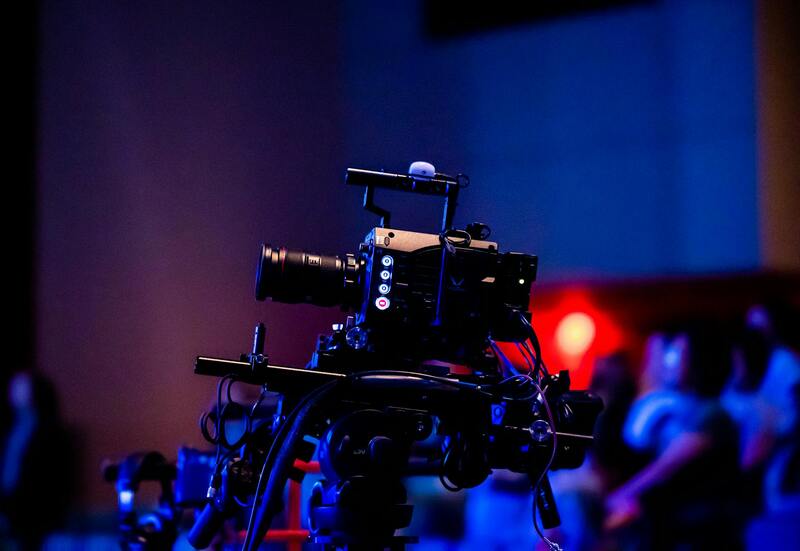
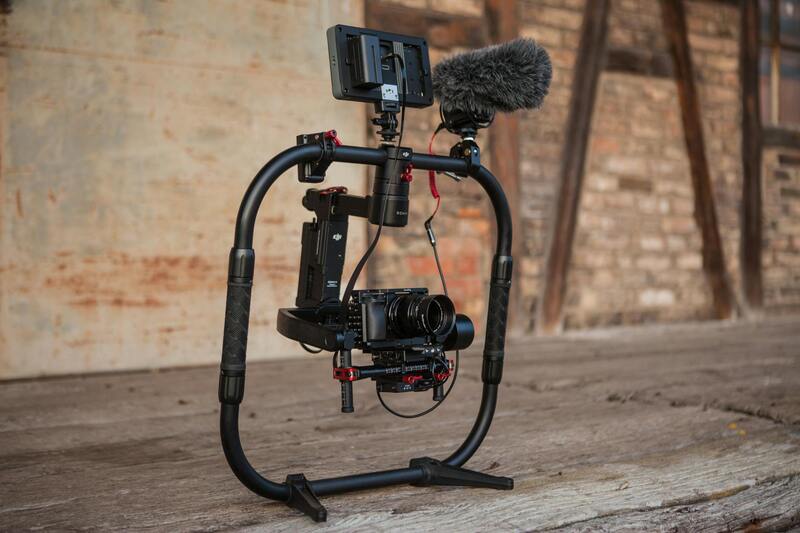
High-definition cameras are fundamental for capturing every detail of an event, whether it’s a corporate seminar or a live concert in Downtown Miami. Multi-camera setups enable dynamic shots, switching angles instantly to keep viewers engaged. For audio, substantial investment in directional microphones, wireless systems, and audio mixers guarantees pristine sound quality, crucial for live performances and speeches.
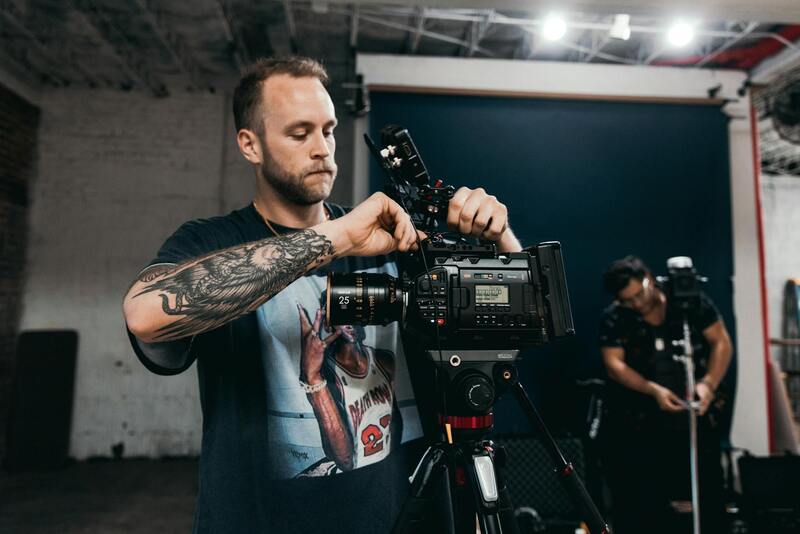
Beyond the visual and audio hardware, the software platform plays a vital role in encoding, managing, and transmitting the live feed. Advanced streaming platforms facilitate adaptive bitrate streaming, which adjusts video quality based on the viewer’s internet connection, thereby minimizing buffering. Content delivery networks (CDNs) are essential for distributing streams efficiently across Miami’s expansive and varied urban landscape, guaranteeing accessibility regardless of geographic constraints.
For such high-quality broadcasts, redundant internet connections, including wired Ethernet and wireless options, are often employed to prevent disruptions. Additionally, equipment for backup power, such as uninterruptible power supplies (UPS), ensures continuous operation during power fluctuations common in large events.
In Miami, where outdoor and indoor events pose different technical challenges—such as varying lighting conditions and atmospheric interference—professional-grade equipment is indispensable. Weatherproof camera rigs and portable audio systems expand the versatility of live streaming setups, allowing for flexible deployment across a variety of venues, from sunlit outdoor festivals in South Beach to indoor corporate conferences in Brickell.
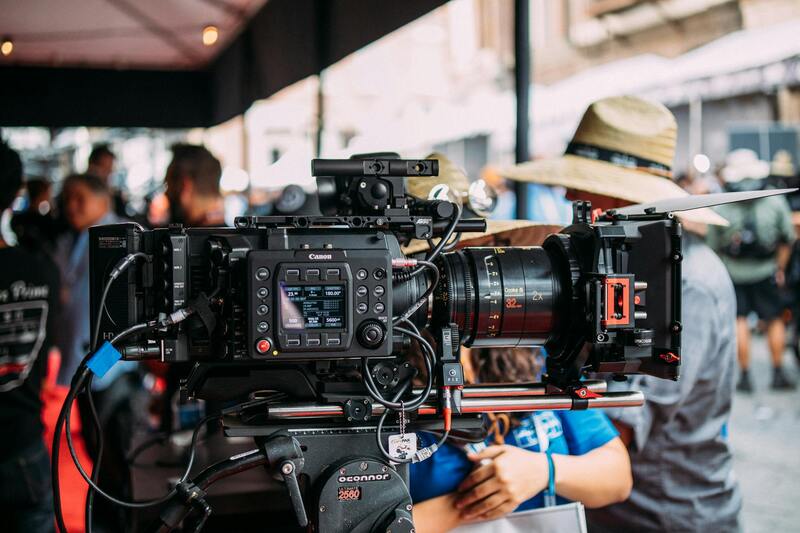
Moreover, the latest software solutions facilitate real-time analytics, enabling organizers to monitor viewer engagement, stream stability, and technical performance. This data-driven approach promotes continuous quality improvements, ensuring that every broadcast in Miami reaches its full potential and resonates with audiences.
Legal and Permitting Considerations in Miami
Successfully broadcasting a livestream event in Miami requires careful navigation of the city’s regulatory landscape. Organizers must obtain the necessary permits from local authorities to ensure compliance with municipal guidelines. These permits often cover public gatherings, especially for outdoor events held in parks, beaches, or other public venues. Securing the appropriate authorization helps prevent interruptions or legal complications that could compromise the broadcast or cause service delays.
In addition to general event permits, special considerations may be necessary for locations that involve temporary structures, such as stage setups, lighting towers, or large-scale sound equipment. Permits related to noise ordinances must also be addressed, particularly when hosting events during quiet hours or in residential neighborhoods. This involves coordinating with city officials to adhere to restrictions on sound levels and operation times.
Venue-specific permissions are equally important. Private property owners and venue managers often require proof of insurance and adherence to safety protocols before hosting a live stream event. Engaging with the Miami Department of Public Works or local police is advisable for road closures or traffic management plans associated with large events. These measures facilitate smooth access for attendees and equipment deployment while maintaining public safety.
Additionally, if the event involves the use of drones or aerial cameras, specific flight permits must be acquired from the FAA and local aviation authorities. These approvals are critical for drone operations, especially in densely populated areas or near restricted zones such as airports or government buildings. Compliance with all relevant laws guarantees that the streaming process remains uninterrupted and legally sound.
Event organizers should keep detailed records of all permits and correspondence with authorities. This documentation can be invaluable in case of inspections or disputes. Working with a production company experienced in Miami’s regulatory environment can streamline this process, ensuring all legal requirements are met without delays, thereby maintaining the overall integrity and professionalism of the livestream.
Legal and Permitting Considerations in Miami
Organizers of livestream events in Miami must navigate a comprehensive array of permits and rights management procedures to ensure smooth operations. It is essential to secure all necessary authorizations from local authorities, including city permits for public gatherings, sound use, and road closures if applicable. Securing these permits often involves detailed applications that specify the scope of the event, anticipated attendance, technical requirements, and safety measures.
Fundamental to any live streaming event is understanding and managing intellectual property rights. Content creators should obtain explicit permissions for any copyrighted material used during their livestreams, including music, video clips, or proprietary visuals. Proper rights management safeguards against potential legal disputes while preserving the integrity of the event.
Compliance extends beyond permits and rights. Miami has specific regulations concerning drone operations, outdoor audio-visual equipment, and the use of public spaces. Drone flights, for instance, require adherence to FAA regulations and local restrictions, particularly around sensitive structures or densely populated zones. Event organizers should coordinate with relevant authorities to certify their adherence to noise ordinances, safety protocols, and operational guidelines.
Meanwhile, detailed record-keeping of all permits, approvals, and correspondence with city agencies is vital. This documentation can be valuable during inspections or if questions about compliance arise. Partnering with production companies experienced in Miami’s regulatory landscape enhances the efficiency of obtaining necessary authorizations. Such expertise helps prevent delays, reduce disruptions, and uphold the professionalism associated with high-quality live streamed content.
Proactive engagement with local regulatory bodies and meticulous planning are instrumental in ensuring the legal robustness of a livestream event in Miami. When all legal considerations are thoroughly addressed, organizers can focus on delivering an engaging, secure, and smoothly executed broadcast that stands up to scrutiny and creates memorable experiences for viewers.
Legal and Permitting Considerations in Miami
Organizing a successful livestream event in Miami requires thorough understanding and adherence to the region’s regulatory framework governing outdoor events and broadcasting. Ensuring proper permits and approvals are in place not only facilitates smooth operations but also upholds the reputation of the production team and client. Key steps involve liaising with local authorities to secure event-specific permits for outdoor public gatherings, electrical setups, and audiovisual installations. These permits often cover safety protocols, noise control measures, and the use of specific venues or public spaces.

Engaging with the Miami Department of Cultural Affairs, the city’s event permitting office, and other relevant agencies early in the planning process maximizes the likelihood of securing necessary approvals. It is critical to tailor applications to the specifics of the event, including anticipated audience size, equipment deployment, and broadcast locations. Attendance at pre-event inspections may be required to demonstrate compliance with safety standards and technical plans.
Part of rigorous compliance involves understanding local ordinances related to noise levels, especially in residential neighborhoods or designated historic districts. Organizers must coordinate with local law enforcement and public safety departments to develop crowd control and emergency response strategies. This proactive approach helps prevent operational delays caused by last-minute regulatory issues.
In addition to permits, careful documentation of all submissions, approvals, and correspondence with regulatory agencies is vital. This record-keeping supports transparency during inspections and can expedite resolution of any unforeseen issues. Leveraging production companies experienced in navigating Miami’s regulatory environment can prove advantageous, as these experts are familiar with the required procedures and potential pitfalls. Such partnerships streamline the process, reduce the risk of non-compliance, and maintain the event’s professionalism.
Particularly for complex livestreams involving aerial footage or outdoor broadcasting, additional permissions related to drone operations and aerial cameras may be necessary. Drones in Miami must operate within FAA guidelines and local restrictions, especially around sensitive areas such as airports, government buildings, and densely populated zones. Consulting with drone operators aware of Miami’s airspace regulations ensures the safety and legality of aerial shots.
Furthermore, compliance extends to the use of public spaces, which often involves permits from city parks or private property owners. Whether the event takes place in a park, on the beachfront, or within a downtown district, securing the appropriate permissions is essential to avoid interruptions or legal complications during the broadcast. These permits typically specify the allowed hours of operation, equipment setup, and environmental considerations.
Understanding Miami’s unique regulations and establishing clear communication channels with regulatory bodies results in a well-orchestrated livestream. This diligence not only facilitates a seamless broadcast but also safeguards all stakeholders against potential disruptions. When legal and permitting considerations are meticulously managed, production teams can focus entirely on delivering compelling content, confident that their event upholds local standards and safety requirements.
Legal and Permitting Considerations in Miami
Producing a successful livestream event in Miami involves navigating a range of regulatory requirements related to public safety, environmental impact, and community standards. Securing the necessary permits and adhering to official processes ensures smooth operation and helps prevent interruptions that could compromise the event’s quality and reputation. It is essential to engage early with local authorities and relevant agencies to understand specific documentation and approval procedures.
One of the primary considerations involves securing permits for public space usage. Whether broadcasting from a city park, beach, or downtown area, obtaining official authorization is critical. This process typically involves submitting detailed plans that specify the scope of the event, equipment to be used, estimated attendance, and safety measures. These permits often outline restrictions regarding the hours for setup, operation, and teardown, ensuring minimal disruption to the surrounding community and compliance with noise ordinances and environmental policies.
Additional regulatory considerations include drone usage for aerial footage, which requires adherence to FAA regulations and any city-specific restrictions. The use of drones in densely populated areas or near sensitive infrastructure (such as airports or government facilities) mandates proper authorization and adherence to safety guidelines. Engaging with certified drone operators familiar with Miami’s airspace laws maximizes safety and operational efficiency.
Furthermore, different districts within Miami may have specific requirements for noise levels, lighting, and temporary structures. It’s important to coordinate with local departments such as the Miami Parks and Recreation, Building Department, or the Miami-Dade County Office of Special Events. These agencies provide guidelines that help ensure the event complies with all relevant regulations, avoiding fines, delays, or legal complications.
Consulting with experienced production specialists who are well-versed in Miami’s permitting landscape simplifies the process and minimizes unforeseen challenges. Meticulous planning, thorough documentation, and proactive communication with authorities not only streamline permissions but also foster positive relationships with community stakeholders. Properly managing legal and permitting considerations ultimately safeguards the event, allowing producers to focus on delivering high-quality streaming content without unexpected disruptions.
In addition to permits, adherence to health and safety regulations is paramount, especially in light of ongoing public health concerns. Compliance with local health guidelines, social distancing protocols, and sanitation requirements ensures participants and crew are protected while delivering an engaging live broadcast.
It is also prudent to explore insurance options for outdoor and equipment coverage, which can address potential liabilities related to property damage, injury, or equipment loss. Working with legal and insurance advisors who are familiar with Miami’s regulatory environment provides added security for the production team and stakeholders.
Overall, navigating the regulatory landscape in Miami requires a comprehensive understanding of local and federal guidelines, proactive engagement with authorities, and meticulous planning. This approach helps create a secure framework for successful livestream events that respect community standards and uphold the highest quality of broadcast content.
Ensuring Reliable Connectivity and Accessibility in Miami Livestreams
In the vibrant city of Miami, delivering seamless livestream experiences hinges critically on robust internet connectivity. Event organizers should prioritize partnerships with internet service providers that offer high-bandwidth, low-latency connections optimized for live streaming demands. Fiber optic networks are often the preferred choice due to their speed and stability, minimizing disruptions and buffering during broadcasts. Accurate site surveys to assess network strength and infrastructure are essential prior to the event, especially in outdoor or unconventional venues where connectivity might vary.

Accessibility considerations extend beyond mere technical setup. Event producers should ensure that the livestream content is accessible to a diverse audience. Incorporating closed captioning services enhances inclusivity for viewers with hearing impairments. Additionally, optimizing video resolution and delivery settings can accommodate viewers with varying bandwidth capacities, ensuring a consistent experience across devices and connection speeds.
Implementing Redundancy and Backup Systems
To mitigate potential technical failures, it is imperative to implement redundancy protocols. This includes having backup internet sources such as portable LTE or 4G hotspots that can be activated instantaneously if primary connections falter. Dual encoders, which transmit captured footage to the streaming platform simultaneously, serve as a safeguard against encoding failures. Regular testing of these backup systems prior to the live event ensures readiness and swift troubleshooting in critical moments.
Optimizing Streaming Platforms and Formats
Choosing the right streaming platform that aligns with the target audience’s preferences and technical requirements is vital. Platforms that support adaptive bitrate streaming automatically adjust video quality based on viewer bandwidth, providing a smooth viewing experience. Additionally, formats like HLS (HTTP Live Streaming) and DASH (Dynamic Adaptive Streaming over HTTP) are widely adopted for their flexibility and compatibility across devices.
Enhancing Viewer Engagement and Interaction
Maximizing audience engagement during Miami livestreams involves integrating interactive features such as live chat, Q&A sessions, and social media sharing. These functionalities encourage real-time participation and foster a sense of community. Moreover, leveraging analytics tools allows organizers to monitor viewer behavior and adapt content delivery strategies dynamically, ensuring audience retention and satisfaction.
Post-Event Content Repurposing and Distribution
Post-broadcast strategies extend the lifespan of the livestream content. Recording and editing the live video for on-demand access opens new avenues for outreach and revenue generation. Clips, highlights, and behind-the-scenes footage can be disseminated across various platforms, attracting a broader audience and increasing event visibility. Effective distribution also involves utilizing email campaigns, social media promotions, and collaboration with local influencers to amplify reach.