
Understanding Timelapse Video Production in Miami
Timelapse videos are a compelling visual technique that compresses extended periods into a short sequence, offering viewers a dynamic perspective of changing scenes over time. By capturing numerous images at set intervals, then playing them back at normal speed, filmmakers can illustrate transformation, movement, and the passage of time in a highly engaging manner. This method is widely utilized across various industries, including real estate, tourism, city planning, and event documentation, due to its ability to highlight progress and vibrant cityscapes. Miami, with its iconic skyline, bustling streets, and beautiful waterfronts, serves as an ideal backdrop for timelapse productions. The city's distinctive architecture, vibrant nightlife, and scenic landscapes offer diverse opportunities for captivating visuals. The warm climate ensures ample daylight for shooting throughout the year, providing a consistent environment for outdoor filming. Additionally, Miami’s dynamic urban environment allows filmmakers to showcase the city's energy and growth, making it an essential location for timelapse videography. In creating a timelapse video in Miami, various factors contribute to the project's success. These include selecting optimal locations that highlight Miami's unique appeal, understanding the technical elements involved in capturing high-quality sequences, and employing best practices to ensure smooth execution. Whether for commercial promotions, city documentation, or artistic endeavors, producing effective timelapse videos requires precision and attention to detail. The process begins with careful planning—determining the best times of day to shoot, choosing appropriate equipment, and considering lighting conditions that accentuate Miami’s vibrant scenes. Filmmakers also need to consider the stability of their camera setups, the interval timing between shots, and the overall duration needed to capture the desired effect. By doing so, the resulting footage can vividly portray Miami's energetic pace and stunning visuals. Moreover, external factors like weather, traffic flow, and public activity levels impact shooting schedules and outcomes. The city’s diverse environments—from beachfront promenades to bustling downtown streets—offer rich options, but also pose logistical challenges that require thorough planning and coordination. This strategic approach ensures a seamless capture process, resulting in breathtaking timelapse sequences that effectively showcase Miami’s allure. Ultimately, mastering the technical and creative aspects of timelapse video production in Miami elevates a project’s quality and impact. As the city continues to evolve and expand, timelapse videography stands as a powerful tool to document its transformation and celebrate its vibrant culture, making it a key element in contemporary visual storytelling.
Technical Aspects of Creating a Miami Timelapse Video
Executing a high-quality timelapse video in Miami demands a thorough understanding of both equipment capabilities and environmental factors. The technical foundation begins with selecting the appropriate camera settings—controlling parameters such as exposure, focus, and interval timing to ensure consistency throughout the shoot. Modern DSLRs and mirrorless cameras equipped with intervalometers or dedicated timelapse functions allow dynamic adjustment of these settings, accommodating changing lighting conditions and scene dynamics.
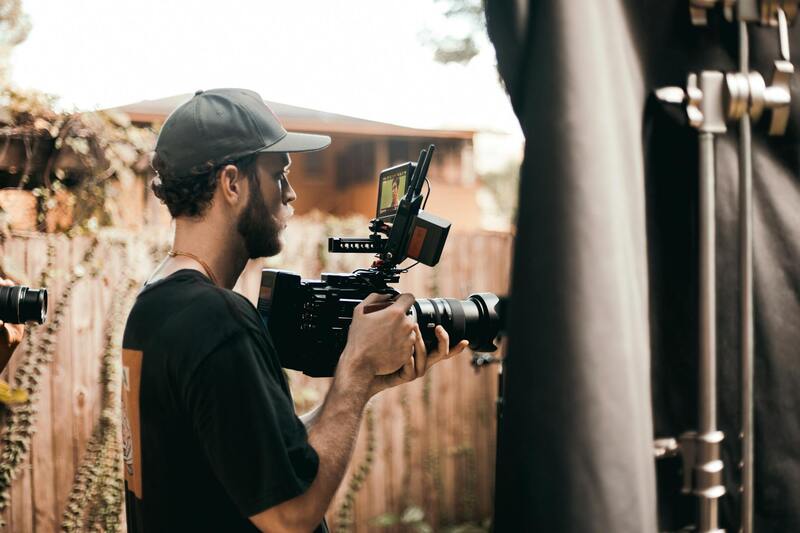
Stability remains paramount during footage capture. Utilization of sturdy tripods, gimbals, and mounts helps prevent camera shake, especially in windy Miami locations like South Beach or Biscayne Bay. For prolonged shoots, employing weather-resistant equipment guards against humidity and sudden weather shifts, ensuring continuous operation without compromise.
Interval selection directly influences the perceived speed and fluidity of the final video. Shorter intervals create smoother motion transitions ideal for bustling city scenes, while longer intervals effectively highlight gradual changes such as sunrise over Miami skyline or traffic flow at different times. Adjustments should be based on shot duration and the specific motion being documented.
Additionally, capturing multiple exposures or bracketing can enhance post-production flexibility, especially when dealing with high-contrast lighting typical in Miami's vibrant environments. Shooting in RAW format ensures maximum image quality and color fidelity, facilitating precise adjustments during editing.
Battery life and storage capacity also require careful planning. Extended timelapse sequences can consume significant power, making external power sources or spare batteries essential. High-capacity SD cards or SSDs support maneuverability during extensive shoots, minimizing interruptions and data loss.
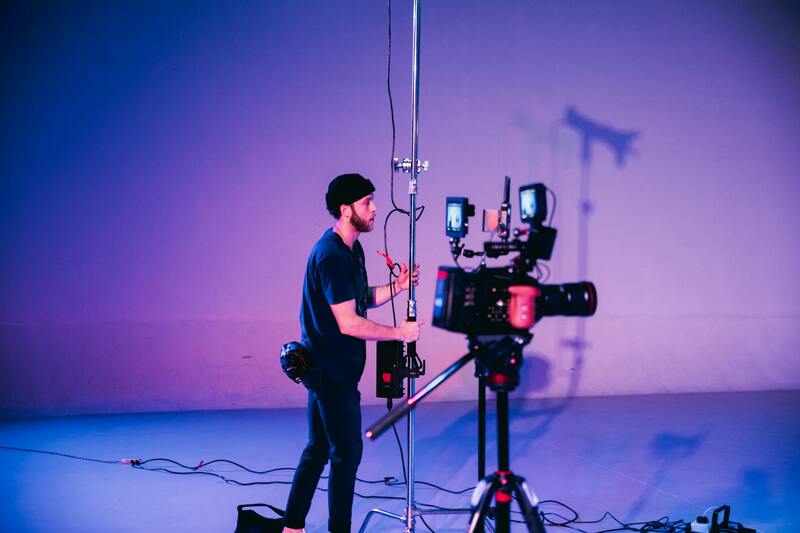
In summary, mastering the technical nuances of Miami timelapse video production involves meticulous planning around camera hardware, environmental conditions, and creative vision. When executed with precision, these technical strategies enable capturing Miami’s dynamic energy and picturesque scenery in a way that resonates with viewers and elevates the overall visual storytelling quality.
Technical Aspects of Creating a Miami Timelapse Video
Producing a captivating timelapse video in Miami requires a comprehensive understanding of specialized equipment, optimal camera settings, and effective shooting techniques tailored to the unique environment of the city. The vibrant and dynamic Miami landscape, characterized by its diverse architectural styles, bustling streets, and scenic waterfronts, demands meticulous planning to capture its essence convincingly.
Choosing the Right Equipment for Miami Timelapse
Ensuring the highest quality footage begins with selecting appropriate camera gear. A camera capable of manual controls, high-resolution capture, and RAW format support is essential. Mirrorless or DSLR cameras equipped with weather-sealed bodies provide durability against Miami’s humid conditions and occasional rain showers. Lenses with wide apertures, such as f/2.8 or wider, facilitate better low-light performance, crucial for dawn, dusk, or night scenes.
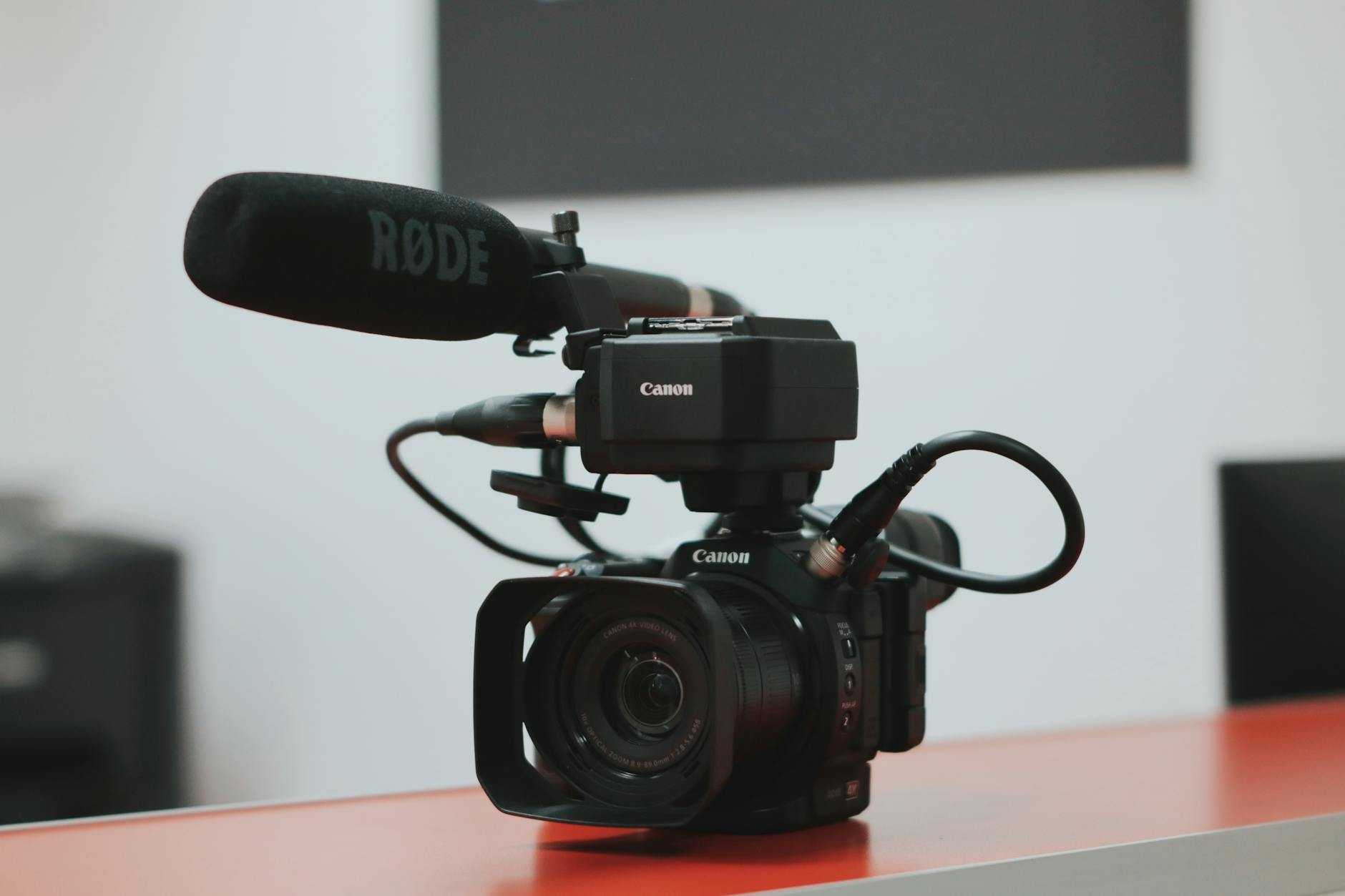
In addition to the camera, employing motorized sliders and tripod rigs stabilizes the shot, providing smooth motion and consistent framing throughout extensive shooting sessions. External intervalometers or cameras with built-in interval shooting capabilities enable precise control over shot intervals, which is vital for capturing seamless time transitions.
Configuring Camera Settings for Miami Environment
Choosing the appropriate camera settings is critical to ensure high-quality timelapse footage. A typical setup involves shooting in manual mode to maintain consistent exposure throughout the sequence. Aperture, ISO, and shutter speed should be adjusted according to lighting conditions—smaller apertures (higher f/stop numbers) to maximize depth of field, and ISO kept as low as possible to minimize noise.
- Interval Settings: For Miami’s bustling city scenes, intervals between 0.5 to 2 seconds are recommended to capture motion smoothly. For gradual changes like sunset or tide movements, longer intervals of 5-10 seconds work better.
- Exposure Calibration: Use exposure bracketing or adjustable ND filters to manage high-contrast lighting, especially during sunrise or sunset.
- Focus Settings: Manual focus locks focus distance, preventing shifts during capture, which is essential for maintaining sharpness across frames.
Shooting Techniques to Maximize Miami's Scenic Diversity
To achieve a compelling Miami timelapse, it’s advisable to capture multiple scenes—urban skylines, beaches, street traffic, and natural landscapes. Incorporate motion shots like moving clouds over the skyline or light trails from traffic to add dynamism. Utilizing different focal lengths and camera angles enriches the visual narrative, providing viewers with a comprehensive perspective of Miami’s vibrant environment.
Furthermore, shooting during Golden Hour—shortly after sunrise or before sunset— enhances color saturation and contrast, delivering warm, cinematic tones. Night timelapses, including city lights and star trails, demand long exposures and elevated ISO settings, ordered cautiously to avoid excessive noise. Battery life and data storage become critical during extended shoots; carrying multiple batteries and high-capacity storage solutions ensures uninterrupted workflows.
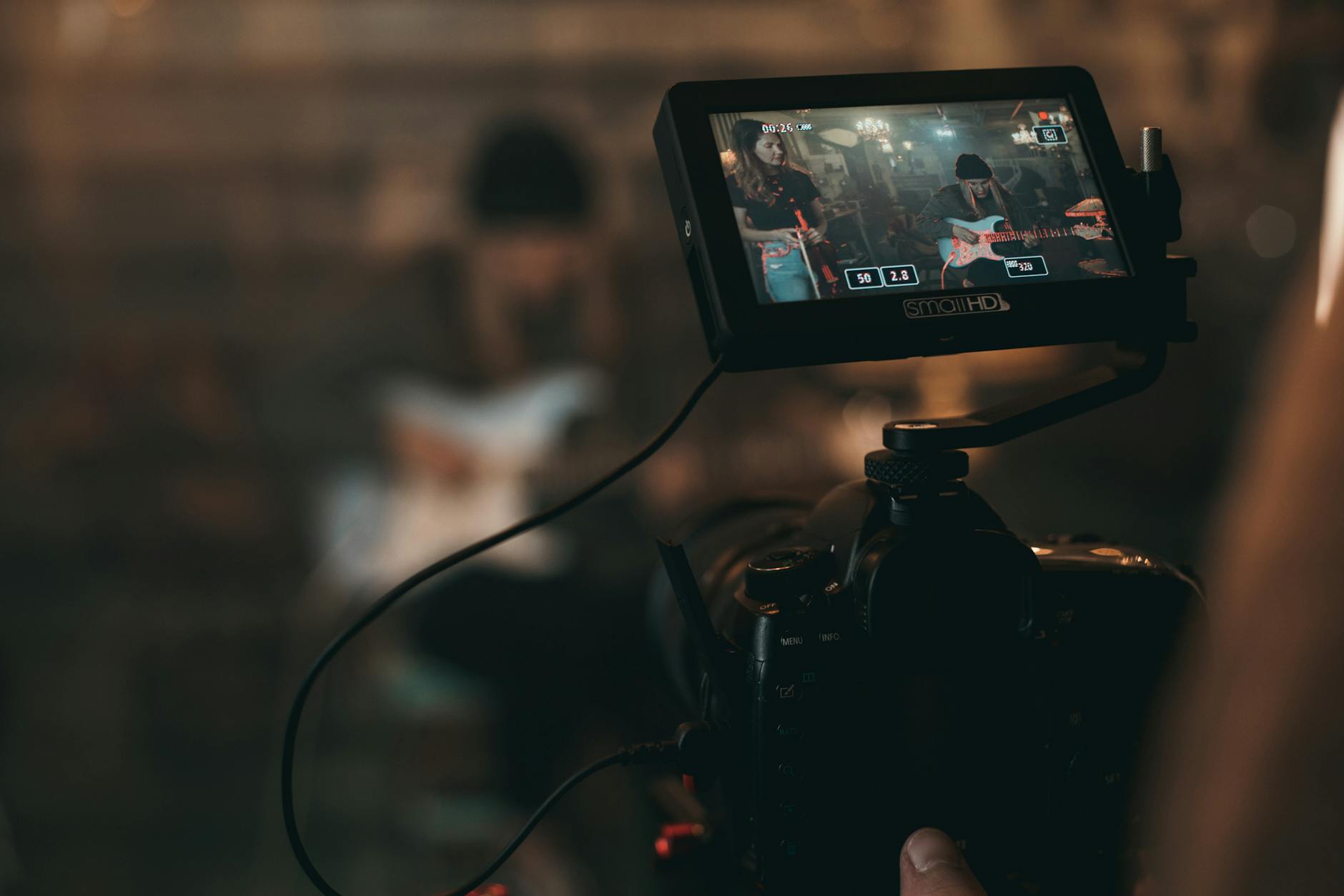
In summary, achieving high-quality Miami timelapse videos hinges on careful equipment selection, precise camera configurations, and adaptable shooting techniques capable of addressing the city’s legislative and environmental variables. Mastery of these technical elements empowers videographers to craft visually stunning stories that highlight Miami’s vibrant atmosphere and scenic grandeur authentically.
Legal Considerations for Timelapse Filming in Miami
Producing timelapse videos in Miami involves adhering to certain regulations that safeguard both the creator’s rights and public interests. When planning to shoot in various public and private spaces, it is crucial to obtain necessary permissions or permits from relevant authorities or property owners. For example, filming in densely populated areas, iconic landmarks, or private establishments typically requires prior approval to avoid disruptions or potential disputes.
Understanding the framework governing filming activities can help streamline the production process and prevent delays. Securing permits often involves providing detailed project plans, intended usage, and assurances about respecting local community standards. This proactive approach ensures that your timelapse shoot adheres to established procedures and minimizes any interference from regulatory bodies.
Another aspect to consider is respecting people's privacy rights while capturing footage in public spaces. While public areas generally allow for filming without explicit consent, being considerate of individuals' privacy and comfort levels is good practice. Avoiding intrusive or overly close shots of private individuals helps maintain a respectful environment conducive to creative work.
In terms of technical compliance, it’s also advisable to follow guidelines regarding the use of specialized equipment like drones, if applicable. Many locations require additional permits for drone operations, especially in densely populated or environmentally sensitive zones. Familiarity with Miami’s specific drone regulations can facilitate seamless aerial timelapse captures that enhance the overall quality of the video.
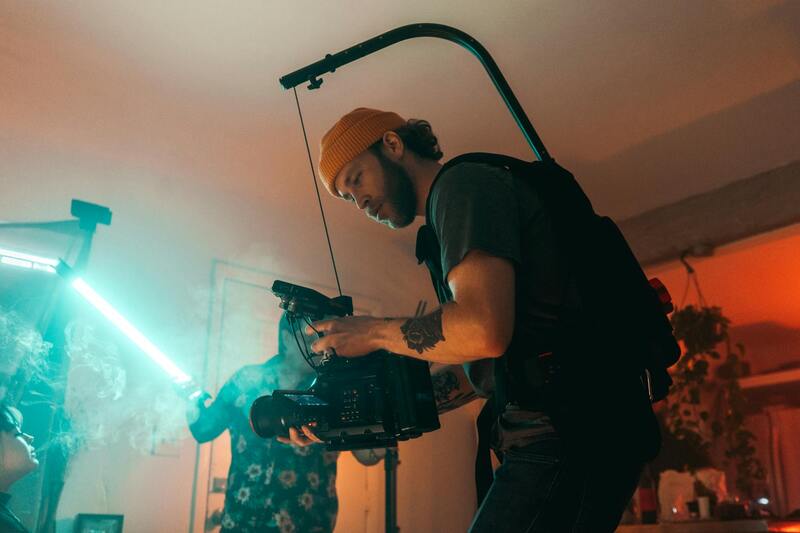
Best Practices for Filming Timelapse in Miami
Capturing stunning timelapse videos in the vibrant city of Miami requires more than just technical know-how; it also involves strategic planning and adherence to established procedures to ensure a smooth production process. One fundamental practice is thorough site reconnaissance before filming begins. This involves selecting locations that maximize visual impact while assessing lighting conditions, logistics, and potential obstacles. Locations such as Miami’s iconic waterfronts, downtown skyline, and colorful neighborhoods offer dynamic backgrounds but also demand careful consideration of timing and permissions.
Securing the appropriate permissions is crucial for public spaces and private properties alike. This typically involves engaging with local authorities or property owners to obtain necessary authorizations that streamline the filming activities. Proper documentation, including project descriptions, scheduled hours, and equipment details, helps prevent disruptions during shoots. When working in densely populated or high-traffic areas, scheduling filming during off-peak hours minimizes disturbance and ensures safety for both crew and pedestrians.
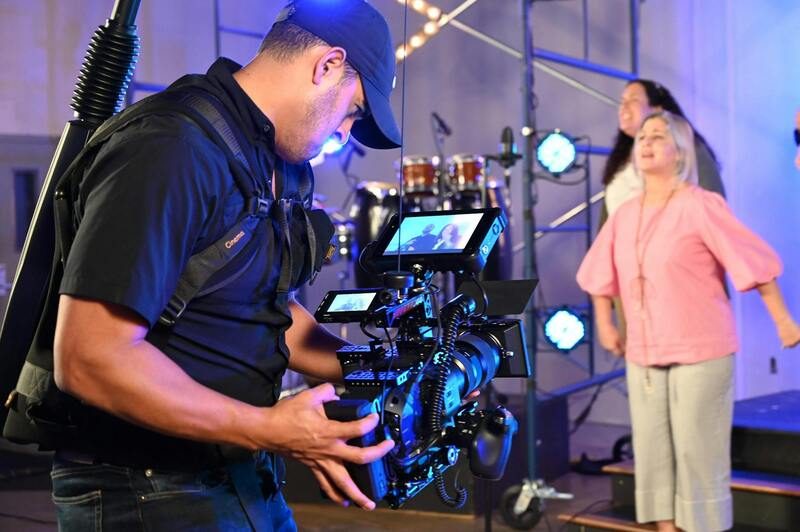
Respect for the environment and community is also an essential element of good practice. This involves operating equipment responsibly, especially drones, which require adherence to specific operational guidelines. Maintaining quiet operation during filming prevents unnecessary noise disturbances, preserving the area's ambiance. Using unobtrusive gear and avoiding obstruction of public pathways ensures minimal impact on local daily activities.
Another vital consideration is the safety of the crew and bystanders. Securing areas from potential hazards such as vehicular traffic or unstable structures is essential. Employing safety barriers or signage where appropriate can help prevent accidents and create a secure environment for filming.
While capturing Miami's vibrant cityscape, night shoots can present unique challenges and opportunities. Ensuring proper lighting equipment and planning for power sources are key to maintaining quality footage in low-light conditions. Nighttime filming often requires special permits, which should be obtained well in advance to avoid delays.
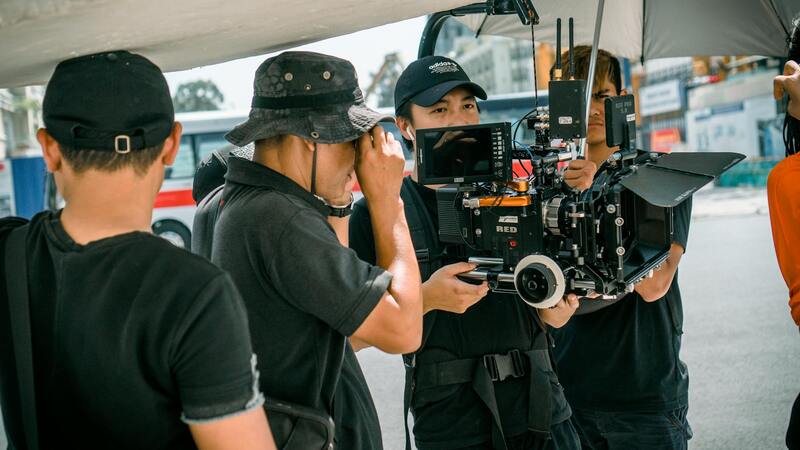
In summary, executing effective timelapse recordings in Miami hinges on meticulous planning, diligent permission acquisition, respectful operational practices, and safety considerations. These strategies collectively contribute to producing captivating footage that showcases Miami's unique cityscape while maintaining professional standards throughout the production process.
Understanding Timelapse Video Production in Miami
Producing a compelling timelapse video in Miami demands a thorough understanding of the city’s unique environment, vibrant activity, and diverse architecture. The city’s bustling streets, iconic skylines, and scenic waterfronts create an ideal backdrop for dynamic visual storytelling through timelapse. To capture Miami’s essence effectively, creators must consider the variety of scenes and lighting conditions that define this metropolitan area, from sunrise over the ocean to the lively nightlife around South Beach.
Comprehensive planning involves scouting locations that offer visually appealing quiescent or active scenes, depending on the narrative goal. In addition, leveraging local insights and understanding the best times of day to shoot can significantly enhance the quality and impact of the footage. For instance, shooting during the golden hour provides warm, directional light that accentuates Miami’s architecture and natural beauty, while nighttime scenes showcase the city’s illuminated skyline and vibrant street life.
Furthermore, selecting appropriate equipment—such as high-quality cameras with adjustable time-lapse functions and stable mounts—is crucial. Ensuring that camera settings optimize frame rate, exposure, and interval timing directly affects the final footage’s fluidity and visual appeal. Stabilization tools like gimbals or tripods are essential to avoid jitters, especially during prolonged shooting sessions in outdoor environments.
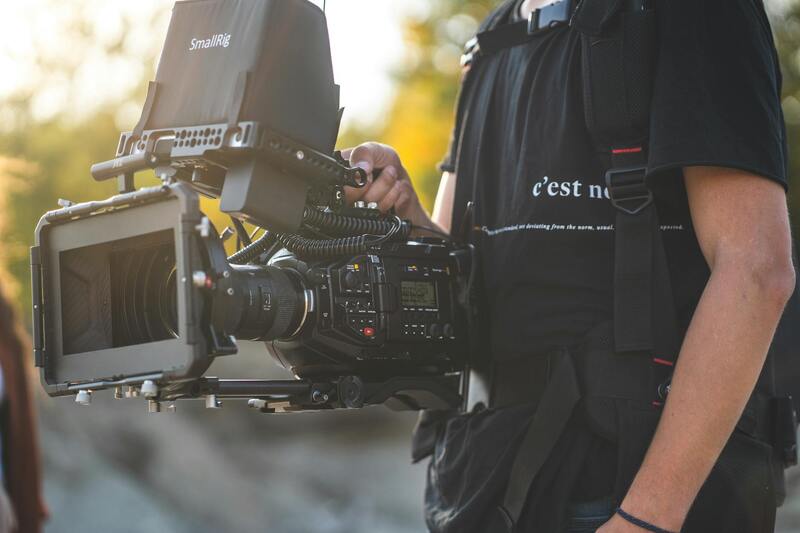
Technical preparation also includes establishing reliable power sources and data storage solutions to prevent interruptions during shoots. Filming in urban outdoor settings requires meticulous attention to safety protocols, as well as obtaining appropriate permits if drone operations or specified filming areas are involved. Maintaining a detailed shot list and schedule helps streamline the process, ensuring comprehensive coverage of Miami’s most iconic vistas and hidden gems alike.
- Strategic location scouting aligned with narrative goals
- Optimal timing for lighting conditions
- Reliable equipment and stabilization tools
- Proper permissions and safety measures
- Efficient data management systems
By integrating these considerations, videographers can produce high-quality timelapse videos that authentically showcase Miami’s vibrant urban landscape, capturing its energy and beauty in a seamless, visually captivating manner.
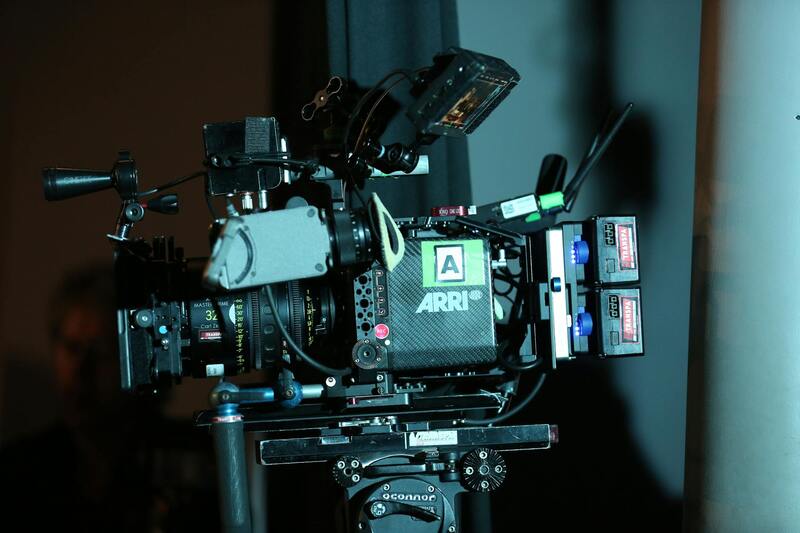
Understanding Timelapse Video Production in Miami
Producing captivating timelapse videos in Miami involves a detailed understanding of the city's unique urban and natural environments. Miami's vibrant cityscape, iconic beaches, and bustling neighborhoods provide an ideal backdrop for dynamic timelapse projects. Successful production requires meticulous planning, including selecting suitable locations, timing, and equipment, as well as understanding the technical nuances that influence the final visual quality.
Planning and Preparation for Miami Timelapse Shoots
Effective planning begins with comprehensive location scouting to identify picturesque scenes and lighting conditions conducive to timelapse. Miami’s diverse environments demand tailored strategies—be it capturing the sunrise over Ocean Drive, the sunset reflecting off Biscayne Bay, or the city skyline illuminated at night. Detailed storyboarding and shot lists ensure all essential scenes are covered, reducing the risk of missed opportunities in this fast-paced setting.
Equipment Selection and Setup
Choosing the right gear is critical for high-quality outputs. Cameras with reliable interval shooting features, excellent low-light performance, and high resolution are preferred. Mounts that provide stability—such as tripods or motorized sliders—and stabilization tools like gimbals help maintain sharpness over extended periods. Additionally, environmental protection for gear against Miami’s humidity and salt air extends the lifespan of equipment during outdoor shoots.
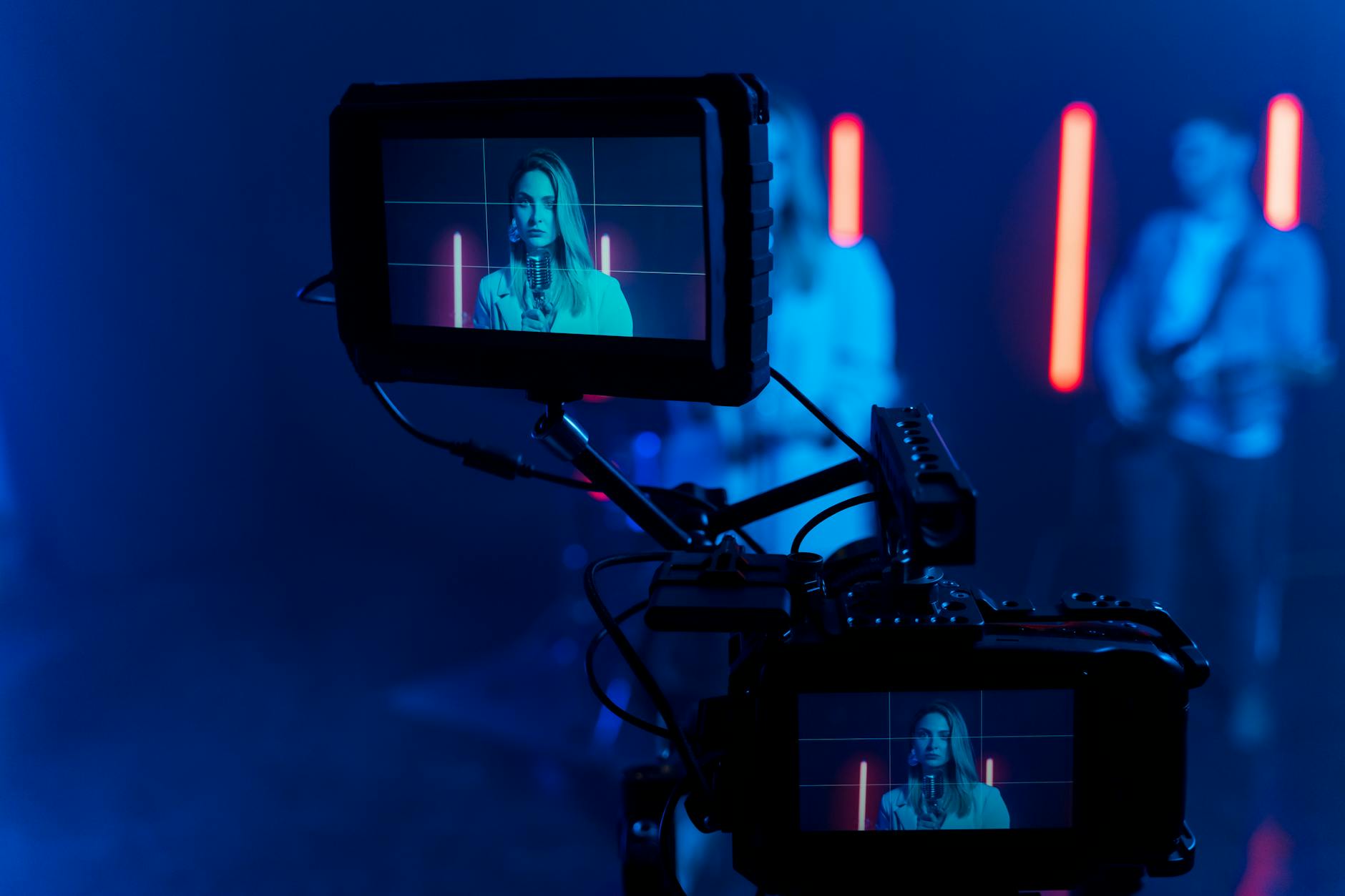
Capturing Miami’s Iconic Scenes
Execution involves precise timing aligned with Miami’s natural and urban rhythms. Shooting during golden and blue hours unlocks vibrant color palettes, while nighttime shoots require longer exposures and careful focus adjustments. Strategic positioning enhances composition, framing Miami’s skyline, ocean vistas, or street-level activity to convey the city’s energy and rhythm effectively.
Optimizing Data Management
Prolonged filming produces large volumes of footage. Reliable data storage and backup solutions prevent loss and facilitate smooth post-production workflows. Frequent data transfers to external drives or cloud storage ensure continuity and safeguard valuable content. Managing power sources—such as portable batteries—also minimizes interruptions during extended outdoor sessions.
Safety and Permitting Considerations
Filmmakers must adhere to local safety standards and obtain necessary permissions when filming in sensitive or high-traffic areas. Drone operations, in particular, require compliance with Miami’s specific regulations, including designated flight zones and altitude restrictions. Respecting private property rights and public safety protocols ensures a smooth production process without disruptions.
Technical Recommendations for Miami Timelapse Projects
- High-quality camera with adjustable time-lapse settings
- Stable mounting equipment—tripods, gimbals, motorized sliders
- Environmental protection gear for weather contingencies
- Reliable power sources and data storage solutions
- Accurate intervalometers synchronized with lighting conditions
Mastering these elements results in timelapse videos that authentically convey Miami's vibrant energy and scenic diversity, setting the stage for impactful storytelling through motion visuals.
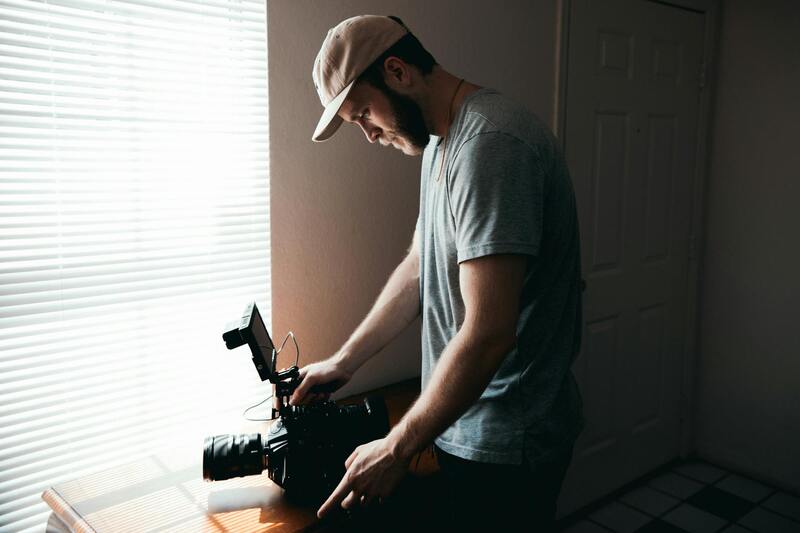
Legal Considerations for Timelapse Filming in Miami
Executing a timelapse video project in Miami involves compliance with specific regulations that govern public spaces, private property, and the use of specialized equipment like drones. It is crucial for filmmakers to understand the operational standards set forth by local authorities to ensure a smooth production process.
When planning to film in public areas, obtaining the appropriate permissions from city departments or property owners is essential. This process often includes submitting detailed plans that outline the scope of the shoot, equipment to be used, and safety measures implemented. Securing these permissions ahead of time helps prevent disruptions and possible legal disputes.
Drone operations, frequently utilized for capturing Miami’s iconic skyline and vibrant street life, are subject to particular guidelines. These include designated no-fly zones, altitude limits, and restrictions during certain hours or event times. Complying with these rules not only ensures safety but also aligns with Miami’s airspace management policies.
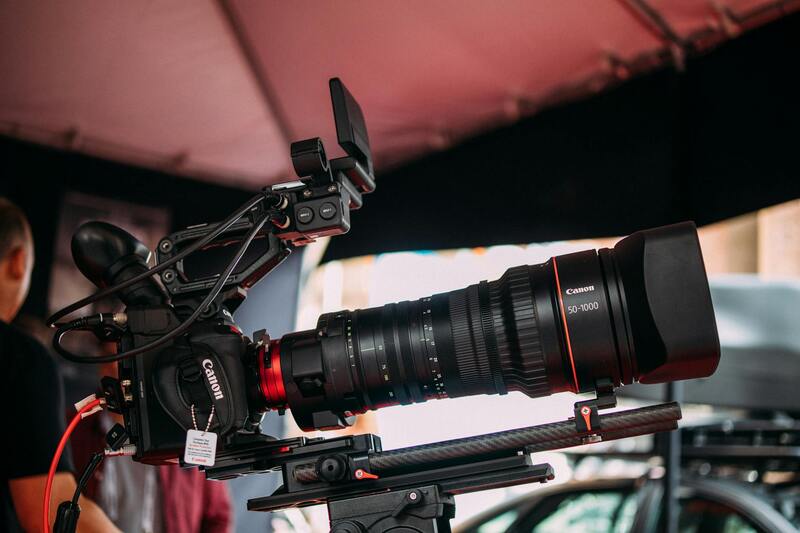
Additionally, filmmakers should be aware of Miami’s specific permits for filming in high-traffic or culturally sensitive areas. Applying for these permits usually involves providing details about the equipment used, filming schedule, and impact mitigation measures. Early application helps accommodate any required inspections or adjustments.
Respecting privacy rights and public safety protocols is fundamental throughout production. By adhering to these legal considerations, creators can focus on capturing Miami’s vibrant scenes without interruption, ensuring the final product meets quality standards and aligns with local regulations.