
Understanding Timelapse Recording
Timelapse recording is a specialized technique in video production that involves capturing a sequence of photos at set intervals over an extended period. When played back at normal speed, these images create a sped-up view of slow-changing scenes, revealing transformations that are often imperceptible to the naked eye. This method allows videographers to depict phenomena such as sunsets, cityscapes, construction projects, and natural events with striking clarity and artistic impact.
The defining characteristic of timelapse recording is the use of consistent and precise intervals between each shot. These intervals can range from a fraction of a second to several minutes, depending on the desired effect and the duration of the event being documented. For instance, capturing a city’s busy streets might require a shot every second, while documenting the growth of a plant could involve intervals of several minutes.
Unlike regular video recording, which focuses on capturing continuous motion, timelapse condenses extensive periods into brief sequences that highlight changes over time. This approach not only emphasizes the dynamics of the scene but also adds an artistic dimension that makes the footage visually captivating. Due to its accelerated nature, timelapse footage can convey the passage of time with compelling storytelling, making it a valuable tool in both documentary and commercial contexts.
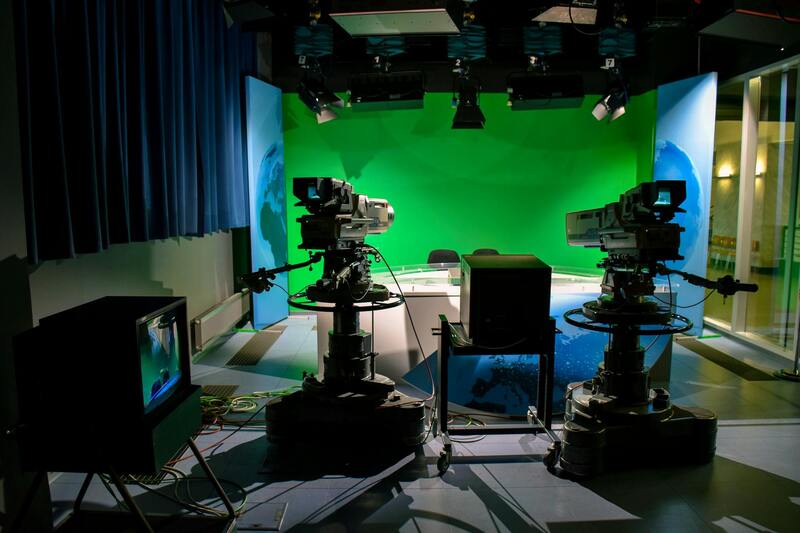
Successful timelapse recording requires careful planning, including selecting appropriate equipment, setting correct camera parameters, and determining optimal shooting intervals. These elements ensure that the final footage is smooth, well-exposed, and visually appealing.
By understanding the core principles of timelapse recording, producers can harness this technique to produce compelling visual stories that capture the essence of change and movement over extended periods. It’s a process that combines patience, precision, and artistic vision, ultimately delivering footage that is both informative and aesthetically striking.
Equipment Needed for Timelapse Recording
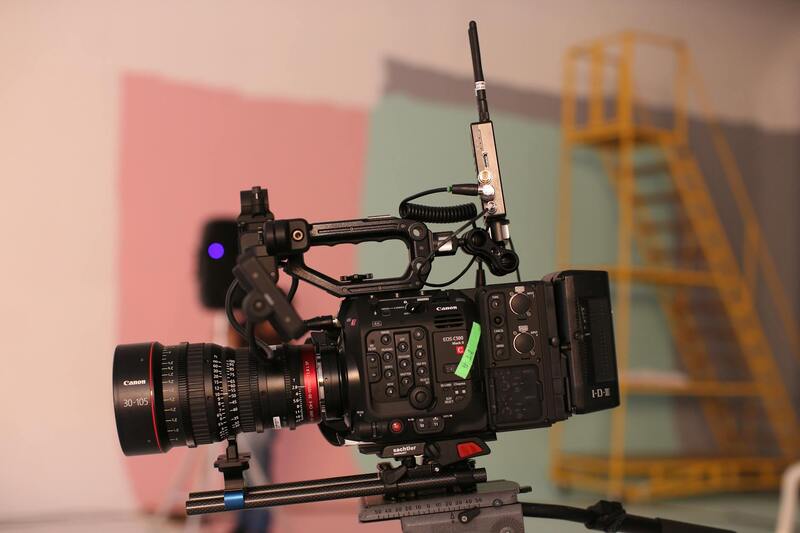
Achieving high-quality timelapse footage hinges on selecting the right equipment. While various devices can facilitate timelapse recording, certain tools are specifically designed to optimize image consistency and recording reliability. Essential equipment includes cameras with intervalometer functionality or dedicated timelapse devices capable of automatic shot sequencing. These cameras should feature manual controls for exposure, focus, and white balance adjustments to maintain consistency across shots, preventing flickering and exposure shifts.
Lenses play a crucial role as well; wide-angle lenses are often preferred to capture expansive scenes like cityscapes or large construction sites, providing a broader perspective. Tripods or stable mounts are indispensable for eliminating camera shake and ensuring each frame aligns perfectly, especially during long shooting sessions. For outdoor shoots, weather-resistant gear or protective coverings help safeguard equipment from environmental elements.
Additional accessories, such as external power sources, are vital for extended shoots. Extra batteries or portable power banks ensure continuous operation, especially when filming over several hours or days. Storage capacity is another consideration; high-capacity SD cards or solid-state drives allow for the storage of large image sequences without interruption.
For complex setups or high-end productions, remote camera controls and wireless transmission systems enable operators to monitor shooting parameters and review footage remotely. This remote capability is particularly beneficial when capturing scenes in hard-to-reach or hazardous locations.
Ensuring Proper Camera Settings for Timelapse Recording
Achieving high-quality timelapse footage relies heavily on meticulous camera setup. Selecting the correct camera mode is fundamental—manual mode is often preferred to have full control over exposure, focus, and white balance, preventing unwanted shifts during the sequence. Locking focus prior to starting the recording ensures the subject remains sharp and consistent throughout the shoot, which is especially critical when capturing scenes with varying distances or lighting conditions.
Adjusting exposure settings appropriately according to ambient lighting conditions helps maintain consistent brightness levels, avoiding flickering caused by fluctuating exposure. Using a low ISO value reduces graininess, providing cleaner visuals, while aperture settings influence depth of field, adding to the cinematic quality of the footage. For scenes with significant brightness variation, employing neutral density filters can help achieve the desired aperture and shutter speed balance, preserving motion blur and image clarity.
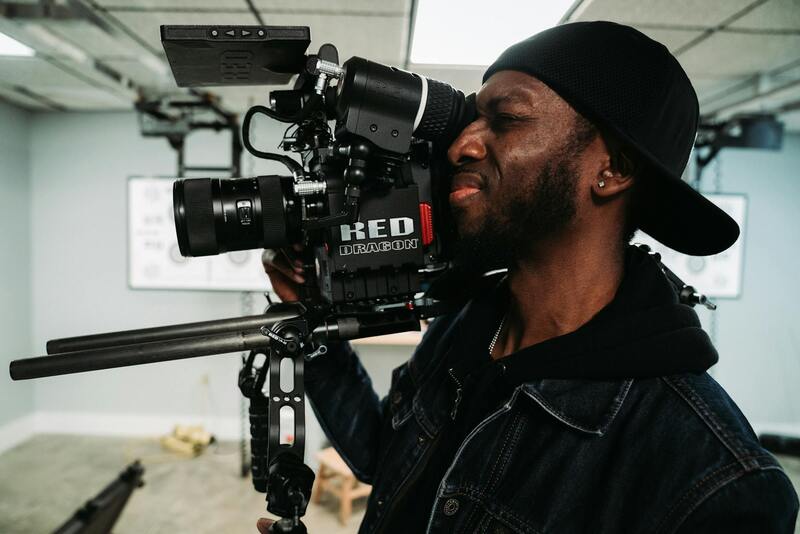
Maintaining a consistent shutter speed, ideally double the frame rate (e.g., 1/50s for 24fps), is crucial to preserve natural motion and avoid flickering. Additionally, disabling automatic settings like auto white balance and auto focus prevents unintended shifts that can detract from the cohesiveness of the final video. Regularly reviewing captured frames during shooting allows adjustments on the fly, ensuring the footage aligns with creative and technical standards.
Implementing Effective Interval Settings
The interval between each shot determines the fluidity and duration of the final timelapse. Shorter intervals capture fast-moving scenes smoothly, making them suitable for dynamic environments like busy city streets or flowing water. Longer intervals are optimal for slow processes, such as plant growth or sunset-to-night transitions, providing a comprehensive overview of gradual changes.
- Assess the speed of the subject or scene to choose an appropriate interval. For example, capturing a sunset transition might require intervals of 2–5 seconds, while traffic flow could benefit from 1-second intervals.
- Test different interval settings during initial shots to evaluate the resulting footage's pace and smoothness, adjusting as necessary before committing to a long session.
- Ensure your camera's battery and storage media can sustain the shooting duration dictated by interval settings. Monitoring these parameters periodically during extended shoots is essential.
Some advanced intervalometers or camera control apps allow for precise timing, synchronization, and even remote operation, facilitating complex timelapse sequences with multiple variables. Properly calibrated interval settings, combined with controlled camera configurations, lay the foundation for capturing compelling timelapse videos that accurately portray the intended scene dynamics.
Managing Light and Color Consistency
Lighting conditions are a critical factor influencing timelapse quality. Gradual changes in natural light—such as sunrise or sunset—are inherent to many scenes, but abrupt or inconsistent lighting can undermine visual coherence. Employing neutral density filters, as mentioned earlier, helps manage brightness fluctuations, especially during mid-day or in high-contrast environments.
Consistent white balance settings throughout the shoot prevent color shifts, ensuring that the footage appears natural and uniform. Utilizing manual white balance controls and locking these settings at the start of the session helps mitigate unintended color variation. When shooting during extended periods, consider the impact of weather changes, cloud cover, and artificial light sources, adjusting camera parameters or retaking shots if necessary to maintain scene continuity.
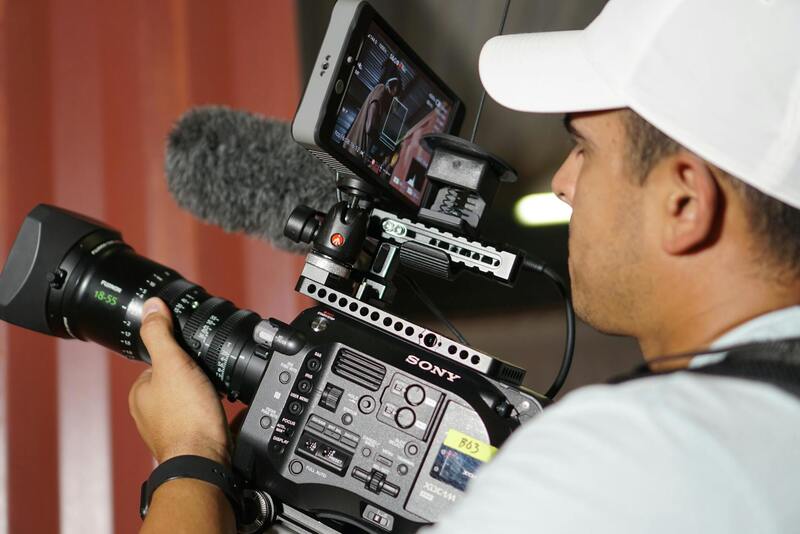
Post-processing can further enhance color grading and exposure consistency, but a solid foundation during filming simplifies editing workflows and improves overall quality. Detailed attention to camera settings, interval timing, and light management collectively ensures that the final timelapse captures the scene's essence with clarity and visual appeal, making each project uniquely impactful.
Understanding Timelapse Recording
Timelapse recording involves capturing a sequence of images at set intervals over a period of time, which are then played back at a standard frame rate to produce a video that compresses hours, days, or even weeks into a few minutes. This technique is highly effective for illustrating the passage of time, showcasing dynamic environmental changes, or highlighting the transformation of a scene. Accurate implementation requires meticulous planning, appropriate equipment, and an understanding of specific technical parameters. Key considerations include selecting suitable interval times, ensuring consistent camera positioning, and managing environmental factors such as lighting and weather conditions to produce seamless and visually engaging footage.
Advanced timelapse recording often incorporates the use of automated intervalometers or camera firmware that supports interval shooting. These tools facilitate precise control over shot frequency, allowing for flexibility in capturing fast-moving scenes like traffic flow or slow environmental changes such as cloud movements. Additionally, stabilizers or tripods are crucial in maintaining camera stability over extended periods, preventing jitter and ensuring smooth playback. Properly managing camera settings—such as aperture, shutter speed, ISO, and white balance—is vital for maintaining consistency throughout the recording session, especially when shooting in changing light conditions.
One effective approach to producing high-quality timelapse footage is to conduct thorough pre-visualization and test shoots. This allows the operator to fine-tune camera parameters, determine the ideal interval time based on scene dynamics, and identify optimal shot locations. During the shoot, periodic reviews of captured images can help identify issues such as exposure inconsistencies or framing errors, enabling real-time adjustments. Post-shoot, image stabilization, exposure correction, and color grading further refine the footage, enhancing the overall visual impact.
The Importance of Technical Settings
Technical precision in setting up the camera ensures the final timelapse meets artistic and professional standards. Manual focus is essential to prevent focus shifts during the recording, and setting a fixed white balance maintains color fidelity. Leveraging mirrorless or DSLR cameras with interval shooting capabilities simplifies the process, but specialized timelapse cameras with built-in intervalometers may offer additional features such as power management and real-time monitoring.
Battery life and storage capacity are also key concerns, as extended captures can drain batteries or fill memory cards rapidly. Using high-capacity memory cards and external power sources—such as AC adapters or portable batteries—can prolong shooting sessions. Ambient temperature considerations are also important, as extreme heat or cold can affect camera operation and image quality.
Adjusting for Environmental Factors in Miami
Miami's vibrant environment presents unique challenges and opportunities for timelapse recording. The city's bright, sunny climate requires careful exposure management and filtering to prevent overexposure and achieve balanced highlights and shadows. Weather conditions, including sudden rain or cloud cover, can influence your shooting schedule; planning for flexible intervals and using weather-resistant equipment helps mitigate these issues. Nighttime or low-light scenes necessitate the use of cameras with high ISO capabilities and effective noise reduction features to maintain image clarity.
In addition, Miami’s dense urban landscape and diverse architecture provide compelling visual subjects for timelapse projects. Selecting vantage points that encapsulate key elements—such as skyline views, coastal vistas, or bustling streets—enhances storytelling. Securing necessary permissions for public or private property access allows for unrestricted shooting, leading to more comprehensive coverage of the scene’s evolution over time.
Careful planning and technical expertise are essential components of successful timelapse recording in Miami. By understanding the environment, equipment capabilities, and scene-specific factors, videographers can produce compelling visual narratives that highlight the city’s unique vibrancy and dynamism. Ensuring consistent image quality and stability throughout extended shoots lays a foundation for post-production excellence and impactful final videos.
Understanding Timelapse Recording
Timelapse recording is a specialized videography technique that involves capturing a series of images at set intervals over an extended period, then compiling them into a seamless video that accelerates time. This method effectively demonstrates change and movement that occur gradually, such as cityscapes evolving from day to night, construction projects, or natural phenomena. The core principle relies on the precise control of camera settings and interval timing to create a compelling narrative through visual progression.
Achieving effective timelapse footage requires careful planning and technical proficiency. The interval between shots must be thoughtfully selected based on the subject's movement and the desired playback speed. For fast-changing scenes like busy streets or bustling markets, shorter intervals—ranging from one to five seconds—capture the rapid dynamics. Conversely, for slower processes, such as plant growth or daylight transitions, intervals of several minutes may be appropriate. Properly setting these intervals ensures smooth motion without choppiness or unnatural speed fluctuations.
Technical precision is essential in timelapse recording, especially when dealing with long durations. Consistent camera placement, stable mounting, and environmental considerations play a vital role. Equipment choices, such as time-lapse capable cameras or DSLR/ mirrorless systems with intervalometers, enable reliable shooting over extended periods. Furthermore, environmental factors like weather, lighting conditions, and interference must be anticipated and managed effectively to avoid disruptions or image quality degradation.
Core Elements of Effective Timelapse Recording
- Camera stability: Use tripods, monopods, or other steady mounts to prevent shake or movement during recording.
- Interval selection: Choose appropriate time gaps based on scene speed and desired artistic effect.
- Exposure settings: Lock exposure to maintain consistency across shots, using manual mode if possible.
- Focus control: Set manual focus to prevent focus shifts during the sequence.
- Battery and storage: Ensure ample power sources and memory capacity for the entire shooting duration.
Incorporating these elements ensures that the final timelapse footage is smooth, coherent, and visually engaging. Advances in camera technology and accessories continue to enhance the capabilities of professional videographers, allowing for more complex and high-quality projects that reveal the remarkable progression of Miami’s vibrant environment.
Utilizing Official Equipment and Settings for Precision
To ensure the highest quality in timelapse recording, selecting equipment aligned with professional standards is crucial. High-resolution cameras equipped with reliable intervalometers facilitate consistent shot intervals, which are vital for smooth transitions between frames. Cameras with manual controls allow precise adjustments of exposure, focus, and white balance, preventing fluctuations that could compromise the visual coherence of the final product. Using professional-grade DSLRs or mirrorless systems with weather-sealed bodies ensures durability, especially when shooting outdoors in Miami’s dynamic climate.
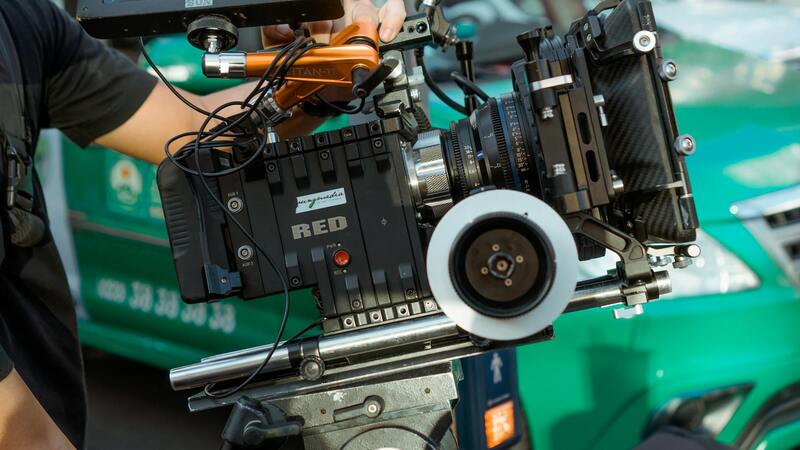
Furthermore, employing sturdy mounting solutions such as tripods, gimbals, or specialized camera rigs guarantees stability throughout prolonged shooting sessions. This reduces unwanted camera shake or drift, which can otherwise distort the footage. Proper environmental protection measures, like rain covers or protective housings, help maintain equipment functionality during adverse weather conditions, safeguarding your investment and ensuring continuous operation.
Pre-Planning and Calibration
Before initiating a timelapse shoot, comprehensive planning is essential. Conduct site reconnaissance to identify optimal camera angles, lighting conditions, and potential obstacles. Setting up your camera on a stable mount and performing test shots allows for calibration of exposure, focus, and white balance. Locking these settings minimizes the risk of adjustments that could introduce inconsistencies during the sequence.
- routinely check equipment condition before shooting to address any potential issues.
- Ensure ample battery life and data storage capacity to avoid interruptions, especially during extended captures.
- Weather assessments should inform protective measures and shooting schedules.
By adhering to these meticulous preparation steps, videographers in Miami set the stage for capturing high-fidelity timelapse sequences that faithfully depict the city’s vibrant evolution and activities.
Optimizing Shooting Parameters for Quality Results
Effective timelapse recording hinges on careful selection of parameters such as interval duration, exposure, and focus. The interval determines how often the camera captures a frame; shorter intervals are suitable for rapid changes like traffic flow or construction progress, while longer intervals work well for phenomena like cloud movement or plant growth. Balancing the interval duration with the scene’s dynamics is essential for achieving fluid motion in the final video.
Manual exposure and focus settings are recommended to maintain consistency across all frames. Locking focus prevents shifts caused by changes in scene lighting or depth, which can be distracting when viewed in sequence. Using manual exposure also avoids flickering resulting from automatic adjustments to changing light conditions.
- Test various interval settings before the main shoot to determine the optimal timing for the desired effect.
- Employ consistent exposure controls to ensure uniform brightness and contrast throughout the sequence.
- Consider lighting changes such as day-to-night transitions, adjusting interval and exposure settings accordingly.
Implementing these carefully considered parameters ensures that the timelapse footage maintains visual coherence, capturing Miami’s energetic environment with clarity and professionalism.
Equipment Needed for Timelapse Recording
Successful timelapse recording in Miami requires selecting the right equipment tailored to the scene’s demands and environmental conditions. Key components include a high-quality camera capable of continuous shooting or interval mode, a sturdy tripod or mounting system, and, in some cases, additional accessories such as intervalometers or motion control devices. Investing in weather-resistant gear ensures durability against Miami’s humidity and occasional rain, preserving the integrity of the footage over extended shooting durations.
Camera options for timelapse include DSLRs, mirrorless models, or professional cinema cameras, each offering manual control over exposure, focus, and ISO settings. These features are crucial in maintaining consistency across all frames, which directly impacts the smoothness and clarity of the final video. For scenes with dynamic lighting conditions—like sunrise or sunset—cameras with wide dynamic range capabilities are beneficial.
An intervalometer—an external shutter controller—is often employed to automate the capturing process, especially for long-duration shoots. It allows precise control over interval timing, burst count, and exposure settings, reducing the need for manual operation and minimizing camera shake or drift. For scenes involving movement, such as traffic or crowds, additional motorized sliders or motion control rigs can add cinematic motion elements.
Power supply becomes a critical consideration during extended shoots. External batteries, AC adapters, or power banks ensure the camera remains operational without interruptions. Storage solutions, such as high-capacity memory cards or external drives, are equally essential for handling the large volume of high-resolution images produced.
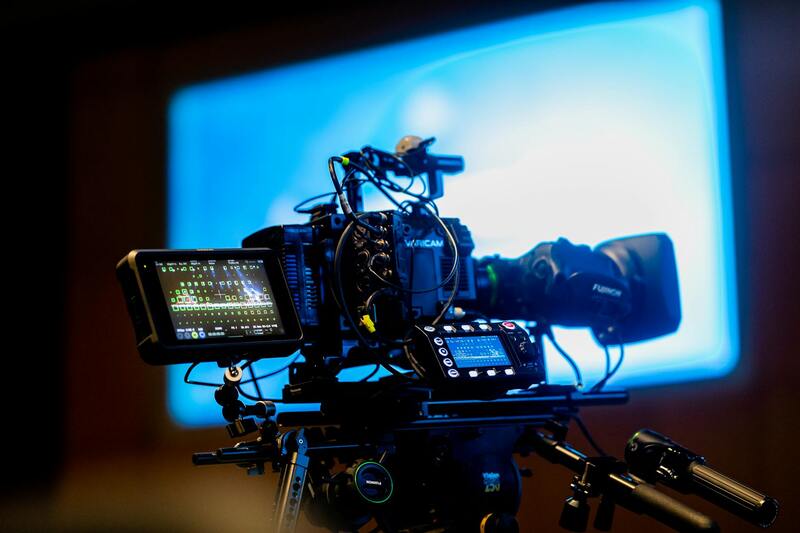
Proper calibration and stable mounting are fundamental to achieving seamless footage. Vibration dampers or fluid heads help reduce camera shake, especially when shooting in windy outdoor environments common in Miami. Ensuring the camera remains precisely focused and correctly exposed throughout the shoot can be facilitated using fixed manual settings rather than auto modes, which might introduce inconsistencies.
Overall, selecting high-caliber, weather-resistant equipment along with auxiliary tools tailored to scene dynamics guarantees a higher quality timelapse sequence. It enables capturing Miami’s lively urban textures, scenic waterfronts, and dynamic weather patterns with precision and visual appeal.
Advanced Techniques and Considerations for Timelapse Recording
Executing a successful timelapse recording in Miami involves more than just setting up a camera and capturing images at intervals. It requires careful planning, precise execution, and an understanding of advanced techniques to enhance the quality and artistic impact of the final video. One critical aspect is camera motion management. While static shots are common, introducing controlled vertical or horizontal camera movement can add a dynamic element to the sequence, emphasizing the passage of time in a more engaging manner. This can be achieved using motorized sliders or camera rigs that facilitate smooth, automated movements synchronized with the interval settings.
Another sophisticated method involves exposure blending. This technique entails capturing multiple exposures at each interval—such as bracketed shots for bright, mid-tone, and shadow regions—and then combining them during post-production. Exposure blending helps achieve a balanced exposure throughout scenes with high contrast, such as sunsets over Miami's skyline or reflections on the water, ensuring details are preserved in both highlights and shadows.
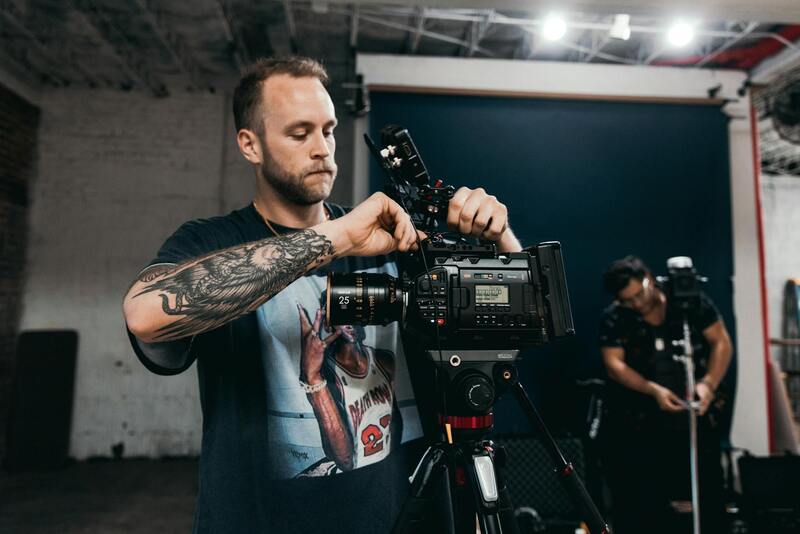
In addition, employing variable interval shooting can significantly improve the storytelling aspect of the timelapse. For example, shorter intervals during rapid scene changes—like bustling city traffic—capture the energy and flow, while longer intervals are suited for gradual transformations such as sunrise or sunset. Fine-tuning these intervals based on the scene's dynamics can yield a more compelling narrative that reflects Miami's vibrant urban life and scenic transitions.
From a technical standpoint, maintaining consistent focus throughout the shoot is crucial. Many professional setups involve manual focus adjustments or the use of focus stacking techniques to keep subjects sharp across different lighting conditions and scene changes. Similarly, exposure settings should be adjusted carefully to accommodate changing light conditions, especially during shoots that span several hours or days.
Weather considerations are also vital. External conditions like wind, rain, or intense sunlight can impact the stability and clarity of the footage. Utilizing weather-resistant housing or protective covers for the camera ensures the equipment remains operational and the footage remains unaffected by environmental factors. Stabilization tools such as gimbals or vibration dampers are recommended, especially when capturing motion sequences in windy outdoor settings typical of Miami.
Post-Production Enhancements for Timelapse Footage
Post-production plays a pivotal role in transforming raw timelapse images into polished, cinematic sequences. Techniques such as image stabilization, color grading, and frame interpolation can enhance visual consistency and aesthetic appeal. Image stabilization algorithms help smooth out minor camera movements, while color grading ensures uniformity across footage shot in varying light conditions. Frame interpolation can be used to increase the smoothness of motion, particularly if frame rates fell short during shooting.
Editing software allows for seamless transitions, the addition of effects, and synchronization with sound elements if desired. Careful selection of music or ambient soundscapes can also amplify the emotional impact of the finished video, highlighting Miami’s lively atmosphere or serene waterfront scenes.
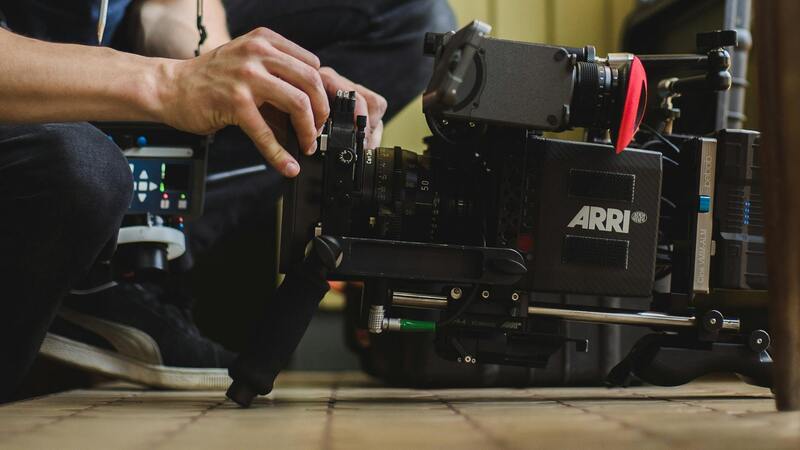
It’s essential to maintain a high standard of quality throughout the process, from initial capture to final edit. Employing professional editing tools and experienced editors ensures that every frame contributes meaningfully to the overall narrative, showcasing Miami’s dynamic environment in a visually striking manner. Proper post-production not only improves aesthetic quality but also optimizes the footage for specific distribution channels, whether for social media, commercial content, or artistic exhibitions.