Understanding Timelapse Production
Timelapse production is a specialized filming technique that involves capturing a series of photographs at set intervals over a period of time, which are then played back at a normal speed to create the illusion of accelerated motion. This method allows filmmakers and content creators to showcase long-duration events in a condensed and visually engaging format. The process demands meticulous planning, precise execution, and technical expertise to ensure smooth results that effectively convey the passage of time.
Beyond its aesthetic appeal, timelapse production serves numerous purposes across various sectors. In the creative industry, it is used to depict dynamic environments such as evolving cityscapes, nature changes, construction projects, or artistic performances. Commercially, it provides compelling content for advertising campaigns, promotional videos, and corporate storytelling, offering viewers an immersive perspective on development, progress, or transformation. This technique amplifies visual storytelling by condensing hours, days, or even months into a few captivating seconds, making it an invaluable tool for capturing attention and communicating complex processes succinctly.
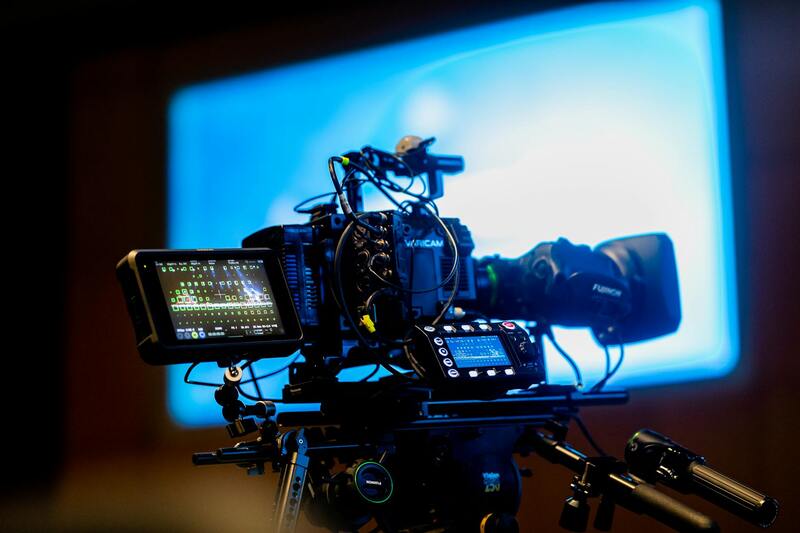
Effectively executing a timelapse project involves a combination of precise planning, quality equipment, and technical skill. Whether for personal artistic projects or high-stakes commercial endeavors, understanding the fundamental principles of timelapse production ensures the final product achieves its intended visual impact. This entails selecting the appropriate shooting environments, establishing consistent camera settings, and synchronizing intervals to align with the subject's movement or change rate. Such attention to detail guarantees seamless footage and immersive storytelling that captivates viewers and enhances the overall message of the project.
Given its growing popularity across industries, mastering timelapse production is an essential competence for modern content creators. It provides a strategic advantage in producing compelling visual narratives that stand out in a crowded media landscape. With the right understanding and tools, professionals can create stunning visuals that not only entertain but also inform and inspire audiences, solidifying timelapse production as a vital component of multimedia storytelling.
Essential Equipment for Timelapse Projects
Selecting the right gear forms the backbone of successful timelapse production. High-quality equipment not only enhances image clarity but also ensures consistency throughout the recording process, which is crucial for seamless footage. A comprehensive understanding of essential tools helps content creators achieve professional results while maintaining the flexibility needed for diverse shooting environments.
Camera Selection and Settings
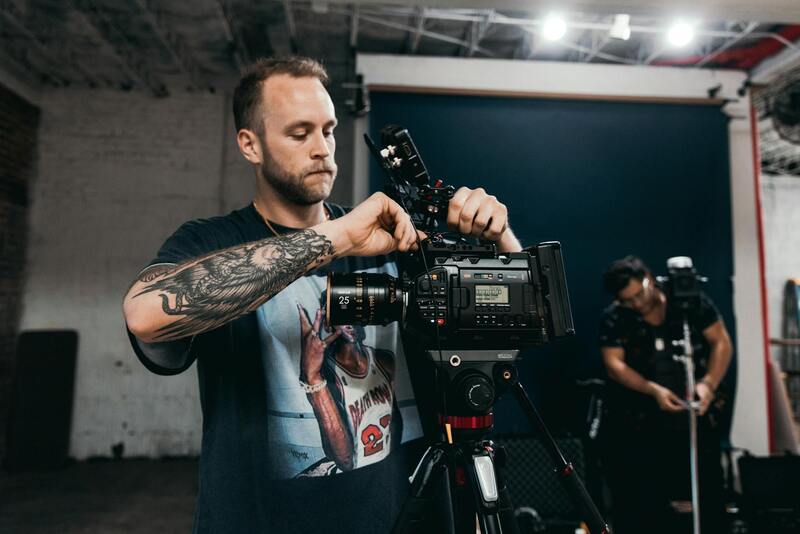
The cornerstone of any timelapse project is choosing the appropriate camera. Professionals typically opt for DSLR or mirrorless models capable of shooting in high resolution and offering manual controls. Key settings include manual focus to prevent shifts during long shoots, aperture adjustments for depth of field, and ISO settings optimized for lighting conditions. A camera with interval shooting capabilities eliminates the need for manual operation during extended recordings. Additionally, utilizing a camera with good dynamic range assists in capturing scenes with contrasting lighting, such as sunset or nighttime shots.
Tripods and Motion Devices
Stability is paramount in timelapse production. A sturdy tripod prevents camera shake, ensuring sharp frames throughout the shoot. For dynamic or moving shots, professional-grade motion control devices can introduce smooth camera movements such as pans, tilts, or slides. These devices can be programmed for precise movement synchronization, elevating the production quality and adding cinematic motion effects to the final footage.
Lenses and Filters
Choosing the right lens depends on the scene’s scale and desired visual style. Wide-angle lenses are popular for expansive landscapes and cityscapes, offering dramatic perspective and a sense of grandeur. Telephoto lenses are suitable for capturing distant subjects or compressing scenes for artistic effect. Filters, including ND filters, are often integrated to manage exposure during bright daylight conditions, enabling longer shutter intervals without overexposure, which is vital for achieving smooth motion in time-lapses.
Power Solutions and Storage
Extended timelapse shoots demand reliable power sources. External batteries or power adapters are recommended for prolonged sessions, reducing the risk of interruption. Ample storage media such as high-capacity SD cards or SSD drives are essential for handling large volumes of data generated during high-resolution sequences. Regular data backups and using fast read/write media ensure efficient workflow and prevent data loss.
Lighting Equipment and Accessories
While natural lighting is often sufficient, supplementary lighting can be incorporated for scenes with challenging or dynamic lighting conditions. Portable LED panels and reflectors help control light and shadows, ensuring consistently exposed frames. Accessories like lens hoods or filters can also minimize glare and lens flare, maintaining image quality throughout the shoot.
Investing in Quality and Compatibility
Prioritizing high-quality, compatible equipment reduces technical issues and enhances overall footage quality. Although premium gear involves higher upfront costs, the durability and superior performance justify the investment, especially for commercial or professional projects. Consulting with specialists or professional production firms can provide insights into the most appropriate gear configurations tailored to specific project needs.
Overall, the right equipment selection, coupled with technical expertise, plays a pivotal role in elevating a timelapse project from simple imagery to compelling visual storytelling. Proper gear ensures consistent, high-quality footage that effectively communicates the intended narrative, whether capturing rapid city life or gradual environmental changes.
Understanding Timelapse Production
Timelapse production is a sophisticated process that combines meticulous planning, technical expertise, and high-quality equipment to capture dynamic scenes over extended periods. By compressing hours, days, or even months into a few seconds, timelapse videos reveal patterns and changes in the environment, urban landscapes, or natural phenomena that are otherwise imperceptible to the naked eye. To achieve compelling results, every aspect of the production—from pre-visualization to post-processing—must be carefully managed.
The Core Principles of Timelapse Production
- Consistent Framing: Ensuring the camera's composition remains uniform throughout the shoot is vital to produce seamless motion in the final video. Using stable mounts like tripod heads with locking mechanisms helps maintain framing precision.
- Interval Selection: Determining the right interval between shots is crucial, as it directly affects the speed and appearance of motion. Shorter intervals are better for fast-moving objects, while longer intervals suit slowly changing scenes.
- Exposure Settings: Consistent exposure across all frames prevents flickering and maintains visual coherence. Manual settings for ISO, aperture, and shutter speed are preferred over automatic modes to ensure uniformity.
- Battery and Storage Management: Timelapse projects can run for hours or days, necessitating adequate power supply solutions and high-capacity data storage devices. Continuous power sources, such as AC adapters or portable batteries, combined with ample storage, minimize workflow disruptions.
Technical Skills and Equipment Use
Operating specialized timelapse gear requires a thorough understanding of camera functions, intervalometers, and software workflows. Professionals often utilize remote controllers or smartphone apps to set and adjust parameters without disturbing the camera’s position. Mastery over these tools allows for intricate adjustments that align with the project’s artistic and technical vision.
Environmental and Site Preparation
Choosing optimal locations involves assessing lighting conditions, potential obstructions, and environmental factors such as weather or wind. Securing the camera in stable, protected positions helps prevent vibrations and movements that could compromise footage quality. Additionally, obtaining necessary permissions or access rights ensures unobstructed and uninterrupted shooting sessions.
Synchronization and Timing
Timelapse production often requires precise timing to capture specific events or transitions. Synchronizing camera operations with environmental cues or scheduled activities enhances storytelling impact. Advanced techniques include the use of scripting or automation to align multiple cameras or incorporate motion control devices for complex trajectories.
Leveraging Advanced Shooting Techniques for Optimal Results
Maximizing the quality of a timelapse involves a combination of precise camera settings and environmental control. Accurate exposure adjustments are crucial to balance brightness levels across varying lighting conditions. Utilizing techniques such as bracketing or manual exposure control ensures consistency, especially during long filming sessions that span dawn to dusk or night to day. Implementing stabilization methods, like tripods or gimbals, minimizes unintended movements that could otherwise introduce unwanted vibrations into the footage.
Motion control systems represent an advanced approach to achieving complex camera movements with pinpoint accuracy. These devices allow for programmable, repeatable motion paths, enabling filmmakers to create dynamic sequences where the camera moves along predetermined trajectories. When combined with time-lapse photography, motion control can produce captivating visual narratives that highlight architectural changes, natural phenomena, or urban transformations seamlessly within a single scene.
Optimization Tips for Camera Settings and Composition
Effective timelapse production demands a strategic approach to camera configuration. The appropriate choice of frame rate, shutter speed, and ISO settings enhances image clarity and dynamic range. Typically, maintaining a shutter speed double the frame rate (according to the 180-degree rule) ensures natural motion portrayal. Adjusting ISO carefully prevents graininess, especially in low-light scenarios, while proper aperture settings control depth of field and focus sharpness. Composition is equally critical. Using the rule of thirds, leading lines, and framing techniques guides the viewer's eye through the sequence. Planning shot composition in alignment with anticipated environmental changes ensures the final timelapse retains visual interest and narrative coherence. Additionally, incorporating natural elements like reflections, shadows, or interesting foreground objects can add depth to the footage. Choosing and consistently using appropriate filters or lens accessories can help manage exposure challenges and reduce glare or haze, further refining image quality. metering modes should be selected based on scene type—evaluative for landscape, spot for high-contrast scenes—to optimize exposure reliability throughout shooting sessions.
Legal and Permitting Considerations in Miami
Successfully executing a timelapse production within Miami requires a thorough understanding of the local regulations governing filming activities. Articulating clear project objectives and securing the necessary documentation before initiating the shoot ensures compliance with city ordinances and property-specific rules. This may involve obtaining permits from municipal authorities, especially when filming on public land, within protected areas, or close to critical infrastructure.
When planning to capture sequences in high-traffic zones or sensitive environments, coordination with local agencies can facilitate smooth operations. For example, filming near highways, busy streets, or areas with significant pedestrian movement often necessitates special permissions to manage safety protocols and minimize disruptions. These authorizations typically specify permissible filming hours, equipment restrictions, and the scope of the project.
In addition to governmental permits, securing permissions from private property owners is essential when shooting on private grounds. Formal agreements or permissions help prevent potential disputes and legal complications, ensuring the project remains on track without unforeseen interruptions. Maintaining detailed records of all communications and approvals acts as a safeguard during your production process.
Adherence to Miami’s specific filming guidelines and respect for community standards foster goodwill and collaboration with local stakeholders. Staying informed about city ordinances related to drone use, noise levels, and environmental protection not only streamlines the production flow but also upholds professional standards. Consulting with experienced local production specialists can further streamline the permitting process and provide valuable insights into navigating Miami's regulatory landscape effectively.
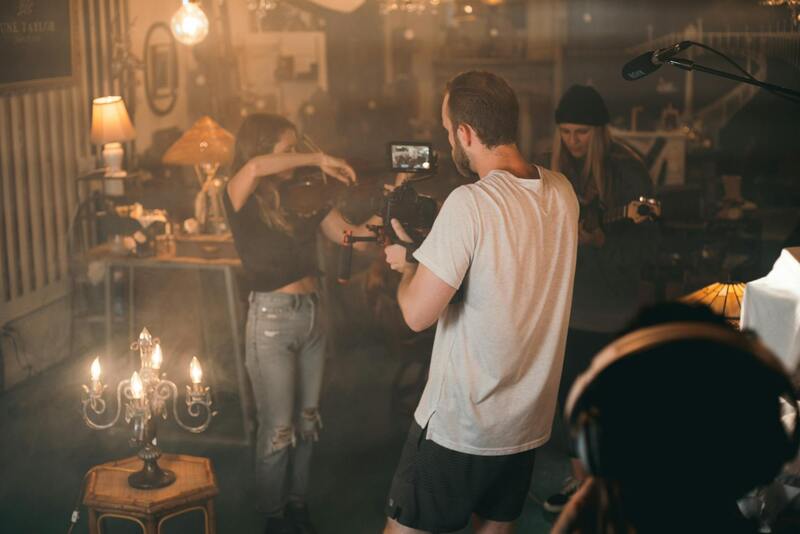
Securing Proper Permits and Permissions for Timelapse Production
To ensure a seamless timelapse shoot in Miami, obtaining the necessary permits and permissions is an essential step that aligns with established protocols. When filming in public locations such as parks, sidewalks, or streets, coordination with city authorities is crucial. Miami’s local government often requires a comprehensive application process that details the scope of your project, the specific locations involved, and the projected timeframe. Providing a detailed shot list and production schedule can help streamline approval processes. Additionally, for shooting in private properties, formal agreements with property owners must be secured. These agreements clearly delineate the terms of access, usage rights, and liability considerations, helping to safeguard your production from potential disruptions. Maintaining organized records of all permission documents, email exchanges, and official approvals ensures a professional approach and provides an audit trail should questions arise later in the process. Special attention should also be paid to regulations surrounding drone operations, noise levels, and environmental considerations specific to Miami’s diverse urban landscape. Regulations governing drone flights, for instance, often include altitude restrictions, no-fly zones, and operational hours. These rules are designed to protect both public safety and privacy while enabling creative pursuits. Engaging with local drone experts or authorized operators familiar with Miami’s airspace can facilitate compliance. It's advisable to consult with experienced local production managers or legal advisors who understand the nuances of Miami’s filming landscape. Their insights can help anticipate potential hurdles and identify ways to obtain permits efficiently, reducing delays and ensuring the project adheres to all relevant standards. Overall, meticulous planning and proactive permission management are vital for a productive timelapse shoot in Miami's dynamic environment.
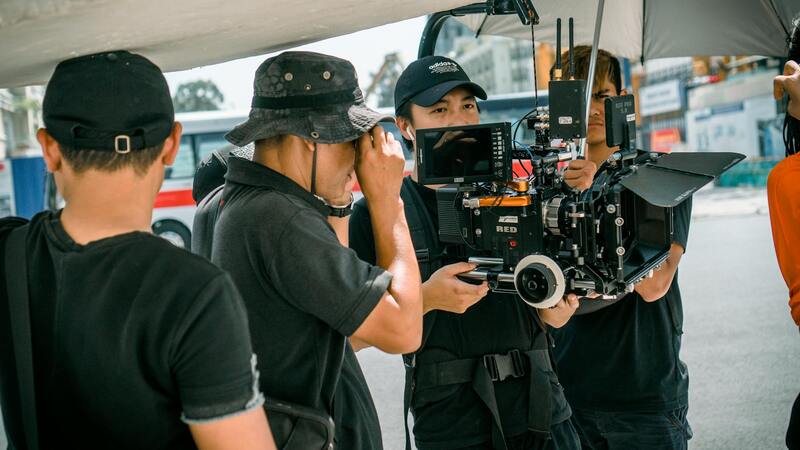
Understanding Miami’s Regulations for Timelapse Production
Miami’s regulatory landscape for filming involves comprehensive guidelines aimed at balancing creative endeavors with safety and public interest. Film crews must familiarize themselves with local ordinances that pertain to filming around sensitive areas, such as government buildings, landmarks, or environmentally protected zones. These regulations often specify permissible hours for filming, restrictions on equipment, and protocols for respecting community standards. Particularly for drone-based timelapse projects, adherence to Miami’s aerial operation standards is critical. The city’s drone guidelines encompass altitude limits, no-fly zones, and safety distances from populated areas. Unauthorized drone flights can result in operational delays or penalties. To avoid complications, collaborating with licensed drone operators who understand Miami’s airspace and have current FAA certifications is highly recommended. Moreover, noise ordinances in Miami influence the scheduling of classes or locations where sound levels could disturb residents or wildlife. If your timelapse involves motorized camera rigs or additional noise-generating equipment, setting appropriate times for operation minimizes conflicts. Engaging with local community groups and neighborhood associations beforehand not only demonstrates respect but also fosters positive relationships that can facilitate smoother shoots. Understanding and respecting Miami's unique regulatory environment ensures your timelapse production remains compliant and professional. Conducting detailed research and proactive communication with city agencies help prevent potential legal or logistical setbacks, enabling the capturing of striking visuals that reflect the city’s vibrant energy.
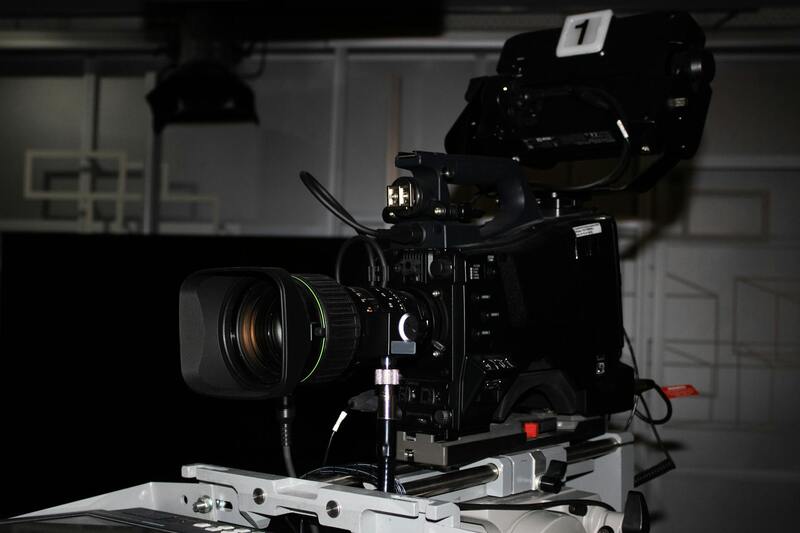
Legal and Permitting Considerations in Miami
Executing a timelapse production in Miami requires meticulous attention to the regulatory landscape governing filming activities within the city. Professionals must understand the necessary permits for specific locations, especially when capturing images in public spaces or privately owned areas. Securing permits often involves coordinating with city authorities and property owners to ensure all necessary approvals are obtained before the shoot begins. This process helps in establishing clear permissions and minimizes the risk of interruptions or conflicts during the production.
In addition to location-specific permits, certain equipment and operational protocols may necessitate special authorizations. For example, drone-based timelapse projects typically require adherence to Miami’s drone operation standards, which involve obtaining FAA certification if flying within federally regulated airspace. Landing permits or special clearances might also be needed for remote or elevated camera setups, especially in sensitive or restricted zones.
Particularly for drone or motorized equipment, a detailed review of project timelines and city regulations is essential to comply with guidelines related to altitude restrictions, operational hours, and no-fly zones. Proactively communicating with relevant city agencies—such as the Miami Film Office or local zoning authorities—can streamline the permit application process, ensuring compliance and facilitating smoother project execution.
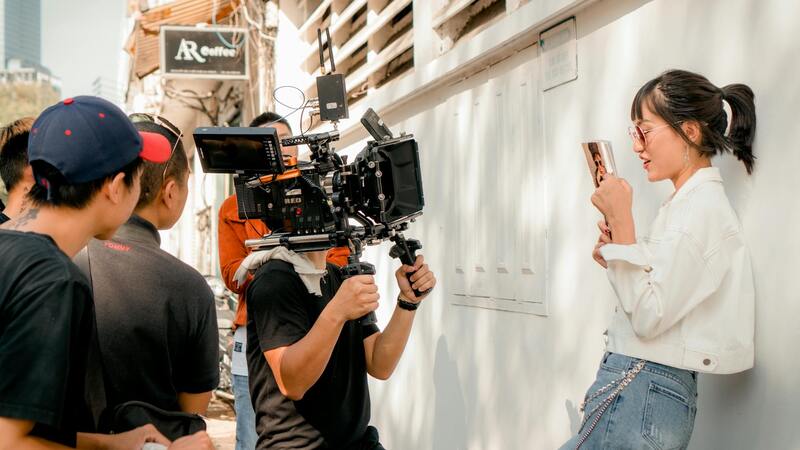
Furthermore, noise ordinances in Miami can influence the scheduling of shoots that involve motorized or mechanical equipment. Limiting the hours of operation during early mornings or late evenings can prevent disturbances to residents and wildlife. Engaging with local community groups and neighborhood associations beforehand helps demonstrate respect for local standards and promotes good community relations.
Documentation of all permits, approvals, and communications with city agencies should be meticulously maintained throughout the production process. This not only ensures accountability but also provides a clear record in case of future audits or queries. Furthermore, compliance with Miami’s environmental regulations and cultural preservation guidelines enhances the integrity of the production, safeguarding against potential legal or logistical complications.
Advanced Techniques for Capturing Compelling Timelapse Footage
Mastering timelapse production requires more than just setting up a camera and clicking the shutter. Advanced techniques elevate the quality of your footage, ensuring compelling visual storytelling that captures the dynamic essence of your subject. One key approach involves precise control over camera settings — manually adjusting ISO, aperture, and shutter speed to maintain proper exposure throughout the shoot, especially in changing lighting conditions.
Utilizing intervalometers or programmable camera controllers allows for seamless interval calculations, ensuring consistent frame capture without gaps or overlaps. For sequences spanning extended durations, employing interval times that align with the speed of motion in the scene—whether it's the gradual movement of clouds or bustling city streets—ensures natural pacing in the final video.
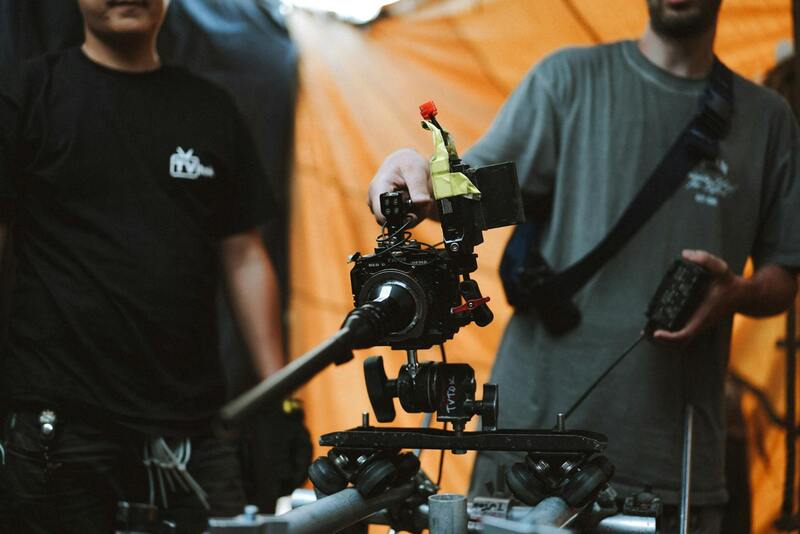
Incorporating motion control rigs can add an extra layer of sophistication. These devices enable smooth camera movements, such as pans, tilts, or dolly shots, synchronized precisely with the timelapse interval. This results in dynamic footage that enhances visual interest and storytelling depth.
Another crucial technique involves managing depth of field. By selecting optimal focus points and aperture settings, creators can emphasize specific elements within the scene, adding layers of focus that lead the viewer's eye effectively.
Moreover, multi-exposure and HDR timelapse shooting techniques can expand dynamic range, particularly in scenes with high contrast—combining multiple exposures either in-camera or during post-production for vivid, detailed imagery.
Post processing plays a vital role in refining timelapse sequences. In software like Adobe Premiere Pro or After Effects, adjusting colors, stabilizing footage, and removing unwanted artifacts ensure a polished final product. Carefully editing sequences to synchronize motion and transition smoothly helps maintain viewer engagement.
For scenes involving multiple locations or complex sequences, planning transitions and overlay effects can create a cohesive narrative flow. Using overlays of real-time footage alongside timelapse segments, for example, can embed context and enhance storytelling.
Finally, consideration of environmental factors—such as weather, light changes, and urban activity—tailors your approach for optimal results. Being adaptable in capturing techniques ensures that every project encapsulates the intended vision, making your timelapse productions stand out.