Understanding Time Lapse Recording
Time lapse recording is a specialized technique that converts a sequence of still photographs taken at regular intervals into a continuous video playback, creating the illusion of accelerated motion. This method is widely utilized in various industries, including filmmaking, construction monitoring, environmental studies, and promotional content creation. The core idea behind time lapse photography is to observe long-term processes in a condensed timeframe, offering unique visual perspectives that are otherwise challenging to experience in real-time.
One of the defining characteristics of time lapse recording is its ability to compress hours, days, or even months into just a few seconds or minutes of video. This is achieved through capturing individual frames at consistent intervals, which are then stitched together during post-production to produce a seamless sequence. Such techniques effectively reveal patterns and changes in the environment or activity that are not immediately perceptible to the human eye.
Applications of time lapse recording are extensive and diverse. In construction projects, it provides a clear visualization of progress over time, making it easier for project managers and clients to assess developments. In nature documentaries, it captures phenomena like blooming flowers, star trails, or changing weather patterns, offering viewers a glimpse into natural cycles. Urban planners and artists also utilize this method to showcase cityscapes evolving, highlighting the dynamism of modern environments.
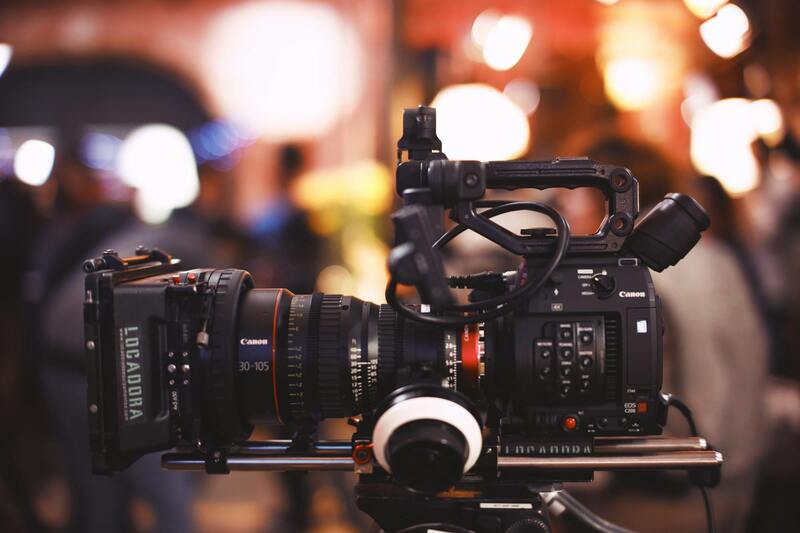
Fundamentally, effective time lapse recording requires meticulous planning, precise equipment, and a thorough understanding of shooting techniques. When executed correctly, it transforms mundane or slow-changing scenes into compelling visual stories that engage audiences and convey the passage of time with clarity and artistic flair.
Understanding Time Lapse Recording
Time lapse recording is a technique that captures sequential images at set intervals, which are then compiled into a single video to demonstrate the passage of time in a visually compelling way. Its capability to compress lengthy durations into short clips offers remarkable insights into dynamic processes and environmental changes that occur gradually and often go unnoticed in real-time. This method allows viewers to observe the transformation of natural settings, urban landscapes, and various activities in a manner that emphasizes patterns and development over extended periods.
Implementing effective time lapse recording involves more than just setting up a camera and hitting record. It requires a clear understanding of specific techniques, optimal equipment, and meticulous planning to capture high-quality footage that accurately conveys the sense of time passing. When executed with precision, time lapse videos become powerful storytelling tools that reveal the beauty, complexity, and rhythm of changing environments, from blooming flowers to construction site progressions.
Types of Time Lapse Techniques
Manual Time Lapse
Manual time lapse recording involves physically starting and stopping the camera at predetermined intervals or manually adjusting the frame rate during a session. This method offers the flexibility to adapt to changing conditions but demands a high level of attention and consistency from the operator to maintain the desired intervals and image quality.
Remote Time Lapse
Remote control systems are used to trigger camera operations without physical contact, typically via dedicated apps or remote timers. This approach minimizes camera disturbance, making it ideal for capturing scenes over extended durations or in sensitive environments where stability is crucial. Remote setups often include intervalometers or specialized software to ensure regular, precise image capture.
Automated Time Lapse
Automation involves using cameras equipped with built-in interval recording features. These systems automatically capture images at specified intervals, streamlining the process and reducing the risk of human error. Automated techniques are especially useful for long-term projects, allowing for consistent image acquisition over days, weeks, or even months without manual intervention.
Essential Equipment for Time Lapse Recording
- Camera: High-resolution DSLR or mirrorless cameras with interval shooting capability
- Tripod: To ensure stability and minimize camera shake during long recording sessions
- Intervalometer: External or built-in device for controlling capture intervals
- Lenses: Depending on the scene, wide-angle lenses are common for landscapes, while telephoto lenses suit distant subjects
- Power Sources: Extra batteries and portable power supplies for extended shoots
- Memory Cards: High-capacity, fast data transfer cards to accommodate numerous images
- Weather Protection: Rain covers or enclosures for outdoor shoots in varying conditions
Planning and Preparing for a Time Lapse Shoot
Preparation is critical for successful time lapse recordings. Prior to starting, evaluate the scene and identify the key moments you wish to document. Consider environmental factors such as lighting conditions, weather, and potential obstructions that might impact the shot. Selection of the right timing and positions can significantly influence the final outcome. Establishing a clear plan for the shooting schedule and ensuring all equipment is calibrated and functioning properly prevent interruptions during the session. It is also beneficial to perform test captures to adjust camera settings and confirm the desired framing and exposure values.
Camera Settings and Recording Tips
Consistent camera settings are vital for producing seamless time lapse sequences. Use manual mode to control exposure, focus, and white balance to avoid fluctuations in the footage. Set a low ISO to reduce grain, select an appropriate aperture for depth of field, and choose a shutter speed that balances motion blur with sharpness. When capturing scenes with changing lighting conditions, consider the use of ND filters or adjusting settings dynamically. Maintain a steady camera position and avoid movements that could disrupt the continuity unless intentional panning or tilting are part of the artistic vision.
Post-Production and Editing of Time Lapse Footage
Once the images are captured, the editing process involves assembling and refining the sequence for presentation. Image sequence compilation can be performed in professional editing software, allowing for adjustments in frame rate, color grading, and stabilization if necessary. Enhancements such as contrast adjustments and sharpening can make the final video more visually engaging. Adding music or annotations can further elevate the storytelling aspect, providing context or emphasizing particular moments within the sequence. Ensuring the consistency of lighting and color before compilation will contribute to a smooth, professional final product.
Understanding Time Lapse Recording
Time lapse recording is a dynamic technique that compresses extended periods into short, captivating sequences, revealing changes over time that are often imperceptible to the naked eye. This method captures a series of images at preset intervals, which are then played back at a faster speed, unveiling phenomena such as the movement of clouds, bustling cityscapes, and the progression of natural elements like sunsets and plant growth. The significance of mastering time lapse recording lies in its ability to tell compelling visual stories, document transformative processes, and create artistic perspectives that highlight motion and change. When executed correctly, this method enhances storytelling in various fields, including filmmaking, event coverage, construction monitoring, and environmental observation. Its versatility allows creators to showcase both the grandeur of natural landscapes and the intricacies of urban life, providing viewers with a unique window into processes that span hours, days, or even months within a matter of seconds.
Types of Time Lapse Techniques
Several techniques exist to produce diverse time lapse effects, each suited to specific scenarios and creative visions. Understanding these methods helps filmmakers and videographers select the most appropriate approach for their projects:
- Interval Recording: The most common method, where images are captured at fixed intervals regardless of scene changes. It is ideal for steady subjects like traffic flow, construction sites, and celestial movements, producing a smooth, consistent sequence.
- Motion-Based Recording: This technique involves adjusting interval timings based on the subject's speed or activity level. It’s useful when capturing dynamic subjects that require more frequent shots during rapid movement phases.
- Hyperlapse: A variation of timelapse that includes significant camera movement, such as tracking a subject or panning across a landscape. It requires careful planning and stabilization to ensure smooth motion in the final sequence.
- Exposure-Driven Timelapse: Emphasizes changing light conditions by incorporating techniques like exposure ramping, which smoothly transitions exposure settings to accommodate variations such as sunrise or sunset scenes.
Choosing the right technique depends on factors like scene stability, desired visual effects, and available equipment. Each method demands a tailored approach to capture quality footage that seamlessly conveys the intended story of change and motion.
Understanding Time Lapse Recording
Time lapse recording is a powerful technique used to compress extended periods into a concise and captivating visual narrative. It involves capturing a sequence of images at specific intervals over a set duration, then playing these images back at a normal frame rate to produce the illusion of accelerated motion. This method allows viewers to observe processes that are typically slow or imperceptible to the naked eye, such as cloud movements, plant growth, or urban development.
To achieve high-quality time lapse footage, understanding the core principles behind image acquisition is essential. The key factors include selecting appropriate interval durations, maintaining consistent camera settings, and ensuring stability throughout the shoot. These elements work in tandem to produce smooth, seamless footage that accurately reflects the passage of time and the underlying story.
While modern digital equipment has streamlined the process, the integrity of the final product depends on meticulous planning and execution. Properly executed time lapse recordings not only enhance visual storytelling but also provide insightful perspectives into natural phenomena and human activities that unfold gradually and require extended observation.
Types of Time Lapse Techniques
Several established methods facilitate the creation of diverse time lapse effects, each with its unique advantages suited to particular scenes and objectives. Choosing the right approach depends on the scene’s motion, lighting conditions, and desired visual style.
- Interval Recording: This foundational technique involves capturing images at predetermined intervals, generally suitable for static scenes with minimal motion. It produces consistent sequences that effectively depict slow environmental changes, such as construction progress or star trails.
- Motion-Based Recording: Here, intervals are adjusted based on the subject's activity level, capturing frames more frequently during rapid movements. This approach enhances the fluidity of fast-paced scenes, such as bustling city streets or sports events.
- Hyperlapse: A specialized form of time lapse involving significant camera movement, like tracking a moving subject or navigating across landscapes. It requires precise stabilization to prevent shaky footage, resulting in dynamic sequences showcasing movement through space.
- Exposure-Driven Timelapse: This method emphasizes changing lighting conditions, often involving techniques like exposure ramping. It is ideal for capturing scenes with varying light levels, ensuring the footage maintains consistent brightness and detail during transitions such as dawn or dusk.
Understanding these techniques allows creators to align their methodology with project requirements, ensuring the visual narrative remains compelling and technically sound.
Essential Equipment for Time Lapse Recording
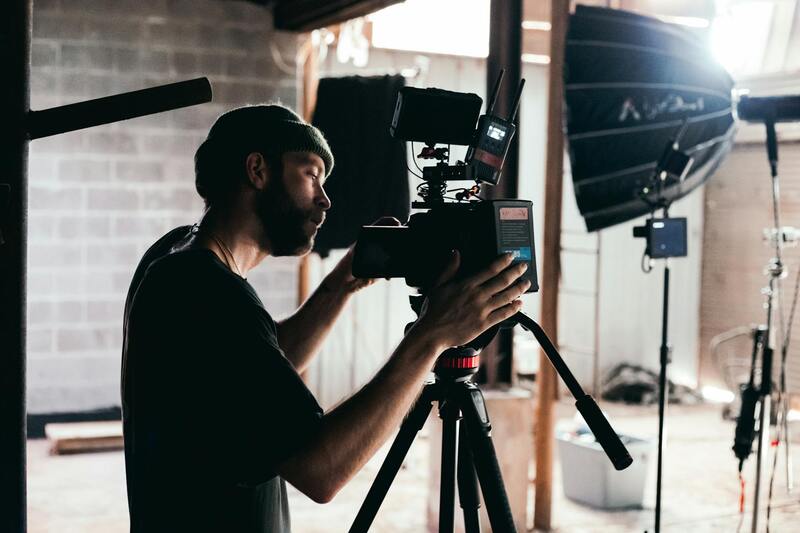
Achieving professional-grade time lapse recordings hinges on selecting the right equipment tailored to the specific demands of the shoot. The primary components include:
- Camera: A DSLR or mirrorless camera with manual control over exposure and focus settings offers the flexibility necessary for precise adjustments. Some specialized cameras on the market also feature built-in intervalometers.
- Intervalometer: An external or integrated device that automates image capture at fixed intervals, essential for maintaining consistent timing during extended shoots.
- Sturdy Tripod: To prevent camera shake and ensure stability, a robust tripod is vital, especially during long recording sessions involving outdoor or dynamic environments.
- Filters and Lenses: Depending on the scene, various filters (e.g., ND filters) and lenses can help control light and optimize image quality.
- Power Supply and Storage: Extended recording sessions demand ample battery capacity and high-capacity memory cards to avoid interruptions and data loss.
Additionally, some advanced setups incorporate motorized dolly systems and gimbals for dynamic hyperlapse shots, providing greater creative flexibility. These pieces of equipment, alongside proper settings and planning, collectively contribute to the production of smooth, visually striking time lapse sequences.
Understanding Time Lapse Recording
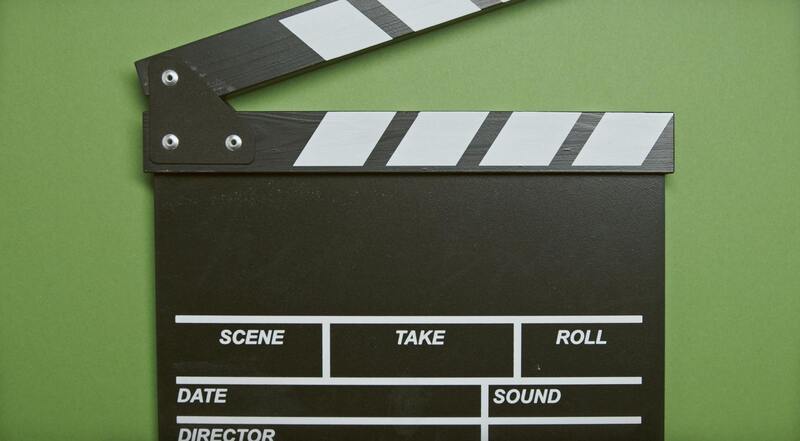
Time lapse recording involves capturing a series of photographs at set intervals over an extended period, which are then played back at a normal video speed to illustrate change over time. This technique is often employed to showcase phenomena such as urban development, natural landscapes, botanical growth, or bustling city life. The core concept is to condense hours, days, or even months into a few seconds of engaging visual storytelling. High-quality time lapse footage requires not just steady camera operation but also precise control over numerous technical parameters, from exposure settings to interval choices, all geared towards achieving smooth, consistent motion sequences.
Types of Time Lapse Techniques
Several distinct approaches can be employed to execute time lapse recordings, each suited to specific scenarios and creative objectives:
- Interval Timing: The most common method where images are captured at fixed, regular intervals. This technique provides a straightforward way to document slow processes like plant growth or cloud movement.
- Hyperlapse: A dynamic variation involving camera movement during the shoot. Achieved through a series of carefully planned camera shifts, hyperlapse creates dramatic motion sequences and is often used in cinematic storytelling.
- Motion Time Lapse: Combines traditional time lapse with subject movement, such as moving vehicles or moving crowds, emphasizing the interplay between time and motion.
- Nighttime or Low Light Time Lapse: Special techniques and equipment adjustments are necessary to capture clear footage in low light, often requiring longer exposures and enhanced stabilization.
Essential Equipment for Time Lapse Recording
Producing exceptional time lapse footage demands specific equipment that ensures precision, stability, and adaptability throughout extended recording sessions. The key components include:
- Camera: A DSLR or mirrorless camera capable of manual settings, with features like intervalometer integration or compatibility with external intervalometers for timed shooting.
- Intervalometer: A device that automates the image capture process, maintaining consistent intervals to ensure seamless footage, especially during long sessions.
- Sturdy Tripod: Stability is critical; a high-quality tripod prevents camera shake and allows for smooth adjustments in outdoor or unstable environments.
- Lenses and Filters: Selection varies depending on scene requirements. Wide-angle lenses are popular for landscape shots, while ND filters help manage exposure in bright daylight conditions.
- Power Management and Storage: Extended recording sessions require high-capacity batteries and large memory cards to prevent interruptions and data loss.
- Optional Advanced Equipment: Motorized sliders, gimbals, and motion control systems enable dynamic hyperlapse and complex motion shots, adding a creative edge to the final product.
Capturing Consistent Images for Time Lapse Recording
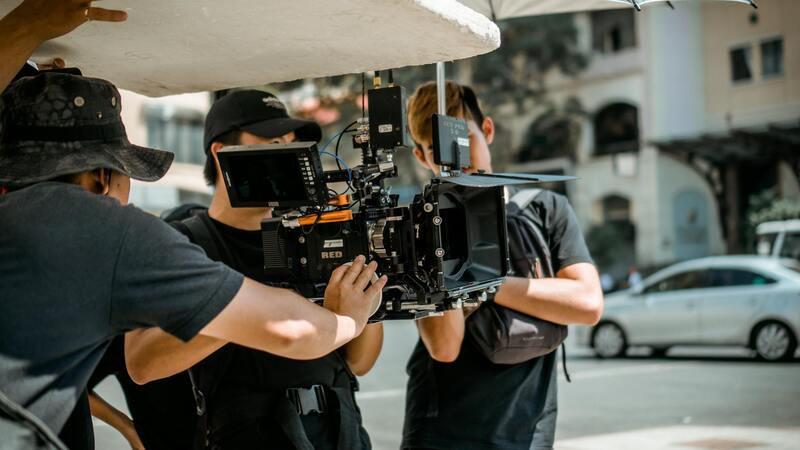
Ensuring consistency in your image capture is fundamental for producing high-quality time lapse footage. This involves maintaining uniformity in camera positioning, composition, and exposure settings throughout the entire recording session. Discrepancies in any of these elements can result in jittery or flickering footage, diminishing the visual impact of the final product.
When setting up for a time lapse shoot, it is crucial to precisely position the camera on a stable mount or tripod. Use markings or a grid system to replicate camera angles consistently between shots. This precision prevents shifts that could cause movements or misalignments during the sequence. Additionally, employing manual camera controls is vital; automatic settings such as auto-focus and auto-exposure can vary from shot to shot, leading to inconsistent images. To counteract this, set your camera to manual focus, white balance, and exposure parameters before beginning the shoot, and avoid adjusting these during recording.
Utilizing Intervalometers for Precise Timing
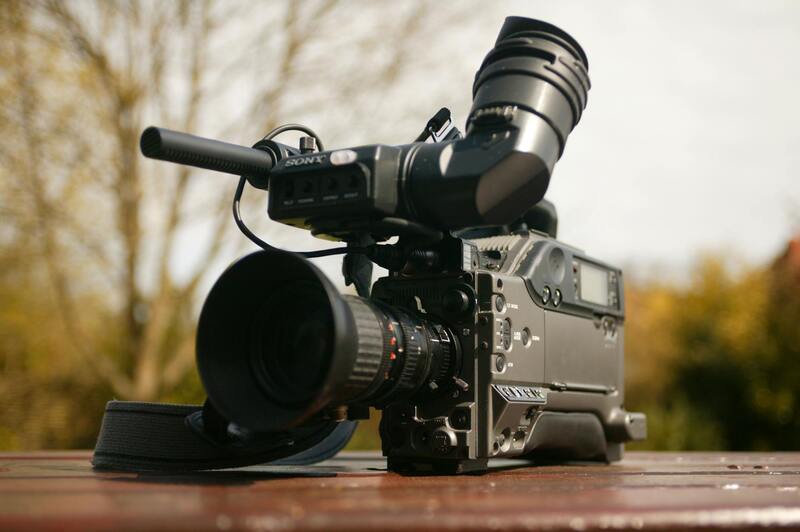
An essential device in the arsenal of time lapse recording is the intervalometer, which automates image capture at predefined intervals. By programming the intervalometer to trigger the camera shutter at specific durations — whether every second, several seconds, or minutes — filmmakers can ensure uniformity in the captured frames. This consistency is critical, especially during long-term projects such as sunrise to sunset or construction site progress documentation.
When configuring an intervalometer, consider the subject and desired playback speed. Shorter intervals generate smooth, detailed motion, suitable for fast-moving scenes like traffic flow, while longer intervals effectively depict slow processes, such as plant growth or weather changes. Moreover, some intervalometers offer additional features like exposure bracketing or time-lapse motion control, broadening creative possibilities.
Monitoring and Adjusting During the Shoot
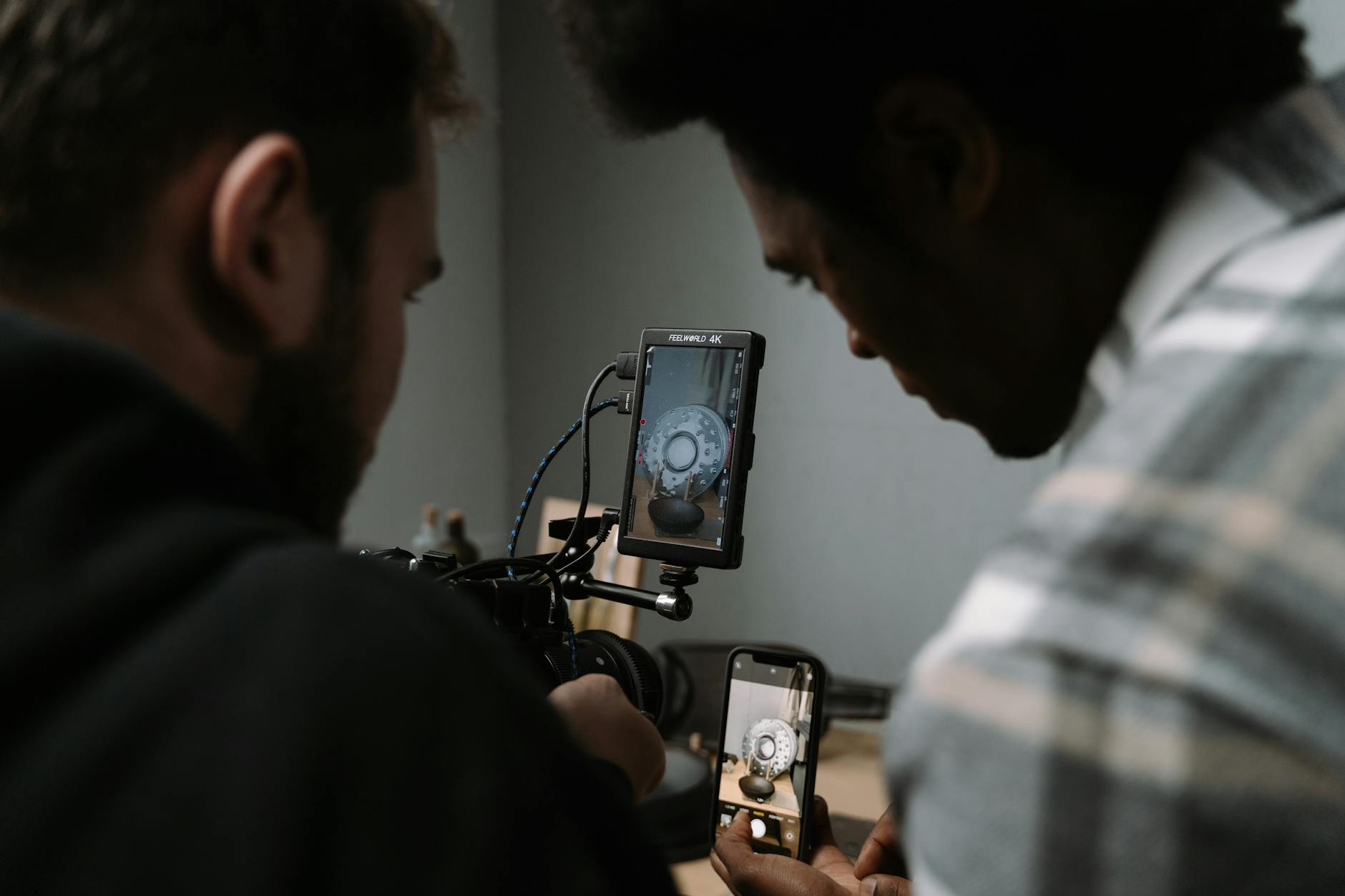
Regular monitoring during recording sessions helps identify potential issues early, preventing undesirable artifacts in the final footage. Utilize a remote viewfinder or camera’s live view feature to verify framing, focus, and exposure periodically. However, avoid making adjustments that might compromise consistency; instead, plan in advance how exposure and focus will be managed across the entire recording period.
If environmental factors such as changing light conditions or movement in the scene are anticipated, consider setting your camera to manual mode to lock in exposure values. Additionally, for outdoor shoots, wind or vibrations can subtly affect stability. Using remote control options and vibration dampers can mitigate these disturbances, maintaining the integrity of the footage.
Optimizing Focus and Exposure
Defining focus and exposure settings prior to capturing the first frame is essential for continuity. Autofocus can cause focus shifts, especially if the scene contains varying distances or lighting. Manual focus ensures consistent sharpness, especially when dealing with static scenes or distant landscapes. For exposure, utilize histogram analysis to set appropriate shutter speeds, aperture, and ISO. When lighting conditions change sharply, such as sunrise or sunset, consider using graduated filters or exposure ramps in post-production to maintain uniformity.
Technical Tips for Seamless Time Lapse Footage
- Pre-configure your camera settings, including focus, white balance, and exposure, before starting the shoot.
- Use a remote trigger or intervalometer to automate image capture, minimizing human error.
- Ensure the tripod and camera mount are sturdy and secure, especially in outdoor environments prone to wind or vibrations.
- Monitor shot progress periodically without adjusting settings to preserve consistency.
- In scenes with changing light, plan for exposure adjustments through manual settings or post-processing techniques.
Understanding the Nuances of Time Lapse Recording
Executing a successful time lapse recording involves more than simply capturing images over extended periods; it requires meticulous attention to various technical and operational details to ensure a cohesive and visually compelling final product. Proper planning and execution hinge on understanding the core principles that govern this specialized recording technique, including camera setup, scene selection, and environmental considerations.
Selection of Appropriate Scene and Timing
Choosing the right subject is fundamental in time lapse projects. Dynamic scenes such as moving clouds, bustling cityscapes, or natural landscapes undergoing significant changes are ideal candidates. The timing also plays a crucial role, especially when aiming to capture the transition of natural light, like sunrise to sunset or changing weather conditions, to highlight the passage of time effectively.
Controlling Camera Stability and Positioning
Stability remains a cornerstone of high-quality time lapse footage. This calls for robust tripods or mounts capable of withstanding environmental disturbances. The positioning of the camera should be precise; it must be secured firmly to prevent any shifts during the shooting process that could disrupt the continuity of frames. Once positioned, avoiding unnecessary adjustments during the recording session preserves the visual coherence.
Managing Environmental Variables
Environmental factors such as wind, vibrations, and lighting fluctuations directly influence the quality of the time lapse. Protective measures like wind shields or vibration dampers can be employed to mitigate shakes. Additionally, monitoring changing light conditions allows for re-calibrating camera settings when necessary, or employing advanced post-production techniques to normalize exposure across frames.
Building a Shot Schedule
Creating a detailed shooting plan is essential to capture the desired scenes at optimal intervals. The interval between shots depends on the speed of scene changes; rapid movements may require shorter intervals, whereas slower transitions benefit from longer gaps. Documenting the schedule ensures consistency and allows for adjustments based on unforeseen conditions.
Technical Considerations for Effective Time Lapse Recording
- Interval Settings: Typically ranging from 1 second to several minutes, depending on the dynamics of the scene.
- Exposure Control: Utilizing manual settings to maintain uniformity across all frames, especially in scenes with changing lighting.
- Focus Lock: Setting fixed focus points to prevent shifts during shooting.
- White Balance: Customizing white balance settings to avoid color shifts over time.
- Battery and Storage: Ensuring ample power supply and storage solutions to avoid interruptions.
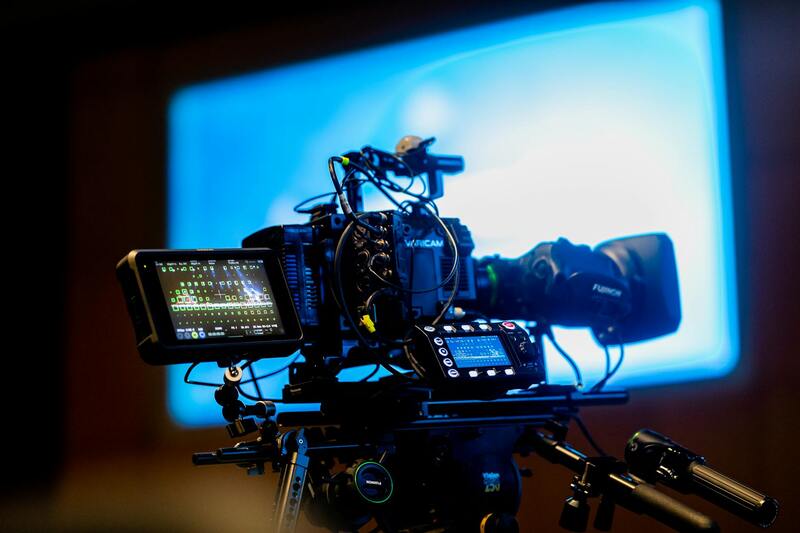
Adopting Best Practices During Recording
Consistent camera setup, regular monitoring, and environmental awareness are vital throughout the recording process. Employ remote triggers where possible to reduce human error and vibration. Periodic checks on equipment stability and scene progress help ensure the shoot remains on schedule and maintains high standards of quality. These disciplined practices contribute to achieving the most professional and visually engaging time lapse footage.
Mastering the Capture of Dynamic Scenes with Precise Timing
Achieving a compelling time lapse recording hinges on the meticulous synchronization of camera settings and environmental factors. Precision in capturing each frame directly influences the fluidity and clarity of the final footage. Specific techniques such as manual exposure control prevent fluctuations in brightness that can compromise visual continuity. Locking focus ensures that the subject remains sharp and consistently framed despite potential shifts in camera position or zoom adjustments during prolonged shoots.
Furthermore, customizing white balance settings prevents color shifts caused by changing illumination conditions. This consistency is vital for maintaining footage uniformity, especially in outdoor environments where sunlight intensity and color temperature vary throughout the day. Power supply and data storage should be prioritized to sustain continuous recording sessions. Use of high-capacity batteries and redundant storage solutions safeguards against unexpected interruptions that could disrupt the seamless flow of frames.
Implementing remote triggers and automated intervalometers minimizes manual interference, reducing vibrations and human error. Regularly monitoring equipment stability, even with minimal contact, ensures that the camera remains aligned and focused on the intended scene. Scene changes should be anticipated and adapted for, with adjustments made to interval settings as necessary to capture the desired motion speed. Ensuring proper exposure and focus at each shot guarantees that the final clip appears smooth, cohesive, and visually appealing.
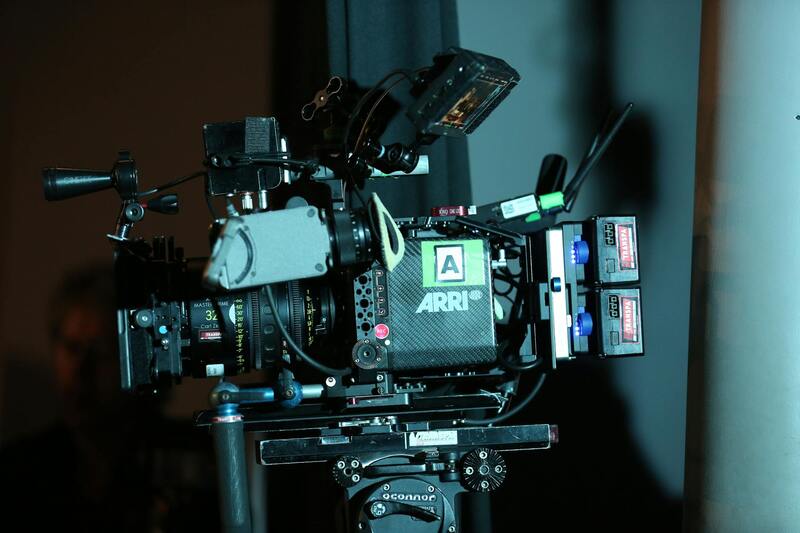
Beyond technical setup, environmental awareness plays a crucial role. Weather conditions, scene activity, and surrounding stability impact footage quality. For instance, wind-induced vibrations or passing pedestrians can introduce unwanted motion, which can be mitigated through camera stabilization tools like tripods or gimbals. Scheduling shoots during optimal lighting conditions, such as golden hour, enhances the aesthetic quality of the footage. All these factors contribute to producing a professional-grade time lapse that effectively narrates the intended story or captures a specific transformation over time.