
Understanding Time Lapse Videography
Time lapse videography is a specialized filming technique that condenses extended periods of time into shorter, compelling videos. By capturing frames at significantly lower frequencies than they are played back, this method reveals the passage of time in a visually striking way. Time lapse is used across diverse industries, from capturing the bustling activity of a cityscape to revealing the process of construction projects or natural phenomena like sunsets and blooming flowers.
Unlike traditional video recording, where each frame captures a moment in real-time, time lapse involves setting up a camera to record at predetermined intervals. For instance, a camera might take a photo every second, then compile these images into a seamless sequence that plays back at a standard frame rate. As a result, hours, days, or even months can be compressed into a few minutes, showcasing change and movement that is otherwise imperceptible to the human eye.
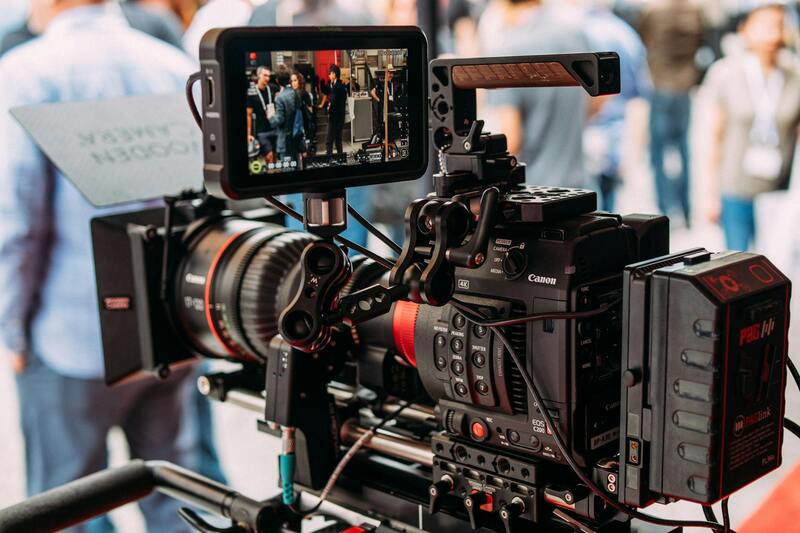
What makes time lapse videography particularly unique is its ability to highlight fast-moving processes or gradual developments with clarity and aesthetic appeal. Filmmakers and content creators utilize this technique to enhance storytelling, provide visual context, or simply to engage viewers with mesmerizing visuals. Differing from slow-motion, which emphasizes slowing down motion, time lapse accelerates the depiction of rapid or slow changes, offering a fresh perspective on the natural and built environment.
In terms of visual impact, a well-executed time lapse can evoke emotions, demonstrate progression over time, or emphasize changes in scenery or activity levels. Its selective nature requires careful planning, precise equipment design, and attention to detail to ensure the resulting footage is smooth and visually compelling. From landscapes and urban scenes to sporting events and artistic projects, time lapse videography continues to grow in popularity as a powerful storytelling tool.
To achieve professional results, it is essential to understand the equipment requirements and technical considerations involved in creating high-quality time lapse videos. Properly choosing camera gear, setting the correct interval, managing exposure, and ensuring stable shots are all vital components of a successful project. Mastering these elements allows creators to capture the passage of time with clarity and aesthetic finesse, delivering results that captivate audiences and effectively convey narrative or informative content.
Equipment Needed for Time Lapse Projects
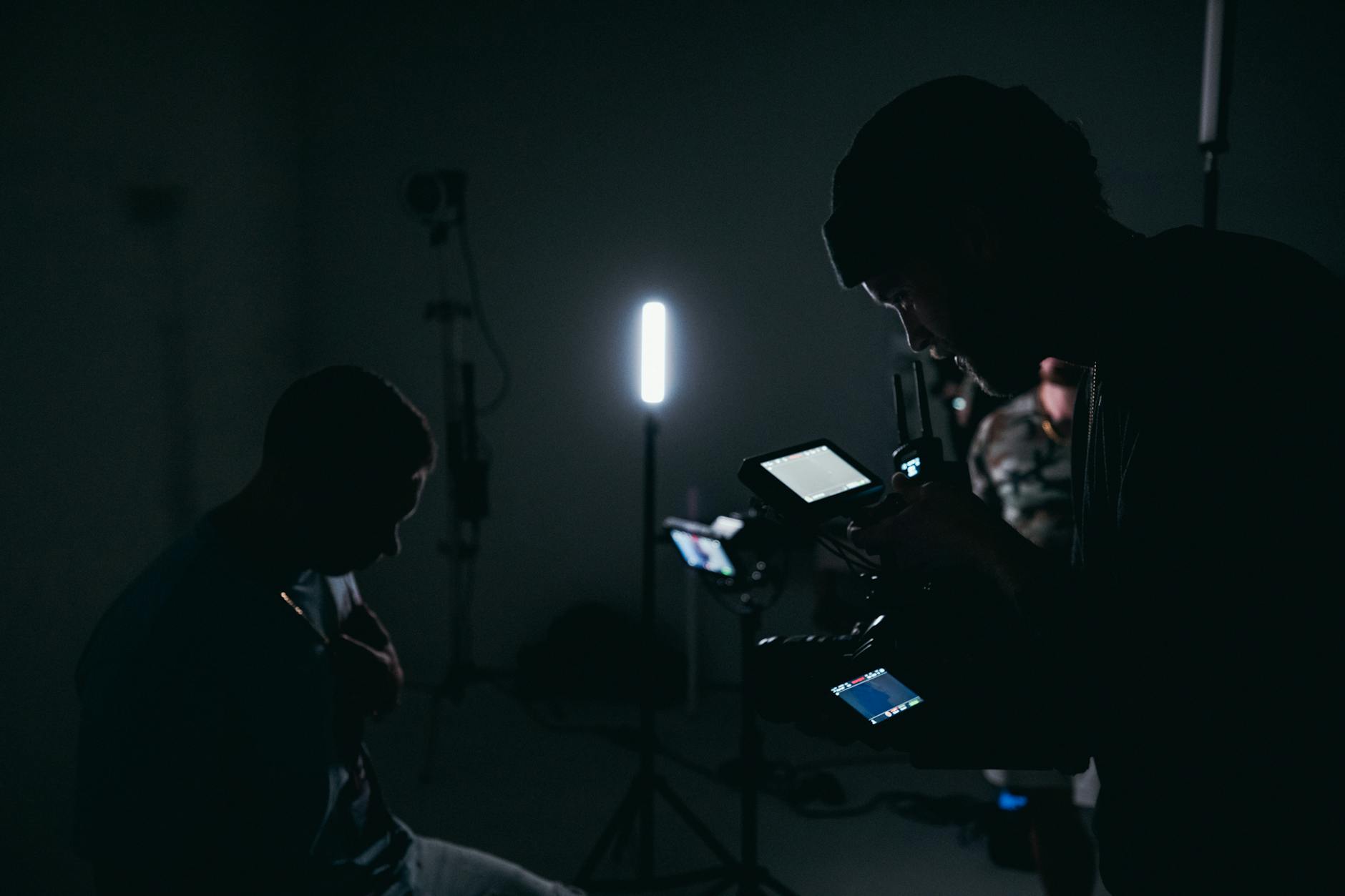
To produce professional-grade time lapse videos, selecting the right equipment is crucial. The fundamental component is a high-quality camera capable of manual controls for focus, exposure, and framing. DSLR and mirrorless cameras are particularly favored due to their versatility, sensor size, and customizable settings, ensuring sharp images and excellent dynamic range. For more advanced projects, cinema cameras with higher resolution and better low-light performance can be integrated into the workflow.
Alongside the camera, a sturdy tripod is indispensable. It provides stability and maintains consistent framing throughout the shoot, which is vital for achieving smooth results. Variations in shot stability can lead to distracting jittering, undermining the professional appearance of the final product.
An intervalometer or a camera with built-in interval shooting capabilities is necessary to automate the image capture process. These devices control the frequency at which images are taken, varying from seconds to minutes depending on the desired effect. Proper interval selection directly influences the perceived speed of the final video, making this a critical consideration.
Additional accessories can enhance the quality and efficiency of the shoot, such as:
- Remote shutter releases: Minimize vibrations when triggering the camera.
- ND filters: Allow for longer exposures during daylight, enabling motion blur effects within the sequence.
- Power solutions: Extra batteries or portable power banks ensure prolonged shooting sessions.
- Lens selection: Wide-angle lenses are often preferred for expansive landscape or cityscape shots, while telephoto lenses can focus on distant subjects for detailed sequences.
Quality accessories and correct technical setup mitigate common issues such as flickering, jitter, or exposure inconsistencies, which could compromise the professional look of the footage. Investing in reliable tools and understanding their use allows creators to build robust workflows that consistently produce high-caliber results.
Understanding the capabilities of specific gear and how to optimize their use in different shooting environments is fundamental. For instance, shooting in high-contrast conditions requires precise exposure management, while capturing night scenes involves long exposures and stable mounting solutions. The right combination of equipment tailored to the project's demands significantly enhances the overall visual impact of the time lapse video.
Optimal Camera Settings and Shooting Parameters for Time Lapse Videography
Achieving high-quality time lapse footage hinges on meticulous camera setup tailored to the specific scene and lighting conditions. Properly configuring ISO, aperture, and shutter speed can significantly influence the smoothness and clarity of the final video, especially in dynamic environments like Miami where varying light levels and motion occur frequently.
In bright daylight, using a low ISO setting minimizes noise and ensures sharpness. An aperture that extends depth of field, typically around f/8 to f/16, helps keep all elements in focus, essential for cityscapes or expansive landscapes. Implementing a slower shutter speed, often several seconds long, introduces motion blur that lends a natural, cinematic feel to moving objects or clouds, revealing motion that the naked eye perceives gradually.
Correct interval selection between shots is fundamental. For scenes with slow changes, such as building shadows or traffic flows, intervals of several seconds may suffice. Conversely, rapid motion like blooming flowers or bustling street life requires shorter intervals to capture detail without gaps that distort the sequence. Determining the right interval involves understanding the speed of the subject and the overall duration of the shoot, balancing between capturing enough frames for fluid motion and managing storage and battery capacity.
Monitoring exposure throughout the shoot is crucial. Variations in lighting, especially during sunset or nighttime shoots, can cause flickering or inconsistent brightness in the final video. To mitigate this, professionals use manual exposure settings and often employ software that performs flicker correction during post-processing. Utilizing a sturdy tripod and remote triggering devices further guarantees stability and prevents accidental movements, ensuring each frame aligns perfectly.
Utilizing Advanced Techniques for Enhanced Visual Impact
Incorporating techniques like HDR time lapse can elevate the aesthetic of your footage by blending multiple exposures within each frame, ideal for scenes with high contrast, such as Miami's daylight and sunset transitions. Additionally, motion control rigs enable precise camera movements along predefined paths, creating dynamic sequences that add depth and perspective shifts to the final product.
Lighting condition management remains a cornerstone of effective time lapse filming. During daytime shoots, using neutral density (ND) filters allows longer exposures even under bright sunlight, resulting in smooth motion and controlled brightness levels. Shooting during the golden hour, when natural light is warm and soft, can produce stunning visuals with rich colors and dramatic shadows that accentuate Miami's iconic architecture and scenic settings.
Handling Data and Workflow Optimization
Managing large datasets created during extensive time lapse projects requires organized storage solutions. Using high-capacity memory cards and external drives is essential to prevent data loss. Additionally, recording in RAW format, when supported, provides greater flexibility for post-production adjustments, ensuring the highest quality outcomes.
Conducting test shots before the actual shoot helps confirm camera settings and interval choices, reducing the need for reshoots and saving valuable time. Preparing your equipment and environment, such as ensuring batteries are fully charged and lenses are clean, contributes to a smooth shooting process, especially during multi-day projects around Miami's vibrant urban and natural landscapes.
Setting Up and Capturing Time Lapse Footage
Executing a professional time lapse project involves meticulous setup to ensure the final video captures the desired motion with clarity and precision. Begin by selecting a sturdy tripod or mounting system appropriate for your camera to prevent vibrations or shifts during prolonged shooting sessions. Stability is crucial, particularly when capturing scenes that involve long durations or subtle movements, such as the ebb and flow of Miami's bustling cityscape.
Camera configuration plays a vital role in achieving optimal results. Adjust the exposure settings to accommodate lighting conditions; in bright daylight, utilize neutral density (ND) filters to moderate light intake, allowing for longer exposures that smooth out motion to avoid flickering. In low-light situations, increase ISO cautiously to maintain image quality without introducing excessive noise.
Interval selection determines the tempo of motion in the final video. For scenes like city traffic or moving clouds, intervals ranging from 1 to 5 seconds usually work well. For more gradual processes, such as plant growth or the transition from day to night, intervals of 10 seconds or more can capture the changes effectively. Employing a remote trigger or intervalometer minimizes camera shake and ensures consistent timing between shots.
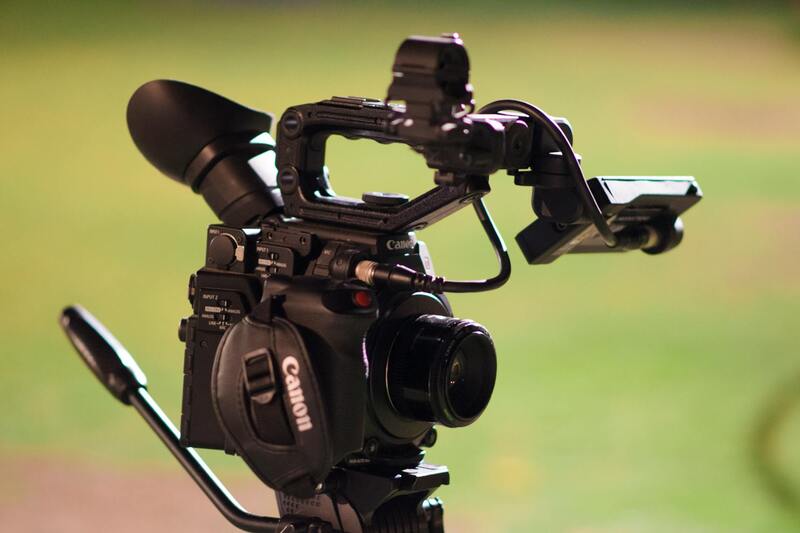
Preview your framing carefully to ensure key elements are centered and adequately covered within the frame. Optimizing focus before the shoot helps maintain sharpness throughout the sequence, especially for scenes involving moving subjects or changing perspectives. Use manual focus to prevent automatic adjustments that can result in inconsistency or focus shifts during the shoot.
Consider the environment and potential interference factors. For outdoor shoots in Miami, shielding the equipment from wind and dust is important, particularly when operating for extended periods. Power management is equally critical; ensuring batteries are fully charged and having spare batteries or portable power sources on hand prevents interruptions.
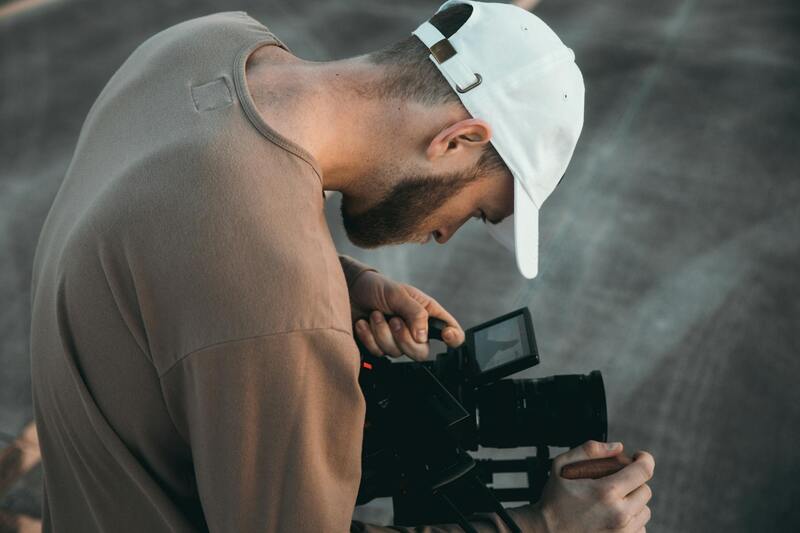
During capture, monitor the camera’s storage and power supplies periodically. Most modern cameras support real-time status updates either through internal display or remote monitoring apps, facilitating adjustments on the fly if necessary. Making incremental reviews of shot sequences during breaks can help assess progress and make strategic adjustments to interval or composition for subsequent shots.
Complete the shoot with thorough data management. Transfer images or RAW files promptly to a secure storage device. Label and catalog the captured sequences systematically to streamline the post-production process, especially for multi-day projects around Miami's diverse urban and natural environments.
Advanced Techniques for Enhancing Your Time Lapse Footage
To elevate the quality and visual impact of your time lapse videos, employing advanced post-production techniques is essential. These methods help refine raw footage into a compelling narrative or artistic expression, making your project stand out among Miami’s diverse visual spectrum.
- Frame Interpolation and Speed Adjustment: By manipulating the speed of your sequence during editing, you can emphasize specific moments or create dramatic effects. Frame interpolation tools can generate additional frames between existing ones, resulting in smoother motion, especially useful for scenes with high-speed changes or complex movement.
- Color Correction and Grading: Applying precise color correction helps establish visual consistency across your footage, especially when shots are captured under different lighting conditions. Color grading further allows you to evoke a particular mood or atmosphere, which is particularly impactful for Miami’s vibrant urban environments, beaches, and natural landscapes.
- Stabilization and Motion Tracking: To ensure a professional look, stabilize shaky footage through dedicated software, removing unwanted jitter from handheld or drone-mounted cameras. Motion tracking can also be integrated to attach text, graphics, or effects to moving elements within the scene, adding depth and context to your time lapse sequences.
- Multi-Exposure and Layering: Combining multiple exposures or layering different footage elements enables creative compositions. For instance, overlaying night and day captures can showcase Miami’s dynamic energy or highlight architectural changes over time.
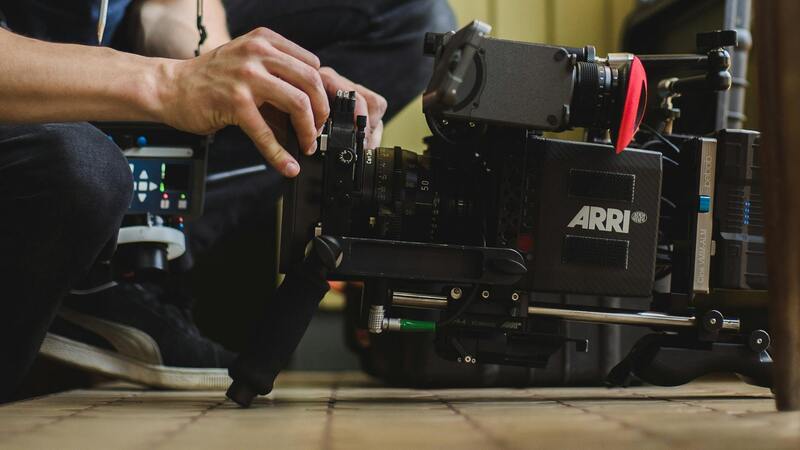
Utilizing plugins and software like Adobe After Effects, Premiere Pro, or dedicated time lapse editors allows for precise control over the final output. These tools facilitate seamless transitions, correlative adjustments, and the addition of effects that contribute to a polished, professional piece.
Moreover, optimizing your export settings is crucial to maintain quality while managing file size. Selecting appropriate codec, resolution, and bitrate ensures your videos retain vibrancy and detail across various platforms and display sizes.
Integrating Sound and Narratives in Your Time Lapse Projects
Though often overlooked, sound design can add depth and feeling to your time lapse videos. Carefully selected background audio or ambient sounds from Miami’s cityscape, beaches, or natural surroundings can enhance viewer engagement. Additionally, narrations or synchronized music tracks can help convey stories or emphasize thematic elements, making your project more impactful and memorable.
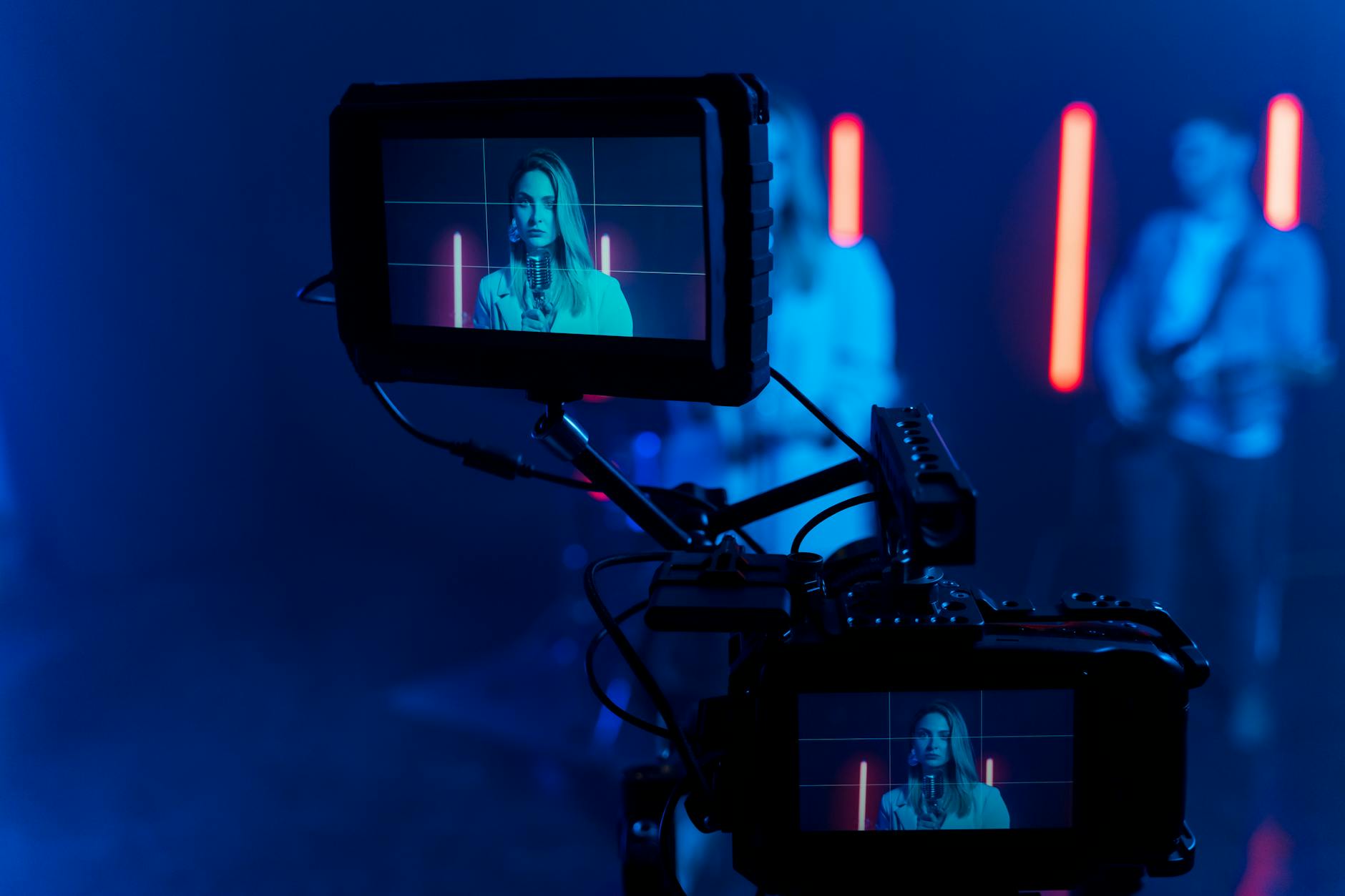
When editing, consider pacing your visuals to match the rhythm of your soundtrack, creating a cohesive viewing experience. This synchronization amplifies emotional resonance, whether you're showcasing Miami’s bustling nightlife, serene sunsets, or construction developments over time.
Techniques for Achieving Smooth and Professional Time Lapse Footage
Creating seamless and visually compelling time lapse videos requires a combination of precise camera operation, stable shooting techniques, and effective post-production adjustments. To achieve this, videographers should prioritize maintaining consistent framing throughout the shoot by using sturdy tripods or gimbals that reduce camera shake, especially during long shooting sessions. This stability ensures fluid motion and avoids distracting jitters or shifts that can detract from the overall quality of the footage.
Adjusting camera settings appropriately is equally critical. Utilizing manual focus, aperture, ISO, and shutter speed controls prevents automatic adjustments that could introduce unwanted fluctuations. For instance, setting a fixed ISO and aperture maintains consistent exposure, which is vital for seamless sequences. Using a dedicated intervalometer or camera interval shooting mode guarantees regular frame capture, ensuring the time lapse progresses at a uniform pace without gaps or overlaps.
To further enhance the smoothness of your clips, employing techniques such as deflickering—done through dedicated software or plugins—can eliminate flickering caused by varying light conditions or exposure inconsistencies. When compiling the sequence, paying close attention to frame rate selection, typically between 24 and 30 frames per second, ensures a natural and cinematic viewing experience.
Monitoring and Adjusting During the Shoot
Real-time monitoring is beneficial for identifying potential issues like exposure fluctuations, battery drain, or memory capacity concerns. Many modern cameras allow for live previewing via external monitors or wireless transmission, enabling photographers to make adjustments on the fly. If shooting over extended periods, frequent checks help maintain optimal camera performance and image consistency.
In challenging lighting conditions or rapidly changing environments, such as Miami’s vibrant cityscapes or dynamic weather, employing ND filters can control light exposure and prevent overexposure during bright daylight. This not only preserves detail but also ensures that the gradual palette change over time reflects real scene transitions authentically.
Stitching and Final Output Optimization
After capturing the footage, the editing process includes stitching individual frames into a video sequence. Using professional editing software, editors can fine-tune the pacing, adjust color grading, and apply stabilization effects if needed. Color correction enhances contrast and vibrancy, making the scene more captivating. For time lapse sequences shot with different exposure settings, toning the footage to match lighting conditions helps achieve a cohesive look throughout the project.
Considerations for final export involve choosing appropriate codecs and resolutions to ensure compatibility across platforms while maintaining high quality. Whether for online sharing or cinematic presentation, selecting optimal settings guarantees the footage’s visual fidelity and professional appearance.
Setting Up and Capturing Time Lapse Footage
For an effective time lapse videography process, meticulous setup and precise execution are essential. The initial step involves selecting the optimal camera placement, ensuring stability to prevent any camera movement that could detract from the seamless flow of the footage. Use of sturdy tripods, monopods, or specialized mounting rigs guarantees that the camera remains perfectly still throughout the shooting period.
Next, configure the camera settings to suit the scene's lighting conditions and motion dynamics. Manual focus is preferred to avoid focus shifting during the shoot, which can introduce unwanted blurriness or flickering. Adjusting ISO, shutter speed, and aperture manually ensures consistent exposure, critical for maintaining the visual integrity of the time lapse.
In scenarios involving long durations or complex lighting changes—such as Miami's vibrant cityscape illuminated at night or dynamic weather patterns—intervalometers or camera timers are invaluable. These devices automate the capture process by taking photos at predetermined intervals, ranging from a few seconds to several minutes, depending on the scene's nature and desired duration of the final video.
It’s also important to consider energy management. For extended shoots, use of external power sources or high-capacity batteries ensures uninterrupted recording. If the camera supports, utilizing Wi-Fi or remote control apps allows real-time monitoring and adjustments, further enhancing the shot quality.
When capturing urban scenes in Miami, pay attention to traffic flow, pedestrian movement, and seasonal events that add depth and interest to your footage. For natural landscapes or architectural elements, framing the shot to include leading lines, symmetry, or prominent landmarks can help tell a compelling visual story. Consistent framing and timing are fundamental in producing a cohesive sequence when the footage is later compiled.
Moreover, experimenting with different exposure times and interval settings enables the creation of unique visual effects—like fast-moving city lights or slowly changing weather conditions—adding artistic value to the project. Ensuring proper focus, exposure, and stability during capture lays a vital foundation for post-production success, resulting in a polished, professional time lapse video that vividly captures Miami’s vibrant essence.
Legal and Ethical Considerations in Time Lapse Videography
Executing a time lapse project within Miami requires adherence to certain best practices that respect the rights of individuals and organizations while maintaining high standards of professionalism. This entails obtaining necessary permissions for private property or restricted areas, especially when planning to shoot in sensitive locations or during events that may involve crowds. It is essential to research and understand property boundaries and to secure any required consent from property owners or event organizers before commencing filming.
Moreover, respecting the privacy of bystanders and individuals captured in your footage is paramount. When shooting in public spaces, be mindful of where people are situated and avoid capturing intrusive shots that might infringe upon their privacy. Using techniques such as strategic framing or blurring can help maintain ethical standards while still delivering compelling visuals.
Another critical aspect involves managing the impact of equipment setup and shoot logistics on the local environment and community. Ensuring that equipment does not obstruct pedestrian pathways, traffic lanes, or public facilities is crucial. Additionally, all gear should be secured to prevent accidents or damage, especially in high-traffic areas prone to gusty winds or unexpected disturbances.
When considering drone usage for aerial shots, operators must be familiar with Miami’s drone regulations, which include altitude restrictions and designated flight zones. Obtaining the appropriate flight permits fosters smooth operations and avoids conflicts with flight restrictions or other aerial activities. It’s also advisable to conduct a risk assessment, particularly when operating in crowded or sensitive areas, to ensure safety for all participants and surroundings.
As with any significant production activity, documenting permissions, releases, and adherence to local guidelines can streamline the workflow and safeguard against potential disputes or misunderstandings. Building relationships with local authorities and community groups can facilitate smoother operations and contribute positively to the project's integrity and reputation.
In addition, employing environmentally conscious practices, such as minimizing waste and avoiding disturbance to wildlife or vegetation, reflects a commitment to sustainability. These approaches not only foster goodwill but also ensure the continuation of high-quality production standards aligned with the community’s values.