
Understanding Timelapse Videos
Timelapse videos have become a popular visual storytelling tool across multiple industries due to their ability to condense long periods of time into a brief, engaging visual format. Unlike traditional videos, which capture motion in real-time, timelapse techniques accelerate motion by taking a series of photographs at set intervals over a prolonged period. When played back at normal speed, these photographs create a dynamic video that showcases processes and changes that happen too slowly to be observed in real time.
This method allows viewers to observe transformations in environments, urban development, and natural phenomena in a fraction of the time it actually takes. The end result is a captivating visual narrative that can effectively communicate progress, change, or the passage of time. As a versatile tool, timelapse videos are widely used in industries such as construction, real estate, tourism, and even entertainment, to highlight large-scale projects or natural events with dramatic effect.
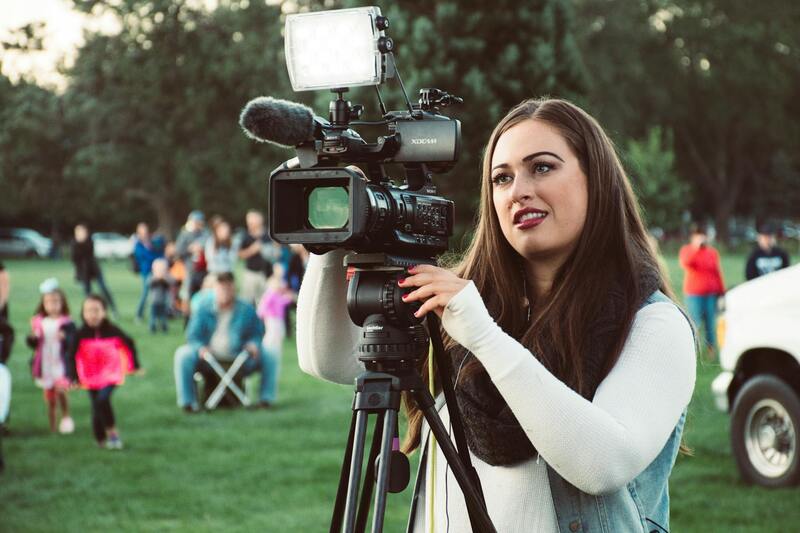
Creating a timelapse involves careful planning and precise execution. The process starts with camera setup, where choosing the right camera and settings is crucial to capturing high-quality images over extended periods. These images are then sequenced with appropriate editing to produce the fluid, accelerating motion that makes timelapse so striking. The impact of a well-executed timelapse video lies in its ability to reveal unseen interactions and transformations over time, making it an invaluable resource for visual storytelling and documentation.
Overall, the appeal of timelapse videos lies in their unique capacity to turn slow, gradual processes into engaging and informative visual narratives. Their application across sectors demonstrates their effectiveness in not only showcasing change but also in capturing the attention of audiences who may find such gradual phenomena otherwise unnoticeable. This combination of technical precision and creative storytelling makes timelapse videos a compelling addition to any visual media arsenal.
Understanding Timelapse Videos
Timelapse videos are a powerful visual technique that condenses hours, days, or even months into a few minutes, allowing viewers to witness transformations and processes that occur over extended periods in a fraction of the time. This method is not merely about speeding up footage; it involves a meticulous process that combines precise technical settings, strategic planning, and creative vision to produce compelling narratives. The core principle relies on capturing numerous individual frames at specific time intervals, which are later played back at a standard rate to create an accelerated sequence that reveals gradual changes in a captivating manner.
Essential Elements of a Timelapse Video
- Consistent framing: Ensuring the camera remains fixed in position throughout the shoot frame is crucial to maintain a smooth sequence and avoid distracting jitter or shifts.
- Appropriate interval selection: The choice of interval between shots depends on the subject’s rate of change. Faster intervals capture rapid movements, while longer intervals are suitable for slow transformations.
- Stable camera support: Tripods, motion control systems, or stabilization devices help prevent vibrations and unintended movements, resulting in seamless footage.
- Correct exposure settings: Maintaining consistent ISO, aperture, and shutter speed across all frames to avoid flickering or inconsistent brightness.
- Battery and storage management: Extended shoots require ample power sources and storage solutions to prevent interruptions and data loss.
Technical Approach to Timelapse Composition
The success of a timelapse depends on integration of technical expertise and aesthetic judgment. When planning a shot, considerations include lighting conditions, subject behavior, and the intended narrative. For outdoor scenes, managing exposure variations due to changing light is essential, which may involve using manual settings or advanced filters. Additionally, incorporating motion control rigs enables precise camera movements, adding dynamic layers to the footage and enhancing visual interest.
High-definition video quality hinges on selecting suitable equipment, from professional DSLR and mirrorless cameras to specialized timelapse controllers. Modern cameras supporting interval shooting modes simplify the process, enabling photographers to automate shooting schedules. Furthermore, employing remote monitoring and control software allows adjustments in real-time, optimizing shot outcomes without disturbing the setup.
Image Processing and Sequencing
Once the images are captured, they undergo a series of post-production steps. Image stabilization, color correction, and deflickering are typical procedures to sharpen visual consistency. Sequencing these images correctly, often with dedicated software, is vital to maintain a natural flow and realistic speed. Transition effects and overlays can be added to enhance the storytelling aspect, emphasizing particular moments or changes within the sequence. The chosen output resolution and frame rate should align with the project’s distribution medium and viewer expectations.
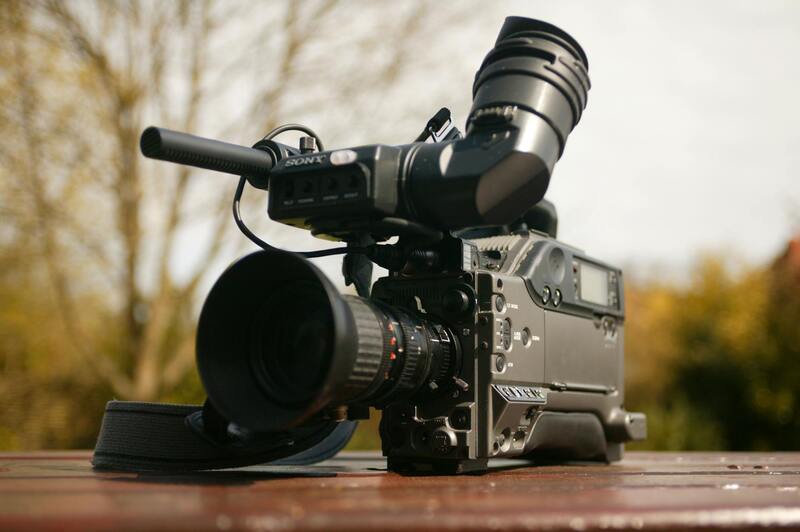
Through careful planning, precision equipment, and advanced editing techniques, creators can produce timelapse videos that not only document change over time but also evoke emotional reactions and deliver impactful visual messages. Whether showcasing a construction project’s progress, capturing the bustling cityscape's transition from day to night, or highlighting natural phenomena, the art of timelapse filmmaking remains an accessible yet sophisticated craft essential to visual storytelling in diverse industries.
Choosing Effective Stabilization and Composition Techniques
To ensure the final timelapse video communicates a clear narrative and maintains visual stability, filmmakers should prioritize stabilization techniques during both shooting and post-production. Utilizing tripods with fluid heads allows for smooth, controlled camera movements, minimizing unwanted shakes that could distract viewers. When employing handheld shots or dynamic movement, advanced stabilization equipment such as gimbals or motorized stabilizers can significantly enhance shot quality.
Composition plays a crucial role in delivering engaging timelapse content. Frame key elements with attention to symmetry, leading lines, and focal points that guide the viewer's eye across the scene. Strategic framing ensures that the subject remains prominent, even as the scene evolves over time. Adjusting aperture and focus settings for static elements ensures sharpness consistency across images, which is essential when sequences are sewn together into a cohesive video.
When planning shots, consider the scene's lighting conditions and the subject’s movement to choose optimal camera settings. Maintaining consistent exposure and white balance throughout the shoot prevents flickering and shifting colors in the final sequence. Employing manual controls rather than automatic settings ensures uniformity, which is vital for producing seamless, professional-grade timelapse videos.
Utilizing Advanced Software for Post-Production Refinement
Post-production involves more than just sequencing images; it encompasses a range of editing processes that elevate the visual storytelling. Image stabilization tools within editing software can correct minor shifts or jitters caused by camera instability during capture. Color grading allows for tone adjustments that enhance the scene’s mood or match a desired aesthetic, especially when capturing scenes with varying natural light conditions.
Deflickering algorithms are critical in smoothing out exposure discrepancies caused by changing light conditions, such as sunrise or sunset. These algorithms analyze and redistribute brightness levels across images, creating a visually consistent sequence. Transition effects and overlays can be added for artistic emphasis or to highlight specific moments, such as tracking the progress of a construction project or the vibrant transition of Miami’s skyline from day to night.
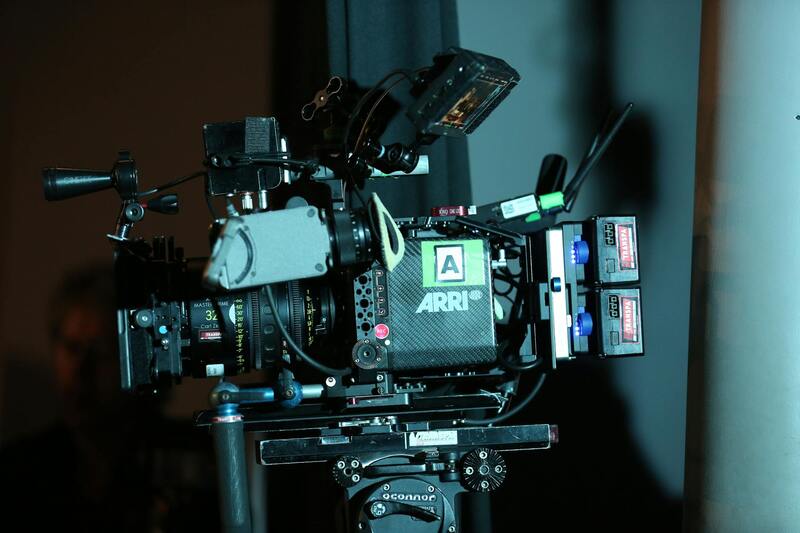
Proper Output Settings and Format Selection
The final output of a timelapse video must match the intended audience and platform. Selecting the appropriate resolution, such as 4K for high-definition displays, maximizes visual clarity and detail. Frame rate choice, typically 24 or 30 fps, affects the video's motion smoothness and energy. It’s essential to export the sequence in a widely supported format, such as MP4 or MOV, to ensure compatibility across devices and online platforms.
Embedding metadata, such as title, keywords, and description, can aid in content organization and search engine visibility. When preparing for distribution, consider compressing the file without sacrificing quality, enabling quick loading times without compromising visual experience. Consistent branding elements or logos can also be incorporated during post-production, reinforcing the project’s professional presentation.
Advanced Techniques for Enhancing Timelapse Videos
Once the footage is captured, the post-production phase becomes crucial in elevating the final product. Applying advanced editing techniques ensures the timelapse video not only appears polished but also communicates the intended story with clarity and visual appeal. Stabilization is often the first step, especially if handheld shots or unstable tripods were used during filming. Modern software tools utilize sophisticated algorithms to minimize unintended camera movements, resulting in smoother sequences that are easier for viewers to follow.
Color grading plays a vital role in setting the mood and enhancing the vibrancy of the footage. Adjustments to contrast, saturation, gamma, and shadows can make scenes pop, especially in dramatic transitions like sunrise or sunset over Miami’s skyline. Consistent color tones throughout the sequence create cohesion and reinforce the aesthetic quality.
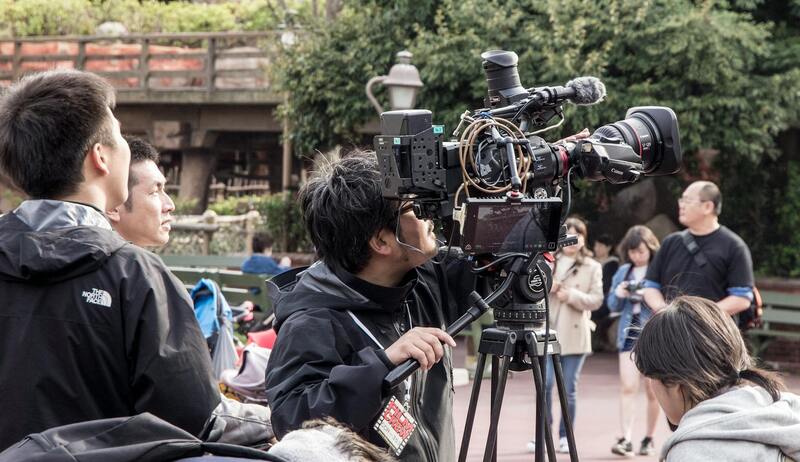
In addition to color correction, the integration of transition effects can add artistic flair or help emphasize specific moments within the sequence. Crossfades, wipes, and overlays can be employed judiciously to smooth out abrupt cuts or to overlay informational graphics.
Optimizing Audio for Timelapse Presentations
Though timelapse videos often focus on visual transformation, incorporating audio elements can significantly heighten the viewer’s experience. Carefully selected background music, sound effects, or ambient noises should complement the visual narrative without overpowering it. Synchronization of beats or rhythm with scene changes enhances the overall storytelling impact.
Exporting and Distributing the Final Product
When exporting the finished timelapse, consider the intended platform and audience. High-resolution formats like 4K ensure clarity on large screens, while standard HD may suffice for online sharing. Choose frame rates carefully; 24 fps imparts a cinematic feel, whereas 30 fps offers a smoother appearance suitable for web content.
File compression techniques aim to reduce file size without compromising quality, allowing for swift online uploading and streaming. Metadata, including relevant keywords, descriptions, and titles, enhances search visibility, making the content easier to find. Incorporating branding elements during this stage can reinforce brand recognition and professional image.
Optimizing Technical Settings for Stunning Timelapse Footage
Achieving high-quality timelapse videos in Miami requires meticulous attention to technical configurations. The foundational step involves selecting correct camera settings to capture consistent, flicker-free footage. This is particularly essential given Miami’s vibrant cityscape and dynamic lighting conditions.
Start by setting your camera to manual mode to control exposure, focus, and aperture. Use a fixed aperture to maintain consistent depth of field across all frames, typically ranging from f/8 to f/16 depending on the scene. Adjust ISO to the lowest native setting to minimize noise, especially in low-light environments such as dusk or night scenes.
For shutter speed, adhere to the 180-degree rule: set the shutter speed to roughly twice the frame rate. This helps produce natural motion blur that simulates real life. For example, if shooting at 30 fps, configure the shutter speed to around 1/60 second. This balance ensures motion appears smooth without excessive blur or stuttering.
Interval timing is another critical factor. The choice depends on the subject’s movement speed and desired playback length. For slow-moving scenes like clouds or city traffic, intervals between 1 to 5 seconds are common. Faster movements, such as construction or bustling streets, may require shorter intervals, like 0.5 to 2 seconds, to capture enough motion detail.
Stability of your camera setup significantly affects the final aesthetic. Use a sturdy tripod or a motorized slider to eliminate jitter and unintended movements. In highly variable weather conditions, consider weather-resistant mounts or protective covers to prevent equipment damage and maintain footage quality.
It’s equally important to pre-focus your camera to avoid focus shifts during shooting. Autofocus systems can cause fluctuations leading to inconsistent sharpness, so manual focus is preferred, especially for static scenes or fixed compositions.
In post-production, applying techniques such as deflickering and color correction can further refine the visual fluidity. Software solutions tailored for timelapse processing offer tools to analyze frame-to-frame consistency, ensuring a seamless viewing experience. Utilizing LUTs and grading can enhance the mood, highlighting Miami’s vibrant colors, especially during sunrise or sunset.
Equipments like remote triggers or intervalometers enable precise control over shooting intervals, while programmable motion controllers can add dynamic movement to static scenes, providing a cinematic effect. Additionally, power supplies with extended battery life or continuous power solutions ensure uninterrupted recording during long shoots, which are common in capturing night scenes or extended cityscapes.
Finally, maintaining a detailed shot log — documenting camera settings, intervals, weather, and scene specifics — helps streamline the editing process, allowing for targeted adjustments and consistent results across multiple sessions. By adhering to these technical best practices, creators can produce visually compelling timelapse videos that authentically showcase Miami’s energetic and ever-changing environment.
Utilizing Proven Methods to Capture Authentic Timelapse Footage in Miami
Achieving high-quality timelapse videos requires adherence to established, reputable techniques that ensure both the safety of your equipment and the integrity of your footage. When working in Miami’s dynamic urban landscape, it is essential to plan meticulously and employ the most effective methods to capture the city’s vibrant atmosphere accurately.
One of the fundamental considerations is selecting the right camera equipment. DSLR and mirrorless cameras with manual controls are preferred for their versatility and image quality. These devices allow precise adjustments to exposure, focus, and framing, which are crucial for consistent sequences. Implementing a sturdy tripod minimizes vibrations, providing the stability necessary for clear, crisp images throughout the shooting process. Remote triggers or intervalometers are indispensable for automating shot intervals, eliminating the need for manual operation and reducing the risk of camera movement or shake.
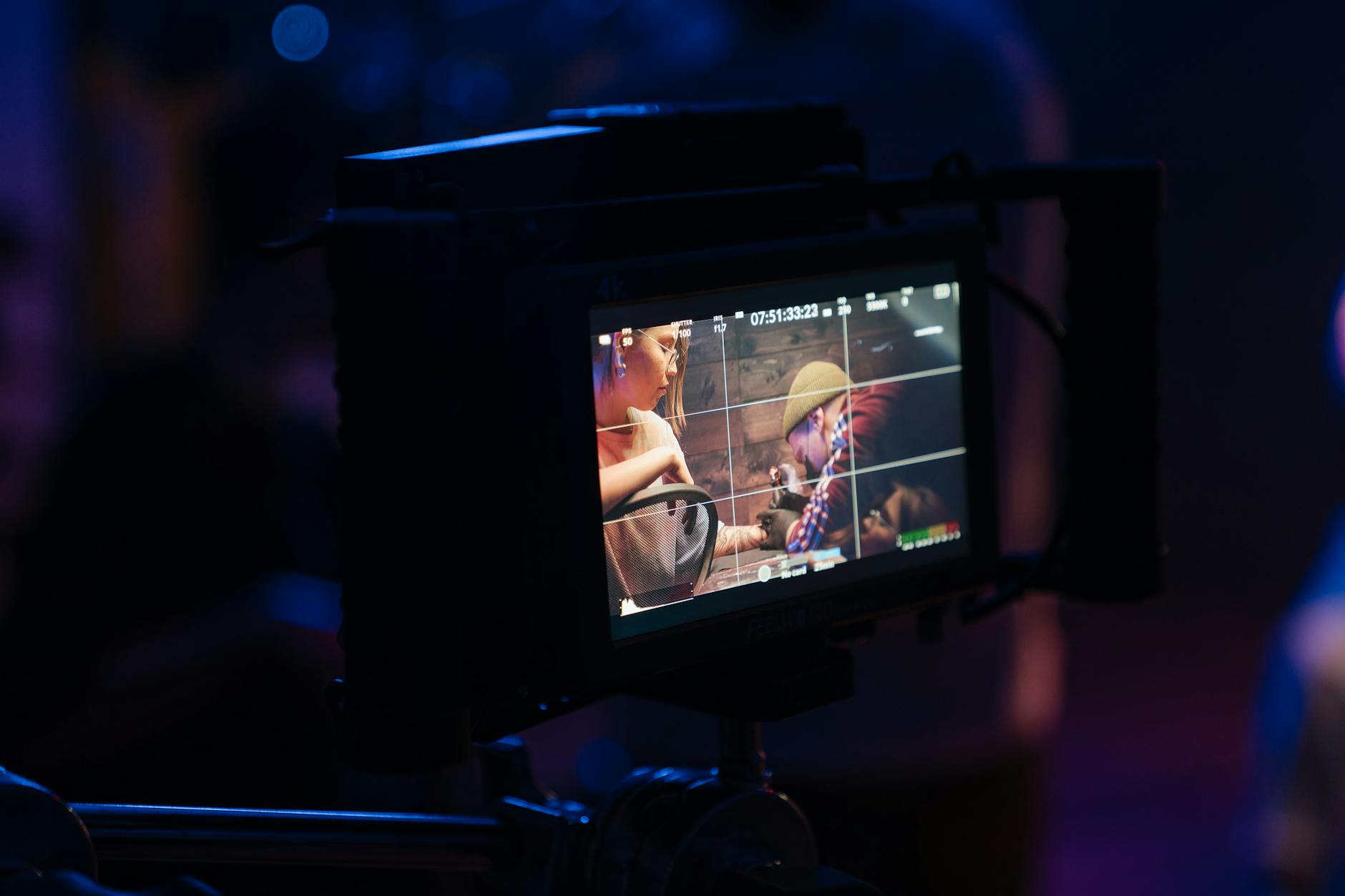
Additionally, employing external power sources ensures uninterrupted recording, especially during extended sessions that capture the bustling cityscape or night scenes. Programmable motion controllers can introduce dynamic movement into static shots, adding a cinematic dimension to your footage. Weatherproofing equipment or selecting shooting days with favorable conditions helps avoid interruptions caused by Miami’s unpredictable weather patterns, emphasizing the importance of thorough planning and real-time monitoring.
Correctly configuring camera settings is equally vital. Utilizing manual focus prevents fluctuations caused by autofocus systems. Aperture, ISO, and shutter speed should be carefully balanced to accommodate changing lighting conditions while maintaining consistent exposure across frames. To further enhance footage quality, specific techniques like bracketing—capturing multiple exposures for later blending—and white balance adjustments are recommended.
In terms of scene composition, experts suggest incorporating various vantage points, including elevated positions that reveal Miami’s skyline or street-level perspectives for a more immersive experience. Securing permits and permissions for certain locations, particularly iconic landmarks or private properties, ensures smooth access and avoids conflicts during shooting. By combining these official, tested approaches with meticulous planning and precise execution, creators can produce compelling and authentic Miami timelapse videos that vividly reflect the city's energy and diversity.
Understanding the Technical Aspects of Timelapse Video Creation
Producing a high-quality timelapse video requires a deep understanding of camera settings, equipment, and environmental considerations. Properly configuring your camera involves selecting appropriate settings for aperture, ISO, and shutter speed to ensure consistent exposure throughout the shooting session. Manual focus is essential to prevent shifts in focus that could distract viewers and compromise the visual flow of the footage. Additionally, using a sturdy tripod is crucial to maintain camera stability, especially during extended periods of shooting where slightest tremors can degrade image quality. For dynamic scenes, programmable motion controllers can be employed to introduce controlled movement into your shots, transforming static scenes into captivating visual narratives. These devices enable smooth, precise movements, such as panning or tilting, which significantly enhance the cinematic appeal of the footage. Weatherproofing your equipment is another critical consideration, particularly in Miami where weather patterns can change unexpectedly. Protective covers or enclosures can shield your camera gear from rain, humidity, and dust, ensuring uninterrupted shooting. Planning your scene composition with multiple vantage points enhances the storytelling potential of your timelapse videos. Elevated positions can highlight Miami’s iconic skyline, while street-level perspectives offer immersive views of bustling neighborhoods. Scouting locations beforehand and understanding the lighting conditions at different times of day help in setting up effective shots. In some cases, obtaining permits for shooting in certain areas—especially private properties or popular landmarks—is necessary to facilitate smooth operations and avoid potential conflicts. Proper timing and environmental awareness are fundamental to capturing compelling footage. For example, scheduling shoots during golden hour or sunset can add warmth and vibrancy to the images. Conversely, night scenes benefit from a balance of long exposures and strategic lighting to emphasize Miami’s vibrant nightlife. Attention to these technical details ensures that your timelapse videos are not only visually appealing but also professionally executed, reflecting the true essence of Miami’s dynamic environment.
Legal Considerations and Permits in Miami
When planning to produce a timelapse video throughout Miami, understanding the procedural requirements related to filming in various locations is essential. While the city offers numerous vibrant and scenic spots perfect for capturing dynamic footage, certain areas may necessitate official authorization for shooting equipment, especially if the project involves extensive setup or use of professional gear. Securing the appropriate permits can streamline the filming process, prevent interruptions, and foster positive relationships with local authorities.
Utilizing correctly obtained permits ensures adherence to city regulations, which are often in place to maintain public safety and protect private property. This is particularly true in high-traffic areas such as downtown Miami, landmarks, public parks, and beaches. The application process typically involves submitting project details, access points, and equipment lists, accompanied by any necessary fees. This process is designed to facilitate a smooth filming experience while respecting community standards and property rights.
In addition to city permits, private property permissions are vital when shooting in areas that are not publicly accessible or are under private ownership. Engaging property owners early in the planning phase can prevent legal conflicts and obstructions. Clear agreements or written consent often streamline the workflow and mitigate potential misunderstandings.

It is also beneficial to prepare an itinerary that includes backup locations in case initial sites become inaccessible or unsuitable due to weather conditions or other unforeseen factors. Maintaining open communication channels with local authorities and property owners demonstrates professionalism and respect for the city’s regulations, contributing to a successful project.
To guarantee a seamless shooting process, consider consulting with local production specialists or legal advisors familiar with regulatory procedures in Miami. They can offer valuable insights into permit acquisition, licensing requirements, and best practices for respectful and lawful filming.
Additional Considerations for Timelapse Filmmakers
- Engage with city planning departments to understand scheduled events or construction projects that might affect filming schedules.
- Plan shoots during off-peak hours to reduce disruptions and to convey the city’s beauty without crowds.
- Utilize signage and permits visibly during filming to demonstrate compliance and discretion.
Successfully navigating Miami’s filming regulations requires a thorough understanding of local policies and proactive planning. Acquiring necessary permits and permissions not only ensures adherence to procedural standards but also enhances the credibility and professionalism of your timelapse productions, ultimately elevating the quality and authenticity of your visual storytelling.