
Understanding Marine Photo Production
Marine photo production encompasses the process of capturing high-quality visual content that vividly represents marine environments, maritime activities, and aquatic life. This specialized field combines the artistry of photography and videography with the technical knowledge of working in challenging, often unpredictable, aquatic settings. The demand for compelling marine imagery spans various industries, including tourism, environmental conservation, commercial shipping, and marine research, making it a vital component of multi-purpose visual storytelling.
Effective marine photo production requires meticulous planning, advanced equipment, and adept technical execution to produce images and videos that are both visually stunning and accurate. Due to the complexities inherent in marine environments—such as changing weather conditions, water movement, and the need for specialized equipment—this form of production demands a high level of expertise to ensure safety and optimal results.
By creating engaging and authentic visual content, marine photo production plays a crucial role in raising awareness about oceanic ecosystems, promoting maritime businesses, and supporting scientific research. It bridges the gap between visual storytelling and technical precision, providing stakeholders with impactful imagery that highlights the beauty, scale, and importance of marine environments.
Key Elements of Marine Photo Production
- High-Quality Equipment: Utilization of waterproof cameras, underwater housings, stabilizers, and lighting equipment tailored for marine settings.
- Technical Skill: Expertise in underwater navigation, buoyancy control, and handling challenging lighting conditions beneath the water’s surface.
- Environmental Awareness: Deep understanding of marine ecosystems to capture authentic and respectful imagery.
- Safety Protocols: Strict adherence to safety procedures to protect both crew and marine wildlife during shoots.
- Creative Vision: Artistic direction to develop compelling narratives through visual content that resonates with audiences.
Pre-Production Planning and Coordination
Thorough planning forms the backbone of successful marine photo projects. This includes selecting appropriate locations, securing permits if necessary, and coordinating with local authorities and environmental agencies. Detailed scheduling considers tide tables, weather forecasts, and sea conditions to optimize shooting windows. Equipment preparation involves ensuring all gear is waterproofed and functioning correctly in marine conditions. Crew logistics, including transportation, accommodations, and safety support, are organized well in advance to facilitate smooth production activities.
Effective communication among team members is essential to address potential challenges proactively, from unpredictable weather to equipment malfunctions. Pre-production also involves scouting for ideal vantage points and establishing safety protocols tailored to the specific marine environment of each shoot.
Specialized Marine Photography and Videography Techniques
Executing high-quality marine photo production requires mastery of specialized techniques tailored to the unique challenges of shooting in aquatic environments. Understanding and implementing these methods ensures vibrant, clear, and impactful visuals that capture the essence of marine life and scenery.
- Underwater Lighting: Effective illumination under water is crucial due to the rapid attenuation of natural light. Utilizing waterproof lighting systems, such as strobes and continuous lights, helps restore color fidelity and contrast. Proper positioning of lights minimizes backscatter and shadows, resulting in crisp, detailed images.
- Color Correction Techniques: Water absorbs certain wavelengths of light, especially red and yellow hues, creating a bluish cast in photos. Applying in-camera white balance adjustments and post-production color correction restores natural colors, emphasizing the vibrancy of marine species and habitats.
- Magnification and Macro Photography: Capturing minute marine details demands macro lenses and specialized setups. Macro techniques allow detailed imaging of small organisms, revealing intricate textures and behaviors that contribute to compelling storytelling.
- High-Speed and Time-Lapse Photography: Fast shutter speeds are crucial for freezing motion, such as swimming fish or darting marine mammals. Conversely, time-lapse captures environmental changes, like wave movements or coral growth, providing dynamic visual narratives.
- Stabilization and Motion Control: To counteract underwater currents and movement, stabilization equipment such as underwater tripods, gyroscopic stabilizers, and buoyancy control devices maintain image sharpness, especially during long exposures or videography.
- Drone and Aerial Shots: For capturing expansive marine landscapes, drones equipped with waterproof casings expand the creative scope. Aerial footage offers immersive perspectives of reefs, shipwrecks, and coastlines, enhancing the visual storytelling palette.
Legal and Safety Considerations in Marine Photo Production
Ensuring safety and respecting marine environments are fundamental aspects of responsible marine photo production. These practices safeguard the crew, equipment, and the delicate ecosystems being documented, while adhering to established standards of conduct.
- Permits and Permissions: Securing appropriate authorizations from relevant authorities facilitates access to protected areas and ensures compliance with regulations. This includes navigating bureaucratic processes and understanding the scope of permissible activities.
- Environmental Stewardship: Minimizing disturbance to marine life involves adhering to guidelines for approach distances, avoiding sensitive habitats, and refraining from feeding or baiting animals. Use of non-intrusive equipment and methods preserves natural behaviors.
- Safety Protocols: Marine environments pose inherent risks, such as rough seas, currents, and wildlife encounters. Comprehensive safety plans include divers’ certifications, emergency procedures, first aid readiness, and proper gear maintenance. Crew members are trained to respond effectively to unforeseen situations.
- Equipment Handling: Waterproofing and securing gear prevent accidents and damage during shoots. Regular equipment checks and adherence to maintenance routines ensure functionality and safety in corrosive marine conditions.
- Wildlife Conservation Compliance: Understanding and respecting local marine conservation laws avoid unintentional harm or interference with protected species and habitats. Ethical practices align with global standards for marine wildlife photography.
Legal and Safety Considerations in Marine Photo Production
Executing marine photo production in Miami requires adherence to established safety protocols and procedural guidelines that are designed to protect both the crew and the marine environment. Prior to engaging in shooting activities, comprehensive risk assessments should be conducted to identify potential hazards associated with marine conditions, wildlife interactions, and equipment handling. This proactive approach enables the development of safety measures tailored to each specific project, ensuring that all team members are prepared for dynamic sea states and unforeseen circumstances.
An essential component of safety is the proper training of personnel involved in marine photo shoots. Crew members should possess certifications in maritime safety, first aid, and emergency response procedures. Additionally, familiarization with the local marine environment and understanding typical wildlife behavior can significantly reduce the risk of harmful encounters or disturbances.
Marine settings are inherently unpredictable, with factors such as rough seas, strong currents, and sudden weather changes. Continuous monitoring of weather conditions and sea state assessments are vital to determine optimal timing for shoots. In cases where conditions deteriorate or pose significant risks, projects should be flexible enough to delay or reschedule activities, prioritizing safety above operational goals.
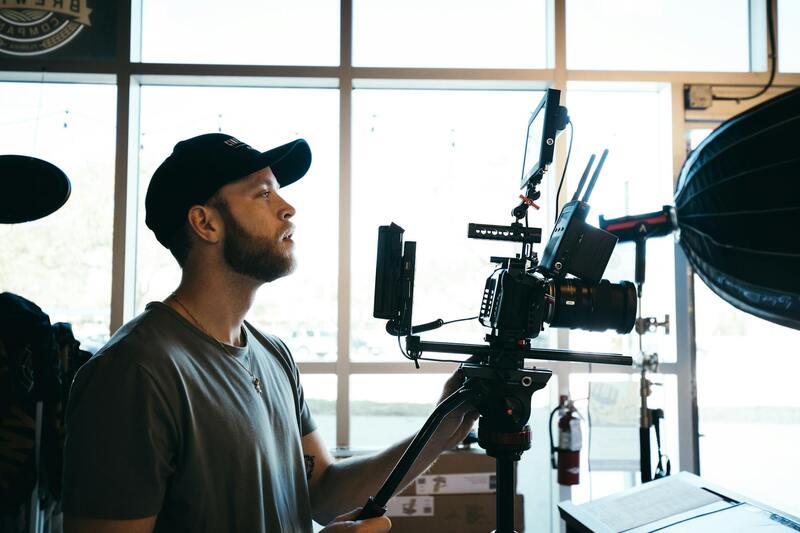
Equipment safety is another critical aspect. Waterproofing gear, securing loose items, and regular maintenance checks prevent accidents and prolong the lifespan of sensitive equipment in corrosive marine environments. Utilizing specialized rigging, buoyancy aids, and stabilization tools enhance safety and image quality during underwater and surface shoots.
Respect for marine life and compliance with local regulations underpin responsible photo production. Disturbing wildlife or damaging habitats can not only jeopardize the capture but also harm the delicate aquatic ecosystem. Maintaining respectful distances, avoiding feeding or baiting animals, and using non-invasive techniques are integral to ethical practices within marine photography.
Ensuring all team members understand and follow established safety and environmental guidelines creates a professional workflow that safeguards human lives and marine resources alike. Proper documentation of safety procedures and ongoing training reinforce a culture of responsibility and preparedness in every marine photo production project.
Legal and Safety Considerations in Marine Photo Production
Executing marine photo production involves comprehensive adherence to established safety standards and operational protocols. Ensuring the well-being of crew members and safeguarding equipment against the unique challenges of the marine environment demands meticulous planning and ongoing management. Prior to embarking on any shoot, a thorough risk assessment should be conducted to identify potential hazards such as unpredictable weather, strong currents, and the proximity to marine vessels or wildlife. Implementing a detailed safety protocol, which includes emergency response procedures and clear communication channels, is essential for maintaining a secure working environment.
Safety gear specifically suited for marine settings—such as life jackets, harnesses, and waterproof protective equipment—must be used consistently by all team members. Regular safety drills and training sessions reinforce awareness and preparedness, minimizing risks during the execution of complex shots. In addition, the use of specialized stabilization and rigging equipment reduces the likelihood of accidents caused by vessel movements, waves, or equipment failure.
Environmental considerations are equally vital for sustainable marine photography. Respect for marine ecosystems and adherence to responsible practices help preserve the natural habitats being photographed. This includes maintaining safe distances from wildlife, avoiding the use of intrusive lighting or baiting methods, and minimizing physical disturbances to fragile environments. It is important to familiarize all team members with the regulations and guidelines set by local authorities, marine parks, and conservation agencies.
Maintaining clear documentation of safety procedures, permissions, and environmental protocols fosters accountability and professional integrity. Continual education on best practices and the latest safety innovations ensures that marine photo production remains both effective and responsible, minimizing impact while capturing compelling imagery.
Legal and Safety Considerations in Marine Photo Production
Conducting marine photo production involves adherence to a comprehensive set of procedures designed to safeguard both personnel and the environment. Obtaining the appropriate permits is a fundamental step in ensuring that all activities conform with regulatory standards. These permits typically encompass authorizations for access to certain waters, usage rights for protected marine areas, and permission to operate specialized equipment in sensitive ecosystems. By securing these approvals, production teams demonstrate a commitment to responsible practices and smooth logistical operations.
Coordination with local authorities, wildlife agencies, and marine park officials is essential to align project objectives with specific guidelines. This collaboration not only facilitates the acquisition of necessary documentation but also fosters mutual understanding of environmental considerations and operational constraints. Such interactions often involve detailed project proposals, environmental impact assessments, and contingency planning to address potential risks or unforeseen circumstances.
Safety protocols are equally critical in marine environments. Comprehensive risk assessments should be conducted prior to each shoot, focusing on potential hazards like rough waters, equipment failures, and the unpredictable behavior of marine wildlife. The implementation of strict safety measures includes the use of life jackets, harnesses, and waterproof protective gear, coupled with personnel training on emergency response procedures. Regular safety drills ensure that crew members are well-prepared to handle accidents or adverse weather conditions swiftly and effectively.
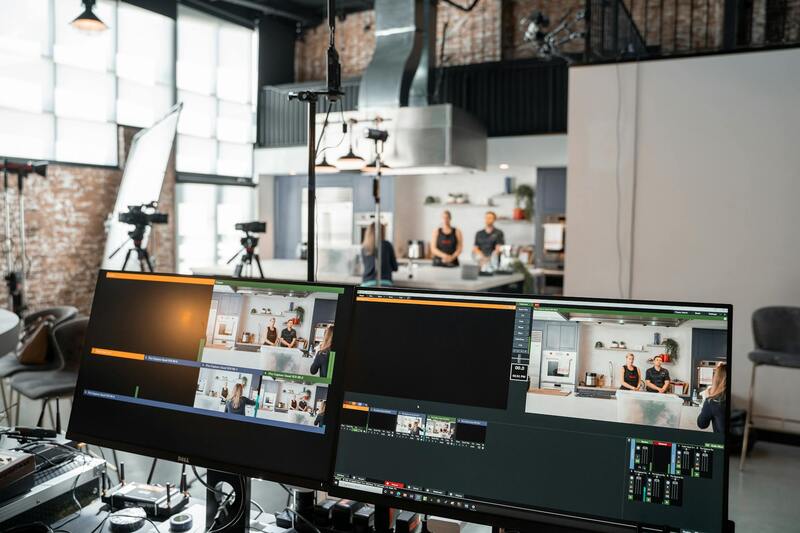
In terms of environmental stewardship, it is paramount to follow guidelines that minimize ecological disturbance. This involves maintaining appropriate distances from marine wildlife, avoiding intrusive lighting that could disrupt natural behaviors, and refraining from baiting or using noise polluters. Proper waste disposal, fuel management, and the avoidance of physical damages to coral reefs or seabeds are integral components of responsible marine photography. Ensuring all team members are educated about these protocols promotes a culture of sustainability and respect for the natural environment.
Documentation plays a pivotal role in maintaining transparency and accountability. Detailed records of permits, environmental compliance measures, safety procedures, and incident reports help streamline project review processes and uphold industry standards. Regular training sessions keep the team updated on evolving regulations, technological advancements, and safety measures, reinforcing professionalism across all phases of marine photo production.
Legal and Safety Considerations in Marine Photo Production
Executing marine photo production projects demands rigorous adherence to established procedures that ensure both safety and operational efficiency. These procedures encompass comprehensive safety protocols, meticulous planning, and adherence to industry standards to prevent accidents, protect personnel, and preserve the integrity of marine environments.
Prior to the commencement of a shoot, a detailed risk assessment is conducted to identify potential hazards associated with the marine environment, such as rough seas, unpredictable weather, or proximity to wildlife. Based on these assessments, specialized safety measures are implemented, including the deployment of life jackets, harnesses, and waterproof protective gear designed specifically for marine conditions. Crew members receive extensive training on emergency response protocols, ensuring they are prepared to handle situations such as man-overboard scenarios, equipment malfunctions, or sudden weather changes.
Safety drills conducted regularly on set reinforce the importance of preparedness, promoting swift and coordinated reactions among team members. Additionally, the use of communication devices like waterproof radios ensures constant contact between ship personnel and onshore coordinators, facilitating quick decision-making and coordination. It is equally important to implement strict procedures for working near or around marine wildlife, adhering to guidelines that prevent disturbance and adhere to best practices for wildlife interaction.
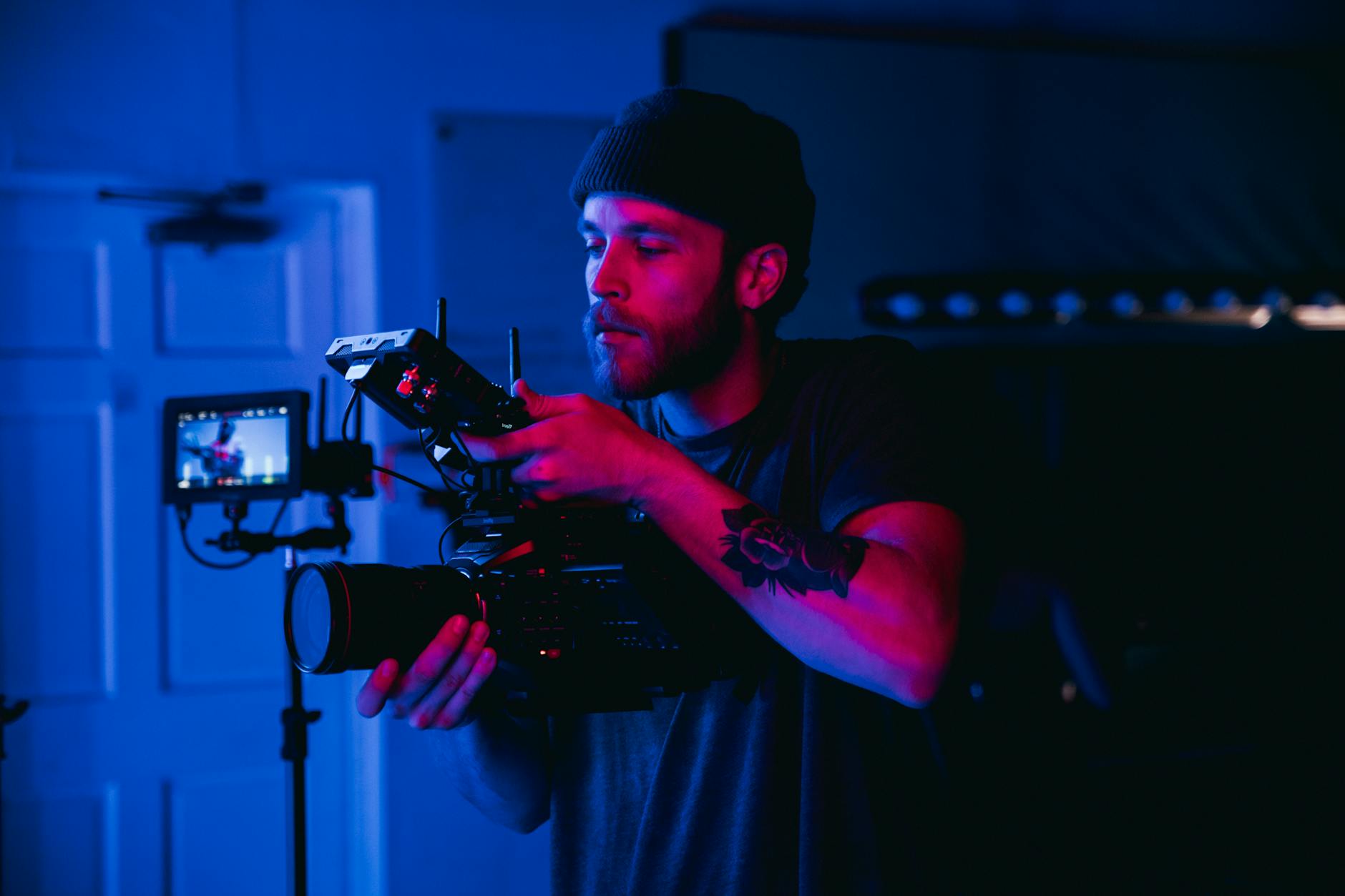
Environmental stewardship also plays a vital role during marine photo production. Ensuring that crew members understand and respect ecosystems includes avoiding intrusive lighting or noise pollution that could disrupt marine life. Maintaining appropriate distances from sensitive habitats, such as coral reefs or nesting sites, helps preserve the natural behavior of wildlife. Proper waste management and fuel practices contribute to reducing ecological footprints, reinforcing responsible production standards.
Documentation throughout the project, including detailed permit records, environmental impact assessments, and safety logs, supports transparency and accountability. This documentation not only facilitates smooth project reviews but also ensures ongoing compliance with evolving guidelines and procedures. Consistent training sessions keep the team updated on new safety measures, technological advances, and regulatory changes, fostering a culture of professionalism and responsibility within marine photo production environments.
Legal and Safety Considerations in Marine Photo Production
Ensuring that marine photo production adheres to established safety protocols is paramount for the success of any project. Prior to filming, it is essential to conduct comprehensive risk assessments that identify potential hazards related to marine environments, such as unpredictable weather, strong currents, and proximity to hazardous wildlife or submerged objects. These assessments inform the development of detailed safety plans tailored to the specific conditions of each shoot.
All crew members must receive specialized training that covers safe operating procedures for marine equipment, emergency response protocols, and environmental awareness. Proper training ensures that personnel are prepared to handle unforeseen circumstances, minimizing risks during the production process.
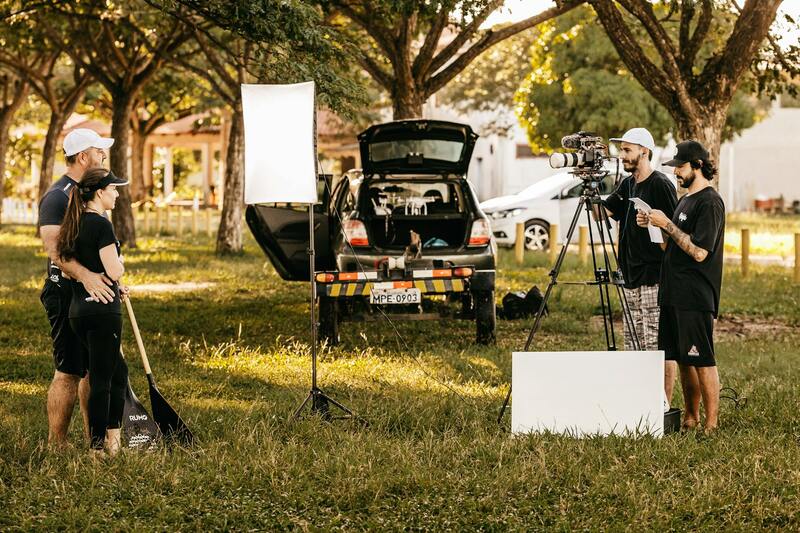
Operational safety also extends to the use of marine vessels, which should be regularly inspected and maintained to meet safety standards. Crew members operating boats and flotation devices must be certified in maritime safety procedures, including navigation, communication, and rescue techniques.
Equipment handling is another critical aspect. Cameras and stabilization gear used in marine environments must be weather-resistant and secured properly to prevent accidents. Additionally, specific measures should be in place to protect crew members from environmental exposure, such as appropriate clothing, sun protection, and hydration stations.
Environmental Management and Ethical Conduct
Marine photo production demands an overriding commitment to environmental stewardship. Crew members should be trained to recognize and avoid sensitive habitats like coral reefs, seagrass beds, or nesting sites, maintaining appropriate distances to prevent disturbance. Utilizing non-invasive lighting and minimizing noise pollution are vital practices to reduce ecological impact.
Waste management protocols should be strictly followed, with all equipment and debris properly disposed of or recycled to prevent pollution. Fuel and chemical storage areas must adhere to safety standards that prevent spills and leaks, preserving marine and shoreline ecosystems.
Documentation and Compliance
A critical component of responsible marine photo production is meticulous documentation. This includes maintaining detailed records of permits issued, environmental impact assessments, safety logs, and crew certifications. Such documentation not only demonstrates a commitment to best practices but also simplifies audits and reviews by oversight bodies.
Regular audits and inspections should be scheduled to ensure ongoing compliance and to identify areas for improvement. Updating safety manuals and operational procedures in response to technological advances and regulatory updates fosters a proactive safety culture.
Maintaining open communication channels between all team members and stakeholders is essential for swiftly addressing safety concerns or environmental issues as they arise. This collaborative approach helps build trust and ensures that everyone on set is aligned with safety standards and environmental responsibilities.
Legal and Safety Considerations in Marine Photo Production
Ensuring safety and adhering to operational guidelines are paramount in marine photo production. Proper training for crew members in water safety, emergency response, and equipment handling minimizes risks associated with working in dynamic marine environments. Safety drills should be conducted regularly to prepare teams for unforeseen incidents, including onboard accidents or environmental hazards.
Clear communication protocols must be established, clearly delineating roles and responsibilities during the shoot. Utilizing waterproof and corrosion-resistant gear ensures the longevity of equipment and safety of personnel. In high-risk scenarios, personnel should wear personal flotation devices and utilize safety harnesses when working in or near water.
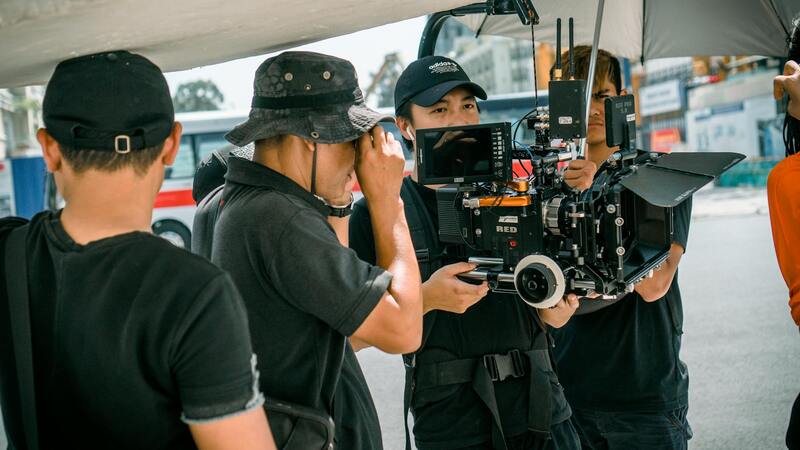
Environmental safety involves employing non-invasive techniques that avoid disturbing marine life or habitats. Photographers and videographers should strictly follow guidelines for minimizing light pollution, avoiding sensitive areas, and respecting local ecosystems. Choosing appropriate times and conditions for shooting not only enhances image quality but also minimizes ecological footprint.
It is essential to coordinate with local authorities and environmental agencies to ensure compliance with protected area regulations. Permits should be obtained for activities in designated zones, with adherence to specified operational limits. This coordination helps prevent disruptions to marine ecosystems and maintains the integrity of the natural environment.
Post-Production for Marine Content
The post-production phase is critical for refining marine footage and images to meet high-quality standards. This process involves color correction to enhance visibility and clarity, especially in underwater scenes where light penetration is limited. Noise reduction and stabilization techniques can also improve overall visual quality.
Advanced editing software allows for precise removal of unwanted elements, such as debris or artifacts caused by water movement. Incorporating atmospheric effects, annotations, or branding elements can enhance the storytelling aspect of marine content, making it suitable for commercial or educational purposes.
Furthermore, ensuring accurate metadata tagging, captioning, and compliance with content standards helps in effectively distributing the finished product across various platforms. Delivering content in multiple formats ensures accessibility and broadens the reach of marine imagery for different sectors—whether in advertising, research, or environmental awareness campaigns.
Working with Miami-Based Marine Photo Production Agencies
Collaborating with experienced local agencies provides access to specialized knowledge of Miami’s diverse marine environments. These agencies are well-versed in navigating regional regulations, securing necessary permits, and understanding sensitive marine ecosystems specific to the area. Their expertise ensures that projects are executed efficiently, safely, and in accordance with local practices.
Miami-based agencies also possess a network of skilled professionals including marine biologists, licensed captains, and highly trained divers. This multidisciplinary team enhances the technical quality of productions while safeguarding ecological and safety standards. Utilizing their resources, such as access to state-of-the-art vessels and underwater equipment, enables capturing high-quality content in challenging conditions.
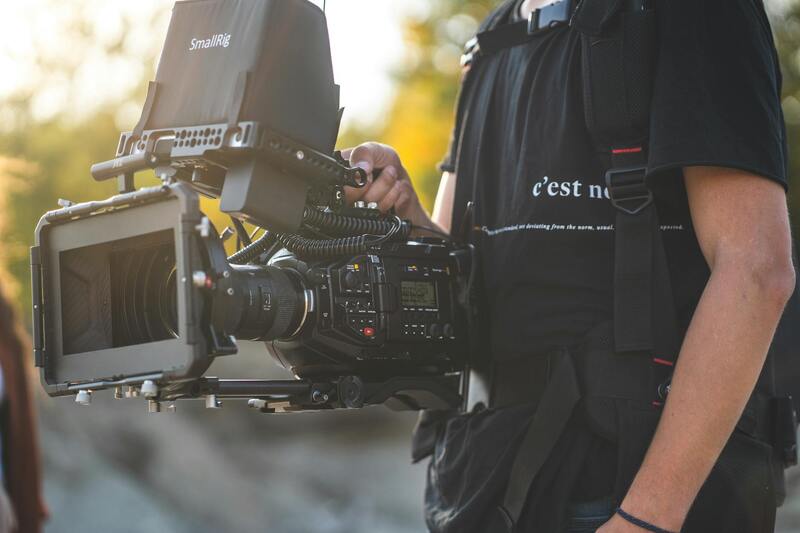
Engaging with a reputable agency from the outset fosters clear communication, detailed planning, and efficient execution. These agencies typically offer comprehensive solutions that encompass pre-production planning, on-site filming, and post-production services, ensuring a seamless project flow tailored to client objectives.
By choosing a local Miami agency specializing in marine photo production, clients benefit from regional insights, reliable logistical support, and adherence to the highest professional standards, ultimately resulting in compelling, compliant, and environmentally responsible marine imagery and footage.