
Understanding Superyacht Photography
Superyacht photography is a specialized branch of commercial photography focused on capturing the opulence, craftsmanship, and grandeur of luxury yachts. This discipline requires a keen eye for detail, an understanding of maritime aesthetics, and advanced technical skills to showcase the yacht’s design, interiors, and exterior features in the most compelling way. High-quality images serve as vital marketing tools for yacht brokers, owners, and charter companies seeking to enhance their visual branding across various platforms.
In the highly competitive luxury yacht industry, visual presentation significantly influences prospective clients' perceptions. Exceptional photography emphasizes the yacht’s unique features—the sleek lines, luxurious interiors, and the scenic backdrop—creating an aspirational appeal. These images not only highlight the vessel's architectural excellence but also evoke an emotional response that can drive engagement, inquiries, and sales.
Superyacht photography plays a pivotal role in branding and marketing within this exclusive sector. It supports promotional efforts across print media, digital channels, and social media, helping boat owners and brokers establish a prominent market presence. The images produced through this specialty often become iconic representations of luxury, craftsmanship, and lifestyle, making them highly valued assets in the yachting industry.
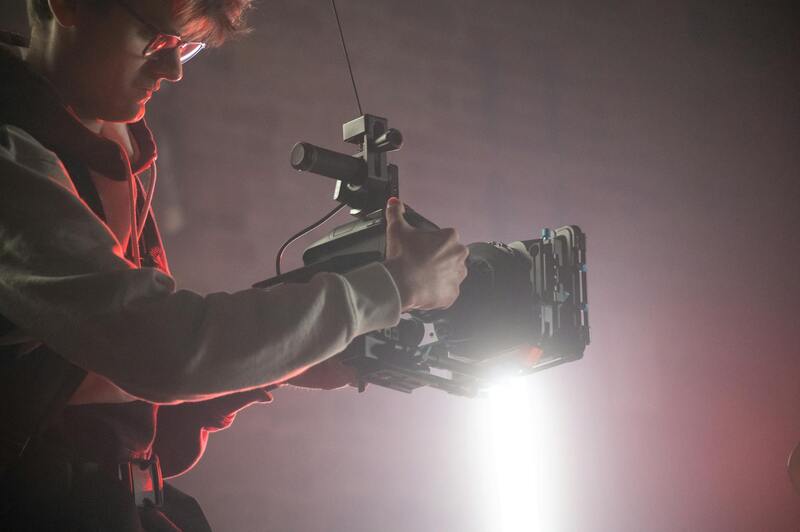
Beyond marketing, superyacht photography also serves as a historical record of a vessel’s design and condition. For owners, professional images preserve the yacht’s aesthetic appeal for future reference, documentation, or resale purposes. The strategic use of lighting, angles, and environment in these images enhances the vessel’s allure and authenticity.
Understanding the role of superyacht photography extends beyond just taking pictures; it involves a comprehensive approach that blends artistic vision with technical expertise. This process ensures that each image articulates the grandeur of the vessel while adhering to the highest standards of professionalism. As a result, meticulously crafted superyacht images stand out in a crowded marketplace, reinforcing a brand’s prestige and appeal.
Key Techniques for Capturing Exceptional Superyacht Images
Achieving striking superyacht photographs demands a mastery of various technical and artistic techniques tailored to the unique environment of luxury vessels. Professionals employ a combination of methods to ensure each shot communicates the grandeur and exclusivity of the yacht. These techniques are integral in overcoming the inherent challenges of maritime photography, such as variable lighting, reflective surfaces, and motion.
One fundamental approach involves the strategic use of perspective. Shooting from elevated positions or on a tripod positioned on a stabilization platform can help to eliminate distortions caused by the yacht's movement and wind. This enables the photographer to capture sharp, level images even in less-than-ideal conditions.
Optimal lighting is crucial. Photographers often plan shoots during the golden hour—shortly after sunrise or before sunset—when natural light provides a warm, soft glow that enhances the yacht’s features without harsh shadows or reflections. Utilize reflectors or diffusers if necessary, to manage light and minimize glare from reflective surfaces like windows and water.
Avoiding unwanted reflections requires precise angles and sometimes polarizing filters, which can reduce glare and enhance color saturation. Positioning the camera at angles that minimize reflections from water and nearby surfaces helps in creating cleaner, more appealing compositions.
In addition, capturing a variety of shots—wide-angle views that showcase the vessel’s scale, close-ups emphasizing craftsmanship, and interior shots highlighting luxury amenities—provides a comprehensive visual story. Using drone technology can add a dynamic perspective from above, highlighting the yacht within its environment and offering a sense of scale and prestige.
Another key technique involves controlling exposure carefully to preserve detail in both the highlights and shadows. Bracketing exposures and blending images during post-processing can help achieve a balanced, high-quality result.
Finally, patience and adaptability are essential. Changing weather, shifting light conditions, and sea motion demand flexibility and rapid adjustments. Experienced photographers plan meticulously, ready to adapt on the fly to ensure every shot meets the highest standards of quality.
Legal and Privacy Considerations
When undertaking superyacht photography, respecting privacy and adhering to established protocols are fundamental. Precise planning involves understanding the ownership rights and operational sensitivities associated with luxury vessels. Securing permission from yacht owners and relevant stakeholders before conducting shoots ensures a smooth process and fosters professional trust.
Photographers should be aware of designated privacy zones onboard that are off-limits to media or photography to prevent disruptions or unintended captures of private spaces. Maintaining discretion is key when photographing on vessels with high-profile guests or sensitive areas, such as crew quarters or confidential onboard operations.
In addition, understanding maritime regulations and safety protocols related to marine environments enhances operational integrity. For example, using drones necessitates compliance with airspace regulations, including altitude restrictions and no-fly zones near airports or restricted maritime zones.
Another aspect involves respecting other watercraft and local surroundings—avoiding interference with navigation or smooth operations. Proper planning and communication with the yacht crew ensure that all activities are coordinated and do not hinder the vessel’s schedule.
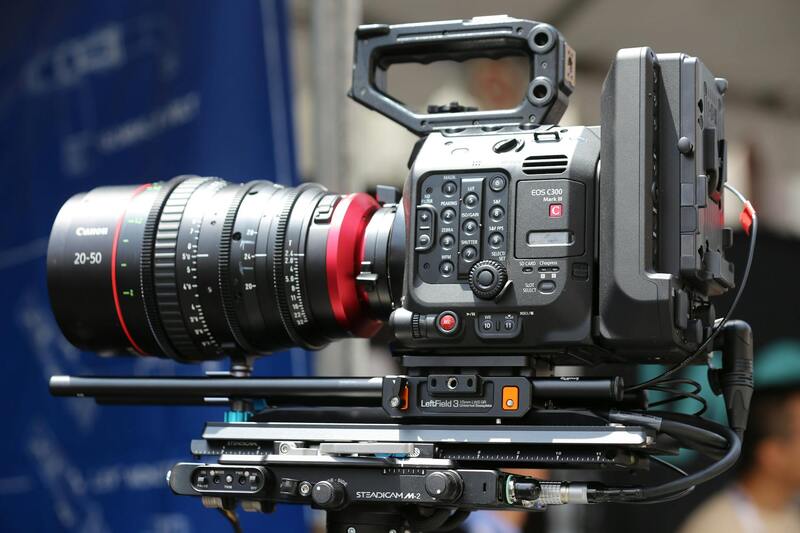
To safeguard the privacy of clients and guests, it is advisable to draft clear contractual agreements. These should specify what images will be used, how they will be distributed, and any limitations on publication. Such documentation reinforces trust and clarifies expectations.
Overall, integrating these considerations seamlessly into the planning process not only facilitates effective shooting but also reinforces the professional integrity of the photographer within this exclusive industry sector.
Understanding Superyacht Photography
Superyacht photography is an art that combines technical skill with a deep understanding of luxury lifestyle and maritime environments. The primary goal is to create visually stunning images that showcase the grandeur and elegance of some of the world's most impressive vessels. To do so effectively, photographers must master a variety of skills, including composition, lighting, and timing, while also being aware of the unique challenges that come with shooting on water and at sea. This delicate balance requires meticulous planning and a keen eye for detail, ensuring every shot captures the yacht's luxurious features, the surrounding landscape, and the ambiance of the onboard experience.
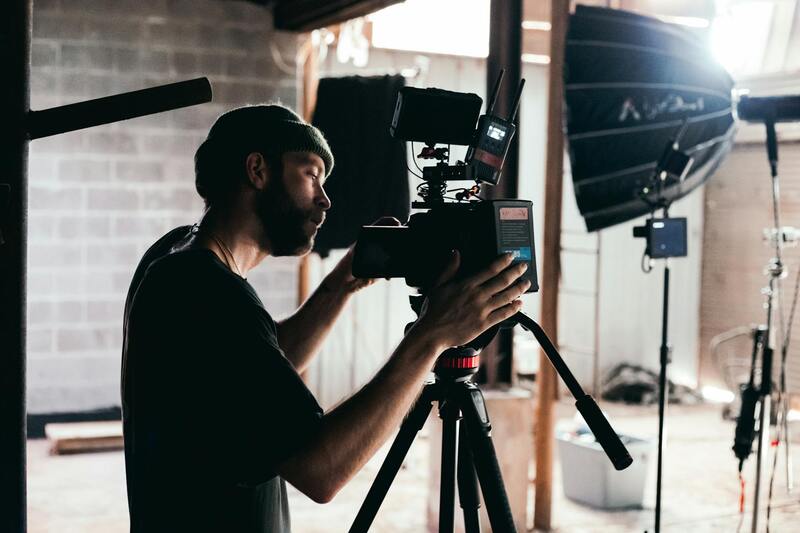
Successful superyacht photography hinges on understanding the vessel's architecture, interior design, and the environment in which it operates. This knowledge allows photographers to select the optimal angles, lighting conditions, and timing to produce captivating visuals. Additionally, familiarity with marine safety protocols and the vessel's operational procedures ensures a smooth and unobtrusive shoot, maintaining the comfort and privacy of guests and crew alike.
Key Challenges in Superyacht Photography
Photographers working in this niche face several specific challenges that require specialized approaches:
- Limited Access and Privacy Concerns: Capturing images without intruding on guests' privacy or the yacht’s private areas is essential. This demands discreet movement and respectful interaction with crew members to gain access to the best vantage points.
- Environmental Conditions: Weather, lighting variations, and sea motion can significantly affect shoot quality. Photographers must adapt quickly to changing conditions, often relying on stable platforms or specialized equipment.
- Logistical Constraints: Coordinating timing and location while respecting maritime schedules involves detailed planning. Unforeseen delays or weather changes require flexible strategies to ensure the desired shots are captured without compromising safety or privacy.
- Technical Limitations: Managing equipment in a humid, salt-rich marine environment demands high durability and protective measures to prevent damage to cameras and accessories.
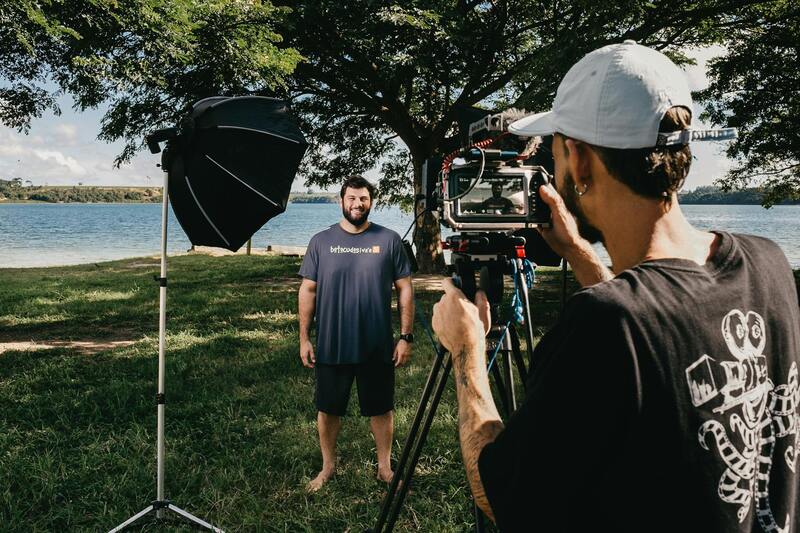
Overcoming environmental and logistical hurdles is critical for capturing high-caliber superyacht images. Essential Equipment for Superyacht Photography
Professional superyacht photographers rely on a well-curated set of equipment tailored to marine conditions and high-end aesthetics. The following gear forms the backbone of a successful shoot:
- High-Resolution DSLR or Mirrorless Cameras: Capable of capturing detailed images in various lighting conditions, with robust performance in humid environments.
- Wide-Angle and Telephoto Lenses: Wide lenses excel at capturing expansive yacht exteriors and scenic backgrounds, while telephoto lenses are useful for close-up shots from a distance, ensuring privacy and safety.
- Neutral Density (ND) Filters: These filters help control exposure in bright sunlight, allowing for longer shutter speeds to achieve artistic effects like smooth water or motion blur.
- Stabilization Equipment: Gimbals and monopods help maintain image sharpness during movement or when shooting handheld on unstable surfaces.
- Weatherproof Accessories: Protective covers, waterproof housing, and desiccants ensure equipment remains functional in marine conditions.
- Drone Cameras: Aerial shots offer unique perspectives of the yacht and surrounding scenery, but require adherence to maritime and airspace regulations.
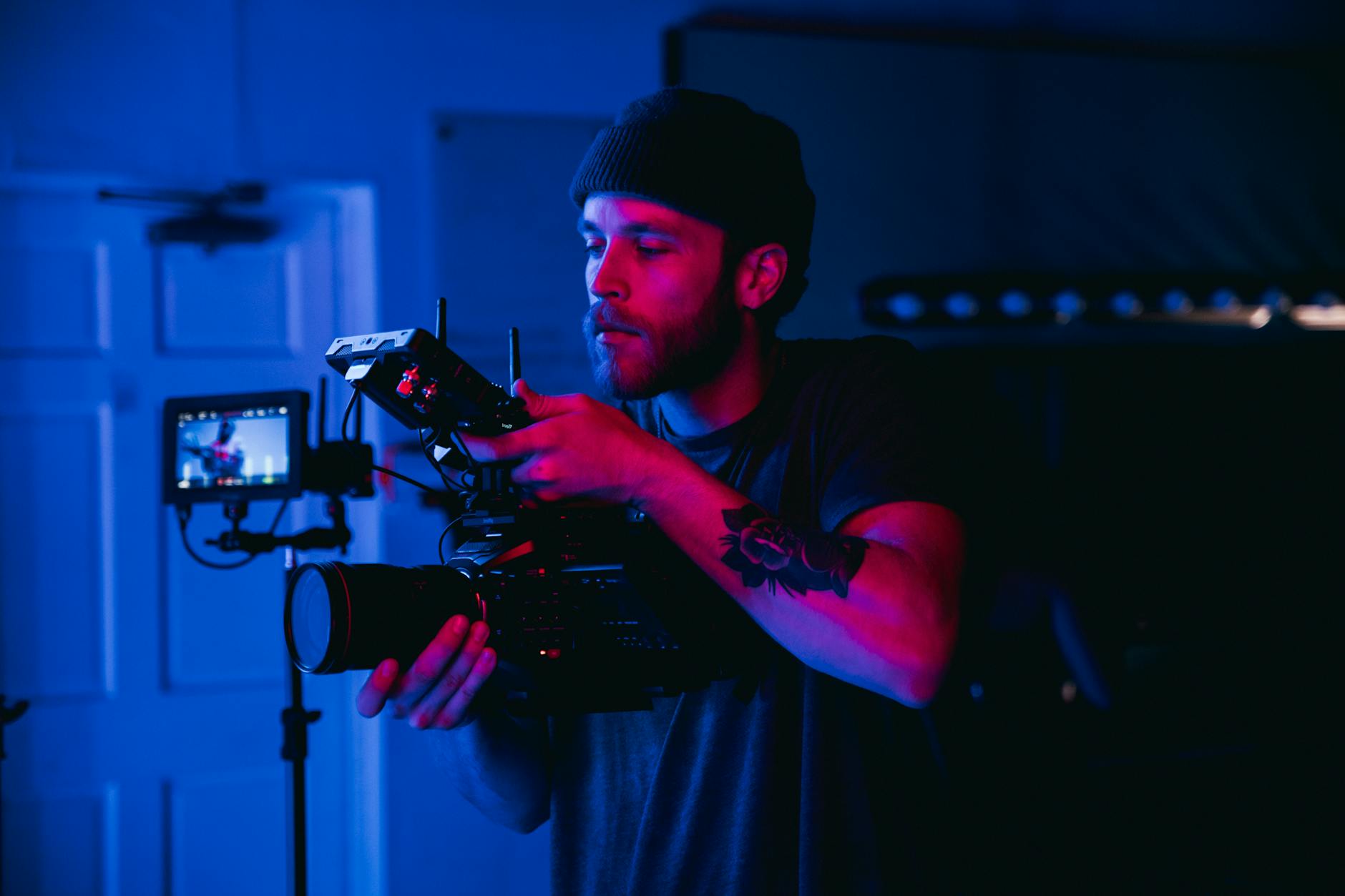
Advanced gear ensures top-quality images despite the challenging marine environment. In addition to the gear itself, photographers must carry auxiliary items such as spare batteries, memory cards, portable lighting, and reflectors to address diverse shooting scenarios. Proper maintenance and diligent care are vital to keep equipment in prime condition for every shoot, safeguarding investment and guaranteeing high standards in the final images.
Understanding Superyacht Photography
Superyacht photography involves capturing the grandeur, elegance, and technical intricacies of luxury vessels through professional imagery that highlights their design, craftsmanship, and lifestyle appeal. This specialized genre requires a combination of artistic vision and technical mastery to produce images that resonate with a high-end audience. Photographers leverage their understanding of lighting, composition, and perspective to portray the yacht’s architecture and interiors in an aspirational manner, often integrating scenic marine backgrounds to emphasize the vessel’s opulence and exclusivity.
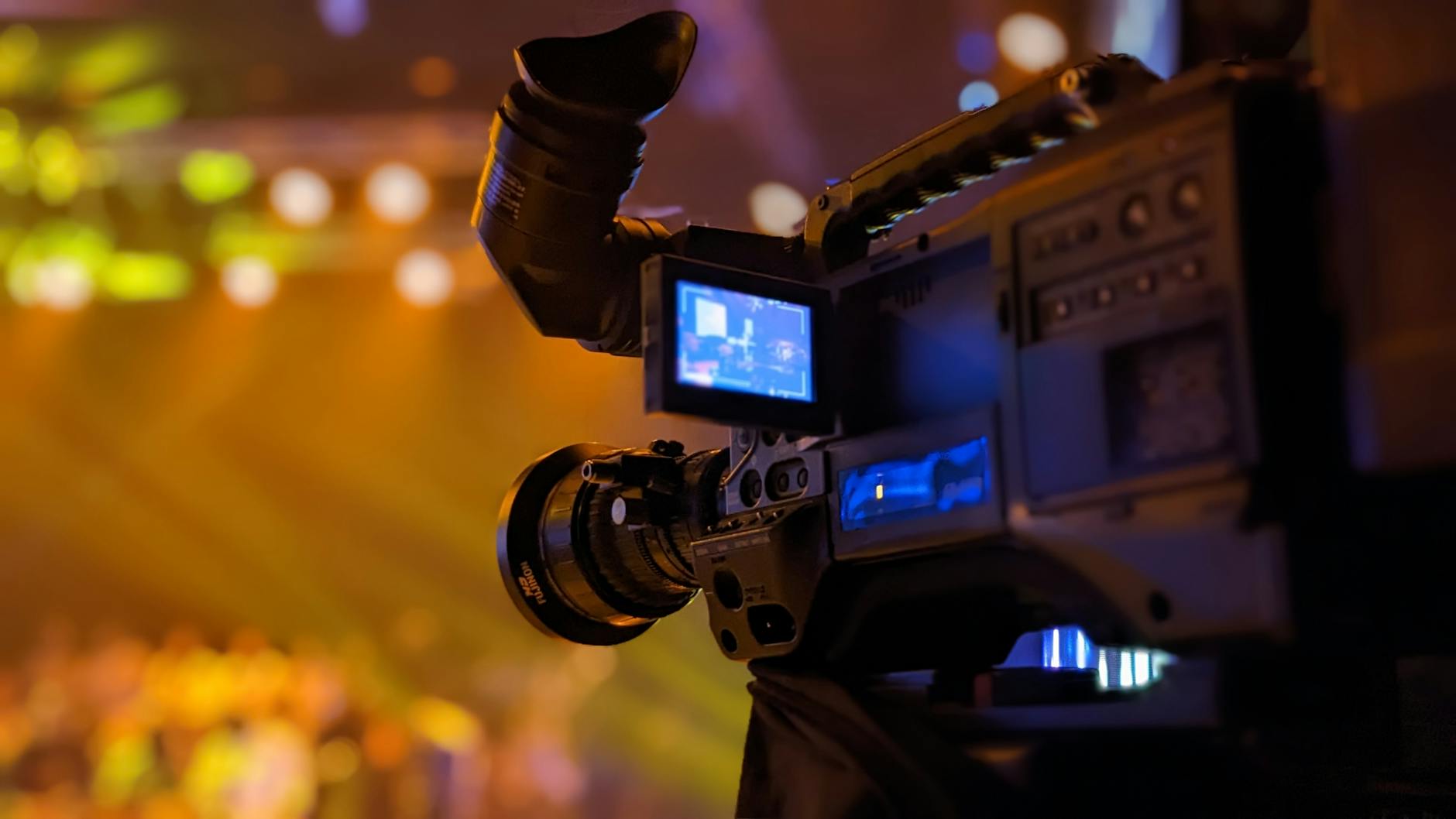
High-quality superyacht photography showcases the vessel’s luxurious features and surrounding maritime views. Creating impactful superyacht images necessitates a thorough grasp of the vessel's unique features, environmental conditions, and the storytelling elements that elevate the visual narrative. Effective superyacht photography not only captures the vessel but also evokes a sense of lifestyle, adventure, and prestige associated with yachting culture.
Key Challenges in Superyacht Photography
Photographers operating in this niche face several hurdles that require careful planning and proficiency. Coastal weather can be unpredictable, with changing light conditions, wind, and sea spray affecting optimal shot timing and equipment safety. Limited space on deck or within cabins further complicates composition, demanding creative angles and techniques to maximize space and detail.
- Lighting Conditions: Natural light fluctuates throughout the day, and reflections on water and glossy surfaces can create glare or unwanted reflections. Shooting during golden hour often provides softer, more flattering illumination, but timing is crucial.
- Environmental Factors: Wind, humidity, and salt spray pose risks to equipment and can diminish image clarity if not managed properly. Protective gear and timing shoots during calmer weather windows are essential strategies.
- Restricted Space: Limited room for camera setups or movement challenges the photographer to employ wide-angle lenses, panoramic shots, and other techniques to achieve the desired compositions.
- Privacy and Safety: Maintaining discretion around guests and crew while capturing authentic scenes demands professionalism and respect for vessel privacy.
Essential Equipment for Superyacht Photography
Quality superyacht photography hinges on having the right equipment that can adapt to the diverse and demanding marine environment. High-resolution cameras with fast autofocus and excellent low-light capabilities ensure sharp, detailed images regardless of lighting conditions. Prime lenses like wide-angle or telephoto lenses extend creative control, facilitating sweeping exterior views or intimate close-ups from a distance without compromising safety or privacy.
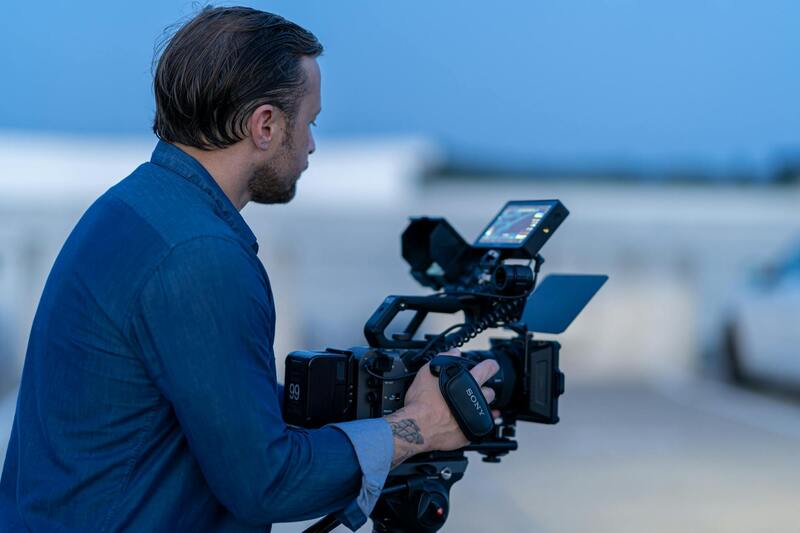
Trending gear to elevate superyacht photography, from stabilized cameras to waterproof accessories. Additional essentials include neutral density filters for controlling exposure dynamics, stabilization devices such as gimbals and monopods to maintain sharpness during movement, and weatherproof accessories to protect sensitive gear from marine elements. Drone camera systems enable breathtaking aerial shots that showcase the vessel’s grandeur against the expansive sea and sky, but require meticulous adherence to maritime and airspace guidelines to ensure safety and compliance. The robustness of this equipment forms the foundation for producing high-quality visuals in challenging marine conditions.
Photographers must also focus on auxiliary gear — spare batteries, additional memory cards, portable lighting options, and reflectors — to adapt quickly to changing shooting scenarios. Proper maintenance routines, including regular cleaning and inspection of gear, protect investments and guarantee their optimal function throughout intensive photo campaigns.
Techniques for Capturing Stunning Yacht Shots
Achieving captivating images of superyachts involves employing advanced techniques tailored to marine environments. Utilizing natural light during the golden hour enhances the vessel’s features with warm, diffuse illumination, reducing harsh shadows and glare. Employing polarizing filters can further diminish reflections on water and glass, resulting in clearer, more vibrant images.
Compositionally, placing the yacht according to the rule of thirds, incorporating leading lines, and framing with scenic backgrounds maximize visual impact. Experimenting with different angles from elevated drones or low decks helps reveal the yacht’s silhouette against colorful skies or calm waters.
Long exposure shots during low wind conditions can produce smooth, glass-like water effects, enhancing the yacht’s reflections and scenic views. For interior shots, controlling artificial lighting and using wide-angle lenses can reveal the yacht’s luxurious spaces without distortion.
Understanding the nuances of each shot, from capturing dynamic motion to highlighting intricate design details, allows photographers to create a compelling, comprehensive visual story that appeals to prospective clients and industry stakeholders alike.
Official Methods for Documenting Superyachts
When showcasing a superyacht through photography, relying on official methods ensures the accuracy and credibility of the images. Utilizing authorized sources such as commissioned photo sessions directly conducted by yacht representatives or certified maritime photographers guarantees high-quality content that resonates with potential clients and stakeholders. These professionals typically operate under contractual agreements that outline the scope, usage rights, and deliverables, fostering transparency and mutual understanding.
Engaging with recognized industry photography agencies or employing accredited drone operators who adhere to industry standards provides a consistent level of professionalism. These entities often possess the necessary certifications and permits to operate in sensitive maritime environments, thereby avoiding any inadvertent breaches of regulations.
Documenting the superyacht through official channels also involves gathering detailed shot lists and specifications from yacht brokers or owners. This collaborative approach ensures the resulting images accurately reflect the vessel's unique features, craftsmanship, and luxurious amenities. In addition, documenting the surroundings and docking scenery through authorized drone flights or terrestrial photography captures the yacht within its operational context.

Authorized drone footage adds dynamic perspectives while maintaining compliance with maritime regulations. Maintaining a clear chain of custody for images, including proper metadata tagging and version control, further supports their integrity and traceability. When images are disseminated for marketing, ensuring they originate from verifiable sources reassures clients and enhances brand trust.
Adherence to official methods in superyacht photography not only safeguards the integrity of promotional materials but also aligns with best practices within the luxury maritime industry, offering assurance to clients and stakeholders about the authenticity of visuals presented.
Legal and Privacy Considerations in Superyacht Photography
When engaging in superyacht photography, respecting the privacy and proprietary boundaries of yacht owners and operators is of paramount importance. This entails establishing clear agreements prior to the shoot, which outline the scope of image capture, usage rights, and distribution channels. Such agreements often specify which areas of the yacht can be photographed, including interior spaces, exterior decks, and the surrounding environment.
Ensuring that all necessary permissions are obtained from the yacht owner or designated representatives is critical for a seamless photographic session. This process involves reviewing vessel documentation, access authorizations, and any restrictions related to sensitive or high-value areas of the yacht. Transparency about the intended use of images—whether for marketing, promotional campaigns, or portfolio enhancement—builds trust and simplifies the process.
Photography professionals must also be mindful of privacy considerations concerning crew members and guests. Gaining consent to capture personnel in action, particularly in private or semi-private settings, helps maintain discretion and respects personal boundaries. This practice not only fosters a respectful working environment but also aligns with standards of professionalism within the industry.
Furthermore, digital management of images requires careful control over metadata tagging and storage. Proper documentation ensures that visual assets can be traced back to authorized sessions and used appropriately in various applications. It’s equally important to implement secure methods for sharing and distributing photographs, preventing unauthorized access or misuse.
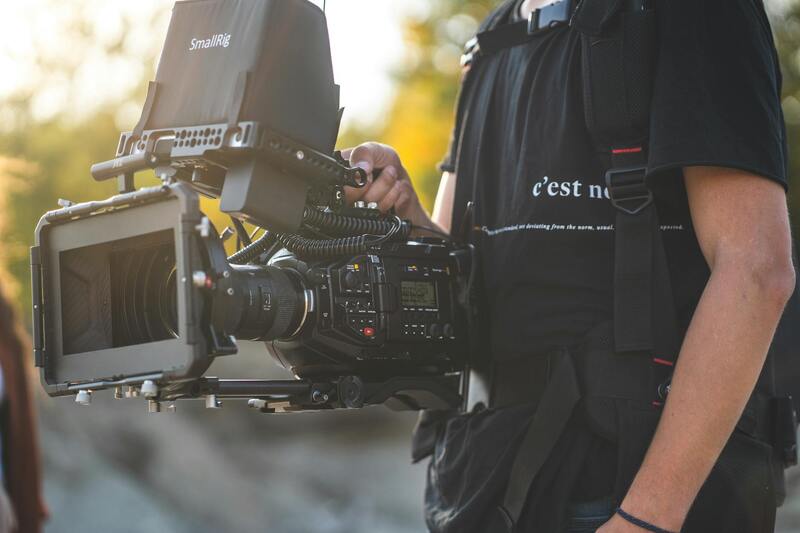
Securing permissions and respecting privacy are foundational in professional superyacht photography workflows. Adhering to these official and conscientiously managed practices not only preserves the integrity of the visual content but also reinforces the credibility of the photographer’s services. This disciplined approach underscores a commitment to legal compliance, client confidentiality, and industry best practices, all essential in today’s high-stakes luxury maritime environment.
Legal and Privacy Considerations in Superyacht Photography
Maintaining adherence to official protocols and respecting privacy concerns are fundamental aspects of conducting superyacht photography. Photographers must confirm they have clearances or permissions when capturing images on vessels, especially in exclusive or sensitive areas of the yacht. This process ensures that all parties involved are aware of and agree to the photographic sessions, fostering a professional and trustworthy environment.
One of the core practices involves obtaining written consent from yacht owners, management teams, or relevant authorities prior to the shoot. Such agreements delineate the scope of the photography, specify usage rights, and clarify limitations, thus avoiding potential misunderstandings or conflicts. This proactive approach demonstrates a commitment to professional standards and ensures the photographer’s work aligns with the client’s expectations.
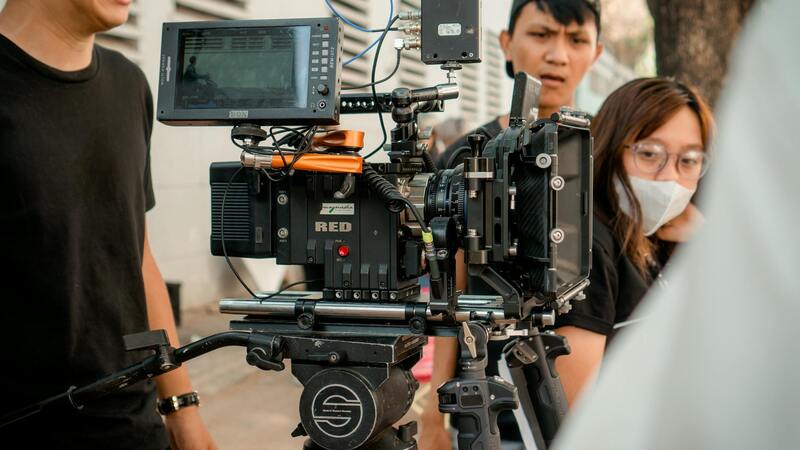
Clear communication and consent are key components of successful superyacht photography projects. In addition to permissions, safeguarding the privacy of guests and crew members is crucial. Photographers should implement protocols to gain explicit consent when capturing personnel or individuals in private settings. Clear signage or notices can inform guests that professional photography is occurring, with options to opt-out where appropriate.
Digital management also plays an essential role. Properly tagging, securely storing, and controlling access to images helps prevent misuse or unauthorized sharing. Whenever images are shared externally, secure transfer methods—such as encrypted digital platforms or protected cloud storage—must be employed to preserve confidentiality and control over visual content.
Furthermore, local regulations or maritime flag protocols sometimes specify guidelines on photography practices at sea or within territorial waters. Familiarity with these rules helps photographers navigate the operational landscape correctly, ensuring that all activities are compliant and respectful of the maritime environment.
By following rigorous procedures for permissions, privacy, and digital asset management, professional photographers maintain the integrity of their work and uphold industry standards. This disciplined approach not only protects the creative process but also enhances credibility, fostering long-term client relationships rooted in trust and professionalism.