
Understanding Yacht Photography
Yacht photography is a specialized genre that combines the art of capturing luxury vessels with the technical skills required to portray their grandeur effectively. It serves multiple purposes, including promotional materials for yacht sales, marketing campaigns for rental companies, and visual storytelling for luxury lifestyle branding. The primary goal is to showcase the yacht’s design, size, and elegance in a manner that appeals to discerning clients.
In Miami’s dynamic luxury market, yacht photography encompasses various image types that cater to different client needs. Exterior shots emphasize the vessel’s sleek lines, polished surfaces, and scenic surroundings, often taken during optimal lighting conditions such as golden hour. Interior images highlight the craftsmanship, spaciousness, and refined details of the yacht’s cabins and lounges.
Clients seeking yacht photography services in Miami include yacht owners and brokers aiming to attract prospective buyers, rental companies showcasing their fleet, and luxury brands seeking high-quality visuals for promotional campaigns. The competitive nature of Miami’s high-end market underscores the importance of professional imagery that not only highlights the vessel’s physical attributes but also evokes a sense of lifestyle aspiration.
Effective yacht photography requires a deep understanding of the environment, lighting conditions, and the unique features that set each vessel apart. By emphasizing both architectural beauty and lifestyle appeal, professional photographers craft compelling visuals that resonate with affluent clients seeking excellence and exclusivity in their yacht experiences.
Pre-Production Planning and Coordination
Effective yacht photography begins long before the camera is put to work. Thorough pre-production planning is essential to ensure that every detail aligns with the client’s branding and marketing objectives. This process involves detailed coordination with yacht owners, brokers, or marketing teams to understand the vessel’s distinctive features and the desired visual narrative. Establishing a clear shot list allows photographers to organize their approach, ensuring all key areas—interior spaces, exterior decks, scenic surroundings—are captured comprehensively.
Careful scheduling respects optimal lighting conditions, often favoring early mornings or late afternoons when natural light accentuates the yacht's contours and reflective surfaces. Weather forecasts are reviewed diligently to avoid disruptions caused by rain, high winds, or overcast skies, which could compromise image quality. This proactive approach maximizes efficiency and minimizes the need for rescheduling, offering clients a seamless experience from planning to execution.
Site Selection and Scenic Elements
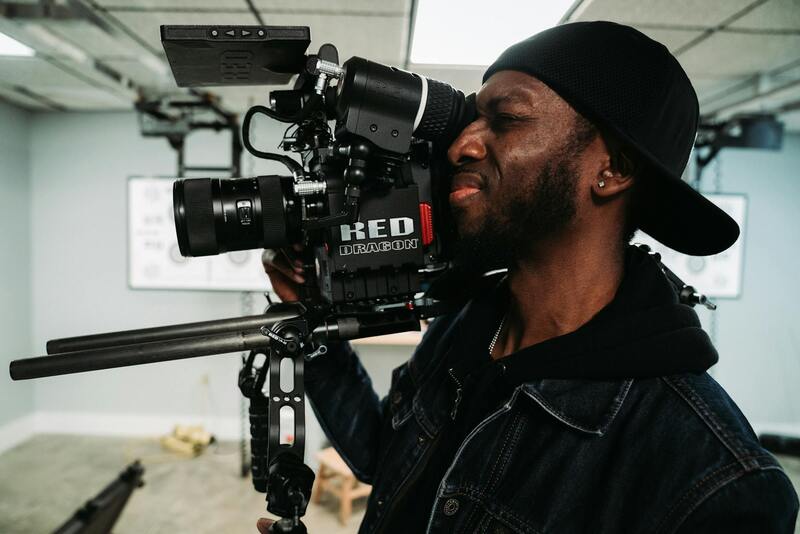
Choosing the right location for yacht photography enhances the visual appeal and narrative impact of the images. Photographers often scout popular or scenic spots such as Miami’s vibrant waterfronts, marinas, and natural coastal backdrops. It’s crucial to consider factors like background clutter, traffic, and accessibility to create a clutter-free environment that emphasizes the yacht.
In addition to the vessel itself, attention is given to surrounding elements such as marine life, skyline views, or nearby landmarks that can infuse the images with a sense of place and exclusivity. Incorporating the natural environment into the composition underpins the yacht’s connection to luxurious coastal living, resonating with affluent clients seeking aspirational lifestyles.
Timing and Weather Optimization
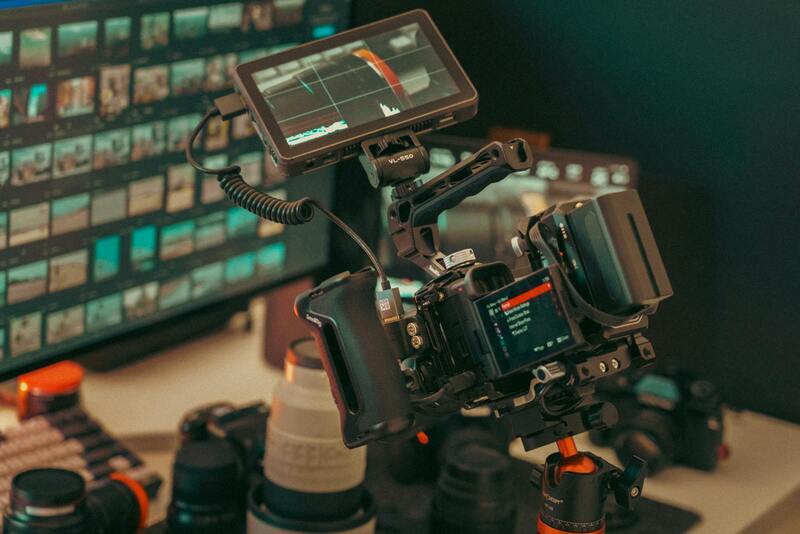
Maximizing natural light is a cornerstone of quality yacht photography. Photographers aim to schedule shoots during the golden hour—shortly after sunrise or before sunset—when sunlight casts soft, warm tones that highlight the yacht’s polished surfaces and elegant lines. This period also minimizes harsh shadows and reflections, reducing post-processing corrections.
Weather plays a critical role; calm conditions are preferred to avoid movement that can distort reflections or cause instability. Clear skies and mild breezes contribute to a serene atmosphere, making the yacht look pristine and inviting. Cross-checking the weather forecast in advance ensures the shoot proceeds smoothly, providing clients with sharp, vibrant images that showcase their vessel’s true luxury.
Equipment and Gear for Yacht Photography
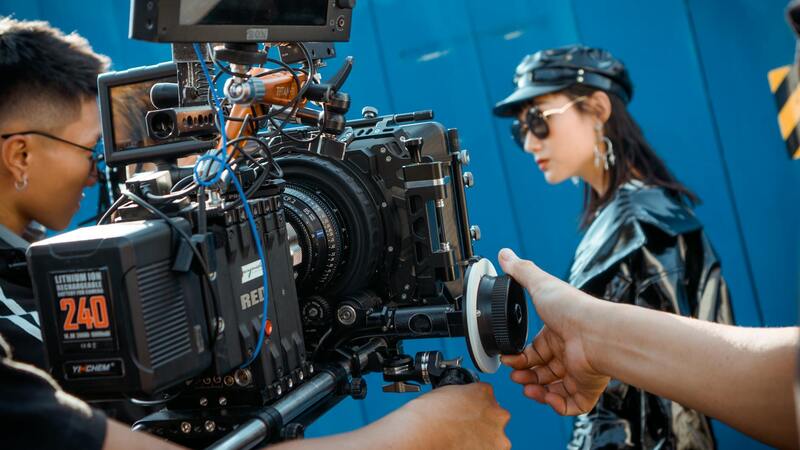
Achieving stunning yacht imagery requires a combination of specialized equipment and meticulous planning. High-resolution DSLR or mirrorless cameras are essential for capturing intricate details and vibrant colors, especially when working in high-light conditions commonly encountered on the water. Full-frame sensors are preferred for their superior low-light performance and dynamic range, ensuring images retain clarity and richness even in challenging lighting scenarios.
Choosing the right lenses is equally critical. Wide-angle lenses, typically in the 14-24mm range, enable photographers to encompass the yacht's grandeur and its surrounding environment in a single frame. These lenses excel at capturing the vessel's sleek lines and expansive decks while providing context through scenic backgrounds. Telephoto lenses, on the other hand, are invaluable for isolating specific features or capturing distant details without intrusion.
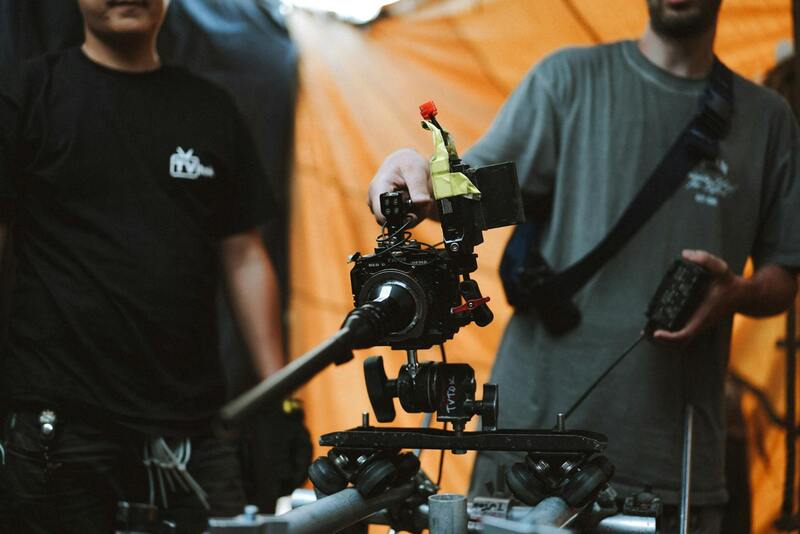
In addition to cameras and lenses, drones have become a vital component in yacht photography. Aerial shots showcase the yacht’s size and elegance from perspectives impossible to achieve from the water or the dock, adding dramatic flair and scale. When operating drones, stability and safety are paramount, with professional-grade models offering features such as obstacle avoidance, GPS stabilization, and high-resolution video capabilities.
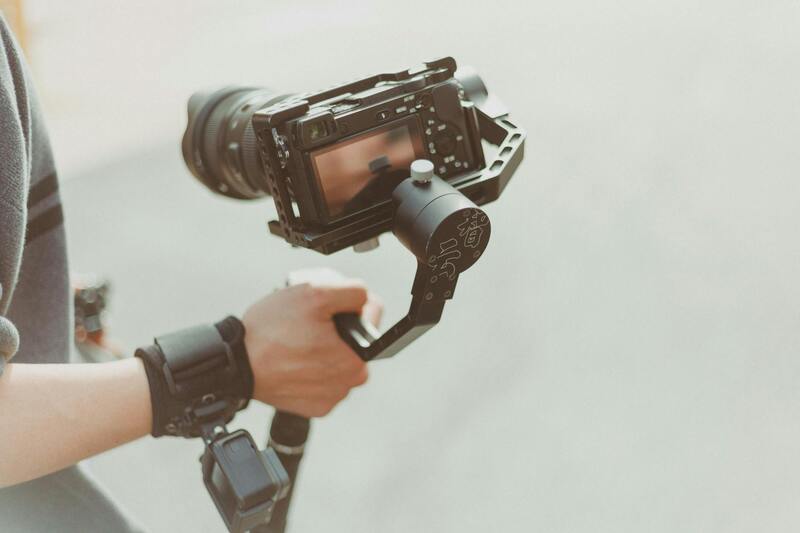
Tripods or stabilizers are often employed to maintain camera steadiness during long exposures, especially during dawn or dusk shoots when light levels are low. Filters such as polarization filters help reduce glare and reflections off the water and yacht surfaces, leading to cleaner, more vivid images. Protective gear for camera equipment — including waterproof covers and lens cleaners — ensures gear performance in marine environments where splashes, humidity, and salt air are prevalent.
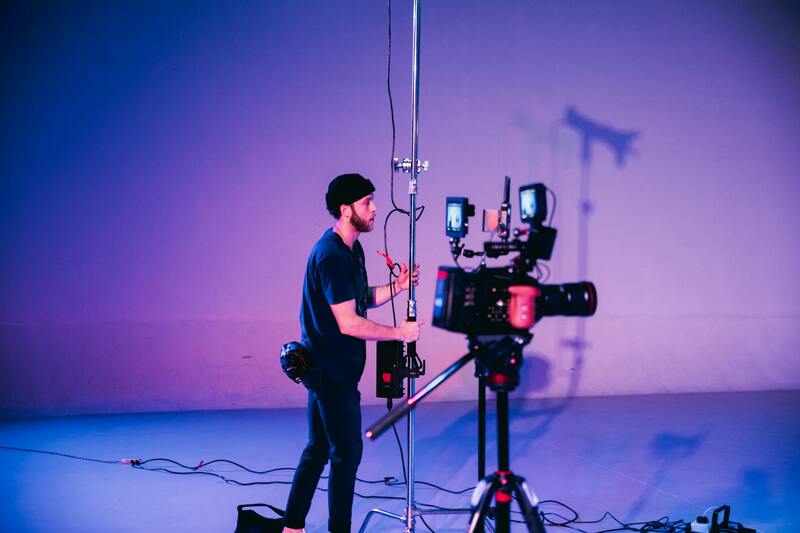
Overall, leveraging the right combination of high-performance cameras, lenses, aerial drones, stabilization tools, and protective accessories allows photographers to produce imagery that captures the luxury, detail, and grandeur of yachts with precision and artistic integrity. Ensuring equipment is well-maintained and suited to marine conditions is also vital in delivering results that meet professional standards and client expectations.
Expert Tips for Capturing Stunning Yacht Images
Achieving professional-quality yacht photography involves a combination of strategic planning, technical proficiency, and understanding of marine environment specifics. To produce captivating images that highlight the yacht’s elegance and craftsmanship, photographers must master a variety of approaches that bring out the vessel's unique features while adapting to changing lighting and weather conditions.
Optimal Shooting Conditions and Timing
Timing plays a crucial role in yacht photography. Often, the best results are obtained during the golden hour—shortly after sunrise or before sunset—when the natural light is soft, warm, and directional. During these periods, shadows are less harsh, and reflections on the water are more controlled, allowing the yacht’s curves and details to be accentuated.
Overcast days also provide evenly diffused lighting, reducing glare and harsh shadows, creating ideal conditions for both exterior and interior shots. Monitoring weather forecasts is essential to plan for clear days with stable wind conditions, as wind can cause water movement that complicates capturing sharp reflections and sleek yacht lines.
Key Composition Techniques
Strong composition is fundamental to compelling yacht imagery. Utilizing leading lines, such as the yacht’s hull or wake trail, guides viewers’ eyes through the image, emphasizing its size and design. Placing the yacht off-center, following the rule of thirds, adds visual interest and balance.
A variety of angles should be explored—from low-angle perspectives that emphasize the yacht’s scale and grandeur, to aerial shots that provide an overview of the vessel in its environment. Capturing reflections on calm water enhances symmetry, while including surrounding scenery like marinas or coastlines contextualizes the yacht within its luxury setting.
Managing Reflections and Light
Reflections on water and shiny yacht surfaces can be both a challenge and an asset. Using a polarizing filter helps control glare and emphasizes the yacht's true colors. Shooting at specific angles reduces unwanted reflections and highlights design features without washing out details.
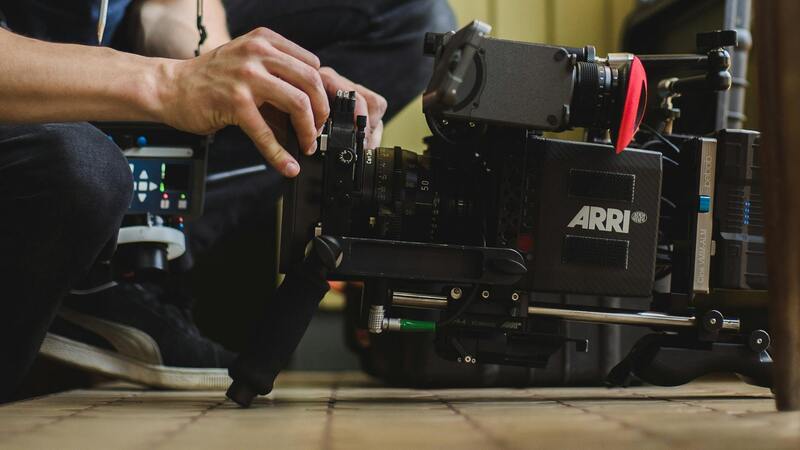
Adjusting aperture and exposure settings is critical to managing highlights and shadows, especially in bright, reflective environments. Consistent exposure across multiple shots ensures cohesive edits and a polished final presentation.
Incorporating Marine Environment Elements
Using environmental context enriches yacht imagery. Including elements such as docks, surrounding boats, or natural elements like skies and horizons adds depth and aesthetic interest. For interior shots, natural light streaming through windows highlights luxurious interior design and craftsmanship.
Utilizing Advanced Equipment and Techniques
Professional drone photography offers panoramic aerial perspectives, revealing the yacht's architectural details and setting from a dynamic vantage point. Stabilized gimbals ensure smooth footage, while high-resolution cameras on drones capture crisp details that static shots may miss.
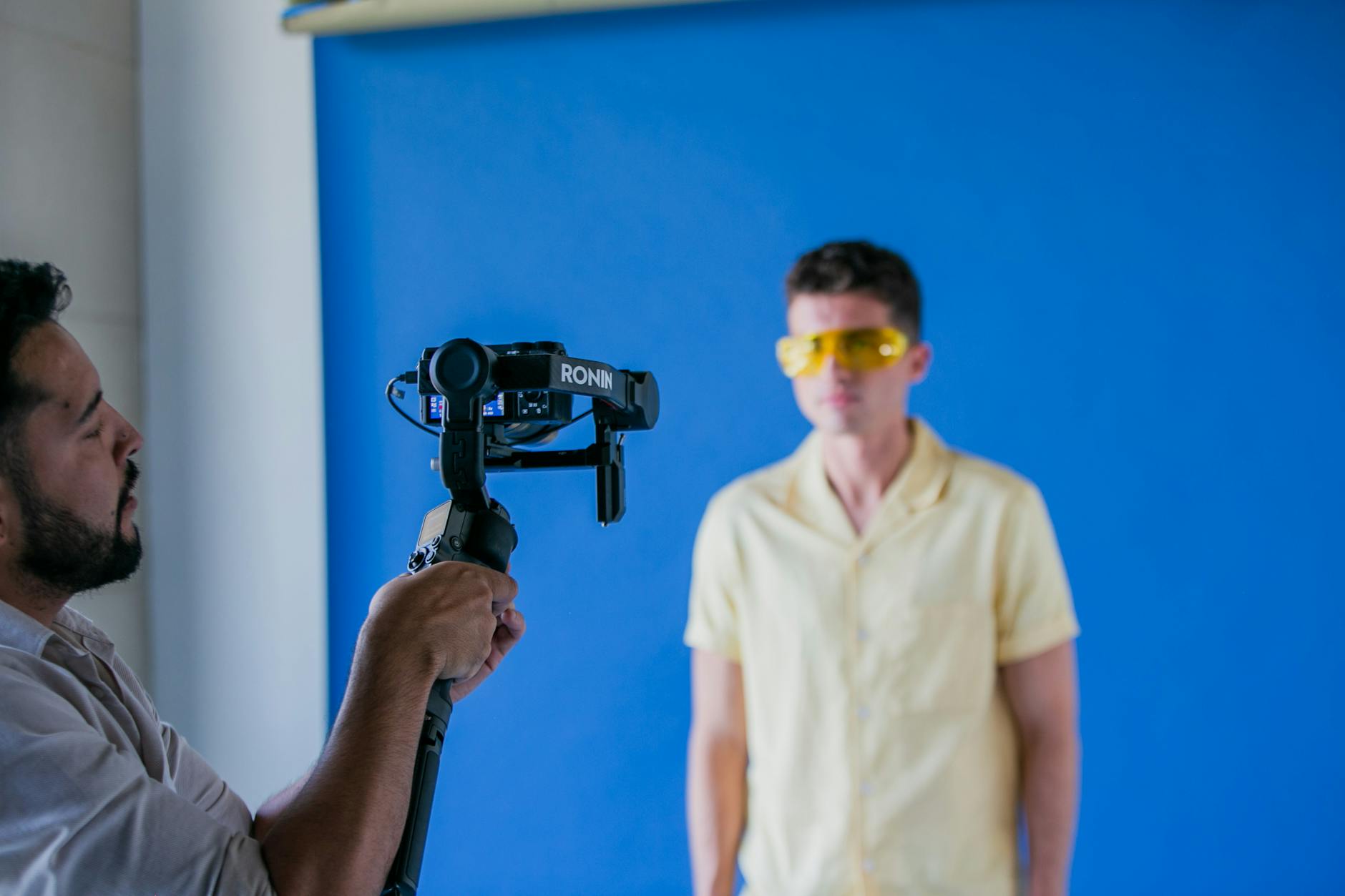
Long exposure techniques can produce stunning images during low-light periods, especially when capturing the yacht’s movement or the play of light on water. Tripods and remote shutter releases provide stability, minimizing camera shake during these extended exposures.
Ultimately, integrating these technical and artistic tactics will lead to yacht photographs that not only showcase the vessel’s beauty but also evoke the luxury lifestyle associated with such assets. Continuous practice, meticulous planning, and attention to environmental details pave the way for elevating yacht photography to the highest professional standards.
Legal Considerations in Yacht Photography
Engaging in yacht photography requires adherence to best practices that respect the rights of property owners and ensure smooth operations during shoots. Securing explicit permissions from yacht owners or charter companies prior to the session helps establish a clear understanding of usage rights and avoids potential misunderstandings. Such agreements should specify the scope of use, including promotional, advertising, or editorial purposes, and outline any restrictions on shooting times, locations, or equipment usage.
Furthermore, complying with maritime restrictions and local jurisdiction guidelines is essential. This includes obtaining necessary permits for drone operation in restricted airspaces and ensuring that aerial images do not infringe on privacy rights or maritime boundaries. Working with professionals who are well-versed in these regulations guarantees a seamless shoot and high-quality results without legal complications.
It is also advisable to maintain detailed records of authorization documentation. These records serve as proof of consent should any questions arise regarding the use of the images captured. Respecting privacy and proprietary rights not only fosters positive relationships with clients but also reflects a high standard of professionalism within the yacht photography industry.
In addition, photographers should be prepared to address challenges related to proprietary yacht designs or branding. When photographing yachts that display specific trademarks or logos, obtaining permissions for commercial use prevents potential disputes. If the images are intended for promotional purposes, clarity about rights to depict yacht branding is crucial.
Maintaining awareness of maritime and aerial photography regulations minimizes the risk of fines, project delays, or reputational damage. These practices underline a commitment to ethical standards and reinforce a reputation for delivering legally compliant, high-quality yacht imagery. Building trust through transparent and respectful engagement with yacht owners and relevant authorities ultimately elevates the professional standing of any yacht photographer.
Legal Considerations in Yacht Photography
When undertaking yacht photography, adhering to established legal protocols ensures a smooth and professional process. Central to this are obtaining the appropriate permits to operate in designated maritime areas, especially when aerial shots or drone footage are involved. Securing these permits demonstrates respect for local regulations and prevents interruptions during the shoot.
In the realm of drone usage, specific restrictions set by aviation authorities must be observed. This includes restrictions on altitude, proximity to crowded areas, and no-fly zones over private yacht facilities. Ensuring compliance with these guidelines not only safeguards the safety of the operation but also maintains the integrity of the project.
Privacy rights form a crucial aspect of yacht photography. Many yacht owners and crew members have legitimate interests in safeguarding visual privacy, particularly during private events or secluded excursions. Engagement with clients regarding which areas and moments are appropriate for photography helps establish boundaries and avoids potential conflicts.
Drafting comprehensive contracts that clearly outline the scope of work, usage rights, and any necessary approvals is fundamental. These agreements should specify authorized locations, permitted uses of images, and deadlines for delivery, providing legal clarity and facilitating mutual understanding.
Furthermore, understanding maritime laws and regulations related to the protection of proprietary yacht designs and trademarks is essential. When capturing yachts with distinctive logos or branding elements, explicit permission for commercial use ensures that proprietary rights are respected and potential disputes are avoided.
For aerial operations, compliance with drone-specific regulations becomes even more critical. This includes maintaining line-of-sight operation, adhering to altitude restrictions, and respecting no-fly zones designated for sensitive maritime or private yacht areas. Working with licensed drone operators knowledgeable in these rules minimizes risks and legal complications.
Engaging with local authorities, yacht owners, and relevant agencies throughout the planning process affirms transparency and respect for legal boundaries. Such proactive measures help establish trust, enabling high-quality yacht imagery that aligns with legal standards and enhances the professional reputation of the photographer.
Utilizing Certified Drones and Aeronautical Equipment
When incorporating aerial photography into yacht shoots, leveraging certified drone technology ensures adherence to established operational standards. Registered drones equipped with GPS and obstacle avoidance provide stable, high-quality footage while complying with spatial restrictions over maritime domains. Employing licensed drone operators who possess proper certifications guarantees safe flight practices and minimizes inadvertent infringements on protected airspaces.
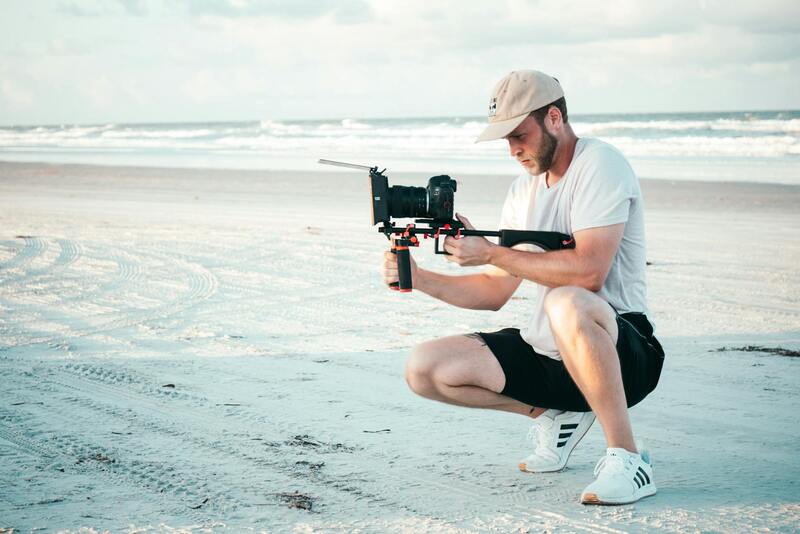
Investing in high-grade aerial imaging systems, such as multi-rotor drones with stabilized gimbals and 4K or higher resolution cameras, facilitates capturing detailed and visually compelling yacht perspectives. These tools allow photographers to explore different angles, including above-and-behind shots, showcasing yacht exteriors and decks effectively without compromising legal boundaries.
Engaging with Regulatory Bodies and Local Authorities
Collaborative communication with maritime authorities and local governmental agencies fosters a transparent environment for yacht photography projects. Securing necessary permits and authorizations before conducting aerial or water-level shoots prevents unforeseen interruptions and demonstrates respect for maritime and private properties. Establishing proactive contact with yacht owners and relevant licensing entities often results in smoother operations and mutually beneficial outcomes.
Preparation includes detailed documentation of the intended shoot plan, coordinates, and equipment details. This enables authorities to assess potential risks and grant approvals more efficiently. Such collaboration also helps address specific concerns related to proprietary yacht features, exclusive locations, and timing restrictions, thus ensuring the project proceeds smoothly and within legal parameters.
Respecting Intellectual Property and Privacy Settings
To preserve the rights of yacht owners and designers, photographers should seek explicit authorization when capturing vessels with distinctive logos, trademarks, or proprietary designs. This involves obtaining formal consent for commercial use, especially when images are intended for advertising or promotional industries. Respecting privacy preferences of yacht owners, including designated private areas, is essential to avoid conflicts and uphold professional standards.
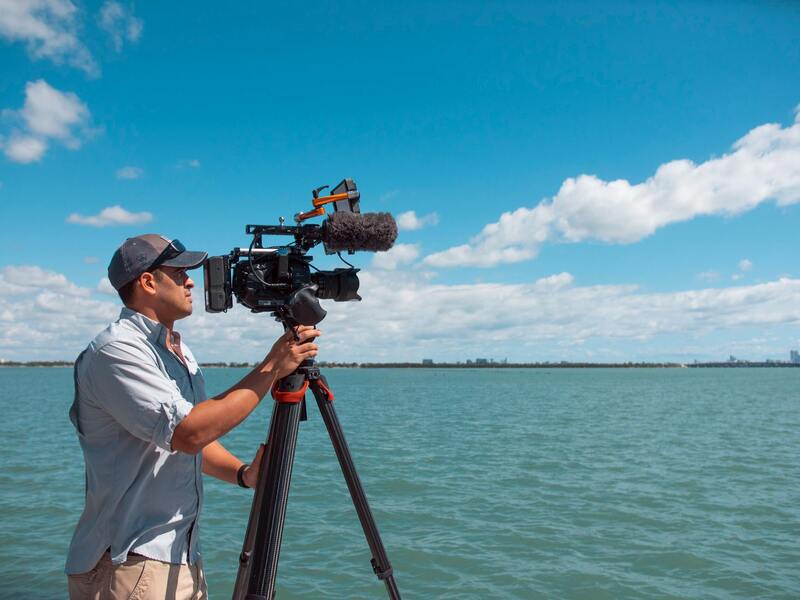
Consulting with legal or contractual experts about intellectual property rights further fortifies compliance. Clear agreements should specify how images can be utilized, distributed, or published, ensuring all parties' expectations align and legal obligations are respected, ultimately fostering a trustworthy and professional relationship.
Strategies for Promoting and Monetizing Yacht Photography
Successfully showcasing yacht photography to a broader audience and generating revenue involves a comprehensive approach that emphasizes targeted marketing, strategic partnerships, and robust distribution channels. High-quality images are just the beginning; the key lies in effectively positioning and presenting these visuals to attract potential clients, enthusiasts, and industry stakeholders.
Developing a Strong Portfolio and Online Presence
A well-curated portfolio forms the cornerstone of a successful yacht photography enterprise. It should highlight diverse vessels, scenic backdrops, and technical mastery, illustrating a photographer’s versatility and expertise. An optimized website, such as miamiproductionexperts.com, serves as a digital hub where potential clients can view galleries, read about services, and contact the photographer directly. Implementing SEO best practices on the website enhances visibility in search engine results, attracting organic traffic from yacht owners, brokers, and event organizers seeking premium imagery.
Leveraging Social Media and Industry Platforms
Social media platforms like Instagram, LinkedIn, and Facebook are invaluable tools for engaging with a niche audience passionate about yachting and luxury lifestyles. Regular posting of high-impact photos, behind-the-scenes content, and client testimonials can help build a loyal following. Tagging relevant industry profiles, utilizing targeted hashtags, and participating in online forums or groups centered around yacht ownership and yachting events amplifies reach and credibility.
Forming Strategic Partnerships and Collaborations
Establishing relationships with yacht brokers, luxury brands, and event organizers can open doors to exclusive projects and referrals. Partnering with yachting events, boat shows, and luxury lifestyle expos offers opportunities for live demonstrations, portfolio expansion, and direct engagement with prospective clients. These collaborations often lead to recurring work and help position a photographer as a trusted expert in yacht imagery.
Creating Commercial Opportunities and Licensing
Commercial licensing of yacht images enables photographers to generate revenue by licensing their photographs for use in advertisements, promotional campaigns, and editorial features. Ensuring that licensing agreements specify usage rights, duration, and territorial scope provides clarity and security. Additionally, producing bespoke content for yacht builders, interior designers, and luxury service providers further diversifies income streams and enhances professional reputation.
Participating in Industry Events and Publications
Attending yacht shows, expos, and industry conferences not only broadens a photographer’s network but also provides opportunities for live demonstrations and portfolio presentations. Securing features in yachting magazines and online publications—whether through editorial submissions or advertising—serves as an authoritative endorsement, attracting high-net-worth clients and endorsing the photographer’s position as a premium brand in the niche market.
Utilizing Print and Digital Media
Print materials such as coffee table books, catalogs, and promotional brochures offer tangible showcases of a photographer’s work, appealing to clients seeking high-end visual content. Digital media campaigns, including email marketing, targeted ads, and virtual tours, enhance visibility and foster engagement. Incorporating testimonials, case studies, and detailed descriptions of yacht photography services builds credibility and fosters client trust.