
Overview of Marine Video Production
Marine video production encompasses the specialized creation of visual content that captures the essence and dynamics of marine environments, vessels, and activities. This sector leverages advanced filming techniques to produce compelling videos that serve various sectors within the maritime industry, including commercial, recreational, and governmental activities. In the vibrant Miami area, where marine enterprises thrive and marine tourism flourishes, high-quality video content plays a critical role in business growth and public engagement.
Marine video production involves multiple processes, from pre-production planning to post-production editing, all tailored to showcase the unique aspects of aquatic environments. This field requires a deep understanding of marine ecosystems, vessel operations, safety protocols, and environmental considerations to ensure each shoot adheres to professional standards. Its importance extends beyond mere visual appeal; effective marine videos support marketing campaigns, provide insightful documentation of marine projects, and facilitate coverage of marine events such as yachting races, boat shows, and maritime festivals.
Significance for the Miami Industry
Miami stands as a pivotal hub for marine activities in the United States, with bustling ports, luxury yachts, and a thriving tourism sector. The importance of marine video production in this context is reflected through its ability to visually communicate the vibrancy, sophistication, and operational scope of Miami’s maritime culture. Businesses ranging from yacht brokers to maritime service providers utilize professionally produced videos to differentiate their offerings in a competitive market. Additionally, marine videos serve as powerful tools for environmental conservation awareness, illustrating marine ecosystems and promoting sustainability initiatives.
Moreover, marine video content enhances branding efforts by capturing the essence of the Miami coastline and its marine lifestyle, attracting potential clients, investors, and tourists. It also plays a vital role in documenting marine projects such as infrastructure developments or vessel inspections, providing clear visual records for stakeholders. As Miami continues to expand its maritime infrastructure and tourism, the demand for compelling, high-quality marine video production remains consistently high.
Applications of Marine Video Production
- Marketing and promotional campaigns for yachts, boats, and marine services
- Project documentation and progress tracking for marine construction and repairs
- Coverage of marine events, regattas, and boat shows
- Educational content highlighting marine ecosystems and environmental initiatives
- Instructional videos for safety training and operational procedures
Understanding these applications underscores how integral marine video production has become for advancing the visibility and operational efficacy of the maritime sector in Miami. Skilled production teams undertake these projects by combining technical expertise with industry knowledge to deliver impactful content that resonates with target audiences.
Key Elements of Marine Video Production
Effective marine video production hinges on several critical elements that ensure the final product accurately showcases the subject while maintaining high production standards. One fundamental aspect is pre-production planning, where detailed storyboards and shot lists are developed to streamline the filming process and set clear expectations. This phase involves coordination with clients to understand their goals, target audiences, and specific marine assets to be highlighted, ensuring that each shot serves a strategic purpose.
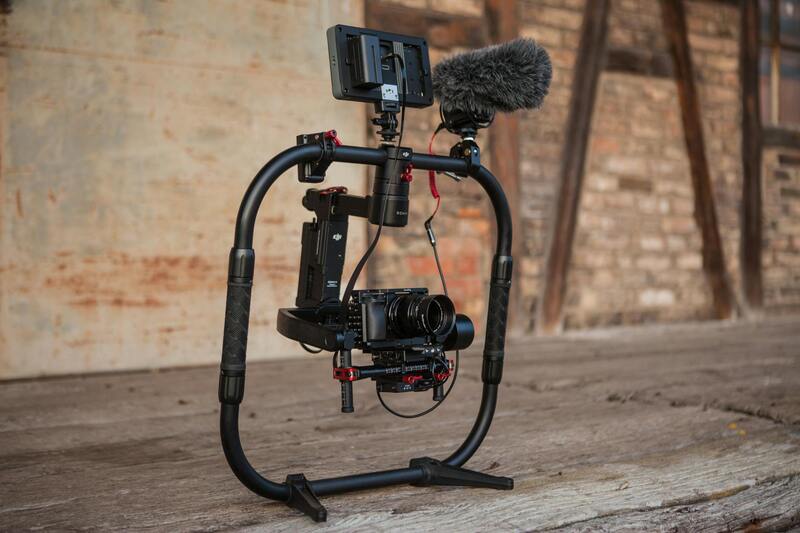
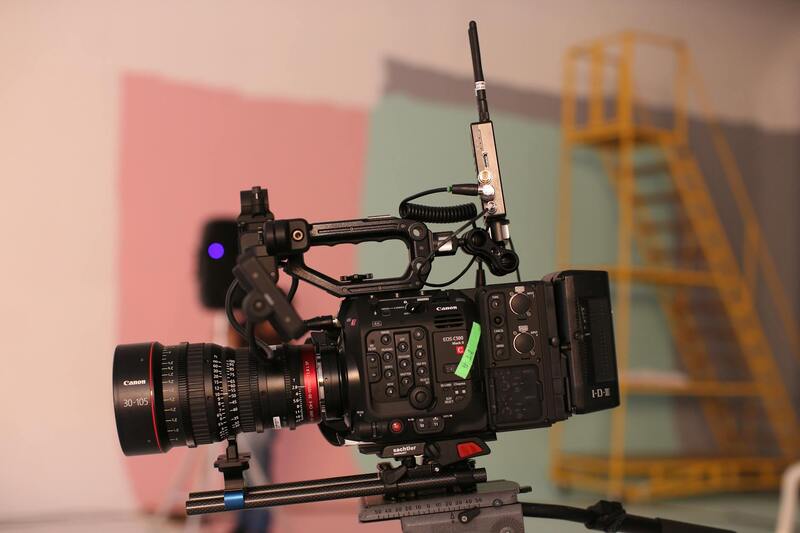
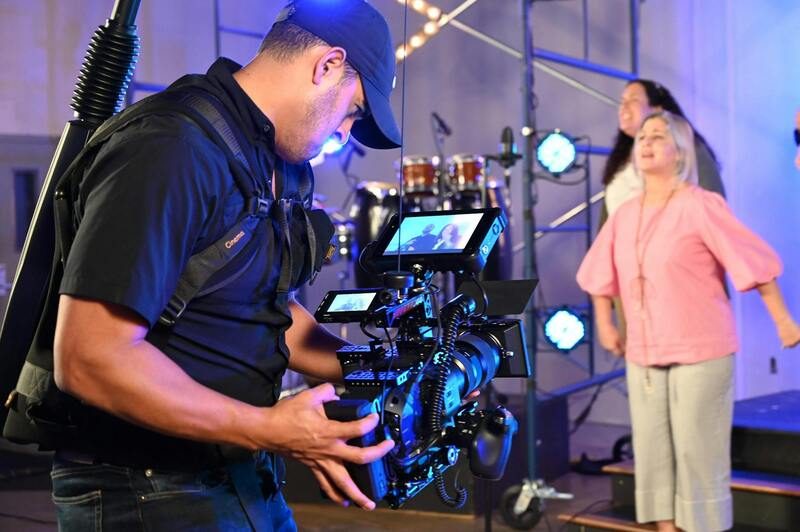
During the production phase, specialized equipment is essential to capture dynamic marine imagery under challenging conditions. Stabilized cameras, underwater housings, drone footage, and high-resolution video gear enable filmmakers to achieve crystal-clear visuals of vessels, marine life, and coastal scenery. Employing stabilizers and gimbals is particularly vital for smooth footage when operating on moving water, while waterproof cameras are necessary for underwater shots.
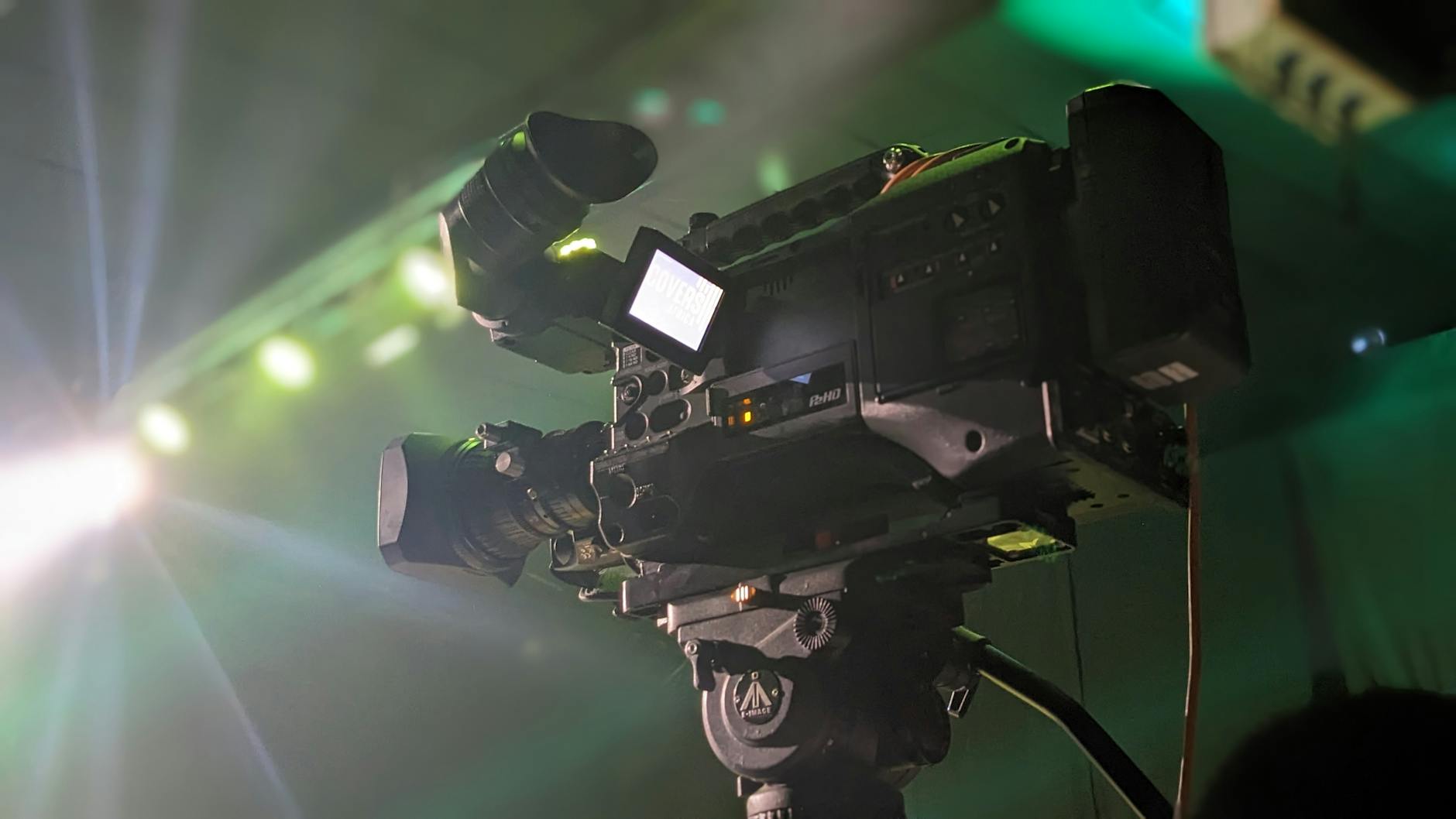
Lighting also plays a crucial role in marine environments, often requiring additional gear such as underwater lights or reflectors to compensate for the natural lighting limitations beneath the water surface. Sound recording, which can be challenging on moving vessels, often involves isolating ambient noise and utilizing directional microphones to capture clear audio for narrations or interviews.
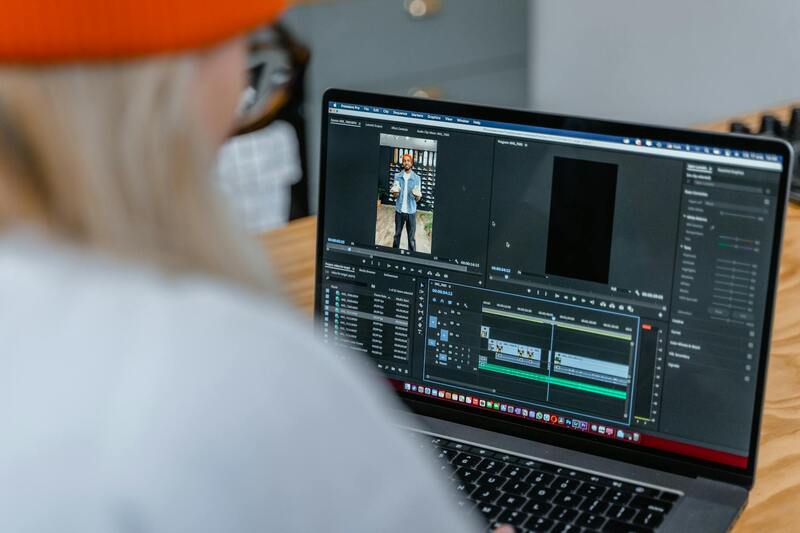
Post-production is equally important, involving meticulous editing to synchronize visuals with background music, voiceovers, and graphics. Color grading techniques enhance the vibrancy of marine scenes, emphasizing the brilliance of underwater ecosystems or the sleek lines of luxury yachts. The integration of motion graphics or informational overlays can help convey complex data or educational content effectively.
For marine videos, adherence to safety protocols during filming is paramount. Proper planning, weather assessments, and the use of safety gear for crew members help mitigate risks during shoots conducted offshore or in challenging weather conditions. Moreover, maintaining environmental responsibility by respecting marine habitats and adhering to local regulations ensures the preservation of the area and the integrity of the footage.
Key Elements of Marine Video Production
Crafting high-quality marine videos demands meticulous attention to several key elements that distinguish successful filming from amateur efforts. The complexity of marine environments necessitates equipment and techniques specifically designed to withstand and adapt to conditions such as saltwater exposure, high humidity, and constant movement. As such, specialized gear and proven methodologies are fundamental for capturing compelling visuals that meet industry standards.
Specialized Equipment
The backbone of marine video production is the deployment of equipment tailored for ocean and water-based environments. This includes waterproof cameras with robust housings that prevent water ingress and withstand salt corrosion. Stabilized gimbals are essential for maintaining smooth footage on moving vessels or during underwater maneuvers. Drone technology, equipped with waterproof enclosures or designed for extended flight times over water, offers unique aerial perspectives that can elevate the cinematic quality of marine videos. Additionally, underwater lighting gear, such as waterproof LED lights, restores color contrast and detail lost beneath the water surface, thereby enhancing underwater shots.
Underwater Filming Techniques
Underwater filming requires a combination of technology and skill. Using specialized underwater housings for cameras enables filmmakers to capture clear, vibrant imagery beneath the surface. Techniques such as RAW video recording and color correction are employed to compensate for the natural loss of color depth underwater. Buoyancy control and precise navigation through currents allow for stable shots of marine life, shipwrecks, or aquatic landscapes. Skills in underwater lighting positioning and the manipulation of filters are vital to highlight vibrant coral reefs, schools of fish, or marine artifacts, bringing underwater scenes to life with vivid detail.
Drone Usage
The integration of unmanned aerial vehicles (UAVs) in marine projects provides dramatic overhead views of coastline dynamics or vessel movements. Drones designed for water environments can capture sweeping panoramic shots that convey scale and context. Safety protocols for drone operations in marine settings ensure minimal disturbance to wildlife and compliance with local regulations while delivering stunning visuals necessary for promotional, educational, or cinematic projects.
Safety Procedures in Marine Filming
Ensuring safety is non-negotiable in marine video production. This involves pre-shoot risk assessments, weather monitoring, and the use of personal protective equipment for crew members. Proper planning includes contingency measures for emergencies and the implementation of communication protocols. Safety gear such as life jackets, harnesses, and safety lines, along with comprehensive training for crew members on handling equipment and reacting to marine hazards, are standard. Moreover, environmental considerations, including respecting marine habitats and adhering to local regulations, are integral to responsible filming, helping to protect ecologically sensitive areas while capturing authentic footage.
Legal and Official Methods for Marine Video Production in Miami
Executing marine video production in Miami requires adherence to a set of established procedures that ensure both safety and quality while respecting marine environments. One of the primary steps involves obtaining proper permits from local maritime authorities and environmental agencies. These permits outline the scope of filming activities, designated protected areas, and specified operational guidelines. Secure documentation is essential prior to commencing any filming activities in marine settings to guarantee compliance with regional regulations.
Planning the approval process involves collaborating with relevant agencies and submitting detailed project proposals. These proposals should encompass the objectives of the shoot, the equipment to be used, safety measures in place, and plans to mitigate any environmental impact. Having a clear plan approved by the authorities streamlines operations and reduces potential interruptions or legal complications.
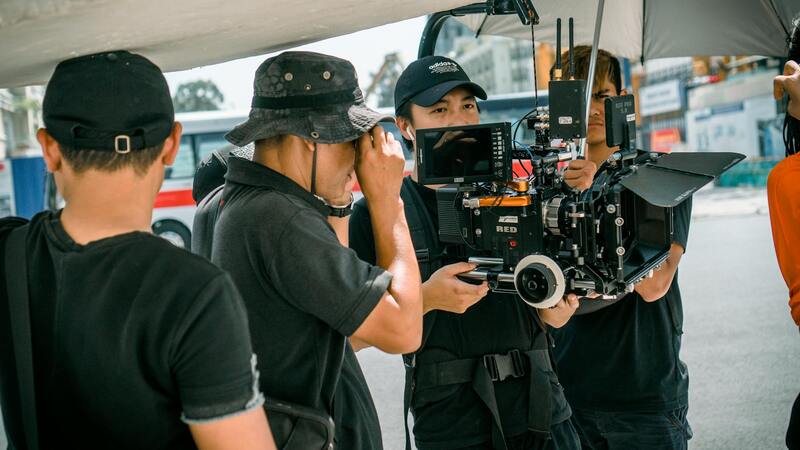
Strict adherence to safety standards is integral. This includes preparing comprehensive risk assessments, matching safety protocols with the specific demands of marine environments, and ensuring that all crew members are trained appropriately. Utilizing certified professional divers, vessel operators, and safety personnel enhances operational efficiency and safety during filming.
Utilizing specialized marine equipment that meets professional standards is also critical. This encompasses waterproof camera housings, stabilized mounts, and remotely operated vehicles designed for aquatic conditions. Employing state-of-the-art technology helps in capturing high-quality footage while safeguarding equipment from the harsh marine environment.
Respect for marine ecosystems remains a cornerstone of legitimate marine video production. This entails adhering to environmental guidelines, maintaining minimal disturbance to wildlife, and avoiding protected habitats unless explicitly permitted. Using environmentally conscious practices aligns production activities with the region’s conservation priorities and professional standards.
In addition, compliance with regional maritime traffic regulations and coordination with local port authorities helps prevent conflicts with commercial or recreational vessels. Proper communication and planning are fundamental to avoid disruptions and to facilitate smooth operations in busy waters like Miami’s bustling coastline.
Essential Methods for Effective Marine Video Production
Utilizing Advanced Filming Techniques
Achieving professional-grade visuals in marine environments demands the use of specialized filming techniques designed to handle the unique challenges posed by water and marine conditions. Dynamic shot compositions, underwater sequences, and panoramic views are often captured using a combination of stabilized camera platforms and remote-controlled equipment. These techniques enable videographers to produce compelling visuals that highlight the beauty and scale of marine landscapes, vessels, and wildlife.
Incorporating underwater stabilization systems ensures footage remains steady despite water currents or movement of vessels. Additionally, employing high-speed cameras allows filmmakers to capture fast-moving marine life or rapid water interactions with crisp detail. The strategic use of time-lapse and slow-motion footage further enhances storytelling by revealing intricate behaviors and environmental changes over periods of time.
Employing Specialized Marine Equipment
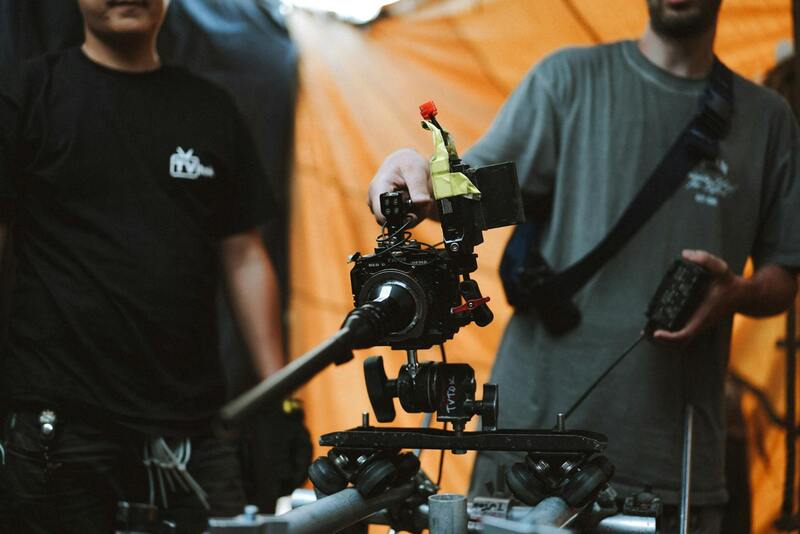
High-quality marine video production relies heavily on the right equipment, tailored for aquatic conditions. Waterproof camera housings are fundamental, safeguarding sensitive gear from moisture and water ingress. Stabilization mounts, such as gimbals and gyro-stabilized rigs, are essential for maintaining smooth footage on bouncing boats or when operating remotely. For aerial perspectives, drone technology has advanced to include waterproof and weather-resistant models capable of capturing expansive views from above.
Remote-operated vehicles (ROVs) equipped with high-definition cameras provide access to underwater environments that are difficult or unsafe for human divers. These vehicles can explore depths, gather close-up footage of marine life, and inspect underwater infrastructure with precision. Coupled with high-intensity lighting systems, this equipment ensures visibility in deep or murky waters, offering comprehensive footage for commercial or documentary projects.
Implementing Environmentally Conscious Practices
Respecting marine ecosystems throughout the production process is paramount. This involves meticulous planning to minimize disturbance to wildlife and habitats. Professionals utilize eco-friendly techniques such as deploying non-invasive camera setups and avoiding sensitive breeding grounds during critical periods. Strict adherence to regional guidelines and environmental protocols affirms the commitment to sustainability and responsible filmmaking.
Coordination with local authorities and maritime traffic control teams facilitates smooth operations, especially in busy waterways. Well-organized scheduling and communication help prevent conflicts with vessels, boats, and recreational watercraft. Employing route planning and real-time tracking ensures filming activities are conducted safely and efficiently, with minimal impact on marine traffic.
Harnessing Cutting-Edge Technologies
The evolution of marine video production is driven by technological innovations that expand creative possibilities. 4K and even 8K resolution cameras provide ultra-high-definition footage, capturing every detail of the marine environment. Integrating live streaming capabilities allows remote audiences to experience the spectacle in real-time, which is valuable for educational, promotional, or broadcast purposes.
Artificial intelligence and machine learning algorithms are increasingly used for post-production editing, stabilization, and enhancing image quality. These advancements enable filmmakers to produce visually stunning content efficiently while maintaining high standards of production quality. As technology continues to evolve, marine video production approaches are becoming more sophisticated, allowing storytellers to craft more immersive and impactful narratives about our oceans and waterways.
Utilizing Approved Methods for Filming
Executing marine video production involves strict adherence to authorized modes of operation to ensure the safety and integrity of the marine environment. Use of accredited vessels, compliant with regional maritime regulations, is fundamental. These vessels are equipped with the latest communication and navigation systems to facilitate seamless coordination with maritime authorities and other watercraft.
Employing officially approved techniques such as drone surveillance, remote-controlled underwater robots, and stabilized camera rigs enables capturing high-quality footage while maintaining the safety of crew and marine life. These methods are optimized for minimal disturbance, allowing filmmakers to record authentic marine behaviors and landscapes without adverse impacts.
Training and certification of crew members are essential components, ensuring all personnel are well-versed in operational protocols and emergency procedures. This professional approach guarantees that each filming session complies with established guidelines, mitigates risks, and preserves the marine environment's health.
Integrating approved software for planning and managing filming schedules enhances efficiency and reduces logistical conflicts. Real-time communication channels with maritime authorities, navigation services, and on-site support teams help coordinate movement, prevent conflicts with watercraft, and adapt to dynamic marine conditions.
Image Placeholder:
Application of Marine Videos in Miami
In Miami, marine video production serves a wide array of strategic uses that leverage the unique coastal and maritime environment of the region. From showcasing luxury yachts and marine leisure activities to documenting environmental conservation efforts, professional marine videos are integral to Arts & Entertainment, corporate branding, and tourism promotion. These videos help local businesses stand out in a competitive market, offering immersive visual experiences that highlight Miami's vibrant maritime lifestyle.
Commercial entities frequently deploy high-quality marine videos to promote yacht charter services, boat sales, luxury resorts, and water sports activities. These visuals help persuade potential clients by effectively illustrating the allure of Miami’s coastal attractions. Moreover, marine videos are essential in real estate marketing for waterfront properties, providing prospective buyers with comprehensive views of the location and surroundings.
Environmental organizations also utilize marine video content to raise awareness about marine conservation and habitat preservation. By capturing authentic oceanic habitats and marine wildlife, these videos foster a greater understanding of marine ecosystems and promote sustainable practices. Additionally, Miami-based research institutions rely on high-resolution footage to monitor marine conditions, support scientific studies, and demonstrate findings visually to stakeholders.
Furthermore, marine videos play a strategic role in the burgeoning tourism industry by offering virtual tours, promotional advertisements, and event coverage. Tourists from around the globe can explore Miami’s marine attractions, such as coral reefs, boat festivals, and fishing tournaments, through visually captivating content. These initiatives not only enrich visitor experience but also stimulate economic growth within the community.
Given Miami's dynamic water environment, marine film productions must adhere strictly to authorized operational practices. This ensures the protection of marine ecosystems while delivering visually compelling content. Employing accredited vessels and approved filming methods preserves the natural beauty of the region, balancing commercial objectives with environmental stewardship.
Future Trends in Marine Video Production
Emerging Technologies Shaping the Industry
Advancements in technology are revolutionizing marine video production, introducing new possibilities for capturing stunning oceanic visuals with unprecedented clarity and depth. High-definition 4K and 8K cameras are becoming standard, enabling filmmakers to produce highly detailed content that vividly showcases marine environments. Additionally, the integration of robotic and autonomous underwater vehicles (AUVs) allows for footage from depths and conditions previously unreachable, expanding the horizons of marine cinematography.
Drone technology continues to evolve with waterproof and stabilized models, providing dynamic aerial perspectives of the coastline and marine activities. These drones facilitate smooth, high-quality shots over water bodies, capturing expansive views and close-up marine subjects without disturbing their natural habitat. Virtual reality (VR) and augmented reality (AR) are also gaining traction, offering immersive experiences for viewers who can virtually explore coral reefs, shipwrecks, and marine ecosystems from any location.
Sustainability and Eco-Conscious Production Practices
As awareness of marine conservation grows, production companies are adopting more sustainable practices. This includes using eco-friendly equipment, minimizing noise pollution, and employing environmentally conscious operational methods. Some firms now prioritize renewable energy sources for their vessels and devices or work closely with authorities to ensure their activities align with marine preservation efforts. This shift not only helps protect delicate ecosystems but also appeals to clients seeking responsible content creation.
Demand for Immersive and Interactive Content
The increasing appetite for engaging visual content fuels demand for immersive experiences that go beyond traditional filming. Interactive videos that allow viewers to explore marine environments from multiple angles or access detailed information about objects and species enhance engagement. Such content is particularly valuable in tourism marketing, educational platforms, and scientific studies, where providing a comprehensive understanding of marine settings is essential.
With the integration of 3D modeling and real-time data overlays, future marine videos could offer in-depth insights into ocean conditions, marine life behaviors, and environmental changes. These technologies will enable content creators to deliver not just visually compelling but also highly informative and interactive experiences.