
Understanding the Role of a Yacht Photographer
A yacht photographer specializes in capturing stunning images of luxury vessels, both on the exterior and interior, to meet the diverse needs of yacht owners, brokers, manufacturers, and marketing agencies. Their primary responsibility is to highlight the yacht’s design, craftsmanship, and elegance through professionally crafted images that resonate with prospective clients and industry stakeholders. This role demands a blend of technical skill, artistic vision, and an understanding of maritime aesthetics.
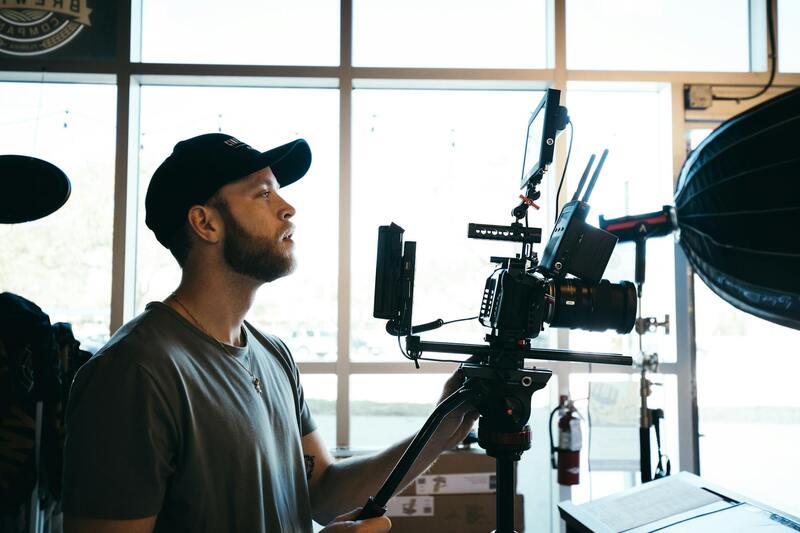
To excel in yacht photography, a photographer must possess a comprehensive knowledge of camera equipment, lighting techniques, and composition principles. They should be adept at working with various angles tailored to showcase the yacht’s most appealing features, from sleek hull lines to luxurious interior finishes. An eye for detail is crucial, especially when capturing nuanced features such as intricate woodworking, opulent upholstery, and high-end amenities.
In addition to technical proficiency, effective communication and client collaboration are integral aspects of the profession. Yacht photographers often work directly with owners, marketing teams, or brokers, requiring them to interpret client visions and translate them into compelling visual narratives. This involves understanding the specific goals for each shoot, whether for promotional catalogs, online listings, or yacht showcases at exhibitions.
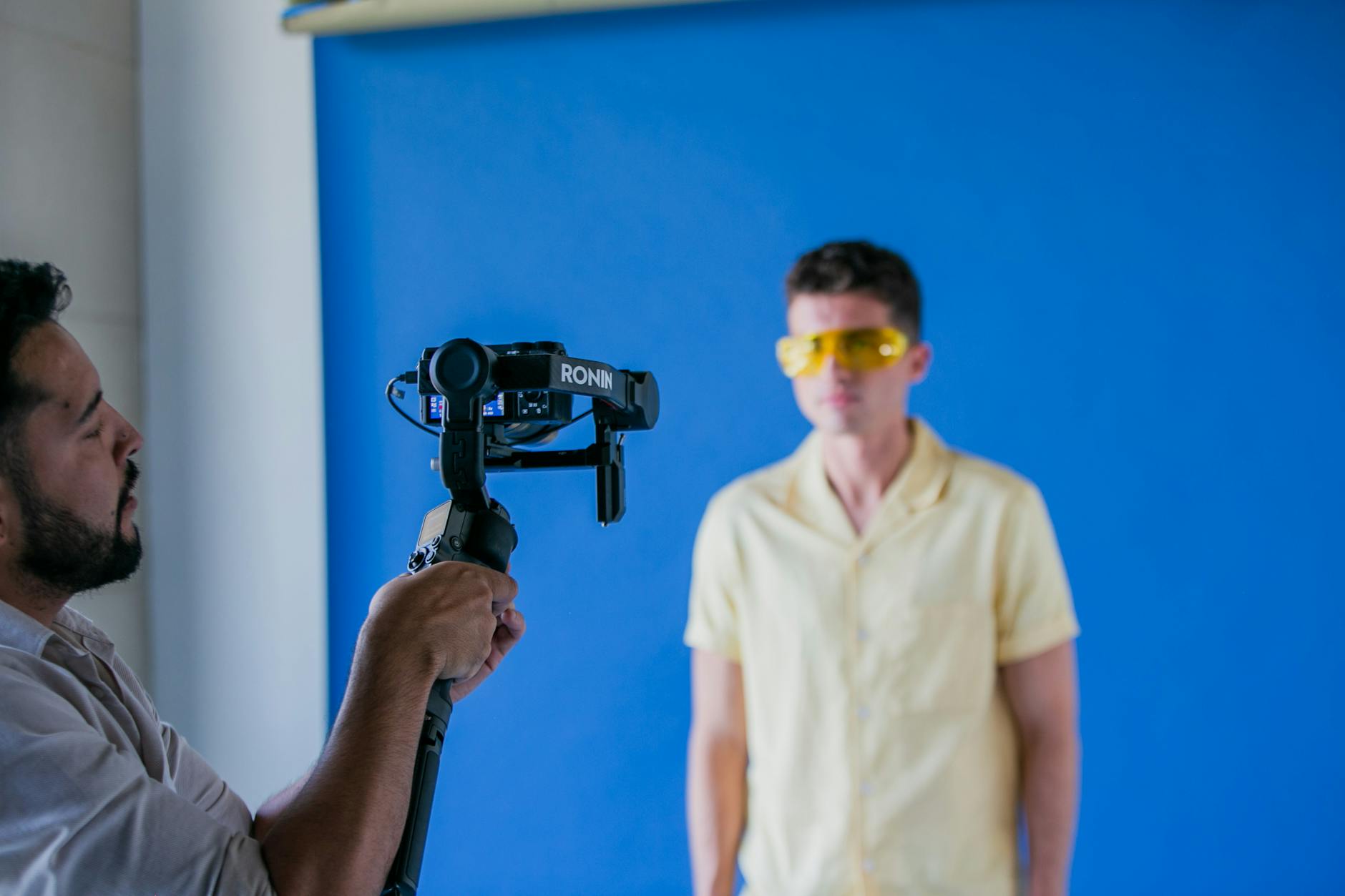
While the core responsibilities revolve around capturing the vessel, a yacht photographer's role extends into post-production editing to refine images and ensure they align with brand standards. Crafting a final product that captures the yacht’s grandeur, highlights intricate details, and presents the vessel in the best light involves both technical editing skills and a keen artistic sense.
Overall, a yacht photographer must combine a passion for maritime luxury with expert photographic techniques. This fusion of skills enables them to produce imagery that not only meets functional marketing needs but also elevates the yacht’s visual appeal, helping clients attract discerning buyers or viewers worldwide. Mastery of this discipline ultimately ensures that the yacht’s visual presentation exudes sophistication and invites engagement from a targeted audience.
Key Equipment and Settings for Yacht Photography
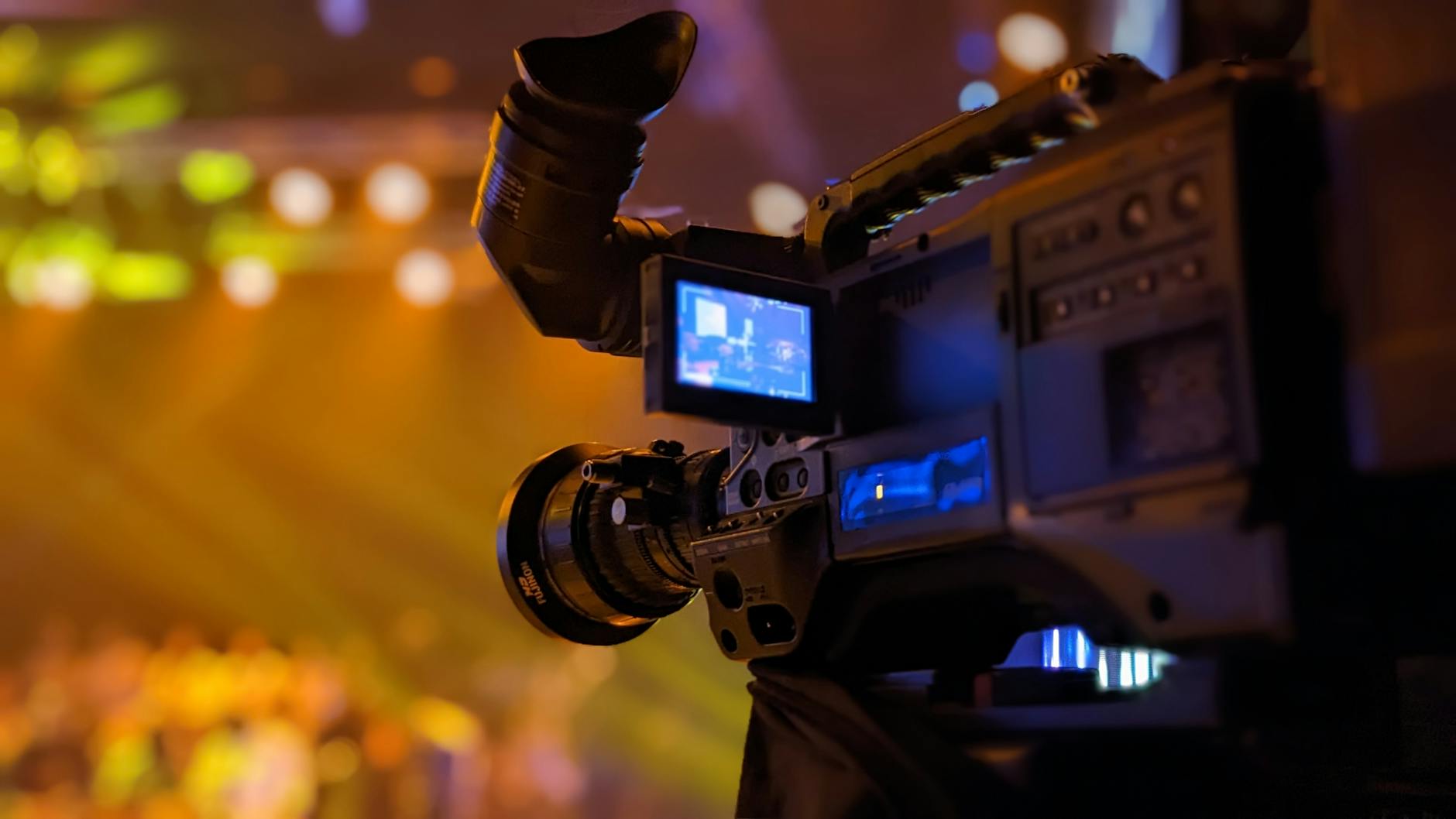
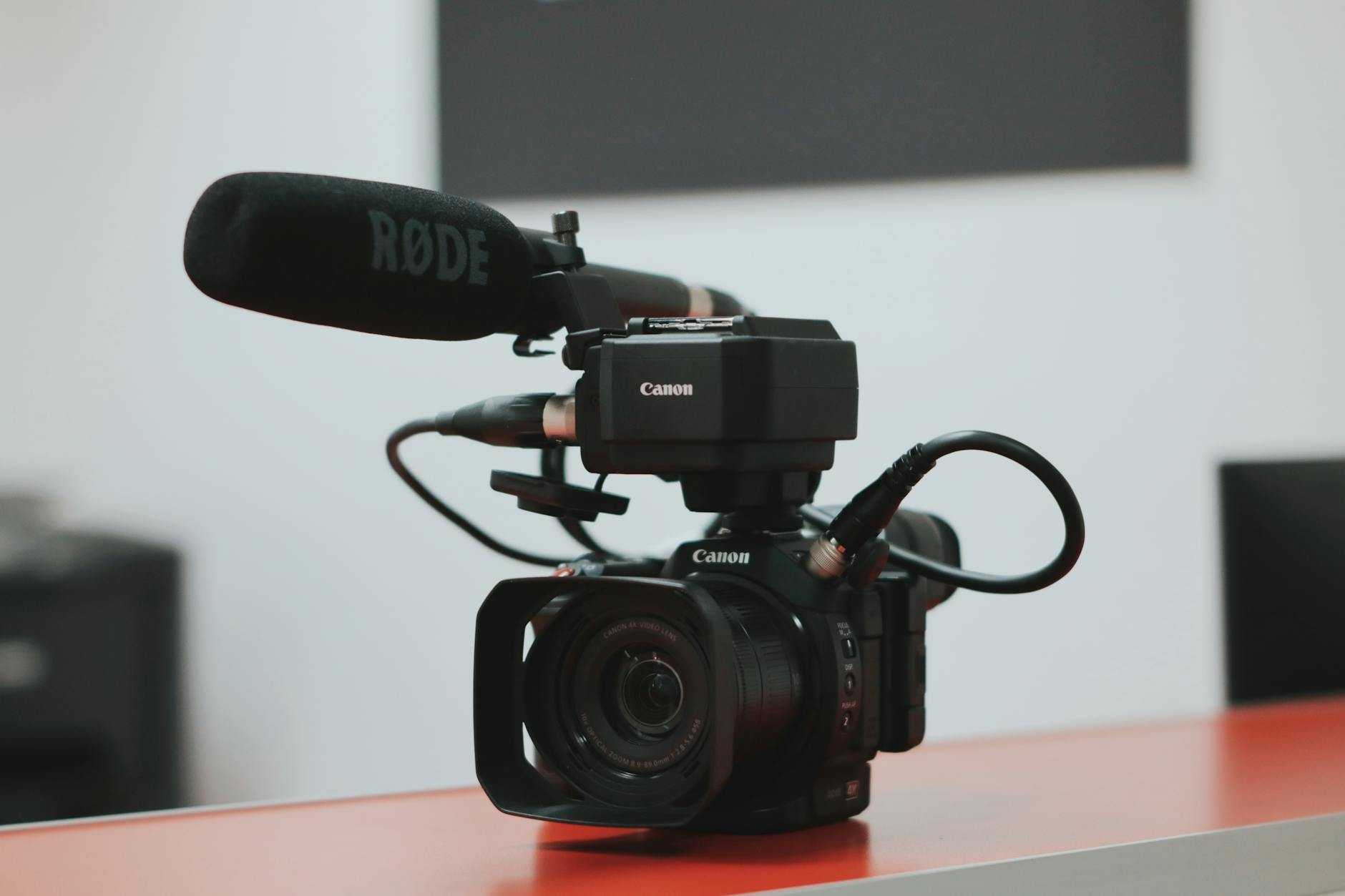
Achieving stunning visual results in yacht photography relies heavily on the right selection of equipment and precise camera settings tailored to various environmental conditions. The foundation begins with high-resolution digital cameras capable of capturing intricate details and expansive dimensions. Full-frame DSLR and mirrorless cameras are preferred for their superior image quality, dynamic range, and adaptability to challenging lighting scenarios.
Complementing the camera body, a selection of professional lenses is essential. Wide-angle lenses, typically in the range of 16mm to 35mm, are ideal for capturing the broad exterior of yachts or expansive deck layouts. Telephoto lenses (70mm to 200mm) are invaluable for detail shots from a distance, such as intricate fittings or branding elements, while macro lenses allow for close-up shots that highlight craftsmanship.
Utilizing drones has revolutionized yacht photography by providing unique aerial perspectives that showcase the vessel’s size, design flow, and surrounding scenery. A drone with a high-resolution camera, stabilized gimbal, and obstacle avoidance capabilities ensures safety and image clarity, especially in complex coastal or harbor settings.
Camera settings should be adjusted diligently to adapt to varying lighting and weather conditions. During daylight shoots, shooting in aperture priority mode with a narrow aperture (f/8 to f/16) ensures sharpness across the entire scene, from the foreground to the background. ISO settings are kept low (ISO 100-400) to prevent noise, especially in well-lit conditions. For sunset or sunrise captures, higher ISO settings may be necessary, complemented by wide apertures to gather more light.
Shutter speed is vital for freeze-framing mornings on the deck or capturing the motion of water around the yacht’s hull. Fast shutter speeds (1/1000s or higher) are used for fast-moving subjects or when photographing in windy conditions, while slower shutter speeds can be employed creatively with stabilization techniques to evoke motion or tranquility.
Proper use of filters, such as polarizers or ND filters, can enhance image quality by reducing glare, managing reflections on water surfaces, and balancing exposure, especially in harsh sunlight or reflective surfaces. Maintaining equipment in a protective case and using weather-resistant gear are also critical considerations for maritime environments where salt spray and humidity can affect camera performance.
In summary, the combination of high-grade equipment, well-chosen lenses, drone technology, and adaptable camera settings forms the foundation for producing captivating yacht images under diverse conditions. Mastery of these tools allows yacht photographers to present vessels in their best light, emphasizing their elegance, craftsmanship, and connection to their maritime surroundings. Consistent technical knowledge combined with aesthetic sensibility ensures each shot contributes meaningfully to a compelling visual portfolio.
Techniques for Capturing Yacht Exteriors
Capturing the grandeur and elegance of yacht exteriors demands a strategic approach that highlights the vessel’s design and its interaction with the surrounding environment. An effective exterior shot emphasizes the yacht’s lines, craftsmanship, and the interplay of light and water, creating an impression of luxury and sophistication.
Utilizing natural light, particularly during the golden hour—shortly after sunrise or before sunset—serves to enhance the yacht's color palette and create a warm, inviting glow. Positioning the vessel with consideration for reflection and backdrop ensures the yacht’s profile is accentuated against the water and sky. Incorporating the surrounding landscape or marina context can further elevate the visual narrative, providing a sense of location and scale.
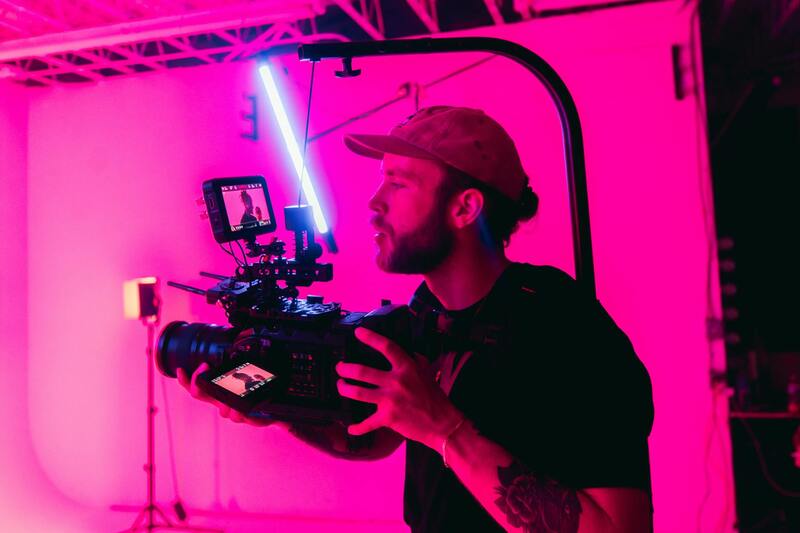
Wide-angle lenses are often employed to capture the full breadth of the yacht’s exterior, from bow to stern, while telephoto lenses are useful for isolating specific design details or features. To achieve sharp, distortion-free images, a tripod stabilizes the camera, particularly in low-light conditions or when employing slower shutter speeds for creative effects. Polarizing filters are instrumental in reducing surface glare and water reflections, resulting in cleaner images with vibrant colors.
- Choose optimal lighting conditions, preferably during sunrise or sunset.
- Use a wide-angle lens for comprehensive shots and telephoto for detail captures.
- Stabilize your camera with a tripod to prevent motion blur.
- Incorporate polarizer filters to manage reflections and glare.
- Experiment with different angles to find the most flattering perspective.
- Include surrounding elements like water or dock architecture for contextual interest.
Photography of Yacht Interiors and Lifestyle
Interior yacht photography demands an eye for detail and an understanding of spatial composition. Showcasing luxurious interiors requires strategic lighting and preparation, including opening up curtains, turning on ambient lights, and adjusting natural light to illuminate key areas without causing overexposure or harsh shadows. This approach creates inviting, authentic images that convey comfort and elegance.
Highlighting lifestyle aspects involves capturing moments that resonate with potential clients, such as guests relaxing in plush lounges, chefs preparing gourmet meals, or crew providing attentive service. Employing a combination of wide shots and intimate close-ups reveals the yacht's functionality and lavish features, illustrating a complete story of the vessel’s atmosphere and capabilities.
Proper staging and prop placement are essential to evoke a lifestyle narrative, making spaces appear warmer and more inviting. Additionally, implementing wide apertures allows for shallow depth of field effects that draw attention to specific details, such as decorative ornaments or unique design elements.
- Ensure windows and openings are clean to maximize natural light.
- Use additional lighting carefully to avoid uneven brightness.
- Capture both wide-angle shots of major spaces and close-ups of details.
- Incorporate lifestyle elements to tell a story of leisure and comfort.
- Maintain a sense of proportion and spatial harmony in compositions.
Post-Processing and Editing for Yacht Photos
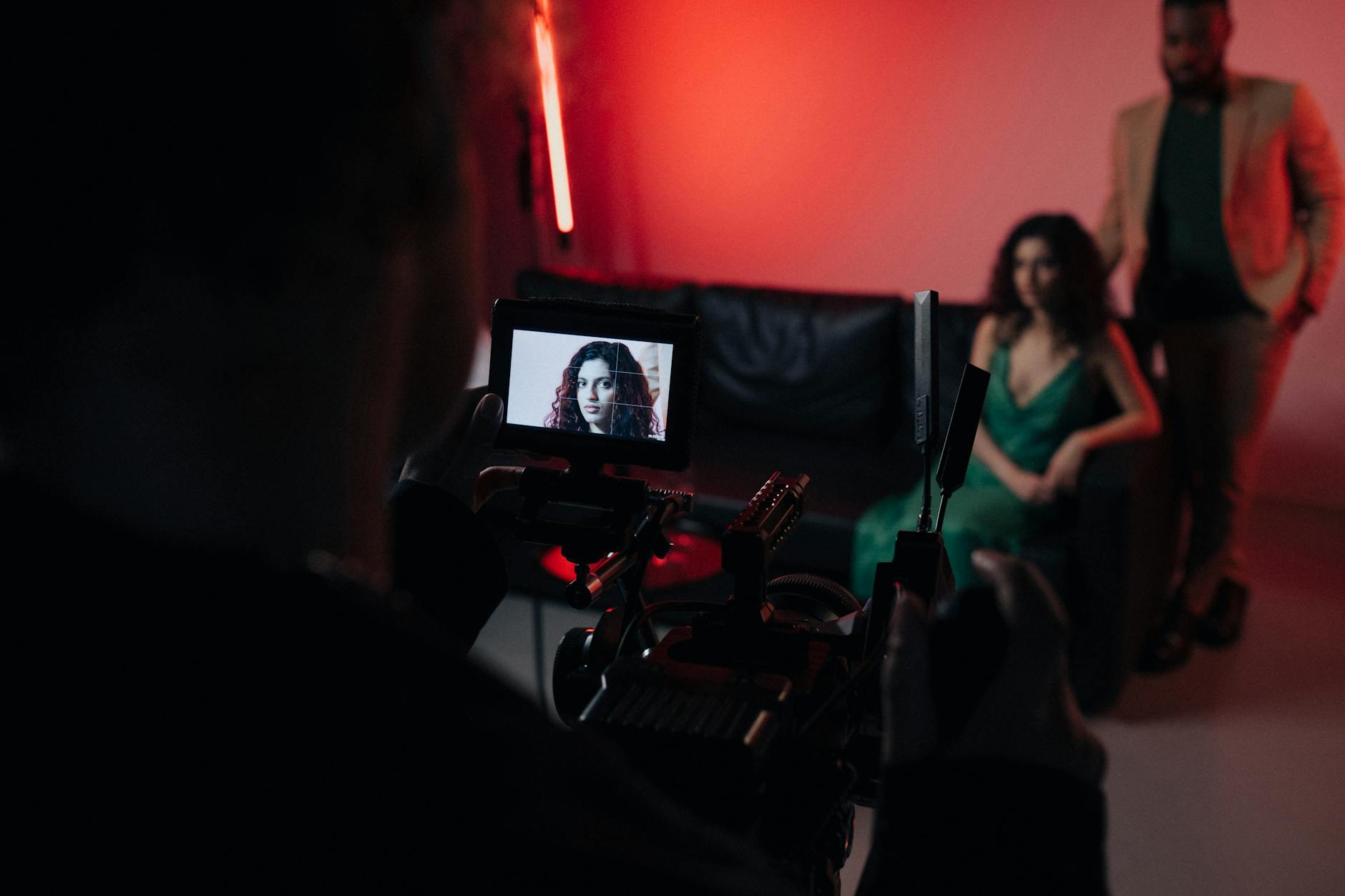
Post-processing is vital in refining yacht images to meet high standards of clarity, color accuracy, and visual appeal. Adjustments typically include balancing exposure, fine-tuning contrast, and enhancing sharpness to recover details in highlights and shadows. Color correction ensures that hues appear natural and true to the scene, especially important for showcasing the yacht’s exterior paintwork or interior finishes.
Retouching may involve removing distracting elements such as lens flare, reflections, or minor imperfections, while preserving the authenticity of the scene. Techniques like HDR merging can be employed to capture the full dynamic range when dealing with high-contrast lighting conditions, ensuring that both bright and dark areas are visible and balanced.
Maintaining a consistent editing style across a portfolio reinforces the photographer’s professional brand and ensures that images resonate cohesively with target audiences. Advanced editing software provides tools for precise adjustments and creative enhancements, allowing the photographer to elevate the visual storytelling of each yacht.
- Adjust brightness, contrast, and sharpness for clarity.
- Use HDR techniques for high-contrast scenes.
- Correct color tones to match real-life conditions.
- Retouch minor imperfections or distractions.
- Maintain a cohesive style that reinforces your branding.
Understanding the Role of a Yacht Photographer
A yacht photographer serves as a visual storyteller, capturing the allure, grandeur, and distinctive features of luxury vessels through expertly crafted images. Their role extends beyond merely taking pictures; they are responsible for creating compositions that highlight the yacht's craftsmanship, design, and environment in a way that appeals to potential clients and enthusiasts alike. Skilled yacht photographers understand the nuances of maritime environments, including the importance of timing, lighting, and angles to showcase the yacht’s best attributes.
Professional yacht photography requires an in-depth understanding of both the technical and aesthetic aspects of image capture. This includes mastering advanced camera techniques, utilizing appropriate lens choices to emphasize scale and detail, and understanding how to work effectively within various lighting conditions. The photographer must also be adept at managing reflections, weather influences, and dynamic surroundings to produce images that accurately represent the yacht’s opulence.
In addition to technical expertise, a yacht photographer must develop a keen eye for storytelling. Each shoot aims to evoke a sense of luxury, adventure, or tranquility, depending on the client's brand and target audience. They often collaborate closely with yacht owners, brokers, and marketing teams to identify which features should be highlighted and how best to frame each shot for maximum visual impact.
The importance of authenticity and attention to detail cannot be overstated. High-quality images serve as crucial marketing assets in a competitive marketplace, making the role of the yacht photographer central to a vessel’s visual identity. Whether capturing the vessel against scenic backdrops, showcasing interior design, or portraying lifestyle elements, these professionals ensure every image meets the standards of clarity, composition, and aesthetic excellence.
Key Equipment and Settings for Yacht Photography
Effective yacht photography hinges on selecting the right equipment and utilizing optimal camera settings to adapt to variable conditions at sea and dockside. Professional-grade DSLR or mirrorless cameras form the backbone of a yacht photography toolkit, offering the high resolution and low-light capabilities necessary for capturing intricate details and vibrant colors.
Lenses play a pivotal role in achieving diverse compositions. Wide-angle lenses enable expansive shots that emphasize the yacht’s size and grandeur, while telephoto lenses are ideal for capturing distant details or smaller features without disturbing the scene. Tilt-shift lenses can be employed to correct perspective distortions, particularly in architectural shots of yacht exteriors.
Tripods or stabilizers are essential for achieving sharp images, especially under low-light conditions or when long exposures are necessary to enhance image quality. In addition, drones equipped with high-resolution cameras have revolutionized yacht photography by allowing aerial captures that showcase the vessel in its environment, offering potential clients a bird’s-eye view.
Camera settings should be meticulously adjusted to maximize image quality. Shooting in RAW format provides greater flexibility in post-processing, preserving optimal detail and color data. Aperture settings are determined based on depth of field needs; a narrower aperture (higher f-stop) ensures greater sharpness across the entire scene, which is often desirable in yacht photography.
Shutter speed is critical for freezing motion, such as waves or moving backgrounds, whereas slower shutter speeds can be used creatively for motion blur effects or in overcast conditions. ISO settings should be kept as low as possible to avoid noise, especially when capturing high-detail images.
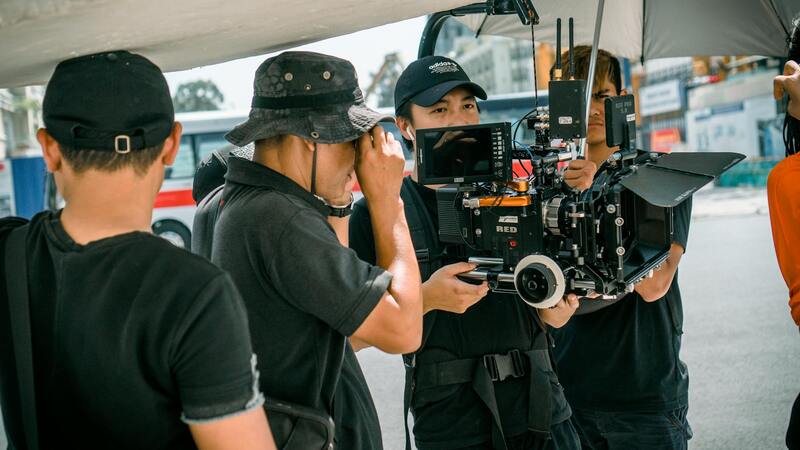
Environmental and lighting considerations
Natural light is a primary element in yacht photography, with the best results often achieved during the golden hour—shortly after sunrise or before sunset—when the light is soft and warm. Overcast days can also provide diffused lighting, reducing harsh shadows and glare, particularly beneficial when capturing reflective surfaces or interior scenes. The photographer must adapt to changing environmental conditions, such as weather or sea state, which can influence shot selection and timing. Polarizing filters are often employed to reduce reflections on water or windows, enhancing the clarity and richness of the captured scene. External lighting equipment, including reflectors and portable flashes, can be used to illuminate interior spaces or highlight specific exterior features when natural light is insufficient. An understanding of how to balance ambient and supplemental lighting ensures consistent and visually appealing results across different shoot scenarios.
Understanding the Role of a Yacht Photographer
Yacht photographers possess a unique blend of technical mastery and artistic vision, capturing the grandeur, elegance, and specific details of luxury vessels. Their primary responsibility entails producing visually compelling images that highlight the yacht’s design, exterior aesthetics, and lifestyle appeal, often serving as vital marketing material for brokers, yacht owners, and charter companies. Skilled yacht photographers must delve into the nuances of working in dynamic environments, managing reflections, water surfaces, and rapid lighting changes, all while maintaining a high standard of image quality.
The role demands an exhaustive understanding of different photographic styles, from wide-angle shots that emphasize the vessel's size to detailed close-ups of exclusive features. A significant part of their work involves balancing technical elements such as focus, exposure, and color accuracy, especially considering the reflective surfaces commonplace in yacht photography. The ability to adapt swiftly to changing weather conditions and sea states is crucial, ensuring that each shot captures the yacht's full splendor without compromising clarity or compositional integrity.
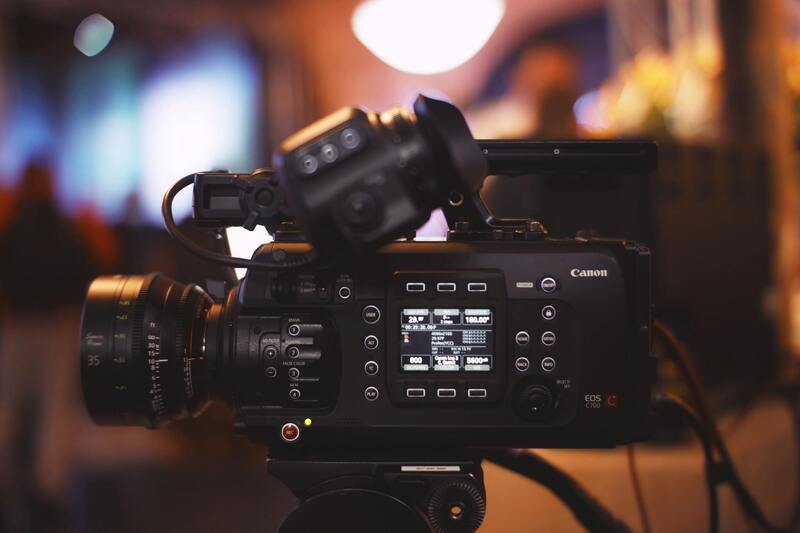
Yacht photographers also serve as visual storytellers, illustrating the lifestyle associated with luxury yachting. Their images often evoke a sense of exclusivity, adventure, and comfort, aiming to inspire potential buyers or charter clients. This storytelling aspect requires an understanding of composition, mood, and framing that resonates with affluent audiences. Moreover, a professional yacht photographer maintains a reputation rooted in consistency and integrity, producing images that adhere to the highest standards and truthful representations of the vessel.
Key Equipment and Settings for Yacht Photography
To achieve exceptional results, a yacht photographer’s toolkit comprises specialized equipment tailored for marine environments and outdoor conditions. A high-quality DSLR or mirrorless camera capable of capturing in RAW format provides the foundation for detailed editing and color grading. Wide-angle and telephoto lenses are essential for capturing both sprawling exterior shots and zoomed-in features with clarity.
Stability is critical for sharp images, hence the use of sturdy tripods or monopods, especially in windy topside conditions. Filter options, particularly polarizers, play a vital role in reducing reflections on water surfaces and windows, boosting color saturation and overall image clarity. For interior shoots, portable lighting equipment such as LED panels, reflectors, and diffusers allow precise control over lighting conditions, compensating for inconsistent natural light and highlighting intricate design details.
Camera settings are meticulously adjusted based on environmental conditions. Typically, a narrow aperture (around f/8 to f/16) ensures sufficient depth of field, keeping both foreground and background in sharp focus. A low ISO minimizes image noise, particularly important in capturing fine details. Shutter speed varies depending on the shot, with faster speeds (1/500 to 1/2000 sec) freezing motion during exterior shoots, and slower speeds being useful in low-light interior settings or during creative motion blur effects.
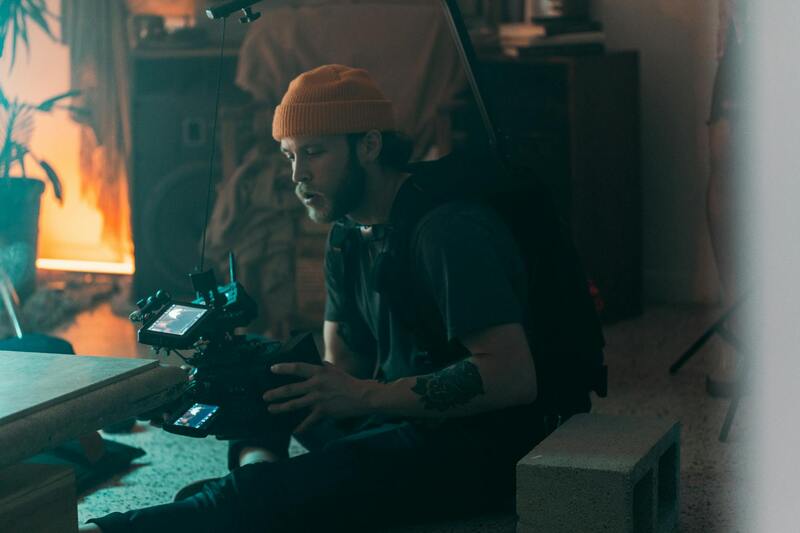
Pre-Shoot Planning and Client Collaboration
Effective yacht photography begins long before the camera is lifted. Pre-shoot planning involves detailed communication with clients to understand their objectives, target audience, and key features they wish to highlight. Information about the yacht’s specifications, unique design elements, and preferred angles informs the shot list and scheduling.
Location scouting plays a crucial role, especially when shooting in marinas or open water, where environmental factors like tide, light conditions, and weather forecasts must be carefully considered. Coordinating timing to capture images during optimal lighting conditions, such as the golden hour, ensures the best visual impact. Additionally, ensuring all necessary permissions and safety protocols are addressed preserves a smooth shoot process.
Visualizing the final images through mood boards or sample compositions can aid in aligning creative expectations between the photographer and the client. Establishing clear communication about shot preferences, styling considerations, and the desired mood helps to streamline the shoot and maximize quality results.
Legal and Ethical Considerations in Yacht Photography
As a professional yacht photographer, understanding the frameworks that govern photography practices on water and maritime environments is essential for maintaining credibility and professionalism. Respecting privacy, securing proper permissions, and adhering to maritime regulations are fundamental aspects that influence shooting protocols. Ensuring clear agreements with yacht owners or operators regarding image usage rights is critical to avoid misinterpretations or disputes. These agreements should specify how images will be utilized, whether for promotional campaigns, advertisements, or editorial features.
When shooting in marinas, ports, or other licensed areas, it is important to observe local rules regarding drone use, access permissions, and environmental protections. This includes complying with no-fly zones, especially around military or sensitive installations, and respecting restricted areas around port facilities. Professionalism also extends to the behavior of the photographer and crew, ensuring that operations do not disturb vessel occupants or your surroundings.
Additionally, transparency with clients about image rights and distribution ensures mutual understanding and sets proper expectations. This includes clarifying whether photos will be exclusive or if the photographer retains residual rights for portfolio use. Ethical practices also encompass honest representation of the yacht’s features and avoiding manipulations that might alter perceived dimensions or appearances, thereby maintaining integrity in promotional outputs.
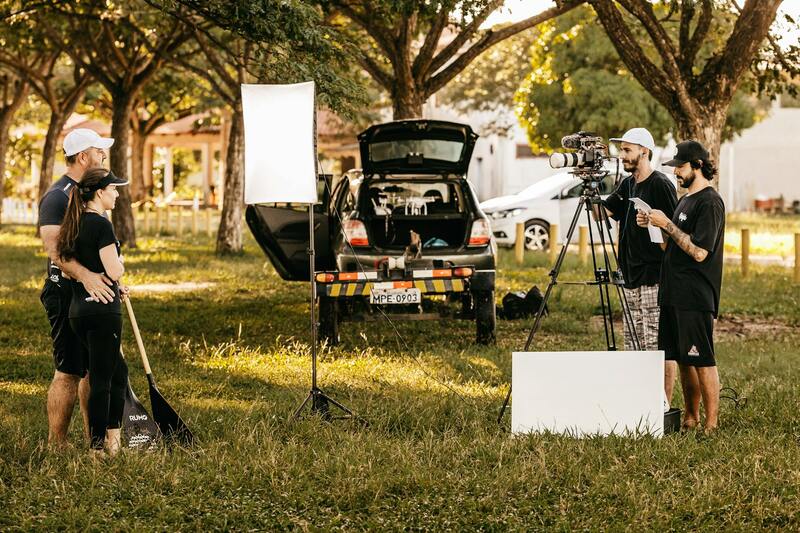
Building a reputation rooted in respect for legal guidelines and ethical standards enhances trust with clients and industry peers. It encourages ongoing collaborations and helps establish a reputation as a dependable and principled yacht photographer committed to responsible practices.
Understanding the Role of a Yacht Photographer
A yacht photographer specializes in capturing the luxurious and intricate details of yachts, both exterior and interior, to produce visually stunning images that highlight the vessel’s design, exclusivity, and lifestyle appeal. These professionals possess a keen eye for composition, lighting, and timing to ensure each shot emphasizes the yacht’s unique features, whether anchored in calm waters or cruising at sea. A key component of this role involves a deep understanding of maritime environments, allowing the photographer to adapt to varying conditions such as natural light, weather, and location constraints.
In addition to technical prowess, a yacht photographer must have excellent planning skills, coordinating with clients to understand their vision and brand identity. This often involves pre-shoot consultations to discuss the desired style, shot list, and specific features of the vessel to be highlighted. An adept yacht photographer also stays current with industry trends, ensuring their work remains fresh, innovative, and aligned with marketing objectives.
Top-tier yacht photographers frequently collaborate with brokers, yacht builders, interior designers, and luxury brands. Such collaborations require a thorough grasp of branding principles, allowing images to serve as effective marketing tools. These professionals are also responsible for maintaining high standards of ethical conduct, handling images with care, and respecting privacy and ownership rights associated with their work.
Key Equipment and Settings for Yacht Photography
Achieving top-quality shots of yachts demands a carefully curated selection of professional equipment tailored to maritime photography. High-resolution digital cameras with full-frame sensors are preferred to capture fine details and deliver crisp images suitable for large-format prints and digital marketing. Lenses play a crucial role, with wide-angle lenses ideal for capturing expansive exterior shots and interiors, while telephoto lenses can isolate specific features or distant Views.
Stabilization tools such as tripods, gimbals, or drone stabilizers enhance shot clarity, especially in windy conditions typical around open water. Drones equipped with high-quality cameras expand the photographer's perspective, allowing for dynamic aerial images that showcase the yacht's design and surroundings from unique vantage points. Filters like polarizers help manage reflections on water and glass surfaces, ensuring clarity and vibrant colors.
Camera settings should be optimized for the environment; typically, a small aperture (high f-number) maximizes depth of field to keep the entire vessel in sharp focus. Shutter speed adjustments are essential to mitigate motion blur caused by sea breeze or vessel movement. Proper ISO settings ensure minimal noise while capturing adequate light, particularly in shaded interior shots or during overcast days.
Incorporating Advanced Techniques
- Utilize HDR imaging for interior shots, balancing bright windows with darker indoor areas
- Employ focus stacking to achieve maximum sharpness from foreground to background
- Leverage natural light by timing shoots during golden hours for warm, inviting images
- Use drone photography creatively to emphasize the yacht’s placement within its environment
Pre-Shoot Planning and Client Collaboration
Thorough preparation is vital for a successful yacht photoshoot. This begins with detailed discussions to understand the client’s marketing goals, target audience, and key features they wish to emphasize. Reviewing the yacht’s specifications, interior layouts, and existing branding materials helps tailor the shoot for maximum impact.
Location scouting is essential, especially for outdoor shots, to identify the best angles and lighting conditions. Weather forecasts guides scheduling to ensure optimal sunlight and minimal wind. It is also necessary to secure any relevant permissions or access rights for shooting in specific marinas or restricted areas.
During pre-shoot meetings, the photographer and client should clarify shot lists, mood boards, and preferred styles. This collaborative process ensures alignment and helps set realistic expectations for deliverables. Additionally, discussing technical requirements, such as drone permissions and staging considerations, streamlines operations on the day of the shoot.
Preparation Checklist
- Review yacht specifications and highlights
- Scout locations in advance and check weather conditions
- Coordinate with marina management for access and permissions
- Gather all necessary equipment and backup gear
- Outline shot list including exterior, interior, lifestyle, and aerial images
- Create a timeline that balances natural light cycles with vessel availability
Effective communication and planning lay the foundation for striking, professional images that meet or exceed client expectations and maximize the yacht's visual appeal across marketing channels.
Legal and Ethical Considerations in Yacht Photography
When capturing yacht images, adhering to established protocols and respectful practices is essential to maintain professionalism and uphold industry standards. Ensuring that all necessary permissions are secured prior to the shoot aligns with best practices, safeguarding the interests of all parties involved. Clear communication with yacht owners, marina authorities, and event organizers helps to facilitate smooth operations and avoids potential disruptions during the photography sessions.
Respect for privacy and proprietary information is a cornerstone of responsible yacht photography. This includes avoiding intrusive shots that could infringe on privacy rights or sensitive areas of the yacht that are not intended for public viewing. Maintaining confidentiality about specific vessel details and ensuring that images are used in accordance with agreed-upon terms fosters trust and long-term professional relationships.
Navigating access rights involves obtaining proper authorization for drone usage, exterior shots from marina walkways, and interior photography. Proper permits and adherence to safety guidelines are crucial, especially when deploying aerial equipment. This not only prevents legal complications but also enhances the safety of the crew, clients, and surrounding infrastructure.
In addition to technical compliance, ethical considerations extend to the portrayal of the yacht. Authentic representation of the yacht’s features, avoiding overly staged or digitally enhanced images that distort its true appearance, strengthens credibility. Transparent depiction ensures prospective clients receive an accurate visual impression, ultimately contributing to a trustworthy portfolio.
Furthermore, employing environmentally responsible practices during shoots—such as minimizing disturbance to marine life, avoiding damage to waterfront areas, and respecting local regulations—reflects a commitment to sustainability and responsible stewardship of natural resources. This conscientious approach enhances the reputation of the photographer and aligns with the values of discerning clients.
To support ongoing compliance and ethical standards, it is advisable for yacht photographers to stay updated on industry regulations, local laws, and emerging best practices. Joining professional associations and participating in industry workshops can provide valuable insights into evolving legal and ethical frameworks. This continuous learning not only bolsters a photographer’s professionalism but also demonstrates a commitment to integrity and excellence in the craft.