
Defining the Role of a Miami Photojournalist
A Miami photojournalist serves as an essential conduit for visual storytelling within the vibrant and diverse media landscape of South Florida. Tasked with documenting events, cultural moments, social issues, and breaking news, these professionals capture images that inform, influence, and engage the public. Their work is characterized by a keen ability to distill complex narratives into compelling visual content that resonates with a broad audience.
In the dynamic environment of Miami, a photojournalist not only needs technical proficiency but also an acute understanding of the city's multicultural fabric, socio-economic disparities, and local traditions. They navigate a landscape where urban settings meet seaside serenity, capturing everything from high-profile events and sporting competitions to community protests and environmental crises.
The responsibilities of a Miami photojournalist extend beyond merely taking photographs. They are responsible for ensuring their images accurately reflect the context of each story, often working under tight deadlines and unpredictable circumstances. Their role requires a commitment to authenticity and an ability to adapt rapidly to unfolding situations, all while maintaining safety and professionalism.
The unique media environment of Miami, with its mixture of traditional outlets and digital platforms, demands that photojournalists are versatile in their approach. They may work for newspapers, magazines, online news portals, or independent projects, often wearing multiple hats — from photographer to storyteller and sometimes even videographer. This adaptability ensures that their work remains relevant in an era where multimedia narratives dominate.
A Miami photojournalist also plays a vital role in documenting the city’s ongoing evolution, from urban development projects to cultural festivals. Their images serve as historical records that highlight the complexities and vibrancy of Miami’s community life.
Given the importance of visual storytelling in today's media consumption, the role of a Miami photojournalist is both challenging and rewarding. It requires a deep understanding of the region’s unique characteristics, technical mastery of photographic equipment, and a steadfast commitment to truthful representation.
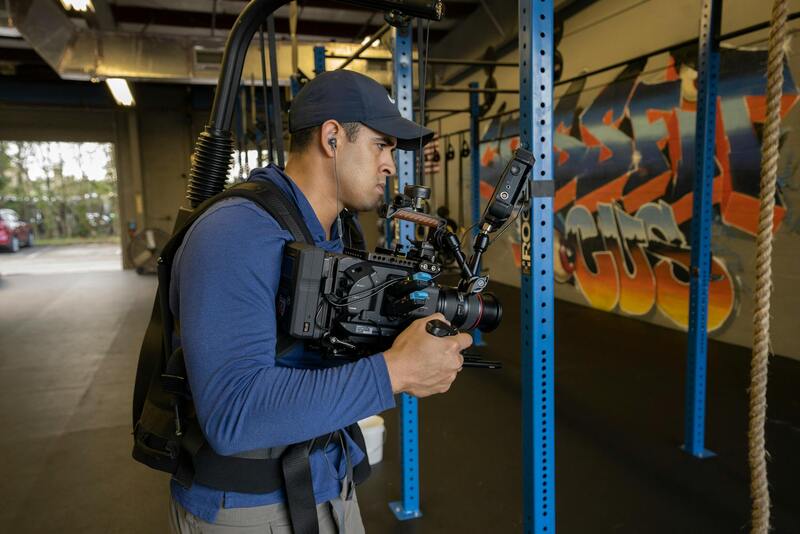
Types of Projects and Assignments for Miami Photojournalists
Miami photojournalists work on a diverse array of projects, each demanding specific skills and a keen understanding of the city’s multifaceted environment. These assignments can range from covering breaking news such as natural disasters, accidents, or political protests to chronicling cultural festivals, artistic events, and social movements that define the city’s vibrant identity. Their versatility allows them to adapt quickly to different contexts, ensuring that their visual stories accurately capture the essence of each moment.
In addition to news-driven assignments, Miami photojournalists often engage in documentary projects that delve into issues impacting local communities. These may involve capturing stories on urban development, environmental challenges, or socio-economic disparities. Such assignments require a combination of journalistic integrity and artistic sensibility, as the images must inform, evoke emotion, and provoke thought.
Commercial and promotional projects also form an essential part of their portfolio. These can include photographing for tourism campaigns, real estate developments, or corporate events that seek to highlight Miami’s unique appeal. When executing these assignments, photojournalists balance their documentary skills with promotional storytelling to enhance the city’s image while maintaining credibility.
Independent projects are increasingly popular among Miami photojournalists who wish to explore personal or socially relevant themes outside traditional media outlets. These endeavors often involve crowdfunding, online publishing, or gallery exhibitions, providing creative freedom and control over the narrative. Such initiatives can elevate a photojournalist’s profile while fostering community engagement and awareness.
The spectrum of assignments underscores the importance of adaptability, technical proficiency, and cultural competency. Miami’s unique geographic and demographic landscape requires that photojournalists are well-versed in capturing the city’s contrasting environments — from urban skylines and bustling streets to serene beaches and diverse neighborhoods. The ability to quickly assess the scene, select compelling compositions, and operate discreetly amid unpredictable situations is crucial for success across these various project types.
Defining the Role of a Miami Photojournalist
A Miami photojournalist acts as a visual storyteller, capturing moments that reflect the city’s dynamic character. They serve as intermediaries between the events happening around them and the public, translating news and social issues into compelling images that foster understanding and spark conversations. In Miami, a city renowned for its cultural diversity, vibrant street life, and rapid development, a photojournalist’s role demands adaptability and acute awareness. These professionals are tasked with documenting everything from major news stories and political rallies to intimate community gatherings, embodying the essence of journalistic integrity through their visual narrative.
Beyond merely snapping pictures, Miami photojournalists are skilled in assessing scenes swiftly, identifying key moments worth capturing. They develop a keen sense of timing and composition that ensures each photograph conveys a meaningful story. Their work often involves operating under tight deadlines and in unpredictable environments, requiring a meticulous balance of technical expertise and instinctual judgment. The images they produce not only inform the public but also influence public opinion and awareness surrounding critical social topics facing Miami and its diverse populations.

Historical Foundations and Evolution of Photojournalism in Miami
The history of photojournalism in Miami reveals an intriguing evolution shaped by technological advances and socio-cultural shifts. During the mid-20th century, the city’s growing prominence in tourism, real estate, and foreign diplomacy prompted the emergence of dedicated photojournalists who chronicled Miami’s transformative years. Photographers like Carl Mydans, connected to major wire agencies, captured pivotal moments—from leisure scenes in South Beach to social upheavals—laying a foundation for future generations.
As digital photography became mainstream, Miami’s photojournalists expanded their scope, integrating new tools and techniques that enhanced their storytelling scope. The rise of independent media outlets and online platforms empowered photographers to publish their work directly to the public, breaking traditional gatekeeping barriers. This shift allowed for more immediate, raw, and authentic coverage of Miami’s diverse communities and pressing social issues.
Contemporary Miami photojournalists continue to build on this legacy, blending classic journalistic principles with innovative digital strategies. They are increasingly embracing multimedia storytelling, including video and interactive content, to enrich their narratives and reach broader audiences. This dynamic evolution ensures that Miami’s visual journalism remains vibrant, relevant, and reflective of its multifaceted identity.
Skills and Equipment Necessary for Miami Photojournalists
Thriving as a Miami photojournalist requires a blend of technical proficiency and keen storytelling abilities. Mastery of camera settings—including ISO, shutter speed, and aperture—is fundamental for capturing high-quality images in varied lighting conditions, from the bright sunlit streets of Miami to dimly lit indoor scenes. A solid understanding of composition, framing, and timing ensures that each shot effectively conveys the intended narrative.
In addition to technical skills, emotional intelligence and cultural awareness are critical. Miami’s vibrant, multicultural environment demands sensitivity and the ability to connect with subjects, capturing authentic moments that resonate with diverse audiences.
Equipment selection plays a significant role in the day-to-day work of a photojournalist. A versatile camera body capable of handling different scenarios—ideally, one with fast autofocus and excellent low-light performance—is essential. Prime lenses like 50mm or 85mm allow for sharp, compelling portraits and candid shots, while wide-angle lenses are useful for capturing expansive cityscapes or event scenes.
Mobile photography gear can be invaluable for on-the-go coverage, with lightweight cameras and smartphones equipped with high-quality lenses and editing apps ensuring prompt dissemination of images. A portable tripod or monopod might be necessary for stabilizing shots during long exposures, especially in nighttime coverage.
Furthermore, accessories such as extra batteries, memory cards, and protective gear help maintain efficiency without interruptions. Miami’s unpredictable weather underscores the importance of having weather-resistant equipment or protective covers to safeguard gear during rain or intense sun.
Developing technical skills goes hand-in-hand with cultivating storytelling capabilities. Effective photojournalists blend visual elements with a compelling narrative, often accompanied by captions, context, or accompanying text to deepen audience engagement.
Engaging with continuous learning—through workshops, industry seminars, and staying updated on technological advancements—ensures Miami photojournalists can adapt to new tools and evolving storytelling trends. This adaptability allows them to deliver impactful reportage that reflects Miami’s diverse societal landscape, from its vibrant street festivals to complex socio-economic issues.
The Significance of Local Knowledge and Community Relationships in Miami Photojournalism
In the bustling, culturally diverse landscape of Miami, a photojournalist’s understanding of local nuances plays a pivotal role in capturing authentic and compelling images. Developing a deep familiarity with neighborhoods, customs, and community dynamics enables photographers to approach subjects with respect and sensitivity, fostering trust that opens doors to more intimate and impactful storytelling.
Building relationships within communities can lead to exclusive access to events, cultural celebrations, and local narratives that are often underrepresented in mainstream media. Miami’s vibrant multicultural fabric—from its art districts to its immigrant populations—demands that photojournalists possess not only technical skill but also cultural competence and empathetic engagement.
Maintaining ongoing dialogue with community leaders, local organizations, and residents ensures that the stories being told are accurate, respectful, and meaningful. This ongoing engagement not only enriches the journalist's perspective but also enhances the credibility and depth of their work, making it more relevant to the audiences they serve.
Moreover, familiarity with neighborhood histories, social issues, and cultural events enables photographers to anticipate compelling moments naturally arising in daily life or special occasions. Such insights allow for more proactive coverage, capturing Miami’s dynamic spirit in a way that resonates with viewers and provides a nuanced portrayal of the city’s myriad communities.
Ultimately, this combination of local knowledge and community partnership enhances the quality and integrity of photojournalism. It empowers photographers to present stories that are not just visually striking but also socially responsible and reflective of Miami’s diverse identity. Respect, understanding, and authentic community engagement form the foundation upon which compelling and impactful Miami photojournalism is built.
Methods for Ensuring Accurate and Respectful Representation
Miami photojournalists rely on a multitude of professional practices to maintain integrity and authenticity in their work. Prioritizing direct engagement with subjects and communities allows for a more nuanced understanding of the context behind each story. This involves establishing trust through transparent communication and demonstrating genuine respect for the individuals and groups being photographed. Instead of intrusive or opportunistic approaches, photographers often build relationships over time, which leads to more meaningful and intimate portrayals.
Utilizing approved and established sources for factual verification is essential. This includes consulting with community leaders, local organizations, or ethnographers who can provide insight into cultural or social nuances that may not be immediately apparent. Accurate depiction of events, people, and environments not only upholds journalistic standards but also fosters public confidence and credibility.
Maintaining Ethical Standards in High-Stakes Situations
Photojournalists operating in Miami often encounter situations that are sensitive or volatile, such as protests, emergencies, or social conflicts. Upholding ethical standards involves exercising restraint when capturing compelling yet respectful imagery. Photographers should seek to portray situations truthfully without sensationalizing or exploiting moments that could cause harm or distress.
Furthermore, respecting the privacy of individuals, especially during traumatic or personal events, is paramount. This can involve obtaining verbal consent when possible or carefully considering the potential impact of publishing certain images. Adequate training in ethical decision-making equips photojournalists to navigate complex scenarios with integrity, ensuring their work supports awareness without compromising dignity.
Legal Considerations and Permits for Photojournalism in Miami
While the focus remains on legitimate methods, understanding the legal framework within Miami is crucial for effective and responsible journalism. Securing necessary permits for shooting in restricted or private areas is a fundamental step. This process often involves liaising with property owners, local authorities, or event organizers to obtain approval before conducting photo sessions.
Additionally, adhering to regulations related to drone photography, especially in urban environments, ensures that aerial images are obtained lawfully. Many cities have specific rules regarding drone flights over public spaces, requiring registration or special permissions. Familiarity with these guidelines helps photojournalists avoid inadvertent violations that could disrupt their reporting or impede access.

Upholding Ethical Guidelines in Visual Storytelling
The visual narratives crafted by Miami photojournalists are anchored in a set of core ethical principles designed to respect all subjects involved. Honesty remains at the heart of storytelling—images should truthfully represent events without distortion or excessive manipulation. Photographers must also be mindful of vignette framing that could mislead viewers or skew perceptions.
Respect for diversity and cultural sensitivities is vital, especially given Miami’s multicultural setting. Recognition of linguistic differences, cultural customs, and social norms enables photographers to approach subjects with empathy and avoid miscommunication. This cultural competence helps foster authentic representations and deepens the impact of their stories.
Ongoing education and adherence to professional guidelines—such as the National Press Photographers Association’s code of ethics—ensure that Miami photojournalists maintain high standards. These principles serve as a foundation for producing work that is not only visually compelling but also socially responsible and credible.
Defining the Role of a Miami Photojournalist
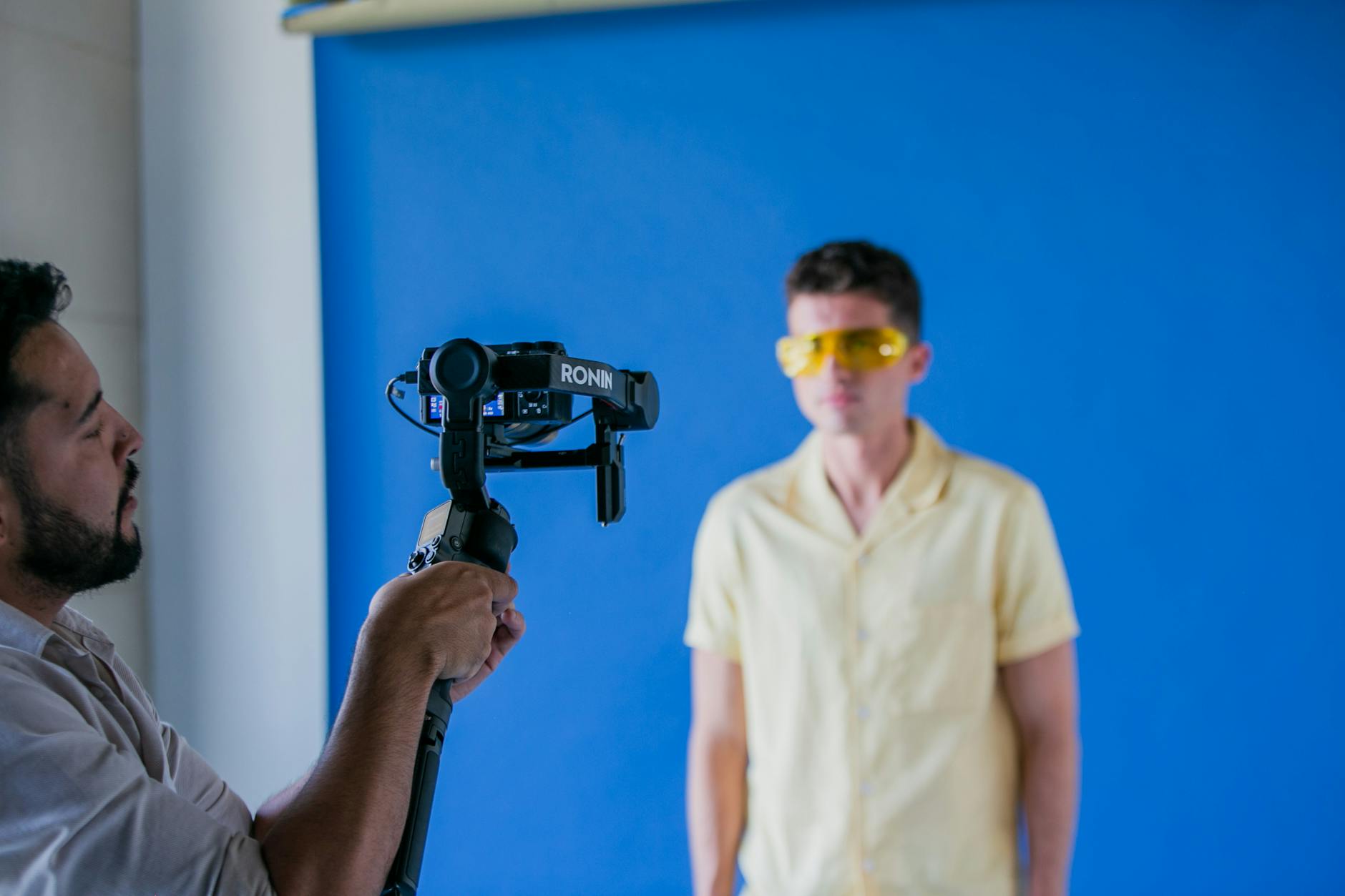
A Miami photojournalist serves as a visual storyteller, capturing moments and events that shape the city's dynamic landscape. Their responsibilities extend beyond merely snapping pictures; they are tasked with documenting newsworthy incidents, cultural festivals, environmental changes, and societal issues, all while maintaining journalistic integrity. These professionals function as the visual conscience of the community, translating complex narratives into powerful images that resonate with viewers.
In Miami, a city characterized by its multicultural vibrancy, a photojournalist must adapt to diverse environments, from bustling urban streets to serene coastal areas. Their role involves rapid response capabilities, often working under tight deadlines to provide timely visuals that support news outlets, publications, and media platforms. Equipped with a keen eye for detail and a strong ethical underpinning, Miami photojournalists ensure that their imagery faithfully represents the stories they cover, fostering transparency and trust among their audiences.
History and Evolution of Photojournalism in Miami
The history of photojournalism in Miami is intertwined with the city's growth as a hub of tourism, commerce, and cultural diversity. Early photojournalists documented key moments such as the post-war boom, the rise of Miami's art and music scene, and social movements that shaped the community. As technology advanced, so did the scope and techniques of visual storytelling, transitioning from large film cameras to compact digital devices capable of instant image delivery.
The evolution also saw a shift in thematic focus—from traditional news segments like political and crime coverage to more nuanced portrayals of Miami’s rich multicultural fabric. Photographers began to explore environmental issues, urban development, and the impact of climate change on coastal communities. This shift underscores the expanding role of Miami photojournalists as not only reporters but also advocates and chroniclers of societal change.
Types of Projects and Assignments for Miami Photojournalists
- Breaking News Coverage: Rapid response to incidents such as accidents, protests, or natural disasters, capturing impactful moments as they unfold.
- Cultural and Community Events: Documenting festivals, parades, art exhibitions, and social gatherings that reflect Miami’s diverse population.
- Environmental Reports: Covering issues like sea-level rise, coastal erosion, and conservation efforts impacting Miami’s ecosystem.
- Human Interest Stories: Profiling local individuals, community initiatives, and stories that highlight resilience and diversity.
- Long-term Projects: Investigations and thematic series examining social issues, urban development, or climate impacts over an extended period.
Skills and Equipment Necessary for Miami Photojournalists
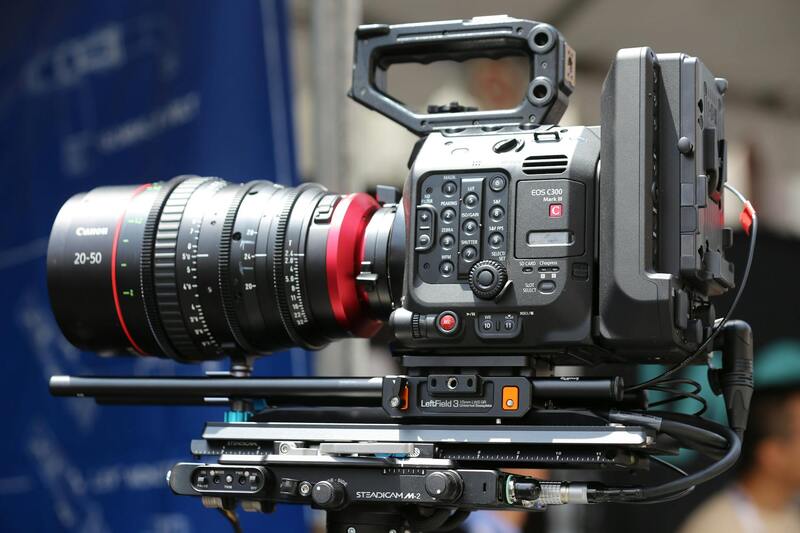
To excel in Miami’s fast-paced visual environment, a photojournalist must possess a mix of technical and interpersonal skills. Proficiency in camera operation across a variety of devices, from DSLR cameras to mirrorless systems, is essential. Additionally, mastery of lighting techniques, composition, and post-editing software enhances image quality and storytelling depth.
Besides technical skills, adaptability, quick decision-making, and resilience are vital. Miami’s climate and urban landscape can pose logistical challenges, requiring photographers to work swiftly and safely in diverse conditions. Carrying essential equipment such as multiple camera bodies, a range of lenses, portable lighting, and backup storage devices ensures preparedness for unpredictable moments.
Challenges Faced by Miami Photojournalists
Photojournalists operating in Miami often encounter obstacles such as high-pressure environments, unpredictable weather, and navigating through densely populated areas. The city’s vibrant urban life demands agility to capture fleeting moments in a crowded setting while maintaining safety and professional decorum. Additionally, working during emergencies or adverse weather conditions, such as hurricanes, requires resilience and quick adaptation.
Another challenge involves managing ethical considerations while covering sensitive topics in a multicultural context. Respecting privacy, securing consent, and portraying subjects authentically are ongoing responsibilities. Moreover, the competitive nature of the industry in Miami necessitates building a reputable portfolio and establishing trusted relationships with media outlets and community members.
The Importance of Local Knowledge and Community Engagement
Deep understanding of Miami’s cultural and social landscape significantly enhances a photojournalist’s storytelling capacity. Familiarity with local neighborhoods, traditions, and community leaders enables more authentic imagery and fosters trust with subjects. Engaging with community events and establishing rapport allows for more nuanced coverage, avoiding stereotypes or misrepresentations.
This local knowledge also facilitates access to unpublicized stories or behind-the-scenes perspectives that might otherwise be missed. It helps photojournalists anticipate key moments and tailor their approach to respectfully capture the essence of the city's diverse communities.
Ethics and Responsibilities in Miami Photojournalism
Equipped with a deep sense of integrity and professionalism, Miami photojournalists uphold a set of core ethical principles that guide their work in capturing the diverse stories of the city. Respect for subjects’ privacy and dignity is paramount, especially when documenting sensitive or personal issues. Accurate representation of subjects ensures that imagery does not perpetuate stereotypes or mislead viewers, fostering trust and credibility with audiences and clients alike.
Maintaining transparency about the intent of photographs and obtaining necessary permissions when required are fundamental practices. This is especially vital when covering stories involving minors, victims, or vulnerable populations. Respecting cultural sensitivities and understanding community norms help in building rapport, enabling photojournalists to gain candid access to behind-the-scenes moments without compromising ethical standards.
Adherence to safety protocols is also crucial in the energetic Miami environment, especially during high-stakes events or emergencies. Photojournalists must balance their commitment to capturing compelling images with their responsibility to ensure their safety and that of others. Approaching subjects with sensitivity and professionalism contributes to ethical storytelling that resonates with audiences and respects the individuals involved.
Effective communication plays a vital role in maintaining ethical standards. Clearly conveying the purpose of photography and respecting the wishes of subjects or community members facilitates mutual understanding. When covering contentious or controversial topics, photojournalists must exercise discretion and avoid sensationalism, ensuring that their images serve a purpose rooted in truth and context.
The ongoing commitment to ethical practices enhances the reputation of Miami photojournalists and the quality of journalism produced. It encourages a culture of accountability and respect within the industry and helps in fostering long-term relationships with communities, media outlets, and clients. This foundation is essential for producing credible, impactful visual storytelling that accurately reflects Miami’s multifaceted society.