
Overview of Photography Scene in Miami
Miami, Florida, stands out as a vibrant hub for photography professionals and enthusiasts alike. The city’s diverse cultural landscape, stunning coastal scenery, and dynamic urban environment foster a unique setting for capturing a wide array of visual stories. Photographers operating in this locale have access to an eclectic mix of natural light, iconic architecture, and lively street scenes that make Miami a premier destination for both commercial and artistic photography.
The industry in Miami reflects the city’s energetic spirit, with photography styles ranging from high-fashion and glamour shoots to documentary-style urban explorations. Miami’s arts community is robust, offering ample opportunities for collaboration, portfolio development, and exposure. Several well-established studios, independent freelancers, and boutique agencies command the scene, each contributing to the city’s reputation as a vibrant creative hotspot.
Economic growth in tourism, fashion, and real estate sectors further fuels demand for professional photography services in Miami. Fashion shoots in South Beach, real estate and architectural photography in Downtown Miami, and vibrant festival coverage epitomize the range of work available. The competitive nature of this industry encourages innovation, high-quality service, and technical proficiency among local photographers.
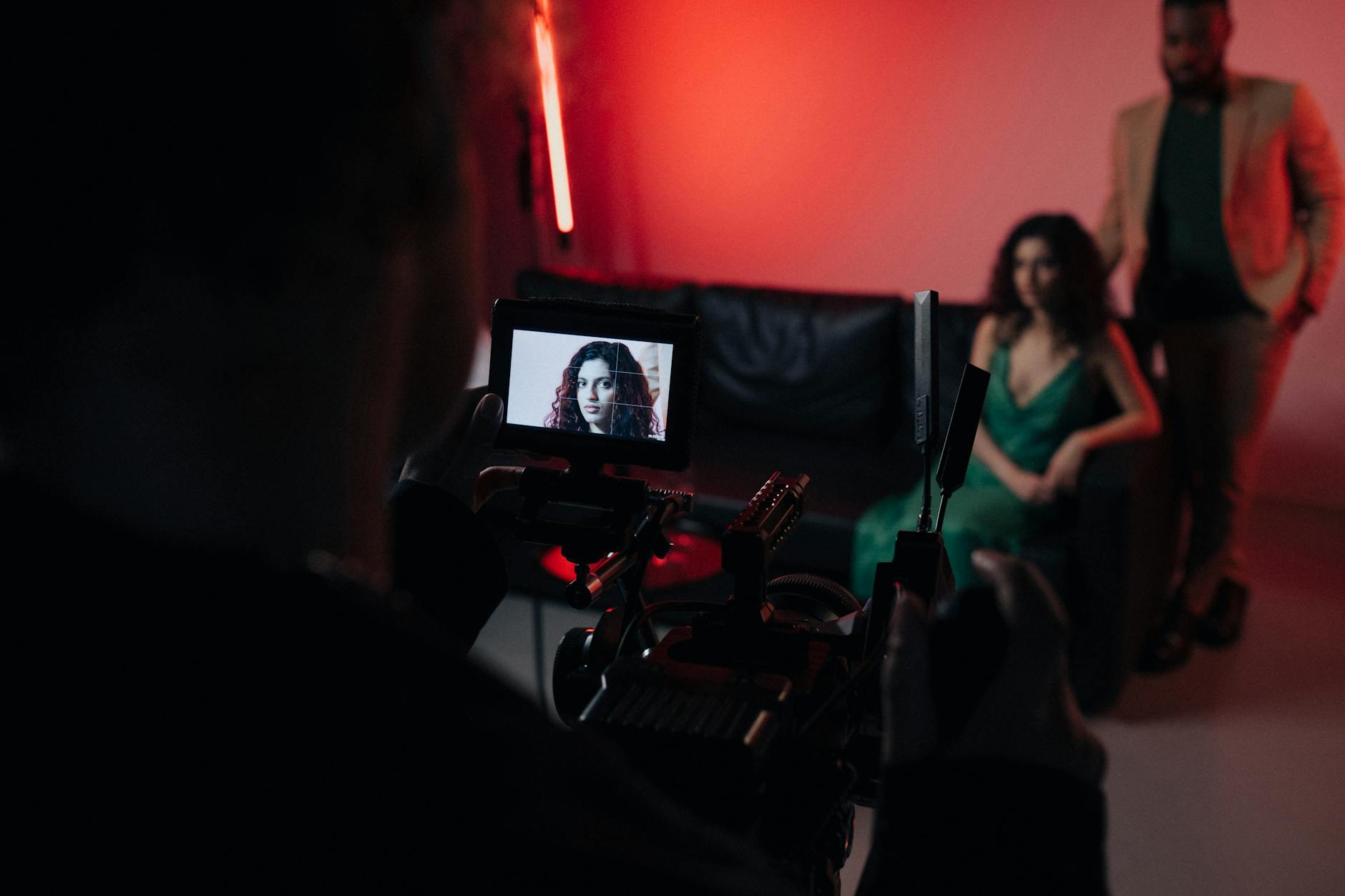
Miami’s cultural diversity translates into a broad spectrum of styles and subjects, from Caribbean-inspired street photography and Latin dance festivals to contemporary art scenes. This melting pot dynamic shapes a burgeoning photography economy, supported by local galleries, art festivals, and commercial ventures eager to leverage visual storytelling. As the city continues to expand its cultural footprint, opportunities abound for photographers willing to explore innovative techniques and serve a diverse clientele.
Opportunities for Photographers in Miami
- Fashion and beauty photography for Miami’s trendsetting retail and boutique scene
- Real estate and architectural photography driven by Miami’s thriving property market
- Event photography covering festivals, weddings, and corporate gatherings
- Commercial photography for advertising and marketing campaigns
- Artistic projects reflecting Miami’s multicultural identity and natural beauty
As a city that seamlessly blends urban sophistication with tropical charm, Miami offers a fertile environment for photographers aiming to elevate their craft and expand their professional portfolio. The city’s energetic vibe, combined with its scenic diversity, makes it an attractive location for those seeking to grow within the photography industry.
Types of Photography Popular in Miami
Miami's diverse environment fosters a broad spectrum of photographic styles that showcase the city's unique blend of urban energy and natural beauty. Fashion photography thrives in Miami’s glamorous retail districts and along its vibrant beaches, capturing the latest trends against iconic backdrops that exude sophistication and allure. Beach photography leverages the city’s extensive coastline, offering dynamic scenes of sun, sand, and surf, often emphasizing lifestyle, leisure, and natural light. Architectural photography benefits from Miami’s diverse skyline, mixing modern high-rises with historic Art Deco structures, providing compelling visual contrasts for professional shoots.
Lifestyle photography captures the everyday vibrancy of Miami, from street scenes in Little Havana to outdoor cafés in Wynwood, highlighting the city’s multicultural influences. Night photography is particularly popular, emphasizing Miami’s luminous nightlife, brightly lit skyline, and lively street scenes. Real estate photography is crucial in Miami’s competitive property market, requiring high-quality imagery to showcase luxury condos, waterfront homes, and commercial spaces. Artistic projects in Miami often explore the city’s cultural richness, incorporating elements of Latin American, Caribbean, and American influences to produce vibrant, compelling visual narratives.
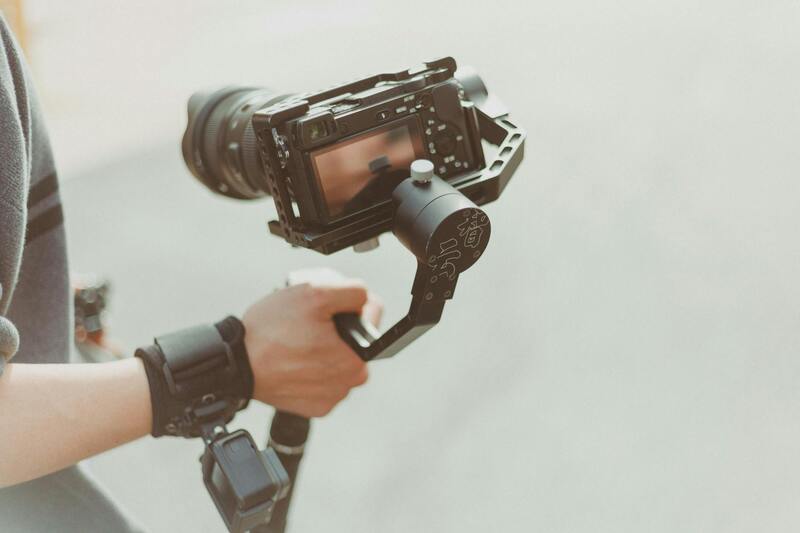
Each genre benefits from Miami’s distinctive lighting conditions, scenic diversity, and cultural vibrancy, enabling photographers to experiment with innovative techniques and storytelling approaches. Whether capturing the glamour of fashion shoots or the serenity of sunset beach scenes, professionals leverage Miami's dynamic environment to produce visually striking images that appeal to local and international audiences. This rich landscape encourages continuous growth and specialization within the city’s thriving photography community.
Legal and Permitting Considerations
Engaging in professional photography in Miami requires adherence to specific regulations and obtaining necessary permits to ensure seamless and lawful operations. The city’s vibrant urban landscape and protected areas often have designated zones where commercial photography activities are regulated by local ordinances. Before conducting shoots, especially in public spaces, photographers should familiarize themselves with Miami’s municipal guidelines and obtain permits if required, preventing potential disruptions or legal complications.
It is essential to collaborate with local authorities or property managers to secure access to private venues or restricted areas. Permits typically involve submitting detailed plans of the intended shoot, including equipment to be used, dates, and locations. This process helps establish the legitimacy of the project and fosters cooperation with city officials. For outdoor shoots, special permits may be necessary for events that involve models, equipment, or extensive setups, ensuring compliance with safety standards and community regulations.
Photographers should also consider restrictions related to drone usage, which are governed under federal and state regulations. Miami’s aerial photography often involves drone operations, but flight permissions must be obtained from the Federal Aviation Administration (FAA) and local authorities to avoid infractions. Additionally, respecting privacy rights and property boundaries remains paramount when conducting shoots in private residential or commercial zones.
Understanding these legal frameworks not only safeguards the photographer’s professional integrity but also enhances client confidence, demonstrating a commitment to ethical and lawful practices. Ultimately, meticulous planning and adherence to Miami’s evolving regulations ensure the success of visual projects while maintaining respect for community standards.
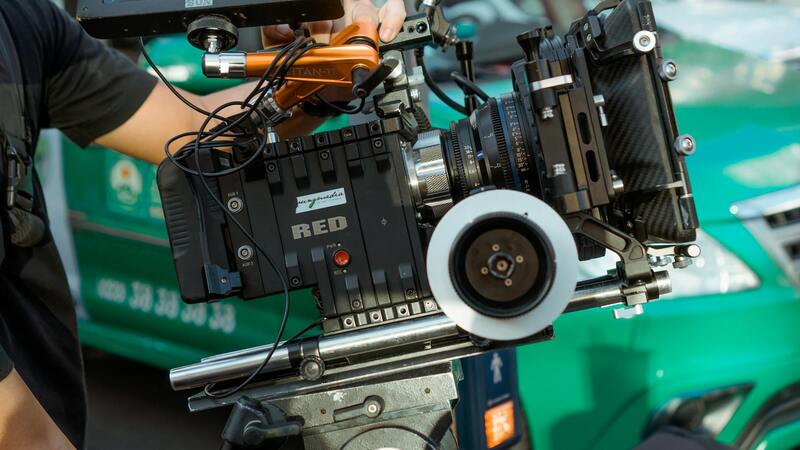
Legal and Permitting Considerations in Miami Photography
For photographers planning sessions in Miami, understanding the necessary procedures to secure official access is an essential step in ensuring a smooth production process. While the vibrant city offers a multitude of iconic locations, employing an appropriate approach to permits helps preserve the integrity of the environment and respects community standards. Local authorities oversee these regulations, and obtaining the right documentation involves submitting detailed plans that specify the nature of the shoot, locations, equipment, and potential impact on the site. These submissions allow city officials to evaluate the proposed activity and ensure it aligns with municipal guidelines.
Securing permits is particularly important when conducting shoots in public spaces such as parks, plazas, or busy street areas. It minimizes disruptions and clarifies liability in case of incidents. Additionally, special considerations are necessary for aerial photography, especially when using drones, which are subject to FAA regulations. Drone operators must obtain flight permissions from both federal and local authorities, ensuring the operation does not infringe on privacy, safety, or airspace restrictions.
Private property in Miami often necessitates direct permission from property owners, particularly for commercial or high-profile projects. Engaging with property managers ahead of the shoot ensures clear communication about scope, timeframes, and any restrictions. For shooting on private beaches, rooftops, or other exclusive venues, written consent or leases may be required, further safeguarding the asset and maintaining respectful relations.
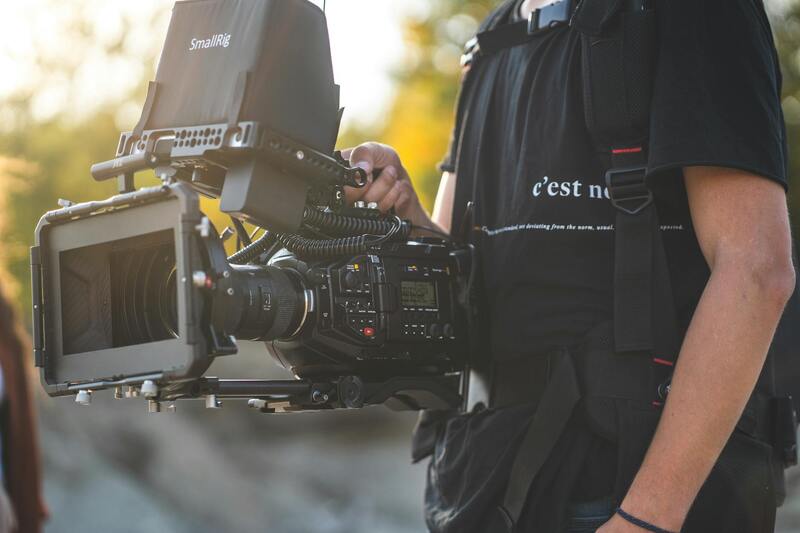
When navigating these legal pathways, it’s advisable to work with local professionals or specialized permittable agencies that are familiar with Miami's evolving regulations. These experts can streamline the approval process, handle paperwork, and coordinate with authorities, saving valuable time and reducing the risk of complications. Engaging early in the planning phase allows ample time to gather all necessary documents and ensures that the shoot adheres to community standards and safety protocols.
Adhering to permitted guidelines not only reinforces the credibility of the photographer but also nurtures positive relationships with city officials and property stakeholders. This approach often results in the possibility of future collaborations, opening doors for more ambitious projects across Miami’s diverse landscapes.
Key Locations for Photography in Miami
Miami is renowned for its vibrant and diverse scenery, making it a prime destination for various types of photography. To maximize the potential of your shoot, understanding the most popular and structurally appealing locations is essential. The city’s natural landscapes, iconic architecture, and bustling urban environment provide perfect backdrops for professional photography projects.
Some of the most sought-after spots include:
- South Beach: Famous for its palm-lined shoreline and Art Deco architecture, South Beach offers a blend of natural beauty and historic charm, ideal for fashion shoots, lifestyle sessions, or promotional material.
- Wynwood Walls: This outdoor street art museum features vibrant murals and graffiti, making it a favorite for creative, edgy, and contemporary photography styles.
- Miami Downtown and Brickell: The sleek skyscrapers and illuminated cityscape during nighttime create a dynamic setting for urban and modern images.
- Coral Gables: Known for its Mediterranean Revival architecture and lush landscapes, Coral Gables provides a more classic, elegant backdrop for portraits and editorial shoots.
- Vizcaya Museum and Gardens: The historic estate with manicured gardens, classical architecture, and waterfront views offers a luxurious environment for high-end projects.
- Little Havana: The vibrant street life, colorful murals, and cultural ambiance make it a compelling locale for documentary or lifestyle photography.
When planning a shoot at these locations, securing the appropriate permissions is vital unless the site is publicly accessible without restrictions. For private properties, particularly high-profile venues like Vizcaya, prior authorization from property owners or managers ensures smooth operations. It’s advisable to consult local professionals who understand the permitting process specific to each site, thereby avoiding delays or unforeseen disruptions.
Conducting photography sessions in Miami’s public spaces often requires adherence to city regulations that govern commercial activities and public safety. These usually include acquiring permits for large crews, equipment setup, or special effects that could impact the public. Working with experienced local photographers or production companies familiar with Miami’s legal landscape can significantly streamline this process, managing paperwork and liaising with authorities on your behalf. Early engagement and thorough preparation help to avoid complications, ensuring each project aligns with community standards and safety protocols.
The combination of Miami’s scenic diversity and professional guidance in location management allows photographers to capture authentic and compelling imagery while respecting local regulations. This strategic approach facilitates not only successful shoots but also fosters positive relationships with community stakeholders, opening possibilities for future collaborations and expansive creative ventures across the city’s vibrant aesthetic landscape.
Legal and Permitting Considerations in Miami Photography
Securing appropriate permissions is a fundamental step in ensuring a smooth and compliant photography session within Miami. While many public locations are accessible for casual photography, commercial shoots or large-scale productions often require permits to utilize public spaces or accommodate equipment and personnel. Understanding the specific regulations established by the city and individual venue policies is crucial for avoiding disruptions during the shoot.
For private properties, such as iconic estates or exclusive venues, obtaining explicit authorization from property owners or management is necessary. This process typically involves submitting an application detailing the scope of the project, equipment to be used, expected duration, and the number of personnel involved. In some cases, proof of insurance or other documentation may be required to safeguard all parties involved.
Miami's public parks, beaches, and cultural landmarks are popular photography spots; however, each may have specific rules governing commercial activity. Typically, permits for such locations include provisions for safety, crowd control, and environmental protection.
- City Permits and Administrative Procedures: The Miami Department of Cultural Affairs and the Miami Beach Office of Special Events are primary contacts responsible for issuing permits for public spaces. Applicants should submit detailed plans well in advance, including safety measures and equipment list.
- Private Venue Permissions: For locations like Vizcaya Museum and Gardens, or the Pérez Art Museum, contact the administration directly. Early correspondence helps clarify requirements and reserve dates.
- Usage of Equipment and Crew Size: Certain permits specify limitations on crew size, lighting, and equipment setup, especially in environmentally sensitive or historic locations.
Engaging with local professionals experienced in the Miami shooting environment can simplify the process. They often have established relationships with authorities, which expedites permit approvals and ensures adherence to all necessary requirements. Furthermore, thorough planning and early permit procurement reduce the risk of delays, allowing creative visions to unfold seamlessly within Miami’s vibrant backdrop.
Ultimately, respecting these protocols demonstrates professionalism and fosters good community relations, facilitating future projects and creating opportunities for innovative photography initiatives within the city.
By understanding and following official procedures for permissions and permits, photographers and production teams can focus on capturing compelling images that showcase Miami’s unique aesthetic, all while maintaining a respectful relationship with the community and property owners. This responsible approach not only safeguards your project but also contributes to the city’s thriving visual arts landscape.
Legal and Permitting Considerations in Miami Photography
Successfully executing a professional photography project in Miami requires thorough understanding of the official protocols related to location access, usage rights, and environmental considerations. Securing the appropriate permissions ensures that the project adheres to city regulations and respects property rights, contributing to a smooth production process without interruptions or legal complications.
Approaching the relevant authorities or property management companies for permits is a fundamental step. For iconic sites such as the Miami Design District, Miami Beach Boardwalk, or Ocean Drive, direct communication with site administrators is essential. Providing detailed information about the scope of the shoot—such as dates, equipment involved, and the type of imagery envisioned—helps facilitate the approval process. Early engagement can reveal specific requirements or restrictions, allowing adjustments to be made proactively.
Permitting for Public and Private Locations
- Public Spaces: Permissions are typically required when shooting in parks, beaches, or city streets. Applications should detail the intended use, anticipated crew size, and equipment, especially if large setups or lighting modifications are involved.
- Private Properties: Filming on private land necessitates obtaining consent from property owners. Formal agreements or contracts often include stipulations regarding usage rights, duration, and compensation.
Environmental and Cultural Considerations
Miami’s diverse ecosystems and culturally significant sites require adherence to specific regulations designed to protect these assets. Permits may impose restrictions on equipment such as drone usage, lighting setups, or the number of crew members on location. These measures help mitigate environmental impact and preserve the integrity of culturally sensitive areas.
Professional Assistance and Compliance
Collaborating with local production companies or photographers familiar with Miami's permitting landscape can streamline the approval process. These professionals often maintain established relationships with city officials and site managers, facilitating quicker permit acquisitions. Their experience ensures legal compliance and minimizes the risk of delays caused by missing documentation or procedural misunderstandings.
Legal and Official Methods for Obtaining Permits in Miami
Securing the appropriate permits to conduct photography sessions in Miami involves a systematic approach that ensures compliance with local regulations and smooth project execution. When planning to photograph in public spaces such as beaches, city parks, or streets, professionals must submit detailed applications to relevant authorities. These applications typically include information about the scope of the shoot, the equipment involved, crew size, expected duration, and potential impact on the location.
For public areas, the Miami-Dade County Department of Regulatory and Economic Resources often handles permit issuance. Applicants are advised to prepare comprehensive documentation, including site maps, safety plans, and proof of insurance coverage. The process generally involves submitting forms through official online portals or in person at designated offices, followed by payment of applicable fees.
Private property photography requires obtaining explicit consent from landowners or authorized managers. Formal written agreements are recommended to outline the usage rights, duration, and any compensation involved. These contracts serve to clearly demarcate responsibilities and expectations, reducing the likelihood of disputes. Engaging with property management companies or legal counsel can facilitate negotiations and ensure all terms are legally sound.
Environmental and culturally sensitive locations in Miami, such as Everglades or historically significant districts, may have additional restrictions. Permits for such areas often include stipulations on drone usage, lighting setups, and crew numbers to minimize ecological or cultural disruption. It is vital to review specific guidelines provided by local agencies or conservation boards before planning the shoot.
Leveraging professional assistance is highly recommended. Experienced production companies and photographers with established relationships in Miami are well-versed in permit procedures. They possess existing contacts with city officials, site managers, and regulatory bodies, which can expedite approval timelines and ensure adherence to all required protocols. Their expertise reduces the risk of delays caused by incomplete documentation or misunderstandings about permit requirements.
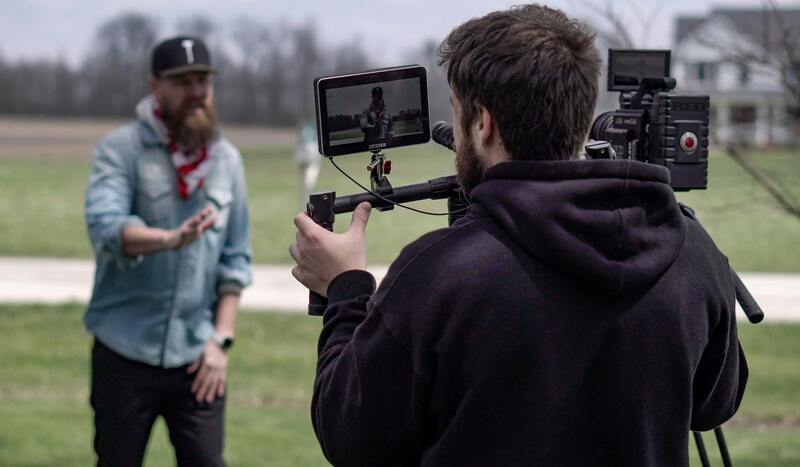
Familiarity with official procedures not only guarantees a seamless workflow but also enhances the credibility of the project. Photographers should keep meticulous records of all permits and correspondence throughout the process. Additionally, staying updated on any changes to local regulations or procedural updates through official channels can prevent unforeseen complications.
In summary, the most reliable approach to official photography in Miami involves thorough preparation, clear communication with local authorities and property owners, and engagement with seasoned professionals who understand the landscape. This approach guarantees that the creative objectives are met while respecting the legal framework established by Miami's regulatory environment.