
Understanding 3D House Photography
3D house photography is an innovative approach to capturing properties using advanced imaging technology that creates detailed, immersive digital representations of real estate. Unlike traditional photography, which relies solely on two-dimensional images, 3D photography constructs a comprehensive three-dimensional model of a property, allowing viewers to explore spaces virtually from various angles. This technique employs specialized equipment such as laser scanners, high-resolution cameras, and sophisticated software to generate precise, interactive visuals that can be experienced on digital devices.
The core distinction between 3D house photography and conventional methods lies in its ability to deliver a more engaging and accurate depiction of property layouts and spatial relationships. Traditional photographs often depend on strategic zoom-ins and perspective tricks to highlight key features, but they may still fall short in conveying the depth and flow of interior spaces. Conversely, 3D imagery provides a holistic view, enabling potential buyers to navigate through rooms, examine architectural details, and get a realistic sense of scale and proportion without physically visiting the property.
This digital visualization capability is particularly impactful in the Miami real estate market, where high-end properties and international buyers benefit from immersive virtual tours that showcase homes in unprecedented detail. By capturing properties in 3D, real estate professionals can create versatile marketing tools that elevate property listings and set them apart from competitors. Moreover, 3D house photography supports remote property viewings, making it easier for potential buyers to make informed decisions despite geographical barriers.
It’s important to recognize that 3D photography not only enhances visual appeal but also streamlines the marketing process. Real estate agents can utilize these digital models for interactive presentations, virtual staging, and detailed floor plans, ultimately driving faster sales and attracting a broader audience. As technology advances, the integration of 3D photography into real estate listings continues to grow, transforming how properties are showcased and experienced in markets like Miami's vibrant housing sector.
Key Technologies and Equipment Used in 3D House Photography
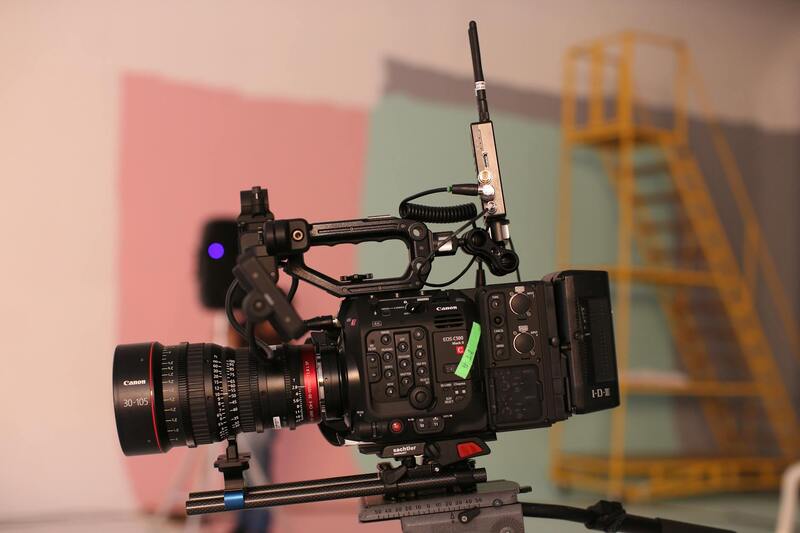
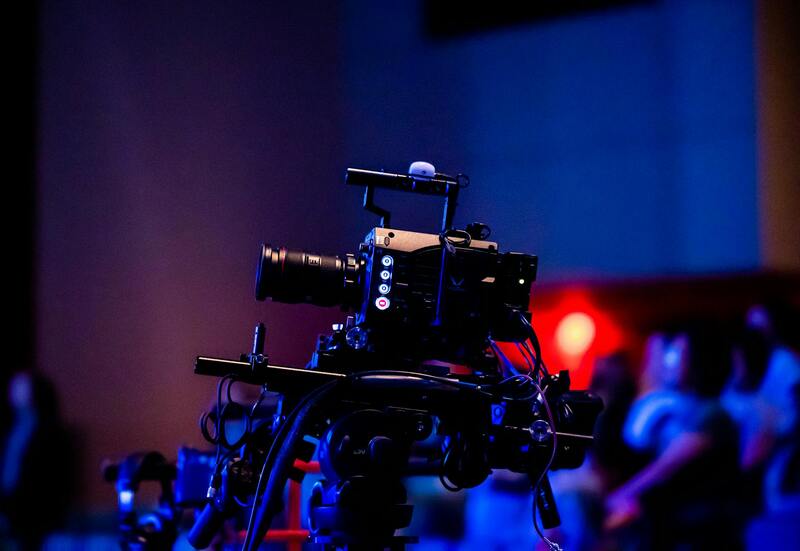
Implementing high-quality 3D house photography relies on advanced technology and precise equipment to produce detailed, accurate virtual representations of properties. Professional 3D imaging begins with specialized hardware, such as high-resolution 360-degree cameras, LiDAR scanners, and advanced aerial drones, each contributing unique capabilities to capture every aspect of a property comprehensively.
LiDAR (Light Detection and Ranging) scanners play a crucial role in creating precise three-dimensional models by emitting laser pulses to measure distances with high accuracy. This technology is particularly effective in capturing complex architectural features and interior details, ensuring the digital representation matches the actual space closely. 360-degree cameras facilitate panoramic shots that serve as essential components of immersive virtual tours, allowing viewers to experience a property from multiple angles seamlessly.
Alongside hardware, specialized software tools are integral to processing the captured data into usable 3D models. Programs such as Matterport, CycloMedia, and PanoRender enable professionals to stitch images, generate detailed floor plans, and develop interactive virtual walkthroughs. These software platforms also allow for comprehensive editing and enhancement, ensuring images showcase properties in their best light while maintaining accuracy.
Furthermore, computer hardware with robust processing capabilities is essential for managing large image datasets and rendering 3D models efficiently. This combination of cutting-edge equipment and sophisticated software supports the creation of immersive, high-resolution virtual representations, elevating the standard of real estate marketing tools available in competitive markets like Miami.
Key Technologies and Equipment Used
To achieve high-quality 3D house photography, professionals rely on a suite of advanced tools designed for precision and efficiency. The core equipment includes sophisticated 3D cameras equipped with multiple lenses and sensors capable of capturing detailed panoramic imagery. These cameras are often integrated with laser scanning technology, known as Light Detection and Ranging (LiDAR), which measures distances with remarkable accuracy, enabling the rapid creation of detailed 3D models.
LiDAR scanners are especially valuable in complex architectural settings where nuances in spatial dimensions are critical. They emit laser pulses that bounce back from surfaces, providing point clouds that serve as the foundation for constructing accurate three-dimensional representations. This technology allows for precise modeling of interiors and exteriors, including intricate architectural features.
Alongside hardware, specialized software platforms are indispensable for processing raw data into compelling visual content. Programs like Matterport, CycloMedia, and PanoRender facilitate the stitching of images, alignment of scans, and development of interactive virtual tours. These tools offer extensive editing options, such as correcting distortions, enhancing textures, and adding annotations for better context.
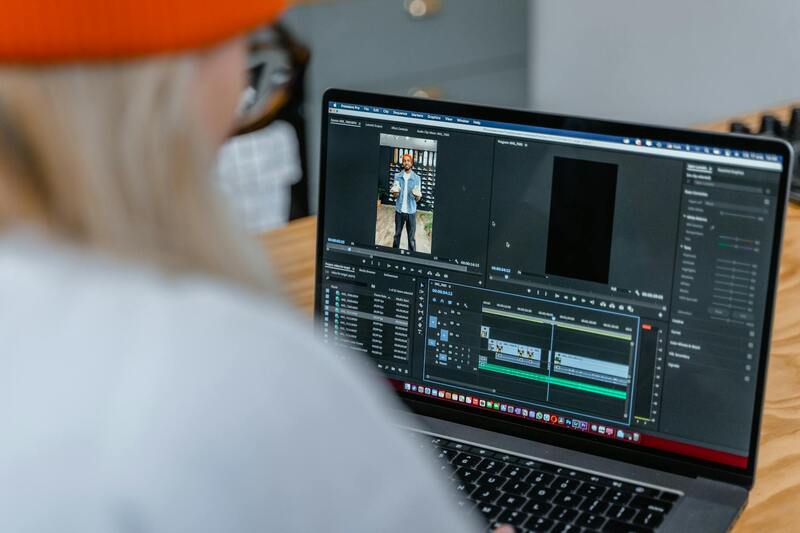
The rendering phase demands powerful computer hardware with high processing speeds and ample memory capacity. High-performance workstations equipped with solid-state drives (SSDs), advanced GPUs, and ample RAM are essential for managing extensive datasets and ensuring smooth rendering workflows. This combination of precise hardware and sophisticated software empowers real estate professionals to deliver immersive and accurate virtual representations of properties.
Understanding 3D House Photography
3D house photography has revolutionized the way real estate is showcased, providing immersive and detailed visual experiences for prospective buyers. By leveraging advanced imaging technologies, this method captures a property's interior and exterior with precision, creating a digital twin that can be explored remotely. Such visualizations encompass comprehensive spatial layouts, detailed textures, and realistic lighting conditions, allowing viewers to virtually walk through properties as if physically present.
The core principle involves capturing multiple high-resolution images or scans from various vantage points around the property. These images are then processed using specialized software to assemble a cohesive, interactive 3D model or virtual tour. This process not only enhances visual appeal but also provides buyers with a more accurate understanding of a property's dimensions, flow, and architectural details.
Implementing 3D house photography requires a combination of sophisticated hardware and software tools. From professional 3D cameras equipped with wide-angle lenses to LiDAR scanning devices that gather spatial data rapidly, each component plays a vital role in producing high-quality visuals. This technology allows for the precise replication of intricate architectural features, spatial relationships, and lighting nuances, ensuring the virtual representation closely mirrors reality.
Advantages of 3D Photography for Miami Real Estate
- Enhanced Viewing Experience: Offers an interactive and immersive experience, enabling buyers to explore homes at their own pace without physical visits.
- Increased Engagement: Properties presented with 3D visuals attract more attention online, leading to higher inquiry rates and faster sales cycles.
- Accurate Representation: Captures the true scale, layout, and ambiance of a property, reducing misunderstandings and miscommunications.
- Time and Cost Efficiency: Virtual tours allow for remote viewings, minimizing the need for multiple in-person visits, especially useful in high-demand markets like Miami.
- Marketing Versatility: 3D models can be embedded into listings, shared on social media, or incorporated into virtual staging and renovation planning.
These benefits collectively contribute to a more streamlined sales process, increased visibility for listings, and a superior overall buying experience. With the fast-paced Miami real estate market, integrating 3D photography becomes a strategic advantage for agents and sellers seeking to stand out and close deals efficiently.
Challenges and Solutions in 3D House Photography
Despite its numerous benefits, implementing 3D house photography involves certain challenges that professionals must address to ensure high-quality results. One common obstacle is capturing complex architectural details and interior lighting conditions accurately. Variations in natural light throughout the day and the presence of reflective surfaces can affect the consistency and clarity of 3D scans.
To mitigate these issues, specialists employ advanced equipment such as high dynamic range (HDR) imaging and time-of-flight (ToF) sensors, which enhance data capture even in challenging lighting environments. Additionally, meticulous scene preparation, including the removal of clutter and strategic lighting adjustments, ensures the environment is optimized for scanning.
Another challenge involves the integration of 3D visuals into existing marketing platforms. Compatibility issues may arise with different listing systems or virtual staging tools. To overcome this, providers use versatile software solutions that support various file formats and seamless embedding options, ensuring smooth incorporation into property listings and online campaigns.
Furthermore, the time investment required for capturing and processing 3D imagery can be significant, especially for larger properties. Streamlined workflows, trained personnel, and high-speed processing hardware help increase efficiency and reduce turnaround times, keeping pace with the fast-moving Miami real estate market.
Legal and Ethical Considerations
When deploying 3D house photography, professionals must adhere to strict guidelines to respect the rights of all parties involved. This includes obtaining proper consent to photograph and scan private properties, particularly interior spaces, to safeguard property owners' privacy and proprietary information.
It is also vital to ensure the accuracy of 3D models to prevent misrepresentation of a property's features or condition. Providing truthful and precise visual content builds trust with potential buyers and maintains the integrity of property listings.
Data security is another pivotal aspect. High-resolution images and detailed 3D scans contain extensive property information that must be protected from unauthorized access or misuse. Employing secure storage and transfer protocols ensures the confidentiality of proprietary visual data.
By implementing rigorous standards for content integrity, privacy, and security, professionals uphold ethical practices that support a transparent and trustworthy real estate environment.

Steps in Producing 3D House Visuals
The process of creating compelling 3D house visuals begins with meticulous planning, which includes assessing the property’s layout, lighting conditions, and areas that will benefit most from 3D visualization. Accurate site measurements are taken to ensure the digital models reflect real-world dimensions precisely. This step is crucial for generating a faithful virtual experience that mirrors the property’s actual features.
Next, high-resolution images and laser scans are captured using specialized equipment such as LiDAR scanners, 360-degree cameras, and drones if aerial perspectives are necessary. These tools collect detailed spatial data and imagery that serve as foundational components for developing the 3D model.
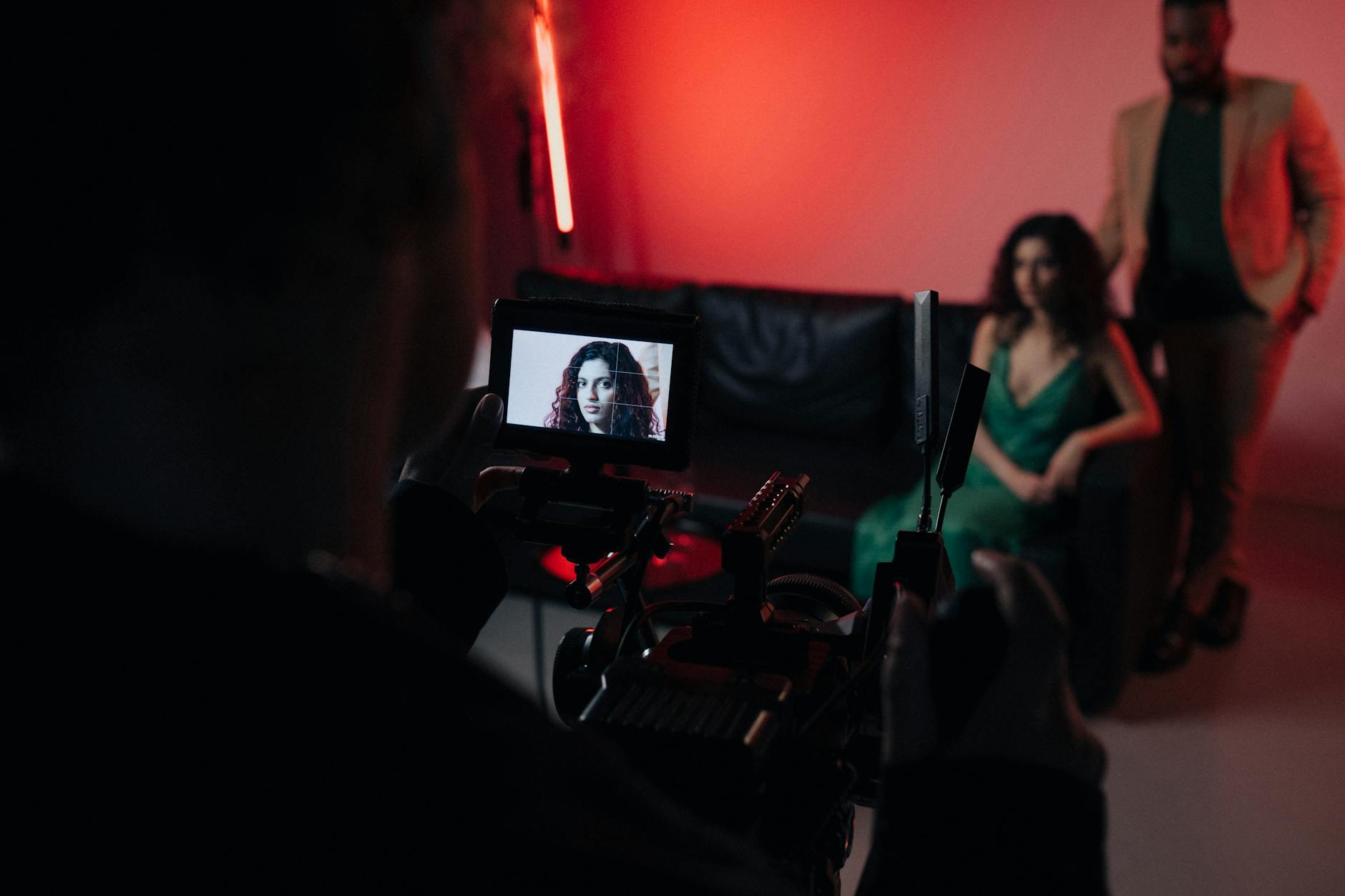
Following data acquisition, the raw inputs undergo processing through advanced software programs designed for 3D modeling and rendering. This phase includes aligning the images, creating mesh structures, and applying textures to produce a realistic and engaging visualization. Adjustments are made to optimize lighting, colors, and material properties, enhancing the overall visual fidelity.
Once the 3D model is refined, it can be integrated into interactive platforms such as virtual tours or embedded into property listings. These digital assets are optimized for different display mediums, ensuring they load swiftly while maintaining high quality. This seamless integration allows potential buyers to virtually walk through properties and gain a comprehensive understanding of their features.
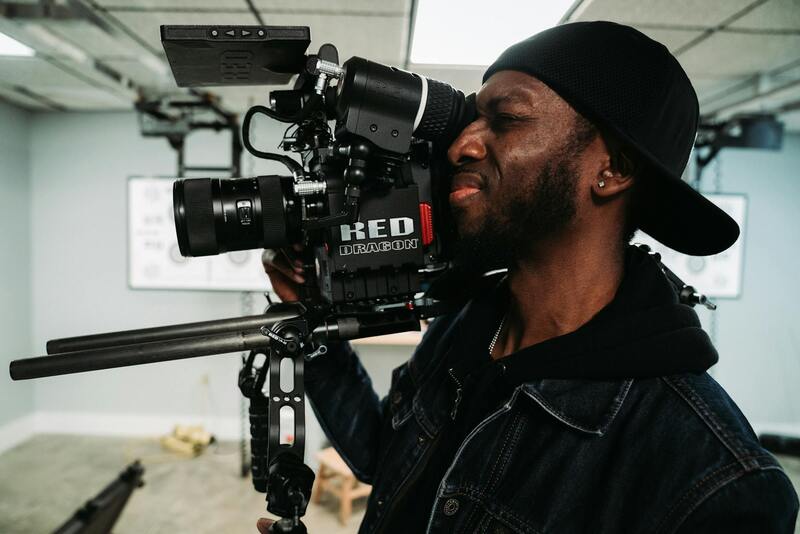
Throughout this workflow, maintaining accuracy and visual consistency is paramount. Skilled technicians and software experts continuously verify the data to prevent errors that could misrepresent the property. The final product is a highly detailed, accurate, and visually appealing 3D model that elevates real estate marketing efforts and enriches buyer experiences.
Legal and Ethical Considerations in 3D House Photography
As the use of 3D house photography becomes increasingly prevalent in the real estate sector, understanding the core principles surrounding legal and ethical practices is essential for professionals operating within this domain. Ensuring proper consent from property owners is a fundamental step before capturing imagery or creating detailed 3D models. This involves transparent communication about how the visuals will be utilized, shared, and stored, fostering trust between real estate agents, photographers, and clients.
Respecting privacy rights is equally crucial. Photographers and content creators must be vigilant to avoid capturing sensitive areas or personal belongings that individuals may wish to keep private. This may include avoiding intrusive angles or technological methods that reveal proprietary or confidential information. When capturing exterior shots, attention should be paid to avoid infringing on neighboring properties’ privacy.
Intellectual property rights also play a vital role in 3D house photography. Professionals should ensure they hold appropriate licenses for any software used in the creation of 3D models and visuals. Proper attribution and copyright considerations must be observed when incorporating third-party elements or textures, avoiding unauthorized use of proprietary content.

Transparency with clients regarding image use and sharing policies further enhances ethical standards. Establishing clear agreements about how and where 3D visuals will be displayed, including online listings, virtual tours, or marketing materials, helps prevent misunderstandings. Adherence to such ethical practices not only aligns with professional standards but also strengthens industry reputation and promotes responsible innovation in real estate imagery.
Ensuring Authenticity and Accuracy in 3D House Photography
Maintaining authenticity and ensuring the accuracy of 3D house visuals is fundamental to a trustworthy real estate marketing strategy. As these visualizations directly influence purchasing decisions, it is essential that they represent the property in a truthful manner, free from distortions or misleading enhancements. Photographers and visualization specialists should employ high-quality equipment and advanced software to capture precise dimensions and details.
In practice, this involves meticulous calibration of 3D scanning devices and careful post-processing to eliminate errors or discrepancies. The use of laser scanning and high-resolution cameras ensures that every structural element, interior feature, and exterior detail is accurately documented. This level of precision supports real estate agents and potential buyers in making informed decisions, fostering transparency throughout the transaction process.
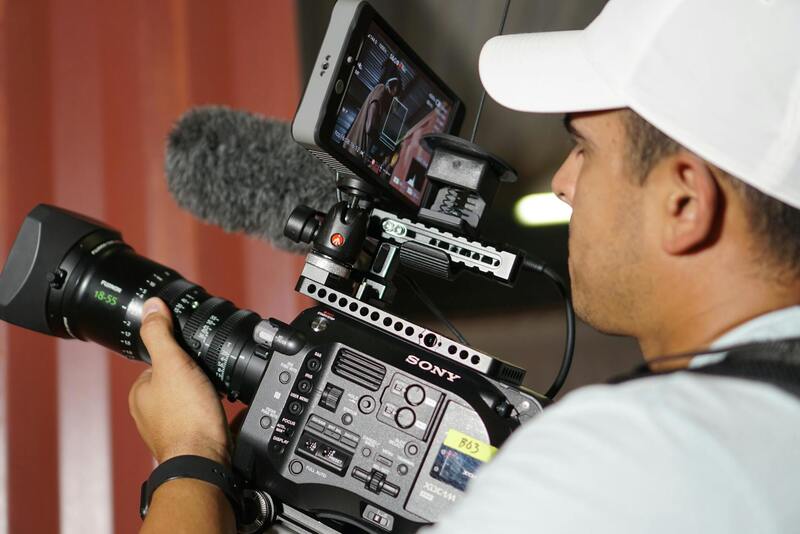
Furthermore, adherence to strict standards for lighting, texture accuracy, and scale consistency is vital. It’s important that clients receive visuals that reflect real-world appearances, avoiding exaggerated colors or proportions that could mislead viewers. When discrepancies are unavoidable, transparency about the limitations or potential distortions in the visuals helps maintain credibility and supports ethical marketing practices.
Calibration protocols, quality control checks, and ongoing training for professionals involved in 3D house photography contribute significantly to the integrity of final products. This commitment to authenticity enhances client trust and ensures the visual content aligns with the property’s actual characteristics, ultimately leading to smoother transactions and satisfied clients.
Maintaining Privacy and Respect for Property in 3D Visualizations
Respecting the privacy of property owners and occupants is of paramount importance when creating 3D visualizations. This entails careful planning of shooting angles, coverage areas, and technological procedures to avoid capturing sensitive spaces or personal belongings without consent. Photographers should develop comprehensive shot lists and coordinate with property owners to identify areas that require specific attention or restrictions.
Publicly accessible exterior views must be curated to prevent inadvertent inclusion of neighboring properties or private outdoor spaces. This can be achieved through strategic camera positioning, selective cropping, and employing software tools that allow for digital masking or blurring of sensitive features.
Engaging landlords and homeowners early in the process helps establish clear boundaries and obtains necessary permissions. When creating virtual tours or marketing visuals, clear communication about how images will be utilized reassures clients and supports ethical content creation practices.
Implementing Ethical Standards for 3D House Content
Adoption of standardized ethical guidelines significantly enhances professional integrity in 3D house photography. These standards should outline procedures for securing property access, protecting private information, and respecting proprietary content rights. Establishing formal agreements with clients regarding the scope and use of visual materials helps prevent misunderstandings and promotes mutual trust.
Professionals should also ensure intellectual property rights are meticulously managed. Using licensed software, original textures, and authorized third-party content upholds the integrity of the visuals and avoids potential legal complications. Proper attribution when incorporating external assets, along with maintaining records of licenses and permissions, forms an essential part of ethical practice.
Transparency about the capabilities and limitations of 3D visualizations fosters informed client choices. This includes clearly communicating aspects such as possible discrepancies and the potential for future updates or modifications. Ethical adherence in 3D house photography preserves industry standards, enhances reputation, and guarantees a responsible approach to innovative real estate marketing.