
Overview of Virtual Real Estate Photography
Virtual real estate photography has emerged as an essential component of modern property marketing, transforming traditional ways of showcasing real estate listings. This specialized form of photography focuses on creating high-quality, immersive visual representations of properties that enable potential buyers and renters to explore spaces remotely. In the competitive Miami real estate market, the demand for virtual tours and 3D visualizations has grown significantly, driven by the need to reach a broader audience and facilitate faster transactions.
Unlike standard photography, virtual real estate photography leverages advanced imaging techniques, specialized equipment, and software to produce accurate, engaging, and interactive property presentations. This approach not only captures the aesthetic appeal of a property but also provides detailed spatial insights that help clients make better-informed decisions. With Miami’s diverse and fast-paced property landscape, virtual photography offers agents and sellers a strategic advantage by enhancing listing visibility and attracting more potential buyers beyond traditional marketing channels.
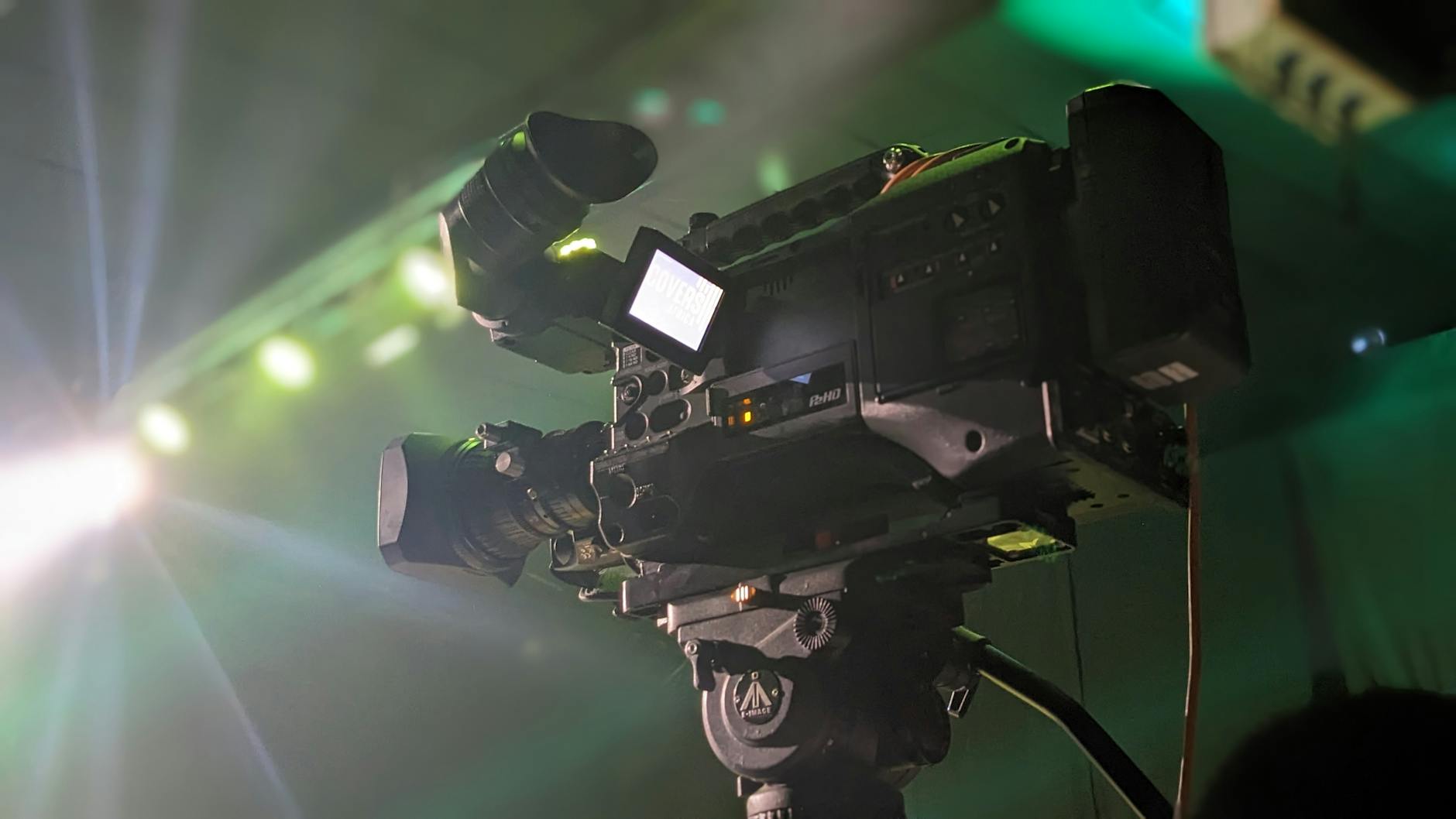
The significance of virtual real estate photography extends beyond simple image display; it is about creating a compelling virtual experience that mimics an in-person visit. This innovation has become especially relevant amidst increasingly digital property searches, social distancing guidelines, and the global shift towards remote interactions. As a result, Miami-based real estate professionals who adopt virtual photography techniques stand to gain a competitive edge by offering prospective clients a seamless, informative, and visually appealing online property exploration.
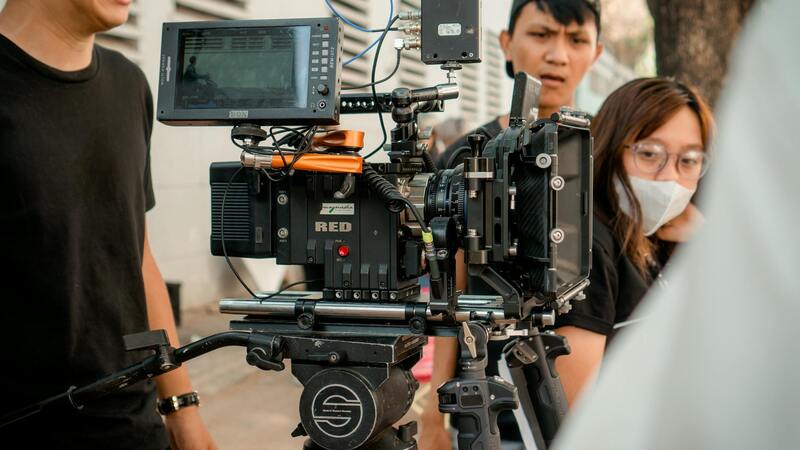
Embracing virtual real estate photography means integrating high-resolution imagery and sophisticated visualization techniques into broader marketing strategies. It enhances online property listings, improves engagement rates, and shortens sales cycles. In a market as dynamic and diverse as Miami, leveraging virtual photography tools ensures that property representations are not only attractive but also accurate and comprehensive, building trust and confidence among prospective buyers.
Key Techniques in Virtual Real Estate Photography
To maximize the impact of virtual real estate photography, professionals employ several advanced techniques that ensure each property is presented in the most appealing and accurate manner possible. These methods focus on capturing detailed images, creating immersive experiences, and showcasing the property’s unique features effectively.
- High Dynamic Range (HDR) Imaging: This technique involves capturing multiple photographs at different exposure levels and blending them to produce a single image with balanced lighting. HDR enhances interior brightness and exterior views, providing a clear and vibrant representation that appeals to potential buyers.
- 360-Degree Panoramas: Using specialized camera equipment, agents can capture comprehensive panoramic images of entire rooms or external views. These allow viewers to virtually explore the space as if physically present, significantly improving engagement and realism.
- Precise Auto-Aligning and Stitching: Advanced software stitches together multiple images seamlessly, creating cohesive virtual scenes without visible lines or mismatched elements. This accuracy fosters trust in the property’s depiction and ensures consistent viewing experiences across devices.
- Lighting Optimization: Proper lighting setup during the shoot is crucial. Techniques include using professional lighting tools, natural light augmentation, and post-processing adjustments to highlight the property’s best features and eliminate shadows or overly bright spots.
- Strategic Composition: Arranging shots to emphasize architectural highlights, spaciousness, and flow helps viewers understand the layout intuitively. Techniques such as wide-angle lenses and thoughtful framing are instrumental in this process.
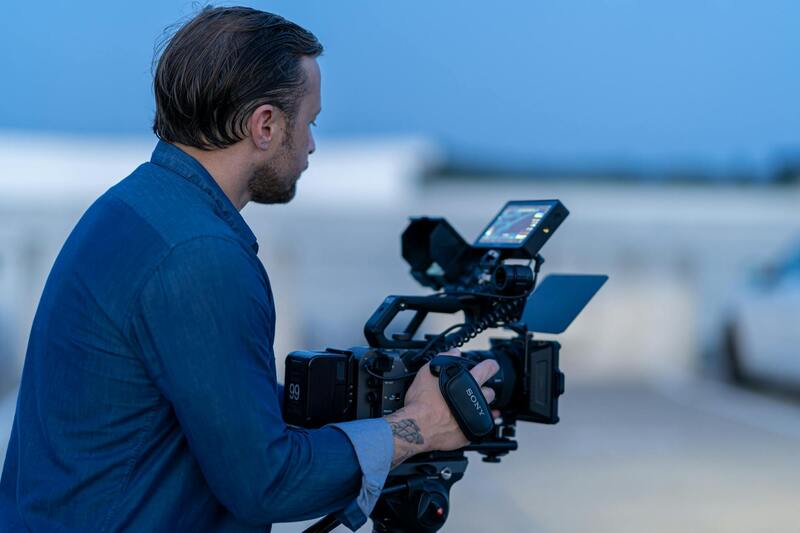
In addition to these core techniques, virtual real estate photography in Miami benefits from the integration of innovative visualization tools such as drone footage for external views and virtual staging solutions, which digitally furnish empty or cluttered spaces to appeal to a wider audience.
Equipment and Software Used
The foundation of effective virtual real estate photography lies in the choice of equipment and software. Professionals often rely on high-resolution cameras, omnidirectional lenses, and stabilization tools to capture sharp, distortion-free images. Drones are increasingly used for capturing striking aerial shots that provide prospective buyers with comprehensive property overviews. For software, applications like Photoshop, Lightroom, and specialized virtual staging platforms enable post-production editing, enhancements, and seamless image stitching. These tools help in refining the visual presentation, ensuring each shot accurately reflects the property's essence.

Investing in high-quality equipment and reliable software is essential for delivering consistent, professional-grade images that stand out in Miami's competitive real estate market. Combining these tools with skillful photography principles results in immersive visual content capable of engaging digital audiences effectively.
Integrating Virtual Tours into Property Listings
Virtual real estate photography extends beyond static images, playing a crucial role in the creation of immersive virtual tours that allow prospective buyers to experience a property remotely. The integration of virtual tours into property listings ensures a seamless, engaging browsing experience, enabling buyers to navigate through the space as if they were physically present. High-quality virtual tours can include multiple panoramic images linked via intuitive navigation tools, allowing viewers to explore each room and detail at their own pace, thus enhancing their understanding of the property's layout and features.
Effective virtual tours incorporate several advanced techniques, such as 360-degree panoramic imaging combined with smooth transition animations, to provide a cohesive, realistic walkthrough. These tours leverage specialized software that stitches together individual images, creating fluid interactive experiences accessible across various devices and platforms. An important aspect of these projects is optimizing load times without compromising image quality, ensuring that potential buyers can access the tours effortlessly on desktops, tablets, or smartphones.
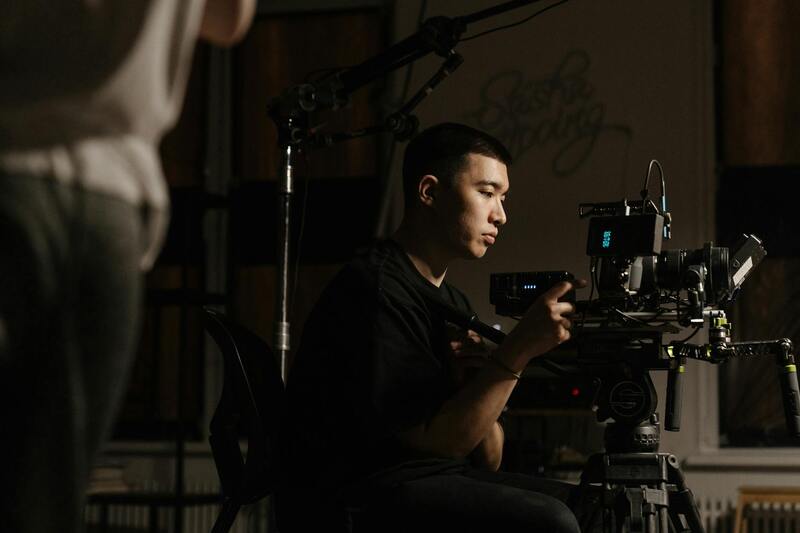
Integrating virtual tours into online listings increases engagement metrics and reduces the time a property spends on the market. Detailed virtual tours often feature clickable hotspots, which provide additional information about key features or upgrades, offering an interactive dimension that standard photos cannot achieve. For Miami real estate professionals, the inclusion of high-quality virtual tours can significantly elevate their marketing strategies, allowing their properties to stand out in a competitive environment.
Best Practices for Shooting Virtual Real Estate Photography
Creating compelling virtual real estate content involves adhering to established best practices. The process begins with meticulous planning, including preparing the space by decluttering and ensuring optimal lighting conditions. Natural light should be maximized during shoots to enhance the vibrancy of images, while supplemental lighting may be used in darker areas.
When capturing images, professional-grade cameras equipped with wide-angle or omnidirectional lenses are preferred to accurately represent spatial dimensions. Stabilization tools, such as gimbals or tripods, ensure steady shots free from blur. During post-production, software enhancements like color correction, perspective adjustments, and image stitching refine visual quality and consistency.
Incorporating external perspectives is equally important. Drone photography offers breathtaking aerial views that contextualize the property's surrounding environment, highlighting outdoor amenities, landscapes, and neighborhood features. Combining exterior aerial shots with interior panoramic images creates a comprehensive visual narrative that appeals to both technical and emotional sensibilities of potential buyers.
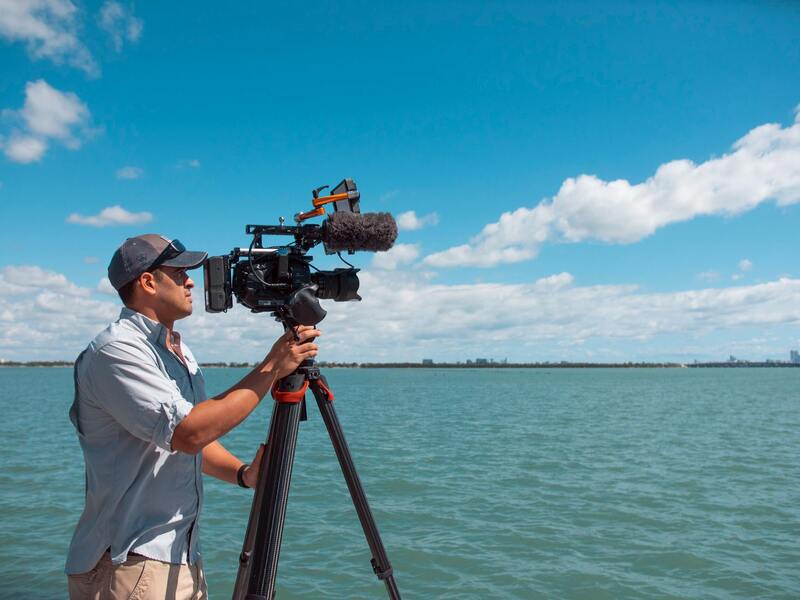
Finally, attention to detail in editing, such as removing distractions or enhancing specific features, ensures each image accurately reflects the property’s unique appeal. When these best practices are consistently followed, virtual real estate photography serves as a powerful tool to accelerate the property marketing process and attract serious buyers more efficiently.
Equipment and Software Used
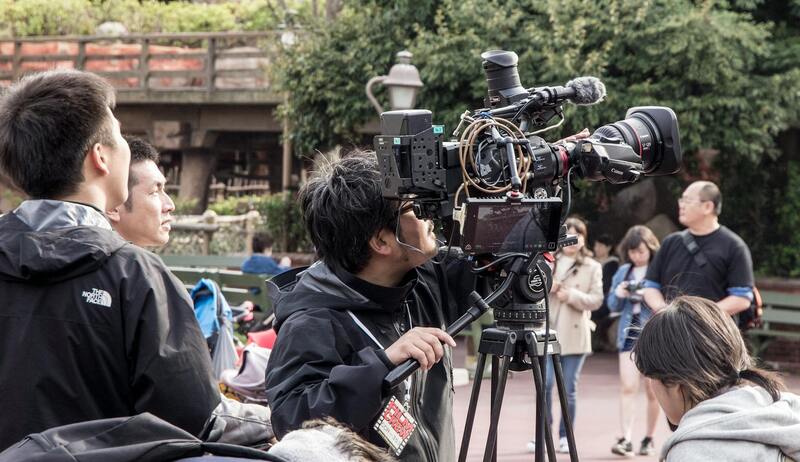
Producing compelling virtual real estate photography demands a combination of sophisticated hardware and advanced software tools. The primary hardware component is a high-resolution digital camera, preferably full-frame or medium format, paired with a wide-angle or ultrawide lens to capture expansive views within confined spaces. Using a DSLR or mirrorless camera ensures the images are sharp, detailed, and color-accurate, which are vital qualities for virtual tours that serve as online property showings.
Stabilization equipment, such as professional tripods or gimbals, plays a crucial role in eliminating camera shake, resulting in crisp images that highlight the property’s best features without distraction. For exterior shots or elevated perspectives, unmanned aerial vehicles equipped with high-quality cameras offer dynamic aerial imagery, providing comprehensive views of the property and its surroundings.
During photo capture, proper lighting is essential. Portable lighting kits or reflectors may be used to fill shadows and illuminate interior spaces evenly, ensuring natural light maximizes visual appeal. When natural light is insufficient, supplemental lighting helps maintain consistent brightness across images.
Post-production editing software is equally important for refining images. Programs like Adobe Photoshop and Lightroom enable photographers to correct color imbalances, adjust exposure levels, and fine-tune perspective distortions. These tools allow for seamless image stitching, which is particularly useful when creating panoramic views or immersive virtual tours.
Specialized virtual tour software, such as Matterport, enables the compilation of high-quality images into interactive, 3D walkthroughs. This technology provides potential buyers with a virtual experience akin to physically touring the property, enhancing engagement and providing detailed spatial information.
Finally, note-taking and project management apps help coordinate shoots, plan the sequence of images, and ensure that each visual element aligns with the overall marketing strategy.
Integrating Virtual Tours into Property Listings
Successfully incorporating virtual real estate photography into online listings significantly boosts property visibility and buyer engagement. Real estate professionals should prioritize seamless integration of high-quality virtual visuals into multiple marketing channels, including MLS platforms, agency websites, and third-party real estate portals. Embedding virtual tours directly within property listings ensures potential buyers can explore the property thoroughly without navigating away from the primary listing page, creating a more immersive experience.
To maximize exposure, it's essential to optimize virtual content for different devices. This involves ensuring that virtual tours are mobile-friendly, as a growing number of prospective buyers rely on smartphones and tablets for property searches. Employing responsive design techniques enhances user experience and reduces bounce rates, encouraging longer engagement periods.
Efficiently sharing virtual tours across social media and email marketing is equally important. Incorporating eye-catching visuals and direct links to the virtual walkthroughs can drive traffic and increase inquiries. For instance, crafting dedicated social media posts featuring preview snippets of virtual tours can pique interest among a broader audience. Similarly, embedding virtual content within email campaigns targets interested prospects directly, fostering higher lead conversion rates.
Effective integration also involves strategic use of call-to-action buttons within listings, guiding viewers toward scheduling in-person viewings or requesting additional information. Highlighting the availability of virtual tours in property descriptions assures prospective buyers of an accessible, comprehensive viewing option, ultimately shortening the decision-making process.
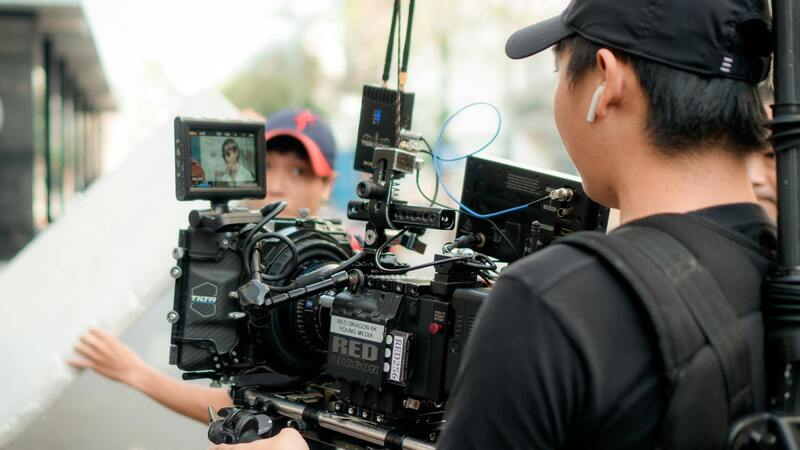
Moreover, data analytics tools can track user interaction with virtual tours, offering insights into which properties garner the most attention. This information can inform marketing strategies, allowing agents to tailor their outreach efforts more effectively. Incorporating virtual tours is increasingly becoming an indispensable element in modern real estate marketing, providing a competitive edge in the Miami market where buyers value convenience and immersive experiences.
Legal and Ethical Considerations
When implementing virtual real estate photography, adhering to established protocols that respect property rights and privacy is essential. This includes obtaining proper permissions from property owners prior to capturing images and virtual tours, especially in cases involving tenants or shared spaces. Clear consent ensures that all visual representations are authorized, safeguarding the interests of all parties involved.
Accuracy and honesty in virtual representations are fundamental. It is crucial to present properties truthful to their actual condition and features, avoiding any alterations or enhancements that could mislead potential buyers. This commitment fosters trust and maintains the integrity of the marketing process.
Intellectual property rights also play a vital role. Content creators should be mindful to use licensed or original visuals, avoiding copyright infringement. This preserves the credibility of the marketing materials and shields against legal complications.
Transparency in the virtual presentation process, such as clearly indicating the scope of the images and any post-processing involved, contributes to ethical marketing standards. Buyers appreciate honesty, and transparent practices reduce the risk of disputes or dissatisfaction post-viewing.
Legal and Ethical Considerations
Ensuring responsible practices in virtual real estate photography is paramount for maintaining trust and integrity within the industry. Responsible photographers diligently seek consent prior to capturing images of private properties, respecting the rights of property owners and tenants. This process involves clear communication about the intended use of images and virtual tours, minimizing misunderstandings and ensuring all parties are comfortable with the visual representation.
Proper authorization not only upholds respectful relationships but also aligns with professional standards, demonstrating a commitment to ethical conduct. When documenting shared spaces or properties under specific agreements, confirming permission ensures compliance with relevant protocols and safeguards against potential disputes.
Accurate and authentic visual portrayals form the foundation of trustworthy virtual real estate marketing. Photographers should prioritize capturing properties in their true condition without excessive editing or misleading enhancements. Presenting an honest view supports buyers in making informed decisions, fostering transparency in the transaction process.
Recognizing intellectual property rights is crucial. Utilizing licensed or original visuals prevents infringement issues and preserves the credibility of marketing efforts. Proper attribution and authorization for third-party content maintain professionalism and legal compliance.
Transparency throughout the virtual property presentation enhances buyer confidence. Disclosing the extent of any post-processing or virtual staging used ensures expectations are aligned with reality. Such openness reduces the likelihood of dissatisfaction after viewings and supports a positive reputation for agents and photographers.
By prioritizing ethical standards, professionals in virtual real estate photography foster a trustworthy environment where clients and buyers feel confident in the accuracy and fairness of property representations. This commitment to responsible practices ultimately contributes to smoother transactions and stronger industry standards.
Legal and Ethical Considerations in Virtual Real Estate Photography
Maintaining integrity and transparency in virtual real estate photography is essential for fostering trust between agents, sellers, and prospective buyers. Ensuring that images accurately reflect the true state of the property helps build credibility and supports long-term professionalism in the industry. This approach involves capturing the property in its natural condition, devoid of misleading enhancements or exaggerated features that could distort buyer expectations.
Photographers should adopt a straightforward and honest approach when creating virtual property visuals. Avoiding overly edited images, excessive virtual staging, or unrealistic broad-brush corrections preserves the authenticity needed for trustworthy marketing. When virtual staging is utilized, disclosing its application clearly ensures buyers are aware of the modifications, thereby aligning their expectations with actual on-site conditions.
Respect for intellectual property rights through the use of licensed, royalty-free, or original imagery further cements ethical standards. Reproducing visuals without proper authorization can jeopardize credibility and result in disputes that could affect professional reputations. Proper attribution and securing necessary permissions prior to publishing virtual images demonstrate respect for creators' rights and uphold industry standards.
Transparency extends beyond image authenticity to include disclosing any significant editing or enhancements made during post-processing. Prospective buyers appreciate clarity about what modifications have been performed, whether virtual staging or color adjustments. Clear communication about these aspects minimizes misunderstandings and increases overall satisfaction with the virtual viewing experience.

In addition, adherence to privacy and data protection regulations is imperative, particularly when incorporating virtual tours or interactive features. Protecting client and property privacy while offering immersive viewing options helps sustain a professional and responsible approach. This encompasses managing user data securely, obtaining necessary consents, and avoiding intrusion or overexposure of residents' personal spaces.
Implementing official standards and protocols for virtual real estate photography fosters an environment of accountability and professionalism. Industry organizations often provide best-practice guidelines that emphasize the importance of truthful representation, respect for intellectual property, and safeguarding client interests. Following these guidelines ensures that virtual marketing efforts are not only effective but also aligned with established ethical standards, ultimately benefiting all parties involved and reinforcing the reliability of virtual real estate images.