
Role of a Residential Real Estate Photographer in Miami
In the competitive Miami real estate market, the role of a residential real estate photographer goes beyond simply capturing images. These professionals are essential in creating a compelling visual presentation of properties that resonate with potential buyers. Their responsibilities include understanding the unique features of each home, highlighting its strengths, and depicting spaces in a way that appeals to local and international audiences. Their work directly influences the perception of the property, making it more appealing and accessible through high-quality imagery designed for various marketing platforms.
A skilled residential real estate photographer in Miami must be adept at showcasing different architectural styles, from modern high-rises to charming waterfront homes. They pay close attention to lighting, composition, and perspective to produce images that evoke an emotional response. Properly executed photos can significantly reduce the time a property spends on the market and increase offers from interested buyers. In essence, these professionals act as visual storytellers, helping homeowners and agents communicate the unique aesthetic and lifestyle offered by Miami residences.
The importance of professional photography in real estate marketing extends beyond standard listing images. It includes creating a first impression that can be decisive in a buyer’s decision-making process. High-quality visuals not only attract more viewings but also establish credibility and trustworthiness for the property and its marketing agents. This critical role underscores the need for dedicated and experienced photographers who understand the nuances of real estate presentation in Miami’s vibrant and diverse neighborhoods.
Key Skills and Equipment for Residential Photography
Achieving stunning visual representations of Miami residences requires a combination of technical proficiency and specialized equipment. A competent residential real estate photographer must possess a deep understanding of camera settings and lighting techniques to highlight the property's best features. Mastery over exposure, shutter speed, aperture, and white balance ensures images are sharp, well-lit, and true to life, even under challenging lighting conditions common in Miami's diverse environments.
High-quality equipment is fundamental in capturing compelling images. Professional photographers typically utilize full-frame digital cameras with high-resolution sensors that deliver detailed, crisp images. Wide-angle lenses are essential for encompassing more of a room or exterior shot in a single frame, creating an immersive experience for viewers. Additionally, tilt-shift lenses can be employed to correct perspective distortions, ensuring straight lines and proportional representations, particularly useful in interior shots.
Lighting plays a pivotal role in real estate photography. Natural light should be maximized when possible, but photographers also rely on professional lighting tools such as portable flashes, reflectors, and diffusers to eliminate shadows and brighten interior spaces evenly. The use of high-dynamic-range (HDR) imaging techniques allows capturing details in both highlights and shadows, ensuring balanced images that showcase the property's true aesthetic appeal.
Additional Skills Essential for Top-Quality Results
- Composition and Framing: Understanding how to arrange elements within a shot to emphasize the property's best features.
- Post-Processing: Skilled editing to enhance colors, correct distortions, and ensure the final images meet high standards without appearing overly processed.
- Attention to Detail: Spotting and correcting minor issues such as clutter, poor lighting, or distracting elements during the shoot or in post-production.
- Knowledge of Local Market Trends: Recognizing what buyers in Miami are seeking and tailoring shots to highlight those features effectively.
In sum, the combination of skilled technical execution and state-of-the-art equipment ensures that a residential real estate photographer can produce images that truly resonate with prospective buyers, helping Miami properties stand out in a competitive market. The right tools and skills translate into compelling visual storytelling, ultimately driving interest and facilitating quicker sales.
Factors to Consider When Shooting Miami Homes
The vibrant and diverse architectural landscape of Miami, from sleek modern condos to classic Art Deco buildings, demands a tailored approach from residential real estate photographers. Each property type requires specific attention to its unique features and surroundings to maximize visual appeal and marketability.
One of the primary considerations is understanding how local lighting conditions affect photography. Miami's abundant natural sunlight, while advantageous, can sometimes lead to overexposed images or harsh shadows if not managed properly. Photographers must skillfully utilize diffusers, reflectors, and proper timing to harness the best lighting throughout different times of day. Golden hour shoots, shortly after sunrise or before sunset, often produce warm, inviting images that highlight Miami's vibrant exterior aesthetics.
Architecture styles influence the composition and framing techniques employed. For instance, capturing the intricate detailing of Art Deco facades requires precise angles and lens choices to emphasize ornate features without distortion. Modern homes with clean lines benefit from minimalistic compositions that highlight symmetry and spaciousness. Additionally, exterior landscape features, such as lush gardens or proximity to water bodies, should be integrated into shots to accentuate lifestyle appeal.
Community and neighborhood features are integral to storytelling. Showcasing nearby parks, beaches, or cityscapes can create an aspirational image that appeals to prospective buyers. When photographing entire neighborhoods, wide-angle lenses allow for capturing the scale and charm of the community, fostering emotional connections with viewers.
Weather conditions, such as high humidity or rain, also influence planning. Professional photographers often coordinate their shoots during clear days to ensure optimal lighting and minimal disruptions. Additionally, understanding the local regulations regarding drone usage and aerial shots is essential to comply with Miami's specific guidelines, ensuring smooth integration of aerial photography into the marketing portfolio.
Post-production editing plays a crucial role in fine-tuning images to meet high standards while maintaining authenticity. Adjustments to brightness, contrast, and color balance can accentuate Miami's vivid color palette, from turquoise waters to lush greenery, effectively capturing the spirit of each property.
Ultimately, recognizing the unique characteristics of Miami’s real estate landscape and adapting shooting techniques accordingly ensures that each property’s visual presentation aligns with market expectations, drawing in potential buyers and accelerating sales timelines.
Strategies for Achieving Consistent High-Quality Results
Achieving a consistent standard of high-quality residential real estate photography in Miami requires a systematic approach that emphasizes precision, preparation, and ongoing education. Photographers must familiarize themselves thoroughly with each property to identify its unique selling points, architectural details, and optimal angles that highlight its best features. This preparatory phase involves scouting the location ahead of the shoot, ensuring that all necessary equipment is operational, and planning shots that align with the property’s character and target market appeal.
Pre-shoot communication with clients is essential to understand their expectations and gather any specific instructions or preferences. For instance, some clients may prioritize exterior shots showcasing Miami’s vibrant surroundings or interior images emphasizing open layouts. Clarifying these details upfront minimizes discrepancies and ensures the final images meet anticipated standards. Moreover, scheduling the shoot during the ideal lighting window—typically early morning or late afternoon—can significantly enhance image quality, capturing soft natural light that reveals textures and colors vividly.
Technical mastery is fundamental to producing compelling images. This involves mastering the use of various lenses, such as wide-angle and tilt-shift, to prevent distortion and accurately portray spatial relationships within the home. Additionally, mastering exposure settings ensures bright, detailed interiors and exteriors without over- or underexposure, which are common pitfalls in real estate photography. Using tripods and stabilization equipment further enhances sharpness, especially in low-light conditions or interior spaces with limited natural light.
Post-processing plays an equally important role in maintaining quality and consistency. Professional editing involves adjusting brightness, contrast, and color saturation to ensure images accurately depict the property's appearance while enhancing visual appeal. This stage also allows for correcting lens distortions, removing minor blemishes, or slight distractions that could detract from the overall impression. Skilled retouching ensures that each image aligns with market expectations and presents the property in its best light, fostering greater engagement from prospective buyers.
Implementing Continuous Education and Technique Refinement
The landscape of real estate photography is constantly evolving, driven by technological advancements and changes in market preferences. To remain at the forefront, residential real estate photographers in Miami must pursue ongoing education through workshops, industry seminars, and peer networking. Understanding new camera technologies, lighting methods, and editing software updates helps maintain a competitive edge and ensures delivery of high-caliber images.
Regularly reviewing and analyzing feedback from clients and real estate agents enables photographers to identify areas for improvement. For example, exploring innovative approaches to enhance interior lighting or experimenting with new lenses can lead to breakthrough results that differentiate their portfolio. Additionally, keeping abreast of current design trends and architectural styles within Miami helps photographers tailor their shots to resonate with contemporary buyer preferences.
Adopting a mindset of continuous learning not only improves technical skills but also enriches creative vision. This can involve studying successful property marketing campaigns or examining editorial style photography to inspire new composition ideas. As Miami's real estate market is highly competitive, the ability to adapt quickly and consistently produce captivating images ensures a photographer's reputation as a trusted partner in property promotion.
Techniques for Capturing Appealing Residential Images
Achieving high-quality images that effectively showcase Miami homes requires a combination of precise techniques and a keen understanding of the property’s unique features. Proper lighting is fundamental; natural light should be maximized by shooting during optimal times of the day, typically early morning or late afternoon, when sunlight complements interior spaces without causing harsh shadows. For interiors, the use of external flash or portable lighting kits ensures even illumination, highlighting the home’s best attributes and creating an inviting atmosphere.
Composition plays a crucial role in creating compelling images. Photographers should prioritize wide-angle lenses to capture spaciousness while maintaining proportions that accurately represent the property's dimensions. Utilizing the rule of thirds can enhance balance and visual interest, guiding viewers’ eyes through the shot naturally. Introducing leading lines, such as pathways or architectural elements, can direct attention toward key features like a stunning view, modern kitchen, or luxurious bathroom.
Adjusting camera settings is essential for clarity and vibrancy. Using a low ISO minimizes noise, while a narrow aperture (higher f-stop) ensures sharpness across the entire scene. A tripod stabilizes the camera, preventing blur and allowing for longer exposures when necessary, especially in low-light interiors. For exterior shots, positioning the camera height to avoid obstructions and capturing multiple angles ensures a comprehensive presentation of the property.
Post-processing also enhances image impact. Basic adjustments to brightness, contrast, and color saturation should be applied carefully to maintain authenticity. Sky replacement or minor retouching of minor imperfections can be beneficial, but over-editing risks misrepresenting the property. Consistency across images in lighting tone and style supports a cohesive listing and reinforces the property’s appeal.
Effective Techniques for Capturing Stunning Residential Images
When photographing Miami homes, utilizing a range of proven techniques is essential to produce images that truly highlight the property's unique features and appeal. Starting with optimal lighting, photographers should aim to shoot during daylight hours, leveraging natural sunlight to brighten rooms and accentuate architectural details. Diffused light, such as that on an overcast day or during the golden hour, minimizes harsh shadows and creates a warm, inviting ambiance in interior shots.
Composition plays a pivotal role in residential photography. To make spaces appear larger and more appealing, wide-angle lenses are typically employed, capturing more of the room while maintaining proportional accuracy. A careful application of the rule of thirds can balance shots, guiding the viewer’s eye toward focal points, such as a custom kitchen island or scenic outdoor views. Incorporating leading lines—like walkways, fences, or furniture arrangements—can create a visual path that effortlessly draws attention to key features.
To ensure clarity and dynamic range, setting the camera appropriately is critical. A low ISO setting reduces image noise, while adjusting the aperture controls depth of field, allowing both foreground and background details to stay sharp. Using a tripod stabilizes the camera, especially during longer exposures in low-light environments or interior spaces with uneven lighting sources. For exterior shots, elevating or lowering camera position helps to frame scenic backgrounds or architectural facades effectively.
Post-processing should be approached with care to preserve authenticity. Basic adjustments like brightness, contrast, and saturation help achieve vibrant, true-to-life images that attract potential buyers. Minor retouching of imperfections or sky enhancements can elevate the visual appeal without misrepresenting the property. Consistency in lighting and editing style across multiple images establishes a professional and cohesive listing.
In high-end markets like Miami, utilizing advanced techniques such as HDR (High Dynamic Range) imaging can effectively balance interior and exterior lighting, especially in contrast-rich scenes. This approach ensures that both shadowed areas and highlights are visible, providing a comprehensive view of the home's features. When combined with meticulous composition and lighting, these methods produce images that captivate prospective buyers and stand out in online listings.
Techniques for Capturing Appealing Residential Images
Mastering residential real estate photography in Miami involves employing specific techniques that highlight a property's best features while providing an authentic representation to potential buyers. One fundamental approach is the use of proper composition, which guides the viewer's eye through the space, emphasizing key architectural elements and the flow of rooms. Symmetry, leading lines, and balanced framing are vital tools that create visual harmony and draw attention to the property's strengths.
Lighting plays a pivotal role in capturing the true ambiance of a home. Natural light, especially during the golden hour, can add warmth and vibrancy to images, making interiors appear inviting. Photographers often schedule shoots during optimal lighting conditions to maximize natural illumination. For interiors, turning on all available lights and using diffuse light sources prevent harsh shadows and uneven brightness. Reflectors and diffusers are also employed to soften light and evenly illuminate spaces.
To highlight architectural details and spatial dimensions, employing wide-angle lenses is common. These lenses allow capturing more of a room in a single shot, creating a sense of spaciousness that appeals to buyers. However, it is crucial to avoid distortion; careful adjustments and perspective control ensure accurate representations.
Another key technique involves the strategic use of angles. Shooting from corners can showcase the room's size and layout, while elevated perspectives can provide comprehensive views of outdoor spaces and property exteriors. When photographing outdoor areas, including the landscape and surrounding environment adds context and highlights unique features such as pools, patios, or beachfront access.
Post-processing must be approached with precision to maintain authenticity. Adjustments should enhance clarity, brightness, and color saturation without over-editing. Correcting lens distortion and straightening lines ensure true-to-life depictions. Additionally, minor retouching can remove temporary imperfections, such as clutter or distracting elements, while preserving the natural character of the space.
In the competitive Miami real estate market, integrating high dynamic range (HDR) imaging can be especially beneficial. HDR combines multiple exposures to create images that balance interior brightness with exterior views, ensuring all details are visible regardless of lighting contrasts. This technique produces images that are striking and professional, increasing engagement on property listings.
Finally, consistency in style and quality across all images contributes to a cohesive and credible listing. Potential buyers are more likely to trust and be attracted to properties that feature polished, well-composed photographs. The attention to detail in capturing and editing ensures that each property stands out in a crowded marketplace, ultimately aiding faster sales at favorable prices.
Role of a Residential Real Estate Photographer in Miami
In Miami’s highly competitive real estate market, a dedicated residential real estate photographer plays a critical role in elevating property listings. Their primary responsibility is to craft compelling visual narratives that highlight each property’s unique features and establish an emotional connection with potential buyers. By employing advanced photography techniques and understanding local market trends, they ensure that each image captures the essence of the home, from architectural details to ambiance. A skilled photographer in this niche also acts as an advisor, helping clients present their properties in the best light through strategic staging and lighting decisions. Their expertise extends beyond simply capturing images; they optimize each shot to appeal to target audiences and maximize online engagement. In Miami, where luxury homes often serve as lifestyle statements, the photographer’s role involves emphasizing elements like waterfront views, outdoor entertaining areas, and upscale finishes, ensuring these key features command attention. Furthermore, a residential real estate photographer collaborates closely with real estate agents and homeowners, translating their vision into visual assets that draw in prospective buyers. This partnership ensures the photos align with marketing strategies and brand positioning, ultimately accelerating the sale process and commanding higher market values.
Key Skills and Equipment for Residential Photography
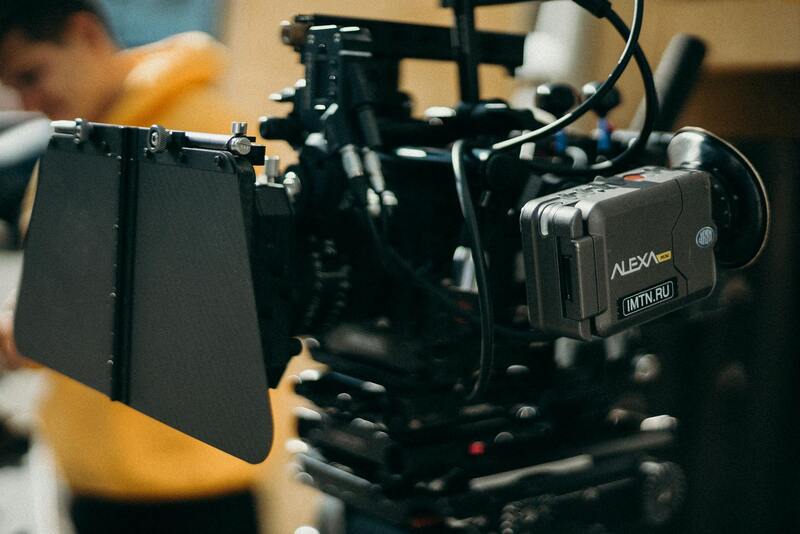
To deliver high-quality images, a residential real estate photographer must possess a blend of technical proficiency, creative flair, and industry knowledge. Essential skills include mastering advanced camera settings, understanding composition principles, and employing lighting techniques that enhance natural beauty without overexposing or underexposing interiors. The equipment essential for residential photography comprises high-resolution digital cameras, wide-angle lenses, and external flash units. Tripods and remote triggers contribute to sharp images, especially in low-light conditions. Drones equipped with high-definition cameras are increasingly utilized for capturing expansive outdoor and aerial shots, adding a dynamic perspective to property listings. In the Miami market, where properties often boast stunning waterfront views, using equipment capable of capturing expansive vistas and intricate architectural details is crucial. Proper post-processing tools for color correction, lens distortion adjustment, and image enhancement also play a vital role in producing polished, professional photographs that meet industry standards.

Factors to Consider When Shooting Miami Homes
Miami’s unique climate, lighting conditions, and architectural diversity demand a tailored approach to residential photography. Photographers must tailor their schedules around the best natural lighting times, usually during golden hour—shortly after sunrise or before sunset—to capture warm, inviting images. Weather conditions significantly influence shoot planning; clear days with stable weather are ideal for outdoor shots, while indoor scenes benefit from well-balanced lighting setups. Understanding the architectural style—be it modern, Mediterranean, Art Deco, or tropical—guides composition and lens choice to accentuate distinctive features. Additionally, photographers should be mindful of curb appeal by capturing clean, well-maintained outdoor spaces, gardens, and pools, which are highly appealing to prospective buyers. Incorporating surrounding features such as palm trees, ocean views, or city skylines can provide context and highlight neighborhood characteristics. Property size and layout also influence photographic techniques. Larger estate homes may require multiple sessions from different angles, including aerial views to showcase acreage or waterfront access, ensuring potential buyers receive a comprehensive visual presentation.
Techniques for Capturing Appealing Residential Images
Effective residential photography hinges on employing techniques that produce engaging and true-to-life images. Utilizing wide-angle lenses allows for capturing a room’s full spatial dimensions, creating an immersive experience that entices viewers. HDR imaging is particularly beneficial in Miami homes with large windows and contrasting lighting conditions, such as bright exteriors versus shadowed interiors. This technique combines multiple exposures to ensure all details are visible, resulting in vibrant, balanced images. Proper lighting is fundamental; during indoor shoots, photographers use supplementary lighting to highlight features without creating harsh shadows. Balancing interior and exterior views by controlling reflections and glare optimizes image clarity. Furthermore, advanced composition rules—such as the rule of thirds, leading lines, and framing—guide the viewer’s eye through the photograph naturally. Highlighting focal points like a luxurious kitchen, expansive living areas, or scenic outdoor spaces helps evoke a lifestyle appeal. Post-processing is equally critical, focusing on maintaining authenticity while enhancing clarity, adjusting colors to reflect real-life tones, and correcting unavoidable lens distortions. Virtual staging and minor retouching can add visual interest, showcasing the potential of empty spaces without misleading viewers.
Importance of Aerial Photography and Drone Shots
Aerial photography has become an indispensable component of comprehensive property marketing in Miami, especially for luxury and waterfront homes. Drone shots provide a panoramic perspective of the property's exterior, surrounding landscape, and community context, which ground-level images alone cannot convey. These shots can showcase impressive features such as private beaches, pools, outdoor living spaces, gardens, and proximity to natural amenities. They also offer a sense of scale, emphasizing the size of the property in relation to nearby landmarks or shoreline access. For locations prone to high-end clientele, aerial imagery underscores exclusivity and luxury. They enhance online listings by offering potential buyers an immersive experience, prompting increased engagement and inquiries. A professional drone operator ensures that aerial images are captured with proper safety measures and adherence to local regulations, producing high-resolution visuals that integrate seamlessly into listing presentations and virtual tours.
Optimizing Property Listings with Professional Photos
High-quality images are fundamental to effective property listing optimization. They boost the property’s online visibility, attract more potential buyers, and can lead to faster sales at better prices. Professional photography ensures that each listing displays the property in its best light, emphasizing its key selling points. Effective image organization involves selecting the most compelling photos that tell a visual story—starting with exterior shots, followed by interior features, unique amenities, and surrounding views. Consistent styling, lighting, and color tones across all images create a cohesive presentation. Optimized photos should be appropriately compressed for quick loading on various devices without sacrificing quality. Consideration of image dimensions and aspect ratios tailored to platform specifications further enhances user experience. Including interactive content like virtual tours and 3D walkthroughs, when complemented by professional photos, provides a comprehensive view of the property, catering to the modern buyer’s preference for remote viewing. This strategy helps establish trust and generates interest even before physical visits occur.
Choosing a Residential Real Estate Photographer in Miami
Selecting the right professional involves evaluating experience, portfolio quality, and familiarity with Miami’s distinct architectural styles and scenic locations. Experienced photographers demonstrate an understanding of lighting conditions, property features, and the latest technological tools necessary to produce top-tier images. Reviewing portfolios helps ensure their style aligns with the market positioning of the property. A versatile photographer who can adapt to various property types—from ultra-modern condos to historic homes—is essential. Additionally, verifying references and client testimonials can provide insight into their reliability, professionalism, and ability to meet deadlines. It’s also beneficial to discuss the scope of services upfront, including staging advice, drone photography, virtual tours, and post-processing. Clear communication about expectations, deliverables, and turnaround times ensures a smooth collaboration. In Miami’s diverse real estate landscape, partnering with a photographer who understands the local market nuances enhances the visual appeal of listings and increases the likelihood of attracting serious buyers and closing deals efficiently.