
Role and Importance of Real Estate Photography Specialists
In the competitive realm of real estate marketing, high-quality visual representation of properties plays a crucial role in attracting potential buyers and increasing sales velocity. Professional real estate photography specialists are pivotal in creating compelling images that highlight a property’s best features, thereby elevating its appeal across various marketing channels. From online listings to print advertisements, the quality of real estate photographs can significantly influence a buyer’s first impression, often determining whether they proceed to arrange a viewing or move on to another property.
Property images captured by seasoned specialists tend to be clearer, better composed, and more enticing than amateur photographs. These professionals utilize advanced cameras, lighting techniques, and staging insights to produce images that are both accurate and appealing. Properly executed photographs can accentuate a space's dimensions, showcase unique architectural details, and present a property in its most favorable light — all of which are imperative for effective marketing.

The importance of professional imagery extends beyond mere aesthetic appeal. It impacts the digital visibility and credibility of listings, as search engines and online listing platforms tend to prioritize well-presented images. Furthermore, quality photographs can reduce the time a property remains on the market, streamline the sale process, and often lead to higher offers. For real estate agents and property owners, investing in expert photography services is a strategic decision that maximizes the property's visibility and potential return on investment.
Ultimately, the role of real estate photography specialists cannot be overstated in today's digital-focused market landscape. Their expertise not only enhances the look of a property but also builds trust with prospective buyers, setting the stage for successful transactions. Engaging professionals ensures that every listing stands out, attracts quality inquiries, and ultimately leads to quicker, more profitable sales.
Skills and Qualifications of Real Estate Photography Specialists
Professional real estate photography specialists bring a comprehensive set of skills and qualifications that ensure the production of compelling, high-quality images. Their expertise extends beyond camera operation, encompassing a keen understanding of lighting techniques, composition, and post-processing workflows. Such professionals often hold certifications or advanced training in photography, emphasizing their commitment to quality and mastery of the craft.
A key component of their skill set involves the ability to utilize specialized equipment effectively. This includes high-resolution digital cameras capable of capturing intricate details, wide-angle lenses that exaggerate space and provide expansive views, and advanced lighting tools that reveal the true colors and textures of a property. Drone photography equipment is increasingly common, allowing specialists to showcase properties from a compelling aerial perspective.
Experience plays a vital role in delivering consistent results. Seasoned real estate photography specialists have a developed eye for optimizing each property’s visual potential, understanding how to stage spaces for maximum appeal, and tailoring their approach to different property types. Their familiarity with various editing and retouching software ensures that the final images are polished, vibrant, and free from distractions.
Furthermore, specialists often possess knowledge of real estate marketing trends, allowing them to craft images that resonate with target audiences and highlight a property’s unique features effectively. This combined skill set ensures that images not only meet professional standards but also serve strategic marketing goals.
Role and Importance of Real Estate Photography Specialists
Professional real estate photography specialists serve as the visual architects of property marketing efforts, harnessing their expertise to create compelling imagery that captures the essence of each property. In a highly competitive real estate market, high-quality photographs are essential for making listings stand out, attracting potential buyers, and accelerating the sales process. These specialists understand that visuals are often the first interaction prospective buyers have with a property, making their role pivotal in shaping first impressions.
Beyond simply capturing attractive images, real estate photography specialists employ a strategic approach to content creation. They meticulously showcase key features such as spacious living areas, structural details, and unique architectural elements, ensuring these attributes are prominently displayed. Well-executed photography conveys a sense of lifestyle and emotional appeal that resonates with target audiences, translating into increased online engagement and inquiries.
The influence of professional imagery extends into various marketing channels, including multiple listing services (MLS), real estate websites, social media platforms, and print advertisements. In each context, polished, high-resolution images foster credibility and trust, reinforcing the professionalism of the listing agent or agency. Their contribution not only enhances the aesthetic appeal of a property but also bolsters overall marketing strategy, leading to more rapid and optimal transactions.
Technical Expertise and Artistic Vision
Real estate photography specialists blend technical proficiency with artistic sensibility to produce images that truly reflect a property’s potential. Their mastery includes optimizing lighting conditions, leveraging composition principles to create balanced visuals, and utilizing post-processing techniques to enhance color fidelity. Their goal is to authentically present each property while making it visually appealing enough to motivate buyer interest.
Market Awareness
Knowledge of current marketing trends and consumer preferences informs their approach, enabling specialists to tailor images that align with what buyers seek. This awareness results in targeted visuals that highlight the most attractive aspects of each property and foster emotional connections, ultimately accelerating the decision-making process.
Conclusion
In essence, real estate photography specialists serve as vital contributors to the success of property sales, combining technical skill, creative expression, and market insights to craft visual narratives that elevate listings and inspire buyer confidence.
Services Offered by Real Estate Photography Experts
Real estate photography specialists provide a comprehensive suite of services designed to maximize the visual appeal of property listings. These services extend beyond simple photo captures, incorporating advanced techniques and tailored solutions that align with marketing objectives. A few of the core offerings include high-resolution interior and exterior photography, aerial drone imaging, 3D virtual tours, twilight photography, and detailed floorplans. Each of these elements serves to create a multifaceted presentation that appeals to a diverse pool of potential buyers.
High-quality interior photography involves capturing spaces with optimal lighting and perspective to showcase room dimensions, flow, and key architectural features effectively. Exterior shots are often taken during specific times of day to highlight curb appeal and landscape features. Drone imagery provides expansive views of the property and its surroundings, offering potential buyers a comprehensive understanding of the estate's scale and setting. 3D virtual tours enable remote viewing, allowing buyers to explore the property interactively, which is particularly valuable in today’s digital-first market environment.
Twilight photography adds a warm, inviting glow to property images taken during dusk, emphasizing lighting features and creating emotional impact. Additionally, professional real estate photography encompasses image editing and post-production enhancements that improve color accuracy, correct lens distortions, and ensure consistent visual quality across the entire set of property images. These services are meticulously planned and executed to craft compelling visual stories that resonate with prospective buyers, boosting engagement and accelerating sales cycles.
Furthermore, many specialists offer supplementary services such as virtual staging, which digitally furnishes empty interiors to help buyers visualize potential living spaces. They may also provide detailed floor plans and measurements, supplementing the visual material and furnishing a comprehensive understanding of the property layout. When leveraging these services, property owners and agents gain a competitive edge by presenting listings that are both aesthetically pleasing and thoroughly informative, thus encouraging more inquiries and quicker transactions.
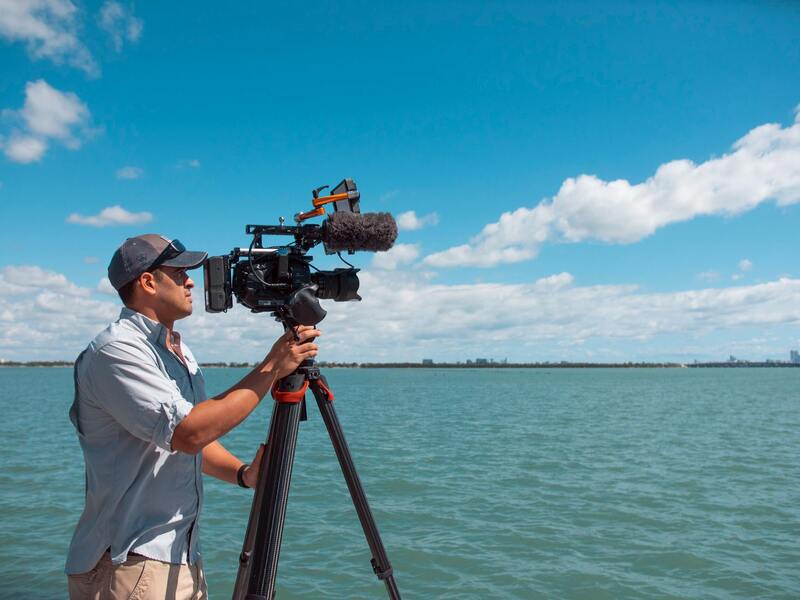
Engaging with professional real estate photography specialists ensures that every aspect of a property's visual presentation is handled with precision and creativity. This strategic investment in high-caliber imagery transforms listings from basic advertisements into powerful sales tools. Leveraging a diverse array of photographic services enables real estate professionals to appeal visually to a broader audience, ultimately speeding up the sales process while elevating the overall market perception of their listings.
Legal and Ethical Considerations in Property Photography
Engaging professional real estate photography specialists involves adherence to established standards that ensure the integrity and accuracy of property representations. It is essential for these specialists to strictly follow guidelines that prevent misleading visuals—from accurately depicting the property's dimensions and features to avoiding digital alterations that could distort the true appearance of the space. Maintaining honesty in how properties are presented not only fosters trust with prospective buyers but also aligns with best practices within the industry. Professionals must obtain proper consent from property owners or managing agents before conducting shoots, ensuring clear communication regarding the scope and use of images. This includes respecting the privacy of occupants and avoiding the inclusion of confidential or sensitive information within photographs. Furthermore, real estate photographers should utilize lighting, lenses, and editing techniques responsibly to enhance images without creating deceptive impressions. For example, overly broad-angle shots that exaggerate room sizes or excessive post-processing to alter property features undermine the credibility of listings. Such practices can lead to misunderstandings or disappointment upon property viewing, which could impact reputation and customer trust. It is also vital to acknowledge intellectual property rights concerning imagery. Photographers hold rights over their work, and any usage or reproduction must be authorized through clear agreements. This ensures that all visual content is legally protected and used appropriately across platforms, maintaining professional standards. Ethical real estate photography emphasizes transparency—highlighting both the strengths and honest limitations of a property. By upholding these principles, specialists contribute to a fair housing market where buyers make informed decisions based on accurate representations. This integrity in visual presentation ultimately cultivates long-term credibility and supports a positive industry reputation.
Unique Techniques and Technologies Employed by Real Estate Photography Specialists
To ensure that property listings stand out and accurately represent the space, real estate photography specialists leverage a variety of advanced techniques and innovative technologies. These tools not only enhance visual appeal but also ensure consistency, accuracy, and efficiency throughout the photography process.
One of the most prominent technologies used is High Dynamic Range (HDR) imaging. HDR combines multiple exposures of the same shot to produce images that accurately capture both bright and dark areas, resulting in well-balanced photos that reflect the true lighting conditions of a property. This technique is particularly useful in properties with large windows or complex lighting scenarios, preventing overly dark shadows or washed-out highlights.
Panoramic and 360-degree photography are also widely adopted to create immersive virtual tours. These methods allow prospective buyers to explore a property remotely, gaining a comprehensive understanding of spatial layouts and room flow. With the integration of specialized software, specialists can assemble seamless panoramic images that provide an almost real-life viewing experience, significantly increasing engagement and interest.
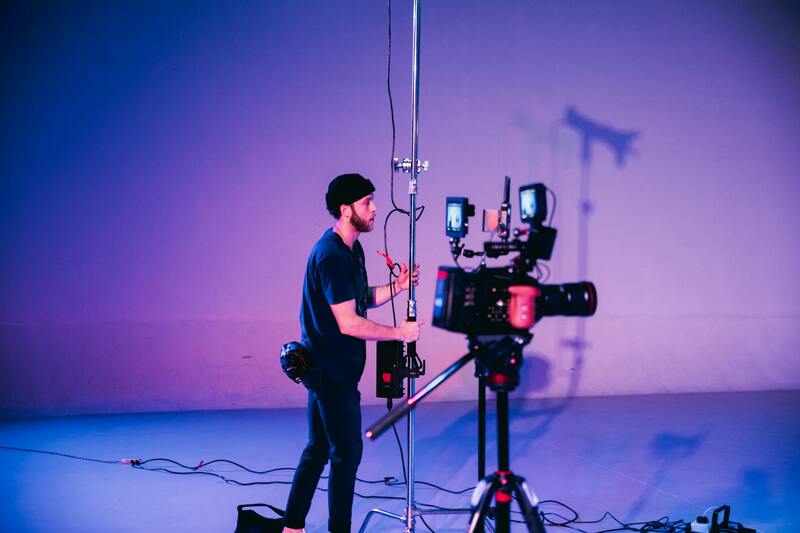
Drone photography is another transformative technology utilized for capturing aerial views and the property's surroundings. Drones provide unique perspectives that showcase the property's external features, landscaping, and proximity to amenities, which are crucial selling points. They enhance listings by offering full visual context, making properties more attractive to prospective buyers.
Post-processing and editing software also play a vital role in refining images. Skilled specialists adjust color balance, straighten shots, correct distortions, and remove minor imperfections to ensure each image is optimized for maximum impact. However, these edits are performed with precision to maintain honesty and avoid misleading representations.
By employing these state-of-the-art techniques and tools, real estate photography specialists deliver high-quality, compelling visuals that elevate property listings. These innovations enable agents and property owners to showcase their spaces effectively, fostering quicker sales and attracting more qualified buyers.
Role and Importance of Real Estate Photography Specialists
Real estate photography specialists serve as vital contributors to the property marketing process, wielding expertise that transforms listings into compelling visual stories. Their role is beyond capturing basic images; it involves understanding the nuances of property presentation, lighting, composition, and technical specifications to produce photographs that highlight a property’s best features. These specialists employ advanced techniques and equipment to ensure each image accurately reflects the property's spatial characteristics, ambiance, and unique selling points, thereby creating a memorable first impression for potential buyers.
The importance of professional real estate photography cannot be overstated in today’s competitive market. High-quality visuals significantly increase a property's visibility across digital platforms, making listings stand out among countless others. They foster an emotional connection with viewers, enticing them to schedule visits and inquire further. Additionally, expertly captured images help build trust with prospective buyers by presenting the property transparently and attractively, reducing the likelihood of misunderstandings or unmet expectations during viewings.
Skills and Qualifications of Real Estate Photography Specialists
Effective real estate photography specialists bring a combination of technical knowledge, artistic sensibility, and industry experience. Key skills include proficiency with professional-grade cameras and lighting equipment, mastery of composition, and an understanding of architectural features. They often possess training in post-processing editing software to enhance images without over-manipulating, ensuring the photos remain truthful representations. Furthermore, specialists are familiar with the latest photographic techniques such as HDR imaging, drone aerial photography, and 360-degree virtual tours, allowing them to deliver versatile visual solutions.
Qualifications typically involve certification programs or extensive portfolios demonstrating skill in real estate environments. Continuing education is also vital, given the rapid evolution of photographic technology and trends. A qualified specialist understands the importance of punctuality, professionalism, and clear communication to align their work with the client’s marketing objectives and ensure timely delivery.
Services Offered by Real Estate Photography Experts
- High-Resolution Photography: Capturing sharp, vibrant images suitable for online listings, brochures, and advertisements.
- HDR Imaging: Enhancing dynamic range to ensure balanced exposure throughout interior and exterior shots.
- Aerial Drone Photography: Providing stunning overhead views that showcase property size, landscaping, and surroundings.
- 360-Degree Virtual Tours: Creating immersive experiences for remote viewers, allowing interactive exploration of the property.
- Video Walkthroughs: Developing engaging video content that guides potential buyers through the property’s layout and features.
- Post-Processing and Editing: Fine-tuning images with color correction, distortion removal, and minor retouching to maximize visual appeal.
How to Choose a Reliable Real Estate Photography Specialist
Selecting a competent specialist involves evaluating their portfolio, reputation, and technical capabilities. A comprehensive portfolio demonstrates their style, quality, and versatility across different property types. Testimonials and references provide insight into their professionalism and ability to deliver consistent results. Technical proficiency can be assessed through sample work and familiarity with industry-standard equipment and software.
Discussing project scope, turnaround times, and pricing beforehand helps establish clear expectations and ensures alignment with your marketing strategy. It’s also beneficial to inquire about their familiarity with current listing platforms and best practices for digital presentation. A reliable specialist will incorporate feedback, adapt to various property styles, and maintain a commitment to high standards, ultimately contributing to a more effective real estate marketing campaign.
Cost Factors and Budgeting for Property Photography
Pricing for real estate photography services varies based on several factors that influence the overall budget. These include the size and complexity of the property, the scope of services requested, the number of images or virtual experiences required, and the geographic location of the property. Larger or high-end properties tend to necessitate more extensive shoot setups, additional lighting equipment, and more post-processing effort, which can increase costs.
Budgeting effectively involves understanding these variables and discussing transparent pricing structures with potential specialists. Many offer packages tailored to different needs, balancing quality with affordability. It’s essential to consider the return on investment; professional visuals often lead to quicker sales and higher property values, making quality photography a valuable portion of the marketing budget.
Best Practices for Collaborating with Photography Specialists
- Clear Communication: Provide detailed information about the property, key features to highlight, and your target audience to guide the shoot planning.
- Pre-Shoot Preparation: Ensure the property is clean, decluttered, and adequately staged to optimize visual appeal.
- Flexibility with Scheduling: Allow ample lead time for scheduling shoots, especially during favorable lighting conditions or specific times of day.
- Review and Feedback: Examine initial images promptly, providing constructive feedback to fine-tune the final selection.
- Secure Usage Rights: Clarify licensing for images to ensure they can be legally used across various marketing platforms.
Legal and Ethical Considerations in Property Photography
When engaging with real estate photography specialists, it is essential to adhere to established legal and ethical standards to ensure a smooth and compliant collaboration. This includes obtaining explicit permission from property owners or authorized representatives prior to conducting any photographic shoots, which safeguards the rights of all parties involved.
Respect for privacy is paramount; photographers must avoid capturing images that infringe on personal privacy or exceed the scope of agreed-upon shots. This involves being conscious of surrounding areas and neighboring properties, especially in densely populated neighborhoods, and ensuring that images do not inadvertently reveal confidential or sensitive information.
Proper licensing and usage rights are critical in professional real estate photography. It is necessary to establish clear agreements regarding how images can be used across various marketing channels—such as online listings, social media, print advertisements, and virtual tours. This not only protects the photographer’s intellectual property but also guarantees that property marketers can utilize the visuals without infringement issues.
In addition, photographers and clients should maintain comprehensive records of all agreements, including contracts, scope of work, and licensing terms. This documentation clarifies expectations, minimizes misunderstandings, and provides a reference point should disputes arise.
For photographers, upholding high standards involves continuous education on local regulations related to drone usage, copyright laws, and privacy policies. Property marketers must also stay informed about advertising guidelines to ensure that all visual content aligns with industry standards and best practices, fostering trust and professionalism throughout the process.