
Importance of Video Marketing in Miami Real Estate
In the vibrant Miami real estate market, standing out among numerous listings requires innovative and effective marketing strategies. High-quality real estate home videos have become an essential tool for real estate professionals seeking to enhance property visibility and attract serious buyers. These videos offer a comprehensive and engaging way to showcase the unique features of each property, allowing potential buyers to experience the space remotely with a sense of realism and connection. As buyers increasingly turn to digital platforms for property searches, the importance of visually compelling content cannot be overstated.
Utilizing professionally produced home videos enables agents and sellers to highlight key aspects of a property more effectively than static images alone. Video tours can emphasize the flow of the space, natural lighting, architectural details, and surrounding amenities—all crucial factors influencing purchase decisions in Miami's competitive environment. The ability to present a property in a polished and engaging manner elevates its appeal and broadens its reach across various online channels.
High-quality real estate videos do more than attract attention; they foster emotional connections, giving prospective buyers a virtual walkthrough that often speeds up the decision-making process. With the right investment in production quality and distribution strategies, real estate professionals can significantly increase their property's chances of sale, especially in a dynamic city like Miami where visual appeal can make all the difference.
Furthermore, these videos serve as a foundation for comprehensive marketing campaigns that extend beyond online listings. They can be integrated into social media promotions, email marketing, and virtual open house events, providing an immersive experience that complements other digital tools. As the Miami real estate landscape continues to evolve, leveraging professional video content will remain a cornerstone of successful property marketing strategies.
Types of Real Estate Home Videos
Real estate professionals employ a variety of video formats to showcase Miami properties effectively. Each format is tailored to highlight specific aspects of a home or to cater to different marketing channels.
- Virtual Tours: These comprehensive videos walk viewers through every room of a property, often providing a seamless, 360-degree experience. Virtual tours allow prospective buyers to immerse themselves in the layout, spatial flow, and design details without needing to visit physically. They are especially useful for attracting out-of-town clients or during times when in-person visits are limited.
- Drone Footage: Aerial shots captured via drone provide spectacular perspectives of a property and its surroundings. Drone videos are particularly effective for showcasing large estates, waterfront homes, or properties in scenic Miami neighborhoods. They help highlight property size, landscaping, outdoor amenities, and proximity to key local attractions.
- Walkthrough Videos: These are typically shorter, focused videos that highlight key features or newly renovated areas of a property. Walkthroughs help emphasize the unique selling points and architectural details, targeting buyers interested in specific features such as luxury kitchens or expansive outdoor spaces.
- Neighborhood or Community Videos: Videos that focus on the environment surrounding the home, including local amenities, parks, schools, and transportation options. Such videos help prospective buyers visualize the lifestyle offered by the Miami neighborhood, aiding in emotional connection and decision-making.
Integrating these varied formats into a cohesive marketing strategy ensures broader reach and engagement. For instance, a property listing may feature a detailed virtual tour complemented by compelling drone footage, supported by neighborhood overview videos. This multi-faceted approach provides potential buyers with a comprehensive understanding of the property and its context within Miami’s diverse real estate landscape.
Deployment of different video types depends on target audience preferences, property characteristics, and marketing goals. Tailored content that resonates emotionally and visually with viewers significantly increases interest and inquiries, ultimately leading to faster sales cycles and higher closing rates.
Legal Considerations and Best Practices
When creating and deploying real estate home videos in Miami, it is essential to adhere to established standards that ensure respectful, accurate, and professional content. These practices help maintain the integrity of the marketing efforts and foster trust with prospective buyers. Recognizing the importance of clear permissions, property owners and agents must secure authorized access for filming, especially for interior spaces and private areas. This step prevents misunderstandings and promotes transparency, which resonates well with viewers.
Accurate representation of the property’s features and condition forms the backbone of effective real estate videos. It is important to avoid embellishments or potential misrepresentations that could mislead viewers. Video content should reflect the true state of the property, including any renovations, repairs, or limitations. This honesty builds credibility and reduces the risk of disputes or dissatisfaction post-viewing.
Incorporating natural sound and avoiding exaggerated modifications preserve authenticity. Use background sounds selectively to enhance the viewing experience without distracting from the property's features. Employing professional editing tools to ensure smooth transitions, color balance, and sound clarity further elevates the presentation.
When filming in shared or communal spaces, it is critical to respect privacy boundaries. This includes avoiding filming private areas such as balconies, patios, or interiors of neighbors’ homes. Clear signage or notices can also be deployed when drone footage or aerial views are used, ensuring adherence to airspace regulations and property rights.
For digital distribution, appropriate copyright licenses and usage rights should be obtained for music, images, and any third-party content integrated into the videos. Proper attribution and licensing help avoid infringement issues that could hamper promotional efforts.
Finally, documenting all permissions and consent forms not only provides a record of compliance but also facilitates smooth collaboration among agents, producers, and clients involved in creating the videos. This systematic approach contributes to a seamless workflow and the production of high-quality, trustworthy real estate videos aligned with Miami’s dynamic real estate market.
Legal Considerations and Best Practices
Creating high-quality real estate home videos in Miami necessitates adherence to specific standards that protect all parties involved and uphold the integrity of the promotional content. One foundational aspect is securing explicit permissions from property owners and relevant stakeholders before filming begins. This ensures clarity about the scope of the shoot, the intended use of the footage, and the distribution channels. Clear documentation of these permissions minimizes misunderstandings and fosters trust between agents, producers, and clients.
When filming in multi-unit buildings, shared spaces, or community areas, it is important to obtain authorization from the property management or homeowners' associations. Respect for communal privacy and access protocols must be maintained, aligning filming schedules with the community’s guidelines. It is essential to avoid capturing private or restricted areas and to clearly communicate the purpose of the video to residents and neighbors.
Using drones for aerial shots introduces additional layers of compliance. Operators should verify airspace regulations and obtain necessary flight clearances from relevant authorities. Moreover, proper signage or notices should be placed where drone footage is captured to disclose aerial filming activities, ensuring transparency and awareness.
Intellectual property rights are a critical component of legitimate video production. All music, images, and third-party content integrated into the videos must be licensed appropriately. Utilizing royalty-free or licensed materials prevents potential disputes and aligns with best practices for content licensing.
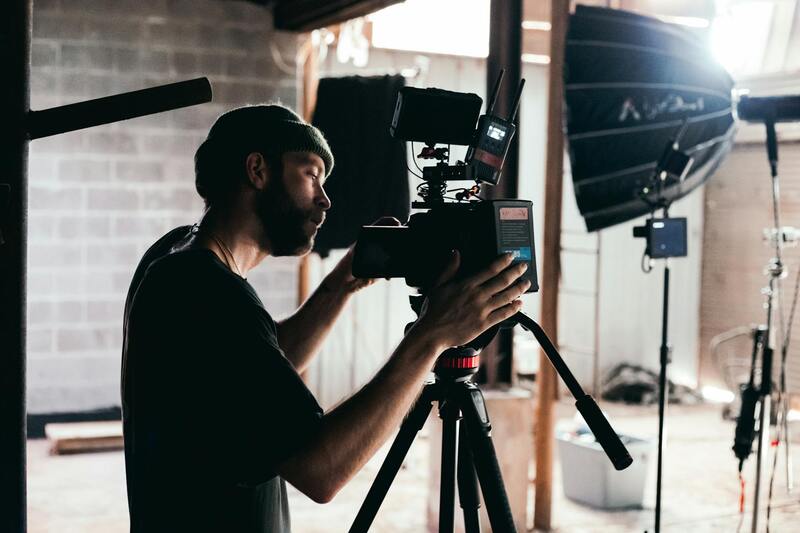
Maintaining comprehensive records of all permissions, agreements, and licenses not only demonstrates due diligence but also facilitates smooth collaboration among professionals involved in production. This documentation serves as proof of compliance, supporting the credibility of the marketing campaign and reducing the risk of potential disputes.
Incorporating these practices ensures that Miami real estate videos meet industry standards, respect legal boundaries, and publicly showcase properties in a manner that emphasizes transparency and integrity. Such an approach helps build confidence among prospective buyers and industry partners, ultimately enhancing the marketability of listed properties.
Legal Considerations and Best Practices
Implementing real estate home videos in Miami’s competitive market requires adherence to several established guidelines to ensure a smooth and compliant marketing process. Starting with obtaining clear consent from all individuals appearing in the footage is essential. This not only respects personal privacy rights but also maintains the professional integrity of the marketing content.
Property owners and key stakeholders should review and approve all video content before public distribution. This step guarantees that the video accurately reflects the property and aligns with the intended marketing strategy, avoiding potential misrepresentations or misunderstandings that could arise from unauthorized edits or claims.
When showcasing leased or managed properties, explicit permissions from tenants or property managers are crucial. These permissions clarify the limits of usage and prevent future disputes related to the depiction of occupied spaces. Additionally, respecting neighbors' privacy when capturing drone footage or wide-angle shots through open windows or neighboring properties is vital to uphold community standards and personal privacy.
Licensing music, graphics, or any third-party content integrated into the videos must be meticulously managed. Using licensed, royalty-free, or original material eliminates concerns related to copyright infringements. Maintaining comprehensive records of licenses, permissions, and agreements not only documents compliance but also streamlines audits and reviews during campaign evaluations.

Practicing transparency about filming methods and content origins through disclosures, such as notices about drone operations or licensed materials, enhances credibility. Incorporating these practices ensures that Miami real estate videos stand out as professional, trustworthy, and compliant with industry standards, ultimately supporting successful property marketing strategies.
Legal Considerations and Best Practices
Creating compelling real estate home videos in Miami involves adhering to a set of best practices that ensure the content is both professional and respectful of all parties involved. One fundamental aspect is obtaining the required permits for drone footage or specialized filming, which often involves coordination with local authorities or property owners to ensure compliance with city regulations. This process helps avoid disruptions or misunderstandings during the production stage.
Addressing privacy concerns is essential, especially when filming in residential neighborhoods or occupied properties. Clear communication with homeowners and tenants about the dates, scope, and purpose of filming minimizes potential conflicts. It is advisable to have written agreements that outline the permitted use of footage and to respect any guidelines provided by property occupants.
Ethical filming practices extend to ensuring that all representations of the property are accurate and truthful. Avoiding staged or misleading visuals maintains integrity and helps build trust with prospective buyers or tenants. This includes refraining from digital alterations that might exaggerate the size or features of the property.
Respecting community standards also involves being vigilant about capturing footage that respects neighbors' privacy periods and avoiding intrusive wide-angle shots through neighboring windows or open spaces without prior consent. Using unobtrusive filming methods and maintaining transparency about filming activities helps foster positive relations within the community.
Secure rights to all third-party content such as music, licensed graphics, or proprietary visuals. Keeping detailed records of licenses and permissions simplifies future audits and confirms compliance with copyright policies. Employing licensed or royalty-free media not only mitigates potential legal issues but also upholds the professional quality of the final product.
Transparent disclosures about production methods and content sources—such as informing viewers about drone usage or licensed materials—enhance the credibility of the marketing effort. Consistent adherence to these practices reinforces a professional image and ensures that the property is showcased ethically and effectively, ultimately increasing its appeal to a broader audience.
Legal Considerations and Best Practices
When creating real estate home videos in Miami, adhering to established standards ensures the content accurately represents the property and respects the privacy of all parties involved. It is essential to obtain necessary permissions for filming, especially when using drone footage or capturing images of neighboring properties. Ensuring that your footage complies with community guidelines can prevent potential misunderstandings and foster positive relationships with neighbors and local authorities.
Respecting privacy involves strategic filming techniques. For instance, avoid capturing images through windows or over fences that might infringe on neighboring residents’ privacy. Utilizing camera angles that highlight the property’s features without intrusion showcases professionalism and consideration for the community. When filming interior spaces, ensure that personal belongings and sensitive areas are either carefully managed or off-limits to maintain the inhabitants’ privacy.
An important aspect of the production process involves verifying ownership and licensing rights for all media used within the videos. This includes music tracks, visual overlays, or graphics incorporated into the video. Securing licensing agreements or selecting from royalty-free resources helps prevent copyright disputes and maintains the project’s integrity.

Transparency regarding the methods used to produce the videos also plays a significant role in showcasing your professionalism. Disclosing the use of drone footage, licensed music, or special filming techniques builds trust with viewers and clients. This openness not only demonstrates ethical conduct but also reinforces your reputation as a responsible content creator within the Miami real estate market.
Regularly reviewing applicable guidelines and industry best practices can streamline production and reduce the risk of oversights. Staying updated on local regulations and community standards ensures your videos continue to meet the expected professional criteria while avoiding unnecessary complications. Ultimately, embedding these best practices into your production process enhances the credibility of your marketing efforts and contributes to a positive perception of your brand in Miami's competitive real estate landscape.
Legal Considerations and Best Practices
When developing real estate home videos for Miami properties, adhering to established best practices ensures a smooth and reputable marketing process. Proper management of media rights is crucial; this involves obtaining permission or licensing for all visual and audio elements incorporated into the videos. Utilizing only licensed music tracks, graphics, and footage aligns with industry standards and prevents potential disputes. Many production firms in Miami source royalty-free assets or negotiate licenses to ensure all content used is authorized, thereby maintaining the integrity of the marketing material.
Another vital component is respecting the privacy of residents and property owners. This involves informing involved parties about the filming process and obtaining necessary consent when capturing images or videos inside private residences. For outdoor shots, especially those involving drone footage, adhering to local regulations governing aerial filming is essential. This includes ensuring drone operators are certified and following established flight guidelines to avoid any encroachments or disturbances.
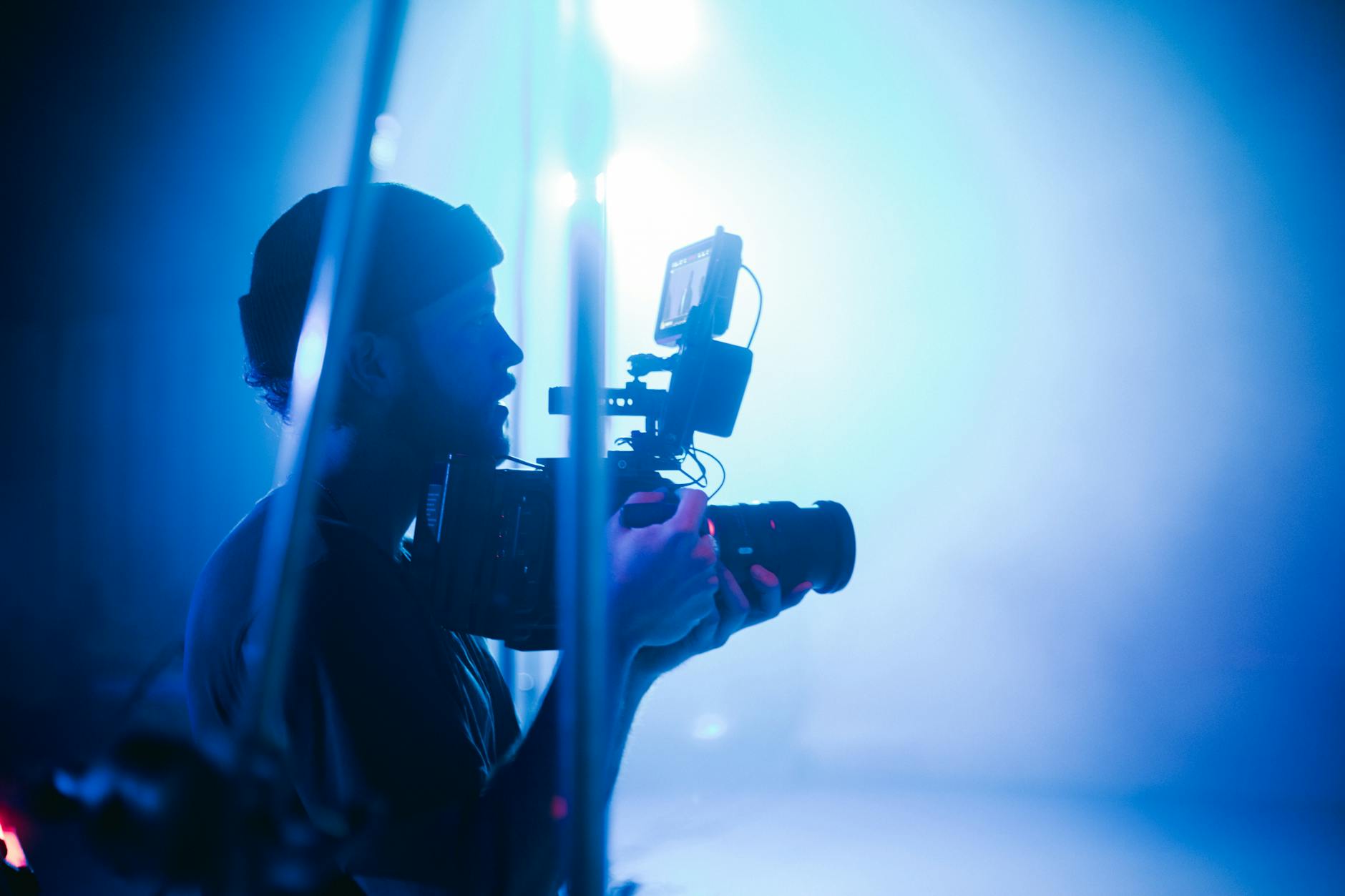
Transparency in the production process enhances a company's credibility. Clearly disclosing the use of licensed music, drone footage, or editing techniques demonstrates ethical standards and fosters trust with clients and viewers alike. Ensuring all footage is captured in accordance with local rules and industry norms minimizes risks associated with regulatory issues. Regularly reviewing updates in Miami's specific guidelines related to filming and content marketing enables ongoing compliance and professionalism.
Additionally, documenting your adherence to these standards through records of permissions, licenses, and communications can prove invaluable if questions arise. This documentation not only supports the integrity of your marketing efforts but also reassures potential clients about your commitment to responsible practices. Emphasizing compliance-related best practices in your marketing strategy can elevate your reputation within Miami’s highly competitive real estate market, ultimately leading to increased trust and engagement from prospective buyers and investors.
Maintaining these standards ensures your videos are not only visually appealing but also ethically curated, aligning with the expectation for quality and transparency in Miami’s real estate industry. By prioritizing responsible production techniques, professionals can avoid pitfalls while showcasing properties in a manner that respects all parties involved and complies with best-practice guidelines.