
Understanding Property Videography
Property videography has emerged as a vital tool for real estate professionals seeking to showcase properties with compelling visual narratives. This specialized form of videography involves capturing high-quality, professionally produced videos that highlight a property's unique features, layout, and overall appeal. Unlike static images, property videos offer a dynamic perspective, allowing potential buyers or tenants to virtually tour a property from the comfort of their own space, making the viewing experience more immersive and informative.
In an increasingly competitive real estate market like Miami, where luxury condos, waterfront estates, and commercial spaces attract buyers from around the globe, the importance of captivating visual content cannot be overstated. Well-produced property videos can significantly influence decision-making by providing an authentic sense of space, ambiance, and lifestyle that static photos might not fully convey. They serve as a powerful marketing asset, helping listings stand out in online portals, social media campaigns, and email marketing efforts.
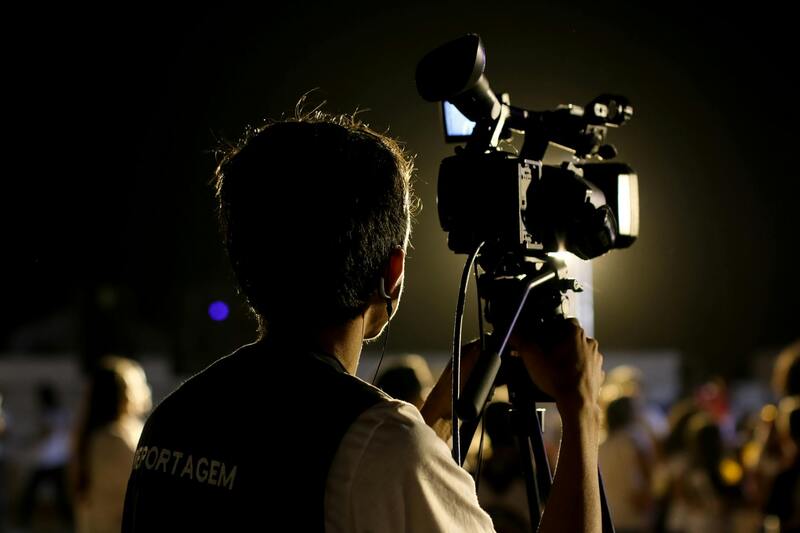
Effective property videography combines storytelling with technical expertise, capturing the essence of a space while aligning with marketing goals. It is crucial for agents and property owners looking to make a lasting impression in a competitive real estate scene, especially in vibrant markets like Miami where visual appeal heavily influences buyer engagement.
Beyond aesthetic appeal, property videos can also enhance SEO strategies. Search engines favor engaging content, and video integration increases dwell time on listing pages, boosting visibility and ranking. As technology advances, drone footage, 360-degree views, and virtual walkthroughs are becoming standard components of modern property videography, further enriching the virtual viewing experience.
In summary, property videography is an essential component of contemporary real estate marketing. Its ability to effectively showcase a property's strengths, tell a compelling story, and reach a wide audience makes it indispensable for real estate professionals aiming for success in Miami’s dynamic market. The investment in professional videography yields tangible benefits, including increased engagement, faster sales, and a stronger market presence.
Key Equipment and Technology
To produce compelling property videos that accurately showcase a property's unique features, professionals rely on a suite of advanced equipment and technology. High-resolution cameras are fundamental, often paired with wide-angle lenses to capture expansive interior spaces and ensure that every detail is visible. These cameras should offer excellent low-light performance to handle various lighting conditions inside properties.
Drones have become an integral part of property videography, especially for showcasing larger estates, waterfront properties, or picturesque neighborhoods. They provide aerial footage that highlights the property's surroundings, landscaping, and overall context within its environment—adding a layer of depth and interest to marketing materials.
Stabilization devices such as gimbals and steadicams are crucial for maintaining smooth, professional-looking footage. Unsteady shots can distract viewers and diminish the perceived quality of the video. Combining stabilization with skilled camera operation results in seamless walkthroughs that feel natural and immersive.
In addition to capturing video, professional editing software plays a vital role in post-production. Programs like Adobe Premiere Pro or Final Cut Pro offer a range of features for color correction, sound editing, and seamless transitions. Enhancing videos with professional-grade editing ensures that the final product is polished, engaging, and aligned with branding standards.
Understanding Property Videography
Property videography is a specialized form of visual marketing that combines technical skill with aesthetic sensibility to showcase real estate properties effectively. It involves capturing high-quality footage that highlights the property's unique features, architectural details, and spatial flow, ultimately creating a compelling visual narrative for potential buyers or tenants. The scope of property videography extends beyond mere recording; it encompasses strategic planning, effective use of technology, and a keen eye for detail to produce videos that resonate with viewers. A professionally produced property video can significantly influence viewer engagement, increasing the likelihood of inquiries and viewings. It serves as an accessible virtual tour, allowing prospective clients to experience the property's ambiance remotely, which has become increasingly vital in competitive markets like Miami. Emphasizing authenticity and clarity, property videography sets a standard for transparency and trust, giving clients confidence in the listing. As the real estate landscape continues to evolve, the importance of high-caliber visual content becomes undeniable, making property videography an essential element of modern property marketing strategies.
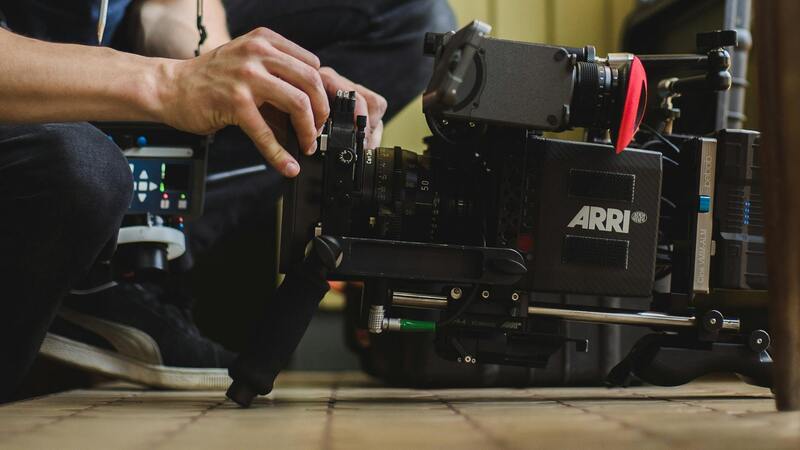
Achieving compelling property videos requires an understanding of the core principles behind effective visual presentation. These include optimal lighting conditions that accentuate the property's best features, strategic camera angles that emphasize space and flow, and smooth camera movements that facilitate immersive walkthroughs. Professional videographers utilize a combination of equipment, technique, and aesthetic sensibility to produce footage that captures the property's essence without distortion or distraction. This meticulous approach ensures that subsequent marketing efforts effectively communicate the property's value proposition. Furthermore, incorporating narration, background music, or on-screen text can enhance storytelling, guiding viewers through the property in a way that aligns with branding goals. The goal is to create a polished, engaging video that can serve as a key asset across multiple marketing platforms, from social media to real estate listing sites, thereby amplifying the property's visibility in the Miami housing market.
Essential Post-Production Techniques in Property Videography
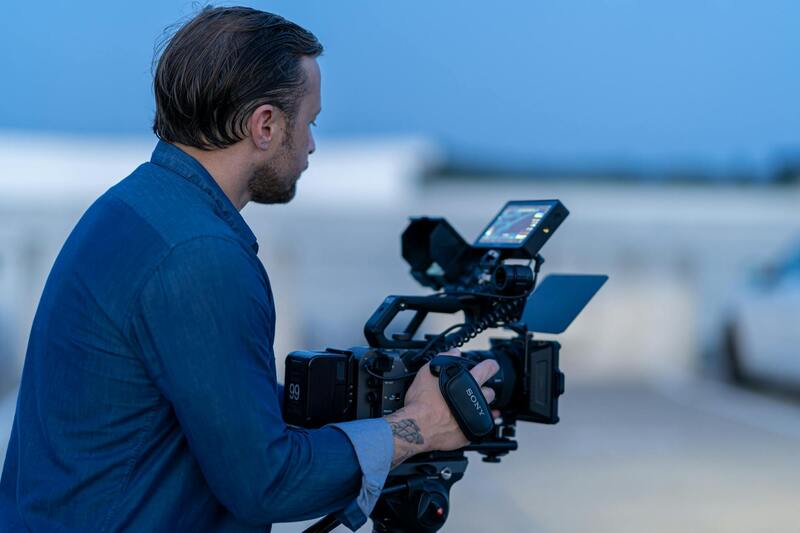
Once the raw footage has been captured, the post-production phase begins, playing a pivotal role in transforming basic clips into compelling visual narratives that effectively showcase a property. Color correction stands as a fundamental step, ensuring that each scene maintains consistent brightness, contrast, and color temperature. This process not only enhances visual appeal but also ensures that potential buyers view the property in its best light, literally and figuratively. Adding captions or on-screen text is another important technique, used strategically to highlight key features or provide context that may not be immediately apparent. For instance, when emphasizing the spaciousness of a living room or the modern amenities of a kitchen, well-placed text can guide viewers' attention without disrupting the flow of the video.
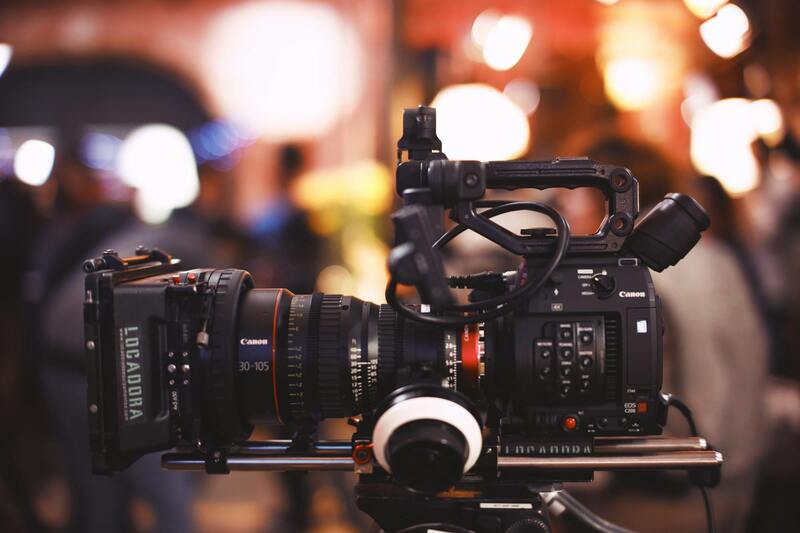
Sound design also significantly impacts the viewer's experience. Incorporating background music that complements the property’s aesthetic and mood can evoke emotional responses, making the property more memorable. When appropriate, narration can provide additional details or highlight unique features, adding an informative layer to the visual content. Transition effects and smooth cuts are essential for creating seamless movement from one scene to another, maintaining viewer engagement. Excessive or poorly executed transitions can distract or confuse the audience, so expert editing emphasizes clarity and pacing. Advanced editing software enables the integration of drone footage, 3D walkthroughs, and virtual staging. These elements can offer prospective buyers a more comprehensive understanding of the property's scale, layout, and potential, enriching the overall presentation.
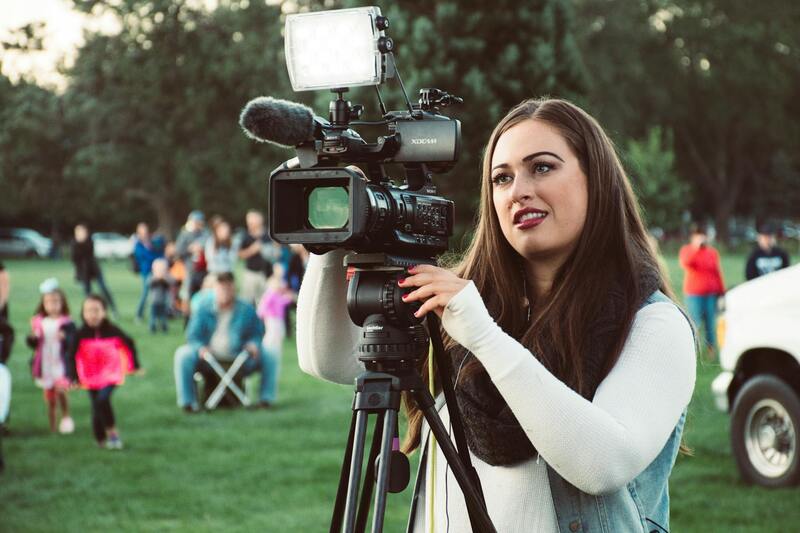
A well-executed post-production process culminates in a visually polished video that aligns with market standards and branding goals. This refined content not only captures attention but also fosters a deeper connection with prospective clients, ultimately supporting more effective real estate marketing efforts.
Understanding Property Videography
Property videography has become a cornerstone of modern real estate marketing, offering a dynamic way to showcase properties to prospective buyers. Unlike still images, videos bring homes to life, emphasizing layout, flow, and ambiance through movement and sound. Professionals utilize cinematic techniques to highlight key features and create an immersive experience that static photos simply cannot achieve. Effective property videography captures both the spatial dimension and the unique character of a property, enabling viewers to get a true sense of the home's atmosphere and environment.
In today’s competitive real estate landscape, property videography serves as a pivotal engagement tool. It facilitates faster decision-making by allowing potential buyers to virtually explore a listing at their own pace, identify desirable features, and mentally envision living in the space. By incorporating professional techniques and equipment, videographers help real estate agents and sellers present properties in the best possible light, ultimately shortening the sales cycle and increasing the chance of a successful sale.
Key Equipment and Technology
High-caliber property videos are produced with a dedicated collection of advanced equipment designed to capture every detail with precision. The core gear includes 4K resolution cameras that deliver crisp visuals, even for intricate interior details. Steady shooting is maintained using gimbals and stabilization rigs, ensuring smooth footage that doesn't distract viewers.
- Drones: Aerial shots provide sweeping views of the property and surrounding neighborhood, adding context and appeal.
- Wide-angle lenses: Capture expansive interior spaces, emphasizing room size and layout.
- Lighting tools: Proper illumination ensures colors appear vibrant, and shadowing is minimized, showcasing the property's true aesthetic.
- Gimbals and Stabilizers: Keep footage steady during walkthroughs, regardless of movement or terrain.
Techniques for Capturing Effective Property Videos
Capturing compelling property videos involves a range of trained techniques designed to showcase the property’s best features and create an emotional connection. The process begins with careful planning—knowing the property layout, lighting conditions, and key selling points ensures a focused shoot.
Some fundamental techniques include:
- Pre-shoot preparation: Clear clutter, adjust lighting, and plan shot sequences to maximize space and flow.
- Use of natural light: Shooting during the day with ample sunlight helps produce vibrant, inviting visuals.
- Camera movements: Smooth pans, tilts, and tracking shots reveal spatial relationships and add visual interest.
- Highlighting features: Focus on architectural details, upgrades, and unique interior elements that differentiate the property.
- Aerial footage: Incorporate drone shots to provide an overarching view and contextualize the property within its environment.
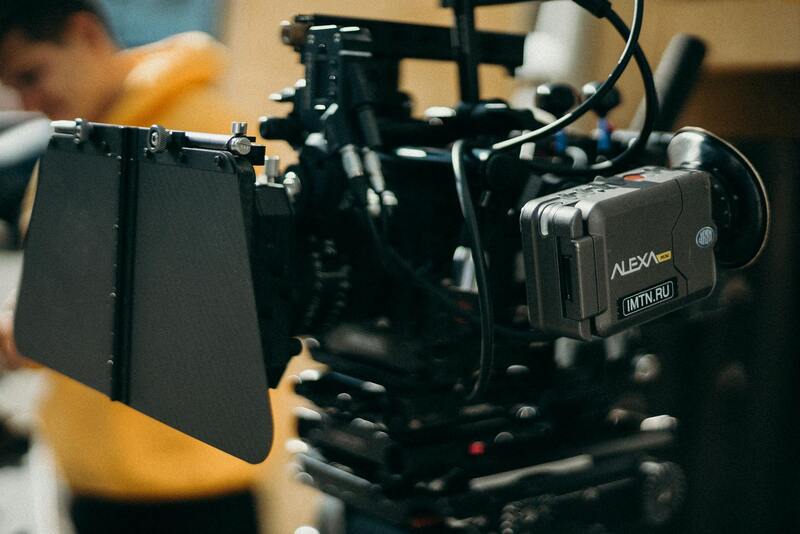
Editing and Post-Production for Real Estate Videos
Post-production steps refine raw footage into polished, professional-quality videos that align with market expectations and branding. The editing process involves selecting optimal clips, enhancing image quality, and integrating various visual elements.
Key aspects of editing include:
- Color correction: Enhances visual consistency and ensures each shot looks appealing and true to life.
- Cutting and sequencing: Creates a coherent flow that guides viewers effortlessly through the property.
- Transitions and effects: Use subtle effects to maintain viewer engagement without overwhelming the footage.
- Sound design: Incorporate background music that complements the property’s aesthetic. Narration can also add context and highlight key features.
- Inclusion of graphics: Text overlays and labels can emphasize specific details or call-to-action prompts.
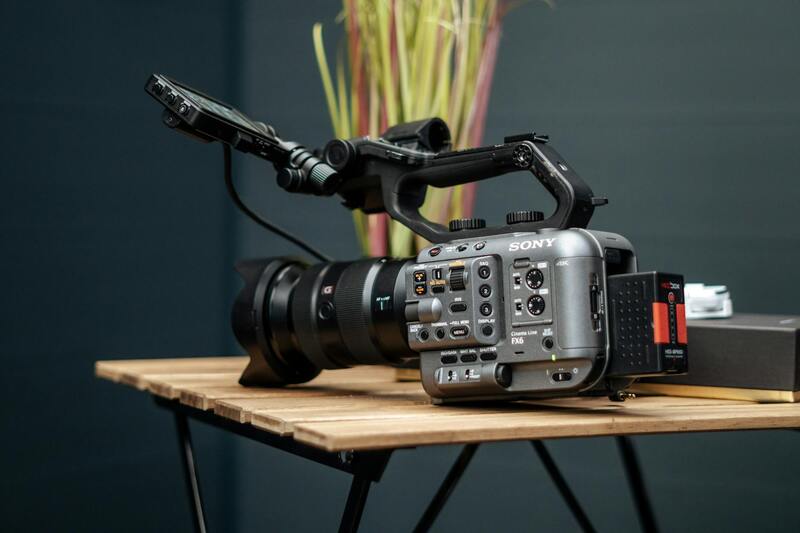
Advanced editing software allows for the integration of drone footage, 3D walkthroughs, and virtual staging — tools that significantly enrich the viewer’s understanding of the property’s potential. A carefully edited video not only improves visual appeal but also aligns with branding standards, ensuring the property stands out in a competitive market.
Legal and Ethical Considerations
When producing property videos, adherence to established guidelines ensures that content is accurate, respectful, and compliant with relevant standards. This involves obtaining necessary permissions for filming, especially when capturing images or footage of neighboring properties, private spaces, or identifiable individuals. Clear consent from property owners or tenants is essential before recording or distributing video content, safeguarding the trust of clients and community members. Maintaining honesty in property videos is paramount. This means accurately representing the property's condition without exaggeration or misleading visuals. Correctly depicting the space's dimensions, features, and overall ambiance helps set proper expectations for potential buyers or renters. Furthermore, respecting privacy boundaries involves avoiding the inclusion of sensitive areas or personal belongings in videos. Proper framing and camera angles focus on the property itself, ensuring that only relevant visuals are showcased. In terms of ethical marketing, refrain from manipulating images or footage in a way that could deceive viewers about the property's actual state. Authenticity in visual content enhances credibility, fostering better relationships with clients and prospective buyers. Adhering to these guidelines not only protects business reputation but also aligns with best practices for responsible property marketing. As the industry evolves, a commitment to transparency and respect remains fundamental to successful property videography endeavors.
Understanding Property Videography
Professional property videography focuses on creating compelling visual narratives that highlight the unique features and appeal of real estate listings. This discipline combines technical skill, artistic vision, and a thorough understanding of the real estate market to produce videos that attract potential buyers or tenants. When executed effectively, property videos serve as powerful marketing tools that can significantly influence decision-making processes, generate interest, and facilitate faster sales or rentals.
Key Equipment and Technology
The foundation of high-quality property videography lies in utilizing advanced equipment. This includes high-resolution drones equipped with stabilization systems that capture expansive, breathtaking aerial views essential for large estates, commercial properties, or homes with scenic surroundings. Professional-grade cameras with wide-angle lenses ensure that interior spaces are captured accurately and aesthetically, providing viewers with a comprehensive understanding of the property's layout and ambiance.
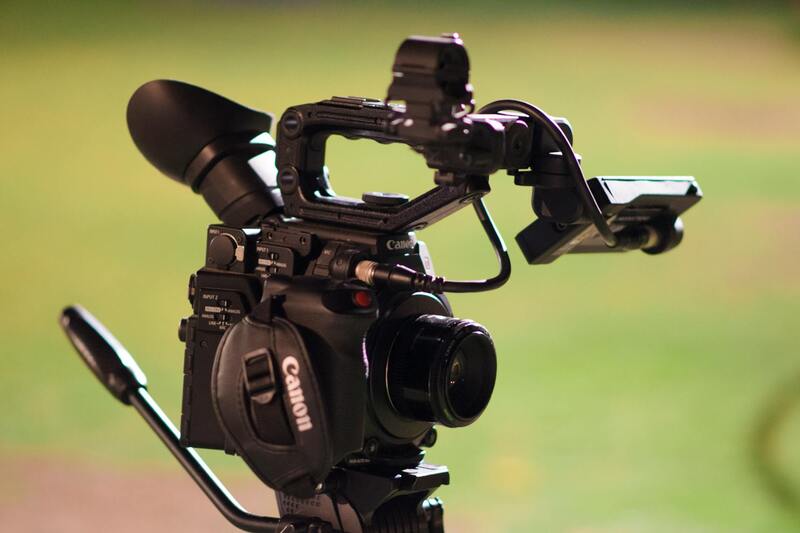
Additional equipment such as gimbals, slider systems, and high-quality lighting solutions enhance the visual quality, balancing exposure and smoothing out camera movements. Software for stabilizing footage and editing further refines the final product, ensuring that each scene flows smoothly and portrays the property at its best.
Techniques for Capturing Effective Property Videos
Capturing engaging property videos requires a combination of technical proficiency and creative insight. A few essential techniques include:
- Strategic Planning: Pre-planning shots to showcase the property's most attractive features, ensuring a logical flow that guides viewers seamlessly through the space.
- Optimal Lighting: Filming during the golden hours—shortly after sunrise or before sunset—can enhance natural light, creating warm and inviting visuals.
- Steady Camera Work: Using stabilizers and gimbals prevents shaky footage, resulting in smooth, professional-looking videos.
- Wide-Angle Shots: Emphasizes space and flow, helping viewers understand room sizes and spatial relationships.
- Aerial Perspectives: Drones provide breathtaking overhead views that highlight property size, landscaping, and surrounding amenities.
Combining these techniques helps produce videos that are both visually appealing and informative, capturing the essence of the property convincingly.
Editing and Post-Production for Real Estate Videos
Post-production plays a vital role in transforming raw footage into a compelling marketing asset. Effective editing emphasizes the property's strengths while maintaining an authentic representation. Professionals employ color correction to ensure visuals look vibrant yet true to life, balancing exposure and saturation for optimal appeal.
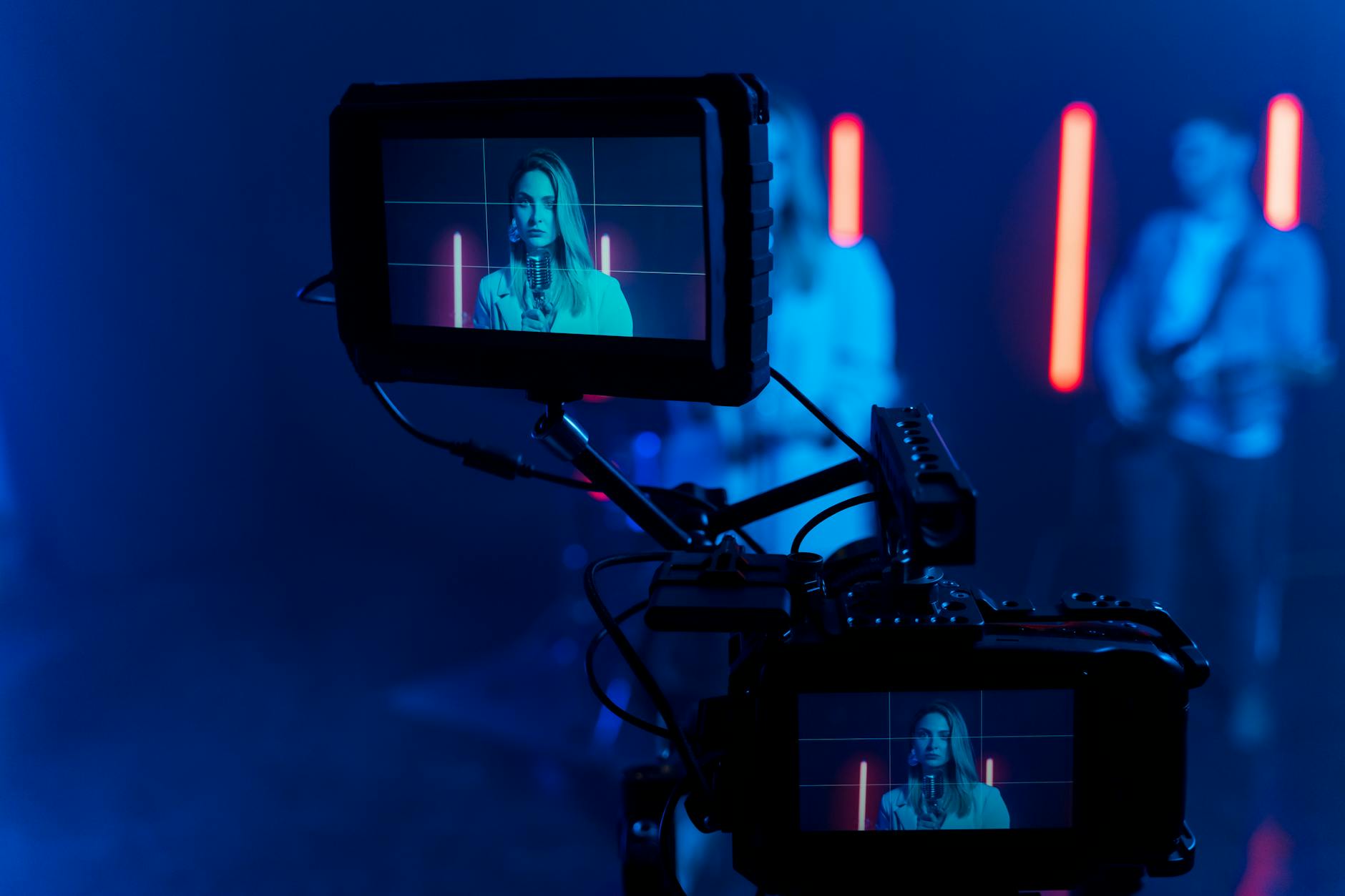
Transitions are used judiciously to create a fluid viewing experience, seamlessly connecting spaces and perspectives. Incorporating background music can evoke emotion and set the desired tone, but it is crucial to select tracks that complement the property’s aesthetic. The inclusion of informative overlays—such as property features or contact details—can further engage viewers.
Furthermore, rendering the final video in various formats ensures compatibility across multiple platforms, from websites and social media to email campaigns. This versatility maximizes the property's exposure, driving more traffic to listings and increasing the chances of a successful transaction.
Understanding Property Videography
Property videography involves the creation of professionally produced videos that showcase real estate listings in a compelling and detailed manner. This visual approach offers a dynamic way for potential buyers to experience a property remotely, providing a sense of spatial relationships, lighting, and overall ambiance that static images often cannot capture. A well-executed property video can highlight the key features and unique attributes of a home or commercial space, making it an essential component of a comprehensive online listing strategy.
Key Equipment and Technology
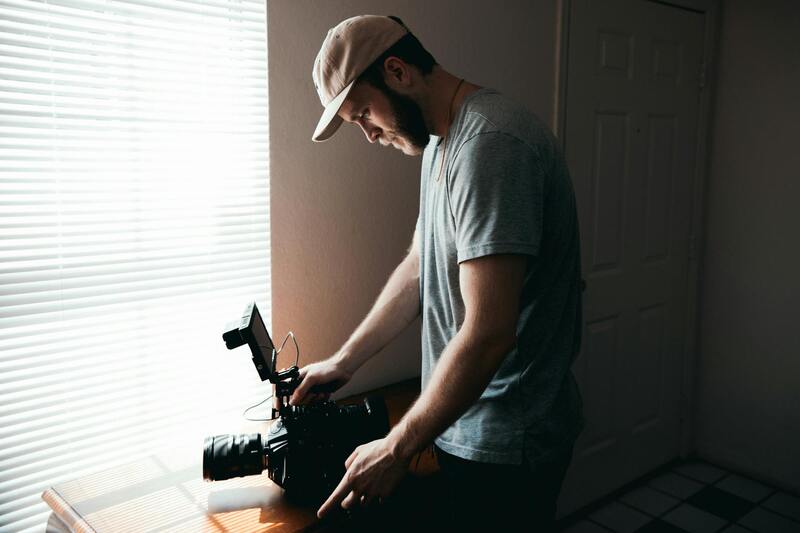
Successful property videography relies on high-quality equipment designed to produce sharp, stabilized footage. DSLR or mirrorless cameras with high-resolution sensors are fundamental, often supplemented with professional-grade lenses that can capture wide-angle views to portray interior spaces more expansively. Gimbals and stabilizers are used to ensure that footage remains smooth, even during movement, preventing jittery visuals that can distract viewers.
Drone technology has revolutionized property videography by offering aerial perspectives that showcase the property's exterior, landscaping, and surrounding neighborhood. Modern drones equipped with 4K cameras can capture stunning overhead shots and sweeping views within safe operational guidelines, adding a dramatic and informative layer to property videos.
Techniques for Capturing Effective Property Videos
When shooting property videos, professionals focus on creating a narrative that guides viewers through the space. Good lighting is crucial; shooting during daylight hours with ample natural light enhances the property's appearance. Using wide-angle lenses helps portray interior spaces more realistically and spaciously.
Camera movements such as slow pans and smooth transitions emphasize key features without overwhelming viewers. Establishing flowing sequences from room to room helps craft a narrative that feels natural and inviting. Incorporating aerial footage provides context on the property's size, layout, and external amenities, enriching the storytelling aspect of the video.
Editing and Post-Production for Real Estate Videos
Post-production transforms raw footage into a polished marketing tool. Adjustments such as color correction ensure that interior and exterior visuals appear vibrant, balanced, and true to life. Carefully selected transitions create a seamless flow between scenes, making the viewing experience engaging without seeming artificial.
Music selection plays a vital role in setting the tone. Background tracks should complement the property's aesthetic and target audience, fostering an emotional connection. Overlay graphics can highlight special features or include contact information, providing additional points of engagement.
Rendering the final video in multiple formats ensures broad compatibility. Optimizing videos for various platforms, including social media, websites, and email campaigns, increases visibility and reach. A professionally edited property video becomes a powerful asset in the marketing arsenal, enhancing the appeal of listings.
Benefits of Professional Property Videography
Engaging, high-quality videos elevate a property listing by providing a vivid, comprehensive view of the space. They attract more interest, encourage longer engagement, and can significantly shorten the decision-making process for prospective buyers. The immersive experience delivered by professional videos also helps distinguish a listing in a competitive market.
Integrating Property Videos into Marketing Strategies
Property videos should be integrated across multiple channels to maximize their impact. Embedding videos on property websites, sharing snippets on social media platforms, and including them in email marketing campaigns broadens exposure. They can also be utilized in virtual tours and open house events, allowing potential buyers to explore properties remotely with a realistic sense of the space.
Legal and Ethical Considerations
Maintaining transparency and accuracy in property videos involves adhering to certain standards that ensure a true representation of the listing. It is essential to avoid altering footage in a way that could mislead viewers about the property's features or condition. Respect for privacy includes obtaining permissions for any shots involving neighbors or public areas, and ensuring that no private or sensitive information is inadvertently disclosed. Authenticity in property videos reinforces trust with potential clients and aligns with professional marketing ethics.