Understanding Property Marketing Photography
Property marketing photography is the specialized art of capturing high-quality images that showcase the best features of a real estate property. In Miami’s highly competitive housing market, compelling visual representations of properties can significantly influence potential buyers’ decisions. This form of photography involves more than just taking pictures; it requires a strategic approach to highlight a property’s unique selling points, generate interest, and accelerate the selling process. Well-executed property photos help listings stand out in online marketplaces, print advertisements, and social media campaigns, making them an essential component of effective real estate marketing strategies.
In the vibrant real estate landscape of Miami, where luxury properties, waterfront estates, and modern condos dominate, the visual presentation of listings plays a pivotal role. High-quality property marketing photography captures the attention of prospective buyers, igniting their desire to explore further. It also facilitates a better understanding of the space, layout, and ambiance, which static images alone can convey when executed skillfully. The importance of this specialty underscores the need for professional techniques, precise equipment, and a thorough understanding of aesthetic principles tailored to Miami’s diverse property market.
Key Elements of High-Quality Property Photos
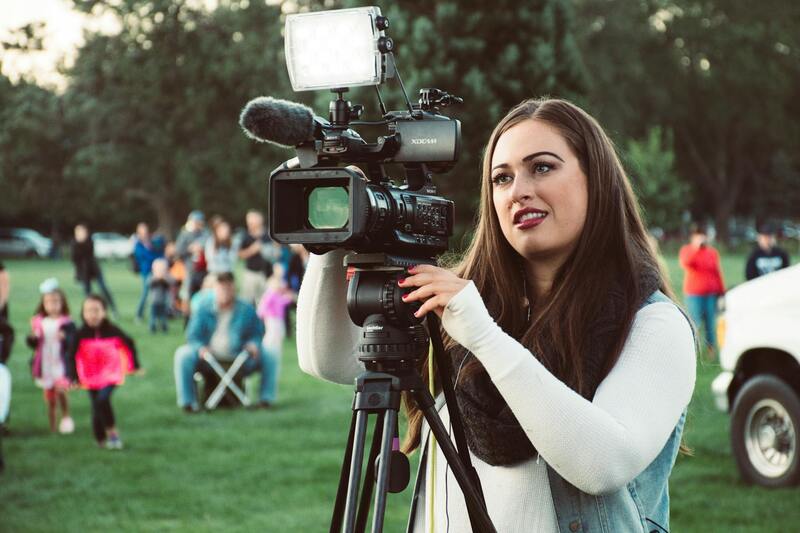
- Proper Lighting: Utilizing natural and artificial light to enhance the property’s features.
- Wide-Angle Perspectives: Capturing more of the space to give a realistic sense of scale.
- Bright, Clear Images: Ensuring photos are sharp, well-exposed, and free of shadows or overexposure.
- Accurate Representation: Depicting the property as it truly appears, avoiding misleading techniques.
- Attention to Detail: Highlighting unique architectural features, outdoor spaces, and interior design elements.
Choosing the Right Equipment and Techniques
Achieving superior property images requires optimal equipment, including high-resolution cameras, wide-angle lenses, and stabilization tools. Techniques such as HDR (High Dynamic Range) imaging help balance exposure between bright windows and darker interior spaces, ensuring a harmonious visual tone. Proper editing and post-processing are also essential to refine images, remove imperfections, and maintain consistency across all listings.
The Role of Professional Photographers in Real Estate Marketing
Professional real estate photographers bring specialized skills, an artistic eye, and technical expertise to capture properties effectively. They understand how to manipulate lighting, angles, and composition to produce images that appeal to prospective buyers. Their experience in staging and framing ensures each shot highlights the property's best qualities, creating a memorable visual experience that can significantly impact marketing success.
Optimizing Photos for Online Listings and Marketing Campaigns
Once captured, property photos must be optimized for various digital platforms. This involves resizing images for quick load times, adding alt text for accessibility and SEO benefits, and selecting the most impactful images for featured spots in online listings. High-resolution images should be compressed without sacrificing quality to ensure smooth website performance. Engaging visuals combined with strategic placement can increase clickthrough rates and generate more interest in Miami’s highly active real estate scene.
Legal and Ethical Considerations in Property Photography
Adhering to transparency and respecting privacy rights are fundamental aspects when producing property images. Professional photographers must accurately represent the property without manipulative edits that could mislead viewers. Respecting property owners’ consent for photography and avoiding the inclusion of private or sensitive areas in shoots are essential practices that uphold trust and professional integrity in the industry.
Trends and Innovations in Property Photography
Emerging trends such as drone photography and virtual tours are transforming how properties are marketed. Drones provide stunning aerial shots, showcasing entire estates and surrounding landscapes, especially beneficial for waterfront or expansive properties in Miami. Virtual reality (VR) and 3D walkthroughs allow potential buyers to explore properties remotely, saving time and broadening reach. Staying current with these innovations ensures marketing efforts remain competitive and impactful.
Choosing a Miami Production Agency for Property Photography
Selecting a reputable production agency in Miami ensures access to experienced professionals equipped with state-of-the-art technology. An agency’s local knowledge and understanding of the Miami real estate market can tailor photos to resonate with target audiences. A professional agency also manages the entire process, from pre-shoot planning to post-processing, delivering polished results that elevate the property’s appeal and maximize marketing ROI.
Understanding Property Marketing Photography
Key Elements of High-Quality Property Photos
High-quality property photography begins with meticulous attention to crucial visual elements that make a property appealing to potential buyers. Lighting plays a vital role; natural light is preferred to create a warm, inviting atmosphere, but supplemental lighting may be necessary to ensure uniform brightness, eliminate harsh shadows, and highlight key features. Properly balancing exposure levels ensures that both interior and exterior details are clearly visible, contributing to a realistic depiction of the property.
Composition is equally important. Framing the shot to showcase the most attractive aspects of the property—inclusive of rooms, architectural details, and surrounding landscapes—guides the viewer's eye naturally through the space. Techniques like the rule of thirds can enhance visual interest, while maintaining a balance that avoids clutter or misleading perspectives.
Angles and vantage points influence how spacious and inviting a property appears. Wide-angle lenses can effectively capture entire rooms or expansive views, but must be used judiciously to prevent distortion. Staging the property—arranging furniture and decor to highlight its best features—further enhances visual appeal and aligns images with the target demographic’s preferences. Neutral, clutter-free spaces tend to appeal broadly, making strategic staging a cornerstone of effective property photography.

Choosing the Right Equipment and Techniques
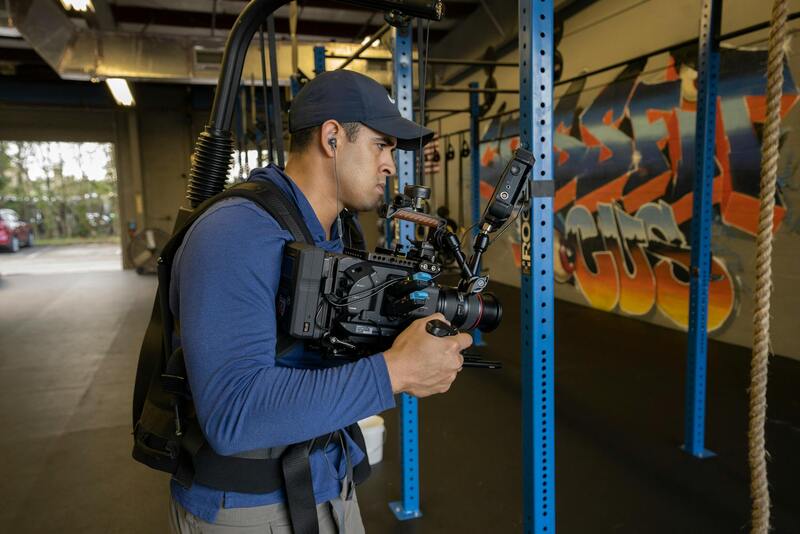
Professional property photographers utilize specialized equipment to capture compelling images. High-resolution DSLR or mirrorless cameras ensure sharp, detailed photographs that can be enlarged without loss of quality. Tilt-shift lenses are often used to correct perspective distortion, especially in interior shots with vertical lines that need straightening.
Tripods help stabilize the camera, allowing for longer exposures that enhance brightness in low-light conditions and maintain consistency across multiple shots. Drone technology is invaluable for aerial shots that reveal property scale and landscape features, particularly in waterfront or sprawling estates. Utilizing 3D camera systems and virtual tour setups can deliver immersive experiences that extend beyond traditional photography.
Post-processing is an integral part of the photography workflow. Adjustments to brightness, contrast, and color balance refine the image quality while maintaining authenticity. Retouching minor imperfections and enhancing architectural lines contribute to polished visuals that resonate with viewers.
Role of Professional Photographers in Real Estate Marketing
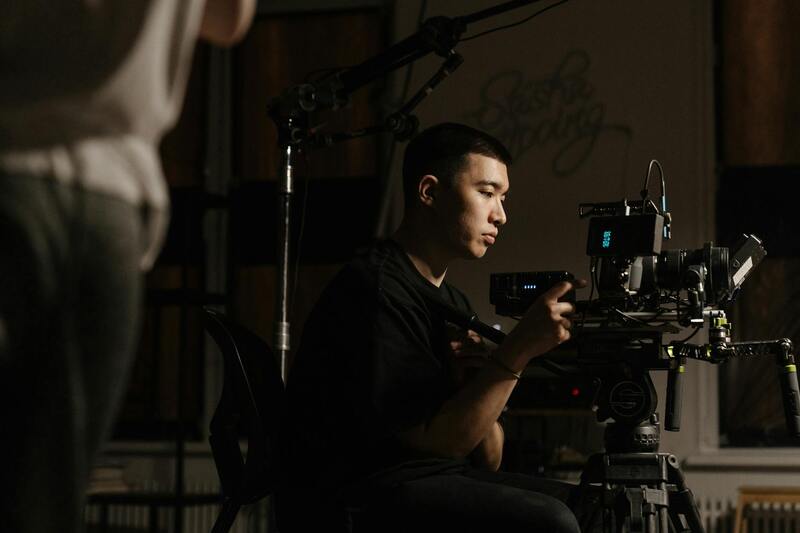
Professional photographers bring technical expertise and artistic sensibility to property marketing. They understand how to capture a space in a way that highlights its best qualities and appeals to prospective buyers. Their experience allows them to select optimal angles, lighting setups, and staging arrangements to produce images that are both realistic and compelling.
Beyond camera work, professional photographers offer guidance on property presentation, advising on staging and minor repairs or enhancements that can improve photo outcomes. Their post-processing skills ensure images are polished, color-corrected, and optimized for multiple platforms, from online listings to print materials. This consistency and quality directly influence a property's perceived value and viewers' engagement.
Working with a trained professional reduces the risk of misrepresenting the property, which can undermine trust and lead to dissatisfaction. Certified property photographers adhere to industry standards that emphasize accuracy, ensuring the final images reflect the true condition and layout of the home.

Optimizing Photos for Online Listings and Marketing Campaigns
Effective property marketing hinges on not just capturing high-quality images but also optimizing them for various online platforms and marketing channels. This process includes resizing images to meet specific site requirements, such as those of MLS listings, real estate portals, and social media platforms. High-resolution images should be compressed appropriately to ensure fast loading without sacrificing quality, an essential factor in online user experience.
Captions and image metadata should include relevant details, such as property features and location tags, to improve searchability and indexing. Utilizing a consistent style and branding across images creates a cohesive look that reinforces marketing messages.
Implementing a strategic mix of images—interior, exterior, aerial views, and lifestyle shots—can create a comprehensive visual story that engages potential buyers. Additionally, virtual tours, 3D walkthroughs, and HDR (High Dynamic Range) images enhance the depth and realism of online presentations, encouraging longer views and higher engagement rates.
Legal and Ethical Considerations in Property Photography
When creating property marketing images, adhering to accepted industry standards and ethical practices is essential to maintain professionalism and foster trust with clients and potential buyers. These practices ensure that photographs accurately represent the property’s condition, features, and layout without exaggeration or misrepresentation. Accurate depiction supports transparent communication between sellers, agents, and prospective buyers, helping to set appropriate expectations and avoid disputes or misunderstandings down the line.
In property photography, maintaining honesty involves capturing images in a way that reflects the true scale, ambiance, and details of the property. This includes honest lighting, perspective, and color rendering, avoiding digital enhancements that could alter the appearance dramatically. Post-processing techniques should be used judiciously to enhance clarity and visual appeal without misleading viewers. Overly manipulated images can lead to misaligned expectations and potentially damage reputation if buyers feel deceived after viewing the property physically.
Another important aspect involves respecting property privacy and legal boundaries. This means obtaining necessary permissions to photograph and feature specific spaces and avoiding images that include private areas or sensitive information. Ensuring that all images comply with relevant advertising standards helps protect professionals from potential issues and maintains a high level of integrity within the property marketing process.

By following these ethical guidelines, property marketers and photographers foster confidence in their services, contribute to a transparent market, and elevate the overall professionalism of real estate advertising. Such practices not only ensure compliance with industry expectations but also enhance the efficacy of marketing campaigns by delivering honest, compelling visuals that resonate with serious buyers.
Legal and Ethical Considerations in Property Photography
In the realm of property marketing photography, adhering to established legal and ethical frameworks is fundamental to maintaining trust and professionalism. This involves ensuring that all images used in advertisements accurately represent the property’s features without misleading potential buyers or renters. Ethically responsible photography respects the privacy of current occupants and owners by obtaining the necessary permissions before capturing and sharing images of private spaces. This proactive approach avoids privacy infringements and fosters a reputation of integrity within the real estate industry.
Beyond privacy concerns, compliant property photography must also align with advertising standards set by relevant authorities and industry bodies. This includes avoiding manipulative techniques that might distort perceptions of the property’s size, condition, or features. For example, using perspective or lighting tricks that exaggerate space or hide defects can create false expectations, leading to discontent upon physical visitations. Clear, honest representation is crucial for establishing credibility and building long-term client relationships.

Legal compliance also entails understanding and respecting local laws regarding property advertising. Permission protocols must be followed when photographing shared spaces or governed properties, ensuring that no area is displayed without consent. Furthermore, images should exclude any sensitive information, such as identifiable personal belongings or security features, unless explicitly authorized. These precautions protect all parties involved and uphold the standards of ethical marketing practice.
Implementing Ethical Standards in Property Photography
- Obtain necessary permissions before photographing private or restricted areas.
- Avoid digital alterations that significantly change the appearance of the property.
- Ensure images are an accurate portrayal of the property's current condition.
- Respect the privacy and security of current occupants and neighbors.
- Align with advertising regulations and standards within the industry.
By following strict ethical standards, property marketing professionals strengthen their reputation, contribute to a transparent real estate market, and foster buyer confidence. This approach not only mitigates potential liabilities but also enhances the overall efficacy of marketing campaigns, making honest and compelling visuals an essential element of successful property promotion.

Legal and Ethical Considerations in Property Photography
Maintaining high standards in property marketing photography involves adhering to established protocols that respect legal boundaries and ethical norms. Respect for privacy is paramount; all photographs should be taken with proper permissions, especially when capturing shared or restricted spaces. Ensuring consent from owners and current occupants helps prevent misunderstandings and promotes a professional approach.
Photographers must also be vigilant about avoiding the inclusion of sensitive or confidential information. This includes taking care to exclude personal belongings, security features, or any identifying details not intended for public viewing. Such practices help maintain the integrity of the marketing material and reassure potential buyers about the professionalism behind the listing.
Another key aspect involves accurate portrayals of the property. Refraining from digital manipulation that could mislead viewers is critical. This includes avoiding over-enhancement or altering features to the extent that the image no longer reflects the current state of the property. Authenticity in visual presentation builds trust with prospective clients and supports transparent marketing efforts.
It is equally important to understand and follow local regulations regarding property advertising. This might include obtaining written consent for commercial photography, especially in protected or controlled areas. Photographers should also stay informed about rules governing drone usage, special permits for aerial shots, or restrictions on photographing certain types of properties.

Adherence to these ethical principles demonstrates professionalism and fosters credibility in the field of property marketing photography. It ensures that all visual content aligns with best practices, thereby supporting the overall reputation of the real estate industry and providing clarity for prospective buyers.
Legal and Ethical Considerations in Property Photography
Effective property marketing photography hinges on adherence to established standards that foster trust and transparency. When capturing images for real estate listings, it is essential to secure proper permissions from property owners or authorized representatives before photography takes place. This ensures that all parties are informed and compliant with the appropriate guidelines, which can vary by jurisdiction.
Respecting the privacy of current occupants or tenants is paramount. Photographers and marketers must be cautious to avoid capturing private spaces or personal belongings that are not intended for public viewing. This practice safeguards privacy rights and helps maintain a professional and respectful approach toward clients and property owners.
Fair representation of the property is a cornerstone of credible marketing. Photographs should accurately depict the current condition of the space without deceptive enhancements or digital alterations that could mislead potential buyers. Clear, truthful imagery helps establish a trustworthy reputation and minimizes misunderstandings once potential buyers view the property physically.
In addition, understanding and complying with local regulations related to the use of specialized equipment—such as drones for aerial shots—is critical. Many areas require specific permits or restrictions on drone operations, especially in residential neighborhoods or protected zones. Adherence to these guidelines ensures that marketing efforts remain above reproach and reflect a professional dedication to legality and safety.

Photographers and marketers should also stay informed about any updates to regional advertising standards. This ongoing awareness demonstrates professionalism and reinforces a company's credibility within the real estate industry. Ethical practices in property photography not only conform to legal obligations but also strengthen the reputation of associated brands and the overall real estate market.
Legal and Ethical Considerations in Property Photography
Ensuring transparent and honest presentation of property images is fundamental to establishing trust within the real estate market. Authenticity in property photography involves capturing images that genuinely reflect the property's current state, avoiding digital enhancements or modifications that could mislead potential buyers. This commitment to accuracy not only upholds integrity but also nurtures a reputable reputation for agents and marketers.
When employing specialized equipment such as drones for aerial shots or wide-angle lenses for expansive views, it is crucial to observe regional regulations governing their use. Many regions require specific permits or adherence to restrictions to protect privacy and safety, especially around residential neighborhoods or public spaces. Navigating these guidelines diligently ensures that marketing efforts are conducted responsibly and professionally, preventing inadvertent violations that could tarnish a brand’s image.
Transparency extends beyond technical compliance; it encompasses respecting the privacy of individuals and property owners. Photographers should avoid capturing sensitive areas or private spaces without explicit consent. Using clear signage or obtaining written permissions when necessary contributes to principled marketing practices. Moreover, providing comprehensive and truthful descriptions alongside photographs furthers this integrity, ensuring that online listings present a holistic view of the property.

Staying informed about current advertising standards and regional guidelines is an ongoing responsibility for professionals involved in property marketing. Regular training and updates on new regulations reflect a commitment to ethical practices, which bolster a company's credibility and cultivate long-term client relationships. Practicing transparency and respecting legal frameworks in property imagery practices ultimately reinforce the reputation of real estate professionals and support a trustworthy marketplace.
Leveraging Ethical Image Usage and Proven Marketing Strategies
Implementing effective property marketing photography involves more than capturing high-quality images; it requires adherence to ethical standards and the utilization of proven strategies to reach the target audience effectively. When engaging in property marketing, professionals must ensure that all images used in listings and promotional materials are obtained and utilized in accordance with accepted practices, respecting privacy, and avoiding misrepresentation.
Respect for privacy and accurate portrayal form the cornerstone of trustworthy property marketing. Photographers should avoid including identifiable individuals without consent, and images should be free from deceptive enhancements that could mislead potential buyers or renters. Transparency in what the images depict bolsters credibility and encourages viewer engagement.
Implementing Proven Marketing Strategies
- Consistent Branding: Using uniform styles, color schemes, and branding elements across all images enhances recognition and builds trust with your audience.
- Storytelling Through Imagery: Craft a visual narrative that highlights the property's unique features, community benefits, and lifestyle appeal. Thoughtful staging and strategic angles can evoke emotion and inspire action.
- Enhanced Listing Descriptions: Pair high-quality images with detailed, keyword-rich descriptions that highlight key features, upgrades, and location benefits to improve search engine visibility.
- Multi-Platform Distribution: Distribute images across various online channels including MLS, social media, and specialized property portals to maximize exposure.
- Virtual Tours and 3D Imaging: Incorporate immersive technologies alongside photography to provide comprehensive views of the property, catering to remote buyers and increasing engagement.
Maintaining Ethical Standards in Property Promotion
Patience and transparency are vital in property marketing. Avoiding overhyped images or misleading representations helps maintain industry integrity and fosters long-term client relationships. Clear disclosures and providing authentic visuals ensure that prospective clients receive an accurate impression of the property, which enhances satisfaction and reduces potential disputes.