
Importance of Professional Realtor Photography
In Miami’s bustling real estate market, where competition is fierce and properties often sell within days, captivating visuals serve as a powerful catalyst for turning listings into successful sales. The clarity, composition, and overall quality of real estate photography can greatly influence a property's perceived value, attract qualified buyers, and ultimately drive faster transactions. High-quality images act as the first impression—often the only impression—potential buyers will have before scheduling a viewing or making an offer.
Research shows that listings with professionally capturing photographs garner significantly more interest than those with amateur images. They not only enhance the appeal of the property but also elevate its visibility across multiple online platforms. For Miami’s diverse and dynamic real estate environment, where buyers come from all over the world, visually stunning imagery helps properties stand out in a crowded marketplace. It’s no longer enough to simply list a property; compelling visual storytelling through expert photography effectively communicates the unique features and lifestyle that a home offers.
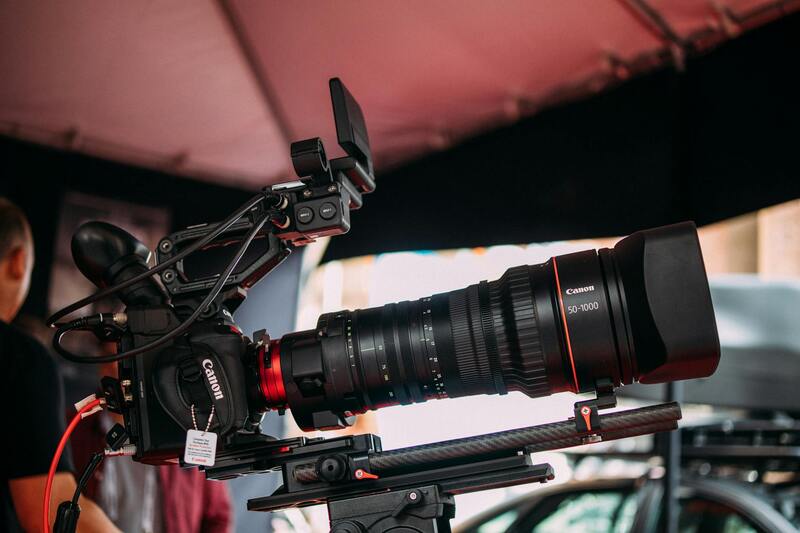
Real estate professionals who leverage professional realtor photography also benefit from an enhanced reputation. They demonstrate a commitment to quality and attention to detail that builds trust with clients and prospects. In Miami, where luxury condominiums, waterfront estates, and commercial properties demand premium presentation, professional images can significantly increase a listing’s market value. As technology advances, virtual tours and 3D walkthroughs are often integrated alongside high-quality photography, further enriching the visual experience.
Ultimately, investing in professional realtor photography is not just an aesthetic choice but a strategic move that directly impacts a property’s visibility, attractability, and sale speed—key factors for success in Miami’s fast-paced real estate environment.
Choosing the Right Photographer and Equipment
Selecting a professional photographer for realtor imagery is a critical step that directly influences the presentation and appeal of a property. A qualified photographer possesses not only technical expertise but also a deep understanding of real estate marketing objectives. When evaluating potential photographers, real estate professionals should prioritize those with a proven track record in architectural and property photography, particularly within the Miami market where aesthetics and details significantly influence buyer interest.
Investing in the right equipment is equally important. The best realtor photographers utilize high-resolution digital cameras equipped with wide-angle lenses to capture the full scope of interior and exterior spaces without distortion. Tripods are essential for stability, especially in dimly lit environments, to ensure sharp images. Additionally, professional lighting setups can compensate for challenging lighting conditions, such as shadowy interiors or overly bright exteriors, creating a balanced and inviting aesthetic.
Modern photography also incorporates the use of drones for aerial shots, providing breathtaking perspectives of waterfront estates, high-rise condos, or sprawling commercial complexes. This technique not only enhances the visual appeal but also conveys a sense of scale and location that static photos may not fully capture. A combination of ground-based and aerial photography creates a comprehensive visual narrative that appeals to both local and international clients.
Best Practices for Shooting Residential and Commercial Properties
Effective real estate photography requires adherence to specific best practices tailored to residential or commercial spaces. For residential properties, emphasis is placed on creating warm and inviting images through strategic staging and natural lighting. During shoots, photographers often schedule sessions during daylight hours to take advantage of abundant natural light, which accentuates the property's best features.
Commercial properties demand a different approach, focusing on clarity and professionalism that highlight layout, capacity, and amenities. Wide-angle lenses are particularly useful in showcasing larger spaces, while detailed shots of significant features like modern conference rooms or retail displays can enhance the property's appeal.
- Pre-shoot preparation involves ensuring spaces are clean, decluttered, and properly staged to present a polished image.
- Shot planning should include consideration of optimal angles and times of day, maximizing natural light as well as highlighting architectural details.
- Post-shoot review is essential to select the best images before proceeding to editing and optimization processes.
Ultimately, aligning shooting techniques with the property's unique features and target market ensures that each listing maximizes its visual potential, helping attract qualified buyers and facilitate faster sales.
Choosing the Right Photographer and Equipment
When seeking to elevate real estate listings through professional realtor photography, selecting an experienced photographer with the appropriate equipment is crucial. A proficient photographer understands the nuances of lighting, composition, and space utilization essential for capturing optimal images of Miami’s diverse property types. They possess a solid grasp of how different lenses and camera settings can influence the final output, ensuring each image accurately represents the property’s appeal.
Modern professional real estate photographers typically utilize high-resolution digital cameras capable of capturing extensive detail, which is vital for highlighting the unique architectural features and interior designs of Miami homes and commercial spaces. Wide-angle lenses are especially prevalent, allowing for expansive views of rooms and outdoor areas without distortion, making spaces appear larger and more inviting.
Additionally, high-quality lighting equipment, such as portable flashes and diffusers, are employed to balance natural and artificial light sources. This ensures rooms are evenly illuminated, shadows are minimized, and colors pop vibrantly, all contributing to visually compelling images.
Post-processing tools, including advanced editing software, further refine images by adjusting exposure, contrast, and color saturation to produce images that are true to life yet visually striking. An experienced photographer can also retouch minor imperfections and enhance key features, delivering polished images that meet the high standards of Miami’s competitive real estate market.
Investing in professional-grade equipment and seasoned talent ensures that the images will effectively showcase the property’s strengths and attract prospective buyers or tenants. The combination of advanced gear and artistic expertise guarantees a collection of photographs capable of elevating the overall marketing strategy.
Post-Production and Image Optimization
After capturing high-quality images, the process of post-production plays a crucial role in ensuring that each photograph effectively highlights the property's appeal. Skilled editors utilize advanced software to enhance lighting, correct color balances, and straighten perspective distortions that might occur during the shoot. This refinement not only accentuates the property's best features but also ensures consistency across all images, creating a cohesive visual narrative in marketing materials.
Image optimization further involves adjusting resolution and file size, which is vital for web use. Properly optimized images load faster on online platforms, improving user experience while maintaining visual clarity. Optimized images also adhere to best practices for SEO, with appropriate filenames and alt text descriptions that help search engines better understand the content, thereby increasing the property's visibility in local search results.
Implementing color calibration ensures consistency across all photos, reinforcing a professional and polished look. Additionally, strategic cropping focuses attention on key features, such as focal points within rooms or exterior views, guiding potential buyers' eyes to the most appealing aspects of the property. Overall, meticulous post-production enhances the realism, depth, and attractiveness of images, making them more compelling for prospective clients and increasing engagement.
Integrating Photography into Marketing Strategies
High-quality visuals must be seamlessly integrated into broader marketing initiatives. Strategically placing images on property listings, social media platforms, and digital ads expands reach and attracts targeted audiences. Well-crafted galleries, virtual tours, and high-resolution images improve online engagement and encourage inquiries. Combining compelling imagery with detailed property descriptions and virtual walkthroughs creates a comprehensive presentation that captures the attention of serious buyers and investors.
Regular updates to property visuals help maintain interest and reflect the current state of listings. Additionally, sharing behind-the-scenes content about the photography process can personalize the listing, fostering trust and credibility with potential clients. When integrated thoughtfully, professional photos act as a cornerstone of successful real estate marketing, driving faster sales and higher offers.
Legal and Ethical Considerations in Realtor Photography
Maintaining transparency and integrity in real estate imagery is essential for building trust with clients and prospective buyers. Accurate representation of a property's features ensures that images align with the actual condition and appearance, preventing any misleading impressions. This honesty fosters a professional reputation and sustains long-term relationships within the industry.
Respecting privacy rights of current occupants is a crucial aspect of ethical real estate photography. When capturing exterior shots or interior spaces, photographers and agents should obtain proper consent to avoid infringing on personal privacy or trespassing on private property. Clear communication about the purpose of photographs and how they will be used enhances trust and adheres to professional standards.
In addition to respect for privacy, transparency about post-production processes is important. Showing potential clients that images are genuine and not heavily altered maintains credibility. Employing image enhancement techniques that improve clarity, color accuracy, and lighting without distorting or exaggerating the property's features ensures a truthful presentation.
Adherence to intellectual property rights is another pivotal element. Ensuring that all images used in marketing are legally obtained and free of unauthorized copyrights prevents potential legal disputes. This includes respecting the work of other photographers and obtaining necessary permissions for using third-party visuals.
Finally, ethical practices extend to the submission of images in listings, where only the current, accurate photos of the property should be displayed. Avoiding outdated or manipulated images helps set realistic expectations for prospective buyers, reducing frustration and fostering a transparent buying process.
Legal and Ethical Considerations
In the realm of professional realtor photography, adhering to established ethical practices and legal standards is essential to preserve the integrity of real estate marketing. Photographers and real estate agents must prioritize obtaining explicit consent from property owners or authorized representatives before capturing and publishing images. This protocol helps prevent misunderstandings and respects the rights of all parties involved.
Respect for privacy extends beyond property boundaries to include neighboring properties and public spaces. When photographing exteriors, especially in densely populated areas, it is best practice to avoid capturing images that might inadvertently infringe on others' privacy or personal property. If neighboring structures or private spaces are unintentionally included, editing or cropping should be employed to maintain privacy and compliance.
Transparency about the editing and enhancement processes used in post-production is equally important. Clear communication with clients about how images are optimized—such as adjustments to lighting, color correction, or minor retouching—keeps all stakeholders aligned and fosters trust. Authentic representation of properties ensures prospective buyers obtain an accurate understanding of the real estate's current condition.

Intellectual property rights play a critical role in maintaining ethical standards. Only images that are original, properly licensed, or have obtained necessary permissions should be used in marketing materials. This careful consideration prevents disputes over image ownership and respects the creative efforts of photographers and other contributors.
Moreover, consistent accuracy in listing images is vital. Realtors should regularly update their property visuals to reflect the current state of the property, avoiding outdated or manipulated images that could mislead prospective buyers. Using authentic and current photographs supports honest marketing and helps buyers set realistic expectations, fostering a transparent and positive transaction process.
Legal and Ethical Considerations
Within the field of professional realtor photography, adhering to established standards ensures that marketing efforts are responsible and respectful of all parties involved. Obtaining explicit permission from property owners or tenants before capturing images is critical to uphold individual rights and privacy. Clear documentation of consent helps prevent misunderstandings and provides a record of authorization, especially when images are used across multiple marketing channels.
Realtors and photographers should verify ownership rights over every image employed in listings. Issues like copyright infringement can arise if photographs are used without proper licensing or permission, leading to legal complications and reputational damage. Utilizing only original images or those with secured licenses ensures compliance with intellectual property laws and respects the creative work of professional photographers.
Maintaining ethical standards extends beyond permissions and copyrights. Photographers should avoid deceptive practices, such as digitally manipulating images to exaggerate the property's features or conceal defects. Authenticity in imagery fosters trust with potential buyers and sustains the credibility of the real estate agency.
Additional considerations include respecting neighboring properties' privacy when shooting in shared or multi-unit buildings. Photographers must be cautious not to infringe on private areas or inadvertently capture sensitive information during a shoot. Furthermore, incorporating accessibility features and accurately representing the property's condition aligns with inclusive marketing practices, broadening the reach of potential buyers.
Legal and Ethical Considerations in Professional Realtor Photography
When engaging in professional realtor photography, adherence to appropriate legal and ethical guidelines is essential to maintain professionalism and build trust with clients and prospective buyers. Ensuring that all images employed in property listings are properly licensed and that permissions have been obtained from property owners and relevant parties safeguards the integrity of marketing efforts. This diligent approach minimizes risks of copyright infringement and reinforces the reputation of the real estate professional.
Realtors and photographers must verify ownership rights over every visual asset used in their marketing materials. Utilizing original images or those for which proper licensing has been secured guarantees compliance with intellectual property standards and respects creative contributions. It is also crucial to document agreements and permissions to avoid misunderstandings or disputes regarding image rights and use.
Beyond permissions, maintaining transparency and authenticity in photography practices is vital. Digital manipulation of images — such as artificially enhancing a property's size, removing flaws, or concealing defects — should be avoided unless clearly disclosed. Misrepresenting a property's features through editing can lead to buyer dissatisfaction and erosion of trust, ultimately impacting the credibility of the real estate professional.
Respect for privacy and property rights extends to neighboring properties and shared spaces. Photographers should avoid capturing private areas without consent, especially in multi-unit or shared residential complexes. Incorporating accessible features into images and providing an accurate depiction of the property's condition also aligns with ethical marketing standards and promotes inclusivity.
Maintaining these standards ensures that all marketing content presents an honest portrayal of properties. This safeguarding of integrity not only complies with industry expectations but also enhances client confidence and fosters long-term professional relationships.
Cost and Timeline for Realtor Photography Projects
Understanding the financial and time commitments involved in professional realtor photography is crucial for effective planning and client satisfaction. Typical costs vary depending on the property's size, location, and the extent of the required services. Budgeting appropriately ensures quality visuals that showcase the property's best features without compromising on standards.
Average session fees for realtor photography can range from a few hundred to over a thousand dollars for extensive shoots, including drone images, video tours, and virtual staging. Additional services, such as twilight photography or 3D virtual tours, often entail extra charges but significantly enhance listing appeal.
Turnaround times are generally between 24 to 72 hours, depending on the scope of work and workload of the chosen photographer. Efficient scheduling and clear communication are vital to meet client deadlines and align with marketing campaign timelines. Advance planning allows for optimal lighting conditions and access arrangements, helping to capture the property in the best possible light.
Employing a professional photographer with a well-defined workflow ensures timely delivery, reduces the need for multiple shoot reschedules, and results in high-quality images that elevate the property's marketability. Clear agreements on costs and timelines contribute to a smooth, stress-free process for all parties involved.