
Importance of High-Quality Photography in Real Estate
In the competitive landscape of real estate, capturing the true essence of a property through high-quality images is essential for attracting potential buyers and ensuring successful transactions. Professional real estate agent photography serves as the visual foundation of an effective marketing strategy, instantly drawing attention and creating a compelling first impression.
Quality visuals significantly influence how a property is perceived online, where most buyers begin their search. Listings featuring crisp, well-lit, and professionally composed images tend to generate higher engagement, leading to increased inquiries and viewing appointments. These images highlight the property's best features, such as spacious interiors, attractive architectural details, and desirable amenities, effectively communicating the property's value without the need for a physical visit.
Moreover, high-caliber photography can differentiate a property from similar listings in the market. As potential buyers scroll through countless options, they are naturally inclined to focus on listings that stand out visually. Well-executed photos not only showcase the property but also reflect the professionalism and credibility of the seller or real estate agency behind the listing.
Investing in professional real estate photography is therefore a strategic decision that directly impacts marketing outcomes. It enhances online visibility, fosters trust among prospective buyers, and accelerates the sales process by presenting properties in the most appealing light. For real estate professionals committed to optimizing their listings, high-quality imagery is an indispensable tool that elevates their overall market presence and success rate.
Choosing the Right Equipment for Property Photography
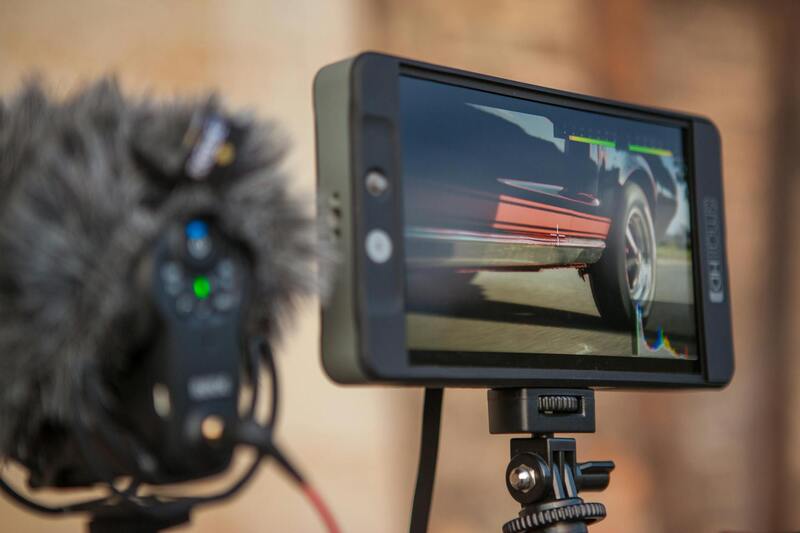
To achieve exceptional results in professional real estate photography, selecting the appropriate equipment is essential. High-quality cameras with full-frame sensors are preferred due to their superior image resolution, dynamic range, and low-light performance. These attributes allow real estate photographers to capture consistent, crisp images that truly represent the property's details and ambiance.
Lens selection also plays a pivotal role. Wide-angle lenses, typically ranging from 14mm to 24mm, enable photographers to showcase spacious interiors and architecture effectively. They minimize distortion while capturing more of the room in a single shot, producing inviting and comprehensive visuals. Additionally, macro lenses can be useful for highlighting intricate design details, such as decorative fixtures or textured surfaces.
Lighting gear, such as portable flash units, softboxes, and reflectors, further empowers photographers to control illumination. Proper lighting eliminates shadows, balances exposure, and enhances the color accuracy of the images. For locations with challenging lighting conditions, such as dimly lit interior spaces, supplemental lighting ensures consistent, professional-quality results.
Tripods are indispensable for obtaining stable, sharp images, especially in low-light environments or when using slow shutter speeds. They facilitate precise framing and prevent blurriness caused by hand movement. Additionally, remote shutter releases or timers help reduce camera shake during the shot, maintaining the integrity of the image.
Furthermore, some professionals incorporate drone cameras into their arsenal. Aerial shots provide unique perspectives of the property and surrounding landscape, offering potential buyers a comprehensive view that ground-level photography cannot convey. Though sophisticated, drone photography requires proper certifications and adherence to safety protocols, emphasizing the importance of choosing trained operators for legal and quality assurance reasons.
Investing in Reliable Equipment for Consistent Results
Consistent output is critical in real estate marketing. Therefore, investing in durable, high-performance equipment ensures reliable operation across various shooting conditions. Regular maintenance and updates to camera gear and ancillary equipment are necessary to keep tools functioning at optimal levels. This preparedness results in superior images that accurately and attractively represent the property, which is a cornerstone of successful property marketing.
Choosing the Right Equipment for Property Photography
Equipping a professional real estate photography setup necessitates a careful selection of tools that ensure the highest image quality and efficiency during shoots. The foundation of outstanding property images begins with the right camera and accessories, which together enable capturing detailed, vibrant visuals that appeal to prospective buyers.

Essential Camera Choices
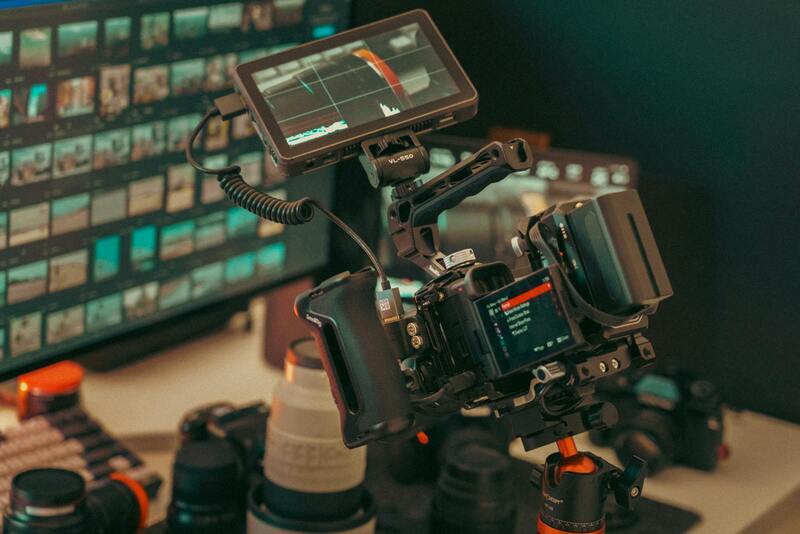
A full-frame DSLR or mirrorless camera is typically preferred for real estate photography due to its superior image sensor size, which allows for greater detail and better performance in low-light conditions. High resolution sensors, often exceeding 20 megapixels, ensure that images can be enlarged or cropped without losing clarity. Fast and accurate autofocus systems facilitate quick setup and sharp focus, essential for capturing every facet of a property.
Lens Selection
Wide-angle lenses are integral to real estate photography, typically ranging from 14mm to 24mm for full-frame cameras. These lenses allow capturing more of the scene in a single shot, providing a sense of space and grandeur within interior spaces. The use of tilt-shift lenses can also help correct perspective distortions, ensuring straight lines and true proportions, which enhances the professionalism and realism of images.
Necessary Accessories
- Tripods: Robust tripods stabilize shots, especially in interior spaces with low light, preventing blurriness and ensuring sharp images.
- Remote Shutter Releases & Timers: These tools minimize camera shake during exposure, crucial when shooting in dim conditions or with long shutter speeds.
- Lighting Equipment: External flashes, softboxes, and reflectors help shape and illuminate spaces evenly, eliminating harsh shadows and highlighting key features.
- Filters: Circular polarizers can reduce reflections on glass and water surfaces, resulting in clearer scenes.
Incorporating Drone Photography
Advanced property listings often benefit from aerial imaging provided by drones. Drone photography offers unique vantage points, capturing the property's scale, surroundings, and landscape features from above. However, operational standards and safety protocols must be strictly followed, underscoring the importance of working with certified pilots trained in the latest regulations and safety procedures. Proper drone usage not only enhances visual appeal but also maintains the professional integrity of the marketing efforts.
Maintenance and Investment
High-quality equipment demands regular upkeep to function reliably. Routine cleaning, firmware updates, and calibration ensure longevity and consistent performance, which translate into reliable capture sessions. Investing in durable gear reduces the likelihood of technical disruptions during critical shoots, ultimately supporting the delivery of superior images that resonate with potential buyers.
Using the right tools and maintaining them properly forms the backbone of a successful real estate photography operation. With reliable equipment, professionals can produce images that accurately depict the property's features, creating compelling listings that stand out in competitive markets.
Post-Processing Techniques for Real Estate Images
Once the initial photography session is complete, the next crucial phase involves meticulous post-processing to ensure the images accurately reflect the property's appeal while maintaining authenticity. High-quality editing enhances visual impact, highlights key features, and corrects minor imperfections that might detract from the listing’s overall impression.
Color correction is fundamental in real estate photography. Adjusting brightness, contrast, and saturation ensures that walls appear true to life and interior elements stand out vividly. Proper white balance adjustment prevents images from looking overly warm or cold, thereby presenting a welcoming environment that appeals to prospective buyers.
Perspective correction and lens distortion removal are essential to preserve the integrity of architectural lines and spatial relationships. This prevents images from appearing skewed, which can sometimes occur due to wide-angle lenses used during shooting. Straightened walls and properly aligned ceilings give viewers a more accurate sense of space and depth.
For enhancing lighting and shadows, professional editors often employ local adjustments. This technique emphasizes focal points, such as a cozy fireplace or a bright kitchen, drawing potential buyers' eyes to the property's most attractive features.
While retouching minor imperfections like reflections, dust spots, or blemishes is common, it must be approached with restraint to ensure images do not mislead viewers about the property's true condition. Ethical editing maintains authenticity while optimizing visual appeal.
High Dynamic Range (HDR) imaging is frequently employed to balance different lighting conditions, such as bright exteriors with shaded interiors. Merging multiple exposures results in well-exposed images that provide a comprehensive view of the property, making listings more eye-catching and inviting.
Finally, formatting the images for various platforms ensures consistency across digital listings, social media, and printed materials. Proper sizing and resolution are vital for maintaining quality and avoiding pixelation or blurry images online.
The combination of precise shooting techniques and skilled post-processing creates a compelling visual story that captures the essence of the property, attracts more engagement, and ultimately facilitates quicker sales.
Legal and Ethical Considerations in Property Photography
When capturing images of a property, adhering to established standards and practices is essential to ensure transparency and integrity in real estate marketing. Photographers should obtain proper permissions before photographing private or shared spaces, respecting the privacy and rights of residents and owners. This includes being cautious with photographing interior areas that may contain personal belongings or sensitive information.
Respect for intellectual property rights is also vital. This involves using only copyrighted materials or tools for which the photographer has proper rights, avoiding unauthorized use of brand logos, artworks, or proprietary furnishings within the images. Clear consent from property owners or representatives is necessary when showcasing specific features or upgrades, particularly if the property is still under development or renovation.
Maintaining authenticity in imagery upholds consumer trust and provides potential buyers with an accurate visual representation of the property. Avoiding any alterations that could mislead viewers about the property's size, condition, or features is a critical ethical practice. This includes not artificially enhancing images to exaggerate space or amenities beyond their actual state.
In addition to adhering to legal guidelines, photographers should familiarize themselves with local and industry-specific standards related to real estate marketing. Staying informed about best practices not only safeguards the photographer but also enhances the reputation of the property listing and the associated brokerage or agent.
Neglecting Proper Licensing and Certification
Ensuring that a photographer has appropriate licensing and professional certification can significantly influence the quality and reliability of real estate imagery. Certified real estate photographers often possess specialized training and adhere to industry standards that enhance their technical skills and aesthetic judgment. Their certifications demonstrate a commitment to ongoing education and mastery of current photography techniques, which translates into consistently high-quality images that meet professional expectations.
Furthermore, licensed photographers are usually familiar with regional regulations and industry best practices, reducing the risk of inadvertent errors in image capture or post-processing. This knowledge guarantees compliance with platform standards and ensures that the photographs will be accepted on various listing portals and marketing channels without complications.
Partnerships with certified professionals give real estate agents and property owners confidence that the visual content accurately and attractively portrays the property, ultimately boosting engagement and inquiries from potential buyers. Such professionals often provide comprehensive packages that include pre-shoot consultations, detailed scene staging, and precise editing—services that elevate the overall presentation and appeal of the listing.
Utilizing Proper Permits for Commercial and Unique Properties
In certain cases, especially when photographing commercial spaces, historical properties, or uniquely structured buildings, obtaining the necessary permits can be essential. These permits not only ensure legal compliance but also support the safe and respectful capture of property features without infringing on protected areas or restricted zones.
Securing the appropriate permissions beforehand demonstrates professionalism and demonstrates respect for property rights and restrictions. This proactive approach helps avoid potential delays, legal issues, or disputes that might arise from unauthorized photography, safeguarding both the photographer's reputation and the interests of the property owner.
For high-value properties or developments still under construction, detailed documentation and permissions are crucial when showcasing progress and features to prospective buyers or investors. Working closely with legal representatives or property managers helps outline the scope of permissible photography, ensuring all activities are within authorized boundaries.
Documenting and Reporting for Transparency
Maintaining thorough records of permissions, permits, and correspondence related to property photography establishes a transparent process that can be referenced if questions or disputes arise. Detailed documentation provides proof of authorized photo sessions, particularly when handling multiple stakeholders or complex properties.
Reporting procedures include noting the scope of work, permissions received, and any limitations or special considerations agreed upon before the shoot. This level of organization not only upholds transparency but also enhances trust with clients and stakeholders, reinforcing the professional standing of the photographer or agency.
Additionally, creating comprehensive reports and records can streamline post-shoot processes such as editing, approvals, and distribution, ensuring consistent communication and management of the project. This meticulous approach reflects a commitment to professionalism that influences client satisfaction and future collaborations.
Legal and Ethical Considerations in Property Photography
Maintaining a professional standard in real estate photography extends beyond technical skills and into adherence to established regulations and ethical practices. While capturing compelling images is vital, it is equally important to operate within the boundaries of lawful and ethical guidelines to uphold integrity and trustworthiness in the industry.
One fundamental aspect involves ensuring that all photography activities are properly authorized. This includes securing necessary permissions from property owners or authorized representatives before entering the premises to photograph. Clear communication about the scope of the shoot, the intended use of images, and the duration of access fosters transparency and mutual understanding.
Respect for privacy is paramount. Photographers should avoid capturing images that infringe on the privacy of residents or tenants, especially in multi-unit buildings or residential communities. Focus should be directed toward showcasing the property's features without infringing on individuals' personal space or privacy rights. If any images unintentionally include private areas, consent should be obtained prior to publication.
In addition, adhering to property-specific restrictions or guidelines provided by the client or property managers is essential. These may include limitations on the use of drones, restrictions on certain vantage points, or specific times during which photography should be conducted, especially in sensitive locations.
When utilizing advanced tools like drones or other specialized equipment, it is crucial to follow established protocols that prioritize safety and privacy. This involves obtaining necessary permits, if applicable, and ensuring that aerial photography does not compromise safety or privacy expectations of neighbors and nearby residents.
Documenting compliance efforts and obtaining explicit consent when required can prevent misunderstandings and protect both the photographer and client from potential disputes. This transparent approach demonstrates professionalism and adherence to industry best practices, fostering trust and confidence among clients.
Overall, an emphasis on legality and ethics enhances the reliability of a real estate photography service. It reassures clients that their properties will be represented accurately and responsibly, which supports positive market perceptions and long-term relationships in the real estate industry.
Strategies for Ensuring Authentic and Accurate Property Representation
Authentic and precise portrayal of real estate listings plays a vital role in establishing trustworthiness and transparency in property marketing. Implementing robust methods to guarantee that images genuinely reflect the property's current condition and features is fundamental for maintaining credibility with prospective buyers and real estate partners.
One effective approach is conducting comprehensive on-site inspections prior to photography sessions. This allows the photographer to familiarize themselves with the property’s layout, notable features, and any unique characteristics that should be emphasized through imagery. It also provides an opportunity to identify potential challenges, such as lighting limitations or restricted areas, enabling the planning of appropriate angles and equipment to capture the best results.
Precise staging and preparation of the property are equally important for authenticity. Decluttering spaces, removing personal items, and ensuring that the property is clean and well-lit contribute to a transparent presentation. It’s essential that images showcase the property accurately without exaggeration or digital manipulation that could mislead viewers about its condition or features.
Utilizing high-dynamic-range (HDR) imaging techniques helps in balancing different light sources within a space, capturing the true ambiance of interiors. This technical approach aids in reproducing the scene as seen by the naked eye, preventing over-enhancement or loss of detail in shadows and highlights, which can distort the viewer’s perception.
In addition, photographic metadata—such as timestamps and camera settings—should be accurately recorded and preserved. This metadata contributes to transparency, allowing clients and stakeholders to verify the authenticity of the images and the conditions under which they were captured.
Photographers should also keep detailed records of their work process, including checklists of scenes photographed and specific adjustments made. This documentation serves as a valuable reference for future comparisons and ensures consistency across multiple listings or updates.
Involving clients or property owners in the review process before publishing images is essential. Providing them with preview versions for feedback ensures that their expectations are met and that the visuals align with their perception of the property. Addressing any concerns or discrepancies prior to publication minimizes the risk of future misunderstandings and strengthens the integrity of the marketing effort.
Continuing Commitment to Ethical Standards and Transparency
Adhering to strict ethical practices in property photography underscores professionalism and builds client confidence. This includes avoiding manipulation techniques that could mislead viewers and rigorously assessing each shot for accuracy. When in doubt, it’s advisable to present the property as is, leveraging technical expertise to enhance its visual appeal without compromising authenticity.
By fostering a culture of integrity and transparency in real estate imagery, photographers and agents can cultivate long-term relationships rooted in trust. This approach not only aligns with industry best practices but also enhances the overall reputation of the property and the professionals involved in its marketing.