
Importance of High-Quality Property Images
In the competitive Miami real estate market, the caliber of imagery displayed in property listings can significantly influence buyer interest and engagement. High-quality photography captures the unique features of each property, presenting a polished visual narrative that appeals to prospective buyers. Superior images not only highlight the property's strengths but also create an emotional connection, making potential buyers envision themselves living in the space.
Property listings with professional photographs tend to attract more online views, leading to increased foot traffic and inquiries. This heightened visibility often correlates with quicker sale times and higher offers, as well-presented images communicate the value and potential of a property more effectively than amateur photographs. In an environment like Miami, where aesthetic appeal and first impressions are paramount, professional photography becomes an indispensable tool for estate agents aiming to maximize their listings.
Furthermore, the quality of images can impact online listing rankings and search engine visibility. Search algorithms favor listings with higher-quality images, resulting in broader exposure to a targeted audience. As more buyers begin their property searches online, the importance of striking visual content becomes increasingly evident. Ultimately, investing in professional photography enhances an estate agent’s reputation, helping to establish a dependable brand that prioritizes quality and attention to detail.
In sum, professional photography is not merely an aesthetic choice but a strategic asset in the realm of Miami real estate. It elevates property listings, influences buyer perceptions, and contributes to a more efficient sales process, reinforcing an agent’s competitive edge in a vibrant and rapidly evolving market.
Key Elements of Effective Real Estate Photography
Effective real estate photography encompasses several critical components that combine to create compelling visual content. These include framing, composition, lighting, and post-processing techniques. Understanding and executing these elements properly ensures that each property is showcased in its best possible light, attracting serious buyers and making listings stand out in a crowded market.
First, framing and composition are vital; positioning the camera to emphasize the space's best features while maintaining a sense of scale helps viewers appreciate the property's size and layout. Wide-angle lenses are often used to capture more of the room in a single shot, providing a comprehensive view that makes spaces look larger and more inviting.
Lighting remains a cornerstone of quality real estate photography. Proper natural light should be maximized, with electronic flash or soft lighting used to eliminate shadows and highlight details. During shoot preparation, closing blinds or curtains may be necessary to control unwanted reflections or glare, ensuring a balanced exposure throughout the image.
Post-processing techniques play a supporting role, where adjustments to brightness, contrast, and color correction refine images for consistency and appeal without misrepresenting the property's true appearance. Over-editing should be avoided to maintain transparency and trust with potential buyers.
Mastering these key elements results in imagery that is not only visually striking but also reflective of the property's true character, making it an effective tool in the modern real estate market.
Choosing the Right Photography Equipment and Techniques
Professional estate agents rely heavily on the selection of appropriate photography equipment to accurately capture the essence of each property. High-quality digital cameras with full-frame sensors and versatile lens options are fundamental in producing clear, detailed images that appeal to prospective buyers. Wide-angle lenses, for instance, are indispensable for capturing spacious interiors, creating an immersive viewing experience that highlights the property's layout and flow.
In addition to camera choice, advanced techniques such as HDR (High Dynamic Range) imaging are employed to manage contrasting light conditions within a space. By combining multiple exposures, real estate photographers can ensure both shadows and bright areas are well-balanced, delivering an image that faithfully reflects the property's true appearance.
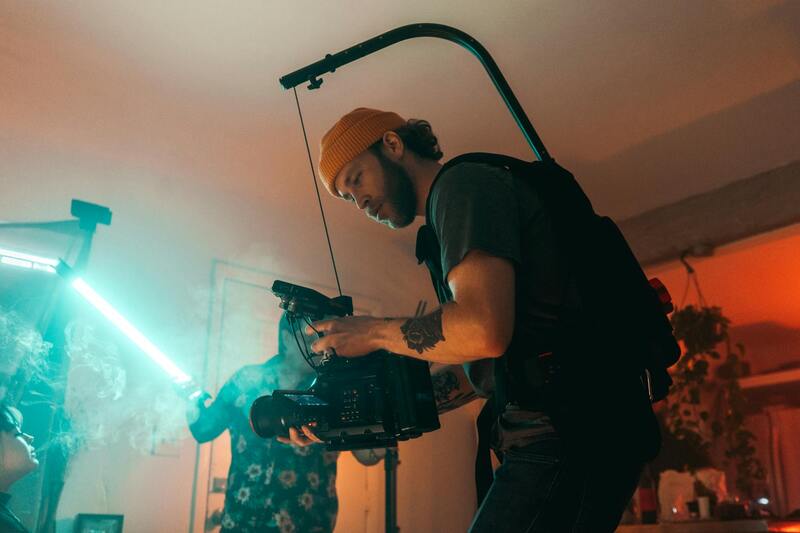
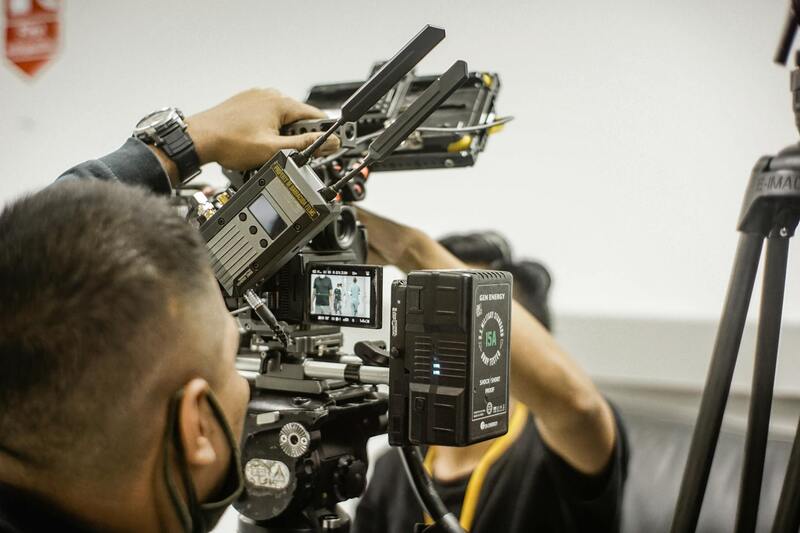
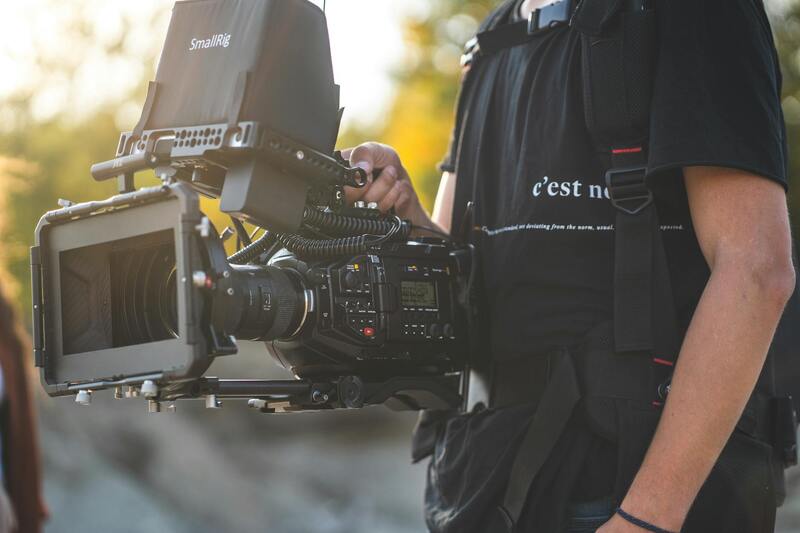
Another critical technique involves proper camera stabilization through tripods or gimbals, which eliminates blur and ensures sharp focus across all images. This consistency in image quality translates into a unified presentation across all listing visuals.
Lighting techniques extend beyond natural light; professional photographers often utilize portable lighting equipment, including softboxes and LED panels, to enhance illumination, especially in properties where natural light is limited. Mastery of light positioning and diffusion controls the mood and clarity of each shot, emphasizing architectural details and interior features.
Post-processing workflows are essential to refine images further. Skilled edits include correcting color balance, adjusting exposure levels, and removing minor imperfections, all executed with precision to preserve authenticity. Advanced software tools available to professionals facilitate these enhancements, ensuring that images are vibrant yet truthful representations of the actual property.
Employing these specialized equipment choices and photographic techniques enables estate agents to present properties in the most appealing, accurate manner possible. The integration of technical expertise with quality tools guarantees that listings stand out in competitive markets and attract serious interest from buyers.
Choosing the Right Photography Equipment and Techniques
For estate agents aiming to showcase properties at their best, selecting the appropriate photography equipment and techniques is crucial. High-resolution DSLR or mirrorless cameras equipped with wide-angle lenses are standard in capturing expansive interiors and architectural details without distortion. These lenses allow for comprehensive views, enabling viewers to grasp the full scope of each room, which is pivotal in creating a compelling online listing.
Drone photography has become an indispensable tool for real estate visual marketing. Aerial shots provide a unique perspective of the property’s exterior and its surroundings, highlighting features like large gardens, proximity to amenities, or scenic views. This bird’s-eye view not only enhances the property’s appeal but also offers prospective buyers a better understanding of its scale and context within the neighborhood.
Post-processing techniques, including advanced editing software and color correction tools, play a significant role in refining images post-capture. These methods ensure that lighting, color balance, and contrasts are optimized to produce vibrant, true-to-life visuals. Skilled editing elevates the initial shot, making each image more inviting while maintaining accuracy, which is essential in building trust with potential buyers.
Understanding the latest photographic techniques, such as HDR (High Dynamic Range) imaging, allows photographers to manage challenging lighting conditions—bright sunlight or dimly lit interiors—without losing detail. Combining multiple exposures creates balanced images where both shadows and highlights are visible, delivering a comprehensive visual story of each property.
Moreover, the use of stabilization equipment such as gimbals or tripods ensures sharp, blur-free images. Proper use of lighting tools, including portable flash units or LED panels, helps illuminate dark or unevenly lit areas, highlighting architectural features and interior finishes without creating harsh shadows or reflections.
Investing in professional-grade gear and honing specific photographic techniques ensures that estate agents can deliver consistently high-quality visuals. These images not only attract more online interest but also set a property apart in a competitive market, ultimately driving more viewings and sales.
Enhancing Images with Appropriate Lighting and Staging
Effective real estate photography hinges on how well a property is illuminated and staged before the camera captures its essence. Proper lighting can dramatically transform an interior or exterior shot, emphasizing architectural details and creating an inviting atmosphere. Natural light, when harnessed correctly, renders spaces in a warm and authentic manner, highlighting the property’s best features without overexposure or harsh shadows.
Interior shots benefit immensely from strategic artificial lighting, which can complement natural light or serve as the primary source in dimly lit environments. Portable LED panels, softboxes, and strobes can be positioned to eliminate dark corners and reduce shadows, ensuring clarity and vibrancy. During the shoot, diffusing light sources prevents harsh glares or reflections, especially on shiny surfaces or glass fixtures. When combined with controlled sunlight, this approach produces uniformly lit rooms that appeal to prospective buyers.
Staging plays a pivotal role in showcasing a property at its full potential. Well-chosen furniture and decor arrangements create a captivating visual narrative, helping potential buyers envision themselves living in the space. Clutter-free spaces with strategic placement of accent pieces and neutral colors help accentuate architectural features and spatial proportions. Professionals often advise on minor adjustments that maximize natural flow and highlight unique selling points, such as high ceilings, fireplaces, or custom cabinetry.
In addition to interior staging, exterior presentation significantly influences online impressions. Landscape enhancement, seasonal adjustments, and strategic curb appeal considerations can optimize the property's exterior visuals. Proper daylight and weather conditions, combined with professional framing, help capture the property's full charm, drawing viewers in and fostering engagement.
Ultimately, thoughtful staging and lighting techniques are vital to producing compelling images that accurately represent the property, evoke emotional responses, and persuade prospective buyers to schedule viewings. Skilled photographers understand how to balance these elements seamlessly, ensuring each shot embodies the warmth, space, and architectural integrity of the property.
Maximizing Property Appeal through Authentic Visuals
Professional photography for estate agents plays a critical role in creating an authentic, appealing representation of a property. When potential buyers browse listings, high-resolution images capturing the true essence of a home foster trust and genuine interest. Skilled photographers utilize advanced techniques to accurately depict a property's dimensions, architectural details, and ambiance, ensuring that listings resonate with viewers.
Employing precise color correction, optimal exposure, and sharp focus emphasizes the property's best features. For instance, showcasing spacious living areas with wide-angle lenses highlights room proportions, while detailed shots of unique architectural elements accentuate the property’s distinctive qualities. Authentic images also include capturing real textures and finishes, which help prospective buyers form a clear mental picture of the space.
Impact of Visual Consistency and Branding
Maintaining visual consistency across all listings enhances an estate agent’s professional image and brand identity. Consistent lighting, color tones, and compositional style create a cohesive portfolio that builds recognition and confidence among clients. This consistency allows agents to establish a reputation for quality, attracting repeat business and referrals.
Moreover, authentic visuals contribute to the emotional connection between the property and prospective buyers. Imagery that captures the lifestyle and atmosphere of the home encourages viewers to imagine themselves living there, increasing the likelihood of engagement and viewings.
Promoting Credibility and Transparency
Accurate, high-quality images foster transparency by providing an honest preview of a property's condition and features. Buyers rely heavily on visual cues when making purchasing decisions, and clear photos reduce surprises during physical visits. This transparency streamlines the sales process by aligning expectations early, leading to more serious inquiries and quicker transactions.
Ultimately, professional photography for estate agents is a strategic tool that enhances online listings, reinforces branding, and establishes credibility. The investment in high-quality visuals translates into increased listing visibility, stronger buyer engagement, and accelerated sales cycles. Leveraging expert photography ensures that each property is presented at its highest potential, making a significant difference in competitive real estate markets like Miami.
Choosing the Right Photography Equipment and Techniques
For estate agents aiming to present properties in the most appealing way, selecting the appropriate photography equipment and applying advanced techniques are crucial steps. The quality of visual content hinges directly on the tools and methods employed during the shoot.
High-end DSLR or mirrorless cameras are the standard for professional real estate photography, offering superior image resolution and flexibility in diverse lighting conditions. These cameras allow for detailed captures that highlight the property's features with clarity, making listings more attractive and trustworthy.
Wide-angle lenses, typically ranging from 14mm to 24mm, are essential for capturing spacious interiors and exteriors in a single shot. They provide a broader perspective, making rooms appear larger and more inviting. Using a tripod ensures stability, resulting in sharp, well-composed images free from motion blur, especially in low-light situations.
Exposure settings are carefully managed to balance natural light and indoor illumination. Proper aperture, ISO, and shutter speed settings help achieve balanced images that prevent overexposure or underexposure, preserving the details in every part of the scene.

Beyond hardware, post-processing techniques are equally important. Skilled editing can correct color imbalances, straighten lines, and enhance clarity without exaggerating or misrepresenting the property. Maintaining an authentic appearance while optimizing visual appeal is key to building trust with prospective buyers.
Another effective technique is using HDR (High Dynamic Range) imaging, which involves capturing multiple exposures of a scene and blending them to retain details in shadows and highlights. This method is especially valuable in spaces with challenging lighting contrasts, such as sunlit windows and darker interiors.
Strategic use of drone photography further complements traditional shots by providing stunning aerial views. These images are particularly impactful for showcasing expansive estates, surrounding landscapes, or unique neighborhood features that might be difficult to capture from ground level.
Incorporating these equipment choices and techniques ensures that estate agents' listings stand out in a competitive market. Professional quality images that accurately reflect the property's appeal can significantly influence prospective buyers' perceptions and decision-making processes, ultimately accelerating sales and enhancing reputation.
Enhancing Property Listings Through Authentic Visual Representation
Implementing Ethical Photography Practices
Effective real estate photography hinges on presenting properties in an honest and accurate manner. Ethically capturing a home involves several key principles that help build trust with potential buyers while showcasing the property's true character.
Firstly, professional photographers resist the temptation to manipulate images in ways that could mislead viewers. This includes avoiding exaggerated image enhancements or selective framing that conceals imperfections or exaggerates space. Authentic representations foster transparency and encourage genuine interest from prospective buyers.
Moreover, a comprehensive approach combines both visual accuracy and stylistic enhancement to highlight a property’s best features without distorting perceptions. For example, correct perspective alignment ensures rooms appear proportionate and inviting, not warped or exaggerated. Consistency across images in terms of lighting, angle, and color balance further contributes to a cohesive and truthful visual narrative.
Respecting Privacy and Security Considerations
While showcasing a property’s appeal is essential, attention must also be paid to respecting residents' and neighbors’ privacy. Professional photographers are trained to carefully select shots that avoid capturing sensitive areas or personal belongings. This deliberate approach safeguards privacy and aligns with ethical standards within real estate marketing.
Additionally, capturing images that highlight security features, such as gated entrances, surveillance systems, or well-lit exteriors, subtly reassures potential buyers of safety considerations. Balancing transparent marketing with respect for privacy reinforces a positive reputation for estate agents and their agencies.
The Impact of Consistent Image Quality and Standardization
Adhering to a consistent visual style across all property listings imparts professionalism and reinforces brand identity. High-quality images conveyed through uniform lighting, composition, and editing techniques ensure viewers perceive listings as credible and well-managed.
Standardizing photography procedures also streamlines the marketing process, enabling rapid deployment of new listings without compromising quality. Well-defined image guidelines contribute to a seamless visual experience for prospective buyers, influencing their perception of the agency's competence and reliability.
Utilizing Virtual Tours and 3D Photography for Authentic Engagement
Beyond traditional static images, incorporating virtual tours and 3D walkthroughs offers an immersive experience that authentically represents property layouts and spatial relationships. These digital tools allow prospective buyers to explore a home remotely with a high degree of realism, reducing surprises during physical visits and increasing engagement.
Professional implementation of virtual staging and 3D visualization also enhances the perceived value of a property without altering the actual space. Such technology-driven representations complement authentic photography and provide a comprehensive view that fosters informed decision-making.
By prioritizing accuracy in virtual content, estate agents can elevate their listings' credibility, ensuring buyers receive a true sense of the property’s environment and features, facilitating a more efficient and transparent sales process.
Enhancing Credibility with Consent and Accurate Representation
One of the fundamental aspects of professional photography for estate agents is ensuring that all images accurately reflect the property's true condition and features. This integrity is maintained through obtaining proper consent from property owners for the staging and photography process, especially when employing advanced imaging techniques like aerial drone photography or virtual staging. Such steps help in establishing trust with clients and prospective buyers, reinforcing the reputation of the agency as transparent and honest. When capturing property images, detail-oriented approaches are paramount. This involves meticulous attention to camera settings, angles, and post-processing edits that highlight the property's strengths without exaggeration. Proper representation not only attracts serious inquiries but also reduces the potential for misunderstandings during negotiations or property visits, leading to smoother transactions. Authentic visuals, combined with detailed property descriptions, provide a comprehensive picture that meets high standards of reliability and professionalism. Transparency in these representations encourages buyer confidence, ultimately contributing to a more efficient sales cycle.
Implementing Ethical and Effective Photography Practices
Estate agents integrating professional photography into their marketing strategies adhere to strict guidelines that prioritize ethical practices. This includes avoiding photo manipulation that could mislead viewers about the property’s size, layout, or condition. Instead, skilled photographers employ precise framing, natural lighting, and balanced composition to create compelling yet truthful visuals. Using drone photography responsibly allows agents to showcase extensive property grounds or highlight unique architectural features. These aerial images can significantly enhance marketing reach, especially for expansive estates, offering potential buyers a broad perspective that static images cannot capture. Furthermore, when technology like virtual staging is used, it must clearly distinguish between actual furnishings and digitally added elements. Maintaining this transparency ensures the images serve as honest representations, fostering ongoing trust in the listing and the realtor.