
Importance of Professional House Photography in Real Estate
In the competitive realm of real estate, the visual presentation of a property significantly influences its market success. High-quality house photography serves as a vital tool to capture the essence of a home, highlighting its best features and enticing potential buyers. Well-crafted images can dramatically enhance online listings, making them stand out in crowded digital marketplaces and increasing the likelihood of inquiries and visits.
Effective house photography not only improves the visibility of a property but also builds trust with prospective buyers. Clear, vibrant images reflect professionalism and reassure clients of the property's value. When buyers can visualize themselves living in a home through compelling photographs, the emotional connection often forms more rapidly, accelerating the decision-making process.
Furthermore, premium photography tends to lead to quicker sales, reducing the duration a property remains on the market. This efficiency benefits sellers by minimizing holding costs and streamlining the transaction. An appealing visual showcase amplifies marketing efforts, providing a foundation for supplementary strategies such as virtual tours and social media advertising.
In today’s digital environment, where most property searches commence online, the importance of captivating photography cannot be overstated. It’s an investment that directly correlates with increased interest, improved sale prices, and a more professional market image. Leveraging expert techniques and equipment ensures each shot communicates the property’s strengths and unique appeal, ultimately driving higher engagement and faster sales cycles.
Key Elements of Eye-Catching House Photography
Achieving stunning real estate images hinges on mastering several core principles that highlight a property's best features while ensuring the photos resonate with prospective buyers. These elements encompass lighting, composition, perspective, and staging, each contributing significantly to the overall impact of the photographs.
Effective lighting is fundamental; it involves utilizing natural light when available, supplemented by professional lighting equipment to eliminate shadows and enhance space clarity. Proper lighting not only brightens the home but also accentuates textures and colors, creating an inviting atmosphere that appeals emotionally to viewers.
Composition is equally vital, requiring careful consideration of framing and focal points. Symmetry and the rule of thirds guide the photographer to position key features within the frame strategically, ensuring the viewer's eye is directed towards the most attractive aspects of the space. Attention to detail in composition prevents clutter and distractions, allowing the home's intrinsic appeal to shine through.
Perspective selection influences how a space is perceived; broad-angle lenses are commonly used to capture the full extent of rooms, making them appear more spacious. However, maintaining a balance to avoid distortion is crucial. Shooting from eye level or slightly above typically yields the most natural and appealing view, giving buyers a genuine sense of the property's proportions.
Staging plays a pivotal role in creating an aspirational lifestyle image. Well-placed furniture, fresh decor, and strategic decluttering foster a clean and welcoming environment. Proper staging guides the viewer’s eye and emphasizes the property's strengths, whether it’s spaciousness, modern finishes, or unique architectural details.
Combining these elements with a keen eye for detail ensures every photograph not only accurately depicts the property but also captures its potential to inspire and attract interested buyers. Professional photographers meticulously plan each shot, considering the best angles, lighting conditions, and staging details to craft images that resonate deeply with the target market. This strategic approach results in a visually cohesive and emotionally engaging presentation that elevates the property's online visibility and appeal.
Techniques and Equipment for Real Estate Photography
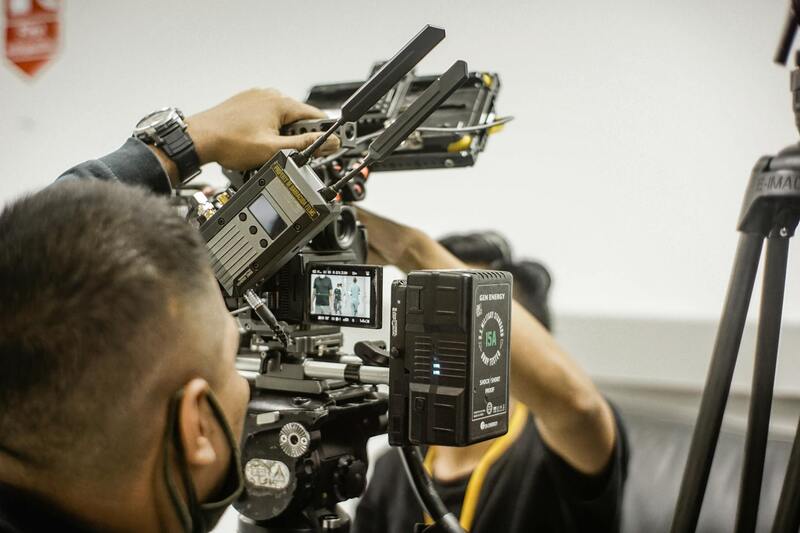
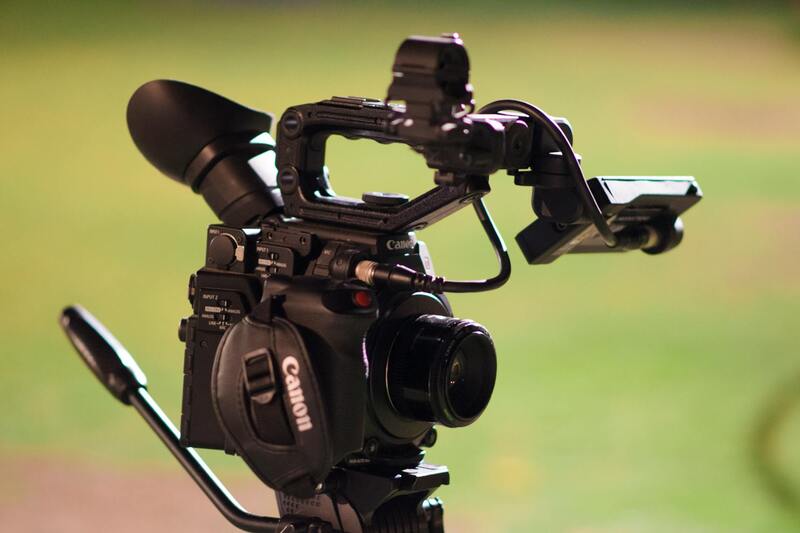
Executing exceptional house photography for real estate requires a mastery of specific techniques complemented by the right equipment. Professional photographers rely on a variety of tools and methods to ensure each shot highlights the property's best features while maintaining clarity and aesthetic appeal.
One fundamental technique involves the strategic use of lighting. Photographers often shoot during the golden hour or utilize additional light sources, such as portable flashes or continuous lighting, to create well-lit images that showcase interior spaces without harsh shadows or uneven illumination. Proper lighting setup ensures that colors appear vivid and textures are clearly visible, enhancing the overall look of the property.
Wide-angle lenses are essential for capturing spaciousness in rooms, making interiors appear larger and more inviting. These lenses allow photographers to include more of the scene within a single frame, but they must be used judiciously to prevent distortion. Adjusting the camera’s aperture for optimal depth of field keeps both foreground and background sharply in focus, providing a professional and polished appearance.
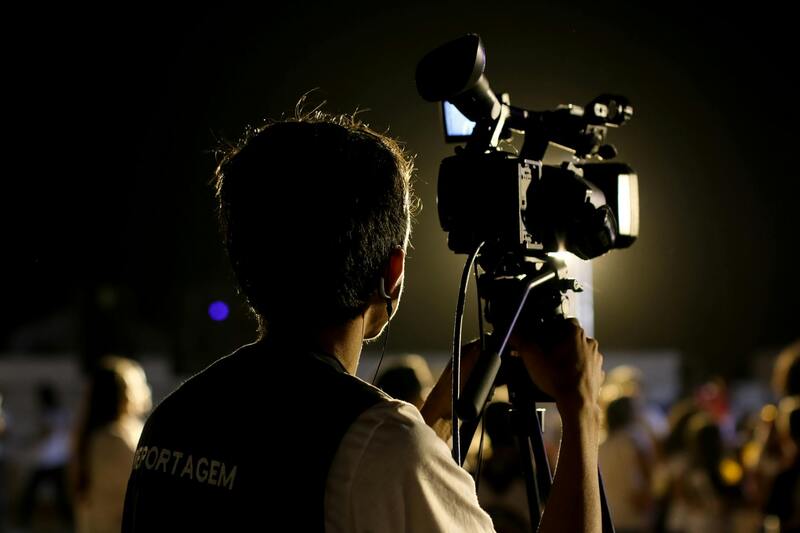
Tripods are indispensable to maintain stability and consistency across shots, particularly when shooting at slower shutter speeds in low-light conditions. HDR (High Dynamic Range) imaging is often employed to balance exposure levels between bright windows and darker interior areas, ensuring interior details are not lost in shadows or blown out in highlights.
Drone photography adds a compelling perspective for showcasing larger properties or unique architecture. Aerial shots provide context, highlighting the layout, surrounding environment, and access points, which can be pivotal in attracting potential buyers.
Post-processing software is equally vital in this process. Editing tools allow photographers to correct color imbalances, enhance brightness, and remove minor imperfections, ensuring each image aligns with a high professional standard. However, edits should be subtle enough to maintain an authentic representation of the property, avoiding overly manipulated visuals that could mislead viewers.
Proper technique and quality equipment create a compelling visual narrative that effectively communicates the property's potential and attracts serious buyers, ultimately driving more engagement and interest in the listing.
Utilizing Consistent and Strategic Shooting Techniques
Achieving high-quality house photography hinges on deploying consistent and strategic shooting techniques that showcase a property's best features. The use of proper camera settings, such as aperture, ISO, and shutter speed, plays a critical role in capturing images with optimal clarity, color accuracy, and light balance. For example, a narrow aperture (around f/8 to f/11) can ensure both foreground and background elements remain sharply in focus, creating a professional, polished appearance that draws viewers into the space.
Wide-angle lenses are fundamental in real estate photography because they allow for broader scene capture, making rooms appear more spacious than they are. This effect is particularly useful in tight or cluttered interiors, as it can visually expand the space and provide viewers with a comprehensive perspective. When combined with proper lighting, strategic angles, and minimal distortion, wide-angle shots can significantly elevate the property's visual appeal.
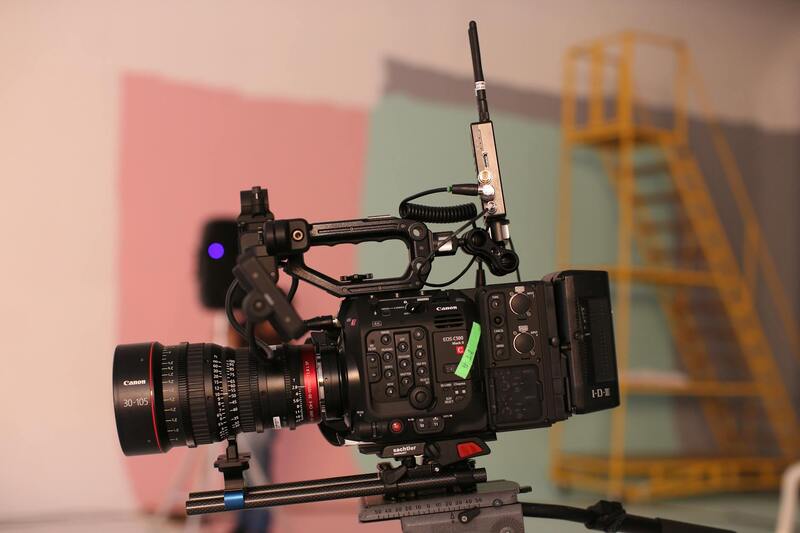
Tripods contribute to image stability, particularly in low-light environments or when capturing HDR images, ensuring consistent framing and reducing the chances of blurry shots. Employing HDR techniques allows photographers to balance exposure levels within a single image, thus retaining detail in both light-filled windows and shadowed areas. These methodical approaches ensure each photograph accurately conveys the property's ambiance and layout.
Incorporating Aerial and Specialized Techniques
Drone photography offers a unique vantage point ideal for larger estates or homes with notable architectural features. Aerial shots provide an excellent overview of the property's layout, surrounding environment, and access points, which can influence a potential buyer’s impression and decision-making process.
Specialized camera techniques, such as focus stacking or panoramic stitching, can be employed to enhance certain views or interior details. These methods involve capturing multiple images at different focus planes or angles and combining them into a single cohesive photograph, providing a comprehensive and detailed visual representation.
Optimizing Workflow for Superior Results
Post-processing is an integral part of real estate photography. Using professional editing software, photographers can adjust colors, brightness, contrast, and sharpness to ensure photos are vibrant yet authentic. Subtle retouching can remove minor imperfections, such as dust or small blemishes, which might detract from the overall presentation.
However, it’s essential to maintain a balance so that images do not appear artificially enhanced. The goal remains to represent the property truthfully, enabling potential buyers to visualize themselves in the space and reducing the risk of misleading visuals.
Techniques and Equipment for Real Estate Photography
High-quality real estate photography hinges on the careful selection and utilization of specialized equipment to capture properties accurately and attractively. Professional photographers invest in a broad range of gear designed to overcome the unique challenges presented by interior and exterior spaces, ensuring each shot reflects the property’s true essence.
One fundamental tool is a high-resolution digital camera with capabilities for low-light and high-dynamic-range (HDR) photography. Such cameras allow for detailed images that showcase both bright and shadowed areas within the same photo, which is crucial for spaces with large windows or mixed lighting conditions. HDR techniques involve capturing multiple exposures and blending them to produce well-balanced imagery.
Tripods are essential for stability, particularly during long exposures or HDR shots. Maintaining sharpness across images is critical in showcasing room details and architectural precision. For interior shots, wide-angle lenses are favored for their ability to capture more of a space within a single frame, making rooms appear more spacious and inviting.
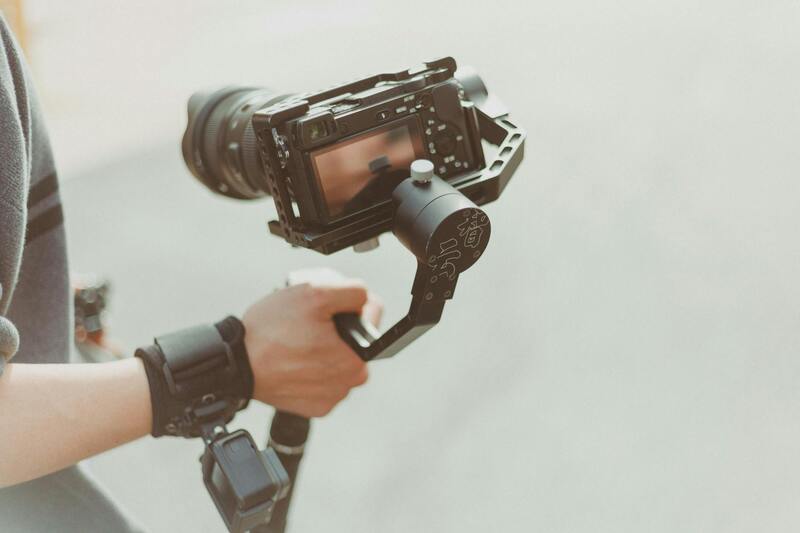
Exterior and drone photography require specialized equipment such as aerial cameras mounted on drones or stabilizers, providing sweeping views and dynamic perspectives of the property and its surroundings. These images help create a comprehensive visual story for potential buyers.
In addition to cameras and drones, lighting equipment plays a pivotal role. External and portable lighting tools, such as LED panels or softboxes, help illuminate dark corners or highlight exterior textures, making the property appear warm and appealing. Supplementary lighting ensures consistency across images, particularly in indoor environments where natural light may be insufficient.
Post-shoot techniques also involve the use of computer software for image processing. High-end editing programs enable professionals to fine-tune colors, contrast, and sharpness, enhancing the visual appeal without compromising authenticity. These adjustments help in presenting a polished and compelling view of the property, appealing to a broader audience.
Legitimate Methods to Capture Real Estate Photos
When it comes to documenting a property’s best features, employing lawful and ethical methods is paramount. Real estate professionals and photographers should focus on established, reputable techniques that conform to industry standards. These include the use of professional-grade cameras, which ensure high-resolution images that accurately depict the property. Such equipment facilitates crisp, detailed shots that highlight the property’s unique features, from architectural details to interior decor.
Furthermore, adherence to local regulations regarding drone operations is essential when capturing aerial views of properties. Licensed drone pilots follow strict guidelines for flight safety and privacy, providing dynamic aerial imagery that complements ground photos without infringing on neighboring properties or personal privacy.
Utilizing Proper Permits and Permissions
Securing appropriate permissions before conducting any photography session is a standard practice within industry protocols. This involves explicit consent from property owners and adherence to any applicable rules related to video and photography shoots on private or public land. Working with property owners to coordinate the timing and scope of the shoot ensures transparency and respect for privacy.
Ethical Use of Lighting and Equipment
Employing lighting tools such as diffusers, reflectors, and natural light adjustments enhances image quality while avoiding misleading representations. Photographers should aim to portray the property realistically, avoiding overly edited or manipulated images that could mislead potential buyers.
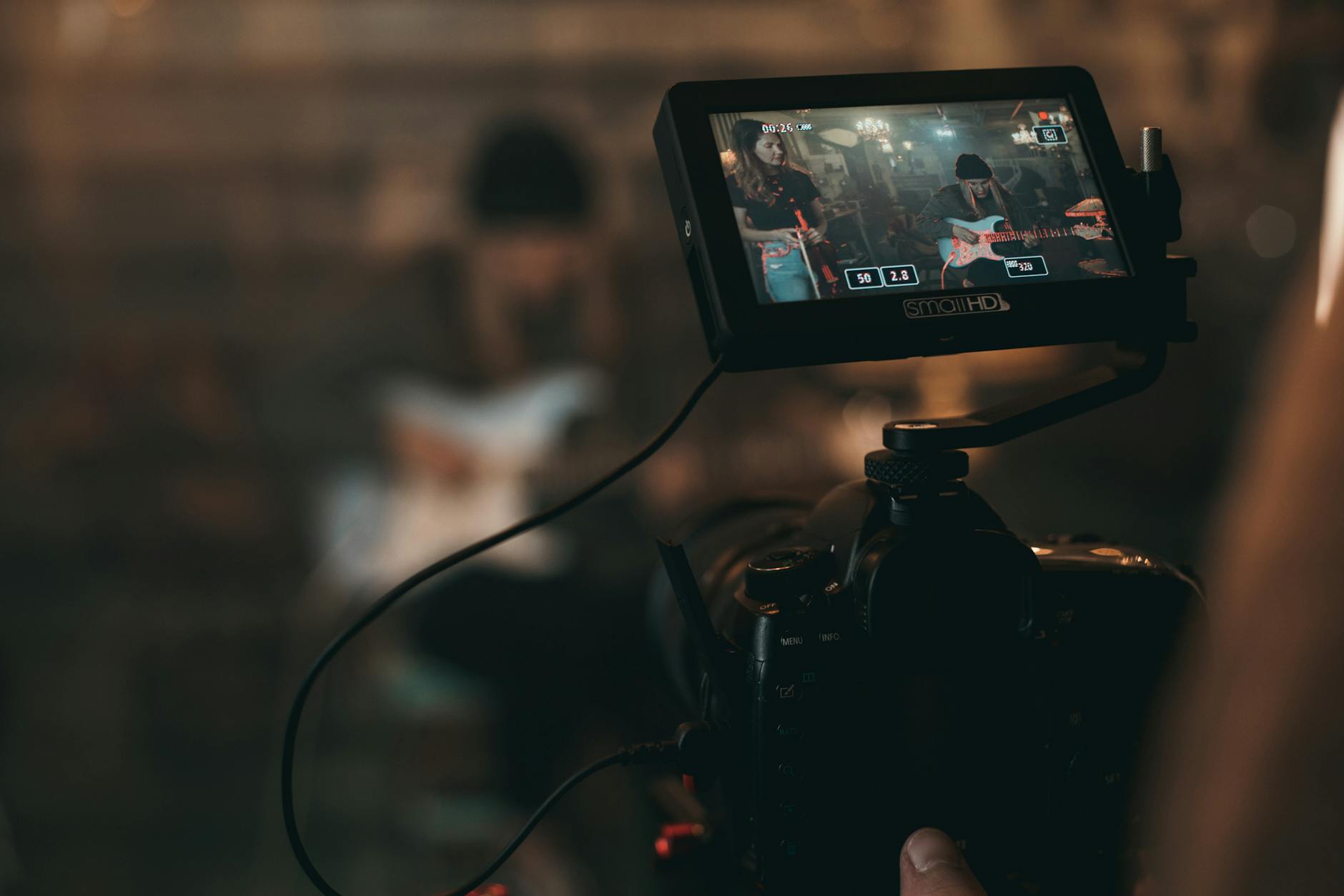
Using modern software tools responsibly to correct minor flaws, enhance colors, and optimize image clarity is common practice. However, such edits should preserve the true appearance of the property, ensuring that prospective buyers receive an accurate visual representation.
Incorporating Trustworthy Techniques into Your Workflow
Professional real estate photography involves consistent application of best practices, including choosing appropriate lenses, angles, and staging scenarios that highlight a property’s best features without exaggeration. Developing a good understanding of natural light conditions and scheduling shoots accordingly leads to more genuine and attractive images.
By focusing on these official methods—using certified equipment, obtaining necessary authorizations, and maintaining ethical editing practices—real estate professionals can produce compelling, trustworthy images that support successful property marketing. Such practices reinforce credibility, foster trust with clients, and ultimately facilitate faster sales with satisfied buyers.
Techniques and Equipment for Real Estate Photography
Achieving high-quality house photographs requires a strategic approach to both technique and equipment. Professional photographers utilize a combination of advanced tools and methodical practices to produce images that accurately showcase a property's best features, attract potential buyers, and support marketing efforts effectively.
Choosing the Right Equipment
The foundation of excellent real estate photography is the selection of appropriate equipment. Key items include:
- High-Resolution DSLR or Mirrorless Cameras: These cameras provide the image clarity necessary to capture detailed, vibrant photos. They support interchangeable lenses and manual settings, allowing photographers to tailor shots to various spaces and lighting conditions.
- Wide-Angle Lenses: Essential for capturing spacious interiors and expansive exteriors, wide-angle lenses help convey room size and layout effectively. They enable the inclusion of more elements within a single shot, reducing the need for multiple images.
- Tripods: Stability is crucial, especially in low-light situations, to avoid blur and maintain consistent framing. Tripods ensure alignment and sharpness across multiple images for seamless editing and stitching of panoramic views.
- Lighting Equipment: Natural light is preferable, but supplemental lighting such as softboxes, diffusers, reflectors, and on-camera flash can fill shadows and enhance specific areas without creating unrealistic effects.
- Drones: For capturing aerial views of large properties or surrounding landscapes, drones add significant marketing appeal and provide prospective buyers with comprehensive property perspectives.
Optimal Shooting Practices
Proper technique amplifies equipment capabilities. Photographers adhere to guidelines such as:
- Scheduling: Shooting during times of optimal natural light, typically early morning or late afternoon, reduces harsh shadows and highlights property features naturally.
- Staging and Composition: Decluttering spaces, opening curtains, and arranging furniture help create inviting environments. Composition techniques such as the rule of thirds and leading lines direct viewers’ attention to key aspects of the property.
- Camera Settings: Using appropriate aperture, ISO, and shutter speed balances exposure and sharpness. Typically, a smaller aperture (higher f-stop) increases depth of field, ensuring entire rooms are in focus.
- Multiple Shots and Angles: Capturing various perspectives from different corners and heights provides comprehensive coverage. Overlapping shots facilitate stitching for panoramic images or virtual tours.
Ensuring Authenticity and Representation
While boosting visual appeal is essential, maintaining accuracy prevents misleading representations. Photographers focus on:
- Lighting Integrity: Avoiding excessive post-processing that alters light balance or color accuracy maintains the true feel of the space.
- Color Fidelity: Using proper white balance settings or color correction ensures that photos accurately reflect the property’s appearance.
- Minimal Retouching: Basic enhancements such as contrast adjustment and minor blemish removal should not distort the true look of the property.

Authenticity and Ethical Standards in House Photography for Real Estate
Maintaining authenticity in house photography is fundamental to building trust with prospective buyers and ensuring a successful transaction. Professional photographers adhere to strict standards that prioritize an accurate depiction of the property’s features, layout, and condition. These standards involve using appropriate lighting that reveals true colors and textures, avoiding scenes that could be perceived as misleading or overly staged. For example, photographing rooms under natural light and avoiding excessive filters or alterations helps preserve the genuine ambiance of the space.
Color accuracy is another crucial aspect. Photographers use calibrated equipment and white balance settings to produce images that reflect the actual shades of walls, furnishings, and landscape elements. Minimal editing, such as contrast adjustments or blemish removal, serves to enhance clarity without distorting the true appearance of the property. This approach helps buyers form realistic expectations and reduces potential frustrations or dissatisfaction after viewing the actual property.
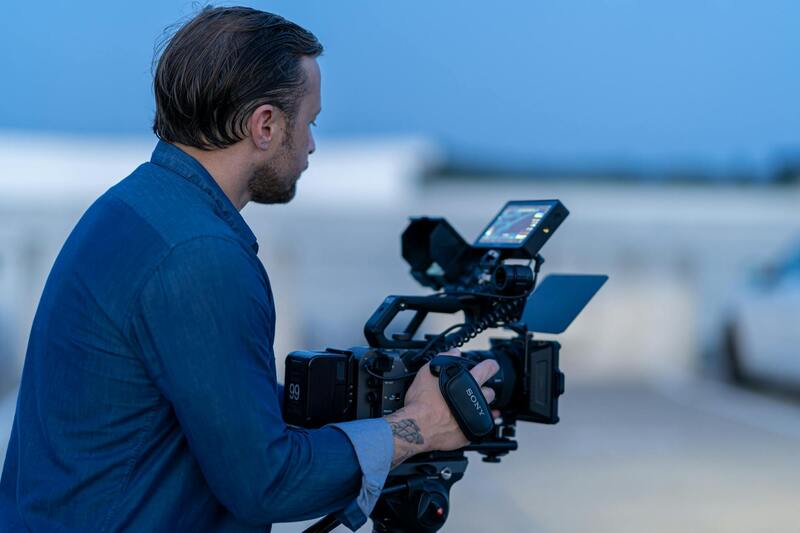
Technical accuracy extends to the use of specialized equipment. High-resolution cameras, wide-angle lenses, and tripod stabilization are employed to produce sharp, well-exposed images with consistent perspective. These tools enable capturing the full scope of interior and exterior spaces in detail and clarity. A photographic approach rooted in authenticity ensures that prospective buyers are not misled, fostering transparency in the real estate process.
Ethical Practices in Real Estate Photography
- Clear Representation: Ensure that images accurately depict the space without exaggeration or concealment of flaws.
- Consistent Quality: Maintain uniform standards across all property listings to uphold professionalism and reliability.
- Timely Delivery: Provide images promptly to aid in marketing efforts and keep potential buyers engaged.
- Communication: Collaborate openly with realtors and property owners to understand the key selling points and highlight them effectively.
By adhering to these industry-respected practices, real estate professionals ensure that their visual marketing remains truthful and compelling, fostering trust and encouraging buyers to view properties with confidence.