
Understanding the Role of a Commercial Real Estate Photographer
In the competitive arena of commercial real estate, high-quality visual representation is paramount. A professional commercial real estate photographer specializes in capturing images that effectively highlight the unique features, scale, and appeal of commercial properties. This role goes beyond simple photography; it involves a keen understanding of architectural design, lighting dynamics, and the specific goals of property promotion. Their images are instrumental in marketing brochures, online listings, and virtual tours, serving as a vital tool to attract investors, tenants, and buyers.
The primary responsibility of a commercial real estate photographer is to produce compelling visuals that not only document the property’s physical attributes but also evoke a sense of potential and opportunity. This requires meticulous attention to detail, an eye for composition, and the ability to adjust techniques based on the property’s style and environment. The importance of these professionals is underscored by the fact that a well-crafted image can significantly influence a prospective client’s decision-making process, often making the difference between a property sitting idle or moving quickly on the market.
Furthermore, a commercial real estate photographer must understand the nuances of different types of commercial spaces, including office buildings, retail centers, industrial facilities, and hospitality properties. Each category demands tailored approaches in terms of angles, lighting, and presentation style to accentuate key features and market positioning. Their work helps property owners and brokers elevate their listings, making visuals a strategic component of overall marketing efforts.
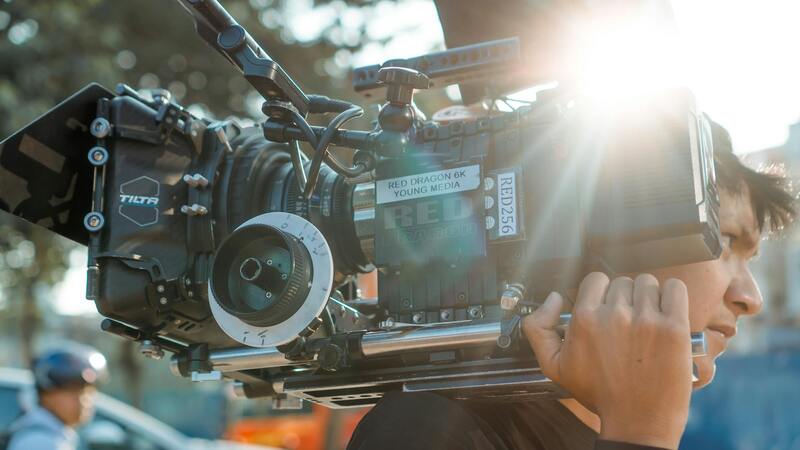
In today’s digital-first environment, the importance of professional imagery cannot be overstated. High-quality photos boost perceived value, enhance online engagement, and generate leads more effectively than amateur snapshots. For this reason, engaging a dedicated commercial real estate photographer is a strategic investment that aligns with best practices in real estate marketing, especially in vibrant markets like Miami.
Photographers in this niche must possess more than technical skill—they need a comprehensive understanding of real estate trends, client objectives, and the unique selling points of each property. Their role is integral to creating an immersive experience that captures the essence of a space while compelling viewers to explore further.
Key Skills and Equipment for Commercial Real Estate Photography
To excel as a commercial real estate photographer, professionals must combine advanced technical proficiency with a keen eye for visual storytelling. Mastery of camera settings, composition, and lighting techniques is fundamental to capturing images that resonate with prospective buyers and tenants. Essential skills include the ability to interpret architectural blueprints and leverage natural light effectively, ensuring each shot accentuates the property’s best features without distortion or unnatural color casts.
Furthermore, understanding the nuances of different commercial property types allows photographers to customize their approach. For instance, capturing the spaciousness of an industrial warehouse demands different techniques compared to highlighting the inviting ambiance of a retail storefront. The photographer must be adept at using wide-angle lenses and, in some cases, tilt-shift equipment to prevent distortion and preserve architectural integrity.
Technical proficiency alone does not suffice; strong storytelling skills are equally important. The photographer must select angles and framing that evoke the desired emotional response, emphasizing amenities, layouts, and unique selling points. Attention to detail is crucial in post-processing, where color correction, perspective adjustments, and retouching are performed to deliver polished images aligned with client expectations.
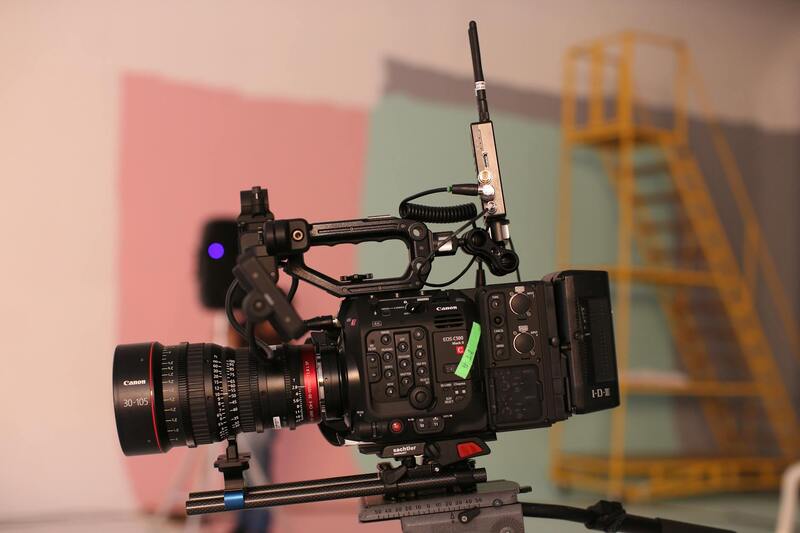
Regarding equipment, professional-grade DSLR or mirrorless cameras with high-resolution sensors are standard, enabling detailed imagery suitable for high-resolution marketing materials. Lenses with wide-angle capabilities, typically between 14mm and 24mm, are vital for showcasing interior space and architectural features comprehensively. Tripods and stabilizers contribute to image clarity, especially in low-light or interior shots where longer exposure times are necessary.
Lighting accessories such as portable flashes, softboxes, and reflectors help manage challenging lighting conditions within commercial properties. Drones have also become invaluable for capturing expansive exterior shots and providing dynamic aerial views that elevate property listings further. Post-production software like Adobe Lightroom and Photoshop completes the professional toolkit, enabling fine-tuning and consistency across marketing visuals.
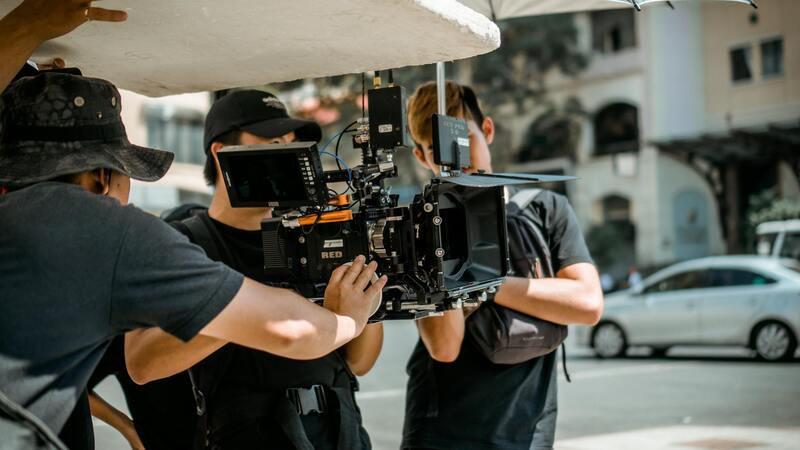
The continuous development of technology and equipment demands that commercial real estate photographers stay updated with industry trends and innovations. This commitment to ongoing education ensures they can leverage new tools effectively, providing clients with compelling visuals that stand out in a crowded market.
Photography Techniques for Commercial Properties
Achieving compelling visuals of commercial real estate requires mastery of a variety of specialized photography techniques. One essential approach is utilizing HDR (High Dynamic Range) imaging to accurately render interior and exterior shots with contrasting light conditions. This technique involves capturing multiple exposures of the same scene and blending them to create images that faithfully represent the real scene, from shadowed corners to brightly lit windows.
Proper composition is equally critical. Aligning the shot to emphasize the property's most appealing features, such as expansive lobbies or modern facades, guides viewers through a visual narrative that highlights the space's potential. Incorporating leading lines and utilizing symmetry can draw the eye naturally through the image, fostering an engaging viewing experience.
Perspective control, achieved through the careful selection of lens angles and heights, ensures that buildings are presented in their true proportions without distortion. For interior shots, wide-angle lenses are instrumental but must be used judiciously to avoid creating unnaturally exaggerated spaces. Balancing foreground and background elements helps generate depth, making spaces appear larger and more inviting.
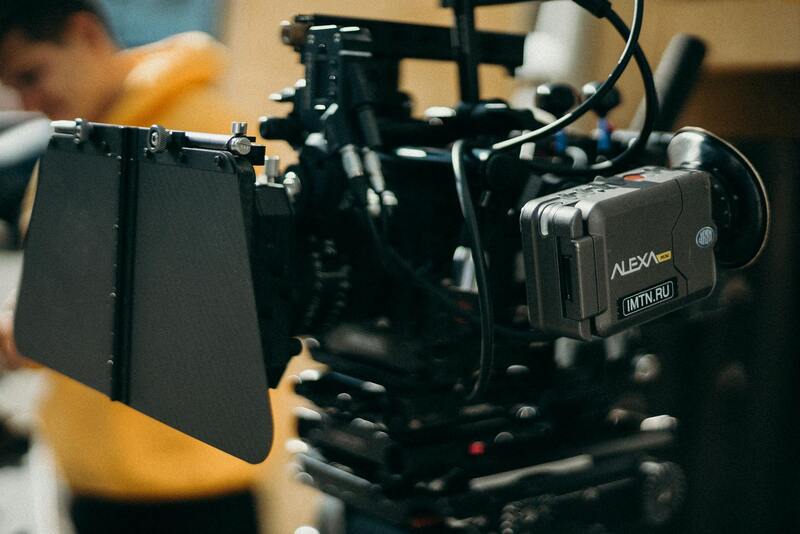
Lighting techniques also significantly influence the quality of images. For interiors, using a combination of natural light and supplemental illumination creates a balanced ambiance. Reflectors and diffusers help soften harsh shadows, while additional light sources such as portable flashes can highlight specific features or areas of interest. External lighting considerations involve capturing the building during optimal times of day, typically during the golden hour, to maximize natural light and avoid harsh shadows.
Drone photography has gained popularity for its ability to present large commercial properties from unique aerial perspectives. Flying drones require meticulous planning to ensure safety, compliance with regulations, and optimal conditions for stable flight. These aerial shots offer comprehensive views of the property’s exterior, parking lot configurations, and surrounding infrastructure, providing potential tenants or buyers with context that ground-level images cannot achieve.
Post-processing is the final yet critical phase. Software like Adobe Lightroom and Photoshop allow photographers to enhance images subtly, correcting color balances, adjusting brightness and contrast, and removing minor imperfections. A consistent editing style ensures a cohesive visual presentation across all marketing materials, reinforcing brand identity and professionalism.
By combining these technical techniques with an understanding of architectural and environmental nuances, commercial real estate photographers can produce images that not only attract potential clients but also accurately represent the properties. Staying updated on the latest photography trends and technological advancements ensures that professionals in this field continue to deliver visually compelling and strategically effective images that stand out in Miami’s competitive market.
Legal and Ethical Considerations
Maintaining professional integrity and adherence to established standards is paramount for commercial real estate photographers. Accurate representation of properties must be prioritized to foster trust with clients and prospective buyers or tenants. Misleading images, whether through excessive editing or selective showcasing, can undermine credibility and damage professional reputation. Securing the necessary permissions before photography sessions is essential, especially when capturing images in commercial områdes with restricted access or sensitive areas. Property owners and managers should be fully informed about the intent and scope of the shoot, which helps avoid misunderstandings and ensures mutual agreement on deliverables. Respect for privacy is a critical aspect, notably when capturing images of properties with sensitive features, nearby residences, or adjacent commercial operations. Photographers should be conscious of inclusively representing a property while avoiding infringing on privacy or creating misconceptions about the site's condition or purpose. Furthermore, compliance with local regulations about drone usage and aerial photography plays a vital role in maintaining operational integrity. Staying updated on the latest rules and obtaining any required permits ensures aerial shots are captured legally and safely. Handling client data responsibly is also a key ethical consideration. Digital assets, including high-resolution images and project briefs, should be securely stored and only used for agreed-upon purposes. This practice safeguards client confidentiality and fortifies the professional relationship. Ethical practices extend to ongoing education and staying informed about industry standards. Participating in professional associations and adhering to their codes of conduct elevates credibility and demonstrates a commitment to excellence. Ultimately, transparent communication, legal compliance, and respect for all parties involved underpin a successful career as a commercial real estate photographer in Miami and beyond.
Legal and Ethical Considerations
When engaging in commercial real estate photography, adhering to established legal and ethical standards is paramount. This not only preserves professional integrity but also fosters trust with clients and property owners. Clear communication about the scope of work, usage rights, and confidentiality is essential from the outset. Explicit agreements should outline permissions for property access, image rights, and any restrictions related to sensitive information or proprietary features.
Secure handling of digital assets is a key aspect of ethical practice. High-resolution images, project details, and client information must be stored securely, with access limited to authorized personnel. Employing encryption and secure cloud storage services safeguards sensitive data against unauthorized access or breaches.
Compliance with copyright laws is another critical consideration. Photographers should understand the boundaries around copyright ownership, licensing, and the use of third-party elements such as branded signage or proprietary materials within images. Proper attribution and licensing agreements help prevent disputes and legal complications.
Respect for privacy extends beyond legal obligations. Photographers should obtain necessary permissions before photographing interior spaces or private areas, especially when properties involve residential components or privately owned sections. This respect for privacy ensures respectful relationships with property owners and residents.
Staying informed about local regulations, particularly regarding drone usage and aerial photography, is vital. Many jurisdictions have specific rules governing unmanned aerial vehicles (UAVs) that may apply to commercial shoots. Obtaining any required permits and following prescribed guidelines ensures all aerial imagery is captured legally and ethically.
Participation in professional associations and continual education about evolving standards elevate a photographer’s credibility. Adherence to these standards demonstrates a commitment to ethical excellence, which is increasingly vital in building a reputable portfolio serving the Miami real estate market.
Understanding the Importance of Accurate Image Licensing and Usage Permissions
Securing proper licensing and permissions is a critical component of professional commercial real estate photography. When photos are intended for use in marketing materials, listings, or advertisements, it is essential to obtain explicit consent from property owners or authorized representatives. This process ensures that images are used within the agreed parameters, avoiding potential disputes arising from unauthorized use. Clear licensing agreements also define the scope, duration, and specific platforms where images can be displayed, thereby safeguarding the interests of both the photographer and the client.
In addition to licensing, photographers should keep thorough records of all permissions obtained, including signed agreements and correspondence. These records serve as proof of authorized usage and can be invaluable in resolving any disputes related to image rights. Proper documentation aligns with best practices, reinforcing the professionalism and reliability of the photographer within the industry.
Permissions from Property Owners and Stakeholders
Before conducting a shoot, obtaining explicit permission from property owners is obligatory, especially when capturing interior spaces or private areas. This process extends to tenants, residents, and other stakeholders, ensuring that all individuals who might be identifiable or have privacy interests are adequately informed and have consented to the photographic process. Clear communication about how images will be used fosters trust and reduces the risk of misunderstandings or objections post-shoot.
Methods to Obtain Permissions Effectively
- Written Agreements: Draft detailed permission forms outlining usage rights, confidentiality clauses, and consent terms.
- Verbal Permissions: For minor or quick shoots, document verbal consent with follow-up confirmation via email.
- Photographic Permits: In some jurisdictions, formal permits may be required for aerial or drone photography, which should be secured beforehand.
Documentation and Record-Keeping
Maintaining detailed records of permissions, licenses, and correspondences is vital for legal compliance and operational efficiency. Well-organized documentation provides evidence of authorized use and demonstrates a professional approach. Photographers should use digital filing systems or physical records to store signed agreements, email exchanges, and permit documents securely.
Proper record-keeping not only prevents potential misunderstandings but also supports claims of ownership and usage rights. It reassures clients of the photographer’s adherence to ethical standards and facilitates smoother collaboration on future projects.
The Impact of Ethical Conduct on Business Reputation
Adhering to ethical practices — including respecting privacy, securing permissions, and correctly licensing images — enhances a photographer’s reputation within Miami’s competitive real estate market. Clients are more likely to recommend professionals who demonstrate integrity and transparency. Ethical conduct fosters trust, encourages repeat business, and establishes a strong foundation for long-term success.
Legal and Ethical Considerations
When engaging in commercial real estate photography in Miami, understanding the framework within which these activities operate is crucial. Photographers must navigate property access protocols, obtain necessary permits for aerial and drone photography, and respect image rights associated with commercial properties. Securing explicit permissions from property owners or managers ensures smooth workflow and helps avoid misunderstandings. Documented agreements serve as transparency tools and reinforce professional integrity.
Image rights play a vital role in commercial real estate projects. It is essential to confirm that the rights to photograph, reproduce, and distribute images are clearly assigned or licensed. This process involves detailed contracts that specify allowable uses, duration, and any restrictions. Confidentiality considerations also come into play, especially when photographing developments or properties with sensitive features. Photographers should implement measures to safeguard any proprietary or private information encountered during shoots, maintaining client trust and complying with industry standards.
Maintaining open communication with property owners and relevant authorities is essential. Verbal permissions should be supplemented with written documentation whenever possible. This approach creates a clear record of consent, reduces the risk of future disputes, and demonstrates professionalism. When working with drone or aerial photography, it’s important to be aware of specific regulations that govern the use of unmanned aerial vehicles in Miami, including flight restrictions and designated zones.
Additionally, confidentiality agreements may be necessary to protect proprietary information, particularly when photographing interior spaces that contain sensitive documents or operational details. These agreements can outline restrictions on image use, distribution, and publication, aligning with project requirements and client expectations.
Incorporating strict adherence to these legal standards enhances the reputation of a commercial real estate photographer. It demonstrates a commitment to professionalism and ethical standards, which is especially valued in the competitive market of Miami. Clients appreciate transparency and reliability, leading to stronger partnerships and repeat business. Moreover, maintaining a thorough record-keeping system not only streamlines operations but also provides vital support in the case of disputes or audits.
Ultimately, integrating robust legal and ethical practices into daily operations fortifies a photographer’s standing and enables sustained success in delivering high-quality, compliant services for commercial real estate clients.
Final Steps for Establishing a Reputable Commercial Real Estate Photography Business
Securing official partnerships with real estate agencies, property management firms, and commercial developers is crucial to establishing credibility in the Miami market. These collaborations often involve formal contracts that specify scope of work, deliverables, and standards for image quality. Building a network of trusted contacts through industry events, trade shows, and local business associations enhances visibility and opens doors for ongoing projects. Developing relationships with key stakeholders ensures a steady stream of assignments that reinforce your professional reputation.
Investing in a comprehensive portfolio that highlights diverse property types and various photography styles helps showcase your capabilities and appeal to a broader clientele. Including high-quality images of retail spaces, office buildings, industrial sites, and hospitality venues demonstrates versatility and expertise. Utilizing online platforms, such as a professional website or dedicated social media channels, allows you to reach potential clients effectively. Regularly updating your portfolio maintains relevance in a rapidly evolving market and signals your commitment to staying current with industry standards.
Additionally, obtaining feedback from clients and industry peers can provide valuable insights into your service quality and help refine your approach. Client testimonials and case studies further establish trust and demonstrate successful project outcomes. As you grow, consider expanding your skills into related areas such as 3D tours, virtual staging, and aerial drone imaging to offer comprehensive visual marketing solutions tailored to the needs of Miami’s dynamic property market.
Enhancing your service offerings also involves considering scalable pricing models and customized packages aligned with client requirements. Transparent pricing structures and detailed proposals reinforce professionalism and help prevent misunderstandings. Offering tiered packages—ranging from basic interior and exterior shots to full-service marketing visuals—enables clients to select options that match their budgets and objectives. Clear communication about deliverables, turnaround times, and rights to images demonstrates accountability and builds confidence in your services.
Finally, maintaining precise documentation of agreements, permissions, and project timelines is essential for operational consistency. Developing standardized contracts and workflows ensures that all legal and logistical considerations are systematically addressed. This thorough documentation not only streamlines project management but also provides a safeguard for your business should any disputes or audits arise in the future. Upholding high standards of professionalism and ethical conduct will differentiate your services in Miami’s competitive real estate landscape and foster long-term client relationships that drive sustained growth.