Overview of Aerial Real Estate Video
In the competitive landscape of real estate marketing, the utilization of aerial real estate videos has become a transformative tool for property showcase. These videos leverage drone technology to capture stunning, high-definition footage that offers prospective buyers a comprehensive view of a property's exterior, surrounding environment, and neighborhood context. Unlike traditional photography, aerial videos provide dynamic perspectives that enhance visual appeal and engagement, making listings more compelling.
The primary purpose of aerial real estate videos is to present properties in a manner that emphasizes their unique features and setting. This includes showcasing expansive backyards, proximity to landmarks, access routes, and the overall ambiance of the locale. By integrating aerial footage, real estate professionals can create a virtual tour that immerses viewers and highlights aspects of a property that are often difficult to capture from ground-based photography.
The advantages of incorporating drone footage into real estate marketing are multifaceted. Aerial videos tend to increase online engagement through higher view counts, longer viewing durations, and improved sharing rates on social media platforms. They also allow agents to reach a broader audience, including international buyers who may be evaluating properties remotely. Additionally, aerial videos aid in differentiating listings in a crowded market, providing a polished, professional presentation that enhances a property's perceived value.
Moreover, aerial real estate videos are instrumental in illustrating the layout of larger properties, visually demonstrating property boundaries, and emphasizing unique architectural features from perspectives that are otherwise inaccessible. This approach not only boosts marketing effectiveness but also fosters transparency and trust with prospective buyers by delivering a realistic and detailed presentation.
Overall, adopting aerial real estate videos aligns with modern marketing standards, providing a competitive edge in the real estate industry while delivering comprehensive, engaging content that helps prospective buyers make informed decisions. As technology continues to evolve, high-quality aerial content has become an indispensable component of sophisticated property marketing strategies, ensuring listings stand out and appeal to a broader audience.
Types of Aerial Footage Used in Real Estate
In the realm of aerial real estate videos, diverse filming techniques are employed to create compelling visual narratives that highlight the property's features and surroundings. Drone flyovers remain the most prevalent method, providing continuous, smooth footage that showcases the estate from multiple angles and elevations. This technique allows potential buyers to experience the property in a way similar to an on-site visit, capturing both the grandeur of the landscape and the details of architectural design.
Panoramic shots are another vital element, often utilized at the beginning of a video to set the scene by capturing sweeping views of the neighborhood or natural features, such as lakes, parks, or cityscapes. These expansive visuals contribute to an emotional connection with prospective buyers, emphasizing the lifestyle associated with the property.
Dynamic walkthroughs, combining ground-level and aerial footage, provide an immersive experience that guides viewers through each space seamlessly. These videos often transition between various heights and angles, creating a narrative flow that highlights interior to exterior features, and emphasizing flow and connectivity within the property.
By leveraging these different types of aerial shots, real estate professionals can craft a compelling story around each listing. Strategic selection of footage styles depends on the property’s attributes and the target audience, ensuring each video stands out amid competitive markets. Incorporating a mix of drone flyovers, panoramic vistas, and fluid walkthroughs results in a multimedia presentation that emphasizes the property’s unique qualities, enhances viewer engagement, and ultimately facilitates faster sales.
Key Equipment and Technologies for Aerial Filming
Achieving high-quality aerial real estate videos requires the deployment of advanced equipment and cutting-edge technology. The core tool in this domain is the drone, which must be equipped with a stabilized camera capable of capturing crisp, high-resolution footage. Modern drone models often feature gimbal stabilization systems, ensuring smooth panoramic shots even in moderate wind conditions, which is vital for maintaining professionalism and visual appeal.
Camera specifications are equally important; professional-grade cameras with 4K or higher resolution, wide dynamic range, and high frame rates enable the capture of vibrant, detailed visuals that do justice to the property. These specifications play a crucial role in creating engaging content that highlights property features with richness and clarity.
Furthermore, remote control systems integrated with intelligent flight modes facilitate precise maneuvering around the property, allowing operators to execute complex shots efficiently. Features such as waypoint navigation, orbit modes, and automated shot sequences streamline the filming process, ensuring consistency and safety.
In addition to drones, accessories such as spare batteries, ND filters, and propeller guards are essential for extended shooting sessions and maintaining shot quality. Advanced software tools for flight planning and footage management, like GPS-based mapping and real-time telemetry, enhance operational accuracy and safety.
When selecting equipment, real estate professionals must consider factors such as flight time, ease of operation, and image stabilization capabilities to deliver captivating imagery that meets industry standards.
Key Equipment and Technologies for Aerial Filming
High-quality aerial real estate videos depend on the deployment of advanced equipment and cutting-edge technology. Aerial filming begins with choosing drones equipped with professional-grade cameras capable of capturing ultra-high-definition footage. Cameras with 4K resolution or higher, combined with optical zoom capabilities and wide-angle lenses, ensure crisp, detailed imagery that showcases both expansive property views and intricate architectural features.
Stabilization technology is critical in producing smooth footage; gimbals with three-axis stabilization systems are standard, compensating for drone movement and wind disturbances. These systems provide steady shots, minimizing jitters and vibrations that could detract from the visual appeal of the footage.
The drone's flight control systems and GPS modules are equally important. Advanced GPS and sensor systems facilitate precise maneuvering and positioning, allowing for complex shot compositions and consistent flight paths. Automated flight features such as waypoint navigation and orbit modes enable filmmakers to execute intricate shots with minimal manual input, saving time and increasing safety.
Additional accessories like extra batteries, propeller guards, and ND filters are essential for extended shoot durations and enhanced image quality. ND filters, in particular, help manage exposure in bright Miami sunlight, ensuring vibrant yet balanced footage.
Properly integrating these technologies results in professional-grade imagery that highlights the unique characteristics of Miami’s diverse real estate landscape. The choice of equipment should be aligned with the specific requirements of each property, from sprawling estates to high-rise condominiums.
Proper Filming Techniques and Safety Protocols for Aerial Real Estate Videos
Effective aerial real estate videos are centered on meticulous planning, advanced piloting skills, and adherence to safety standards. Before initiating any drone operation, it is essential to conduct comprehensive site assessments. This includes evaluating weather conditions, wind speeds, and potential obstacles to prevent accidents and ensure optimal footage quality. Lighting plays a crucial role; scheduling shoots during golden hours—early morning or late afternoon—can enhance natural light and create visually striking imagery.
Flight paths should be carefully mapped out using pre-programmed waypoints or manual controls tailored to highlight the property's best features. Elevation and angles chosen during the flight should showcase the property's scale, surrounding amenities, and landscape context. For instance, capturing an aerial shot that slowly pulls back from a luxurious estate can provide viewers with a comprehensive perspective of its grandeur.
Ensuring safety during drone operations necessitates strict adherence to operational guidelines. Always maintain line-of-sight with the drone, especially in urban environments like Miami, where dense infrastructure can pose navigational challenges. Keep an appropriate distance from people, vehicles, and structures to mitigate risks. Incorporate buffer zones around inhabited areas, and utilize geofencing technology to restrict flight boundaries when necessary.
Obtaining necessary permits and permissions is a crucial aspect of responsible drone flying. Engaging with local authorities and property owners ahead of shoots guarantees compliance with regulatory expectations and avoids interruptions. Additionally, drone operators should conduct pre-flight safety checks—verifying battery levels, signal strength, and functionality of controls—before each session.
Editing and Enhancing Aerial Real Estate Footage
Post-production plays a critical role in transforming raw aerial footage into compelling visual narratives that accurately showcase a property’s unique features. Professionals utilize advanced editing software to streamline footage, correct colors, and add cinematic effects that enhance the overall presentation. Color grading, in particular, is vital for achieving a vibrant, inviting look that highlights the property’s best attributes and complements its natural surroundings.
During editing, smooth transitions and stable shots are prioritized to maintain viewer engagement and deliver a seamless viewing experience. Techniques like color correction help to balance exposure and contrast, ensuring that every detail, from lush landscaping to architectural details, is vividly visible under optimal lighting conditions. This not only improves the visual appeal but also reinforces the property's appeal in a competitive market.
In addition, incorporating strategic footage sequences—such as sweeping drone shots over expansive properties or close-ups of intricate exterior details—can effectively communicate the scope and quality of the listing. Layering music and sound effects with visual cues can evoke emotional responses, making the property more memorable for potential buyers.
For maximum impact, editors often employ stabilization tools to ensure smooth footage, especially when capturing dynamic flyovers or intricate camera movements. Additionally, integrating graphics or text overlays—such as property details, contact information, or call-to-action prompts—can further enhance engagement and guide viewers toward the next steps in the buying process.
Finally, the application of finishing techniques, including sharpening and noise reduction, ensures that the final video maintains a professional quality. Well-edited aerial real estate videos serve not only as promotional assets but also as a visual storytelling tool that elevates property marketing strategies to resonate more effectively with prospective buyers.
Overview of Aerial Real Estate Video
Aerial real estate video has transformed the way properties are showcased in today’s competitive real estate market. By capturing stunning views from above, these videos provide prospective buyers with a comprehensive perspective of the property’s layout, surrounding amenities, and geographical context. This immersive view helps buyers envision themselves within the space, fostering a stronger emotional connection and facilitating quicker decision-making. Leveraging high-quality aerial footage not only demonstrates a property's unique features but also highlights its position within the neighborhood, proximity to landmarks, and overall landscape setting. The sophistication and clarity offered by aerial videos make them an essential component of modern real estate marketing strategies, providing an engaging alternative to traditional photography and virtual tours.
Types of Aerial Footage Used in Real Estate
Aerial real estate videos incorporate various shot types to effectively showcase properties. These include sweeping drone flyovers that provide a broad perspective of the entire estate, highlighting the scale and landscape features. Close-up shots focusing on architectural details or landscaping elements add depth and storytelling layers to the video. Orbit shots circle the property, offering viewers dynamic views from all angles, while top-down or vertical footage emphasizes property boundaries and outdoor spaces. Additionally, panoramic shots of the surrounding area and neighborhood scenery situate the property within its local context, helping buyers understand the lifestyle offered. Combining these shot types creates a comprehensive visual narrative that emphasizes the property's strengths and appeals to a broad audience.
Advantages of Aerial Videos in Real Estate Marketing
- Enhanced Visual Appeal: Aerial videos capture sweeping vistas and intricate architectural details, making listings stand out effectively.
- Greater Contextual Understanding: Potential buyers gain a clear sense of the property's location, neighboring features, and the overall environment, which static images may not fully convey.
- Increased Engagement: Dynamic aerial footage tends to attract more attention and encourages longer viewing times, increasing viewer interest.
- Emotional Impact: Beautiful footage can evoke emotional responses, generating a desire to explore the property further.
- Competitive Edge: Incorporating professional aerial videos positions a listing ahead of competitors relying solely on conventional media, often leading to faster sales.
Key Equipment and Technologies for Aerial Filming
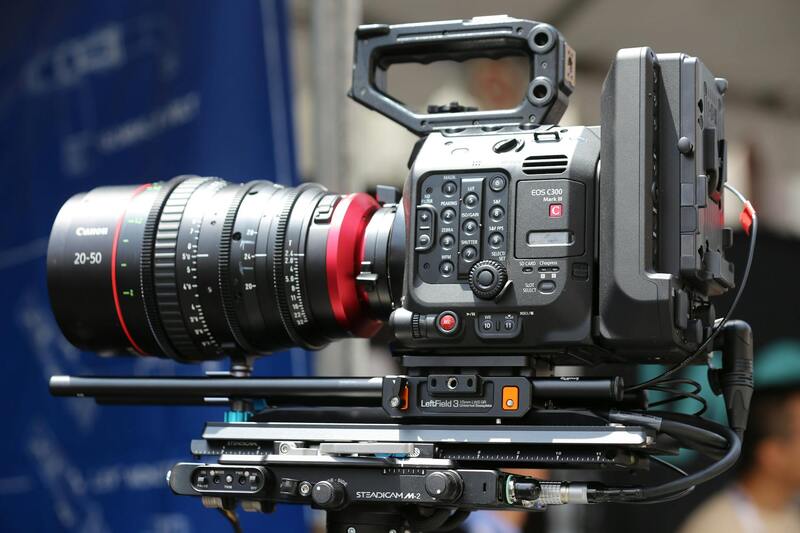
Executing high-quality aerial real estate videos depends on the use of advanced equipment and technologies. Drone platforms equipped with stabilized gimbal systems ensure smooth, cinematic shots even in challenging conditions. High-resolution cameras with wide-angle lenses capture detailed visuals that support post-production enhancements. GPS stabilization features allow for precise flight paths, maintaining consistent framing and smooth transitions. Modern drones also feature obstacle avoidance sensors, crucial for safe operation in complex environments. To further enhance footage quality and comply with industry standards, operators often utilize professional-grade ND filters, which manage exposure and lighting variations. Incorporating these technological advancements helps deliver visually stunning and professionally polished real estate videos that command attention and foster engagement.
Best Practices for Shooting Aerial Real Estate Videos
- Pre-Flight Planning: Conduct a thorough site assessment, identify optimal flight paths, and consider lighting conditions to ensure the best possible footage.
- Scheduling: Capture footage during the golden hour—early morning or late afternoon—when natural lighting is softest and most flattering.
- Safety and Compliance: Follow established safety protocols and precise flight regulations to ensure smooth operations and avoid disruptions.
- Camera Settings: Use appropriate camera settings, such as manual focus and a low ISO, to achieve sharp, high-quality visuals.
- Shot Composition: Plan a sequence of diverse shots—wide, medium, and close-ups—to tell a compelling visual story of the property.
- Smooth Flight Movements: Maintain steady, controlled drone maneuvers; avoid abrupt movements to ensure professional footage.
- Post-Flight Review: Evaluate footage for quality, consistency, and completeness before proceeding to editing stages.
Legal and Regulatory Considerations in Miami
In Miami, operators engaging in aerial real estate videography must adhere to specific guidelines and procedures that ensure responsible use of airspace and compliance with local standards. These protocols are designed to safeguard privacy, maintain safety, and promote professional standards within the industry.
Secure Proper Authorization: All drone operations typically require obtaining the necessary permissions from relevant authorities before conducting flights over private property or public spaces. This includes submitting flight plans and registering drones as mandated by local aviation agencies.
Flight Zone Awareness: Ensuring that flights are conducted within designated areas and avoiding restricted zones such as airports, heliports, and military installations minimizes potential conflicts. Staying updated on Temporary Flight Restrictions (TFRs) and other notices helps plan compliant shooting schedules.
Adherence to Flight Altitudes and Distances: Maintaining specified altitude limits and safe distance protocols not only respects privacy but also reduces air traffic interference. Operators often employ tools and apps to verify airspace status in real-time before takeoff.
Respect Privacy and Property Rights: While capturing high-quality aerial footage is essential, it is equally important to honor the privacy rights of residents and property owners. Avoiding intrusive angles or prolonged surveillance of private spaces helps foster trust and professionalism in marketing endeavors.
Training and Certification: Many operators in this industry pursue specialized training or certifications that demonstrate their expertise and familiarity with drone regulations. Participating in official programs and staying current with evolving guidelines support ethical operations and high-quality output.
Documentation and Record-Keeping: Maintaining detailed records of flight plans, permissions, and operational procedures helps provide transparency and accountability. This practice is essential for audits and in case of any disputes or inquiries.
Engaging with Local Authorities: Establishing relationships with municipal bodies and aviation authorities can streamline permit applications and clarify regulatory expectations. Consistent communication helps ensure operations remain compliant and responsive to local policies.