
Understanding 3D Property Photography
3D property photography has revolutionized the way real estate is presented, offering an immersive experience that traditional methods cannot match. Unlike standard photographs that depict a property from fixed angles, 3D imaging utilizes advanced technology to create a realistic, interactive model of a space. This model allows potential buyers or tenants to explore the property virtually, providing a comprehensive view of every room, corner, and detail from their own devices.
At its core, 3D property photography combines high-resolution images with sophisticated software to craft a digital replica of a physical space. This process involves capturing numerous photographs and scans from multiple perspectives, which are then stitched together to generate a seamless, navigable model. The distinction from conventional photography lies not only in the depth and perspective offered but also in the ability to manipulate the visual experience—viewers can walk through rooms, zoom in on specific features, and get a real sense of the property’s layout and ambiance without physically being there.

Traditional real estate imaging typically relies on static images and floor plans, which, although informative, can limit the viewer’s engagement and understanding of space. In contrast, 3D property photography employs a combination of digital imaging, photogrammetry, and virtual tour technology to enhance the presentation, making it particularly effective in attracting remote buyers and facilitating decision-making processes. For real estate professionals in Miami, leveraging this technology means offering an innovative way to showcase properties that aligns with modern buyer expectations and the competitive nature of the market.
Furthermore, 3D property photography can be integrated into broader marketing strategies—such as online listings, social media campaigns, and virtual open houses—maximizing exposure and engagement. As this technology continues to evolve, it is becoming an essential component of contemporary real estate marketing, especially in a vibrant and fast-paced market like Miami’s.
Key Technologies and Equipment Used in 3D Property Photography
Implementing high-quality 3D property photography relies on a suite of advanced technological tools. The core equipment includes high-resolution 360-degree cameras, laser scanners, and specialized software that work together to capture detailed spatial information and imagery of a property. These devices enable the precise documentation of interior and exterior spaces, ensuring that every corner, fixture, and architectural detail is accurately represented.

360-degree cameras, such as those from leading brands, are essential for capturing comprehensive panoramic images. These cameras allow for quick and efficient data collection by rotating within a space or capturing multiple images that cover all angles. Laser scanning devices—like laser scanners or LIDAR sensors—generate detailed point clouds that serve as the foundation for creating precise 3D models.
Photogrammetry software then processes the images and data collected from these devices. By analyzing multiple overlapping photographs, the software reconstructs three-dimensional environments, producing a virtual replica of the property. These digital tools also facilitate the integration of floor plans, annotations, and interactive elements that enhance the user's immersive experience.
In addition to hardware and software, stable mounts, tripods, and lighting equipment are critical for ensuring consistency and clarity during data capture. Proper calibration of devices guarantees that the spatial data aligns correctly, which is vital for generating an accurate digital twin of the property.
Ultimately, employing these cutting-edge technologies enables Miami real estate professionals to offer clients a compelling viewing experience. By leveraging high-quality equipment and advanced software, they can create detailed, interactive property representations that meet the demands of modern buyers.
Key Technologies and Equipment Used in 3D Property Photography
In the realm of 3D property photography, the deployment of advanced technologies and specialized equipment ensures the delivery of precise and immersive visual experiences. Leading Miami production agencies utilize a combination of tools designed to capture comprehensive spatial data and produce high-quality virtual representations.
One of the foundational components is the use of 3D laser scanners, often employing LIDAR sensors, which generate dense point clouds of the property's interior and exterior. These point clouds form the basis for creating accurate 3D models, capturing minute details such as architectural features, textures, and spatial relationships. The laser scanning process provides rapid data acquisition, often in a matter of minutes, reducing the time needed for on-site work.
Complementing laser scanners are high-resolution 360-degree cameras. These devices enable the quick capture of panoramic images from multiple vantage points, facilitating seamless virtual walkthroughs. The integration of drone technology is also increasingly prevalent, especially for exterior shots, aerial views, and hard-to-reach areas, offering comprehensive contextual visuals that enhance the property's overall presentation.
Specialized software plays a pivotal role in processing the collected data. Photogrammetry software analyzes overlapping photographs to construct detailed 3D models, reconstructions, and interactive floor plans. These digital tools also support editing, annotation, and customization, ensuring the final product aligns with client expectations and marketing goals.
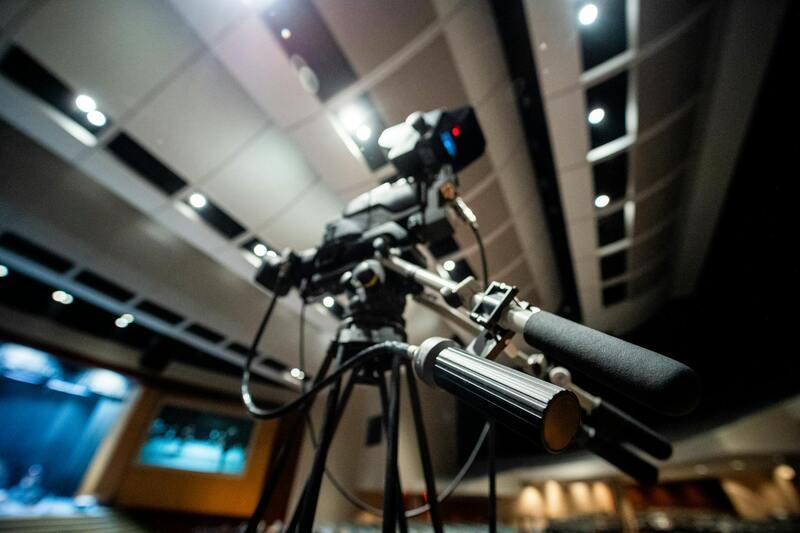
Furthermore, the deployment of stable mounts, tripods, and lighting equipment ensures consistency and clarity during data collection. Proper calibration of all devices is essential to align the spatial data accurately, guaranteeing the fidelity of the virtual model. This meticulous attention to detail fosters the creation of virtual environments that are both visually compelling and geometrically precise.
In summary, the synergy of laser scanning, panoramic imaging, drone technology, and powerful processing software facilitates the production of immersive and interactive 3D property visuals. These tools empower Miami real estate professionals to present their properties in a way that appeals to modern buyers' expectations for accurate, engaging virtual experiences.
Key Technologies and Equipment Used in 3D Property Photography
Implementing high-quality 3D property photography requires advanced equipment that ensures precision and clarity. Among the core technologies are laser scanners, which emit laser beams to capture detailed spatial data of interior and exterior environments. These devices produce point clouds that form the basis for accurate 3D models, capturing even the most intricate architectural features.
Complementing laser scanning are 360-degree cameras that capture panoramic images around a fixed point, creating immersive visuals that allow viewers to explore spaces interactively. These cameras facilitate rapid data collection, reducing setup time while maintaining a high level of detail.
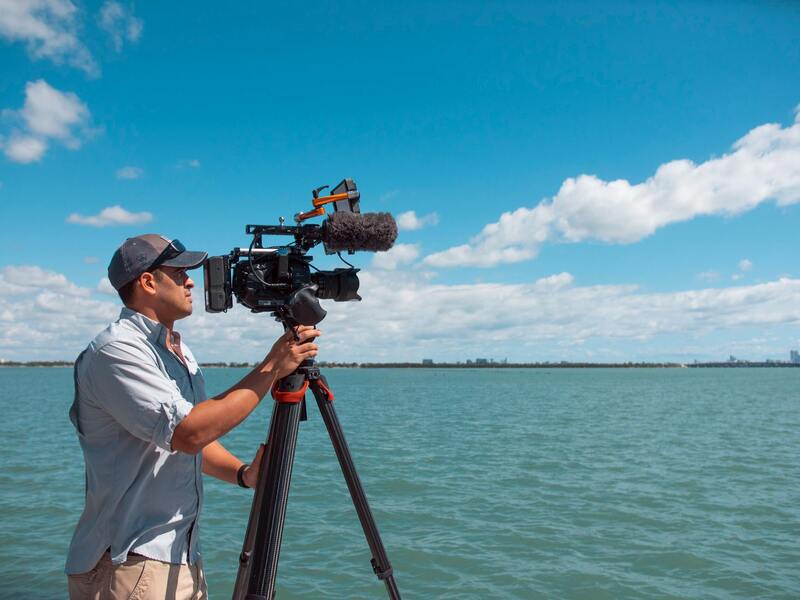
Tripods, stable mounts, and lighting accessories play vital roles in ensuring consistent image quality and precise data collection. Proper calibration of cameras and scanners is crucial to maintain correct scale and spatial relationships within the virtual model.
Utilizing software platforms capable of processing large datasets enables professionals to convert raw data into detailed 3D models, interactive floor plans, and virtual walkthroughs. Photogrammetry and point cloud processing software analyze overlapping images and spatial points to reconstruct accurate representations of the property.

Integration of these technologies ensures that the virtual representations are both geometrically precise and visually engaging. The result is an immersive experience that effectively showcases property features, layout, and details, catering to the high standards of Miami’s dynamic real estate market.
Cost and Turnaround Time for 3D Property Photography Projects
Accurate cost estimation and efficient project turnaround are vital components of successful 3D property photography services. The overall expense depends on various factors including the size and complexity of the property, the scope of the project, and the level of detail required. For larger residential estates or commercial spaces involving intricate architecture or numerous rooms, costs tend to increase correspondingly due to the additional data capture and processing time required.
Typically, a standard 3D property photography session for a single-family home might range from a few hundred to a couple of thousand dollars, depending on the extent of coverage. Higher-end or luxury properties with expansive layouts and unique architectural features may command premium pricing because they demand more sophisticated equipment, meticulous data collection, and advanced post-processing techniques.
The turnaround time also varies based on project complexity. Smaller properties or those with straightforward layouts can often be finalized within 24 to 48 hours, enabling quick updates for marketing campaigns. Conversely, larger or more complex properties might require several days to ensure thorough capture and meticulous processing, especially if high-resolution virtual tours and interactive floor plans are involved.
Many Miami-based 3D property photography providers prioritize rapid delivery without compromising quality, leveraging advanced software and efficient workflows. This is essential in a competitive real estate market where timely information dissemination can significantly impact sales and marketing initiatives.
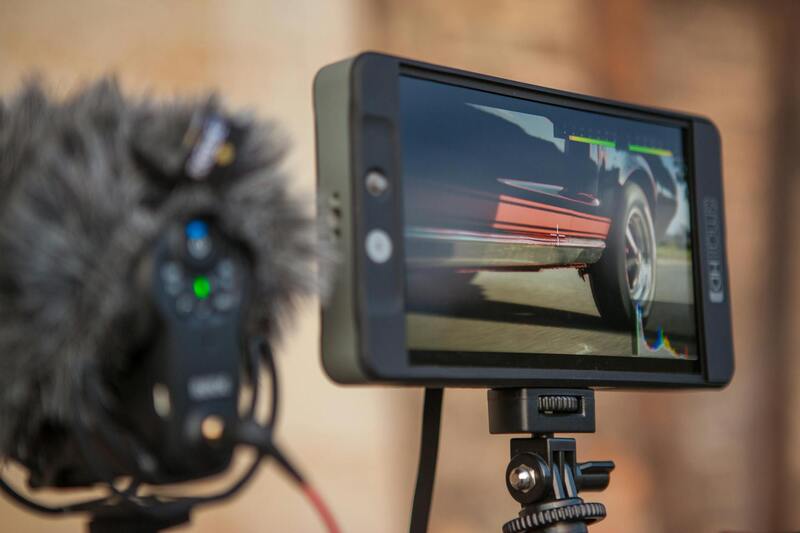
To ensure precise budgeting and planning, clients should seek detailed quotes from experienced providers, which include the scope of work, expected completion timelines, and any additional services such as virtual staging or advanced animations. Clear communication about project expectations helps align timelines and prevents misunderstandings, ensuring a smooth process from initial shoot to final delivery.
Cost and Turnaround Time for 3D Property Photography Projects
In the dynamic Miami real estate market, accurate budgeting and efficient scheduling are essential for effective marketing strategies. The costs associated with 3D property photography vary based on multiple factors, including property size, interior complexity, and additional deliverables such as virtual tours and detailed floor plans. Typically, standard residential projects within Miami can range from several hundred to a few thousand dollars. Larger, high-end properties or those requiring comprehensive 3D walkthroughs and interactive features tend to command higher prices due to the increased time, equipment, and post-processing involved.
Turnaround times for 3D property imaging are closely aligned with the scope of the project and the level of detail required. For smaller or straightforward properties, clients can often expect completed visuals and virtual tours within 24 to 48 hours after the shoot, enabling rapid deployment into marketing campaigns. More complex or expansive properties, such as multi-unit developments or luxury estates with intricate architectural details, typically necessitate a longer processing period—ranging from several days up to a week or more—to ensure high-quality, accurate representations.
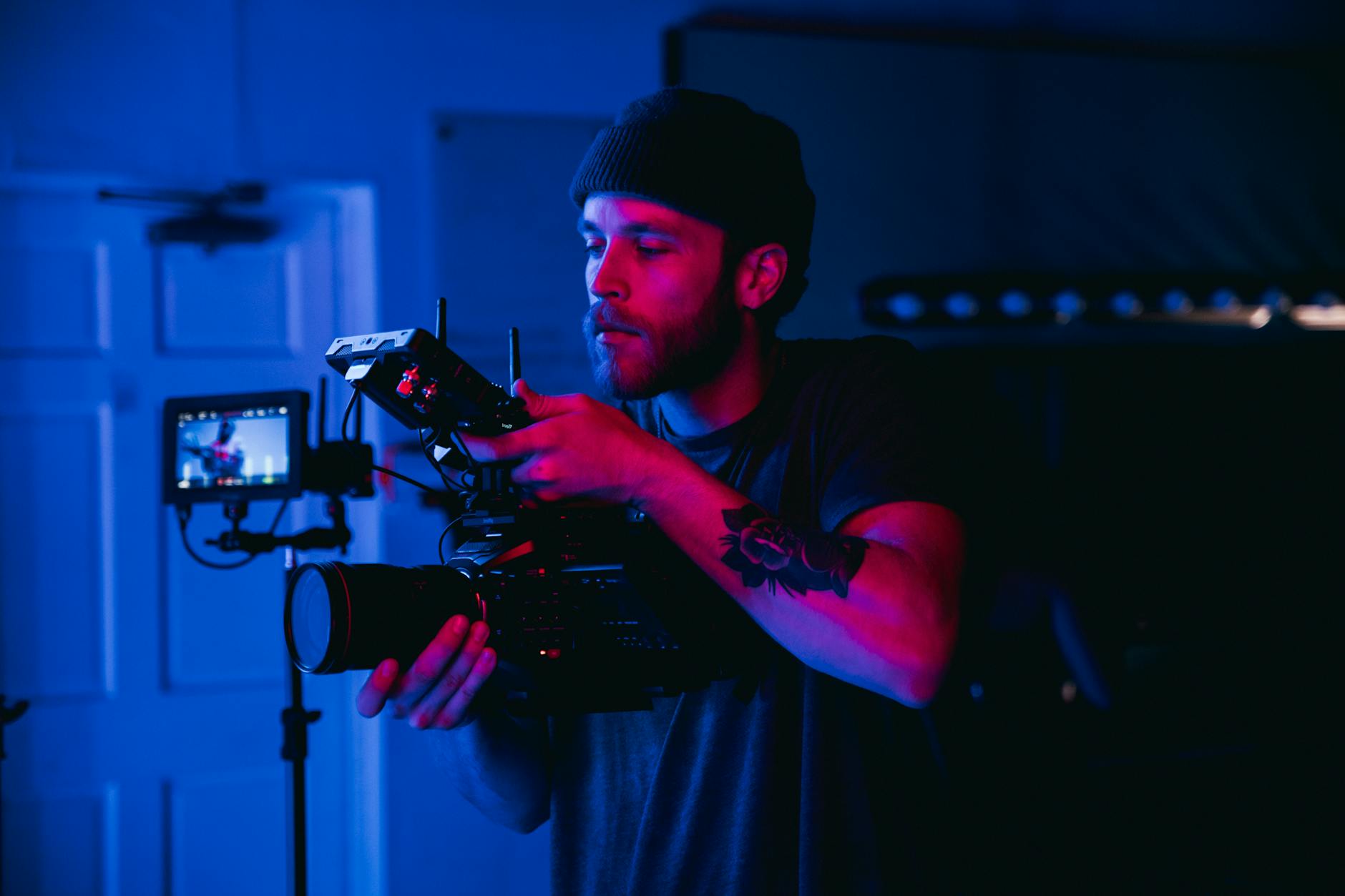
Several technical and operational factors influence delivery times and costs, including the number of rooms to be captured, the use of high-resolution equipment, and the need for supplementary services such as virtual staging or enhanced animations. Advanced software platforms streamline the stitching, rendering, and editing processes, allowing providers to meet tight deadlines without sacrificing quality. Clients benefit from a clear understanding of potential expenses and schedules from detailed quotes, which should specify the scope of work, anticipated completion dates, and any additional services requested.
Optimizing project timelines often involves strategic planning, such as scheduling shoots during periods of optimal lighting and coordinating with real estate agents for access. This coordination minimizes disruptions and helps achieve desired results swiftly. Reliable providers employ efficient workflows, utilizing state-of-the-art hardware and software solutions to guarantee timely delivery, which is crucial for properties listed in hot markets or on tight schedules. Additionally, clear communication regarding expectations from the outset ensures that all parties are aligned, preventing delays and fostering smooth project execution.
Understanding 3D Property Photography
3D property photography represents a significant advancement in real estate marketing, offering immersive and highly detailed visualizations of properties through sophisticated imaging techniques. This technology captures both the interior and exterior of a property, creating accurate, interactive models that enable viewers to explore spaces at their own pace. The digital nature of these images allows for enhanced detail, precise measurements, and a comprehensive viewing experience that traditional photographs cannot match.
Benefits of Accurate Spatial Representation
One of the primary advantages of 3D property photography lies in its ability to accurately depict spatial relationships within a property. Prospective buyers or renters can virtually walk through a space, gauge room sizes, and understand layout flow without physically visiting the property. This not only saves time and resources for both agents and clients but also broadens the reach of marketing efforts to a wider audience, including remote or international buyers.
Furthermore, 3D images provide detailed insights into property features and finishes, enhancing transparency and helping buyers make informed decisions. The depth and clarity of these visuals facilitate a more engaging and memorable viewing experience, often resulting in increased interest and faster transaction times.

Integration with Other Digital Marketing Tools
These immersive visuals can be seamlessly integrated into various digital marketing channels, including real estate websites, virtual staging platforms, and social media. Interactive 3D tours and virtual walk-throughs are particularly effective in attracting attention online, providing potential buyers with a comprehensive view of properties from the comfort of their homes or offices.
Advantages of 3D Property Photography for Miami Real Estate
Miami's dynamic real estate market benefits substantially from the adoption of 3D property photography. Properties stand out more prominently in the crowded marketplace, with high-quality visuals capturing attention quickly. The ability to provide a virtual experience reduces the need for multiple physical visits, easing scheduling conflicts and ensuring that serious buyers receive detailed information upfront.
Enhanced Marketing Reach
Miami's diverse and international client base increasingly demands innovative marketing solutions. 3D property photography allows listings to reach a global audience, accessible through online platforms that support interactive content. This expanded reach translates into more inquiries, faster sales, and often higher offers due to improved perceived value.
Improved Client Engagement and Trust
Prospective buyers appreciate the transparency and thoroughness of 3D visualizations, which build trust in the listing and the seller’s commitment to quality. The immersive experience fosters emotional connections to the property, encouraging quicker decision-making and reducing the likelihood of extended listing periods.
Key Technologies and Equipment Used in 3D Property Photography
Creating high-quality 3D property visuals relies on a combination of advanced equipment and sophisticated software platforms. Capturing precise, detailed images requires specialized hardware designed to handle large data sets while ensuring color accuracy and sharpness.
High-Resolution 3D Cameras and Lidar Scanners
Professional-grade 3D cameras, often equipped with Lidar (Light Detection and Ranging) sensors, are essential for acquiring spatial data with accuracy. Lidar technology enables the quick collection of precise distance measurements, which are fundamental for constructing accurate digital models of interior and exterior spaces. These devices capture thousands of data points per scan, creating a comprehensive point cloud that serves as the basis for 3D rendering.
Specialized Software Platforms
Post-capture, powerful software tools are used to process raw data, stitch images, and generate navigable virtual tours or floor plans. Software such as Matterport, Enscape, or Cupix allows operators to render detailed, interactive 3D environments efficiently. These platforms support editing, lighting adjustments, and virtual staging, further enhancing the final visual presentation.

Lighting and Shooting Techniques
Proper lighting plays a crucial role in the quality of 3D images. Real estate professionals and photographers employ controlled lighting setups to eliminate shadows and highlight key features. The use of panoramic lenses and multi-shot captures ensures seamless integration of all images into a coherent 3D model, providing an accurate representation of the property’s ambiance and aesthetics.
The Process of Creating 3D Property Photographs
The process begins with a thorough site assessment to determine the optimal scanning and imaging plan. On the scheduled shoot day, the technician sets up the equipment, calibrates the sensors, and captures multiple images and scans of each room and exterior feature. Post-processing involves integrating this data into complex rendering software, which produces a virtual walkthrough that clients can access online.
Preparation and Staging
Prior to the shoot, properties should be tidied and staged to emphasize their best features. Proper lighting and decluttering not only improve the visual quality but also streamline the capturing process.
Data Capture and Processing
During the shoot, the technician systematically scans entire areas, ensuring maximum overlap for seamless stitching. Once captured, the raw data undergoes processing, including cleaning, alignment, and rendering to create an interactive 3D environment. This stage is critical in ensuring the final product is accurate, detailed, and engaging.
The Role of 3D Virtual Tours and Floor Plans in Miami Real Estate
Virtual tours and detailed floor plans significantly enhance property listings by providing prospective buyers with a comprehensive understanding of space layouts and flow. These tools are increasingly integral to digital marketing, offering an interactive experience that boosts engagement and trust.
Detailed Floor Plans for Precise Space Planning
Floor plans derived from 3D scans offer accurate, to-scale representations of property layouts. These visuals help buyers visualize furniture placement, space utilization, and design possibilities, facilitating quicker decision-making.
Immersive Virtual Tours for Remote Viewing
Virtual tours allow prospective buyers to navigate through a property freely, simulating an in-person walkthrough. This immersive experience is especially valuable in Miami’s market, where international and out-of-state buyers are common. The accessibility and realism of these tours improve overall listing performance and attract more qualified inquiries.
Choosing a Miami Production Agency for 3D Property Photography
When selecting a provider for 3D property photography in Miami, it is essential to evaluate several key factors to ensure the final product meets high standards of quality and professionalism. A reputable agency will leverage cutting-edge technology, employ skilled technicians, and adhere to industry best practices to deliver compelling visual content that enhances property listings.
One of the primary considerations is the agency’s technological capability. They should utilize the latest 3D scanning and rendering equipment, capable of capturing intricate details and producing high-resolution imagery. The use of advanced software ensures seamless stitching of images and accurate virtual representations, which significantly impact the visual appeal and authenticity of the virtual tours and floor plans.
Experience and expertise in real estate photography also play a crucial role. An agency with a proven track record in Miami’s dynamic market will understand the unique requirements of local properties and buyer preferences. Their portfolio should demonstrate a variety of successful projects, ranging from luxury residences to commercial spaces, illustrating versatility and reliability.
Customer service is another vital aspect. The agency should offer transparent communication, flexible scheduling, and rapid turnaround times. This dedication to client satisfaction results in smoother project execution and timely delivery, allowing real estate agents to optimize their marketing campaigns without delays.
Additionally, the agency’s understanding of local market trends and regulations helps ensure that the produced content aligns with regional marketing standards. This alignment fosters trust and enhances the overall appeal of property listings across digital channels.
Finally, considering value-added services such as integration with virtual reality platforms, detailed analytics of viewer engagement, and support for marketing campaigns can provide a competitive advantage. Working with a Miami-based agency that prioritizes innovation and client success ensures that each property’s visual presentation is optimized to reach and resonate with targeted audiences effectively.