
Importance of Professional Photography in Residential Real Estate
In the competitive Miami real estate market, high-quality photography plays a pivotal role in showcasing residential properties at their best. Professional photography captures the essence of a home, highlighting its unique features, layout, and ambiance. Unique lighting, well-composed shots, and attention to detail can transform an ordinary listing into an irresistible visual story that appeals to potential buyers.
Effective property visuals not only increase online engagement but also attract a broader audience. When prospective buyers browse listings, their initial impression is often shaped by the quality of images presented. Clear, vibrant, and accurately representative photos help viewers envision living in the space, fostering an emotional connection that can accelerate decision-making.
Moreover, superior photography significantly influences the speed of the sale process. Listings with professional images tend to generate more interest, often resulting in quicker offers and fewer showings needed to close a deal. In a market like Miami, where properties vary greatly in style and price range, standout visuals become a key differentiator that positions a property favorably against the competition.
From a marketing perspective, well-crafted images enhance online visibility across multiple channels. They ensure the property appears attractive on various platforms, including real estate websites and social media platforms, where visual appeal often determines click-through rates. In essence, investing in professional photography is an essential strategy for homeowners and real estate agents aiming to optimize their listings' reach and effectiveness.
Furthermore, quality real estate photography is recognized for boosting perceived value. Listings that look polished and professional can command higher asking prices and attract serious buyers, underscoring the importance of expert visual presentation. In dynamic markets like Miami, where luxury homes and high-end properties are prevalent, professional imagery helps communicate quality and exclusivity effectively.
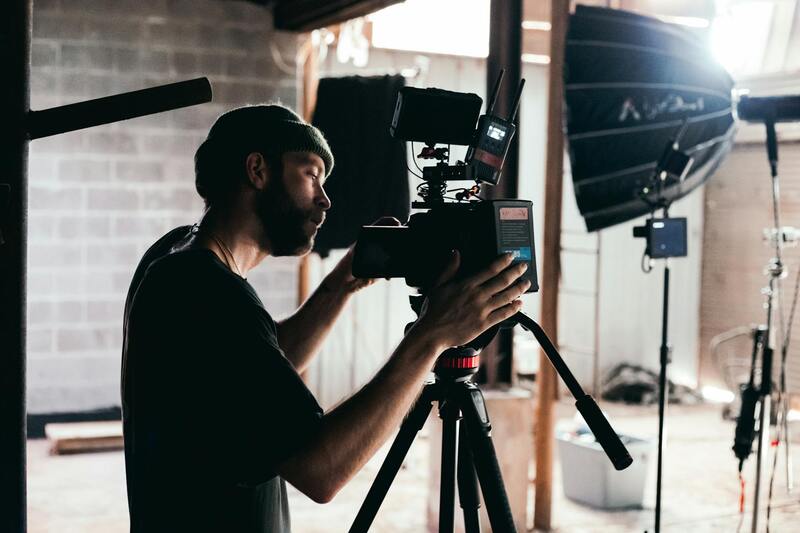
Ultimately, the use of high-quality, professionally shot images is a non-negotiable element for successful residential real estate marketing. It influences perceptions, boosts engagement, and facilitates quicker transactions—making it an indispensable component of modern property listing strategies.
Equipment and Technology for Residential Photography
The foundation of exceptional residential real estate photography lies in utilizing the appropriate equipment and staying current with technological advancements. High-end digital cameras capable of capturing high-resolution images are essential, ensuring every detail of a property is crisp and vividly represented. Full-frame DSLR or mirrorless cameras are preferred due to their superior image quality, dynamic range, and flexibility in various lighting conditions.
Complementing the camera technology, a selection of professional-grade lenses is critical. Wide-angle lenses, typically in the range of 14mm to 24mm, allow photographers to capture expansive interior spaces, making rooms appear larger and more inviting. Tilt-shift lenses can also be used to correct architectural distortions, ensuring straight lines and accurate proportions that reflect the true essence of the space.
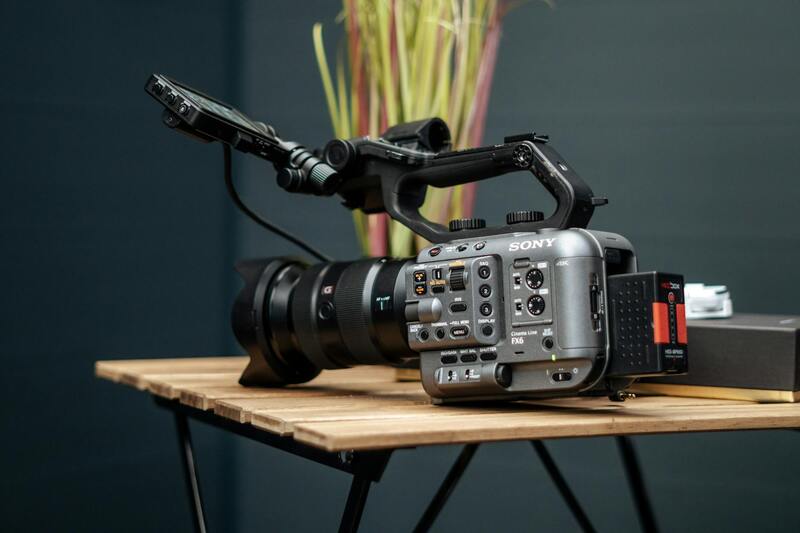
Lighting equipment plays a pivotal role in ensuring consistent, well-lit images. Portable flash systems, softboxes, and reflectors help control natural light, minimize shadows, and highlight architectural features. In interior shoots, especially those with challenging lighting conditions, supplemental lighting ensures a balanced and appealing visual presentation.
Advanced imaging technology, including drone cameras, is increasingly integrated into residential photography. Aerial shots provide a comprehensive perspective of a property’s layout and surroundings, adding visual interest and a broader context to listings. Moreover, this technology is invaluable for showcasing large estates or properties with scenic outdoor features.
Post-capture software has become an indispensable part of the modern workflow. High-quality editing tools such as Adobe Photoshop and Lightroom enable photographers to fine-tune images by adjusting exposure, color balance, and perspective corrections. These enhancements ensure the final images are polished and aligned with the property’s aesthetic and marketing goals.
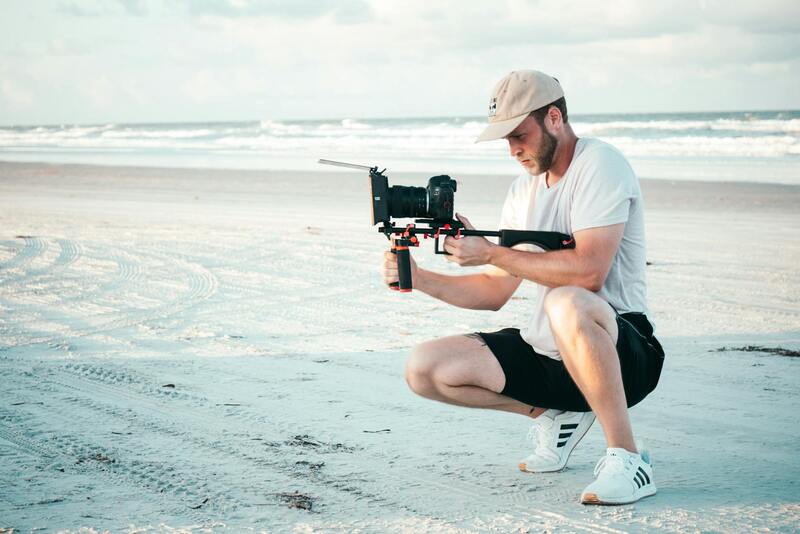
In summary, leveraging top-tier equipment and the latest technological innovations helps produce visually stunning images that capture the unique appeal of each residential property. It ensures consistency, enhances the quality of presentations, and ultimately contributes to more effective marketing of homes in competitive markets like Miami.
Equipment and Technology for Residential Photography
The backbone of exceptional residential real estate photography lies in the selection and utilization of state-of-the-art equipment. High-resolution digital cameras are essential to capture the intricate details and expansive views of properties. Professional-grade DSLR and mirrorless cameras with large sensors offer superior image quality, enabling the capture of crisp, vibrant images even in challenging lighting conditions.
Lens selection plays a critical role in framing the property effectively. Wide-angle lenses are typically employed to showcase interior spaces, providing a sense of scale and depth while allowing for capturing entire rooms within a single shot. Prime lenses with wide apertures are useful for achieving a shallow depth of field, emphasizing specific architectural features.
For exterior shots, telephoto lenses can be advantageous to focus on specific outdoor features or create compressive perspectives, while drone technology offers a unique aerial vantage point. Drone cameras equipped with 4K or higher resolution capabilities allow for sweeping, dramatic shots of large estates, scenic landscapes, and outdoor amenities, adding a compelling dimension to property listings.
Lighting equipment, including portable LED panels, softboxes, reflectors, and diffusers, significantly enhances image quality. Proper lighting ensures even illumination, minimizes shadows, and highlights architectural details. In interior photography, supplemental lighting can fill in shadowed areas or increase brightness, making rooms look more inviting.
Transitioning from hardware to software, advanced editing tools such as Adobe Lightroom and Photoshop are employed for post-capture enhancements. These applications enable precise adjustments to exposure, contrast, color balance, and perspective correction, refining images to meet high professional standards.
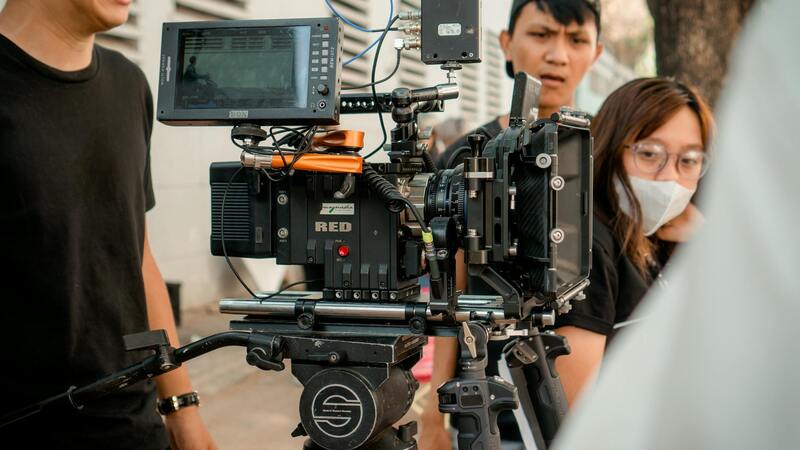
Emerging technologies like HDR (High Dynamic Range) imaging combine multiple exposures to produce well-balanced images in high-contrast environments, ensuring details are visible in both shadows and highlights. Panorama stitching allows for creating wide-angle views that encompass entire rooms or outdoor scenes, providing viewers with a comprehensive perspective.
Utilizing the right combination of sophisticated equipment and technological tools not only elevates the visual appeal of property images but also streamlines the workflow, ensuring rapid turnaround times without compromising quality. This synergy between hardware and software is crucial in competitive markets such as Miami, where distinctive, high-quality photographs can significantly influence buying decisions.
Legal and Ethical Considerations in Residential Photography
Executing residential real estate photography requires a strict adherence to established standards that uphold transparency and respect for property owners and subjects. Maintaining honesty in representation ensures that images accurately depict the property's condition, size, and features without misleading potential buyers. This involves capturing images that truthfully reflect the space without embellishment or omission that could influence decision-making unjustly.
One essential practice is obtaining proper authorization before photographing a property. Photographers should secure permission from property owners or authorized agents, explicitly clarifying the intended use of the images. This not only builds trust but also aligns with best practices for responsible property presentation.
Composition and editing should be approached with integrity. Adjustments to perspective, brightness, or color should serve to enhance clarity without distorting the property's appearance. Over-editing or unrealistic enhancements can mislead viewers, diminishing the credibility of the listing and potentially affecting the buyer's expectations post-purchase.
Respect for privacy is also crucial. Photographers must avoid capturing images of private areas, neighbors, or other properties unless explicitly permitted. When drone photography or aerial shots are involved, adherence to regulations governing airspace and privacy rights is necessary to prevent inadvertent invasions.
Implementing clear branding and watermarking strategies protects intellectual property rights while ensuring that images are not used without proper attribution or authorization. Additionally, professional photographers should stay informed about local zoning laws or restrictions related to photography, especially when capturing exterior shots or drone footage.
By prioritizing ethical principles, real estate photographers bolster their reputation for professionalism and integrity. This approach fosters sustainable relationships with clients and ensures compliance with industry standards, ultimately serving the best interests of all parties involved in the property transaction process.
Legal and Ethical Considerations in Residential Photography
Within the realm of residential real estate photography, adhering to established standards of conduct is essential to maintain trust, professionalism, and integrity in property marketing. Photographers must respect the privacy of homeowners and neighbors by focusing solely on the property in question, ensuring that images do not inadvertently capture private spaces or personal information. This respect for privacy extends to obtaining explicit consent before shooting, especially when interior photography includes private areas or when drone technology is employed for aerial shots.
When utilizing drone equipment, adherence to specific operational protocols is crucial. This includes observing local airspace regulations, avoiding capturing images over private properties without permission, and ensuring that flight paths do not infringe upon individuals' rights. Compliance with these guidelines not only safeguards privacy but also enhances the reputation of the photographer and the agency representing the property.
Proper licensing and accreditation are vital components of ethical practice. Professional photographers should possess the necessary credentials for the equipment they operate, particularly drones, to demonstrate competence and responsibility. Using commercial-grade cameras and equipment also ensures high-quality results while aligning with industry standards for safety and professionalism.
Moreover, honest representation through accurate photography is central to ethical practices. Images should truthfully depict the property's condition and features without excessive manipulation or misleading enhancements. This transparency fosters trust with potential buyers and preserves the credibility of the real estate listing.
Labeling images appropriately and avoiding deceptive editing are also crucial. Photographers should ensure that post-processing enhances the image's clarity and appeal without altering the fundamental characteristics of the property. Maintaining this balance protects both the client's interests and the integrity of the marketing process.
The importance of capturing and sharing images responsibly extends to respecting zoning laws and local ordinances related to photography. Photographers need to be aware of restrictions pertaining to certain neighborhoods, historic districts, or properties with sensitive security requirements. Operating within these parameters ensures legal compliance and avoids post-shoot complications that could delay listing availability.
In summary, ethical residential real estate photography combines respect for privacy, truthful representation, adherence to regulations, and responsible use of technology. Professionals committed to these principles build lasting reputations, foster positive client relationships, and support the overall transparency of the property market—values that are integral to thriving in the competitive Miami real estate landscape.
Legal and Ethical Considerations in Residential Photography
When undertaking residential real estate photography, adherence to established protocols ensures that images serve the purpose of honest and respectful property marketing. Photographers must secure necessary permissions from property owners or authorized representatives before capturing images. This process involves obtaining explicit consent to photograph the premises, especially in cases where restricted areas or sensitive features are involved. Respect for privacy extends beyond just gaining permissions; it also includes mindful framing that respects personal spaces and avoids intrusive shots of interiors not intended for public view.
In addition, compliance with regional regulations and community standards is essential. Certain neighborhoods may have restrictions on drone use or aerial photography, requiring prior approval or adherence to specific flight protocols. Photographers should be well-versed in these guidelines to prevent potential conflicts or disruptions.
From an ethical standpoint, transparency in representation holds paramount importance. This involves accurately portraying the property's features without exaggeration or omission that could mislead prospective buyers. Proper lighting, correct color balance, and comprehensive views contribute to an authentic presentation, reinforcing trust between real estate professionals and clients.
Furthermore, photographers should respect property security measures by avoiding intrusive angles or shots that could compromise confidentiality. If a property has security systems or restricted access areas, capturing images that inadvertently reveal sensitive information can disrupt privacy and security assurances.
Practicing responsible photography also involves being aware of and complying with local ordinances related to photography and drone operation. This ensures that legal restrictions are observed, and professional standards uphold the integrity of the real estate listing.
Implementing these ethical and legal practices not only fosters a positive reputation but also streamlines the marketing process, allowing for efficient and transparent property transactions. Maintaining integrity in visual content is fundamental to fostering trust within the Miami real estate market and beyond.
Legal and Ethical Considerations in Residential Photography
Adherence to established standards and protocols is essential for maintaining professionalism in residential real estate photography. Photographers must prioritize authenticity, ensuring that images accurately reflect a property’s true state without exaggeration or manipulation that could mislead potential buyers. This commitment cultivates trust among clients and maintains the integrity of the marketing process.
Respect for property boundaries and privacy is fundamental. Photographers should avoid intrusive or restrictive angles that might compromise security or reveal sensitive information. When capturing images of a residence, it is crucial to secure permission when including private areas or personal belongings in shots, especially in multi-unit dwellings or occupied properties. This practice demonstrates respect for occupants and upholds privacy standards.
Security considerations extend beyond the physical boundaries of the property. Use of drones or aerial photography should comply with local regulations, particularly concerning privacy and restricted airspace. Avoiding aerial shots that inadvertently capture neighboring properties or sensitive areas helps maintain confidentiality and prevents potential disputes.
Additionally, photographers should familiarize themselves with local ordinances and rules related to photography, especially regarding drone operation or capturing images in private communities. Understanding these legal frameworks ensures compliance and helps avoid potential conflicts or misunderstandings.
Ethical practices also extend to honest lighting, accurate color representation, and comprehensive property views, all of which contribute to an authentic, compelling listing. Clear and truthful imagery supports informed decision-making and reduces the risk of buyer disappointment or disputes post-transaction.
By following these guidelines, residential real estate photographers uphold professionalism, protect client interests, and contribute positively to the reputation of the Miami real estate market. These practices form the backbone of effective, responsible property marketing that benefits all parties involved.
Legal and Ethical Considerations in Residential Photography
Maintaining high standards in residential real estate photography requires adherence to strict protocols that respect property rights, privacy, and the interests of all parties involved. Photographers must ensure that their practices do not infringe upon tenants' privacy or property boundaries. For instance, capturing images without permission in private spaces can lead to misunderstandings or conflicts, hence obtaining formal consent or access arrangements is essential.
When utilizing aerial photography or drone footage, it is crucial to comply with regulations related to airspace and privacy. Operators should be aware of specific restrictions in residential neighborhoods, especially in gated communities or complexes with restricted zones. Properly managing flight paths and ensuring that images do not include neighboring properties or privately owned areas helps preserve confidentiality and fosters trust with clients and residents.
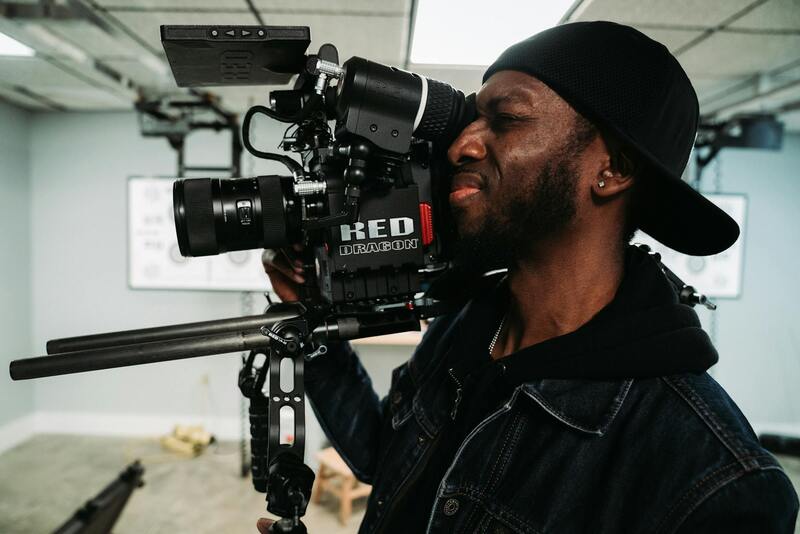
Transparency and honesty in image representation are fundamental. Photographers should avoid over-editing or manipulating images in ways that misrepresent property features. Accurate lighting, true-to-life colors, and comprehensive visibility of key areas—such as kitchens, living rooms, bedrooms, and outdoor spaces—are crucial for creating reliable listings.
Furthermore, respect for property and owner rights entails refraining from taking photos during unauthorized access or unscheduled visits. Professional photographers coordinate with property managers or owners beforehand to ensure access during appropriate times, minimizing disruption and upholding respectful practices.
- Obtain written permissions prior to shooting, particularly in occupied properties.
- Limit photography to accessible, authorized areas, respecting tenants’ privacy.
- Always comply with local drone and aerial photography laws to prevent privacy breaches.
Following these ethical standards not only reduces potential legal issues but also enhances the credibility and reputation of the photography service. Clients can be assured that their property is presented with integrity, which ultimately supports a smoother selling process and fosters positive relationships within the Miami real estate community.