
Understanding Residential Photography in Miami
Residential photography plays a vital role in the Miami real estate market, serving as a powerful tool to showcase properties in their best light. It involves capturing the aesthetic appeal, spatial layout, and unique features of a residence, ensuring that potential buyers and renters can envision themselves living in the space. High-quality images are essential for making listings stand out amidst the competitive Miami market, attracting interested parties and facilitating quicker sales or leases.
In the vibrant city of Miami, where real estate is constantly evolving, professional residential photography helps to convey the lifestyle, ambiance, and character of each property. Whether it's a beachfront condo, a suburban family home, or a luxury estate, having expertly captured images enhances marketing efforts across various channels, including online listings, social media platforms, and printed brochures.
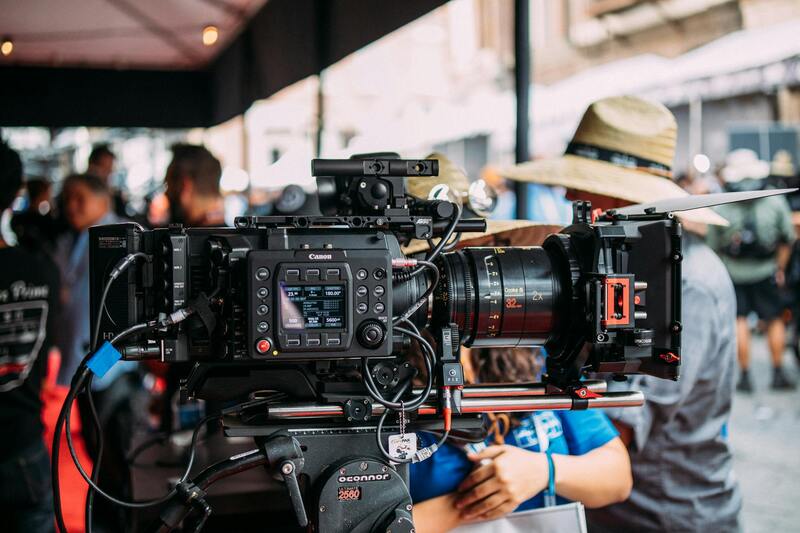
Importance of Residential Photography in Miami's Real Estate Landscape
- Increased Visibility: Professional photos generate more attention online, resulting in higher listing views.
- Faster Sale Timelines: Well-presented images often lead to quicker transactions by attracting serious buyers.
- Attracting a Broader Audience: High-quality visuals appeal to international clients and affluent buyers seeking luxury properties.
- Enhanced Perception of Value: Quality images can help justify premium pricing for upscale homes.
Why Professional Residential Photography Matters
While smartphone photography might seem convenient, it cannot match the clarity, composition, and lighting mastery achieved by professional photographers. In Miami's competitive real estate environment, polished visuals serve as a critical differentiator, capturing attention swiftly and making memorable impressions that lead to inquiries and viewings.
Effective residential photography requires more than just a good camera—it involves understanding the unique lighting conditions of Miami, staging spaces appropriately, and applying industry-specific techniques to highlight a property's best features. Partnering with experienced photographers ensures that each property’s visual representation aligns with its market value and appeal.
Lighting Techniques for Miami Residential Photography
Effective lighting is the cornerstone of compelling residential photography, especially within Miami's vibrant and sun-drenched environment. Natural light plays a pivotal role, and professional photographers often time their shoots during the golden hours—shortly after sunrise or before sunset—to capture properties in their most flattering light. These periods deliver warm, soft illumination that enhances the textures and colors of interior and exterior features.
In addition to harnessing natural sunlight, artificial lighting tools are strategically employed to control shadows, highlight architectural details, and create a welcoming atmosphere. Techniques such as high dynamic range (HDR) imaging combine multiple exposures to balance light extremes, resulting in images where both shadowed and brightly lit areas are clearly visible.
Proper lighting not only accentuates a property’s aesthetic appeal but also ensures consistency across photographic assets, which is crucial for premium listings or luxury homes. This meticulous light management transforms unremarkable spaces into visually enticing environments that resonate with prospective buyers.
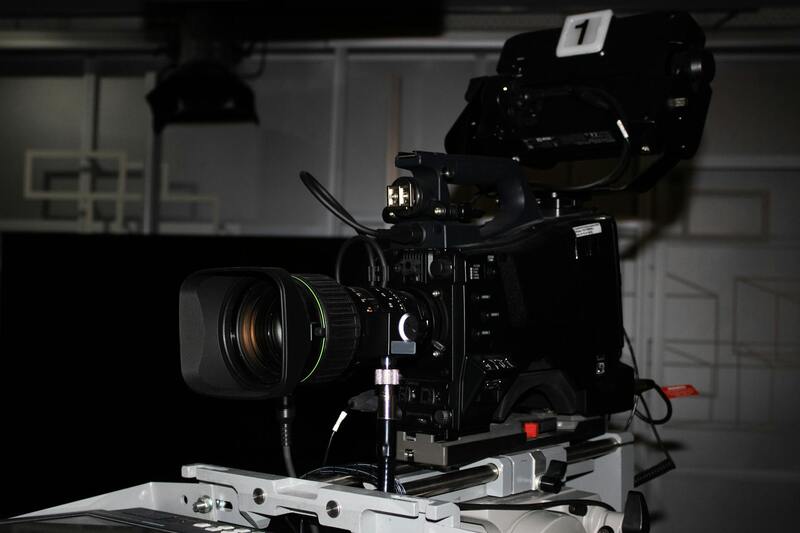
Camera Equipment and Settings
High-quality residential photography depends heavily on advanced camera equipment coupled with precise settings. Professional photographers typically use full-frame digital single-lens reflex (DSLR) or mirrorless cameras, equipped with wide-angle lenses that capture expansive views without distortion. These specialized lenses enable the depiction of entire rooms or exterior facades, offering immersive perspectives.
Optimal camera settings include a low ISO to minimize noise, a narrow aperture (high f-number) to increase depth of field, and a tripod to ensure stability during long exposures. Shooting in RAW format allows for greater flexibility during post-processing, preserving image details and color fidelity the most accurately.
Adjustments such as exposure compensation, white balance, and focus points are meticulously calibrated to reproduce true-to-life colors and sharpness. This technical rigor results in images that are not only visually striking but also faithful representations of the property, facilitating more accurate marketing and appealing presentations.
Staging and Styling for Better Photos
Effective staging transforms an empty or cluttered space into an inviting environment that highlights a property's strengths. During the photoshoot, professional stagers arrange furniture and decorative elements to emphasize open layouts, natural flow, and architectural features. The goal is to evoke an emotional response and help viewers envision living comfortably in the space.
Color schemes, accessories, and minimalistic design are orchestrated to complement the property's style and target demographic—luxury, family-oriented, or modern urban homes. Natural textiles, tasteful artwork, and well-placed lighting fixtures can add warmth and personality, making each space more relatable and attractive.
Attention to detail during styling ensures that every photograph captures a harmonious balance of proportions, textures, and colors. When combined with expert photography techniques, staged properties stand out in a crowded market, appealing to discerning buyers seeking a lifestyle embodiment.
Editing and Post-Processing
Post-processing is a vital step in refining residential images to meet professional standards and client expectations. Skilled editors utilize software like Adobe Photoshop or Lightroom to adjust brightness, contrast, and saturation, ensuring colors reflect the real property's vibrancy.
Retouching involves removing minor imperfections, such as distractions, dust, or uneven lighting, while maintaining a natural appearance. Techniques like horizon leveling, perspective correction, and lens distortion adjustments ensure images accurately represent spatial relationships and architectural integrity.
Additionally, subtle enhancements—such as highlighting interior lighting or deepening exterior shadows—can make photos more inviting and impactful. The goal is to produce visual assets that captivate viewers and effectively communicate the property’s lifestyle appeal.
The meticulous attention to detail during editing guarantees consistency across all images in a marketing suite, reinforcing credibility and attracting more serious inquiries.
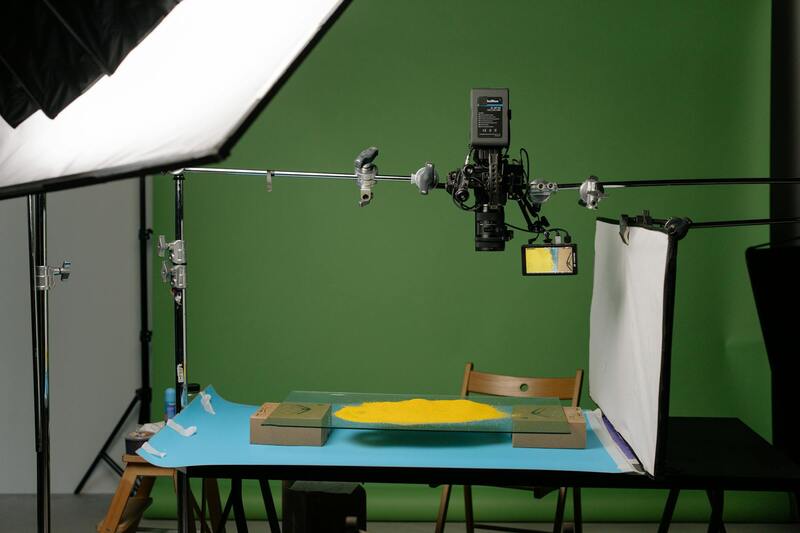
Utilizing Advanced Camera Equipment and Optimal Settings
To capture stunning residential images that highlight the unique characteristics of Miami properties, selecting the right camera gear is essential. Professional photographers often opt for high-resolution DSLR or mirrorless cameras equipped with versatile lenses. Wide-angle lenses, typically ranging from 14mm to 24mm, are favored for interior shots as they encompass more space within a single frame, projecting a sense of openness and grandeur.
Ensuring optimal camera settings is crucial for producing clear, vibrant images. A low ISO setting, generally between 100 and 400, minimizes digital noise, preserving image clarity. Aperture selection depends on the desired depth of field; wider apertures (e.g., f/2.8) are ideal for focus isolation in interior shots, while narrower apertures (f/8 to f/11) ensure sharpness throughout the image, especially for spacious rooms.
Shutter speed adjustments are vital, particularly in low-light scenarios or when using handheld equipment, to prevent motion blur. Using a tripod allows for longer exposure times, which can enhance exterior nighttime shots or dimly lit interior details. Additionally, employing remote shutter releases or camera timers helps eliminate vibrations that could compromise image sharpness.
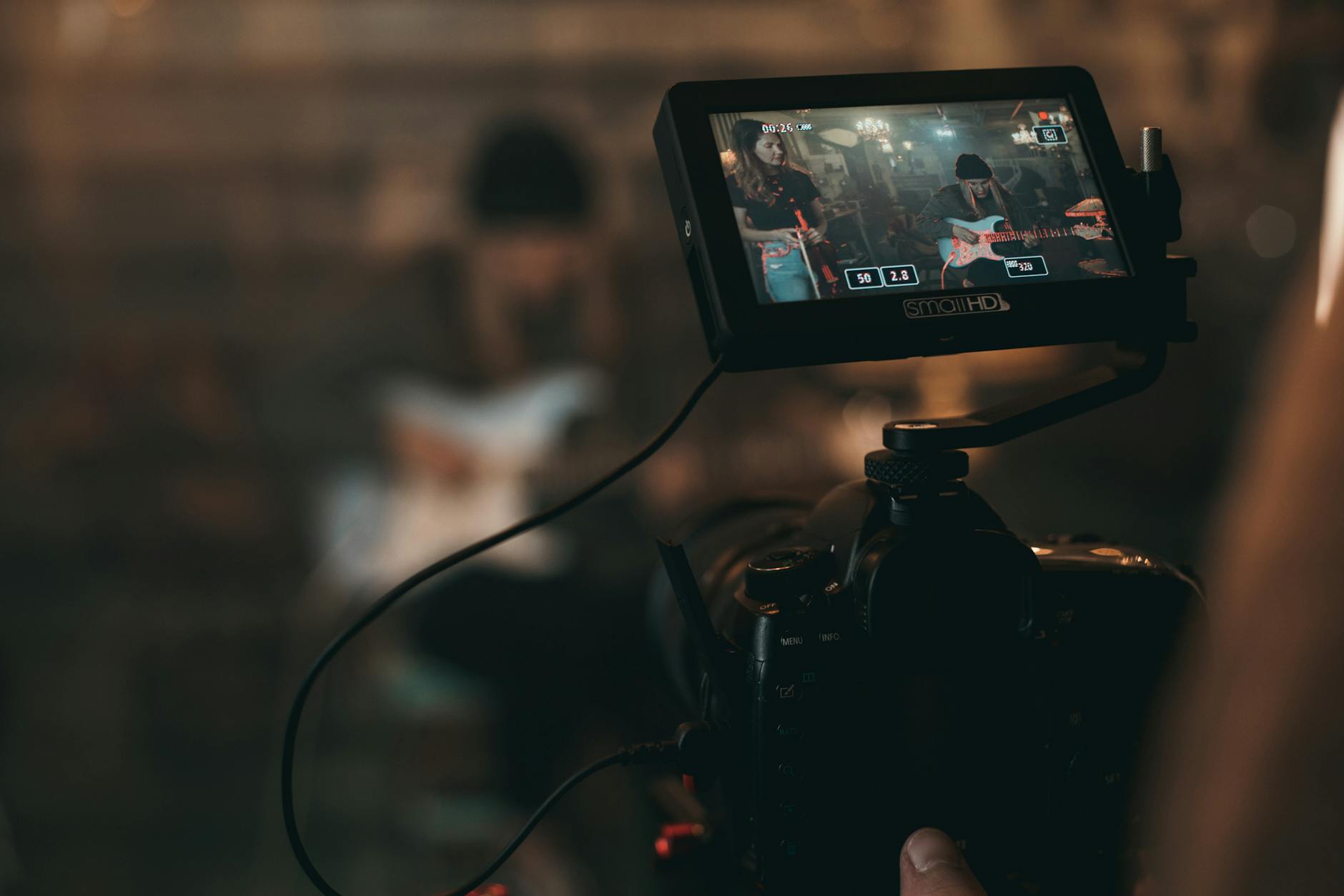
Beyond camera choice and settings, utilizing auxiliary equipment such as tripod stabilizers, remote controls, and polarizing filters further enhances image quality. These tools help manage reflections, control glare, and achieve the perfect exposure, ensuring each shot accurately portrays the property's appeal.
Effective Staging and Styling Strategies
Creating visually appealing residential images begins with proper staging. Effective styling elevates a property’s visual narrative by accentuating its best features and aligning with current design trends. For Miami homes, this may involve incorporating light, airy colors, tropical-inspired decor, and contemporary furniture that complements the architectural style.
Strategic use of accessories, such as plush rugs, artwork, and greenery, adds depth and personality to each space. Properly arranged furnishings and thoughtfully chosen decor help convey a lifestyle that resonates with prospective buyers while highlighting the functionality of each room.
Scheduling photos during times when natural light floods in—such as early mornings or late afternoons—further enhances the staging, creating inviting and luminous interiors. During the shoot, professional photographers pay attention to small details: aligning furniture accurately, decluttering surfaces, and adjusting window treatments to control daylight.
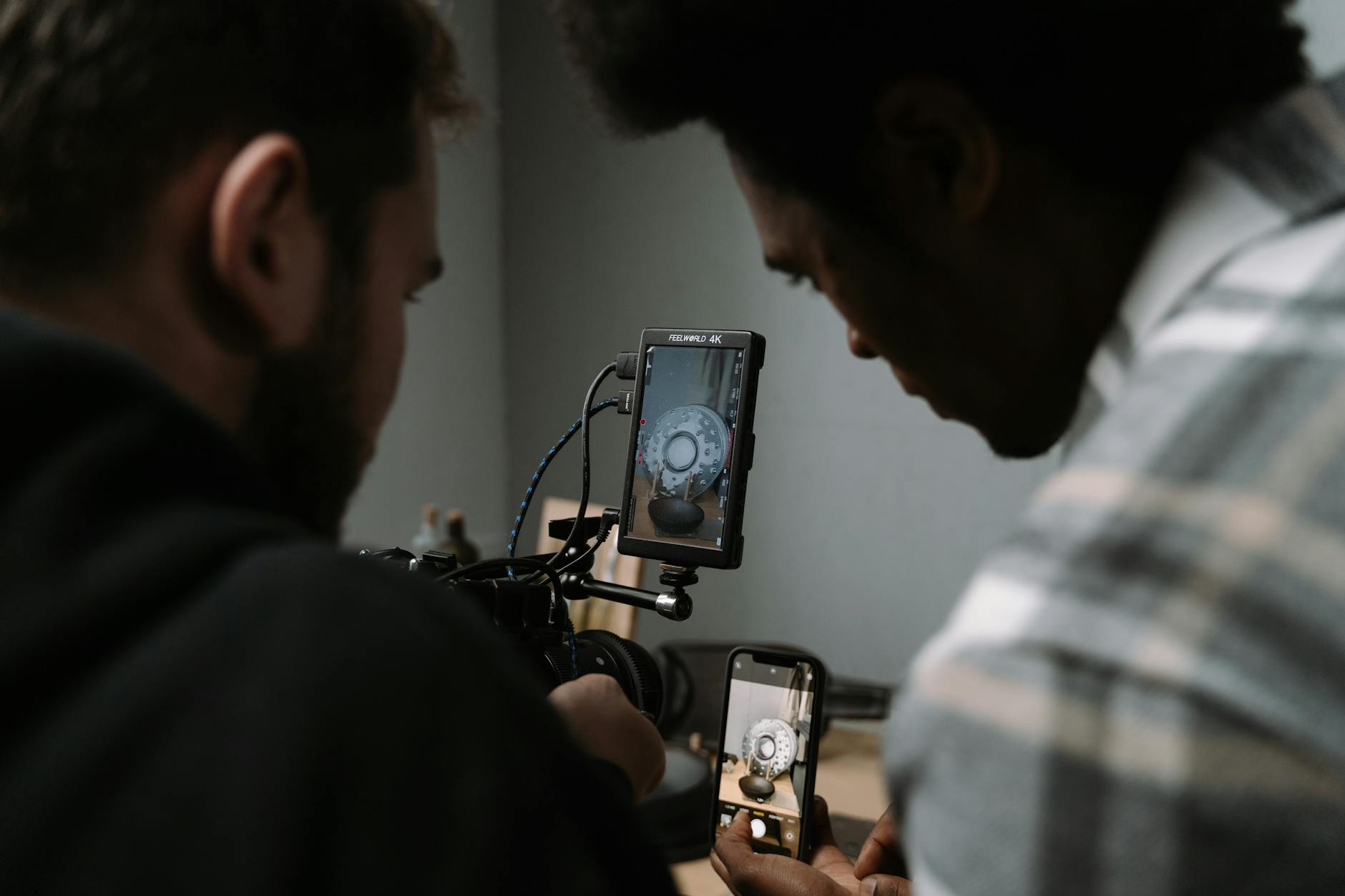
In addition to interior staging, exterior styling plays a significant role. Clean landscaping, well-maintained walkways, and appealing outdoor furniture set the stage for captivating exterior shots. Highlighting outdoor living areas, patio spaces, and views of Miami’s iconic skyline or waterfront enhances the property's desirability.
Refining Images through Expert Editing and Post-Processing
Post-processing transforms raw photographs into polished visual assets. Skilled editors leverage advanced software to correct color imbalances, fine-tune lighting, and enhance textures. Adjustments in brightness, contrast, and saturation ensure that colors are vibrant and true to the actual property environment.
Retouching functions meticulously remove minor distractions, such as lens flare, reflections, or cluttered backgrounds, without compromising the authenticity of the shot. Perspective corrections impute proper alignment of vertical and horizontal lines to maintain architectural accuracy.
Subtle effects, such as deepening exterior shadows or accentuating interior lighting, add depth and dimension to images. These enhancements create a warm, inviting atmosphere that resonates with potential buyers, giving the property an aspirational quality.
Implementing Consistency and Cohesion in Marketing Visuals
Uniformity across a comprehensive marketing suite bolsters credibility and trustworthiness. Standardized editing settings, color grading, and compositional styles ensure that all photos present a cohesive narrative. This professional approach reinforces the property’s value proposition and attracts serious inquiries.
Camera Equipment and Settings
Achieving high-quality residential photography in Miami relies heavily on the appropriate selection of camera gear and careful adjustment of settings. A professional photographer typically invests in a full-frame digital single-lens reflex (DSLR) or mirrorless camera, both of which offer superior image quality, excellent low-light performance, and flexibility with interchangeable lenses. These attributes are critical for capturing the intricacies of Miami’s diverse residential properties, from modern waterfront condominiums to sprawling suburban homes.
Key camera components include a high-resolution sensor, which ensures detailed imagery that can be scaled for various marketing purposes without loss of clarity. The lens selection also plays a vital role; wide-angle lenses—generally in the 14mm to 24mm range—enable capturing expansive interior and exterior shots that highlight space and architectural features. Tilt-shift lenses are particularly advantageous for correcting perspective distortions, ensuring straight vertical lines and accurate representations of building facades.
Optimal camera settings focus on maximizing image clarity and color accuracy. For residential photography, a low to moderate aperture (between f/8 to f/11) provides sufficient depth of field, keeping both foreground and background elements sharp. A slow shutter speed, paired with a tripod, allows for proper exposure in varying lighting conditions, especially during the golden hour or in low-light interiors. Proper ISO setting, typically kept as low as possible, minimizes noise, maintaining crispness in every shot.
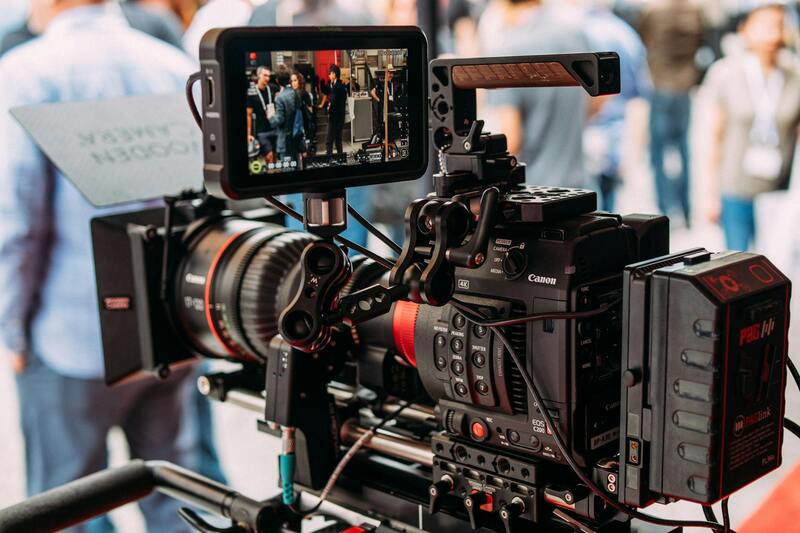
Employing the right camera gear and settings ensures each photograph accurately reflects the property's true essence. Proper exposure, focus, and perspective are crucial to create compelling visuals that resonate with prospective buyers and elevate the overall marketing strategy.
Understanding Residential Photography in Miami
Miami's diverse real estate landscape demands a specialized approach to residential photography that captures the essence and unique features of each property. From sleek modern condos overlooking Biscayne Bay to charming Miami Gardens family homes, effective residential photography provides prospective buyers with a vivid, accurate representation of what the property offers. This genre of photography emphasizes clarity, perspective, and lighting to bring out both the aesthetic appeal and functional aspects of a residence. Mastering this discipline involves understanding the city’s architectural styles, local lighting conditions, and interior design trends, ensuring each shot not only highlights a property's best features but also resonates with the target audience.
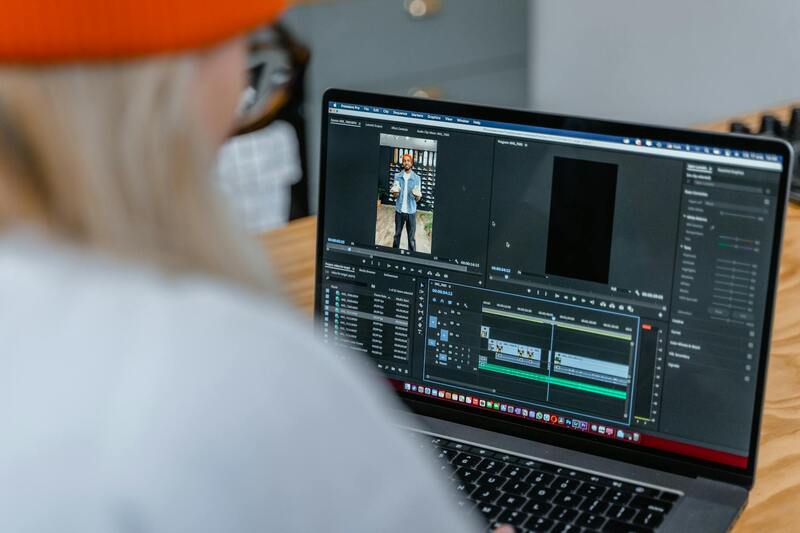
In a competitive market like Miami's, premier residential photographs serve as the first impression for potential buyers and investors. They help in illustrating space, ambience, and lifestyle appeal, making it crucial to employ photography techniques that elevate property visuals beyond standard snapshots. Properly executed residential photography boosts online listings, enhances marketing campaigns, and ultimately accelerates property sales. Professionals specializing in Miami residential photography leverage an understanding of local architecture, natural light, and interior design, ensuring every image aligns with the overall market trends and buyer preferences.
Key Elements of Residential Photography
To create captivating residential images in Miami, several fundamental elements must be meticulously applied. These include composition, lighting, perspective, and post-processing. Composition involves framing shots to emphasize the property's strengths, such as open floor plans, unique architectural features, or breathtaking exterior views. Perspective control ensures straight lines and accurate proportions, essential for depicting tall facades or interior space without distortion.
Lighting remains a central aspect in residential photography. Miami’s bright, abundant sunlight can be advantageous but also challenging. Photographers often utilize techniques like shooting during the golden hour to harness soft, warm light that complements the property's aesthetic. Interior shots benefit from supplemental lighting or reflectors to avoid harsh shadows and uneven illumination, producing inviting and balanced images.
- Architectural Details: Highlighting unique design features, custom finishes, and craftsmanship.
- Natural Light Utilization: Optimizing daylight to enhance the warmth and ambiance of interiors.
- Exterior Presentation: Showcasing landscaping, outdoor amenities, and curb appeal.
- Perspective Accuracy: Using lenses and angles that preserve the true proportions of spaces and structures.
Lighting Techniques for Miami Residential Photography
In Miami’s sun-drenched environment, leveraging natural light effectively is vital. Photographers often schedule shoots during early morning or late afternoon to access the softer, more flattering light conditions characteristic of the golden hour. This timing reduces harsh shadows and creates warm tones that enhance the visual appeal of both interiors and exteriors. The strategically placed reflectors and diffusers help control light distribution indoors, balancing brightness and shadow to reveal the space's full depth.
For interior spaces with limited available natural light, supplemental lighting setups—such as softboxes, LED panels, or bounce boards—are employed to create an even, inviting atmosphere. These tools help avoid overexposure and ensure color accuracy, especially important when showcasing modern kitchens, luxurious bathrooms, or stylish living areas. Using diffused flash can also add sparkle to reflective surfaces like glass or polished countertops, making the property appear luminous and well-maintained.
Camera Equipment and Settings
Achieving stunning residential photographs in Miami hinges significantly on selecting the appropriate camera gear and fine-tuning camera settings. High-resolution DSLR or mirrorless cameras are preferred, as they capture detailed images that highlight the intricacies of modern interiors and exterior landscapes. A full-frame sensor offers better performance in low-light conditions and produces images with more depth and richness, which is particularly beneficial when photographing homes with varying lighting scenarios.
Lens choice plays a critical role in residential photography. Wide-angle lenses—typically between 14mm and 24mm—are essential for capturing entire rooms in a single shot, providing viewers with a comprehensive view of the space. These lenses help emphasize the room's proportions and layout, effectively illustrating the property's true scale. For exterior shots, a slightly longer focal length may be used to compress distance and highlight architectural details.
Optimal camera settings include a narrow aperture (around f/8 to f/11) to ensure deep depth of field, keeping both foreground and background sharply in focus. Adjusting ISO to a low value minimizes grain and noise, resulting in cleaner images. A slow shutter speed, combined with a tripod, allows for proper exposure in interior lighting conditions, especially when balancing natural and artificial lights. Bracketing exposures can also be advantageous, enabling practitioners to merge multiple images to create high dynamic range (HDR) photos that reveal detail in both shadows and highlights.
Attention to camera calibration—such as white balance settings—is indispensable for true-to-life color reproduction. Accurate white balance prevents color casts that could distort the appearance of walls, fabrics, and finishes, ensuring that the property’s actual hues are conveyed seamlessly.
When combined with skilled composition and technical precision, the right equipment and settings empower photographers to produce compelling images that resonate with prospective buyers and elevate a real estate listing’s visual appeal.
Understanding Residential Photography in Miami
Residential photography in Miami plays a vital role in the real estate industry, capturing the unique character and appeal of each property to attract potential buyers. The vibrant and diverse architectural styles characteristic of Miami homes require a nuanced approach to photography that emphasizes both the structure and the ambient atmosphere. Photographers specializing in this niche must understand the various factors that influence the final imagery, including climate, lighting conditions, and the distinctive features of Miami residences. Mastering these elements ensures that photos not only accurately showcase the property's layout and design but also evoke the lifestyle associated with Miami living, appealing directly to buyers' aspirations.
In Miami, where outdoor living spaces and scenic views are integral aspects of property appeal, photography must be tailored to highlight these elements. The dynamic lighting conditions created by Miami’s tropical climate, along with its vibrant urban backdrop, demand specialized techniques to balance natural sunlight with interior illumination. A thorough understanding of these specifics enables photographers to produce images that do justice to the property's true nature and attract discerning clients looking for a quintessential Miami residence.
Key Elements of Residential Photography
Effective residential photography hinges on several core components that collectively elevate the property's presentation. These include composition, lighting, staging, and post-processing. Each element contributes uniquely to creating compelling images that resonate with prospective buyers and showcase the property's best features.
- Composition: Framing shots with attention to symmetry and balance ensures that spaces appear inviting and well-organized.
- Lighting: Proper illumination brings out the textures and color palette, ensuring rooms look bright and welcoming.
- Staging: Carefully arranging furniture and decor highlights the functionality and style of each space.
- Post-processing: Editing refines images for clarity, color accuracy, and overall appeal, making sure that the final photos are polished and professional.
Lighting Techniques for Miami Residential Photography
Lighting plays a pivotal role in capturing Miami homes at their best. The region's abundant sunshine offers ample opportunities for natural light photography, yet its intensity can sometimes create harsh shadows or overexposure. Photographers often aim to shoot during the golden hours—shortly after sunrise or before sunset—when the sunlight is softer and warmer, lending a flattering glow to interiors and exteriors alike.
Supplementing natural light with artificial lighting, such as softboxes or reflectors, helps balance the exposure, especially in interiors with large windows. Using diffusers can soften direct sunlight, preventing glare and ensuring that details, such as textures of fabrics and architectural finishes, are visible. For exterior shots, careful timing and positioning minimize the impact of midday sun and highlight the property's curb appeal effectively.
Camera Equipment and Settings
Professional-grade camera gear is essential for capturing the intricacies and vibrancy of Miami homes. A wide-angle lens (between 14mm and 24mm) is typically used to encompass more of a space within a single frame, making rooms appear more spacious and inviting. For exterior shots, a slightly longer focal length can be employed to compress distances and emphasize architectural details.
Key camera settings include a narrow aperture (around f/8 to f/11) to achieve deep depth of field, ensuring both foreground and background elements are in sharp focus. Low ISO settings (ISO 100 or 200) are preferred to reduce noise and deliver cleaner images. A tripod is indispensable for interior photography to stabilize the camera during longer exposures, especially in dimly lit spaces or when employing HDR techniques.
White balance calibration is also crucial to render accurate colors, capturing the real hues of the walls, fabrics, and finishes. By combining technical precision with a creative sense of composition, photographers can produce images that are both technically excellent and emotionally compelling, ultimately enhancing the property's marketability.
Advanced Techniques and Strategies for Exceptional Miami Residential Photography
To elevate residential photography to the highest standard within Miami's competitive real estate market, industry professionals focus on integrating advanced techniques and strategic practices. These methods ensure the images not only showcase the property's physical attributes but also evoke an emotional response, creating a compelling visual narrative that resonates with potential buyers and renters.
Utilizing Drone Photography for Aerial Perspectives
One of the most impactful enhancements in residential photography involves incorporating aerial shots captured through drone technology. Drone photography delivers unique vantage points that highlight property size, landscaping, and surrounding amenities, offering prospective clients a comprehensive view of the residence’s context within its environment. Proper drone operation involves adhering to specific flight path planning, optimal weather conditions, and professionalism to capture steady, high-quality images that complement ground-level photos.
High Dynamic Range (HDR) Imaging for Balanced Exposure
HDR imaging plays a vital role in producing images with balanced exposure across varying lighting conditions. This technique involves capturing multiple exposures and merging them to retain detail in shadows and highlights, especially beneficial for interiors with windows or exterior shots during bright daylight. When executed skillfully, HDR results in stunning, richly detailed images that accurately reflect the property's visual appeal.
Implementing Virtual Staging and 3D Tours
Virtual staging transforms empty or cluttered spaces by digitally adding furniture, decor, and accessories, making potential buyers envision the full potential of a residence. 3D virtual tours further enhance marketing efforts by providing immersive, walkthrough experiences remotely. These tools serve as powerful assets in Miami’s real estate landscape, accommodating out-of-town clients and accelerating the decision-making process.
Color Psychology and Feature Focus
Strategic emphasis on color psychology effectively influences viewer perception. Bright, neutral tones often evoke feelings of spaciousness and cleanliness, making rooms appear larger and more inviting. Attention is also given to highlighting key architectural features, such as high ceilings, custom moldings, or unique finishes, through composition and lighting adjustments, drawing focus where it adds the most value.
Consistent Branding and Portfolio Presentation
A unified visual style across all marketing materials establishes a recognizable brand identity. Showcasing a well-curated portfolio on personal websites or social media channels demonstrates professionalism and expertise, fostering trust among clients. Including case studies or client testimonials adds credibility and demonstrates the impact of high-quality residential photography in selling or renting properties swiftly.
By integrating these advanced practices into their workflow, Miami residential photographers can consistently produce compelling imagery that captures the distinctive allure of local homes. Tailoring each shoot with a strategic approach, leveraging sophisticated equipment and techniques, and maintaining a professional presentation ensure that their services meet the highest standards of excellence in the real estate market. Through meticulous attention to detail and a commitment to visual storytelling, photographers help clients achieve faster sales and increased property value, cementing their reputation within Miami’s vibrant real estate scene.