
Importance of Quality Realty Photos
In Miami's competitive real estate environment, the quality of property photographs plays a crucial role in attracting prospective buyers and tenants. High-resolution, well-composed images not only draw more attention online but also help showcase a property's unique features effectively. These photos serve as the first impression for potential clients, often influencing their decision to explore a property further. When images accurately depict a property’s space, lighting, and ambiance, they build trust and generate genuine interest, leading to quicker sales or rentals. Furthermore, compelling realty photos can elevate a property's perceived value, encouraging higher offers or rental rates. For real estate professionals and property owners, investing in top-tier photography is essential to stand out in a congested Miami market. It also facilitates a seamless virtual browsing experience, essential for buyers who may start their property search remotely. With the increasing importance of digital marketing channels, quality photos are a key driver of online engagement, helping listings garner more views, saves, and inquiries. Overall, establishing a reputation for professionalism in listing presentation begins with professional realty photos, making them an indispensable asset in modern real estate transactions in Miami.

Key Elements of Excellent Real Estate Photography
Achieving outstanding property images requires attention to several core elements that collectively create captivating visuals. These components include proper framing, accurate color representation, perspective, and the ability to highlight a property's best features. The goal is to produce images that are both visually appealing and truthful to the property’s environment. Well-composed shots should showcase spacious interiors, appealing exteriors, and functional layouts. Additionally, capturing various angles helps provide a comprehensive view of each space, giving potential buyers a clear understanding of what to expect. The color palette must be balanced to reflect real colors without over-saturation, which can distort the property’s appearance. These elements work in harmony to elevate the overall quality, making listings more compelling and engaging to prospective buyers.

Photographic Equipment and Techniques
Using the right professional equipment combined with advanced techniques is vital for achieving superior realty photos. A high-resolution DSLR or mirrorless camera equipped with wide-angle lenses allows photographers to capture expansive interior spaces without distortion. Tripods ensure stability and consistency across shots, especially in low-light conditions or during interior shoots. Skilled photographers also employ techniques like HDR (High Dynamic Range) imaging to balance light exposure, ensuring that both shadows and highlights are well-rendered. Advanced editing software helps refine images further, correcting imperfections and enhancing visual appeal without over-processing. Masterful use of these tools and methods results in crisp, vibrant, and attractive property photographs that stand out in online listings and marketing materials.
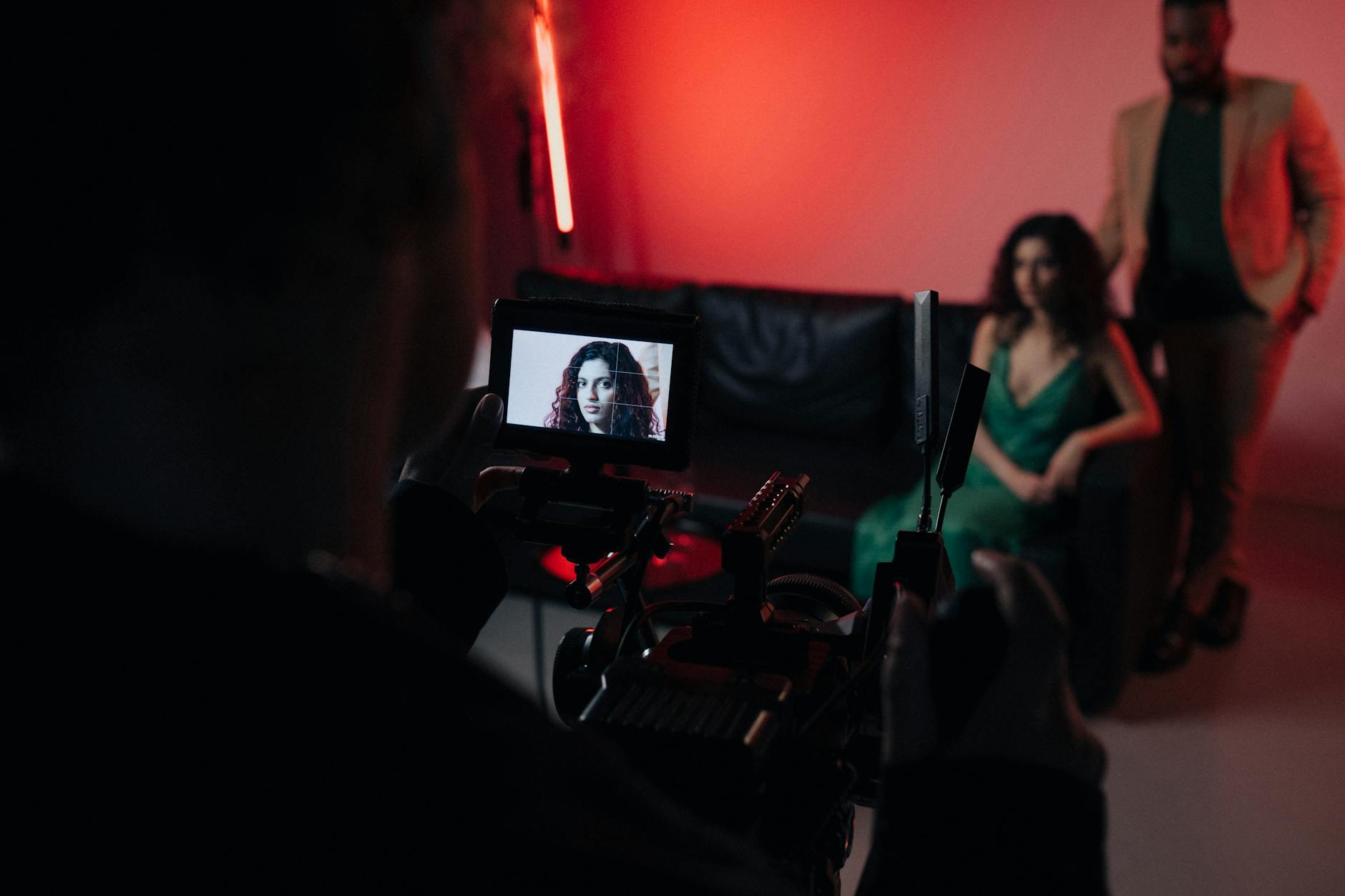
Key Elements of Excellent Real Estate Photography
Achieving outstanding real estate photography requires meticulous attention to several core components. These elements work in synergy to produce images that not only showcase the property but also evoke emotional responses that prompt potential buyers to explore further. Focusing on these aspects ensures each shot accurately reflects the property's unique features, lighting qualities, and spatial dynamics.
- Lighting Optimization: Excellent real estate photos begin with optimal lighting. Natural light is preferred whenever possible, as it reveals true colors and enhances the vacuum of the space. Photographers often schedule shoots during peak daylight hours and utilize large windows to maximize sunlight exposure. Supplementary artificial lighting, such as softboxes or studio lights, can fill in shadows and ensure evenly lit interiors, especially in areas with limited natural light.
- Strategic Composition: Effective composition directs the viewer’s eye and highlights the property's most attractive features. Using rule of thirds, leading lines, and balanced framing ensures that each photograph conveys harmony and proportion. Wide-angle lenses are typically employed to capture more of the space in a single shot, making rooms appear larger without distorting proportions. Proper symmetry, clutter-free spaces, and intentional focal points all contribute to compelling images.
- Staging and Styling: Proper staging elevates the visual appeal of a property. This involves arranging furniture and decor in a way that emphasizes the space's potential, making rooms inviting and functional. Neutral tones and minimalistic accessories help prospective buyers visualize themselves living comfortably within the home. Even minor details like fresh flowers, coordinated bedding, and fresh paint touch-ups play significant roles in creating an image that resonates positively.
Photographic Equipment and Techniques
Utilizing sophisticated photographic tools and methods is integral to capturing realty photos that stand out in competitive markets. Modern professional cameras, such as high-resolution DSLR or mirrorless models, are the foundation. These devices offer superior image clarity, dynamic range, and color accuracy, vital for depicting a property's true appearance. Wide-angle lenses, typically ranging from 14mm to 24mm, are favored for their ability to encompass large interior spaces, providing viewers with a comprehensive view of each room without optical distortion.
Tripods are essential for stability, especially when shooting in low-light environments or using slower shutter speeds to enhance image quality. Advanced techniques, including HDR (High Dynamic Range) imaging, involve capturing multiple exposures of the same scene and blending them to achieve a balanced exposure—brightening shadows while maintaining detail in highlights. This approach ensures interior spaces, often characterized by a range of lighting conditions, are rendered vividly and accurately.
Post-processing software like Adobe Lightroom and Photoshop allows for fine-tuning images by correcting color imbalances, straightening horizons, reducing glare, and removing imperfections. Skilled professionals understand the importance of subtle enhancements that preserve the natural look of the space, avoiding over-editing that might mislead buyers. The resulting images are crisp, vibrant, and realistic, making a significant difference in attracting potential clients.
Photographic Equipment and Techniques
Achieving high-quality realty photos relies heavily on the use of specialized photographic equipment and refined techniques. Professional real estate photographers typically utilize high-resolution DSLR or mirrorless cameras equipped with wide-angle lenses, generally ranging from 14mm to 24mm, to effectively capture interior and exterior space. These lenses help in portraying rooms as more spacious and inviting, without introducing significant distortions that could misrepresent the property.
A sturdy tripod is indispensable in real estate photography, especially when shooting in varying lighting conditions or utilizing slower shutter speeds to enhance image clarity in low-light environments such as dimly lit living rooms or night shots of the property exterior. By keeping the camera stable, photographers can execute longer exposures that reveal more detail and vibrant colors.
Advanced shooting techniques such as HDR imaging are standard fare in realty photography. HDR involves capturing multiple exposures of the same scene and blending them digitally. This method balances exaggerated contrasts between shadows and highlights, producing images with vivid, true-to-life color representation and balanced lighting. It is particularly effective in spaces where natural light is limited or uneven, ensuring every aspect of the property is clearly visible.
Additionally, fisheye lenses may be employed selectively to create dramatic perspectives or highlight space features, while precise focus stacking techniques can enhance depth of field, ensuring sharpness from foreground to background. Such technical considerations contribute significantly to the overall appeal and realism of the photos.

Professional Editing and Post-Processing Techniques
Effective post-processing is crucial in transforming raw photography into compelling visual content that captures the essence of a property. High-quality editing involves more than basic adjustments; it requires a nuanced approach to enhance the photo’s clarity, color accuracy, and overall impact while maintaining an authentic representation of the property.
Precisely tuned exposure and contrast adjustments ensure that bright and shadowed areas are balanced, preventing details from being lost in overly dark or washed-out sections. Color correction is essential to depict true-to-life hues, enabling prospective buyers to visualize the property accurately. Sharpness and clarity are enhanced selectively, drawing attention to key features without creating an unnatural appearance.
Retouching minor imperfections, such as small blemishes on walls or distracting elements in the background, can significantly improve the overall presentation. However, care must be taken to avoid over-editing, which could distort the portrayal of the property. Cropping and straightening images help focus on the most appealing aspects and ensure consistent framing across a series of photos.

Advanced techniques, such as digital blending and high dynamic range (HDR) processing, can be employed to address complex lighting scenarios. These methods combine multiple exposures to showcase both interior highlights and exterior views harmoniously, providing a comprehensive visual perspective that appeals to potential buyers.
Ultimately, diligent post-processing enhances the professionalism of realty photos, making listings more eye-catching and credible. When executed correctly, it elevates the property’s appeal in competitive markets, attracting more inquiries and fostering greater interest from prospective buyers or tenants.
Importance of Proper Lighting in Realty Photography
Achieving a high standard of realty photos hinges on meticulous attention to lighting. Proper illumination not only accentuates the architecture and interior design elements of a property but also evokes an inviting atmosphere that appeals to prospective buyers. When lighting is thoughtfully managed, it reveals true colors, textures, and spatial dimensions, creating evocative images that accurately represent the property’s potential.
Natural light remains a vital component in real estate photography, especially during the golden hours—early morning or late afternoon—when sunlight imparts a warm, soft glow. Utilizing the natural daylight can significantly enhance the aesthetic appeal of exterior shots and brightened interior spaces. However, reliance solely on available light can be limiting, particularly in low-light environments or during unfavorable weather conditions.
For interior shots, supplementary lighting equipment such as strobes, softboxes, or LED panels is employed to fill shadows, balance light levels, and highlight key features. Proper placement of these light sources prevents harsh shadows or overly bright spots that could distort the space’s proportions. Skilled photographers often use diffusers and reflectors to distribute light evenly, ensuring a natural look while maintaining color accuracy.

In exteriors, managing ambient light often involves shooting during optimal times or employing diffusers and reflectors to soften the sunlight. Overly harsh sunlight can cause glare and wash out details, so utilizing polarizing filters or adjusting camera settings becomes essential to retain vivid colors and clarity.
Advanced techniques, such as high dynamic range (HDR) imaging, come into play when capturing scenes with significant contrast, such as interiors with large windows. HDR combines multiple exposures to produce images that retain detail in both shadows and highlights, effectively showcasing the property's full visual spectrum.
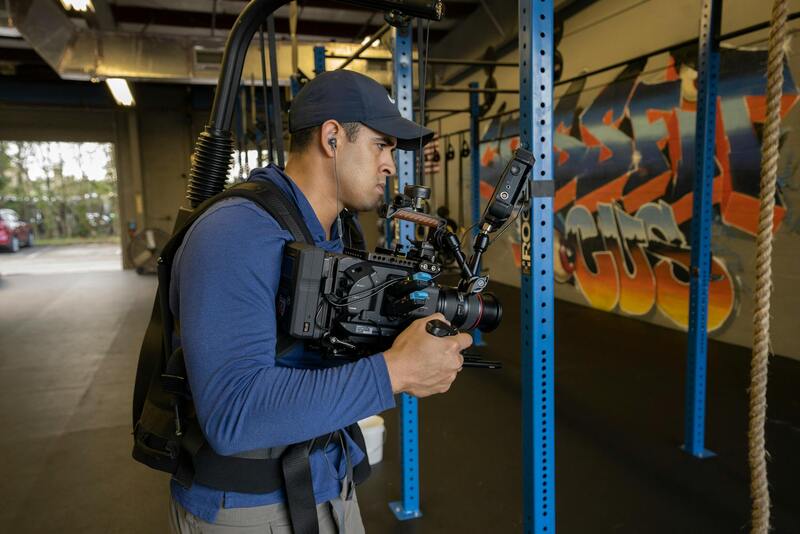
Ultimately, mastering lighting in real estate photography requires a blend of natural light utilization, professional equipment, and sophisticated post-processing. Proper lighting not only enhances the visual appeal but also builds trust, as prospective buyers perceive the property as well-maintained and inviting, increasing the likelihood of inquiries and viewings.
Techniques for Enhancing Realty Photos
To capture compelling real estate images, photographers often employ a combination of advanced techniques that elevate the quality and impact of the photos. High Dynamic Range (HDR) imaging is a primary example, which involves capturing multiple exposures of a scene to compile an image with balanced lighting and high detail in both shadowed and brightly lit areas. This technique is especially useful for interiors with large windows or contrasting light conditions, ensuring that every element within the space is visible and true to life.
Additionally, panoramic stitching allows for wide-angle views that encompass entire rooms or exterior landscapes, giving potential buyers a comprehensive perspective. Maintaining proper camera settings, such as appropriate aperture, ISO, and shutter speed, guarantees sharpness and clarity. Using tilt-shift lenses can also correct perspective distortions that often occur in architectural photography, presenting structures as accurately proportioned.
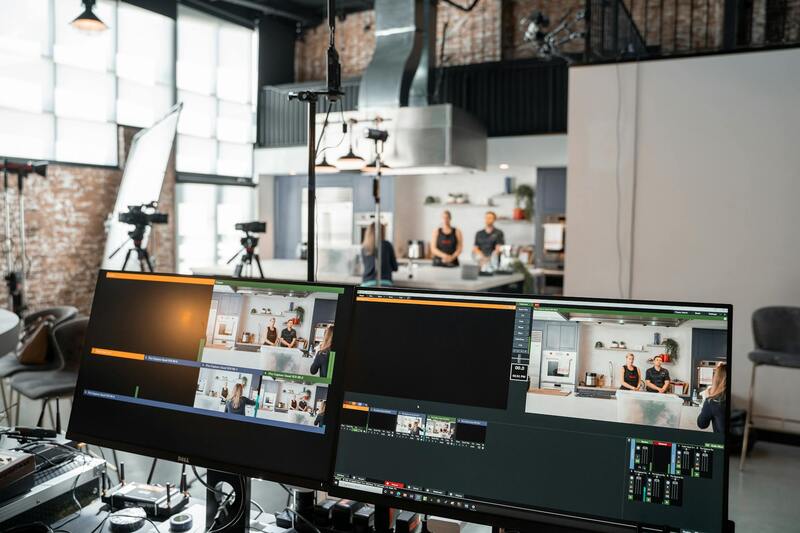
Incorporating drone photography provides aerial views that highlight a property's location and surrounding amenities. Drones can capture sweeping images of the landscaping, neighborhood, and nearby features, offering a perspective that ground-level photos cannot convey. This broader view attracts buyers who appreciate the property's context within the community, fostering a stronger emotional connection.
Furthermore, utilizing professional-grade editing software allows for meticulous adjustment of images after capture. Enhancing color vibrancy, correcting distortions, and refining details ensure that each photo accurately represents the property’s features. The goal is to produce images that not only attract attention but also maintain authenticity, fostering viewer trust and interest.
Incorporating Virtual Staging and 3D Tours
Beyond traditional photography, virtual staging and 3D tours are valuable tools in real estate marketing. Virtual staging involves digitally furnishing empty spaces to showcase potential layouts and design possibilities, helping buyers visualize living in the property without physical staging costs. 3D virtual tours provide interactive experiences, allowing viewers to navigate through the property at their own pace, gaining a realistic sense of space and flow from afar.

These enhancements are particularly effective in competitive markets like Miami, where showcasing the full potential of a property can set it apart. Combining high-quality photography with innovative visualization techniques ensures a compelling presentation that appeals to modern buyers accustomed to immersive online experiences. Proper application of these methods can significantly accelerate the sales process and increase the property’s visibility on various digital platforms.
Importance of Quality Realty Photos
Capturing high-quality real estate photos is fundamental to effective property marketing. These images serve as the first impression for potential buyers browsing online listings, making compelling visuals essential for capturing attention. Superior photography not only highlights the property’s best features but also communicates a sense of space, style, and lifestyle that attracts serious inquiries. When realty photos accurately depict the property’s interior and exterior, they foster trust and encourage viewers to take the next step in the buying process. Additionally, well-crafted images can elevate the perceived value of a property, positioning it more favorably in competitive markets such as Miami. Consistent use of professional-standard photography increases engagement across digital marketing channels and enhances the overall brand reputation for real estate agents and agencies.

Key Elements of Excellent Real Estate Photography
- Focus on Composition: Proper framing and perspective ensure that essential features of the property are highlighted. Symmetry, balanced lines, and strategic angles can make spaces appear more inviting and spacious.
- Use of Wide-Angle Lenses: Wide-angle photography captures more of a room in a single shot, providing a comprehensive view of interior spaces and helping buyers visualize room sizes accurately.
- Consistent Aesthetic: Maintaining a cohesive style throughout the listing creates a professional appearance. This includes uniform lighting, color balance, and editing standards.
- Accurate Color Representation: Colors should reflect the true hues of the property to avoid misleading potential buyers and ensure transparency in the listing details.
- Showcasing Unique Features: Highlighting architectural details, outdoor amenities, or upgraded fixtures can make a property stand out from competitors.
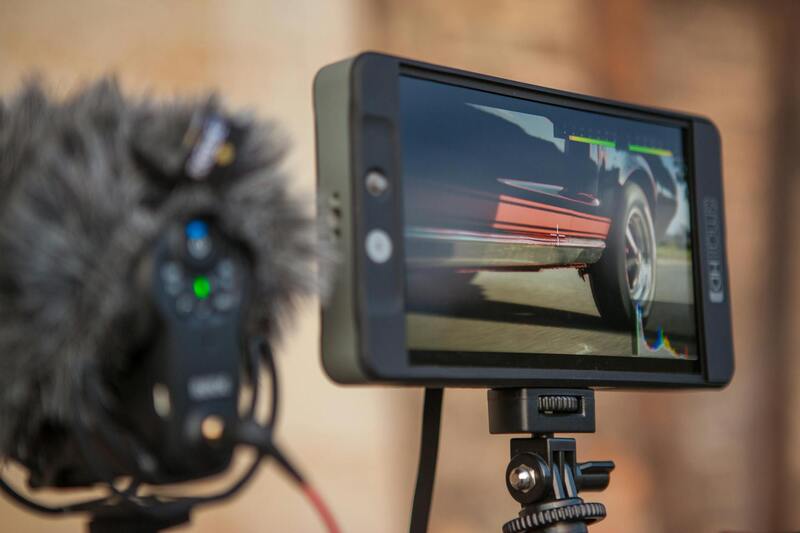
Photographic Equipment and Techniques
Using specialized equipment and advanced techniques elevates the quality of real estate photography. Professional-grade DSLR or mirrorless cameras with high-resolution sensors ensure crisp, detailed images. Tripods are essential for stability and consistency, especially in low-light conditions, allowing for longer exposures that reduce noise and enhance clarity. Additionally, lens selection influences the final outcome: wide-angle lenses enable expansive interior shots, while tilt-shift lenses help minimize distortion, maintaining straight lines on buildings or furniture.
Techniques such as HDR (High Dynamic Range) photography combine multiple exposures to capture detail in both shadowed and brightly lit areas, preventing overexposure or underexposure in individual images. Drone photography can also offer stunning aerial views, providing context and showcasing the property's surroundings from unique perspectives.
Importance of Proper Lighting
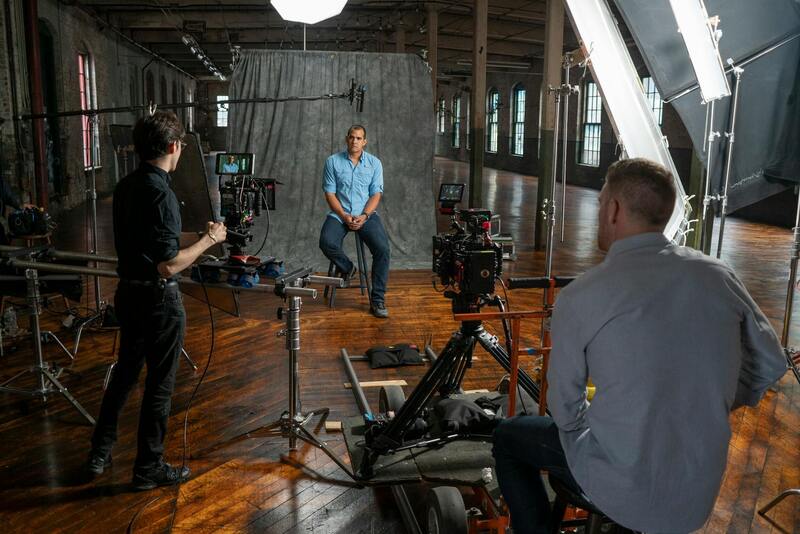
Lighting is arguably the most critical factor in real estate photography. Natural light enhances the warmth and appeal of interiors, making spaces look lively and inviting. Scheduling shoots during daylight hours, preferably when sunlight is abundant, can greatly improve image quality. Opening curtains and blinds ensures optimal light flow, eliminating shadows and dark corners.
Supplementing natural light with professional lighting equipment—such as softboxes, strobes, or LED panels—helps evenly illuminate rooms, especially in spaces with limited windows. Proper lighting not only improves visibility but also accurately depicts the colors and textures of surfaces and furnishings. Careful control of shadows and highlights prevents the images from appearing overly stark or flat, striking a balance that renders the space realistically and attractively.

Staging and Styling for Photographs
Staging involves arranging furniture and decor to showcase a property’s potential and help buyers envisage living there. Professional staging emphasizes the functionality and flow of interior spaces, highlighting their best features while minimizing flaws. Strategic styling adds visual interest through accessories, artwork, and color coordination, creating a cohesive and inviting atmosphere.
Proper staging also considers market trends and target demographics, adapting the style to resonate with prospective buyers. For example, modern, minimalist decor may appeal to younger audiences, while classic furnishings attract traditional buyers. De-cluttering and cleaning are essential preparatory steps that ensure the space appears pristine and emphasizes space over distractions.
Editing and Post-Processing
Post-processing is a crucial phase that refines raw images into polished marketing tools. Professional editing software facilitates color correction, perspective adjustment, and minor retouching to ensure the photo accurately reflects the property. Correcting distortions caused by wide-angle lenses helps maintain architectural integrity, while enhancing vibrancy ensures the images are eye-catching without appearing exaggerated.
Consistency in editing across all images within a listing creates a cohesive visual narrative. Removing distracting elements such as wires, clutter, or reflections further clarifies the focus on the property’s desirable features. The objective is to produce images that are striking and appealing, yet truthful representations that foster trustworthiness and authenticity in the listing.
Maximizing the Impact of Realty Photos in Marketing Campaigns
High-quality realty photos are an essential component of any effective real estate marketing strategy. When properly utilized, they can significantly increase a property's visibility across various platforms, attracting a broader pool of prospective buyers and accelerating the sales process. The strategic integration of these images enhances listing appeal and encourages engagement, making them a cornerstone for successful property promotion.
Integration of Realty Photos into Digital Listings
Listings that feature professionally captured images tend to generate higher interest and generate faster responses from potential buyers. When presenting a property online, placing the most compelling photographs at the forefront ensures immediate viewer engagement. These images should highlight key selling points, such as spacious living areas, modern kitchens, and appealing outdoor spaces, creating an inviting visual narrative that prompts viewers to inquire further.
Ensuring that the photos are optimized for various listing platforms's technical requirements, like resolution and aspect ratio, plays a critical role in maintaining visual consistency and quality. Furthermore, including a diverse set of images—interior, exterior, and unique features—offers a comprehensive view, allowing buyers to virtually experience the property before scheduling a visit.
Enhancing Digital and Social Media Campaigns
Quality real estate photos extend beyond traditional listings and are a powerful tool for digital marketing efforts. Posting high-resolution images on social media channels such as Instagram, Facebook, and LinkedIn helps reach targeted demographics more effectively. Visual content designed to evoke emotional responses boosts engagement rates, encourages sharing, and increases reach.

- Curate engaging visual stories by combining multiple images into slideshows or carousel posts.
- Use professional photos to create eye-catching advertisements and sponsored posts that target specific buyer segments.
- Incorporate virtual tours and 360-degree images, which have become increasingly popular, to provide immersive experiences that entice viewers to explore the property further.
Email and Direct Marketing
Incorporating high-quality images into email campaigns and direct outreach materials significantly boosts open and click-through rates. Professionally crafted photographs can communicate the property's unique features and ambiance more effectively than words alone. When curated thoughtfully, these visuals motivate recipients to arrange in-person visits or request additional information, thereby increasing lead generation.
Utilizing Realty Photos in Virtual and Augmented Reality Experiences
As technology advances, integrating professional images into virtual reality (VR) and augmented reality (AR) tools offers innovative ways to showcase properties. High-resolution, well-composed photos enable creating lifelike virtual tours that prospective buyers can explore remotely, expanding the reach to out-of-town or international clients.
Furthermore, ensuring these images are optimized for VR platforms enhances the immersive experience, making the virtual visit as engaging and realistic as a physical walk-through. This method not only attracts serious buyers but also filters out less committed prospects, allowing agents to focus their efforts on qualified leads.
Monitoring and Analyzing Performance Metrics
To maximize the return on investment for realty photos, it’s essential to track their performance within marketing campaigns. Analytical tools that measure engagement, click-through rates, and conversion can help determine which images resonate most effectively with target audiences. This feedback loop allows for continuous optimization, refining visual content and presentation strategies to achieve the best possible results.
Incorporating feedback from analytics, alongside professional photography, ensures that marketing efforts are data-driven and tailored to the preferences of prospective buyers, ultimately leading to increased inquiries, visits, and sales.