
Role and Importance of a Realty Photographer
In the competitive Miami real estate market, high-quality visual presentation is paramount for attracting potential buyers and tenants. A skilled realty photographer specializes in capturing the essence of a property through compelling images that highlight its unique features and interior charm. These professionals understand how lighting, angles, and staging influence perception, transforming ordinary listings into captivating visual stories that resonate with viewers.
Effective realty photography not only enhances online listings but also amplifies the property’s appeal across multiple platforms, including MLS, social media, and real estate websites like Miami Production Experts. By showcasing properties in their best light, a seasoned realty photographer significantly improves a listing’s visibility, leading to faster sales or rentals and often achieving higher market values.
Their role extends beyond just snapping images. They collaborate closely with real estate agents and property owners, advising on optimal times for shoots, interior staging, and image composition to ensure each property is presented in a way that appeals to prospective buyers. When property images are professionally crafted, they create an emotional connection that compels viewers to schedule visits or make offers swiftly.
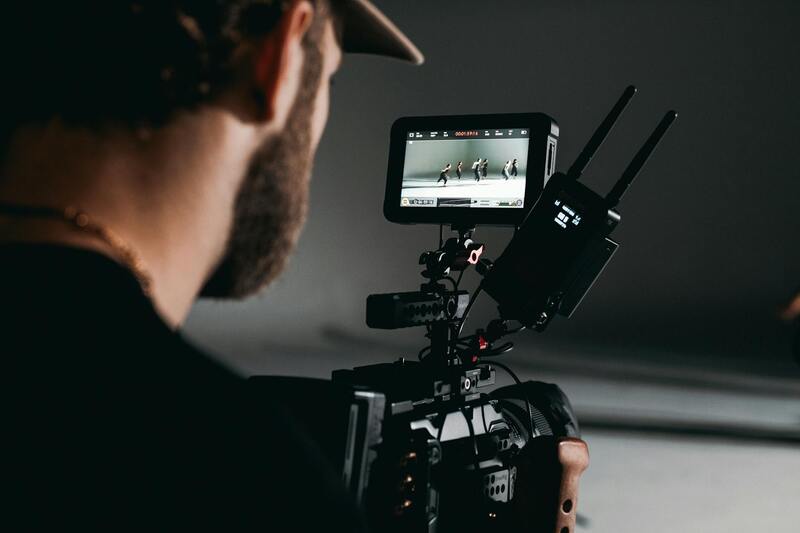
Moreover, in a market as vibrant and diverse as Miami, the visual presentation must reflect the locale’s unique aesthetic. A property’s natural lighting, architectural style, and interior design are accentuated by a professional photographer equipped with the right tools and expertise. This ensures that every listing stands out in a crowded marketplace, giving real estate agents a strategic advantage.
In summary, a realty photographer is a vital asset for real estate marketing in Miami. Their contribution directly influences the perception of a property and plays a crucial role in the overall success of a real estate transaction. High-quality imagery serves as a powerful marketing tool, helping listings reach the right audience more effectively and efficiently than amateur photography ever could.
Skills and Qualifications of a Realty Photographer
To excel as a professional realty photographer, several key skills and qualifications are essential. A deep understanding of camera equipment, lighting techniques, and post-processing software ensures that images are vivid, crisp, and accurately represent the property’s features. Expertise in wide-angle lens usage allows capturing expansive interior shots that highlight space, while knowledge of drone technology can offer stunning aerial views that elevate a listing’s appeal.
Beyond technical proficiency, a successful realty photographer must possess a keen eye for composition and staging. This involves understanding architectural lines, color harmony, and the importance of highlighting unique property features. They should also be adept at creating a welcoming atmosphere through strategic lighting and angles, making spaces feel inviting rather than sterile.
Experience in real estate photography is paramount, as it provides insight into what prospective buyers want to see. Familiarity with local Miami market trends and property styles ensures that imagery resonates with the target audience. Many top-tier realty photographers hold certifications in advanced photography or interior design, reflecting their commitment to quality and professionalism.
Soft skills such as effective communication and punctuality are equally important. Collaborative interaction with real estate agents, property owners, and staging professionals can significantly enhance the final results. A professional photographer’s reliability, combined with a portfolio demonstrating successful property shoots, solidifies their reputation as an expert capable of boosting property visibility through compelling imagery.
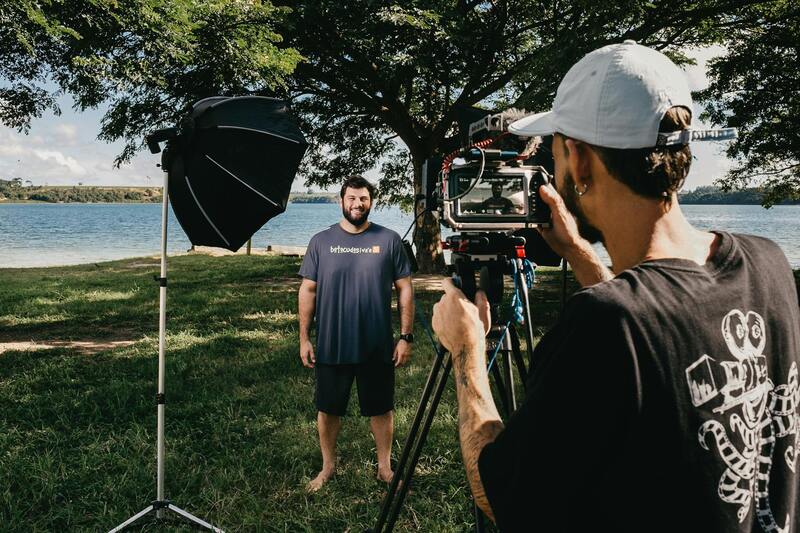
Moreover, continual learning and staying updated with industry innovations, such as 3D virtual tours or HDR imaging, are crucial for maintaining a competitive edge. Professional realty photographers often participate in workshops and industry seminars, refining their skills to meet evolving market demands.
Types of Photography Services Offered
In the competitive Miami real estate market, diverse photography services are essential for showcasing a property's unique features and appealing to a broad range of prospective buyers. A skilled realty photographer offers a variety of imaging options tailored to meet specific marketing goals and property characteristics.
Interior photography captures the carefully curated spaces within a home, emphasizing layout, natural light, and design details that resonate with buyers. Exterior shots highlight curb appeal and property surroundings, often using wide-angle lenses to convey the full scope of outdoor space and architectural appeal.
Drone photography and videography have become increasingly integral, providing aerial views that showcase large properties, landscape features, and proximity to Miami's vibrant cityscape or scenic coastlines. These images offer potential buyers a comprehensive understanding of the property's context within its environment.
Twilight or dusk photography creates dramatic and inviting visuals by capturing properties with sunset or evening lighting. This technique accentuates architectural features, enhances ambient lighting, and adds a captivating ambiance to listing presentations.
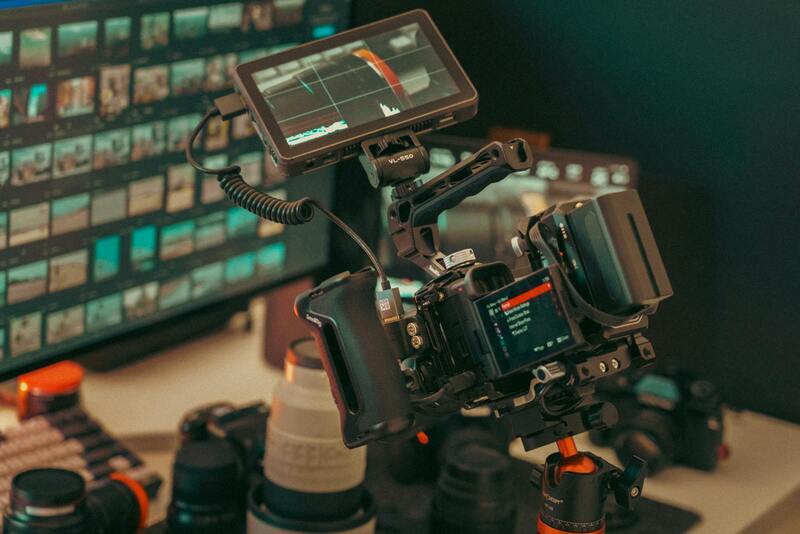
Combining these specialized services, a professional realty photographer ensures that every listing is visually compelling and tailored to highlight the property's strongest attributes, ultimately attracting more interest and accelerating the sales process.
Role and Importance of a Realty Photographer
A proficient realty photographer plays a critical role in shaping the visual narrative of a property. Their expertise extends beyond basic photography skills, encompassing a deep understanding of how to showcase a property's best features through compelling imagery. In the competitive Miami real estate market, where properties are often presented through online listings, high-quality photographs serve as the first impression and are pivotal in attracting potential buyers.
Effective realty photography not only captures the spatial layout and aesthetic appeal but also evokes an emotional response. A skilled photographer knows how to utilize lighting, angles, and composition to create images that make a property stand out. This ability to highlight key selling points—whether it’s the spaciousness of an interior, scenic outdoor views, or architectural details—can significantly influence a buyer’s interest and decision-making process.
Moreover, professional photography extends the reach of property marketing efforts by enabling listings to appear more prominent on search engines and real estate platforms. Listings with high-quality images tend to generate more clicks, increase engagement, and reduce the time a property stays on the market. Recognizing this, real estate agents and property owners increasingly invest in top-tier imagery to maximize exposure and accelerate sales cycles.
Skills and Qualifications of a Realty Photographer
- Proficiency in advanced camera techniques, including wide-angle and macro photography.
- Expertise in lighting, both natural and artificial, to enhance interior and exterior spaces.
- Knowledge of real estate marketing principles to craft images that target prospective buyers effectively.
- Understanding of post-processing software to retouch images for optimal clarity and color balance.
- Ability to operate drone equipment for aerial shots that showcase property size, landscape features, and surroundings.
- Experience with twilight photography to produce dramatic, inviting visuals during evening hours.
Many reputable realty photographers also hold certifications in photography or drone operation, further ensuring quality and safety standards. Their portfolio typically demonstrates versatility across different styles and property types, from luxury condominiums to expansive estates within Miami.
Types of Photography Services Offered
Diversified imagery enhances a property’s visual appeal across various platforms. The typical photography services include:
- Interior Photography: Emphasizes interior design, spatial flow, and natural light, capturing rooms from angles that appeal to prospective buyers.
- Exterior Photography: Focuses on curb appeal, architectural details, and landscape features using wide-angle lenses to depict property exteriors comprehensively.
- Drone Photography and Videography: Offers aerial perspectives that showcase property size, landscaping, and surrounding neighborhood features, especially effective for large or scenic properties.
- Twilight and Dusk Shots: Creates warm and inviting images by capturing properties during sunset or evening hours, which enhances architectural features and ambient lighting.
- Virtual Staging and 3D Renderings: Provides a visual preview of potential modifications or furnished spaces, enabling buyers to imagine their future home more vividly.
Each of these services requires specialized equipment and skills, reinforcing the importance of working with an experienced realty photographer familiar with Miami’s unique real estate landscape. Employing a comprehensive range of imaging techniques ensures listings resonate with potential buyers, ultimately facilitating faster sales.
Legal and Contract Considerations
When collaborating with a realty photographer in Miami, establishing clear contractual agreements is essential to safeguard both parties’ interests and streamline the photography process. A comprehensive contract should delineate the scope of work, including the number of images, coverage areas, types of shots, and delivery timelines, ensuring that expectations are aligned from the outset.
Additionally, the agreement should specify usage rights for the images. In real estate marketing, high-resolution photos are often used across multiple platforms such as MLS listings, brokerage websites, social media, and printed materials. Clarifying these rights prevents misunderstandings regarding image ownership and permitted uses.
Payment terms and conditions also need to be clearly outlined within the contract. This includes deposit requirements, payment schedules, and procedures for addressing additional services or revisions. Having a structured agreement minimizes potential disputes and promotes a smooth working relationship.
It is advisable to include clauses related to confidentiality and data protection, especially considering the sensitive nature of real estate information. Ensuring the protection of client and property details maintains professionalism and compliance with industry standards.
Finally, verifying that the photographer adheres to local zoning regulations and respects property access requirements is vital. Some properties may have specific access protocols or restrictions on drone usage and nighttime photography, which should be discussed and documented beforehand to avoid legal complications or delays.
Legal and Contract Considerations for Realty Photography in Miami
Securing a clear, detailed agreement with your chosen realty photographer is an essential step in ensuring a smooth and transparent collaboration. The contract should comprehensively define the scope of work, including the number and types of shots, areas to be covered, and specific project delivery timelines. Clearly articulated expectations help prevent misunderstandings and facilitate a streamlined process from initial booking to final image delivery.
Ownership rights and usage permissions of the photographs must be explicitly stated. Since high-resolution images are vital for various marketing channels within the real estate industry, the agreement should specify whether the client has perpetual, royalty-free rights to use the images across MLS listings, brokerage websites, social media platforms, or print advertising. This clarity safeguards both parties and ensures proper utilization of the images in line with the property's marketing strategy.
Financial arrangements, including deposit requirements, payment schedules, and policies for additional services or revisions, are crucial components of the contract. A well-structured agreement minimizes potential disputes by setting clear expectations for payment terms from the outset.
Protection of sensitive information and property specifics is another vital aspect to consider. Including confidentiality clauses in the contract ensures that client and property details are responsibly handled, which is especially important given the private nature of real estate transactions.
Additionally, local regulations in Miami often impose specific access and operational protocols. Photographers should verify compliance with zoning laws, property access restrictions, and guidelines regarding drone use or overnight shoots. Discussing these requirements beforehand and documenting them in the contract prevents legal complications, delays, or disruptions during the photography process.
Role and Importance of a Realty Photographer
In the competitive Miami real estate landscape, the role of a professional realty photographer extends beyond simply capturing images of a property. These specialists are instrumental in crafting a visual narrative that highlights each listing's unique features, attributes, and potential. High-quality imagery can dramatically influence a prospective buyer’s first impression, increasing the likelihood of inquiries and showings. A skilled realty photographer understands how to utilize lighting, angles, and composition to present properties in their best light, both literally and figuratively.
Furthermore, real estate photography directly affects the online visibility of listings. In an era where most buyers start their search online, compelling visuals are essential to stand out amidst numerous competitors. Effective imagery not only captures attention on MLS platforms but also enhances social media engagement, leading to increased traffic to the listing and higher chances of a quick sale. Real estate professionals recognize that investing in high-caliber visual content can yield substantial returns, both in terms of speed and sale price.
Professionally captured images also support marketing campaigns across various channels, from brokerage websites to print advertisements. Clear, sharp, and well-composed photographs help establish credibility and trustworthiness, reinforcing the reputation of both the listing agent and the property owner.
Skills and Qualifications of a Realty Photographer
An adept realty photographer possesses a blend of technical expertise and creative vision. Their skill set includes proficiency in advanced摄影 equipment, including DSLR or mirrorless cameras, wide-angle lenses, drones, and lighting tools. Knowledge of HDR (High Dynamic Range) imaging and post-processing software enhances image quality by balancing exposure and removing blemishes or distractions.
Beyond technical ability, a top-tier realtor photographer is familiar with the nuances of real estate staging and interior design. They understand how to highlight room dimensions, architectural details, and property features to evoke emotion and appeal. Attention to detail is crucial; small adjustments in perspective or lighting can significantly improve an image’s impact.
Qualifications often include certification in real estate or architectural photography, along with ongoing education to stay current with emerging trends and technologies. Many professionals in Miami also integrate virtual staging, 3D tours, and drone photography into their skill repertoire, offering comprehensive presentation options aligned with client needs.
Types of Photography Services Offered
- Interior Photography: Captures the layout, space, and ambiance of the property’s interior, emphasizing key rooms such as living areas, kitchens, and bedrooms.
- Exterior Photography: Showcases the property's facade, landscaping, driveways, and surrounding environment, crucial for first impressions.
- Drone/Aerial Photography: Provides stunning overhead shots of larger properties, estates, or properties with unique geographical features, especially advantageous in scenic Miami areas.
- Virtual Tours and 3D Imaging: Offers immersive experiences allowing potential buyers to explore the property remotely, increasing engagement and interest.
- Night Photography: Highlights properties with special evening lighting, creating inviting visuals for certain listings or luxury estates.
- Aquatic and Coastal Photography: Especially pertinent in Miami, capturing waterfront properties with vivid sunrise/sunset or water reflection shots.
How to Choose the Right Realty Photographer in Miami
Selecting the appropriate professional is essential for maximizing a listing’s market potential. The process begins with reviewing the photographer’s portfolio to assess their style, quality, and experience with similar properties. Analyzing their previous work in Miami offers insights into their familiarity with local aesthetics, lighting conditions, and architectural styles.
Experience in real estate is a strong indicator of ability to meet deadlines, adapt to various property types, and understand the industry's marketing nuances. Customer testimonials and references provide additional assurance of professionalism and reliability. Clear communication skills are vital to ensure that client expectations are fully understood and met throughout the project.
It's advisable to verify the photographer’s familiarity with legal regulations, especially when employing drone photography or night shoots. Availability and flexibility to accommodate property showings, walk-throughs, and timely delivery of images are also important factors to consider.
Factors Impacting Photography Costs
Several elements influence the pricing of real estate photography services in Miami. The scope of the project, including the number of images required, type of photography (aerial, interior, virtual tours), and property size, are primary factors. Larger or more complex properties demand additional time and equipment, naturally increasing costs.
Quality of equipment and post-processing services contribute significantly to the final price. Photographers employing high-end cameras, drones, and professional editing software generally charge more, reflecting the enhanced quality and detail of their work.
Experience and reputation also affect rates. Seasonality plays a role; during peak real estate seasons, prices may fluctuate, and booking in advance could be advantageous. Additionally, quick turnaround requests or special services like night shoots or virtual staging are typically priced separately, offering flexibility based on marketing budgets and specific listing needs.
Legal and Contract Considerations
Engaging a qualified realty photographer in Miami necessitates clear and comprehensive contractual agreements. These agreements should delineate the scope of work, specifying the number and type of images, preferred editing style, delivery timelines, and usage rights. Such clarity ensures mutual understanding and sets realistic expectations for both parties, minimizing potential misunderstandings.
Proper documentation also covers terms related to property access, especially when scheduling shoots that require specific timing or conditions. Photographers often need to coordinate with homeowners, property managers, or listings agents to ensure seamless access without disrupting showings or inspections.
Additionally, agreements typically include clauses for revisions and re-shoots if initial results do not meet agreed standards. Clearly defining these parameters prevents disputes and fosters a professional working relationship. When working with specialized equipment, such as drones or 360-degree virtual tour setups, contractual clauses should specify compliance with local regulations and jurisdiction requirements.
Finally, securing the right licensing for the usage of images is vital. Clarifying whether photos are for exclusive use or multi-platform distribution protects both the photographer’s rights and the property owner’s marketing endeavors. A well-structured contract also facilitates smooth project management and protects against unforeseen legal complications.
Choosing a photographer who values these legal aspects and provides transparent, detailed agreements ensures a smooth collaboration and optimal visual representation of Miami-area properties.