
Importance of Professional Realtor Photos
In today’s competitive real estate market, the quality of visual content presented online can significantly influence a property’s success. High-quality realtor photos serve as the first point of contact between potential buyers and a listing, making a strong visual impression that can determine whether a prospective buyer proceeds to schedule a viewing or scroll past. Professional imagery captures the true essence and spatial dynamics of a property, highlighting its best features with clarity and appeal.
Effective realtor photos enhance the online listing’s visibility by aligning with search engine algorithms that favor high-resolution, well-composed images. Listings with professional photographs statistically garner more clicks, inquiries, and viewings, translating into faster sales and often higher sale prices. Furthermore, well-crafted images bolster the branding of real estate agents and agencies. They convey expertise, attention to detail, and a commitment to quality service, differentiating a realtor in a saturated marketplace.
Investing in professional photography demonstrates an understanding of modern marketing strategies, where digital presence is paramount. It helps build trust with potential clients who seek reliable and visually appealing representations of properties. By consistently utilizing high-quality images, realtors establish a reputation for professionalism and attention to detail, ultimately driving more engagement and successful transactions.
Preparing for a Realtor Photoshoot
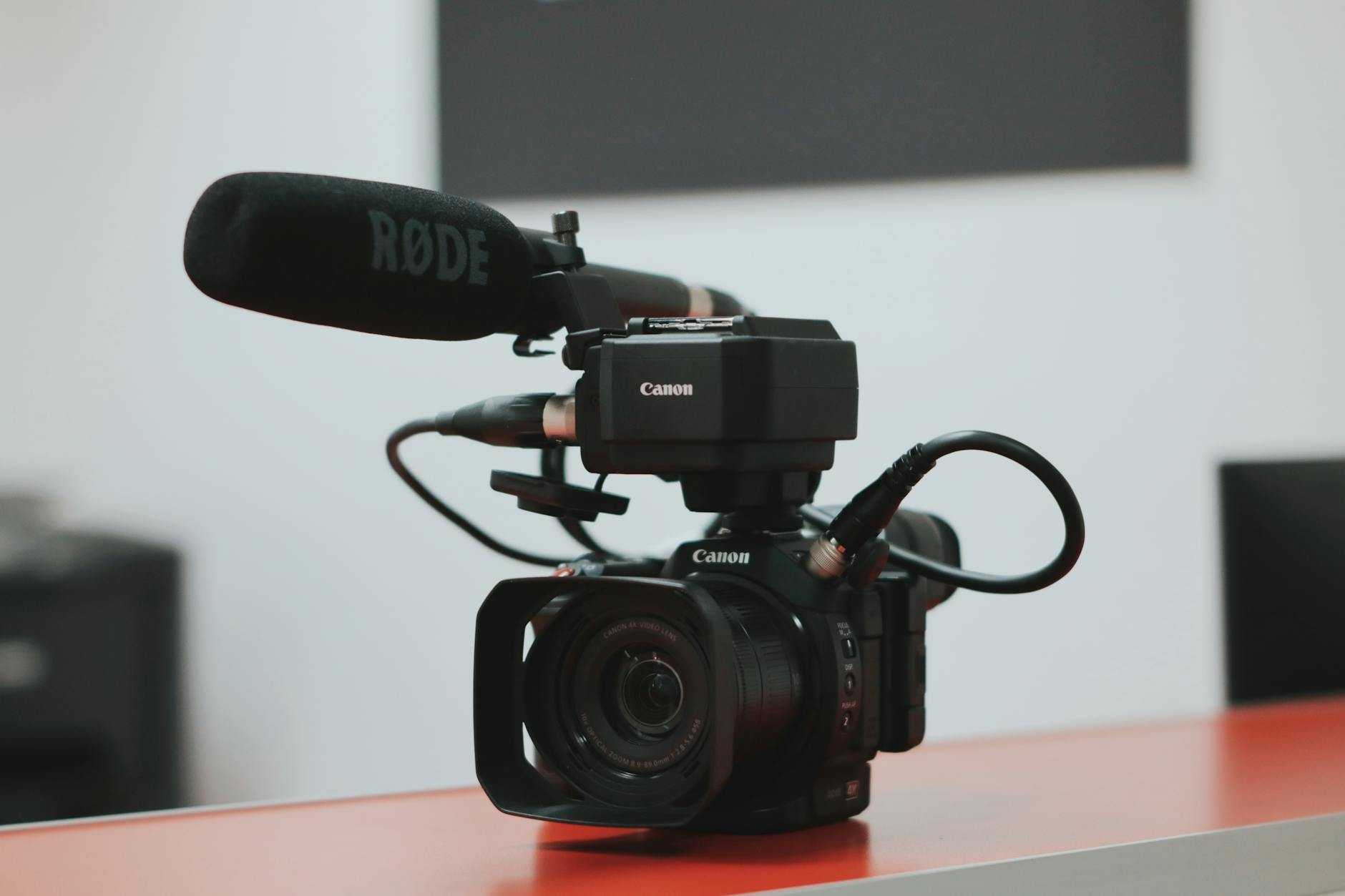
Preparing a property meticulously before a realtor photoshoot is crucial to ensure the results meet professional standards. Decluttering and deep cleaning are fundamental steps that eliminate distractions and create a clean, inviting environment. Small details, such as polished surfaces, organized spaces, and well-arranged furniture, contribute to a polished look that resonates in high-resolution images.
It's essential to communicate with the photographer to understand any specific requirements or suggestions. Adequate lighting, both natural and artificial, must be arranged to highlight each room’s features. Ensuring windows are unobstructed and curtains are open maximizes natural light, which enhances the brightness and warmth of the photos. Additionally, removing personal items and excessive decor helps focus attention on the property itself, making the space more appealing to prospective buyers.
Choosing the Right Photographer and Studio
Selecting a skilled photographer with experience in real estate imagery is fundamental to capturing the property’s best angles and details. Look for professionals with a portfolio that demonstrates proficiency in architecture and interior photography. A photographer who specializes in real estate understands how to utilize camera equipment, lighting, and angles to create compelling images that accurately represent the property.
Many top-tier photographers operate studios equipped with advanced technology, including wide-angle lenses and professional lighting setups, which are essential for capturing spacious, well-lit photos. A dedicated studio environment often offers controlled conditions that guarantee consistent results, even in less-than-ideal lighting scenarios. Collaboration with a photographer who understands market trends and visual storytelling will ensure your listing stands out effectively.
Styling and Staging the Property
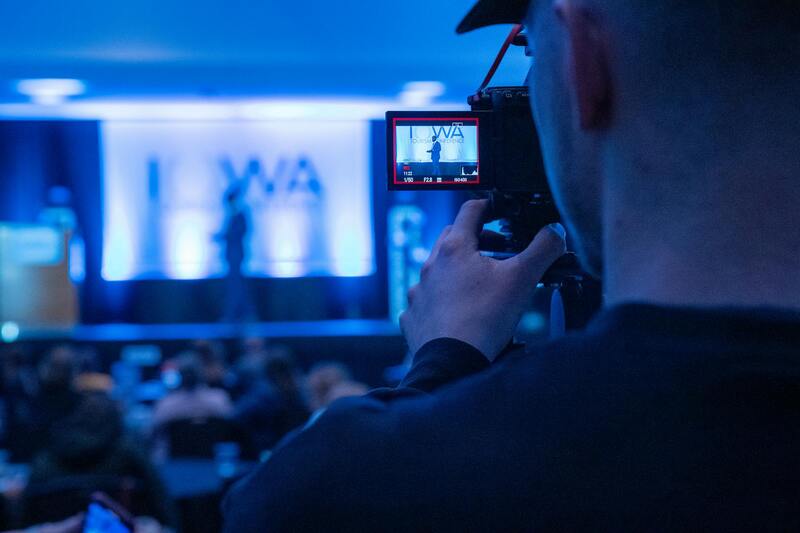
Effective styling and staging are critical components in achieving high-quality realtor photos. A well-staged property enables prospective buyers to visualize the potential of each space, creating an inviting atmosphere that resonates in photographs. Proper staging involves arranging furniture and decorative elements to highlight the room’s purpose, maximize space, and enhance focal points, all while maintaining a balance that avoids overcrowding.
Professional stagers often utilize neutral color palettes and minimal accessories to appeal to a broad audience. Strategically placement of artwork, rugs, and lighting fixtures can draw attention to architectural features and create visual interest. It is important to consider the flow of each room, ensuring pathways are clear and spaces feel open. Fresh flowers, clean linens, and well-placed textiles contribute to a warm and welcoming ambiance that translates effectively through images.
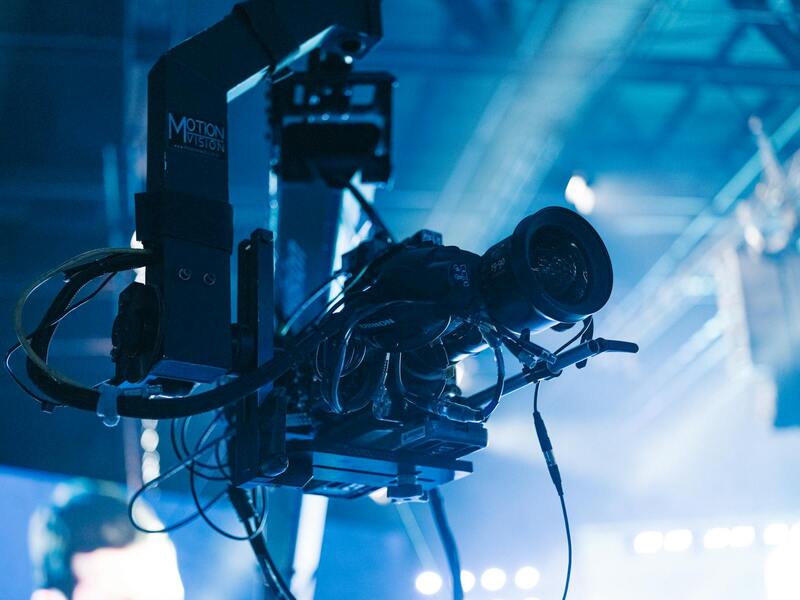
Decluttering is an essential step before the photoshoot. Clear surfaces, remove personal belongings, and minimize decorative clutter to allow the property’s architecture and features to shine. Small adjustments, such as repositioning furniture for better light exposure or adding mirrors to enhance natural brightness, can significantly improve the overall look.
Investing in professional styling ensures that each room looks its best, creating an atmosphere that resonates with potential buyers. Combining strategic staging with expert photography techniques results in compelling images that elevate the property's market presence and attract more interested parties.
Types of Shots and Angles
Capturing a variety of shots and angles provides a comprehensive visual story of the property. Wide-angle lenses are essential for showcasing spaciousness, making rooms appear larger and more open. The most effective images include:
- Exterior shots: Front, rear, and aerial perspectives to highlight curb appeal and property layout.
- Main living areas: Wide shots that encompass the whole room, emphasizing size and purpose.
- Detail shots: Close-ups of architectural features, fixtures, and upgrades that add value.
- Unique angles: Creative perspectives that showcase special features like fireplaces, vaulted ceilings, or scenic views.

The choice of angles should be deliberate, aiming to highlight the property’s best features while minimizing distractions. Shooting during optimal daylight hours, typically late morning or early afternoon, ensures rooms are well-lit and vibrant. Drone photography and 360-degree virtual tours are additional tools that can provide immersive views, expanding the property's online appeal.
Collaborating with a professional photographer well-versed in real estate imagery ensures strategic shot selection. Their expertise helps create a balanced portfolio of images that effectively communicates the property’s unique qualities, capturing prospective buyers’ attention from the first glance.
Choosing the Right Photographer and Studio
Selecting an experienced photographer who specializes in real estate imagery is a crucial step in ensuring high-quality realtor photos. A skilled professional understands the nuances of lighting, composition, and timing that bring out the property's best features. When evaluating potential photographers or studios, consider their portfolio, focusing on their previous real estate projects. An extensive portfolio indicates familiarity with diverse property types and styles, enabling them to adapt to unique spaces.
Opt for a photographer who employs advanced equipment, such as high-resolution digital cameras, wide-angle lenses, and professional lighting setups. These tools are essential for capturing crisp, well-lit images that highlight the property's attributes effectively. Additionally, a photographer with experience in drone and aerial photography can add significant value, providing views that establish context and showcase the property's surroundings.
Partnering with a Miami-based production agency offers distinct advantages. Local agencies possess in-depth knowledge of the area's market trends and stylistic preferences, allowing them to craft images that resonate with regional buyers. Their familiarity with local lighting conditions and property styles ensures cohesive, visually appealing results.
A professional agency also provides comprehensive services, from pre-shoot consultations and property preparation guidance to post-shoot editing. This integrated approach streamlines the process, guaranteeing efficient scheduling and consistent quality. Furthermore, working with a trusted local studio enhances communication, enabling real-time adjustments and detailed planning to align the shoot with marketing goals.
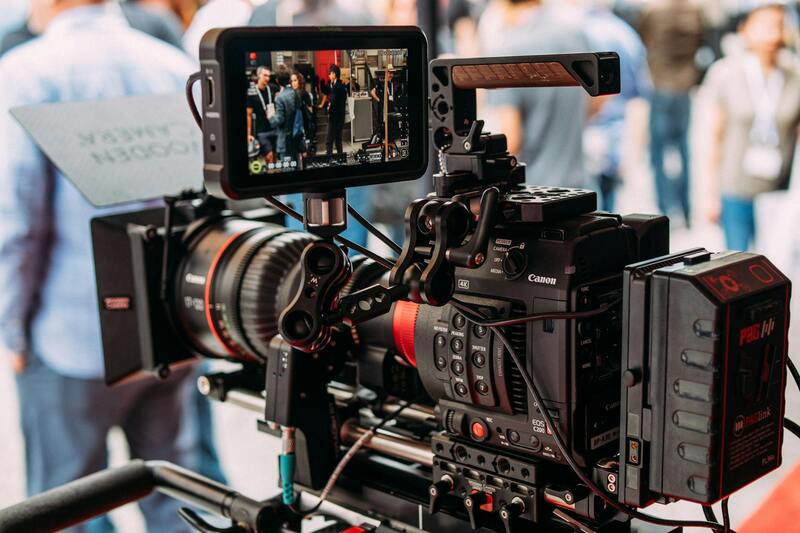
Ultimately, investing in a reputable photographer or studio is an investment in the property's online presence, attracting more prospective buyers and facilitating quicker sales. Their expertise ensures that every shot highlights the property's strengths, creating a compelling visual narrative that stands out in a competitive market.
Optimal Techniques for Capturing Realtor Photos
Capturing high-quality realtor photos extends beyond just having a good camera; it involves employing strategic techniques that highlight the property’s best features and create visually compelling images. Skilled photographers utilize a combination of equipment, composition, and lighting adjustments to achieve this goal. For instance, wide-angle lenses are often employed to make rooms appear more spacious and inviting, giving potential buyers a better sense of scale and layout. Proper use of natural light, supplemented with professional lighting equipment, ensures images are bright, clear, and true-to-life, reducing shadows and enhancing details.
Furthermore, photographers often incorporate specific angles to emphasize key selling points, such as accentuating high ceilings, showcasing open floor plans, or highlighting unique architectural features. Vertical shots for interiors help maintain a natural perspective, while eye-level angles create a viewer experience that feels relatable and inviting. For exterior shots, drones or aerial photography can provide breathtaking views of the property and its surrounding landscape, establishing context and emphasizing the property’s location advantages.
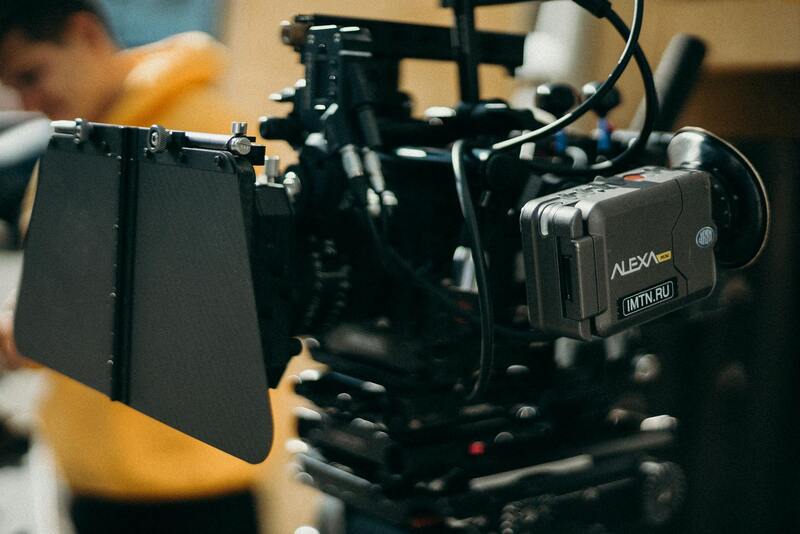
Post-processing plays a critical role in the final presentation of realtor photos. High-resolution images undergo meticulous editing to correct color imbalances, enhance lighting, and remove minor imperfections. The goal is to retain the natural authenticity of the property while ensuring the images are vibrant and engaging. Techniques such as exposure adjustments, sharpening, and noise reduction improve overall clarity, making each shot more impactful. For properties with intricate details or unique features, editors carefully enhance these focal points to draw viewers’ attention without overdoing the edits.
To maximize the benefits of a realtor photoshoot, it is essential to plan the shoot strategically. Identifying key areas that need emphasis, preparing the property to appear tidy and welcoming, and communicating specific aesthetic preferences with the photographer all contribute to creating a suite of images capable of captivating prospective buyers. When executed with professional precision, these images serve as powerful marketing tools that can elevate a property’s online presence and generate greater interest.
Understanding the Core Types of Shots and Angles in Realtor Photoshoots
To craft a compelling visual narrative of a property, it is imperative to utilize a diverse array of shot types and angles. Each serves a strategic purpose in highlighting the property's best features, creating a holistic view that appeals to potential buyers. These include wide-angle exterior shots that capture the full scope of the property and its surroundings, providing viewers with a sense of scale and context. Interior panoramas offer expansive views of living spaces, emphasizing room size, layout, and natural lighting, which helps potential buyers imagine themselves living in the environment. Detail shots are equally critical—they focus on unique architectural elements, high-end finishes, or attractive fixtures that set the property apart, adding depth and richness to the visual story.
Incorporating varied angles within each shot type further enhances the visual appeal. For example, slightly elevated perspectives or diagonal angles can add dynamic interest and depth. Low angles can emphasize grandeur, while eye-level shots create a sense of familiarity and comfort. Exterior shots taken at different times of day—such as during the golden hour—can dramatically enhance the property's curb appeal, emphasizing landscaping and architectural details under natural light conditions.
These techniques contribute to a comprehensive, multi-dimensional presentation that captures the property's essence from every perspective. Sellers and agents should work closely with the photographer to plan which shots are most important, ensuring that each angle highlights specific features or benefits that resonate with the target market. When properly orchestrated, a strategic mixture of shot types and angles creates an engaging visual portfolio capable of attracting a broad audience and compelling interest.
Ensuring Visual Consistency and High-Quality Output
Achieving outstanding realtor photos hinges not just on capturing stunning images but also on maintaining a consistent visual narrative across all shots. Consistency in lighting, color tone, and composition reinforces the property’s appeal and helps create a seamless viewing experience for potential buyers. Professional photographers employ advanced techniques and high-end equipment to ensure that every image reflects the property’s unique features accurately and attractively.
Investing in equipment such as high-resolution cameras, wide-angle lenses, and professional lighting kits allows photographers to highlight the property's best aspects, from spacious interiors to intricate architectural details. Using consistent camera settings throughout the shoot helps to avoid discrepancies in exposure and color temperature, resulting in cohesive image series that portray the property in the best possible light.
Optimizing Lighting and Composition for Best Results
Lighting plays a pivotal role in realtor photography. Natural light is preferred whenever possible, as it naturally enhances interior spaces, making rooms appear brighter and more inviting. Photographers often schedule shoots during times of day when natural light is abundant, such as late morning or late afternoon, to exploit the soft, warm glow of sunlight.
Complementary artificial lighting can be used to fill shadows and ensure even illumination, especially in interiors with limited natural light. Creative composition, including the use of leading lines, framing, and proper horizon placement, guides viewers' attention to the property's most compelling features. Dynamic angles, such as slightly elevated or diagonal shots, add depth and interest, making spaces appear larger and more engaging.
Maintaining Professional Standards in Quality and Technical Aspects
Professional realtor photos are distinguished by sharp focus, accurate color rendition, and minimal distortion. Skilled editors correct minor imperfections, adjust contrast and brightness, and remove distracting elements, presenting a polished and appealing visual portfolio. High-quality images not only attract more interest but also establish credibility and trustworthiness with prospective clients.
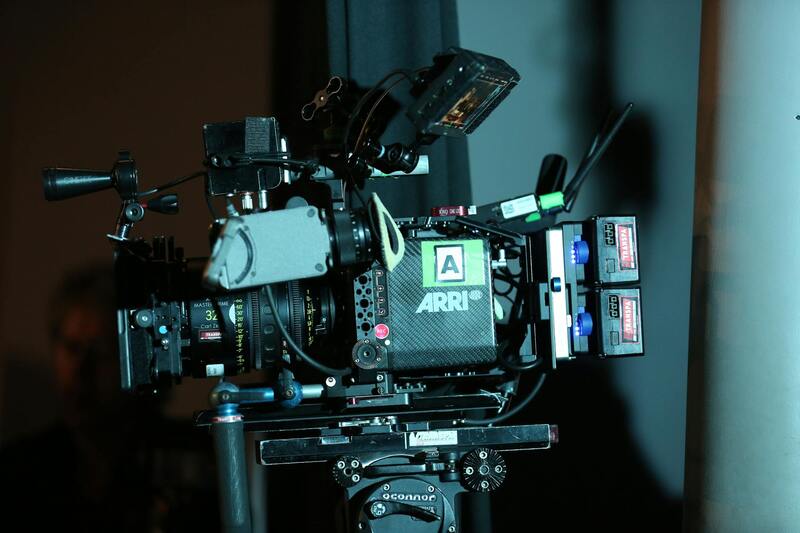
Capturing the Perfect Image: Focus on Post-Production and Photo Editing
Post-production and editing are crucial elements in transforming raw property images into visually compelling visuals that resonate with potential buyers. While capturing high-quality photos on-site lays the foundation, the editing process refines and enhances those images to achieve a polished, professional appearance that accurately represents the property’s best features.
Editors focus on correcting color balance to ensure that hues appear natural and vibrant without oversaturation. Adjustments to contrast, brightness, and sharpness help create images that are lively and clear, inviting viewers to imagine themselves within the space. Removing minor distractions, such as dust spots, reflections, or extraneous objects, is essential to maintain an uncluttered, appealing scene.
Furthermore, perspective correction and distortion adjustments are often necessary, especially in wide-angle shots that sometimes produce fisheye effects or converging lines. Skilled editing software can straighten lines, make vertical surfaces appear true to life, and ensure that the image dimensions accurately reflect the real property. This attention to detail preserves credibility and fosters trust with prospective clients.
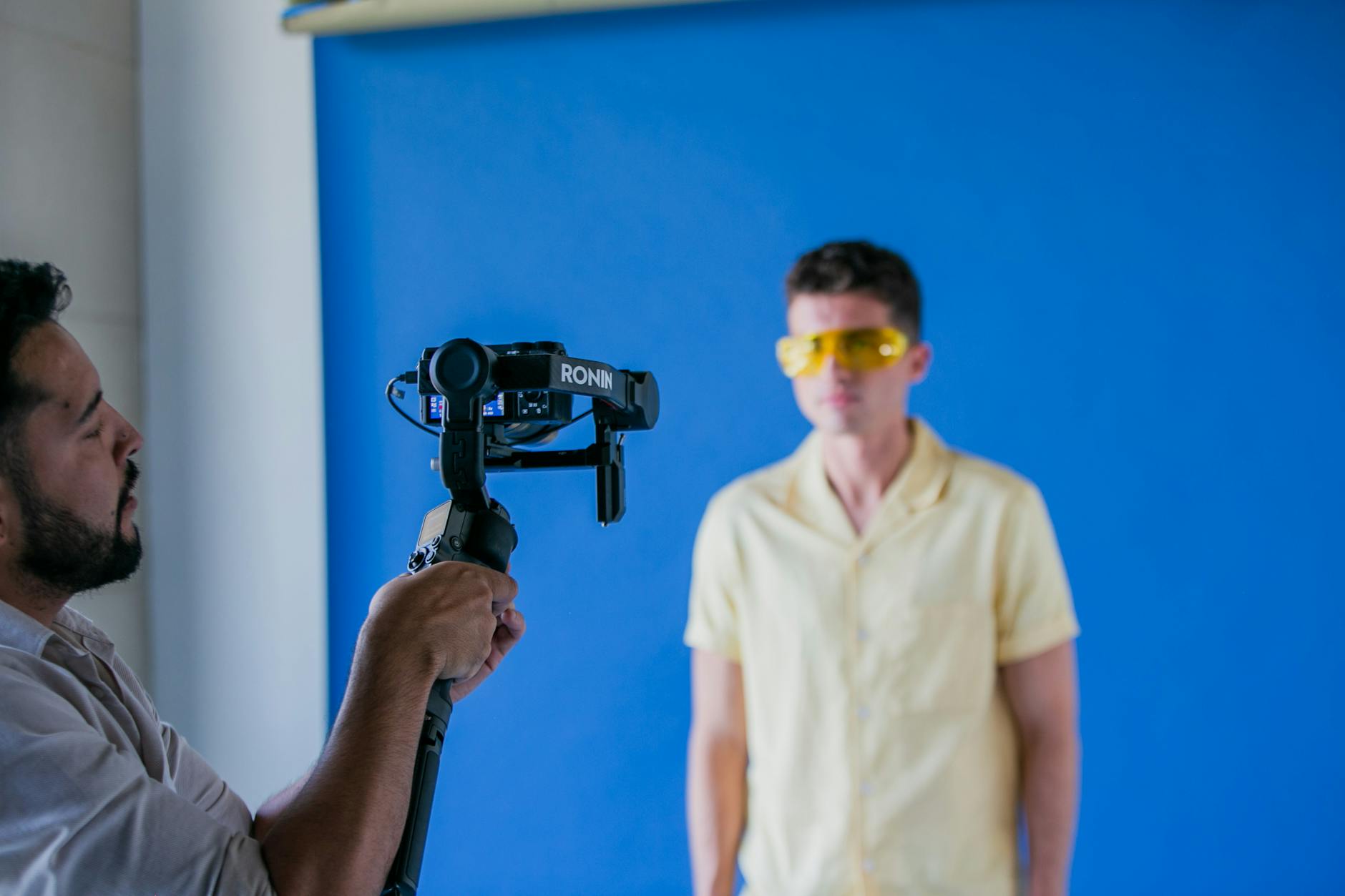
Selective enhancements—such as brightening a dim corner or emphasizing natural light—can be used judiciously to highlight features that might otherwise be overlooked. It is vital to maintain authenticity during editing to uphold the integrity of the property’s presentation. Over-editing can mislead viewers and damage credibility, so a balanced approach is necessary to present an attractive yet truthful representation of the property.
Consistent adjustments across an entire set of images contribute to a cohesive visual story. Uniform lighting adjustments, color grading, and perspective corrections create harmony amongst photos, reinforcing the professional quality of the marketing materials. These enhanced images then serve as a powerful tool in digital and print marketing efforts, attracting more interest and generating engagement from prospective buyers.
When working with seasoned photographers and editors, real estate professionals benefit from expertise that ensures every shot aligns with the overall marketing strategy. This attention to detail not only boosts the property's appeal but also solidifies the professional image of the realtor or agency involved.
Final Considerations for a Successful Realtor Photoshoot
Maximizing the impact of realtor photos extends beyond the camera and into strategic planning and execution. One critical aspect often overlooked is the adherence to a detailed schedule that aligns with listing deadlines. Early planning ensures ample time for pre-shoot preparations, professional photography, and subsequent edits, safeguarding against last-minute stress and rushed outputs.
When scheduling a realtor photoshoot, aim for optimal natural lighting windows, typically early morning or late afternoon, to capture warm, inviting images. Consistently, the chosen time should minimize shadows and ensure uniform lighting across all shots, creating a cohesive visual story. Weather considerations are also essential; clear days provide ideal conditions, avoiding overcast skies that may dull colors and textures.
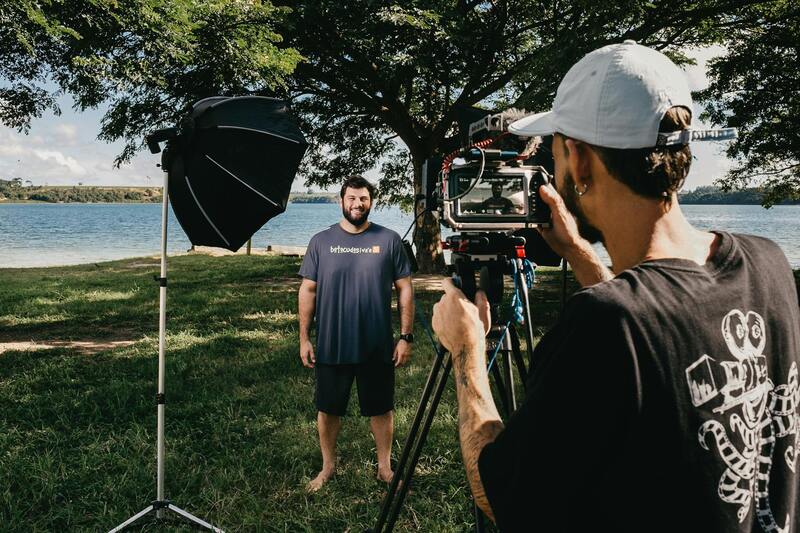
Cost management involves understanding the scope of the project, including the number of images, locations, and specific stylistic requirements. Transparent communication with your photographer about your budget helps identify optimal packages that deliver quality visuals without exceeding financial parameters. Consider bundling sessions or opting for packages that include post-production services, which can often be more cost-effective and streamline the workflow.
Ensuring timely delivery of the images is crucial for maintaining marketing momentum. Establish clear deadlines with your photographer and editor, and incorporate buffer time for unforeseen adjustments. Digital turnaround times can vary depending on the complexity of edits, so leveraging experienced professionals with efficient workflows can shorten this process significantly.
Implementing a well-structured project timeline—from pre-shoot preparations and scheduling to post-production and final delivery—ensures that marketing campaigns launch seamlessly. This comprehensive approach can make the difference between a property that sells swiftly and one that languishes on the market.
Effective communication and meticulous planning form the backbone of a successful realtor photoshoot. By setting realistic budgets, scheduling during prime lighting conditions, and establishing clear expectations for delivery times, real estate professionals can produce compelling visual content that resonates with prospective buyers and enhances overall marketing efforts.