
Importance of High-Quality Realtor Photos
In the dynamic and competitive Miami real estate landscape, the visual presentation of a property holds significant weight in attracting potential buyers and facilitating faster sales. High-quality realtor photos serve as the digital first impression, capturing the essence of a property’s unique features, architectural style, and atmosphere. When buyers browse online listings, captivating imagery can evoke emotional responses and generate interest, encouraging them to schedule viewings. In a market characterized by diverse architectural styles—from modern high-rise condos to historic Spanish-style homes—professional photography ensures that each property’s distinct appeal is accurately conveyed, making it stand out amidst numerous listings.
Effective real estate photographs not only increase visibility but also help establish credibility and trustworthiness for the realtor or agency. Professional imagery demonstrates a commitment to quality, suggesting that the property is well-maintained and worth immediate consideration. Moreover, with the increasing reliance on online platforms and mobile browsing, high-resolution images optimized for various devices significantly enhance user experience, leading to more inquiries and scheduled appointments.
In Miami, where climate and scenery play pivotal roles in setting the scene, high-quality photos can beautifully showcase sunlit beaches, lush landscapes, and vibrant cityscapes that appeal to both local and international buyers. Ensuring that photos reflect the property’s true potential can dramatically influence the perception of value and desirability, ultimately shortening the sales cycle and maximizing return on investment for sellers.
Key Elements of Successful Realtor Photos
- Lighting: Proper lighting is essential for showcasing a property’s best features. Natural light, complemented by professional lighting equipment, minimizes shadows and highlights space and details.
- Composition: Thoughtful framing, balance, and perspective help create visually appealing images that draw viewers into the space.
- Staging: Clean, clutter-free, and well-staged interiors accentuate the property’s potential, making rooms appear more inviting and spacious.
- Detail Shots: Close-ups of unique features, high-end finishes, and attractive design elements provide potential buyers with a comprehensive view of the property.
- Proper Editing: Post-processing enhances images without misrepresenting the property, ensuring color accuracy and clarity.
Choosing the Right Equipment and Techniques
To produce professional-quality realtor photos, selecting appropriate equipment is crucial. High-resolution DSLR or mirrorless cameras equipped with wide-angle lenses are preferred for capturing expansive interiors and exteriors. Tripods ensure stability and consistency across shots, especially in low-light conditions or indoor settings. Additionally, employing techniques such as HDR (High Dynamic Range) imaging allows blending multiple exposures to accurately represent both bright and shadowed areas, resulting in visually balanced photographs.
Utilizing drone photography is increasingly popular for capturing striking aerial views of Miami properties, especially waterfront homes and large estates. These images provide prospective buyers with a comprehensive perspective of the property’s surroundings and landscape.
Staging and Preparing Properties for Photos
Proper preparation of a property before photography is fundamental. Clear clutter, depersonalize spaces, and arrange furniture to maximize functionality and flow. Enhancing curb appeal with fresh landscaping, strategic lighting, and tidied exteriors can transform a property’s first impression. Ensuring all lights are functioning and opening blinds to let in natural light can significantly improve photo quality. Professional staging or simple touches like fresh linens, well-placed decor, and strategic furniture arrangement elevate the visual impact of each shot.
This meticulous preparation ensures the property appears welcoming, spacious, and well-maintained, appealing to the discerning Miami buyer.
Optimal Equipment Selection for Realtor Photography
To produce visually compelling realtor photos that truly highlight the unique aspects of Miami properties, the choice of equipment takes on paramount importance. Professionals typically utilize high-end DSLR or mirrorless cameras capable of capturing images at high resolutions, ensuring every detail is sharp and clear. These cameras offer extensive manual controls, allowing photographers to fine-tune exposure settings to suit various lighting conditions that are common in Miami’s vibrant and diverse architecture.
Wide-angle lenses are indispensable in real estate photography, especially when photographing interior spaces. They enable capturing a broader view within confined spaces, making rooms appear more spacious and inviting. For outdoor shots and aerial perspectives, drone technology equipped with stabilized cameras provides captivating overhead visuals, showcasing waterfront views, large estates, and neighborhood layouts from an elevated vantage point.
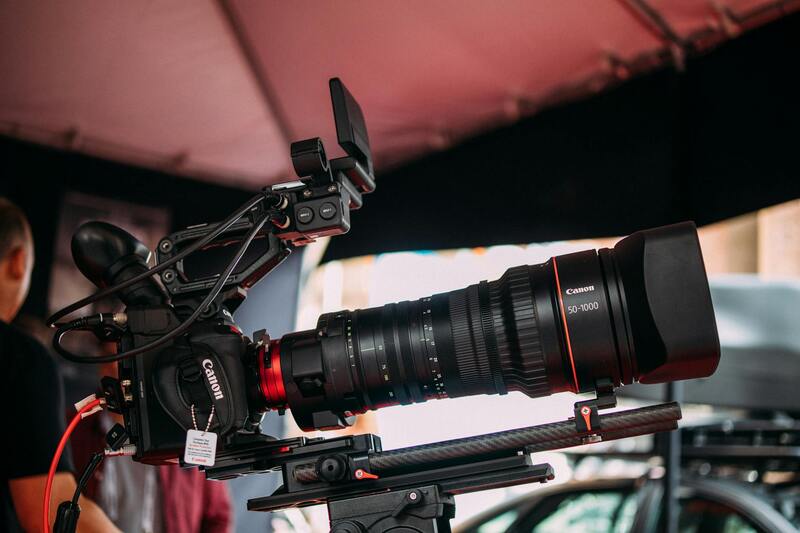
Tripods and stabilizers are essential accessories that help maintain consistent framing and sharpness, especially during low-light conditions or long exposure shots. Additionally, utilizing the latest HDR (High Dynamic Range) imaging techniques can balance challenging lighting contrasts, ensuring both interiors and exteriors are accurately represented without overexposure or underexposure.
Harnessing Advanced Techniques for Real Estate Photography
Along with equipment, applying professional techniques significantly elevates photo quality. Techniques such as capturing images during optimal natural light windows—typically early morning or late afternoon—ensure warm, inviting tones that appeal to viewers. Employing proper framing and angles highlights a property’s best features, like stunning waterfront views, intricate architectural details, or luxurious outdoor living spaces.
Angle selection is crucial; shooting from eye level, diagonally, or from corners can dramatically alter a space's perceived size and appeal. For outdoor scenes, incorporating elements of the landscape and ensuring the sun is positioned to avoid harsh shadows further enhance the composition. Consistent use of these methods across the portfolio affirms professionalism and attracts serious buyers.
Specialized Techniques to Address Miami’s Unique Climate and Architectural Styles
Miami’s warm, sunny climate lends itself to bright, vibrant visuals that capture the lively essence of the city’s real estate market. Photographers often schedule shoots during the golden hour — shortly after sunrise or before sunset — to exploit soft, diffused sunlight that adds warmth and depth to images.
Architectural diversity ranging from modern high-rises to Mediterranean villas requires adaptable techniques. For contemporary buildings with glass facades, polarizing filters reduce reflections and glare, revealing the true color and texture of exterior surfaces. For historic or Mediterranean-style homes, careful attention to shadow placement and nuanced lighting enhances architectural details without overpowering the scene.
Weather considerations also influence shooting strategies. Overcast days can provide evenly diffused light, minimizing harsh shadows and highlights, which is advantageous for capturing intricate details both inside and out. These tailored approaches ensure each property’s visual presentation matches Miami’s dynamic architectural landscape, appealing directly to prospective buyers seeking luxury, comfort, or investment opportunities.
Best Practices for Photography in Miami's Climate and Architecture
Capturing compelling realtor photos in Miami necessitates an understanding of the city’s unique climate and architectural diversity. The warm, sunny environment allows for strategic use of natural light, which is fundamental to producing vibrant and inviting images. Photographers often plan shoots during the golden hour—just after sunrise or before sunset—when sunlight is soft and diffused. This timing minimizes harsh shadows and creates a warm glow that enhances the appeal of the property. Utilizing this natural lighting technique highlights architectural features and interior details effectively, making spaces appear more welcoming and spacious.
Given Miami’s architectural landscape, which ranges from sleek modern high-rises to charming Mediterranean villas, adaptable photography techniques are critical. For contemporary buildings with expansive glass facades, polarizing filters help reduce reflections and glare, ensuring the true colors and textures of exterior surfaces are visible. When photographing historic or Mediterranean-style homes, careful lighting and shadow management reveal intricate architectural details without overwhelming the scene. This attention to detail preserves the essence of each property, matching its unique appeal to prospective buyers.
Weather conditions also influence shooting strategies. Overcast days provide even, diffused light that minimizes harsh shadows inside and outside the property, allowing for detailed and balanced captures. This is especially beneficial when photographing interior spaces, where consistent lighting ensures rooms appear bright and inviting without the distraction of uneven shadows. Flexibility in approach ensures each property’s visual presentation accurately reflects its character and appeal—whether highlighting sleek modern lines or ornate architectural features.
Choosing the Right Equipment and Techniques
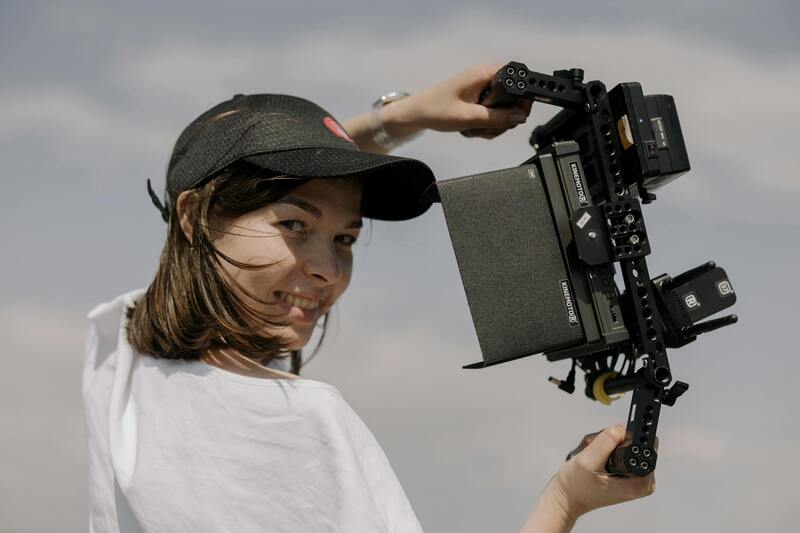
Selecting the appropriate equipment and applying effective photographic techniques are fundamental components in producing compelling realtor photos that resonate with prospective buyers. The use of advanced cameras with high-resolution sensors ensures sharpness and detail, capturing the essence of each property with clarity. Wide-angle lenses are particularly advantageous in real estate photography, allowing more of each room to be included in a single shot and creating a sense of spaciousness that appeals to viewers.
Tripods are essential for maintaining stability during shoots, especially in interior spaces where longer exposure times may be required to balance lighting. This prevents motion blur, ensuring every shot is crisp. When photographing exterior landscapes or wide property views, drone photography can provide stunning aerial perspectives that highlight the property’s scale, surrounding environment, and unique architectural features. These shots enhance online listings by offering potential buyers a comprehensive view of the property and its contextual surroundings.
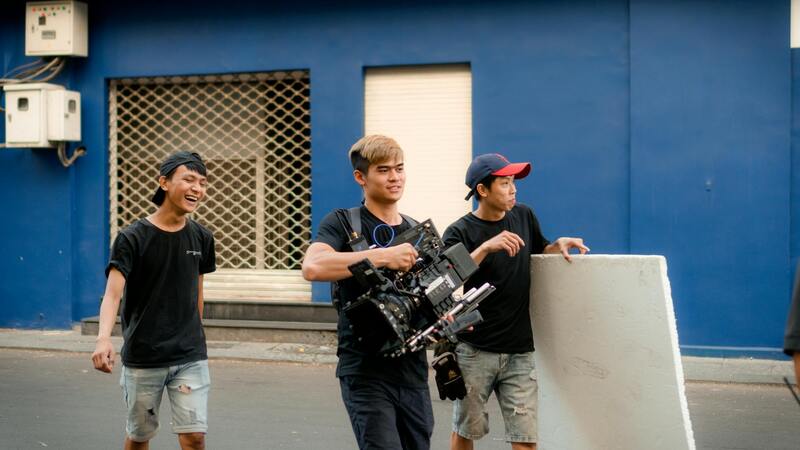
Lighting is a cornerstone of successful real estate photography. Natural light, especially abundant during Miami's warm and sunny days, can be exploited to enhance the atmosphere of interior spaces. Using reflectors or diffusers can help control shadows and evenly distribute light throughout the room. When natural light is insufficient or inconsistent, supplemental lighting such as strobes or LED panels should be employed. Proper lighting techniques illuminate highlighting architectural details, textures, and interior features, making spaces look more inviting and vibrant.
Exposure settings should be meticulously adjusted to prevent overexposure of bright areas while retaining detail in shadows. Techniques such as high dynamic range (HDR) imaging combine multiple exposures to produce balanced photos that accurately depict the scene’s brightness and contrast. These methods are particularly effective in Miami’s varied lighting conditions, ensuring each shot captures the true essence of the property regardless of weather or time of day.
For exterior shots, employing polarizing filters reduces reflections on glass surfaces and minimizes glare from shiny materials like tiles or metal fixtures. Compositionally, shooting from slightly elevated angles or at eye level can emphasize the property’s best features and create a more engaging visual narrative. Embracing a variety of perspectives and focal lengths allows for a diverse array of images that can be tailored to different marketing materials, from online listings to print brochures.
Weather and lighting conditions influence technical choices, requiring photographers to adapt their strategies. Overcast days offer soft, diffused light that minimizes harsh shadows, making them ideal for interior shots. Bright, sunny days enhance exterior images, emphasizing the property’s curb appeal. Using diffusers, reflectors, and appropriate camera settings ensures consistent, high-quality images regardless of variable environmental conditions. Employing these official, professional methods guarantees end results that accurately represent the property’s features and appeal to informed buyers.
Technical Aspects for Optimal Realtor Photos in Miami
Capturing stunning realtor photos requires a comprehensive understanding of the technical elements that influence image quality. The choice of lenses, camera settings, and lighting management can significantly impact the final visuals, making them compelling and true-to-life representations of the property. High-resolution cameras with professional-grade lenses allow for crisp details and accurate color reproduction, which are essential for attracting serious buyers.
To ensure clarity and depth, photographers in Miami often utilize wide-angle lenses, typically in the range of 14mm to 24mm, to encompass more of the property within a single frame. This approach not only enhances spatial perception but also makes rooms appear larger and more inviting. Properly adjusting aperture settings — generally between f/8 and f/11 for interior shots — guarantees sufficient depth of field, keeping both foreground and background in sharp focus.
Lighting is a critical factor, especially considering Miami's intense sun and varied weather conditions. Utilizing diffusers, reflectors, and external flash units help manage natural light, reducing harsh shadows and preventing overexposure. For exterior shots, shooting during the golden hour — shortly after sunrise or before sunset — produces warm, flattering light that highlights architectural details and landscaping.
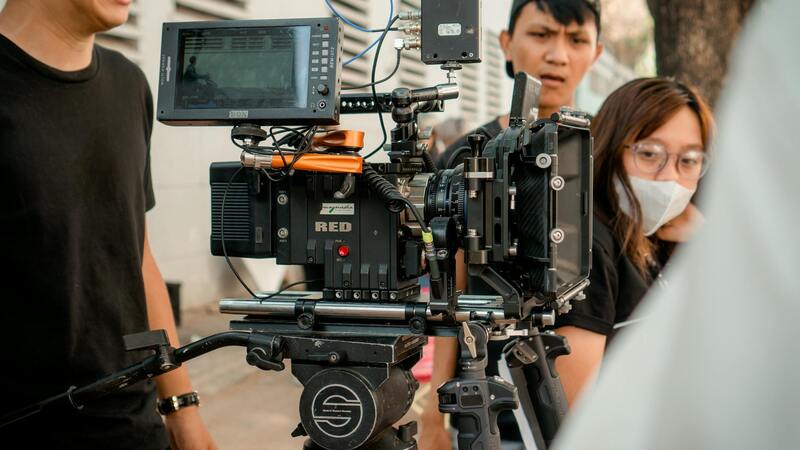
Additional post-processing enhances these images further, employing professional editing software to fine-tune exposure, color balance, and sharpness. It’s vital that these adjustments remain subtle, preserving the authenticity of the property and preventing over-editing, which can mislead potential buyers.
Post-Processing Techniques for Realtor Photos
Effective post-processing involves several key steps that elevate the quality of realtor images. Start with basic corrections: adjusting brightness, contrast, and white balance to ensure the photograph accurately depicts the scene. This foundational step ensures consistent color tones across different images.
Next, retouching tools are employed to remove distractions, such as minor blemishes or dust on surfaces, and to correct lens distortions that may occur during shooting. When dealing with interior shots, increasing clarity and sharpness accentuates architectural features, while slight vignetting can draw focus toward the center of the image.
For exterior images, enhancing sky color or greenery can boost visual impact, making the property appear more attractive and vibrant. Techniques such as HDR blending and exposure stacking can also be used to balance high-contrast scenes, a common scenario in Miami’s sunlight-drenched environment.
It’s crucial that post-processing is performed with professionalism and restraint. Over-editing or unnatural color enhancements can alienate discerning buyers and diminish trust. High-quality realtor photos, refined through precise editing practices, foster confidence and generate stronger engagement from potential clients.
Importance of High-Quality Realtor Photos
In the competitive Miami real estate market, high-quality realtor photos serve as a vital marketing tool that can significantly influence a property's visibility and appeal. Given the city's vibrant architecture and diverse property styles, professional images can effectively highlight key features, craftsmanship, and unique selling points that resonate with prospective buyers. Well-crafted photos not only capture the physical attributes of a property but also evoke the desired ambiance, helping potential clients envision themselves living in the space. When potential buyers browse online listings, their first impression is often formed based on the quality of the images presented. Clear, well-lit, and professionally composed photos create a compelling narrative that encourages further exploration of the listing. Conversely, poorly lit or blurry images can deter interest, no matter how desirable the property may be. As Miami continues to attract international and domestic investors, the visual impact offered by premium realtor photos becomes an essential differentiator in closing sales efficiently. Furthermore, high-quality images enhance a property’s credibility, demonstrating professionalism and attention to detail that buyers appreciate. They also contribute to an elevated perception of the overall listing, facilitating faster sales cycles and potentially higher closing prices. For real estate agents and property owners alike, investing in professional photography is a strategic move that generates a measurable return by increasing engagement and trustworthiness within the market.
Key Elements of Successful Realtor Photos
Achieving impactful realtor photos depends on several foundational elements. First, lighting plays a central role. Utilizing natural light where possible ensures images are bright and inviting, revealing the true colors and textures of interiors and exteriors. To enhance lighting, professional photographers often shoot during the golden hour or utilize supplemental lighting equipment to eliminate shadows and highlight architectural details. Second, composition and framing are crucial. Strategic placement of the camera, following principles such as the rule of thirds, guides viewers’ eyes toward focal points of the space, creating a balanced and aesthetically pleasing image. It’s essential to showcase the most attractive angles of each room, including wide shots that capture the entire space, as well as detailed close-ups that highlight distinctive features. Third, the clarity and sharpness of images directly impact the viewer's perception of quality. High-resolution cameras paired with precise focusing techniques ensure that every detail, from intricate moldings to modern appliances, is crisp and clear. Finally, the environment’s cleanliness and organization are fundamental. Cluttered or poorly staged spaces can detract from the property’s appeal, making it imperative to prepare spaces meticulously before photographing. Clean, well-organized settings with strategic decor arrangements help convey a sense of warmth and sophistication that appeals to discerning Miami buyers.
Choosing the Right Equipment and Techniques
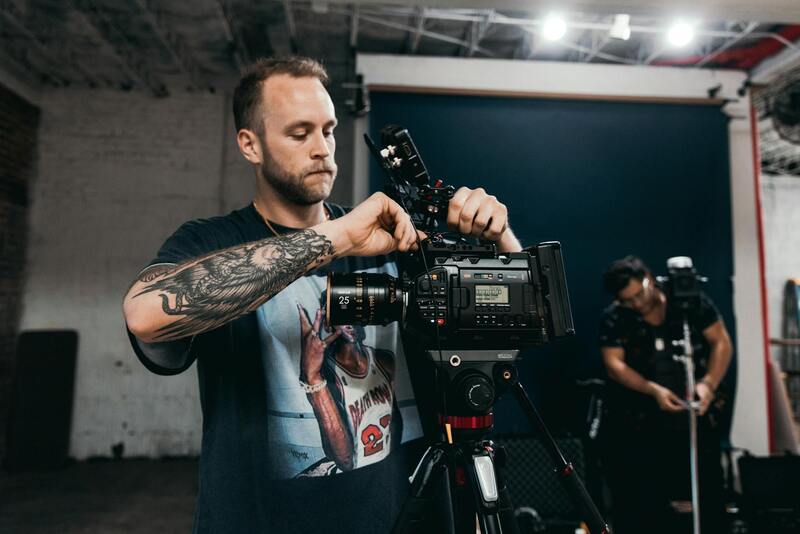
To produce standout realtor photos, selecting appropriate equipment and employing effective techniques are paramount. Professional-grade DSLR or mirrorless cameras equipped with wide-angle lenses are recommended to capture expansive interior spaces without distortion. Tripods help ensure stability and sharpness, particularly in lower light situations common at dusk or in shaded areas. Using HDR (High Dynamic Range) photography techniques allows for capturing scenes with contrasting light levels, such as interiors with large windows and bright outdoor environments. This approach balances the exposure, preventing washed-out highlights or overly dark shadows, thus producing images that accurately represent the space. When photographing exteriors, attention to weather conditions and lighting angles enhances the property’s curb appeal. Shooting during the early morning or late afternoon, with the sun low on the horizon, adds warmth and depth to outdoor images. Conversely, overcast days can provide uniform lighting that minimizes harsh shadows, producing softer and more appealing shots. For interiors, employing a wide aperture and proper vertical alignment prevents distortion of walls and furniture, resulting in natural-looking images. Bracketing exposures and merging them in post-production further improves dynamic range and detail in complex lighting situations.
Staging and Preparing Properties for Photos
Successful realtor photos are often the result of thoughtful staging and meticulous preparation of the property. Staging involves arranging furniture, accents, and accessories in a manner that accentuates the property’s strengths while creating an inviting environment. Neutral tones and minimized clutter allow prospective buyers to focus on the space itself rather than distractions. In Miami, where vibrant colors and modern designs are prevalent, staging can leverage these elements to enhance visual appeal. Incorporating fresh flowers, well-placed art, and contemporary fixtures can add personality and make the spaces feel more lived-in and appealing. Before shooting, thorough cleaning is essential. Surfaces should be spotless, windows cleaned to maximize natural light, and all personal items removed to maintain a neutral and welcoming atmosphere. Minor repairs, such as fixing leaky faucets or touch-up painting, can significantly elevate the final appearance. Additionally, outdoor areas should be tidy and well-manicured. Well-maintained landscaping, clean patios, and inviting outdoor furniture contribute greatly to curb appeal and can make exterior shots more attractive. Properly staged and prepared properties not only improve photo quality but also set accurate expectations for potential buyers, fostering trust and interest.
Enhancing Realtor Photos with Equipment and Techniques
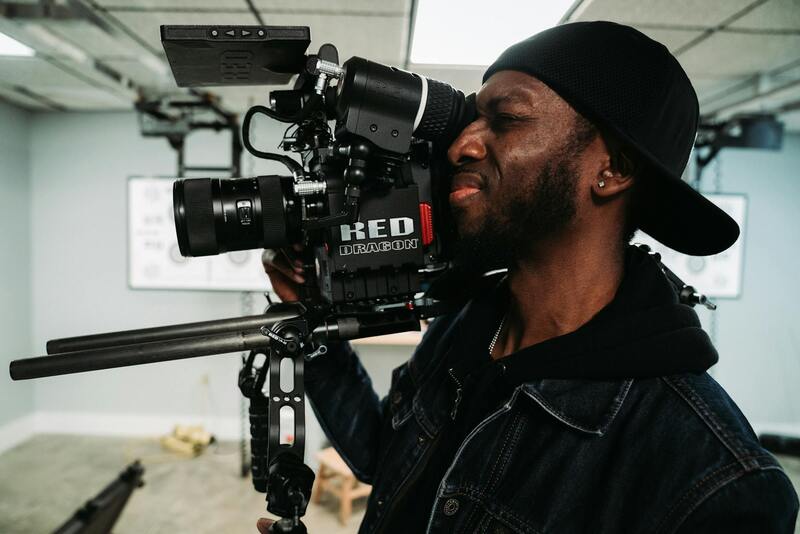
Achieving professional-quality realtor photos in Miami necessitates a strategic selection of equipment and mastery of photography techniques tailored to the unique environment. High-resolution DSLR or mirrorless cameras with wide-angle lenses are fundamental, allowing for expansive, detailed shots that showcase both interior and exterior spaces. Wide-angle lenses, typically between 14mm and 24mm, help capture entire rooms, providing prospective buyers with a comprehensive view that fosters an emotional connection to the property.
Stability is critical; tripods are indispensable tools for eliminating camera shake and ensuring consistent framing, especially in lower light conditions or when utilizing longer exposure times. Tripod use also facilitates the implementation of HDR photography, capturing multiple exposures to balance interior light with exterior views or shaded areas, resulting in well-exposed, vibrant images.
Proper lighting is pivotal. While Miami’s abundant natural sunlight can enhance property images, it can also pose challenges such as glare or uneven lighting. Using external flashes or diffusers can soften harsh shadows and illuminate dim corners. High Dynamic Range (HDR) imaging is a proven method for managing contrasting light situations, blending exposures to produce balanced images that reveal the full detail of a space.
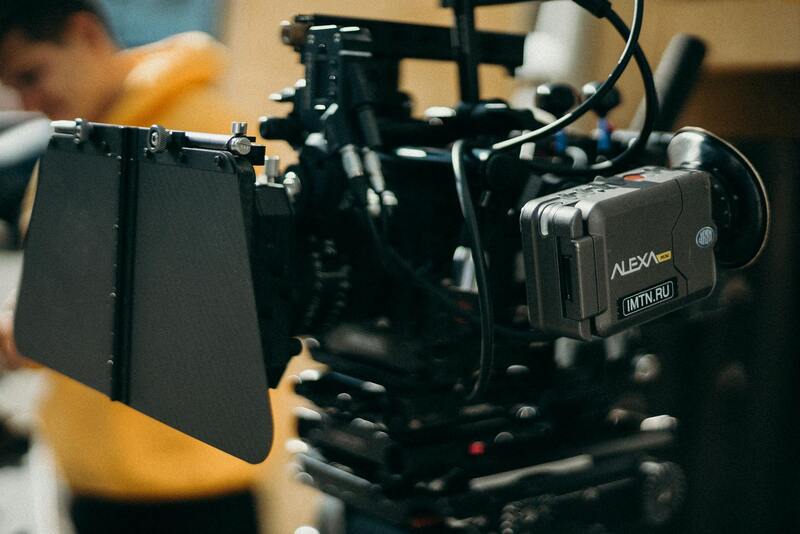
Mastering techniques such as vertical line correction ensures walls and other structures appear straight, preventing distorted images that can undermine credibility. Additionally, techniques like panoramic stitching are valuable for capturing expansive views of outdoor spaces or large interiors, offering a comprehensive perspective that highlights a property’s scale and appeal.
In terms of editing, color calibration and exposure adjustments should be minimal and natural, focusing on enhancing the true appearance of the property without exaggeration. This precision ensures that photos accurately reflect what prospective buyers will see upon visiting, fostering trust and reducing surprises during property viewings.
Staging and Preparation: The Foundation of Striking Realtor Photos
Effective staging and property preparation elevate the visual appeal of realtor photos by presenting spaces in their best light. In Miami’s vibrant, modern architectural landscape, this often involves accentuating clean lines, bright interiors, and lively outdoor settings.
Clutter removal and surface cleaning are imperative. Every surface—floors, counters, windows—must be spotless. Personal items should be stored away to help buyers envision themselves living in the space. Freshening up paint, repairing minor damages, and updating outdated fixtures contribute to a polished, inviting appearance.
Outdoor areas in Miami benefit from meticulous landscaping, such as pruning greenery, edging lawns, and arranging outdoor furniture tastefully. These enhancements strengthen curb appeal and create cohesive visuals that entice viewers from the first impression.
Strategic Use of Lighting and Colors
- Leverage natural light by scheduling shoots during the day when sunlight is abundant.
- Use artificial lighting to fill shaded areas or highlight specific features.
- In Miami’s colorful environment, incorporate accents such as vibrant cushions or decorative pieces to add personality without overwhelming the space.
Adapting to Miami’s Climate and Architectural Diversity
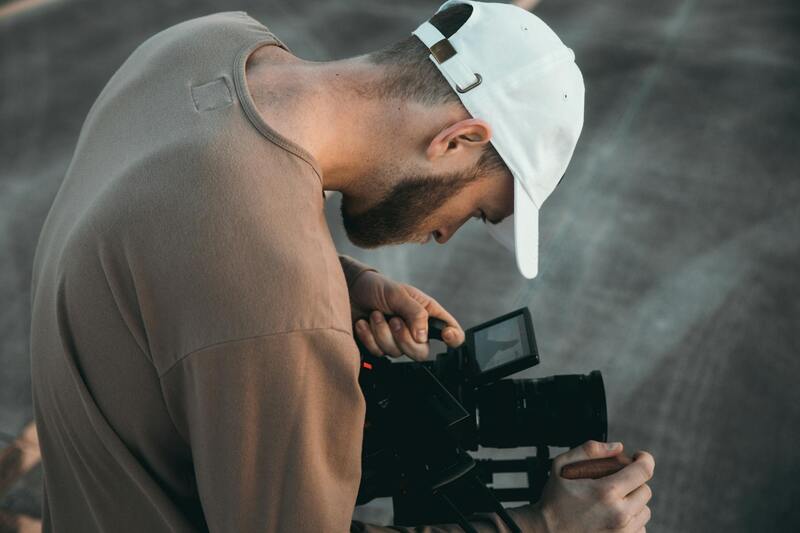
Miami’s subtropical climate influences the timing and approach to real estate photography. Shooting early mornings or late afternoons yields softer, more flattering natural light and reduces the impact of the intense midday sun. Overcast days provide diffused light, ideal for capturing even exposure indoors and outdoors.
Miami’s eclectic architectural styles—from modern condos with sleek lines to historic Art Deco buildings—require tailored photography techniques. For modern structures, emphasizing clean lines and minimalist aesthetics through precise composition and lighting can amplify their contemporary appeal. Conversely, historic buildings benefit from highlighting unique architectural details and textured surfaces with angled shots, capturing the rich character that attracts discerning buyers.
Weather considerations are also vital. Preparing for sudden rain or high humidity involves carrying protective gear for equipment and scheduling shoots during weather windows that ensure optimal conditions. This diligence preserves equipment lifespan and guarantees consistent, high-quality imagery.
Managing Outside Elements
- Use lens hoods and filters to minimize glare from sunlight.
- Protect gear with weather-resistant covers in humid or rainy conditions.
- Utilize reflectors or fill lights to counteract harsh shadows created by Miami’s bright sun.
By combining the right equipment with adaptive techniques, real estate photographers can produce compelling, authentic images that resonate with Miami’s vibrant market and diverse architectural landscape.
Maintaining Consistent Branding and Visual Identity
In the competitive Miami real estate market, consistent branding through realtor photographs can significantly influence buyer perception. Establishing a recognizable visual identity across all property listings reinforces your brand and builds trust with prospective clients. This involves selecting a specific style of photography—be it bright and airy, modern minimalism, or warm and inviting—and applying it uniformly. Consistency helps your listings stand out among a sea of images and creates a cohesive portfolio that potential clients can associate with quality and professionalism.
Developing a visual style involves more than just select framing and lighting; it encompasses your approach to color grading, angles, and even the time of day for shoots. Using a standardized editing preset across all photos ensures uniformity, allowing potential buyers to recognize your brand instantly. Incorporating subtle branding elements, such as your logo or signature color palette in properties' environmental details, can also foster recognition and reinforce your agency’s identity.
Monitoring Market Trends and Adapting Photography Styles
Miami's real estate landscape is dynamic, with new architectural trends and buyer preferences emerging regularly. Staying abreast of these trends allows realtors to adapt their photography styles accordingly. For example, if minimalist design becomes prominent, highlighting clean lines and uncluttered spaces will appeal more effectively. Conversely, emphasizing the vibrant tropical outdoor spaces might be advantageous in waterfront properties or villas.
Engaging in ongoing education and training for your photography team ensures they are equipped with the latest techniques and equipment tailored to contemporary market demands. This proactive approach guarantees your property images remain fresh, relevant, and compelling to high-end clients and international buyers alike.
Optimizing Listings for Online Platforms and Mobile Devices
With a significant portion of property searches happening via smartphones and tablets, realtor photos must translate well across various screen sizes and online platforms. High-resolution images that are optimized for quick loading without sacrificing quality are essential. Incorporating multiple viewing angles and zoom-enabled images enhances user experience, enabling viewers to scrutinize details meticulously. Additionally, producing a selection of thumbnail images that highlight key features can capture attention swiftly, increasing click-through rates and engagement.
The Impact of Professional Realtor Photos on Property Value
High-quality images often justify premium pricing and facilitate faster sales. Well-executed photographer work showcases a property's best attributes, making it more appealing to buyers and agents alike. In Miami’s luxury market, where buyers expect exceptional presentation, investing in professional realtor photos can provide a competitive advantage, translating into higher offers and quicker closing times.
Leveraging Virtual Staging and Aerial Photography
To enhance property appeal further, integrating virtual staging allows potential buyers to visualize the full potential of spaces without physically altering the property. Aerial photography, utilizing drone technology, provides distinctive perspectives, especially for waterfront estates, large land parcels, and properties with significant outdoor features. These advanced techniques, when executed expertly, add layers of depth and context that static images cannot convey, thereby attracting more prospective buyers.

While integrating these sophisticated methods, it remains crucial to maintain authenticity and avoid over-editing, ensuring the images accurately reflect each property's true character. Authentic visuals foster trust and enable buyers to make informed decisions based on reliable representations.